Cycling Components
Direct-to-Consumer Road Bike Build: Four Components Worth Buying, and Two to Reconsider
A lightweight road bike assembled entirely from direct-to-consumer parts, tested on a wet first ride. Here is which components delivered and which ones need work.
Introduction
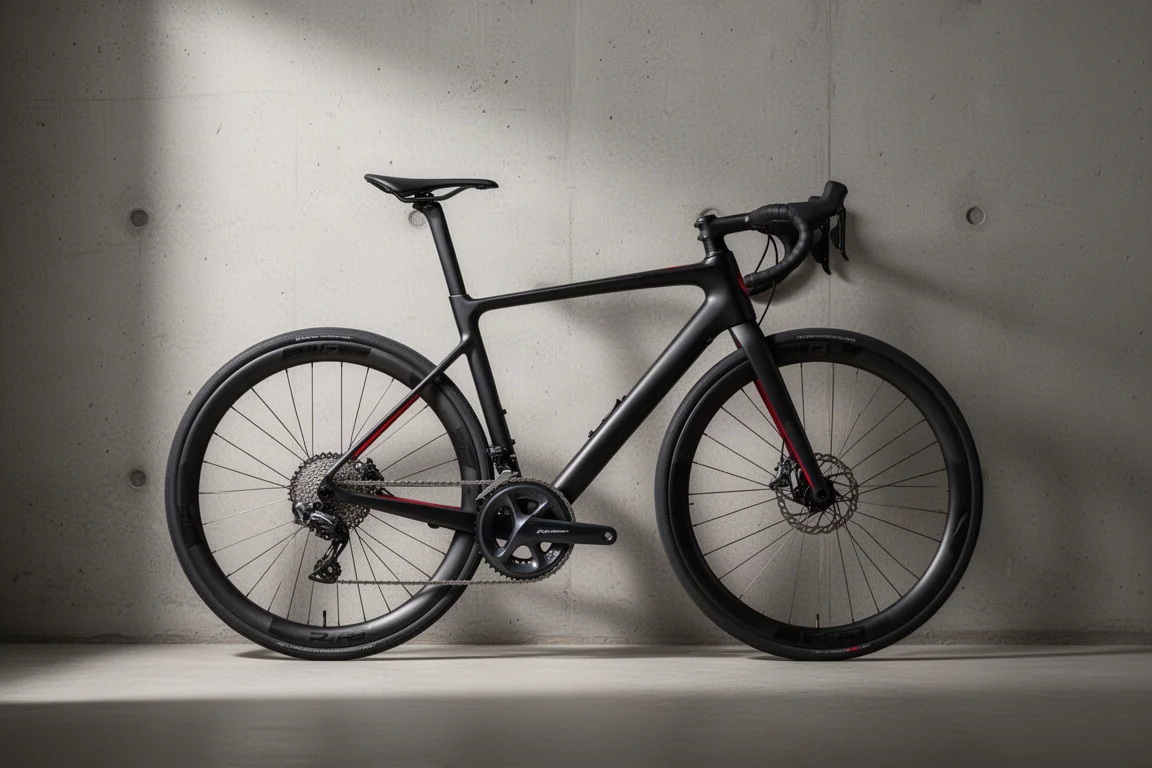
A complete road bike assembled from direct-to-consumer components is a genuinely appealing idea. A very light carbon frame, a set of carbon wheels, a drivetrain and tyres, all for a fraction of what a comparable name-brand build costs on paper. The numbers look convincing long before the bike is rideable.
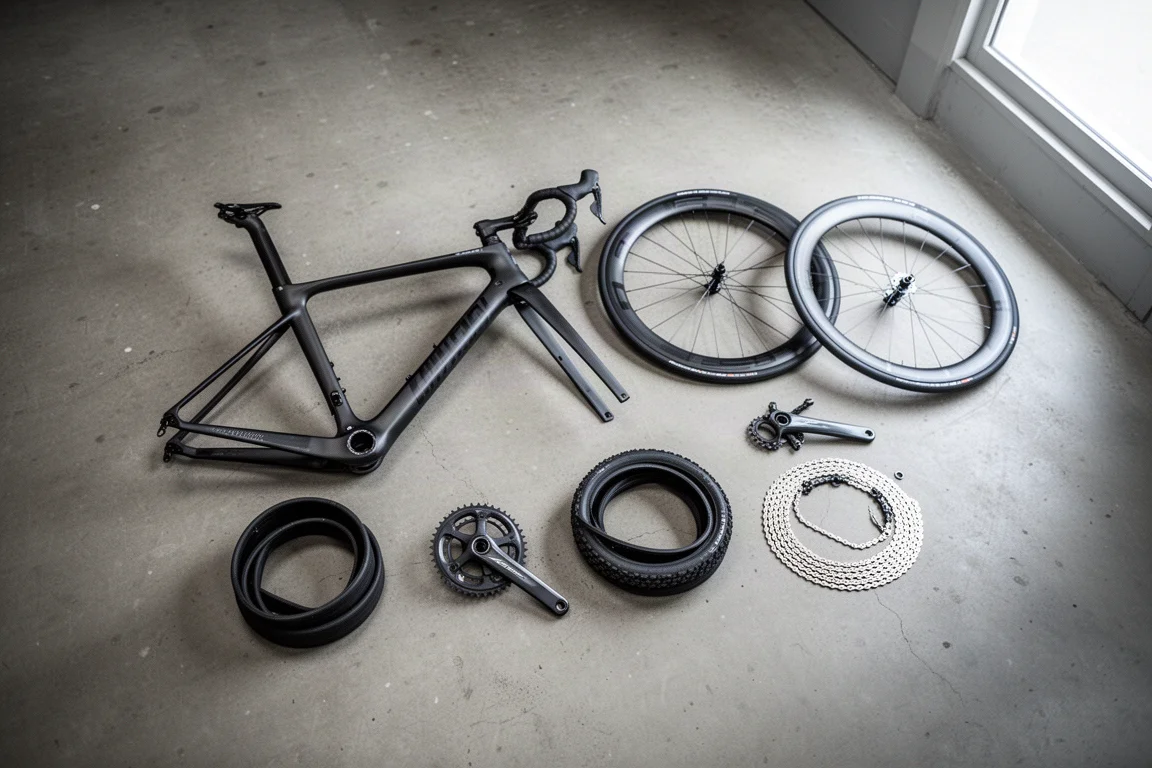
This build paired a superlight carbon frameset with a matching carbon wheelset, a single-chainring groupset and a set of race tyres. The first ride happened in persistent drizzle, which turned out to be an unusually honest test: wet roads put braking and setup quality under a microscope in a way a dry spin never does.
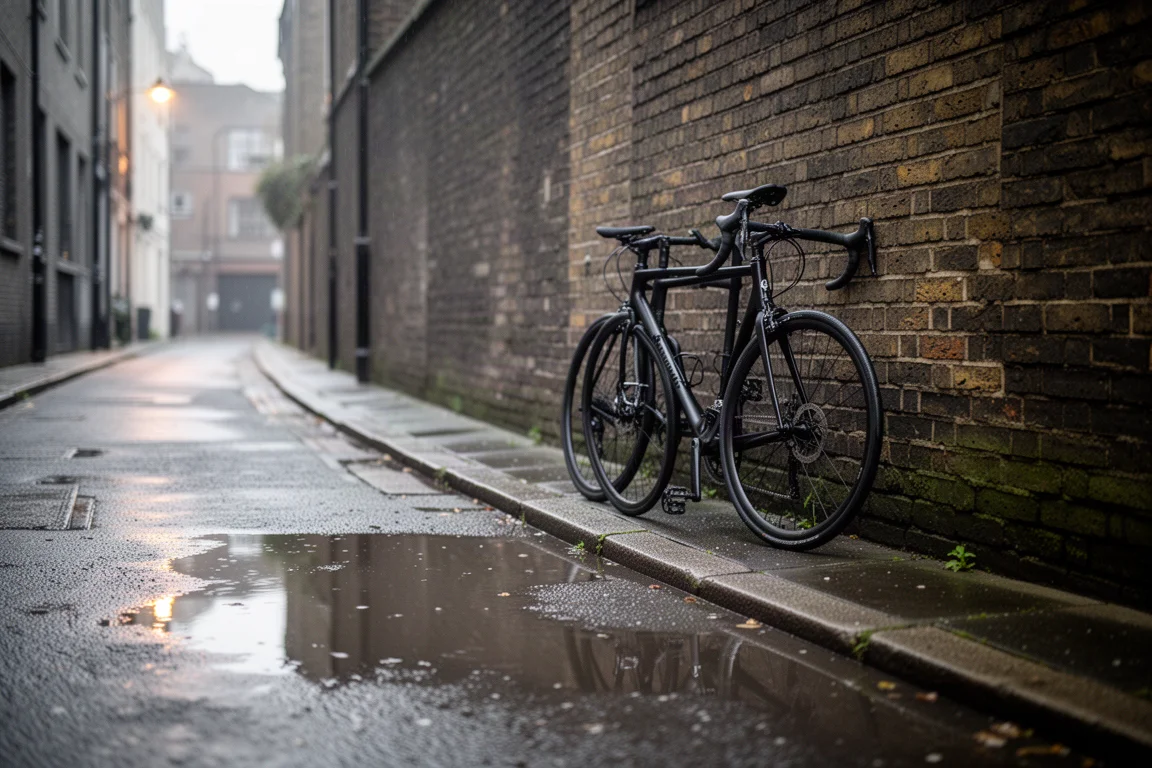
The headline result is that two components clearly earned their place and two needed more work. The frame and the wheels delivered exactly what the build was chasing, a low weight you can feel from the first pedal stroke. The drivetrain and the brake calipers chosen alongside it were the parts that held the ride back.
What We Looked For
Four things decided how each component was judged.
Weight you can actually feel rather than read off a scale. A frame or wheelset only earns its price if the difference shows up on a one or two percent gradient, where a light bike feels flat-road easy rather than a slow grind.
Comfort across a full ride, including rough and wet surfaces, rather than a short burst of speed.
Fit and clearance, because a tightly built frame quietly dictates which tyres, bars and shifters you can use at all.
Setup behaviour: how the parts hold their adjustment once weather and road spray get involved. On this build, that last point turned out to matter more than anything else.
Elves Vanyar Frameset
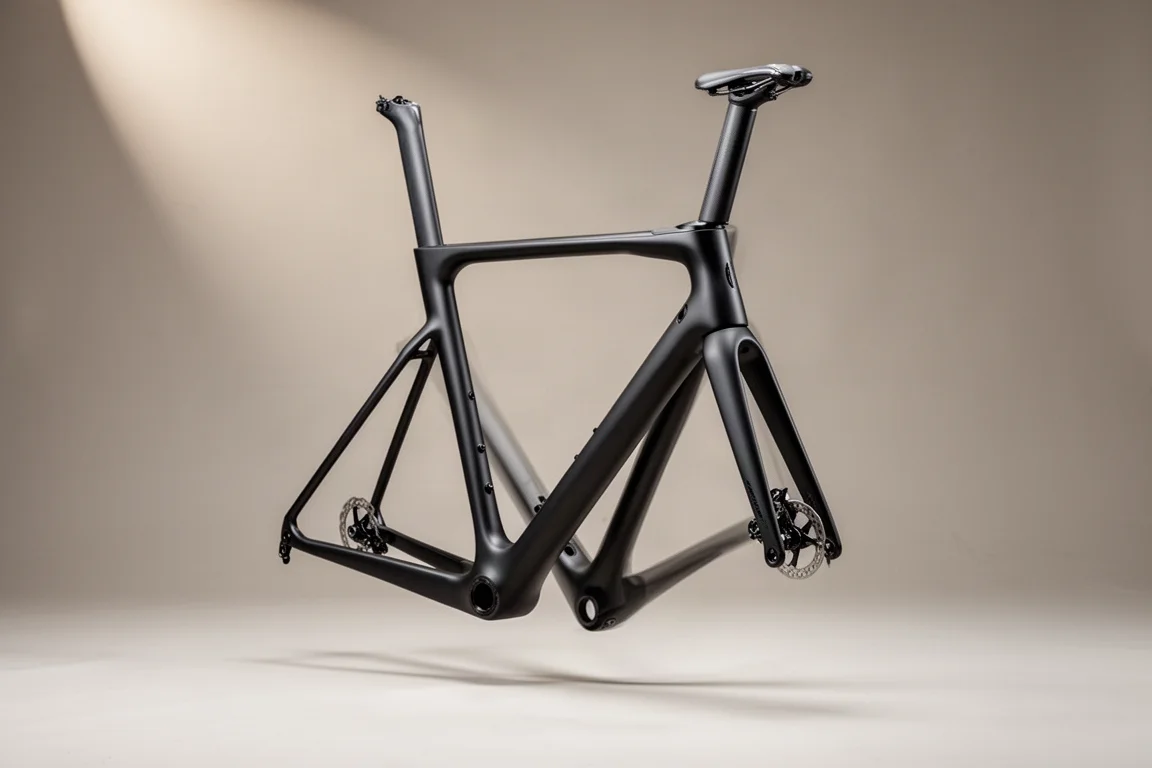
The Vanyar is a superlight carbon frameset built around disc brakes. The frame arrives with its own seatpost, and a matching carbon handlebar is available as an extra. Everything about the platform is aimed at low weight, and that is what a rider notices first: it accelerates and climbs with an eagerness that is rare at this level, and it rides surprisingly comfortably over rough tarmac.
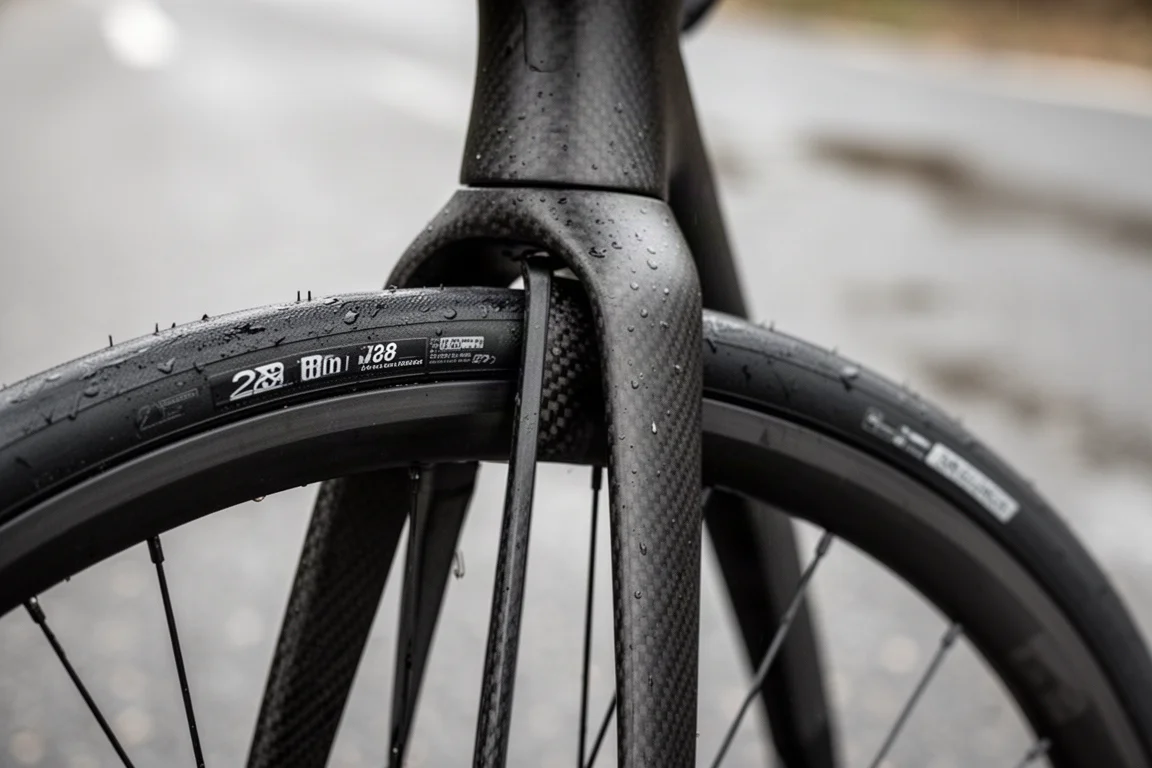
Clearance is the main constraint to plan around. This is an older-style frame and the fork and chainstays are tight. A 28 mm tyre fits; a 30 mm tyre does not. That limits how much extra comfort and grip you can add through tyre volume, and it should be the first thing you check before ordering.
The optional carbon handlebar deserves a note of its own. It has a reinforced section where the shifter clamps, and that section ends quite early, so the levers cannot be positioned as far up the bar as many riders would want. A conventional handlebar and stem is the straightforward fix if the reach does not suit you.
The frame itself feels solid, and the ride quality is better than its weight suggests. Set up with a drivetrain and brakes that behave, this would be the foundation of a very good climbing bike.
Elite Wheels Drive 4 TV Wheelset
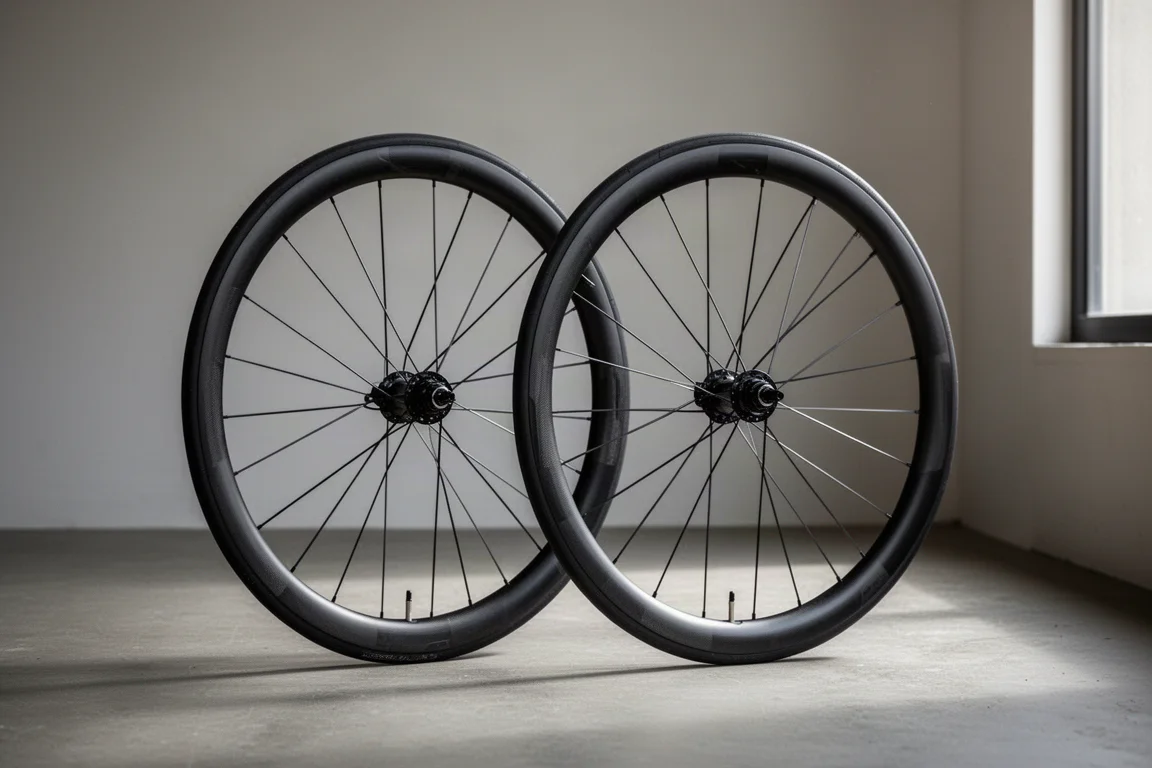
Light carbon wheels are where a build like this usually makes its single biggest difference, and this set is among the lightest options in the direct-to-consumer market. On the road it simply did its job: the wheels spun up quickly, added little to the overall weight, and gave the bike the snappy, keen feeling from low speed that the rest of the build was chasing. Of every part on the bike, these performed the most consistently.
The caveat is not really about the wheels. A wheelset this light only shows its full value when the rest of the bike is sorted. Where the drivetrain shifted inconsistently and the brakes dragged, the wheels’ advantage was masked, and the rider spent more attention on the noise and the risk of a missed gear than on how the bike felt underneath.
For anyone building around a light frame, this is the component to prioritise, because it is the one that changes the character of the ride rather than just the spec sheet.
Sensah Empire Pro Groupset
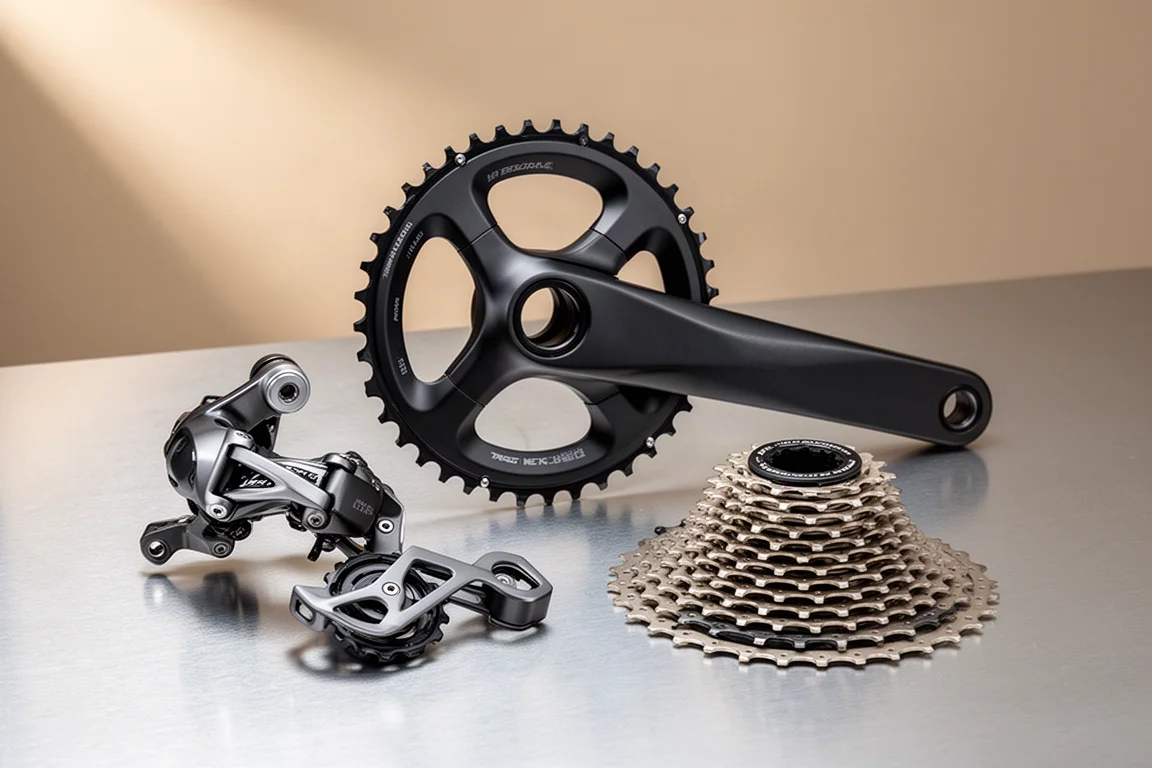
The Empire Pro was set up here as a single-chainring system. The same groupset had shifted cleanly on a different frame previously, but on this build it skipped through the gears and never settled into reliable shifting. A new chain, cassette and chainring were fitted, so wear was not the cause.
The most likely explanation is the chain line. The crank is a dedicated 1x unit and should have the correct chain line for that setup, but something about the bottom bracket width or the frame spacing appears to have pushed it out of the range it wants. A different chainring, ideally a smaller one, is the obvious next step, and the gearing as built was on the large side for the terrain it was ridden on.
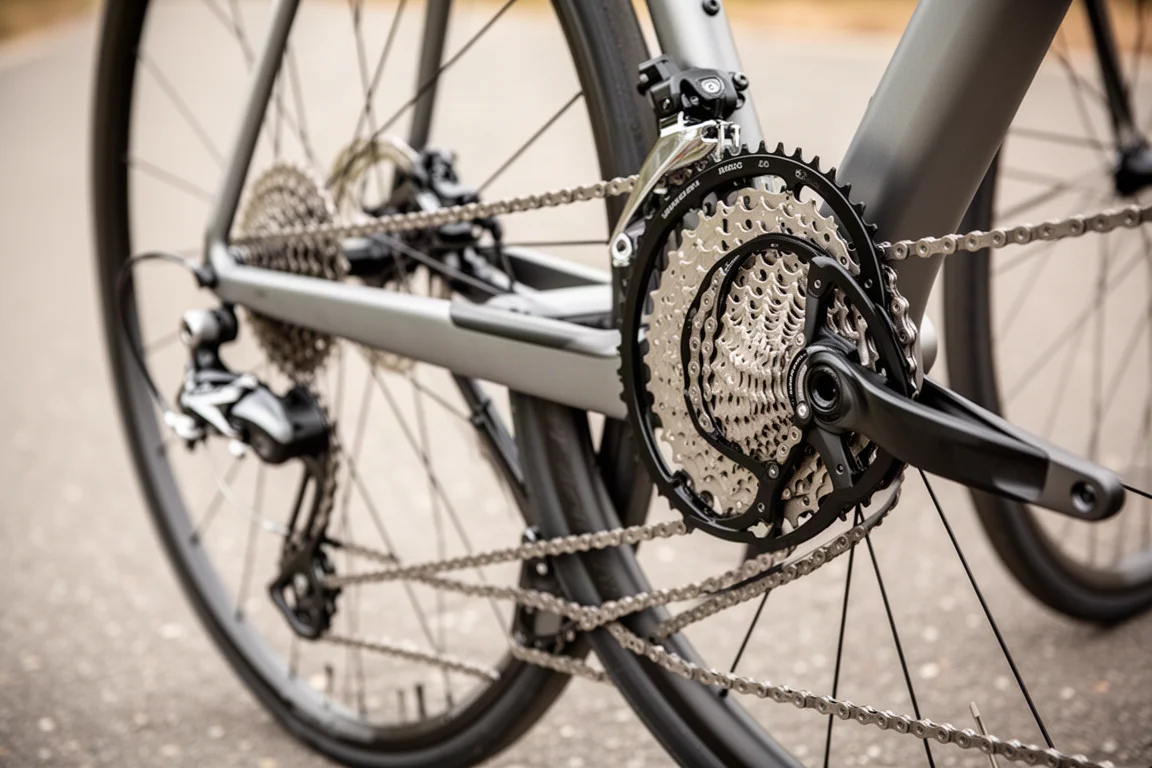
Until that is resolved, the groupset is the weakest part of the bike. Inconsistent shifting changes how you ride: it discourages getting out of the saddle on a climb and it adds a background worry on every descent. The reassuring part is that the same groupset has worked well elsewhere, so this looks like a compatibility and setup problem rather than a fundamental flaw.
Vittoria Corsa Evo CX Tires
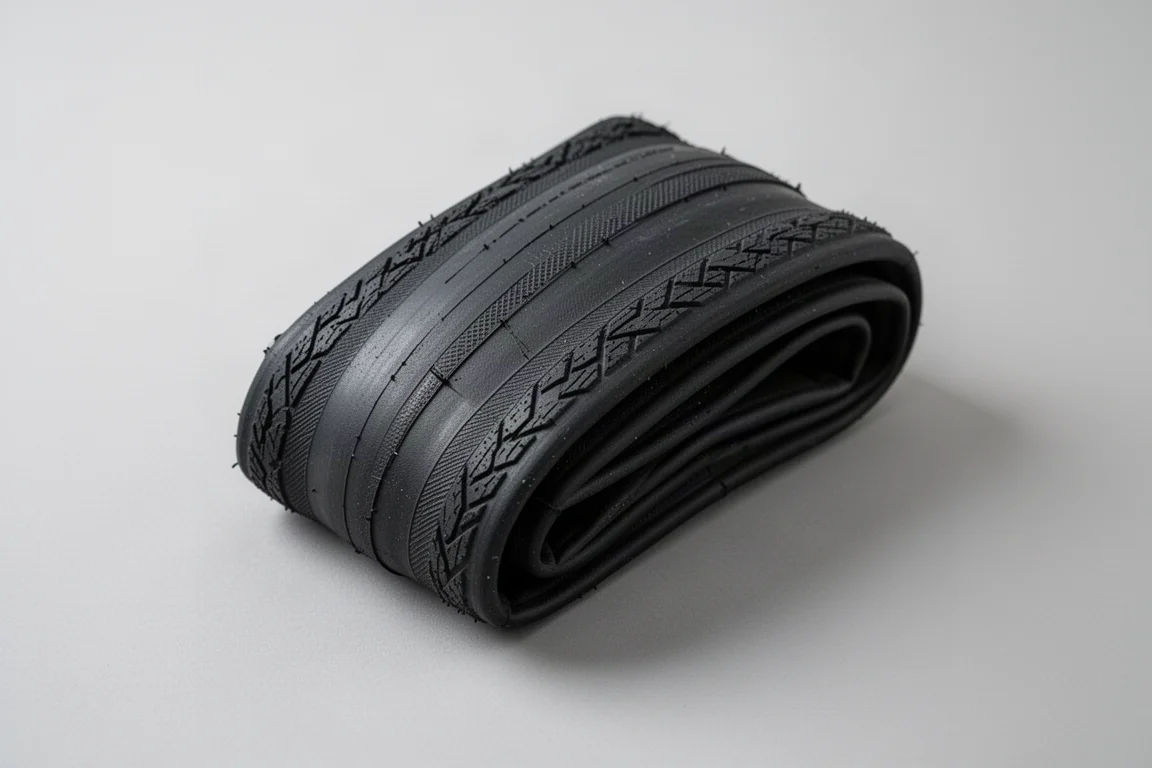
These tyres were fitted as a replacement for the set originally mounted, and the reason was fit rather than preference. In 28 mm, the Corsa Evo CX measures slightly narrower than a 28 mm tyre from some other brands, and that small difference was enough to clear this frame’s fork and chainstays. They were run at 60 psi for the first ride and felt predictable and reasonably comfortable at that pressure.
The trade-off is a reminder that tyre choice on a tightly built frame is a clearance decision as much as a performance one. There is little room to move to a wider, more forgiving option later, so it pays to confirm the actual measured width of a tyre before committing to a frame with narrow gaps.
If you are building on a frame with generous clearance, you have more freedom here. On a tight one, these earn their place simply by fitting.
Overall Buying Advice
The most useful lesson from this build is that its two best components, the frame and the wheels, are also the two most worth buying. Together they produced a genuinely light, comfortable and quick-feeling bike, and the rider noticed the weight advantage most on gentle one and two percent gradients rather than on steep climbs. That is exactly where light bikes are supposed to feel special, and it held true here.
The parts to be careful with are the ones that connect everything: the drivetrain, the braking and the handlebar fit. The calipers fitted to this build were spongy, difficult to adjust and prone to dragging, and they were not trustworthy on wet descents, which is a safety issue rather than a preference. Budget for a drivetrain and a set of brake calipers you trust, confirm tyre clearance before you order, and treat the handlebar as a fit decision rather than a styling one.
With those details sorted, this frame and wheel combination could be a genuinely excellent hill climb bike, or simply a very good all-round road bike that happens to cost far less than its spec suggests.
Conclusion
Direct-to-consumer components can absolutely build a fast, light and comfortable road bike. This one proved it on the parts that matter most: a superb light frameset, an outstanding light wheelset and tyres that solved a real clearance problem. What it also showed is that the cheap-and-quick parts around them, the groupset setup and the brake calipers, are where a promising build can go wrong. Buy the frame and wheels with confidence, then spend your remaining budget on the components that keep you in control.
Further reading
Related Reviews
Cycling Components
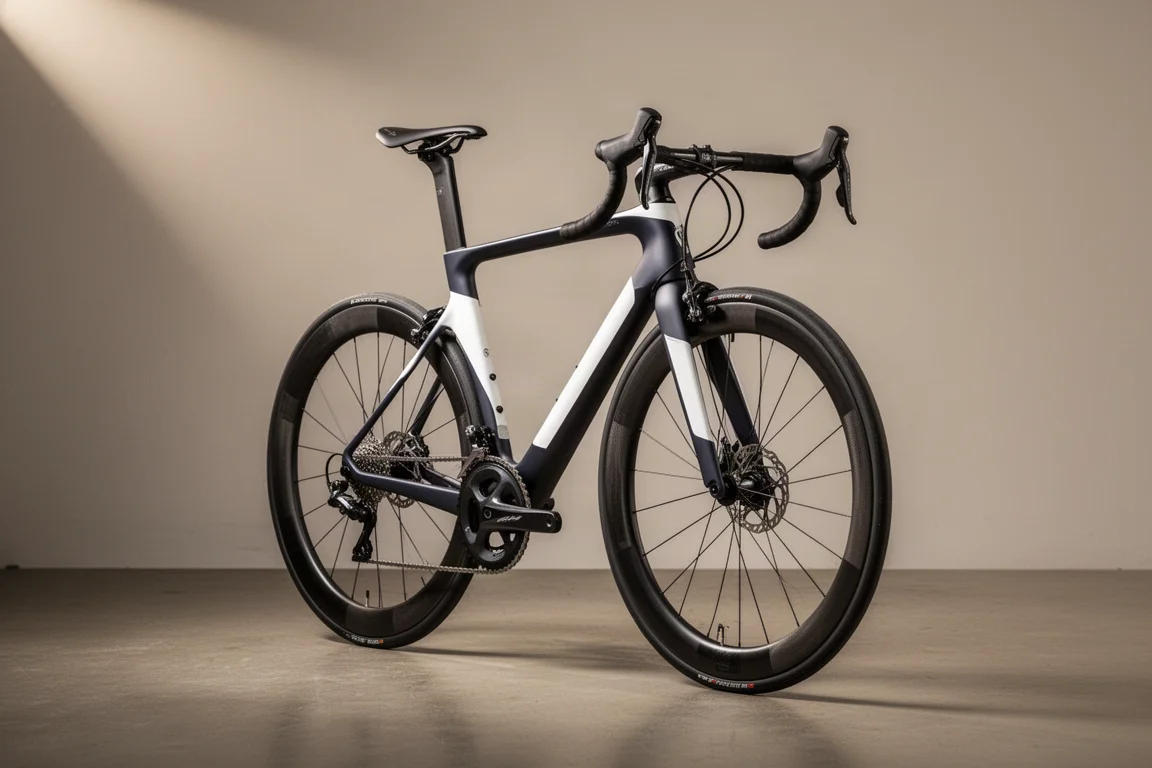
A 20,000-Mile Budget Race Bike Build: Five Parts Worth Knowing
A rim brake race bike assembled from low-cost components and ridden for 20,000 miles. Here is what delivered real speed, what caused problems, and what to weigh before copying the formula.
Cycling Components
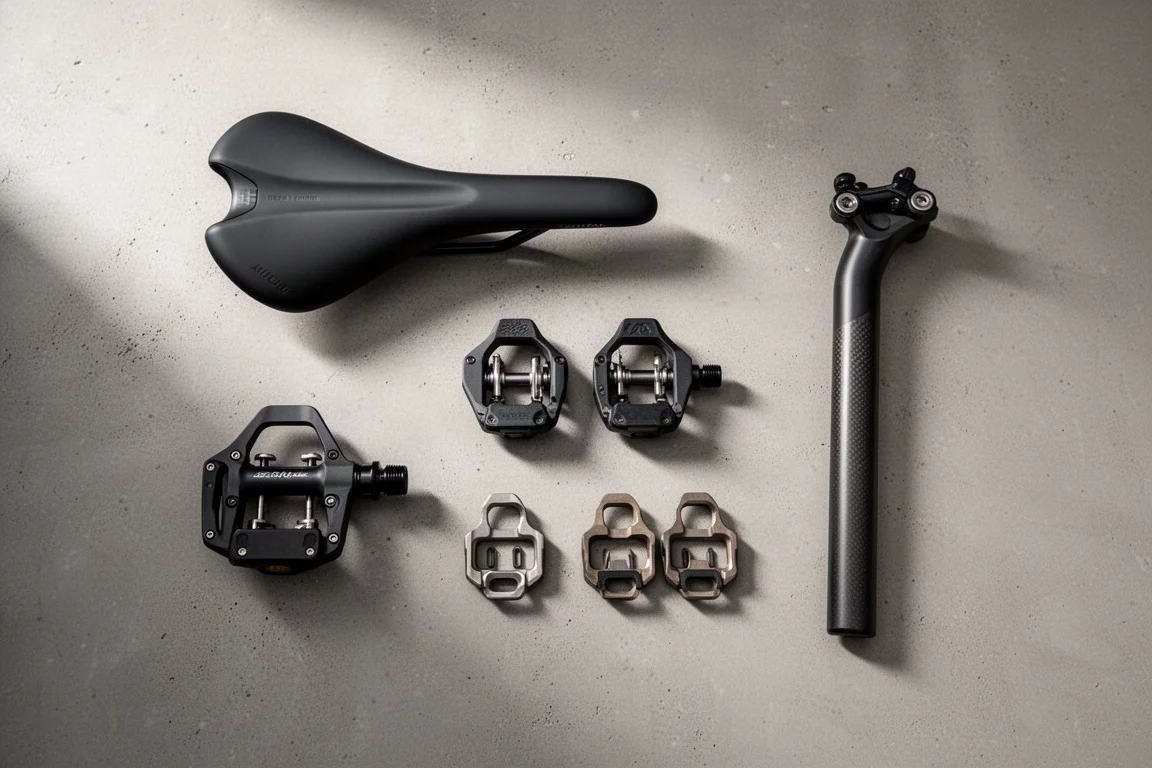
7 Bike Fit Products Fitters Avoid: What to Check Before You Buy
Seven bike components that regularly cause knee, foot and saddle problems, with the specific concerns behind each one and what to look for instead.
Cycling Components
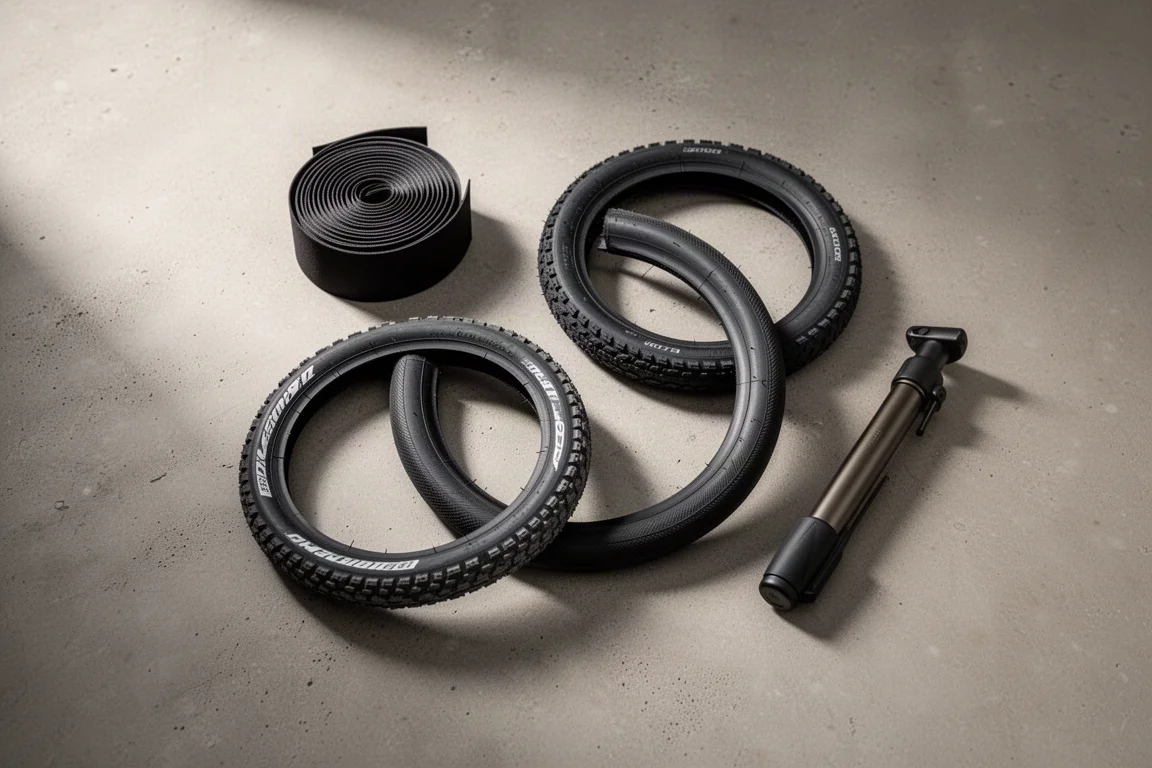
Four Affordable Bike Upgrades That Improve Ride Feel
Four low-cost cycling products that make a real difference to ride feel, plus the free setup changes worth trying first.