Hi-Fi Speakers
DeVore Fidelity Oh Baby and Micro Review: Two Compact Speakers Tuned for Real Rooms
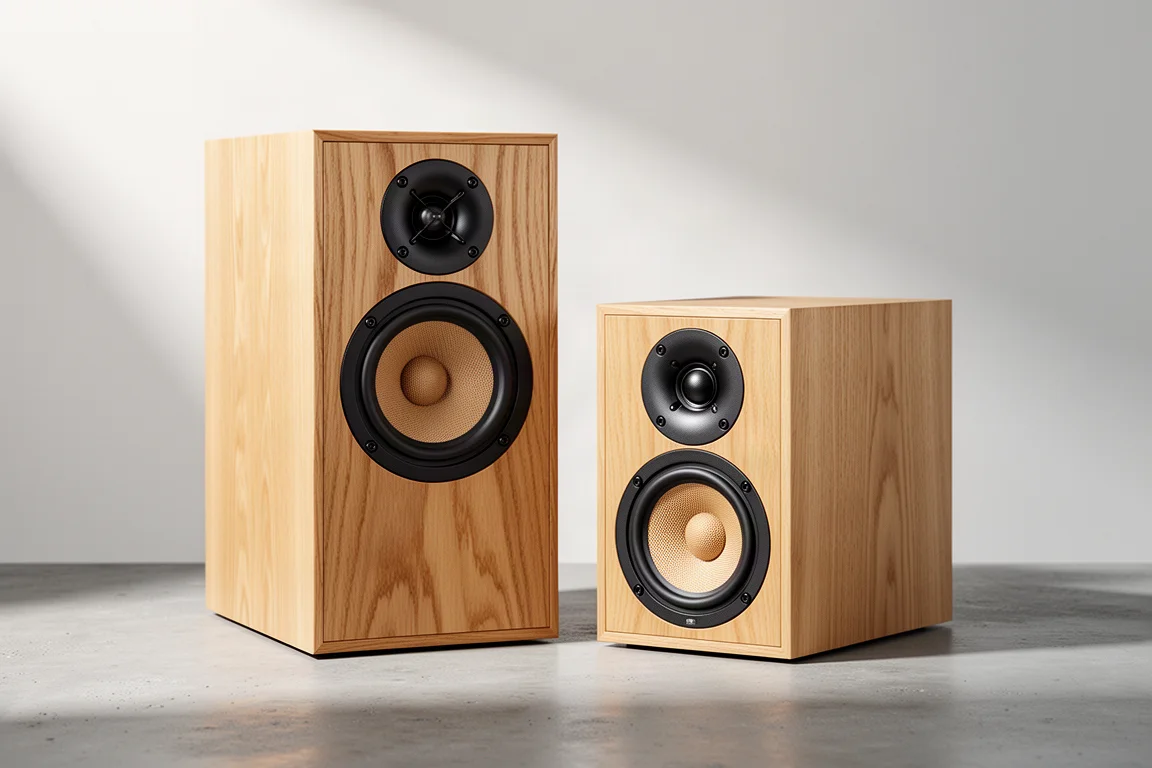
Two compact speakers from DeVore Fidelity share the same driver pair but take different routes, with one sealed cube built for record shelves and a larger cabinet with a wide listening window.
Introduction
DeVore Fidelity builds its speakers in Brooklyn, and the Oh Baby and Micro are its two newest compact models. They share the same pair of drivers, but they take different routes to the same goal: getting a full, room-filling sound out of a small cabinet. The Micro is a sealed 10 inch cube positioned as the new entry-level model in the range, and the Oh Baby is the larger sibling that grew out of the same prototyping work.
If you have been looking for a compact speaker that works with a shelf rather than against it, the thinking behind these two is worth understanding before you decide which one suits your room.
Shared Design: One Driver Pair, Two Speakers
Both speakers use the same two drivers. The woofer is built around an untreated paper cone, using a paper pulp recipe that has been supplied to driver makers for decades and is the same pulp used across the Orangutan drivers. The tweeter is a small horn-loaded unit with a neodymium magnet, adapted from the super tweeter originally developed for the Orangutan Reference.
The drivers themselves are made by SEAS in Norway, developed in partnership with the company’s engineers and carrying model numbers unique to DeVore Fidelity. They are not sold on to other manufacturers.
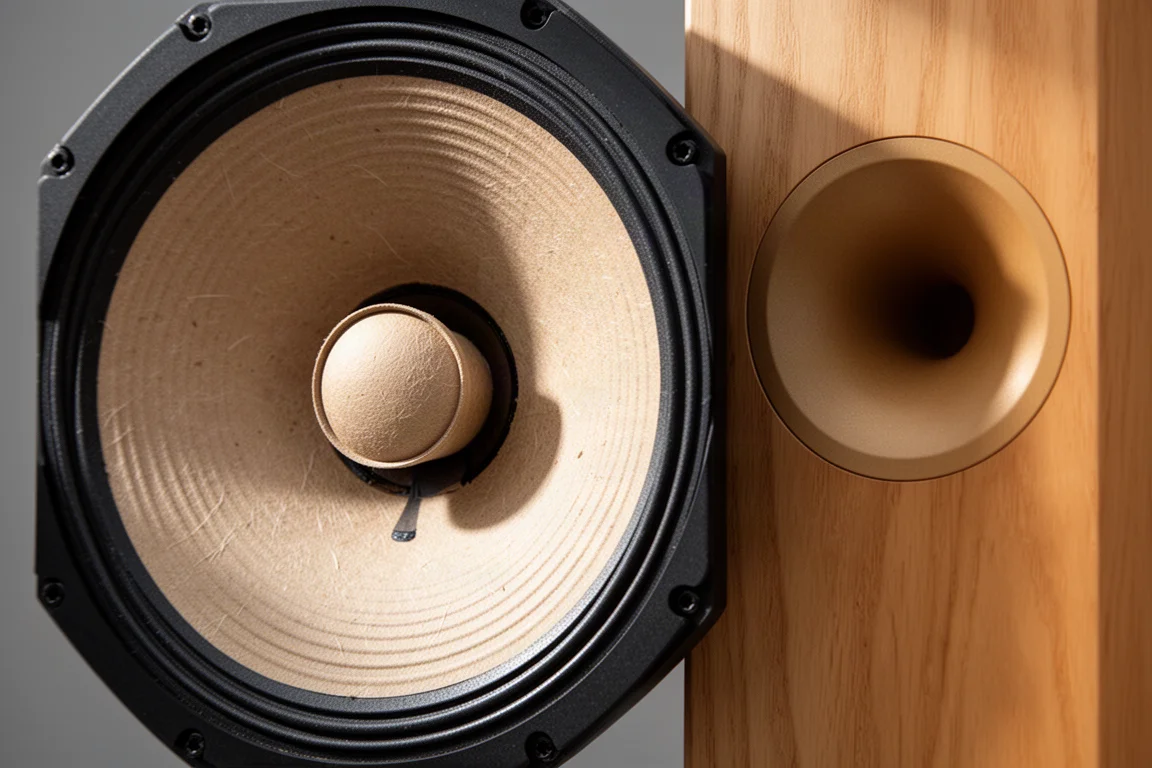
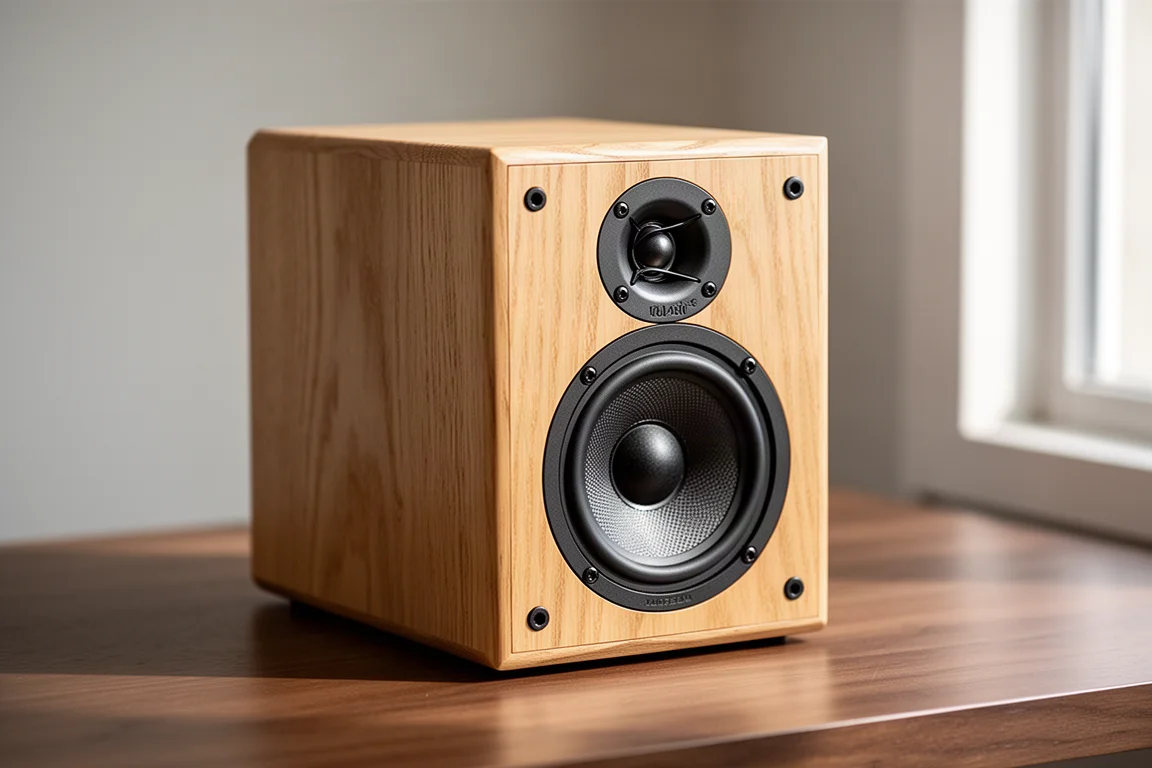
Mounting the two drivers close together was a deliberate choice. The horn profile is machined into the front baffle and its depth is matched to the position of the woofer’s voice coil, so the sound from both drivers launches from essentially the same point. The result is the widest listening window of any model the company has made, which matters a great deal when a speaker ends up on a shelf rather than on a stand in a carefully measured triangle.
One thing to note up front: these two are tuned differently from the rest of the range. They are not as technically transparent, and they are deliberately less revealing of the rest of the system. That is what makes them so consistent from one installation to the next, and it is a design choice rather than a limitation.
DeVore Fidelity Oh Baby: The Larger Sibling
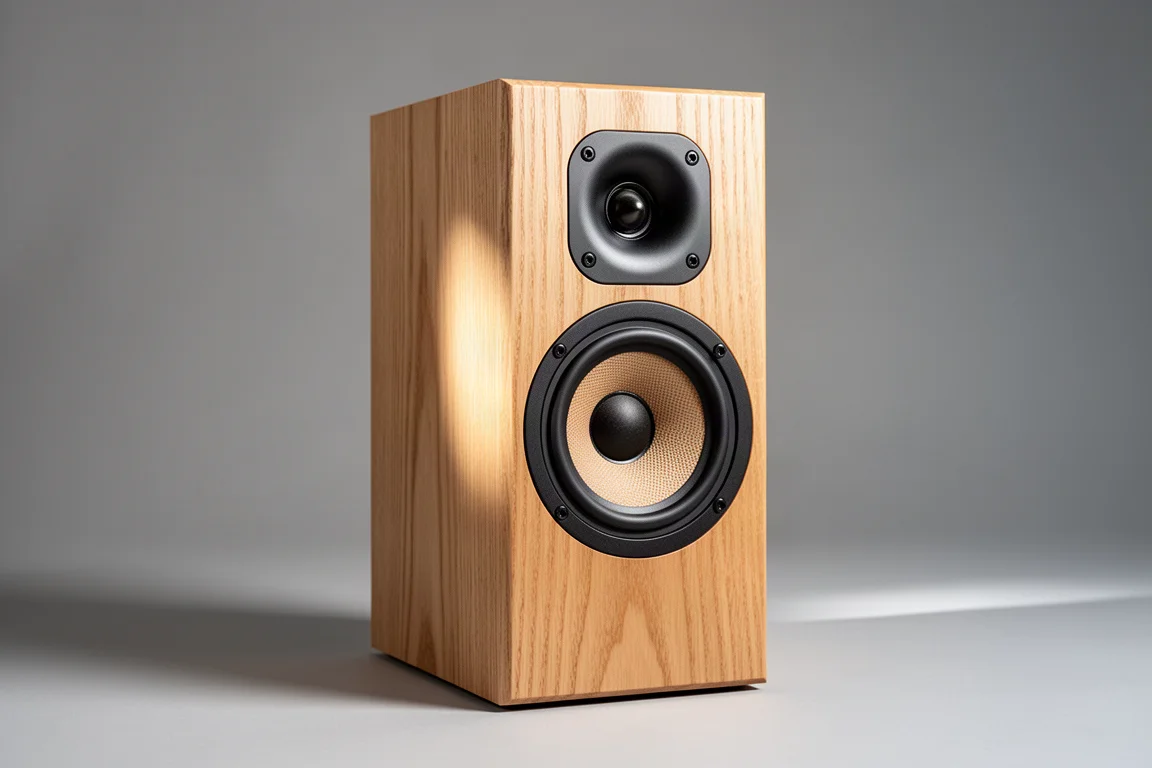
The Oh Baby is the larger of the two speakers. Its cabinet is scaled down from the O/96, keeping the same proportions at a little more than a third of the internal volume, and it gives the shared driver pair more room to work with than the cube-shaped Micro.
During development, the same woofer was measured and simulated in several cabinet types, and the larger enclosure proved to be an unusually good match for it. The speaker that came out of that process carried the qualities associated with the Orangutan line into a much smaller driver, which was not something the company expected to be possible at the outset.
If you want the fuller of the two options and you have a little more space than a shelf can offer, this is the one to look at.
DeVore Fidelity Micro: The Compact Cube
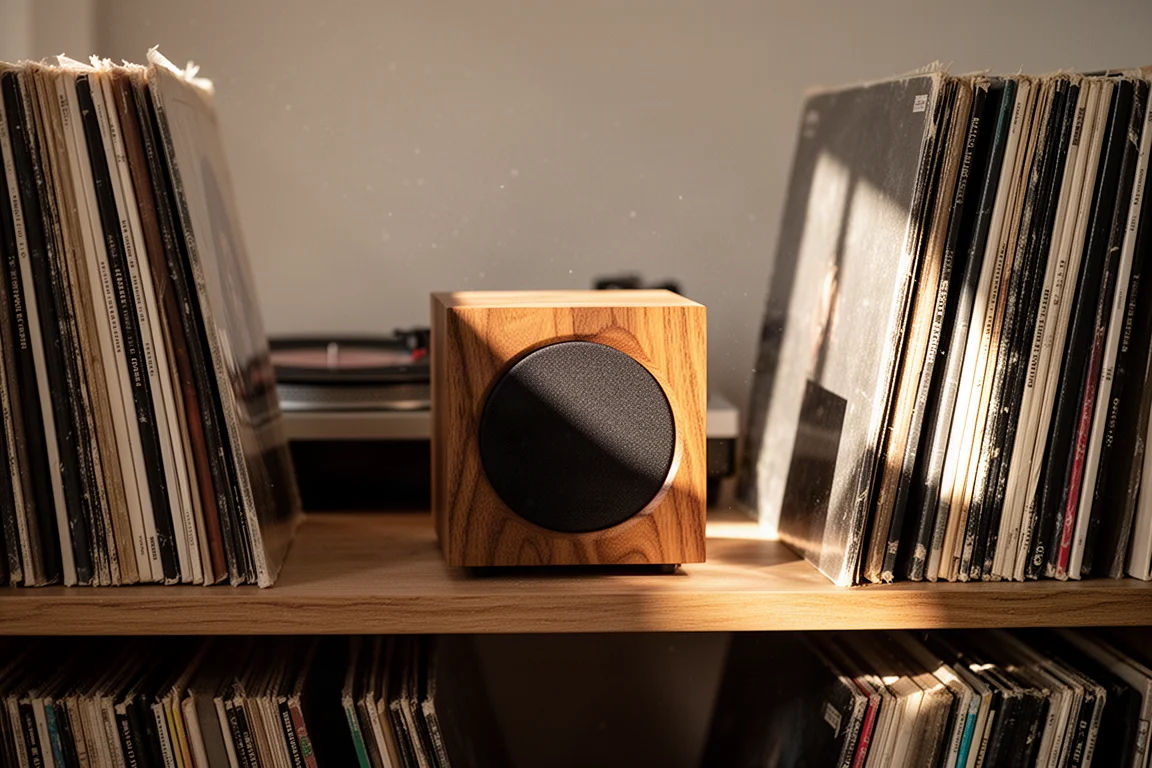
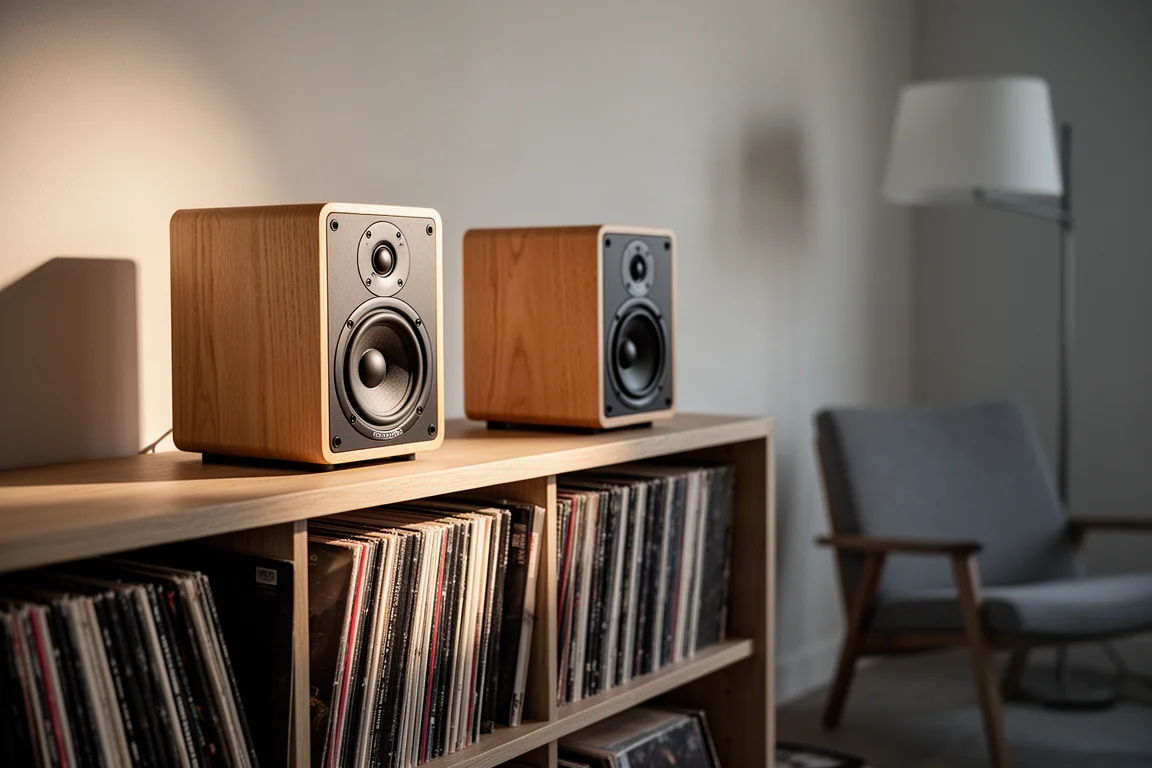
The Micro takes the same two drivers and puts them in a sealed 10 inch cube. It is designed to work best on a shelf, ideally a record shelf, though a bookshelf works just as well. It is the new entry-level speaker in the range.
What makes the Micro interesting is how it was measured. Rather than testing it in open space, the design work was done with the speaker sitting in a record shelf, surrounded by records on both sides. A 12 inch deep shelf leaves enough room behind the cabinet for speaker cables to connect. That approach means the tuning reflects the situation most owners will actually use, and it makes the speaker unusually predictable from one system to the next.
Because the drivers sit so close together and the listening window is so wide, a pair of Micros does not need to be positioned at matching heights to sound coherent. You can place them at different points on a shelf and listeners across the room will still hear the detail.
Placement and Room Behaviour
The wide listening window is the headline behaviour of both models. Tonal balance stays consistent whether you are sitting three feet away or twelve, and whether you are far to the left or far to the right of the pair. That is unusual for a compact speaker, and it comes directly from the driver spacing, the horn depth and the crossover point where the tweeter hands over to the woofer.
The tuning also makes them forgiving of the electronics behind them. Because they are less revealing of the rest of the system than the company’s other models, a change of amplifier does not swing the character of the sound as much as it would with a more transparent design. For a second system, a shelf system, or a room where the speakers cannot be placed perfectly, that consistency is a real advantage.
Home Theater and Multi-Channel Use
Because the two drivers are identical to those in a stereo pair, a single speaker makes a natural centre channel match. The same applies to surrounds, and the company sells them individually. Three or five can be ordered for a multi-channel setup, and the centre will also work alongside the other models in the range.
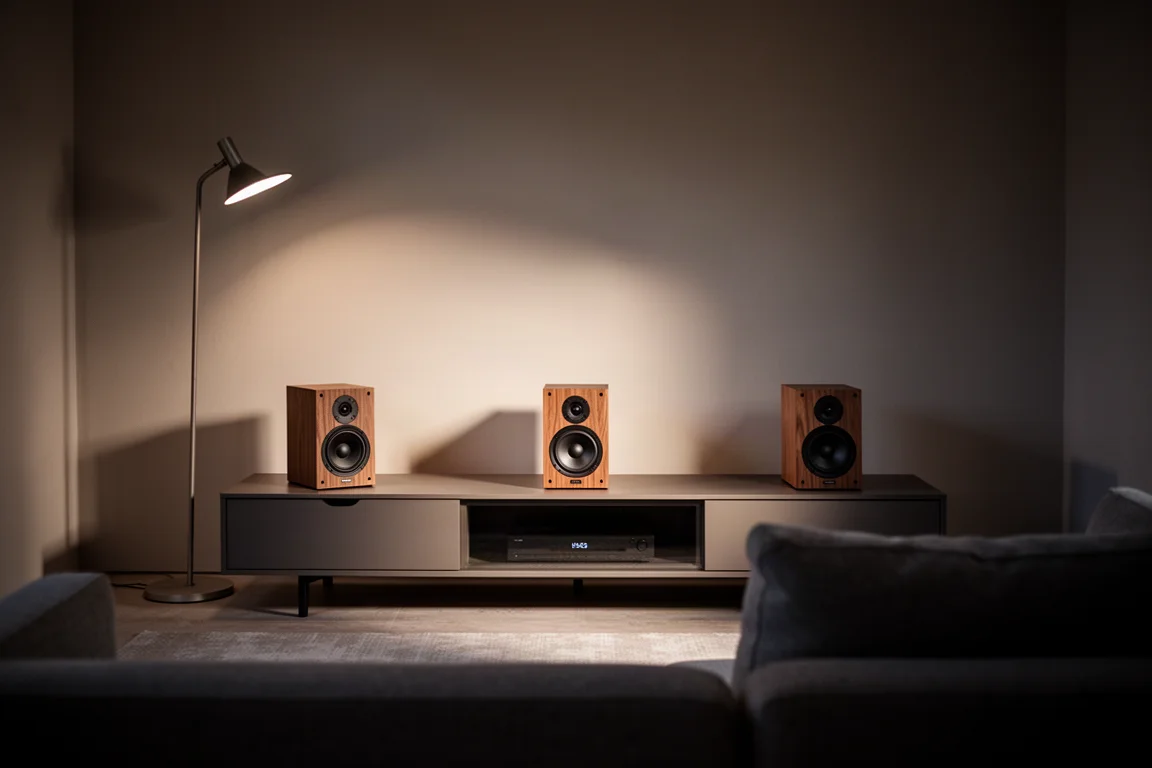
One practical detail for anyone buying more than a pair: this is the first speaker in the O series that is not pair matched. The front baffles use a real quarter sawn oak veneer with a very linear, regular grain, chosen precisely because it does not need to be mirrored from cabinet to cabinet. The O/96 and O/93, by contrast, are always supplied as book-matched pairs.
Trade-Offs to Weigh Before Buying
The main trade-off is built into the design. These speakers are not as technically transparent as the rest of the line, and they are deliberately tuned not to lay bare every characteristic of the equipment feeding them. If maximum resolution and system transparency are what you are after, the more revealing models in the range are the better fit. If you want a compact speaker that sounds consistent and forgiving wherever it ends up, the balance is tilted in your favour.
The second consideration is placement. The Micro in particular is designed around shelf life rather than stands, and its sealed cube cabinet is meant to sit among records or books. Buyers planning a free-standing setup with plenty of space should weigh the larger Oh Baby instead.
Buying Advice
Decide first where the speaker is going. If it is going on a record shelf or a bookshelf and you want the entry-level option in a compact cube, the Micro is the straightforward choice. If you have more room and want the larger cabinet built around the same drivers, the Oh Baby is the one to shortlist.
For multi-channel use, either model can be bought singly for a centre channel, and the matching drivers mean a centre built from the same model as your front pair will integrate cleanly. If you are mixing models, the centre will still work with the rest of the range.
Finally, remember that the veneer is real wood and is not pair matched on these models. Expect the two cabinets to look like siblings rather than mirror images.
Conclusion
The Oh Baby and the Micro are a clear example of design decisions following a real-world use case. Both use the same two drivers, both are tuned for consistency rather than maximum transparency, and both are built to sound coherent from almost anywhere in the room. The Micro answers the question of what a speaker should be when it lives on a record shelf, and the Oh Baby gives the same driver pair a larger cabinet for listeners with more space to work with.
Further reading
Related Reviews
Hi-Fi Speakers
1723 THX Tower vs 1528 Bookshelf: Which Speaker Fits Your Room?
Two speakers at roughly the same price, built very differently. How the 1723 THX tower and the 1528 bookshelf compare on construction, bass, power needs, and sound.
Hi-Fi Speakers
Acoustic Energy AE 300 Review: Deep Bass From a Compact Standmount
A two-way standmount with real wood veneer, surprising low-end weight, and a warm, easygoing character. Here is what to know before buying.
Hi-Fi Speakers
Acoustic Energy AE1 40th Anniversary Review: A Modern Take on a British Classic
A compact standmount that revives a 1980s favorite with all-new parts, a warm mid-centric balance, and a price of £1,499 per pair.