Wireless Speakers
Devialet Phantom Ultimate Review: 108 dB and 98 dB Compared
A practical look at the Devialet Phantom Ultimate 108 dB and 98 dB, covering shared ADH, SAM, and HBI technology, app features, and which older Phantom owners should consider upgrading.
Introduction
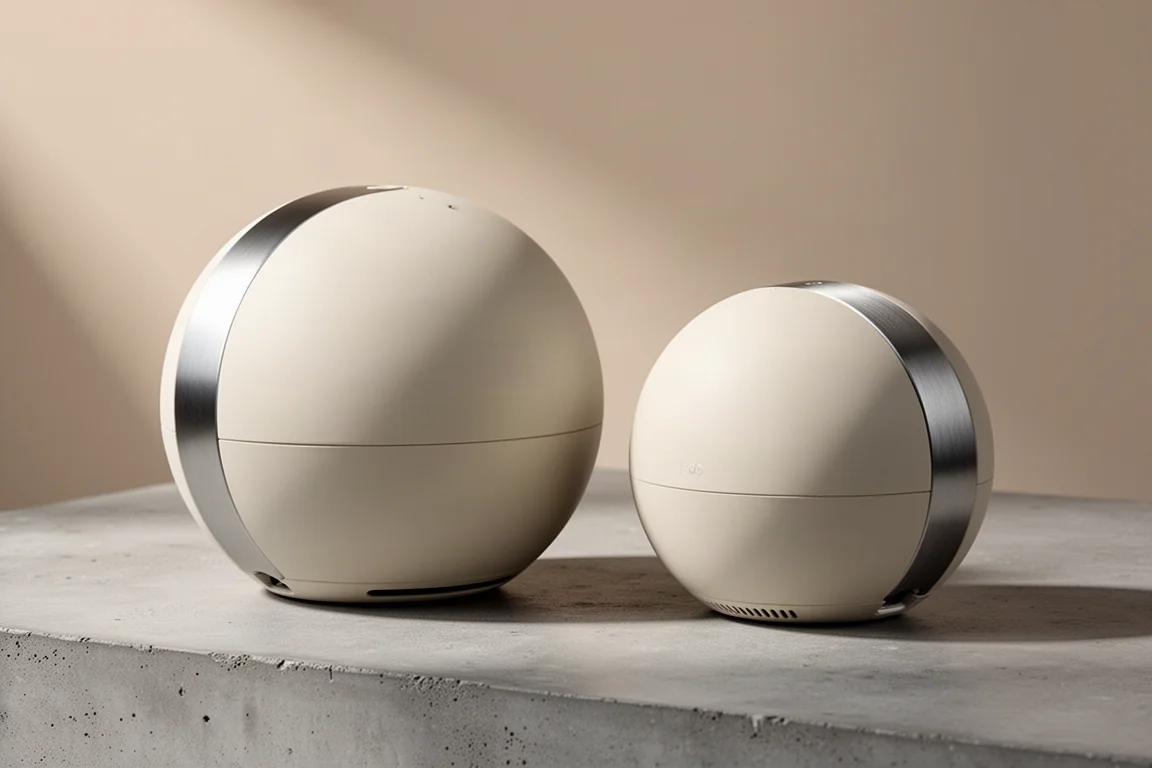
The original Phantom became one of those speakers that crossed from hi-fi into mainstream tech culture. The spherical cabinet, the visible side drivers, and the ability to play impossibly loud without falling apart gave it a reputation that stuck. The Phantom Ultimate lineup keeps that DNA and focuses on the parts of ownership that matter every day: cleaner midrange, tighter bass under load, faster streaming, and firmware that installs quietly in the background.
Two models lead the range. The Phantom Ultimate 108 dB is the larger three-way design, and the Phantom Ultimate 98 dB is the compact full-range model. They share most of their engineering, so choosing between them comes down to room size and how loud you actually listen.
Design and Cabinet Construction
The round shape is more than a styling decision. A curved cabinet reduces edge diffraction, which helps sound project into a wide, even field across a room instead of beaming at a single seat. With no large flat panels, resonance stays out of the midrange, so voices and instruments come across cleaner and more natural.
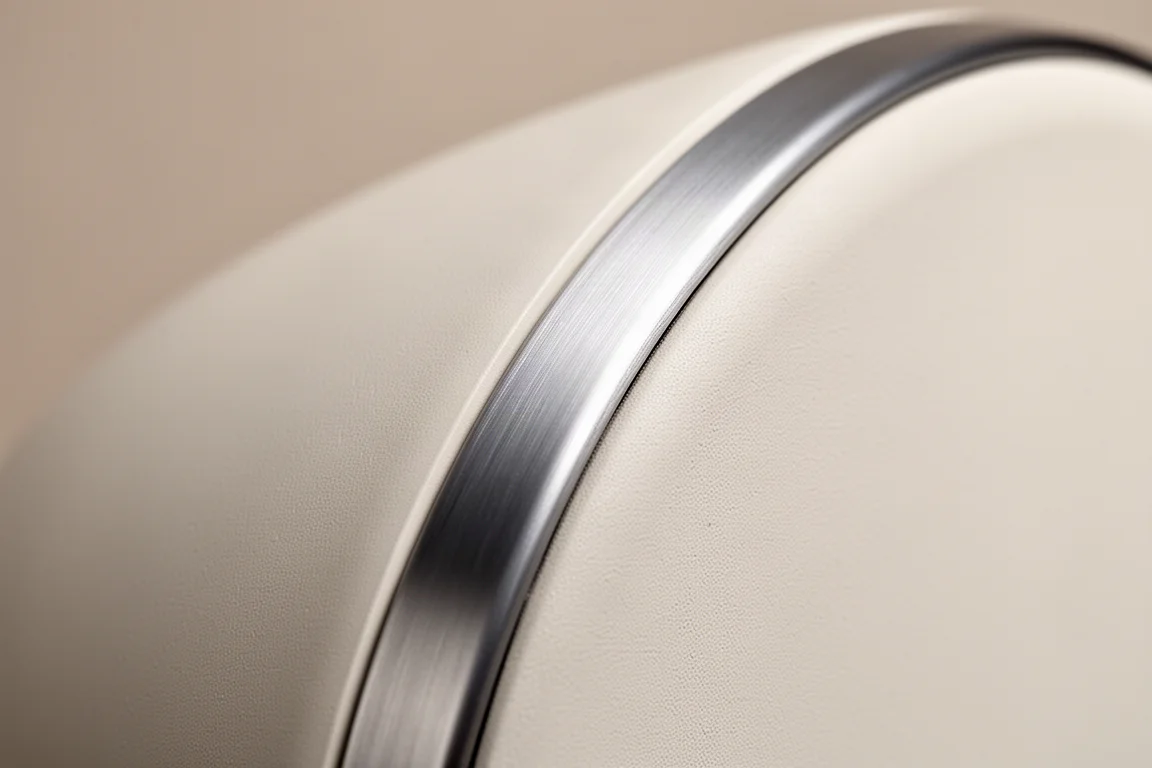
The body combines an ABS outer shell with a glass fiber reinforced polycarbonate inner shell, tied together by an aluminium spine that also pulls heat toward the rear. The overall silhouette has been subtly updated, and the smallest assembly details were reworked so the shape feels more seamless and uninterrupted.
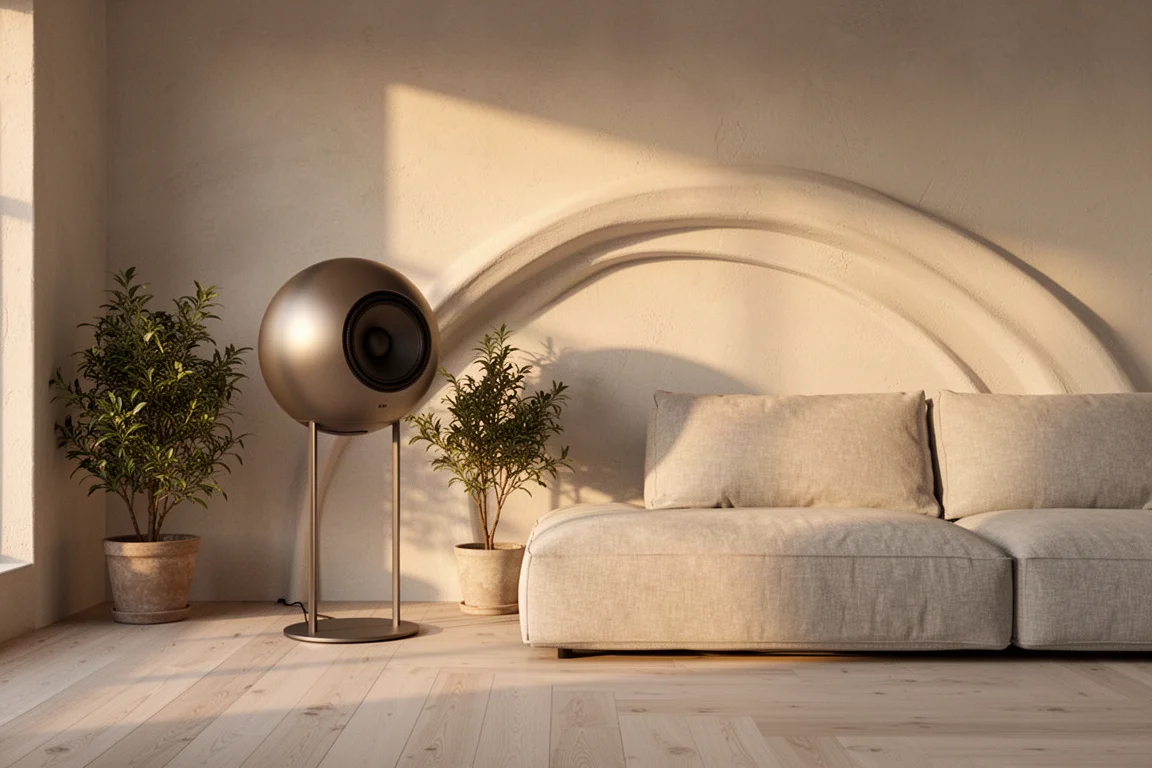
Finishes give the speakers distinctly different characters. Light pearl is a soft matte off-white. Deep forest is a dark green-black that only reveals its green in a bright room. A special edition adds hand-applied 22-karat moon gold leaf on the side plates for anyone who wants a genuine statement piece.
Devialet Phantom Ultimate 108 dB: The Larger Model
The 108 dB is a three-way design with a new-generation aluminium tweeter, mid drivers, and redesigned woofers that remove the dust cap for a cleaner look. The more significant changes sit below the surface: a new underhung motor and lower-stiffness suspension let the cones travel farther without losing control, which keeps bass tuned and precise even when the speaker is pushed hard.
It is rated from 14 Hz to 35 kHz with a 108 dB peak level. The cabinet measures roughly 10 by 9.7 by 13.5 inches and weighs about 24.5 lb.
A single unit can comfortably fill a large living room, and a stereo pair becomes a front stage that rivals full-size systems. Bass digs deep, as you would expect, but it is the composure at the top end that separates this generation from earlier ones. On a bass-driven pop track, the low line stayed elastic without losing grip while hi-hats remained crisp as the chorus stacked up. With orchestral recordings, the sense of hall air was more obvious and layers of detail held together where older models could sound blurred. A pair also handled film soundtracks convincingly, with a tall, wide front stage that stayed coherent off-axis.
Devialet Phantom Ultimate 98 dB: The Compact Model
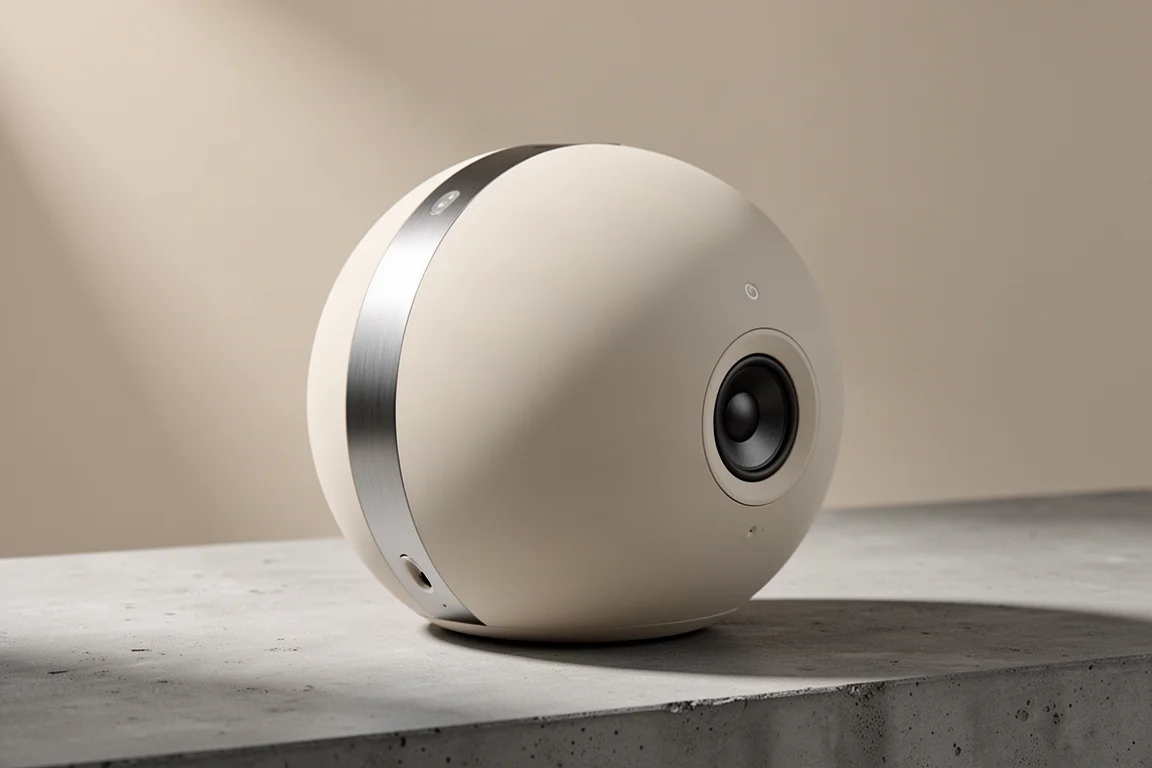
The 98 dB uses a full-range aluminium dome flanked by two aluminium woofers. It is rated from 18 Hz to 25 kHz with 400 watts of power and a 98 dB peak level. The cabinet measures about 6.6 by 6.2 by 8.6 inches and weighs roughly 9.5 lb.
Its tweeter grille has been redesigned with a higher open area ratio, which lets more high-frequency energy through. Hitting the right balance between looks and acoustic transparency took months of testing and iteration, and the result is an unusually open top end for a cabinet this small.
Paired in stereo, two 98 dB units open the sound up far beyond what a single compact speaker suggests. Imaging becomes noticeably more precise, and the low end gains weight without turning soft or sluggish.
Shared Technology: ADH, SAM, and HBI
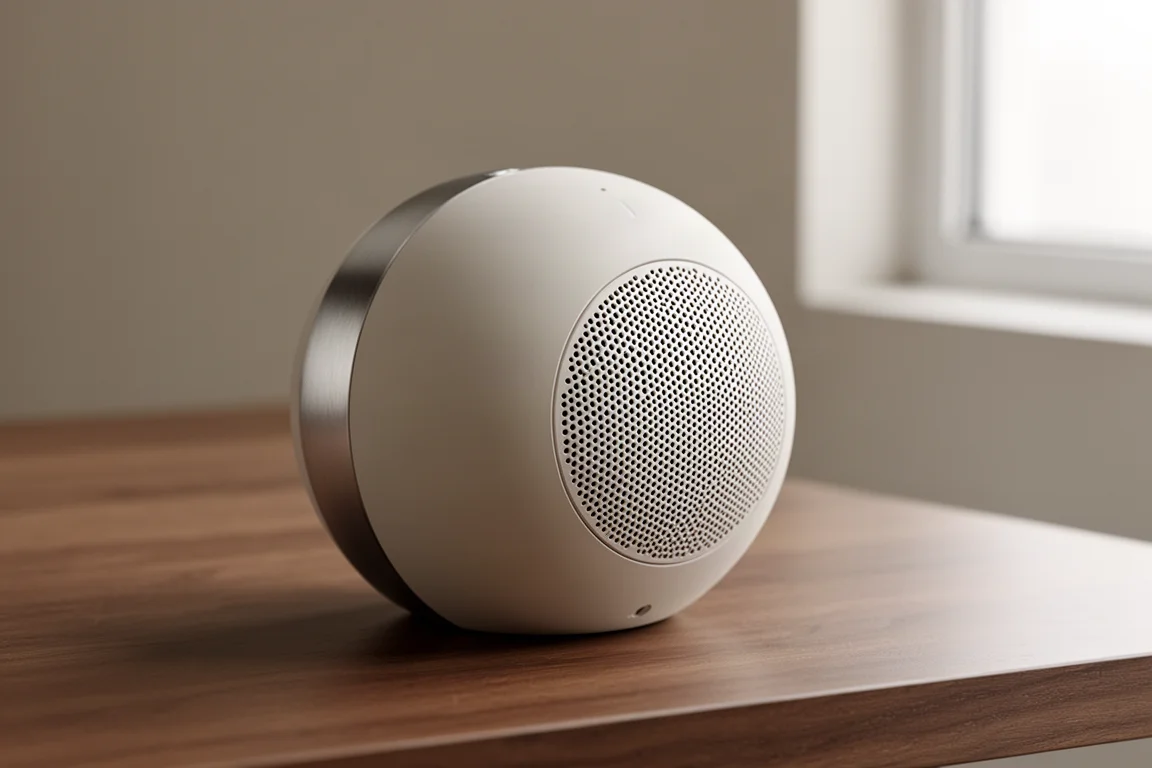
Three proprietary technologies shape how every Phantom behaves.
ADH, or analog digital hybrid amplification, combines the musicality of a pure class A stage with the efficiency and current delivery of multiple class D stages. The class A section defines the voltage and sets the character of the sound, while the class D stage follows in real time to supply current without strain. In the Ultimate models, the control algorithms between the two have been improved, particularly above 3 kHz, where earlier designs could add a hint of hardness.
SAM, or Speaker Active Matching, tracks driver motion in real time without latency and corrects the amplifier’s output so the drivers follow the input signal as closely as possible. The updated version works with the redesigned woofers in the 108 dB to extend lower with less distortion. In practice, bass holds pitch better on long notes and stops more abruptly on drum hits and plucked strings, which makes rhythms feel tighter and more lifelike.
HBI, or Heart Bass Implosion, is the third signature technology. Opposing high-excursion woofers move in perfect symmetry to generate extreme air pressure inside the small cabinet. In the 108 dB, that pushes bass down to 14 Hz, low-frequency energy you feel in your chest as much as hear. It is also why a stereo pair can seem like it is hiding a compact subwoofer in the room.
Streaming, Connectivity, and the App
The Ultimate models run on a new, faster processor platform with the DOS3 operating system. They support AirPlay, Google Cast, Spotify Connect, Tidal Connect, and UPnP, and they are Roon ready. Linking two units for stereo is close to instant, and firmware updates now install smoothly in the background.
Bluetooth has been upgraded from version 4.2 on the Phantom 1 to 5.3, although Wi-Fi remains the better choice for sound quality. The 98 dB runs Wi-Fi 5 while the 108 dB steps up to Wi-Fi 6, and there is an Ethernet port on the back for the most stable connection. When two units are linked, they sync over DOS3 at 96 kHz / 24-bit, which keeps stereo imaging solid across a wide room.
For TV use there is no HDMI eARC, but there is an optical input. Setting the television output to PCM stereo and running optical into one unit, paired with a second for stereo, works well. Adaptive Volume Level, first introduced on the Dione soundbar, adjusts volume in real time based on the content being watched, which is most useful with films: dialogue stays clear without losing the impact of big explosions.
Other Devialet products, such as the Mania portable speaker or the Dione soundbar, can be grouped with the Phantoms for multi-room playback over AirPlay 2 or Roon. That is convenient for spreading music through a house, though it does not use the same lossless stereo link as pairing two Phantoms together, and a matched pair remains the most precise option for a two-speaker setup.
The app covers four main listening modes: music, movie, podcast, and monitoring. Monitoring is flat and disables dynamic sweeteners, which helps if you want to build your own EQ curve from scratch. Night mode can be layered on top of any main mode, applying a coordinated version of bass reduction plus adaptive volume level so late-night viewing does not wake the house. A six-band graphic EQ adds default, soft, clear, and dynamic presets alongside a full custom option for each band.
Stands and Mounting Options
Devialet offers dedicated stands and mounts that make the Phantoms feel intentional in a room. The full-size Tree stand lifts the speaker to an ideal listening height and adds stability.
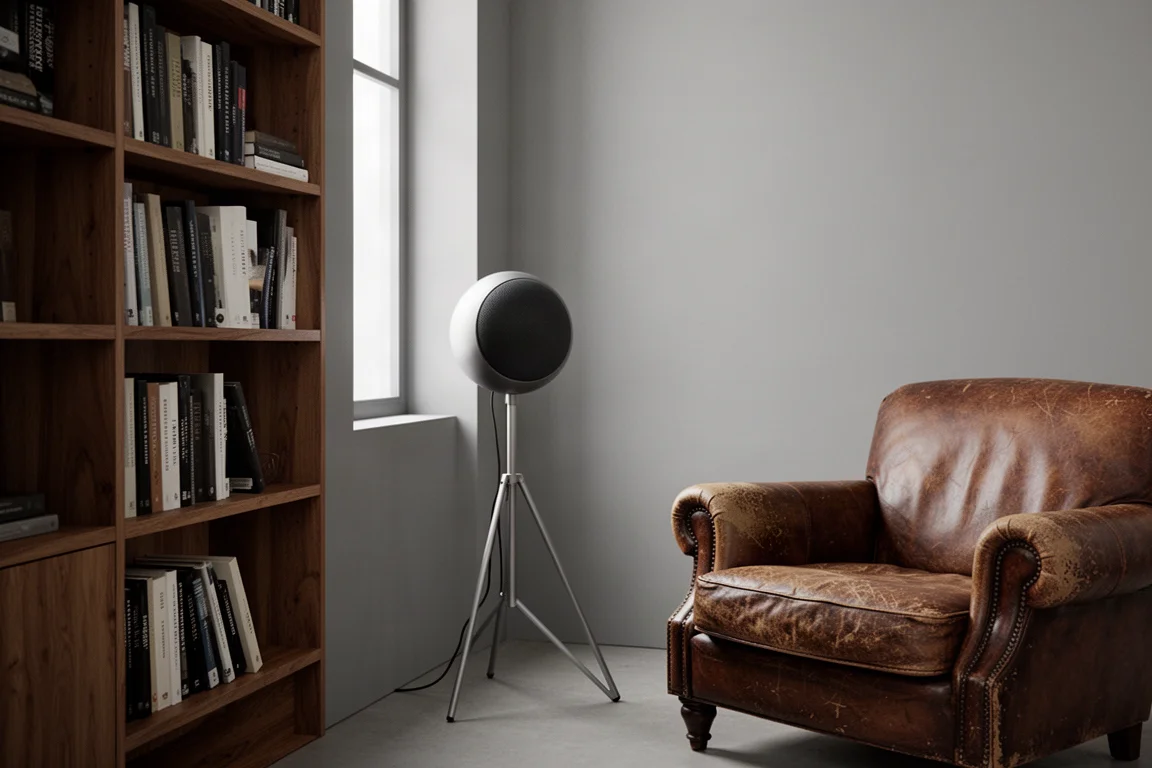
The compact Tree-od is a tripod-style option that suits smaller rooms while keeping the speaker firmly planted. The Gecko wall mount lets the speaker float off the wall while still leaving it enough room to breathe.
Upgrade Advice for Existing Phantom Owners
If you own a Phantom 1 108 dB and listen at higher levels, the new 108 dB is the most meaningful upgrade in the lineup. Owners of a Phantom 1 103 dB should note that the 98 dB is not a direct replacement in terms of raw headroom, although two 98 dB units in stereo will open the sound up considerably and come across as more refined and more coherent than a single 103 dB.
If you own a Phantom 2 and use it in a small room at modest levels, there is no need to rush. The 98 dB is the more refined speaker, but the Phantom 2 still sounds good. In a medium room, or if you regularly reach the limits of a single unit, moving to a stereo pair of 98 dB models makes more sense.
Where the Lineup Could Go Further
A few things are still missing. Automatic room correction for a single unit or a stereo pair, similar to what the Dione soundbar offers, would be a welcome addition.
Integration could also go further. The Phantoms cannot currently act as wireless rear speakers for a Dione, and there is no native way to build a left, center, and right Phantom front stage. A full home theater is technically possible over Dante, but it requires extra setup and networking gear.
Along the same lines, the Phantoms dig deep enough that most listeners will not miss a subwoofer, but a dedicated subwoofer output or a matching wireless subwoofer from Devialet would make the lineup far more compelling for anyone building a high-end wireless home theater.
Buying Advice: Choosing Between the Two
Choose the 98 dB if your room is small or medium, you listen at moderate levels, or you want to start with one unit and add a second later. Its compact footprint makes it easy to place, and going stereo is the single biggest improvement you can make to the sound.
Choose the 108 dB if you have a larger room, listen loud, or want the deepest bass and the most composure under pressure from a single cabinet. A stereo pair of 108 dB models comes closest to a full-size system, with a tall, wide front stage that holds together even off-axis.
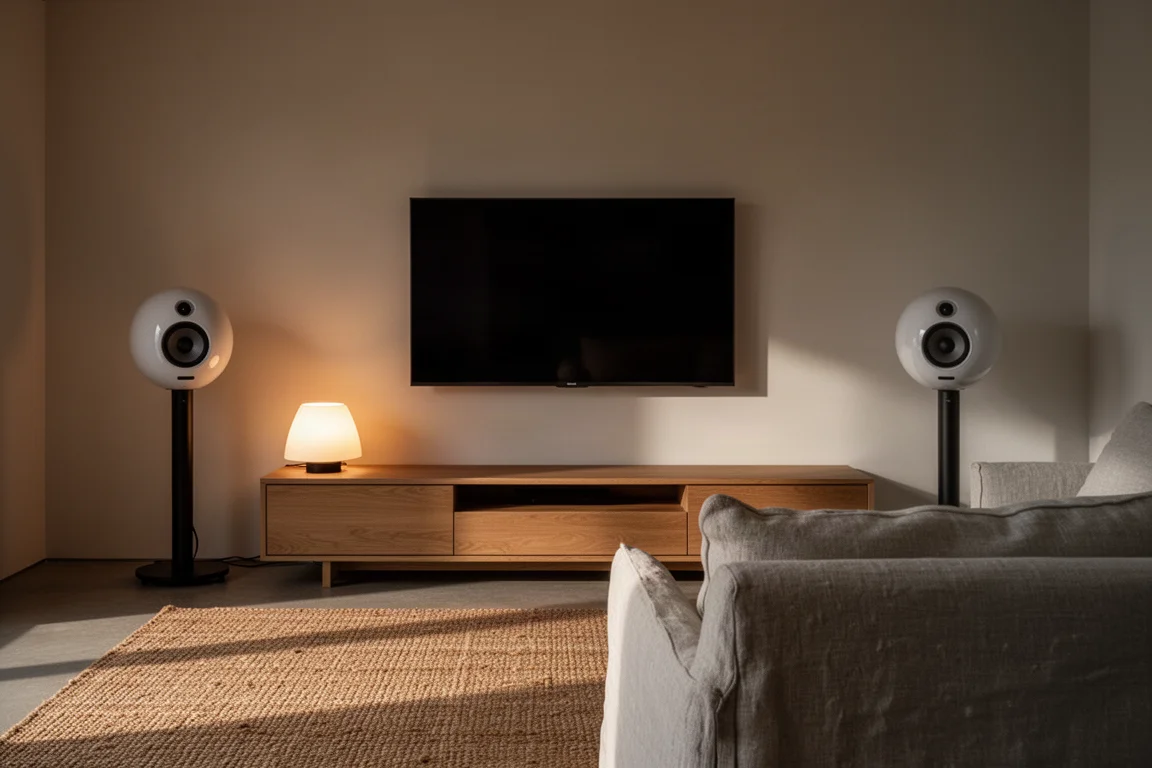
Both models share the same amplification philosophy, the same streaming platform, and the same app, so the decision comes down to headroom and bass extension rather than features. Either way, the lineup is at its best as a pair, which is worth factoring into the plan from the start.
Conclusion
The Phantom Ultimate lineup takes what made the original Phantom memorable and makes it easier to live with: cleaner midrange, better-controlled bass, a faster platform, and a more refined top end. The 98 dB covers compact rooms and moderate listening levels beautifully, while the 108 dB is the one to choose when you want scale, depth, and the ability to play loud without losing composure.
Further reading
Related Reviews
Wireless Speakers
Bang & Olufsen Beolab 8 Review: A Compact Three-Way Speaker Built for Flexibility
A close look at the Beolab 8, a compact three-way powered speaker with customizable finishes, two listening modes, and a bass limiter worth understanding before you buy.
Wireless Speakers
Denon Home 200, 400, and 600: Which New Denon Home Speaker Fits Your Room?
A practical look at the new Denon Home lineup, covering shared features, driver differences, Dolby Atmos delivery, and which of the three models suits which room.
Wireless Speakers
Devialet Phantom II Review: Big Bass From a Very Small Wireless Speaker
A compact wireless speaker with genuinely remarkable bass output, sharp imaging, and a few trade-offs worth understanding before you buy.