Home Audio
Devialet Phantom Models Compared: How to Choose the Right One
A practical comparison of four Devialet Phantom models, from the compact Phantom 2 95 dB to the 1100 watt Phantom 1 108 dB, with guidance on matching one to your room.
Introduction
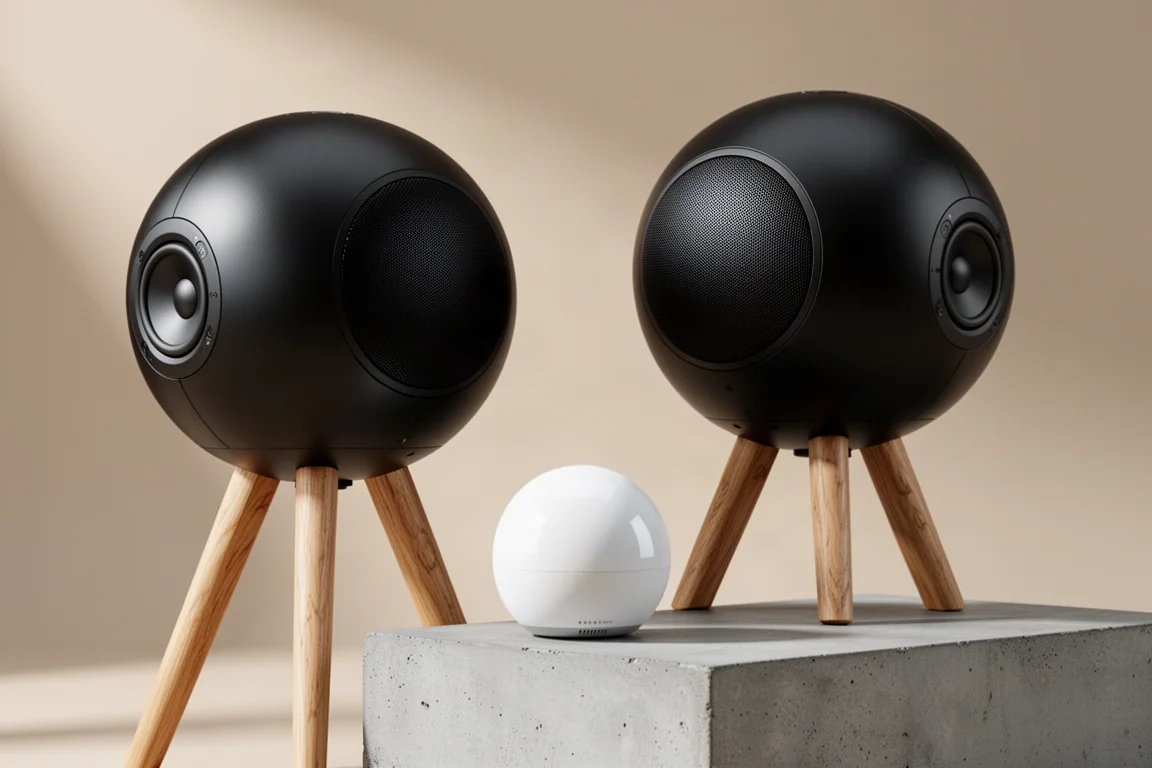
Devialet Phantoms do not look like other speakers, and that is deliberate. Instead of a rectangular box, each one is built around a curved, near-spherical cabinet that is meant to sit in a room as a design piece while spreading sound in every direction. The range runs from compact units that suit a desk or a small lounge up to full-size models with enough output for a large living room, and the differences between them are real rather than cosmetic.
This guide covers four models: the Phantom 2 95 dB, the Phantom 2 98 dB, the Phantom 1 103 dB and the Phantom 1 108 dB. Every one of them is designed, manufactured and assembled at Devialet laboratories in Paris, France. The company has worked in high performance audio since 2007 and has collected more than 90 awards and over 200 registered patents, with more than 100 of those patents supporting the Phantom line.
Choosing between them comes down to two practical questions: how much low-end energy you want, and how much spatial coverage your room needs.
What Every Devialet Phantom Shares
Before looking at the individual models, it helps to understand the technology that carries across the whole range.
The cabinet shape is the starting point. Sound waves that bounce back onto a speaker’s own cabinet can be bent and diffused, and a curved surface reflects less of that energy than a square one. Devialet’s patented Active Co-Spherical Engine Loudspeaker Technology manages the directivity of the transducers so sound spreads evenly in all directions, giving each Phantom an omnidirectional sound stage from a single unit. The diaphragms sit flush with the cabinet surface to form a nearly perfect sphere.
At the heart of every Phantom is ADH Intelligence, short for Analog Digital Hybrid. It is a custom hybrid system on a chip that connects a genuine Class A analog amplifier directly to the speaker, with several Class D amplifiers handling the heavier workload. The aim is to combine the linearity and musicality of analog Class A with the efficiency and compact size of Class D, for a warmer, more musical profile and clear bass with a tuneful sense of timing.
Speaker Active Matching, or SAM, adds real-time control. The DSP reads the incoming signal and manages each driver so the acoustic pressure it produces mirrors the original recording.
Bass comes from Heart Bass Implosion, which uses two Devialet high-excursion aluminum woofers moving in perfect symmetry. In the most powerful models each woofer can move a mass of more than 66 pounds, and those models reach down to 14 Hz. Smaller models still reach 18 Hz with a variance of plus or minus 2 dB even though their woofers are almost three inches smaller. Cabinets are sealed to aeronautical grade standards, with a composite monohull rated to 440 pounds of pressure and a woofer gasket over 2.5 millimeters in diameter compressed by 1.2 tons of force.
Connectivity is shared too: Bluetooth, Wi-Fi, Spotify Connect, AirPlay 2 and UPnP, plus Roon readiness, all managed through the Devialet app. On Android, Spotify Connect supports lossless streaming. Every model has an optical Toslink input for a TV, a CD player or any other digital source.
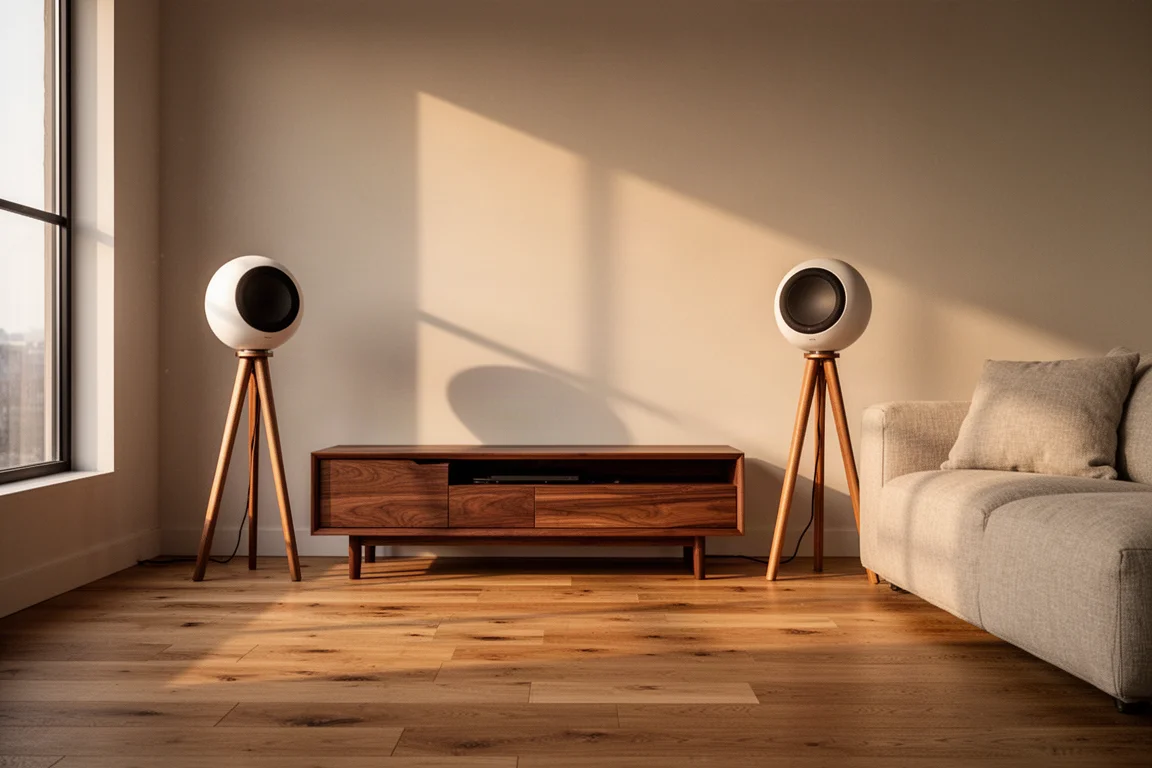
The practical takeaway is that the family sound signature stays consistent. What changes as you move up the range is driver size, cabinet volume, power and headroom, and those changes show up most clearly in bass weight and in how far the sound spreads.
Devialet Phantom 2 95 dB Review
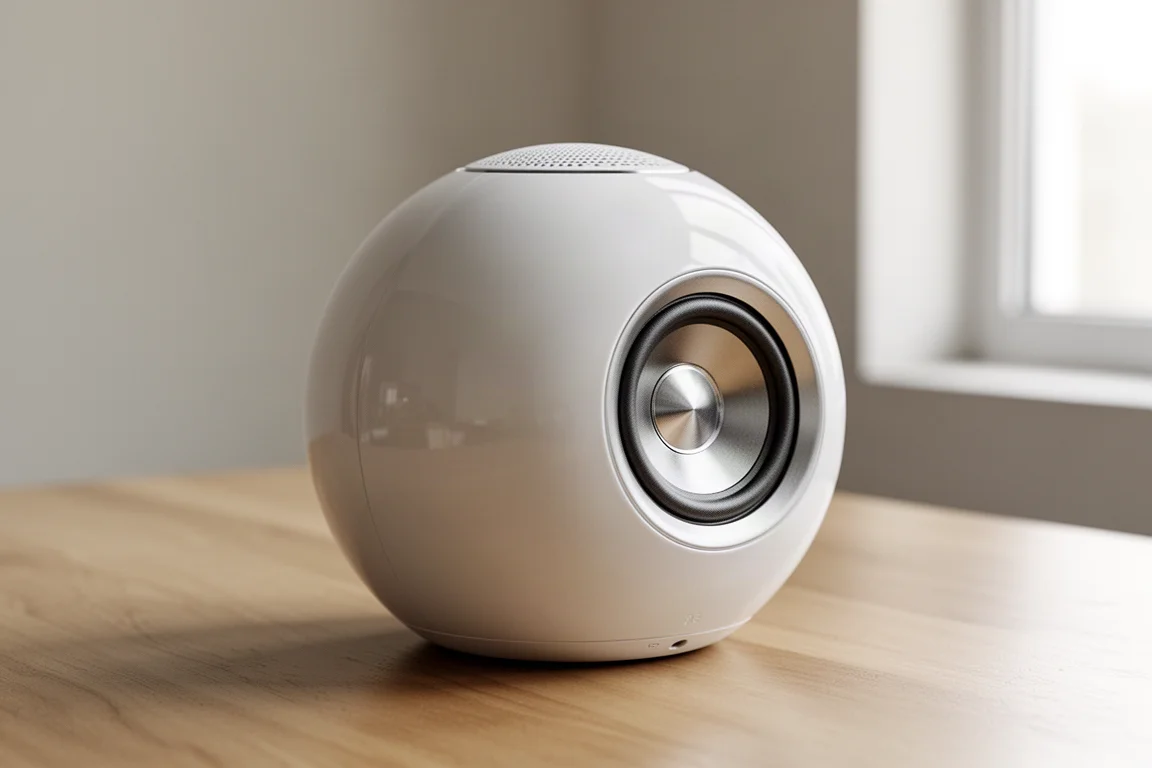
The Phantom 2 95 dB is the entry point into the range. It stands around six and a half inches tall, just over six inches wide and about eight and a half inches deep, and it weighs roughly nine and a half pounds.
Its dual 4.7 inch aluminum woofers reproduce lows down to 18 Hz with a variance of plus or minus 2 dB, while an aluminum full-range tweeter handles the mid-range and extends the top end to 21 kHz. With 350 watts of power, a single unit can reach a maximum sound pressure level of 95 dB, roughly the loudness of an intimate live performance in a cafe, and it holds together at full volume.
One detail matters for buyers: the Phantom 2 series includes a 3.5 millimeter analog stereo mini plug input alongside the optical input, which makes it the model to consider if you want to connect a laptop, a turntable or another analog source.
In a small to medium sized room, one unit delivers good punchy bass. Adding a second as a stereo pair raises the output by around 3 dB, taking coverage up to about 98 dB, and widens the stereo image so instruments separate more clearly. Finishes are iconic white or matte black.
Devialet Phantom 2 98 dB Review
The Phantom 2 98 dB keeps everything that defines the compact Phantom 2: the same inputs and outputs, the same ultra compact dimensions, the same frequency response and the same choice of finishes. What you gain is headroom, and headroom changes more than raw volume.
With 400 watts on tap, the extra power gives the SAM signal processing more room to work. On music with a lot of low-end energy, that shows up as slightly better rhythm and pacing compared with the 95 dB model, which makes the presentation sound more alive.
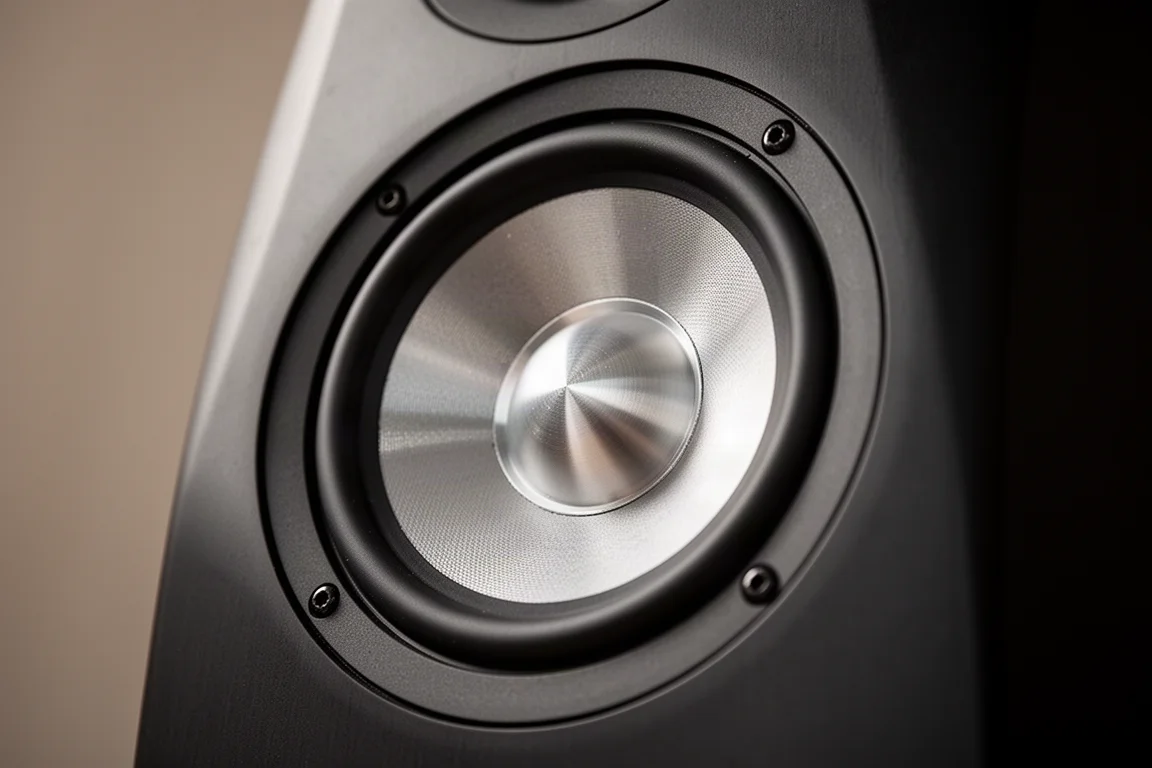
For the compact Phantom 2 series, this is the model to pick if you want a little more spatial coverage in a medium sized room and bass with a tuneful sense of timing. Buyers with smaller rooms or tighter budgets will still be well served by the 95 dB.
Devialet Phantom 1 103 dB Review
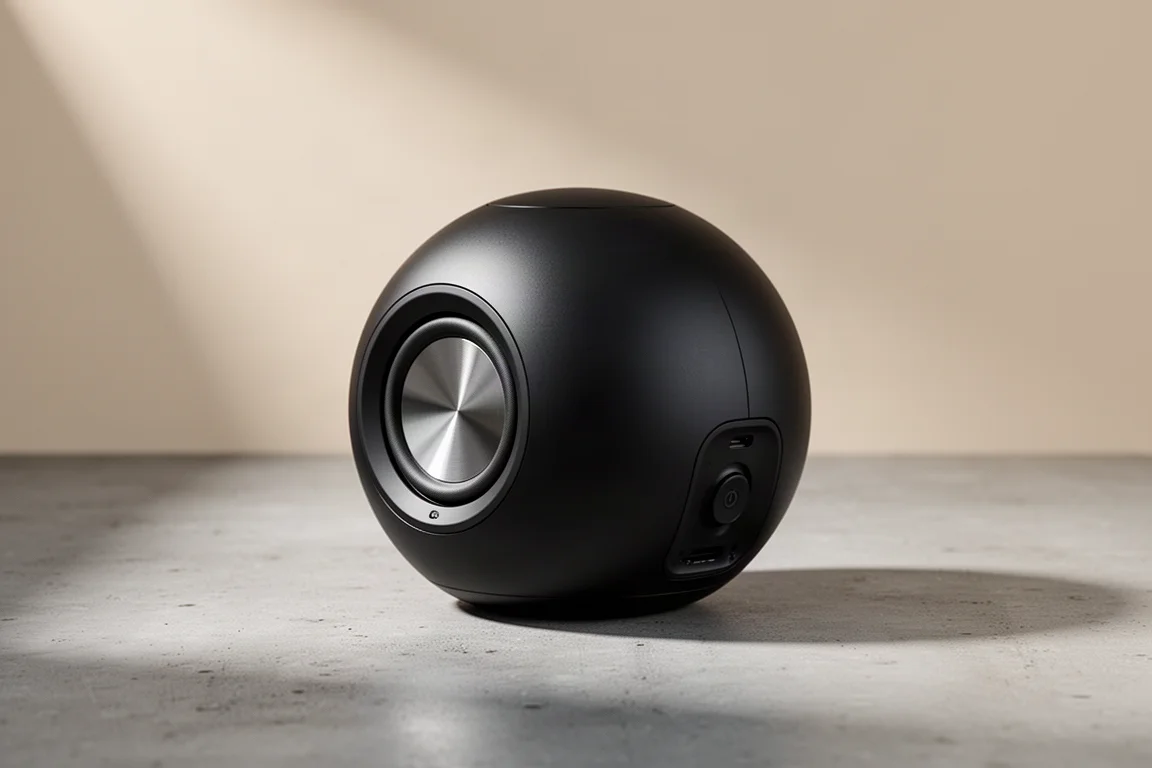
The Phantom 1 series is a clear step up in scale. Each model weighs around 25 pounds, and the cabinets are roughly three and a half inches taller, almost four inches wider and about five inches deeper than the compact Phantom 2 models.
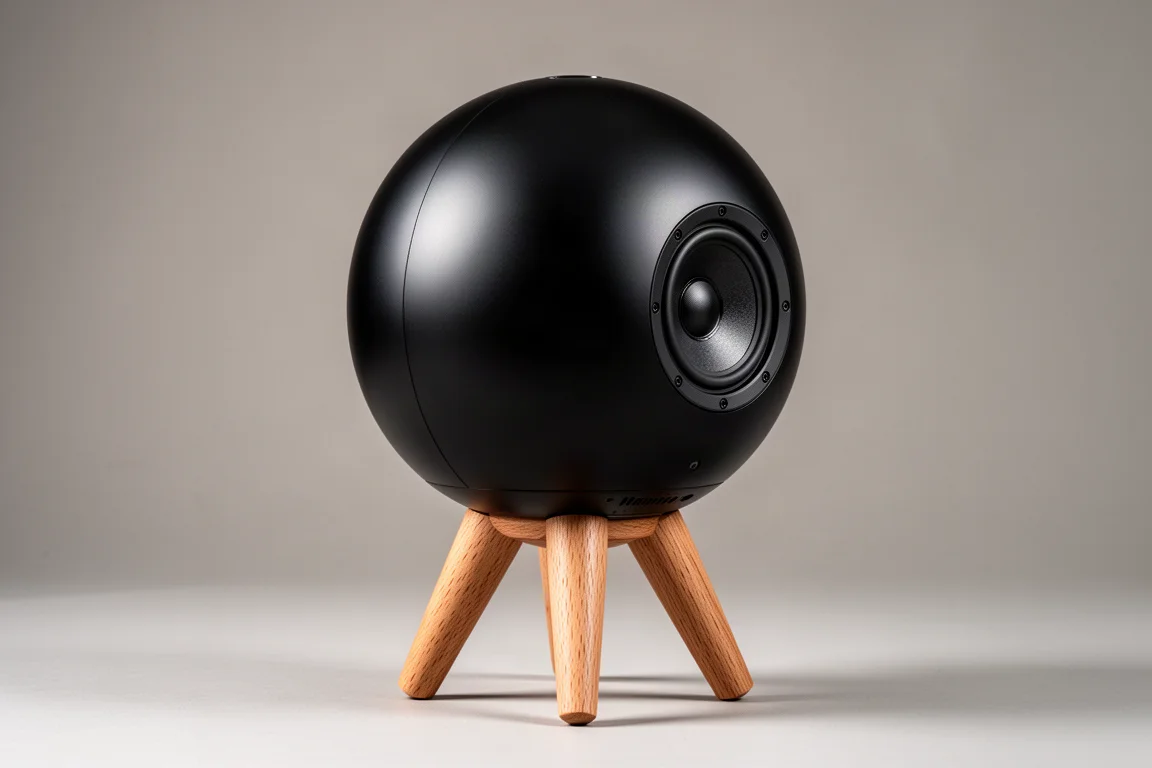
The 103 dB brings the largest dual 7.5 inch aluminum woofers, with bass output 2 dB down at 16 Hz. It also moves to dedicated drivers, pairing an aluminum mid-range driver with an aluminum tweeter whose top end extends four kilohertz beyond the Phantom 2 series. The result is noticeably more resolving power through the mid-range and a more extended top end.
Power rises to 500 watts, 100 watts more than the 400 watt Phantom 2 98 dB, and the coverage of a single unit is close to double. Adding a second Phantom 1 103 dB as a stereo pair provides up to 106 dB of headroom. Because this series uses dedicated drivers, the analog stereo mini plug is not included, but every Phantom 1 ships with its own rechargeable remote control with a smooth rotary dial for tactile volume and playback control. Finishes are matte black or light chrome.
Devialet Phantom 1 108 dB Review
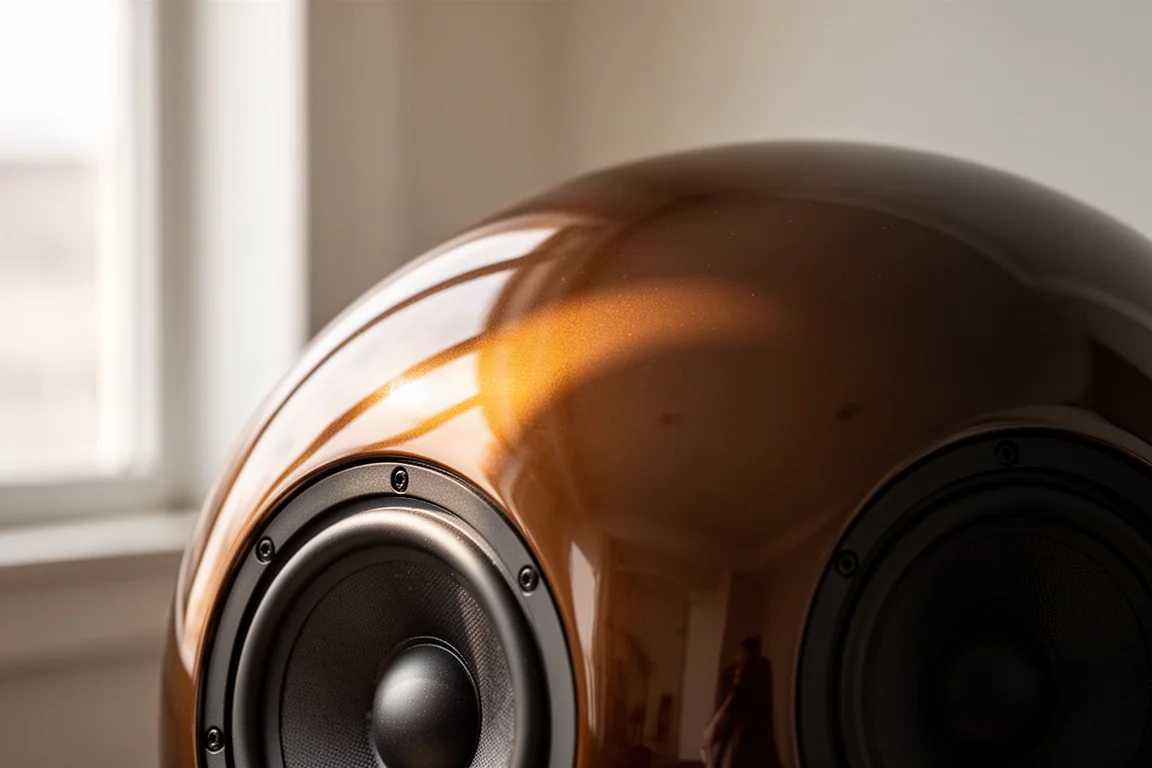
The Phantom 1 108 dB is the biggest performance step in the range. The tweeter is upgraded from aluminum to titanium, a material chosen by premium speaker makers for its high breakup point, strength-to-density ratio and light weight. Those properties let the diaphragm move back and forth extremely fast, like a piston, which sharpens transients and extends the top end.
The result is a frequency response from 14 Hz to 27 kHz, so the full spectrum of high-resolution music is reproduced with deeper bottom and weight and crystal clear dynamics.
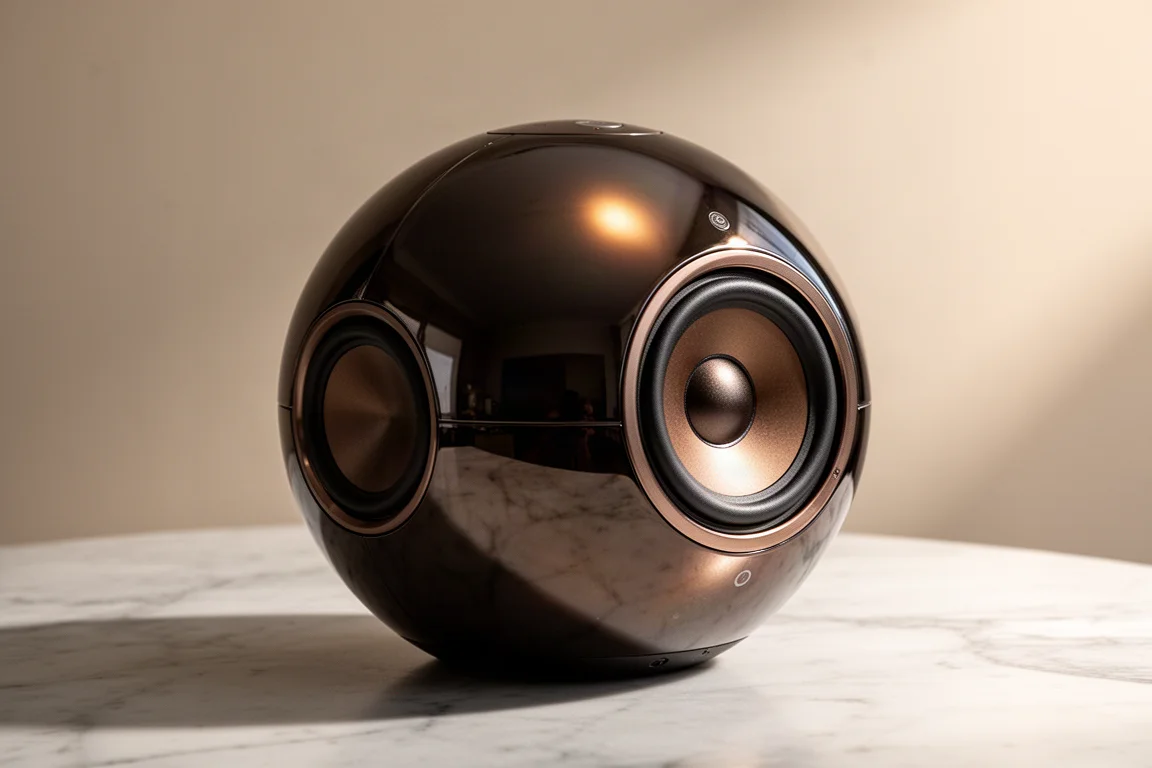
Power climbs to 1100 watts, more than double the 500 watts of the 103 dB, with a maximum loudness of 108 dB from a single unit and up to 111 dB as a stereo pair. That combination of output and low-end extension suits bass-heavy material such as EDM, trap, hip hop and R and B, as well as full-scale symphonic recordings with plenty of natural harmonics. For a large living room, a stereo pair makes the most sense. This model is offered in exclusive dark chrome or gold finishes.
How to Choose the Right Phantom
Two variables decide most purchases: the amount of bass you want and the spatial coverage your room requires. As you step up the range, larger drivers, bigger cabinets and extra headroom produce tangible differences in bass response and power.
Start with the room. The Phantom 2 95 dB is the natural fit for a small to medium sized space, and it is the only route to an analog input. The Phantom 2 98 dB adds headroom and coverage for medium sized rooms. The Phantom 1 103 dB covers a medium sized room comfortably from a single unit and brings a more resolving mid-range. The Phantom 1 108 dB is the choice for large rooms and for listeners who want the deepest bass and the most extended top end.
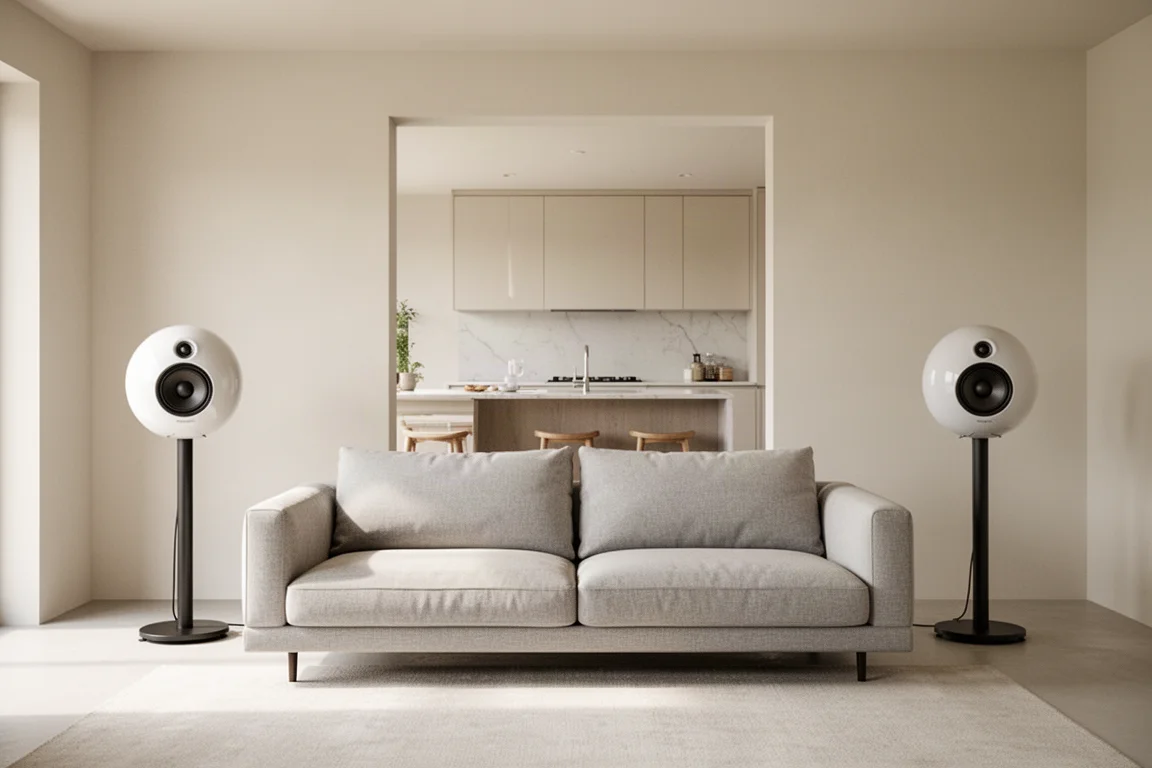
Then think about how the system will grow. Every Phantom can be connected to a TV over the optical input, run as a stereo pair, or spread across rooms for whole-house coverage, and configurations can be switched from the Devialet app. That means starting with one unit and adding a second later is a realistic path, and moving between a single speaker, a stereo pair and a multi-room setup stays straightforward.
Consider how you listen as well. Every model works with Bluetooth, Wi-Fi, Spotify Connect, AirPlay 2, UPnP and Roon, and you are not locked into a single app: you can select your Phantom directly as a Bluetooth or AirPlay device from the streaming app you already use.
Conclusion
Phantoms are eye-catching speakers, and they earn their place in a room through a combination of high-tech design, high-end materials and omnidirectional sound. They also offer a premium upgrade path into multi-room connectivity that grows as your needs expand.
They will not suit everyone. But if you want punchy bass and something no one else has, any model in the range is a defensible choice. For a first Phantom, match the model to your room and to the bass you want, and remember that each one can be paired with a TV, with a second unit, or with speakers in other rooms, so you can start with one and build from there.
Further reading
Related Reviews
Home Audio
Aperion Novus Tower and Center Review: Punchy Home Theater Sound With Real Refinement
A close look at the Aperion Novus tower and center speakers, from their layered paint finish and punchy bass to the 4-ohm load and what the price actually buys.
Home Audio
Arendal 1610 Tower Review: Flagship Dynamics in a Room-Friendly Tower
A compact floorstanding tower with three 8-inch aluminium woofers, a 5-inch carbon midrange, and the kind of bass heft usually reserved for much larger speakers.
Home Audio
Arendal 1723 S THX Review: A Reference Speaker Built Like a Tank
A practical look at the Arendal 1723 S THX, a sealed, THX-certified speaker with exceptional build quality, a very flat top end, and a midrange that responds beautifully to EQ.