Child Carriers
Deuter Kid Carriers Compared: Kid Comfort Pro, Kid Comfort, and Kid Comfort Active
A practical comparison of three Deuter child carriers, covering the safety and comfort features they share, how the Kid Comfort Pro, Kid Comfort, and Kid Comfort Active differ, and which one suits your family.
Introduction
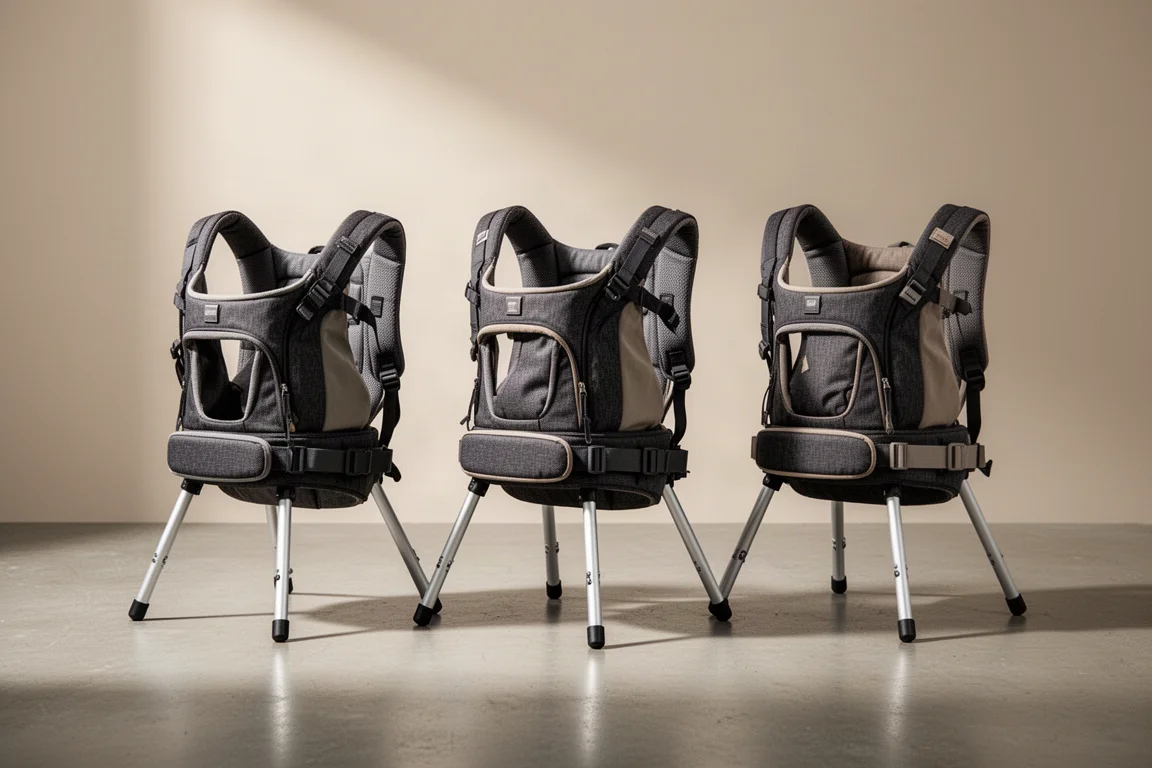
Deuter has been making rucksacks for over a hundred years, and that experience shows in the way its child carriers are built: solid materials, a frame that carries weight properly, and a design that puts the child’s safety and comfort first, with the adult’s comfort close behind. Interest in kid carriers has grown as more families look for ways to spend time outdoors together, and these three models cover most of what a family needs, from a full-feature carrier to a light option for travel.
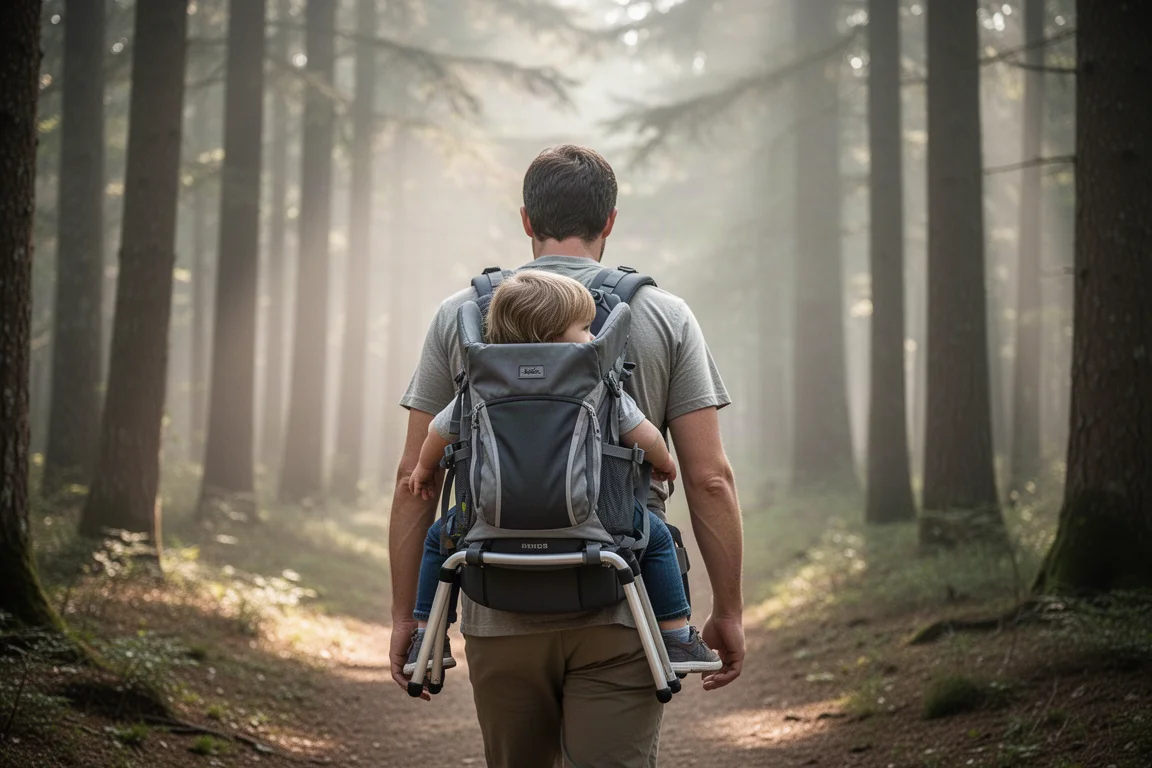
Because the three carriers share so much, it helps to start with what they have in common and then look at what each model adds or leaves out.
What All Three Deuter Kid Carriers Share
Every model in the range is built around the same core ideas: the child sits securely in a padded seat with side access, the carrier stands on its own while you load it, and the harness uses a simple colour code so nothing important gets missed. Each carrier is tested by rotating it several times with a weighted dummy to confirm the child cannot fall out, which is reassuring, though the system still depends on you closing every clip properly.
Safety Clips and Side Access
Four bright yellow clips are the ones to check before setting off: the sternum strap, the two adjustable straps that wrap around the child’s torso, and the closure on the side. Grey clips handle comfort and seating adjustments, so the safety clips stand out and are harder to forget. The side access panel lets you see what is happening while you settle a reluctant child in, and it also means a second adult can help without taking the carrier off your back. The torso straps can be closed loosely at first, since the final tightening happens on the side where it is always easy to reach.
A Seat That Grows With Your Child
Children grow, and the carriers are designed to grow with them. The shoulder straps move up and down using a Velcro tab, and the seat height adjusts from high for a newborn to low for an older child with a buckle tucked under the seat pad. A loop at the bottom can be unthreaded for extra length if you are carrying a taller child. The seat padding is shaped ergonomically, wider at the base for a small child and slimmer further down so it still fits as they get taller.
Stirrups, the Stand-Up Frame, and Everyday Details
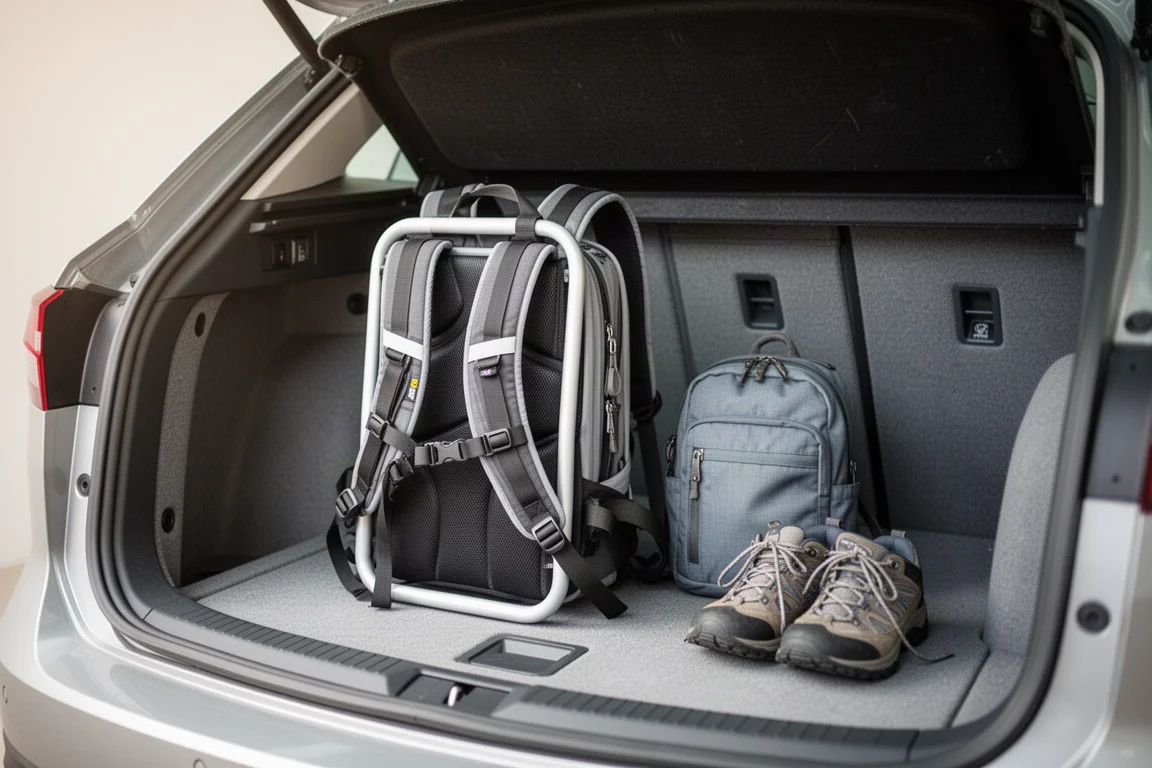
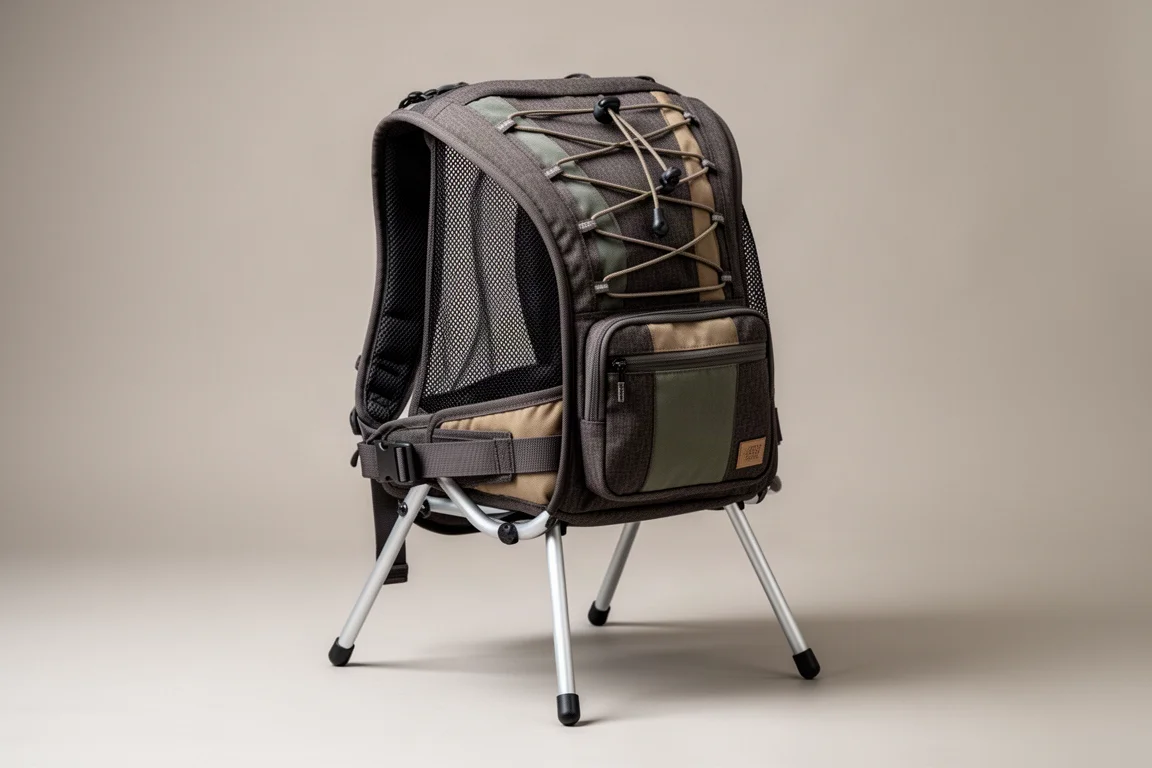
The stirrups give a child somewhere to rest their feet, and they help keep the knees level with or above the hips, which is gentler on the hips than letting the legs hang. Their height can be adjusted by rethreading the buckle as the child grows. All three carriers have a stand-up leg, so the carrier stays upright while you load a child and can be set down comfortably if they fall asleep during a break. A grab handle makes it easier to swing the carrier onto your back without it rocking, and the front pad that collects dribble comes off for washing. Folded down, the whole carrier packs flatter than you might expect.
General use is straightforward: from around six months, or once the child’s head is stable and they can hold themselves up, up to a maximum child weight of 22 kg plus about 2 kg of your own kit. Many families keep using one until the child is nearly four.
Deuter Kid Comfort Pro: The Full-Feature Carrier
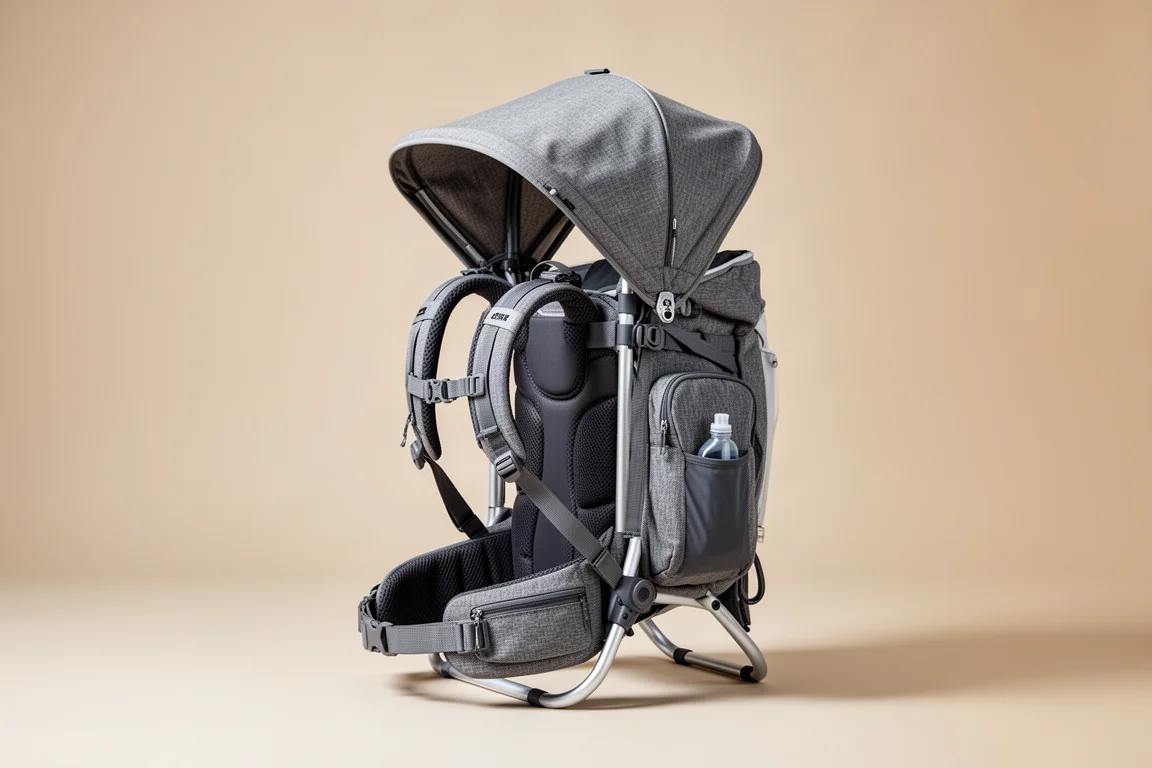
The Kid Comfort Pro is the best seller and the most feature-rich of the three, and it is also the heaviest at just over 3.5 kg. That weight buys a higher backrest that forms a supportive seat for the child’s head, which matters most when they fall asleep and their head starts to roll. It is also the only model with an integrated sun and shower canopy: it folds out of the hood and clips down at the front in seconds, so you are not searching through pockets when the weather turns or the sun gets strong.
Storage is generous. A large dump pocket at the bottom swallows the day’s kit, and a long pocket runs the full length of the carrier. A small rucksack is included and can clip to the front of the carrier for solo trips, and a mirror in the waist pocket lets you check on the child without stopping.
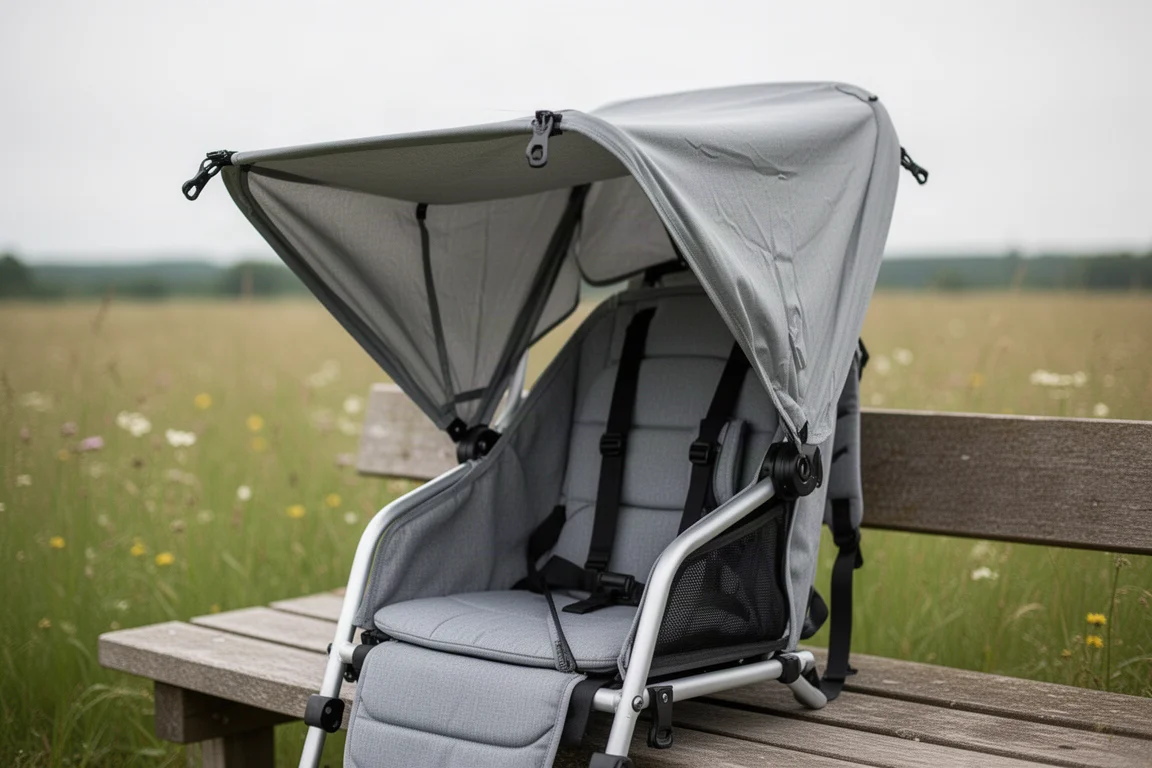
The extra weight is less of an issue than the numbers suggest. Much of it comes from the frame and padding, and the Air Comfort back system keeps moisture away from your back while the frame pushes the load onto the hips, which is exactly where you want it.
Deuter Kid Comfort: The Balanced Choice
The Kid Comfort carries nearly all of the same features in a lighter package at just over 3 kg, and it costs a little less. What it leaves out is the extra-high top and the built-in canopy. In their place, the bottom pocket closes with a zip that runs around it, and a sunshade canopy is available separately: it lives in the top pocket, folds out when needed, and clips down at the front much like the integrated version. A rain cover is also available and fits all three models.
For most families, the back system, adjustable back length, hip belt, and seat adjustments work the same way in practice, so the decision comes down to whether the taller backrest and the instantly available canopy are worth the extra weight.
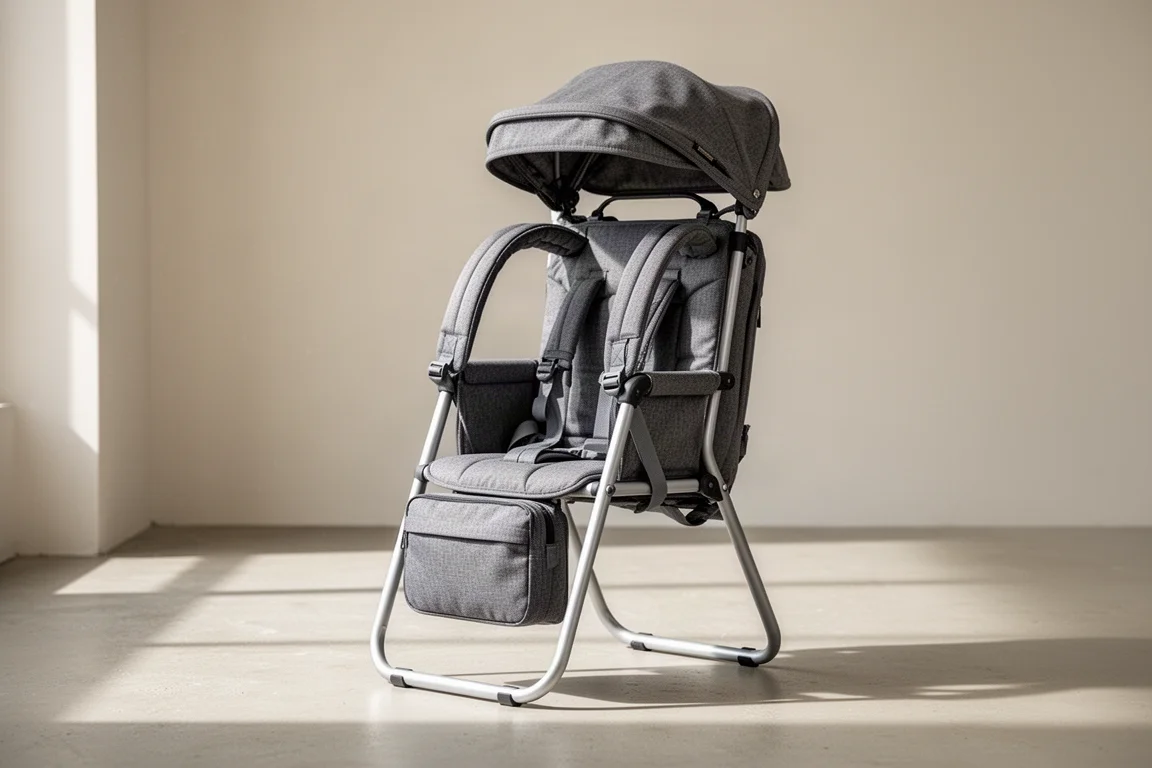
Deuter Kid Comfort Active: The Lightweight Choice
The Kid Comfort Active is the lightest of the three and the one that feels easiest to move in. The weight saving comes mostly from a lighter back system, which drops the venting mesh of the other two but keeps panels that still push air through while you are working hard. Storage is reduced: there are still large pockets at the bottom and a bungee at the top, but the mesh sides mean no side pockets, and there is only one hip belt pocket. The adjustable back system uses a quick-fit design where the strap threads through four loops at a time, and it is simple to set for a shorter or taller back.
If you are travelling or taking the carrier abroad, the compact pack size and the low weight are the main attractions.
What you give up is convenience rather than safety. The harness, seat adjustments, stirrups, and stand-up leg are all present, so the child is just as secure. If you rarely carry much beyond a snack, a water bottle, and a spare layer, the reduced storage is unlikely to bother you.
Getting the Fit Right
A child carrier is heavy by nature, so the fit does most of the work. Put the carrier on your hips first and tighten the hip belt until it hugs the top of your hip bones and takes the majority of the load. Then pull the shoulder straps in gently so they curve around your shoulders without lifting the belt away from your hips. The adjustable sternum strap keeps the shoulder straps sitting in the right place, and the tension straps should be taut at roughly 25 degrees upward. Over-tightening those last straps is a common mistake: it feels secure but creates pressure on the front of the shoulders. All three carriers have an adjustable back length, which is worth setting properly if the carrier is shared between two adults of different heights.
Which Deuter Kid Carrier Is Right for You?
Choose the Kid Comfort Pro if you want the most features, the most comfortable seat for a child who naps on the move, and the quickest canopy when the weather changes, and you are happy to carry the extra weight. Choose the Kid Comfort if you want nearly the same experience in a lighter carrier at a slightly lower price, and you are content with a canopy that packs separately. Choose the Kid Comfort Active if weight and folded size matter most, whether for travel or for shorter, faster days out, and you can live with fewer pockets.
Whichever you pick, the same guidance applies: start once your child can hold their head up well, usually from around six months, keep the child’s weight within 22 kg, and allow about 2 kg for your own essentials.

Take the time to fit the carrier properly on your first outing. These carriers are designed to be shared and adjusted, so a few minutes spent setting the back length and the hip belt makes a noticeable difference on a long walk.
Conclusion
All three carriers are built to the same standard of safety and child comfort, and the differences come down to weight, storage, and how much you value the integrated canopy. The Kid Comfort Pro gives you everything; the Kid Comfort trims the weight and the price; the Kid Comfort Active trades storage and a little back-system venting for the lightest, most compact option of the three.
Further reading
Related Reviews

Backpacking Gear
Building a 10 lb Base Weight: An Ultralight Backpacking Gear List
A practical walkthrough of the ultralight pieces behind a 10 lb base weight, from a 765 g pack and a roomy one-person tent to a full camp chair and a dependable water filter.
Road Bikes
10 New Road Bikes Worth Watching: Aero, Titanium, Steel and Endurance Standouts
A practical roundup of 10 new road bikes, from aero flagships chasing single-watt gains to titanium, steel and endurance platforms built for real roads.
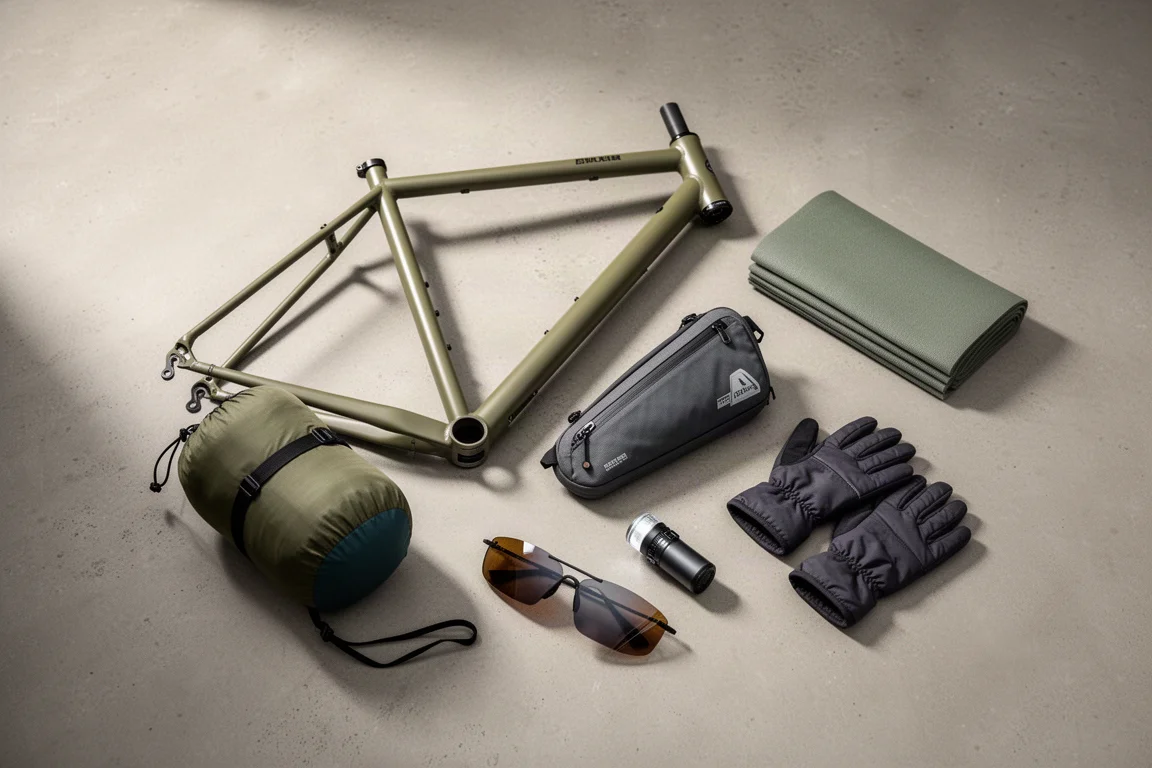
Bikepacking Gear
11 Bikepacking Essentials for Long-Distance Cycling
Eleven bikepacking essentials for long-distance cycling, from a steel gravel frame and a two-person tent to helmet lights, packable gloves, and a frame bag that puts weight in the right place.