Hi-Fi Audio
Desktop DACs and Power Amplifiers Compared: Cambridge Audio, Chord, Topping and More
A practical comparison of eight desktop DACs and amplifiers, including the Cambridge Audio DacMagic 200M and MXW70, with clear strengths and trade-offs for each.
Introduction
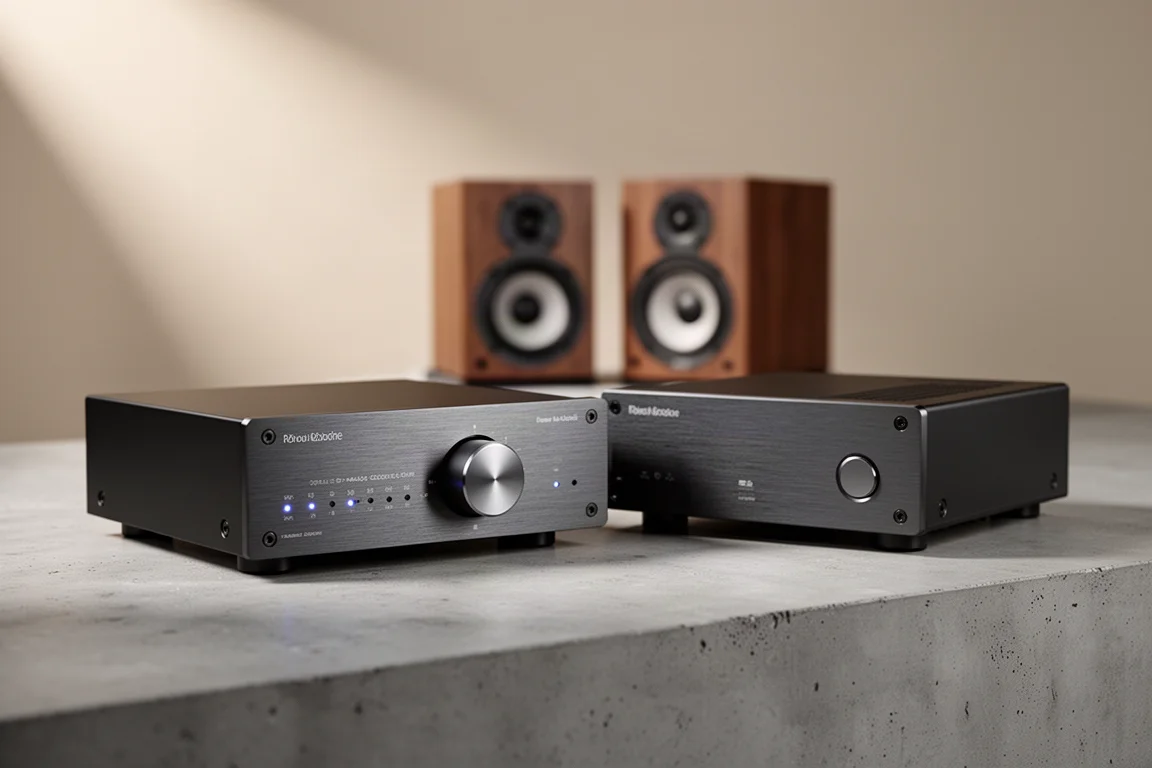
Cambridge Audio has built a reputation for accessible hi-fi that delivers more than its price suggests, and two recent releases push that idea firmly into the desktop space. The DacMagic 200M is a compact digital-to-analog converter, and the MXW70 is a matching compact power amplifier. Both share a half-rack-width metal chassis with an aluminium front plate, and both are designed to sit together as a pre and power stack for all-digital listeners.
The MXW70 stands out because it uses a Hypex Ncore power module, technology that until now has been reserved for amplifiers costing closer to £2,000. The DacMagic 200M stands out for a different reason. It uses the same ESS Sabre chip family found in far cheaper rivals, yet extracts a fuller, more mature tone from it.
This guide looks at both Cambridge Audio components alongside the alternatives that matter most in the same bracket, including the Fosi Audio ZD3, the Chord Mojo and Mojo 2, the Topping D90 III Sabre, the Cambridge Audio AXA35 and the Audiolab 6000A MkII.
What to Look For Before You Buy
The conversion chip is only part of the story. Power supplies, input stages and output stages all shape the final sound, which is why two DACs built around the same ESS Sabre family can sound noticeably different from one another. A well-implemented design can sound organic and full-bodied, while a lesser one can sound crisp and clinical even with a technically superior chip inside.
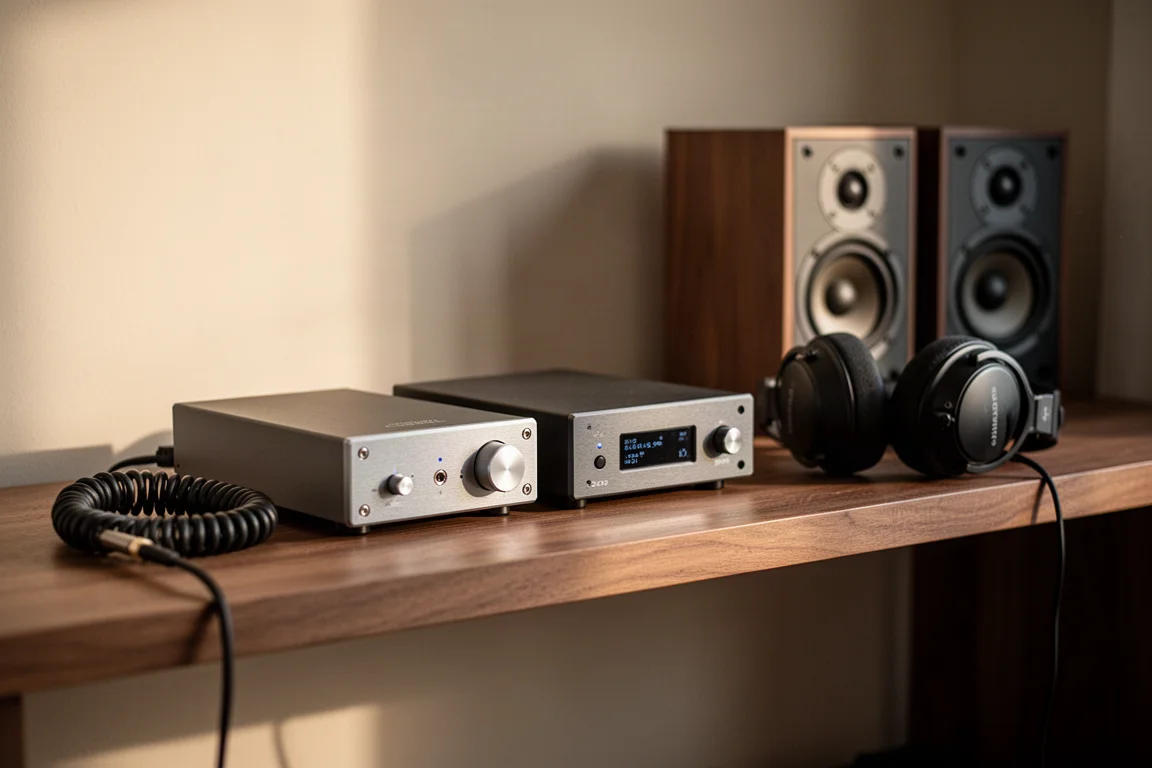
Connectivity is the other half of the decision. HDMI ARC makes a desktop DAC genuinely useful in a television system, while a display and a remote control make a unit easier to live with day to day. Balanced XLR outputs, a headphone socket and the number of digital inputs all matter depending on how many sources you plan to connect.
On the amplifier side, the power module and the way it handles real speaker loads are the key variables, along with whether the design can be bridged for more power later. Matching a preamplifier to a power amplifier is finicky work, which is why a manufacturer-matched pairing is often the safer route for listeners who would rather not experiment.
Cambridge Audio DacMagic 200M: Dual-Mono ESS With a Fuller Tone
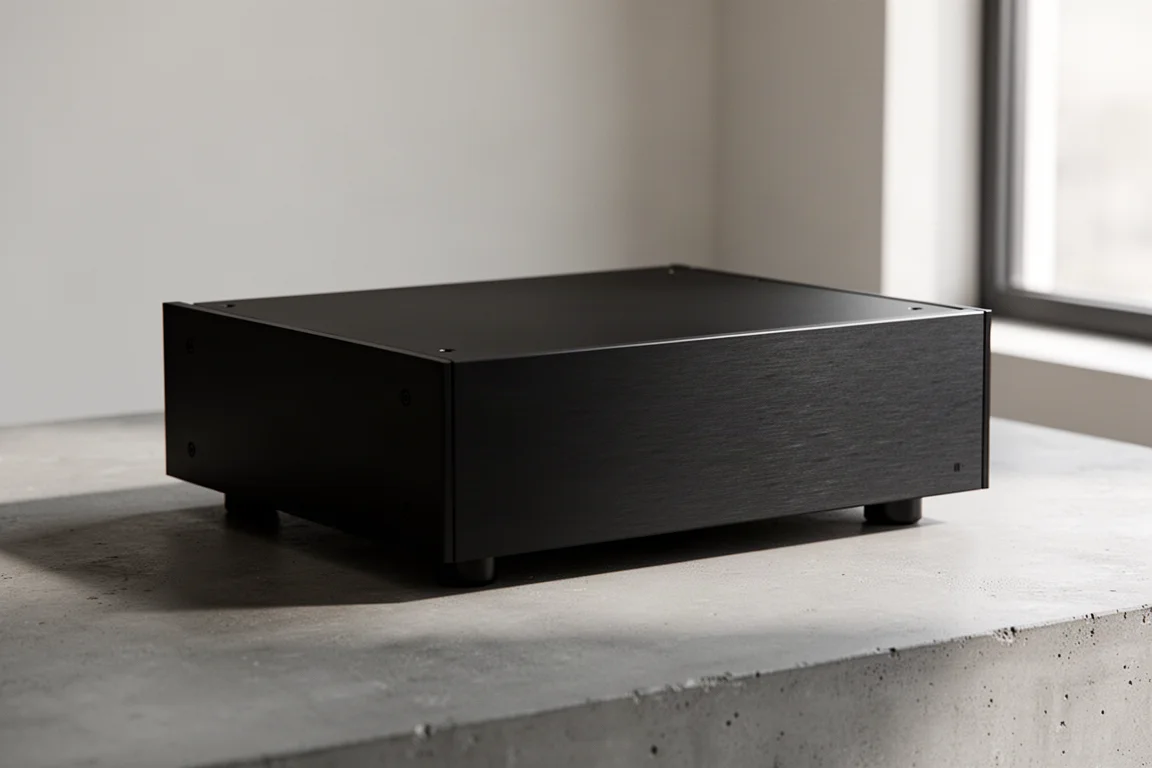
The DacMagic 200M is a half-rack-width unit in an all-metal chassis with an anodised aluminium front plate. The front panel is deliberately simple: a source selection button, a rotary dial for volume and a button for choosing the digital filter. Input sample rate is indicated by a row of LEDs, and the unit supports up to 24-bit/768kHz PCM and DSD512. A 6.3mm headphone socket is provided.
Around the back you get both single-ended RCA and balanced XLR analogue outputs, two coaxial inputs, two optical inputs, plus USB and Bluetooth. The earth connection can be grounded or lifted to reduce ground loops, and power comes from an external 12V 2A supply. Inside, two ESS Sabre 9028Q2M chips run in dual mono, one per channel, which improves channel separation and accuracy. Volume is handled digitally, with the ESS volume control drawing on additional internal bits in the data path to limit noise floor degradation.
The result is a DAC that sounds fuller and less artificial than most ESS-based designs near its price. Bass carries more weight and the mid-range has greater acoustic mass, without any loss of detail or high frequency extension. The soundstage extends a little beyond the speakers with a modest amount of depth, and the overall character is best described as mature for the segment.
There are trade-offs. There is no display and no remote control, which limits its appeal for some living room setups, and HDMI ARC is absent at a price where that feature is increasingly expected. The standby light also stays illuminated, so the cycling of adjacent LEDs is the only indication that the unit is powered up. The new retail price is £349, with a promotional price of £279 at the time of writing, and Cambridge Audio has confirmed it will not be sold above £349 in future.
Cambridge Audio MXW70: Ncore Power for Under £500
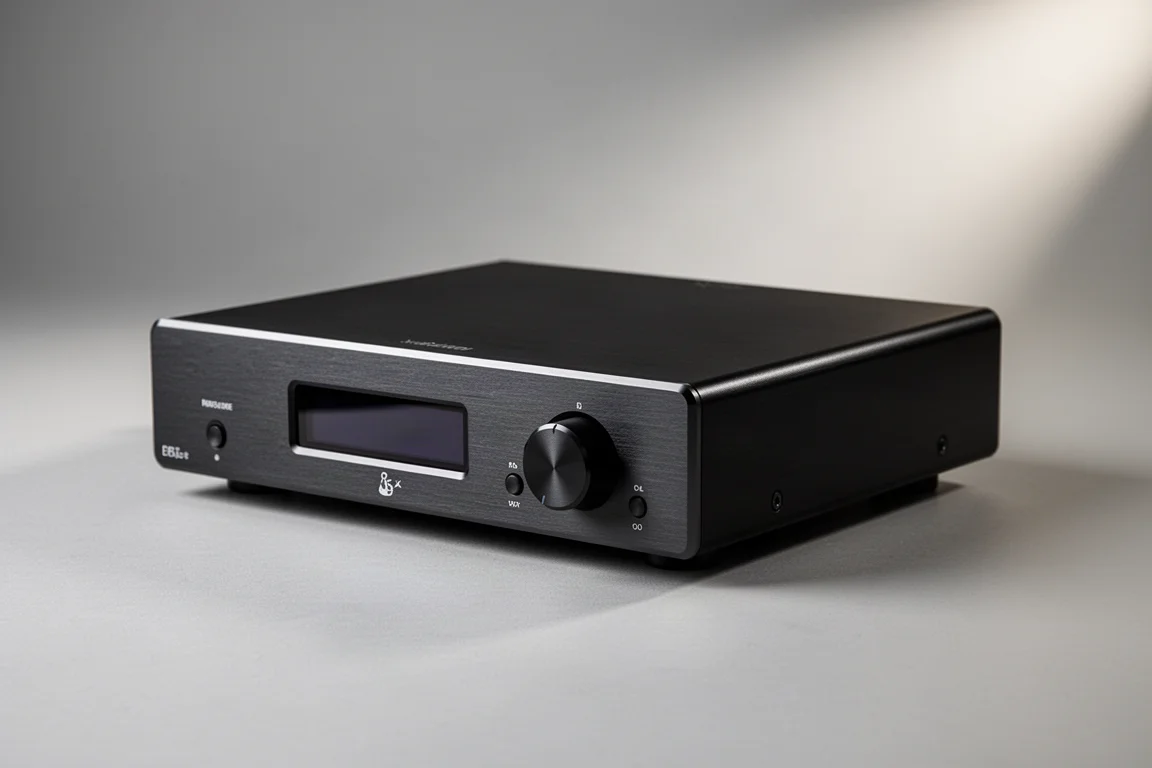
The MXW70 retails for £499 and shares the same half-rack-width metal chassis and aluminium front face as the DacMagic 200M. It is a straight power amplifier with no frills: a single power up button on the front and nothing else. Like its DAC sibling, that light remains illuminated in standby, so using the trigger connections on the rear to power it up automatically is the sensible approach.
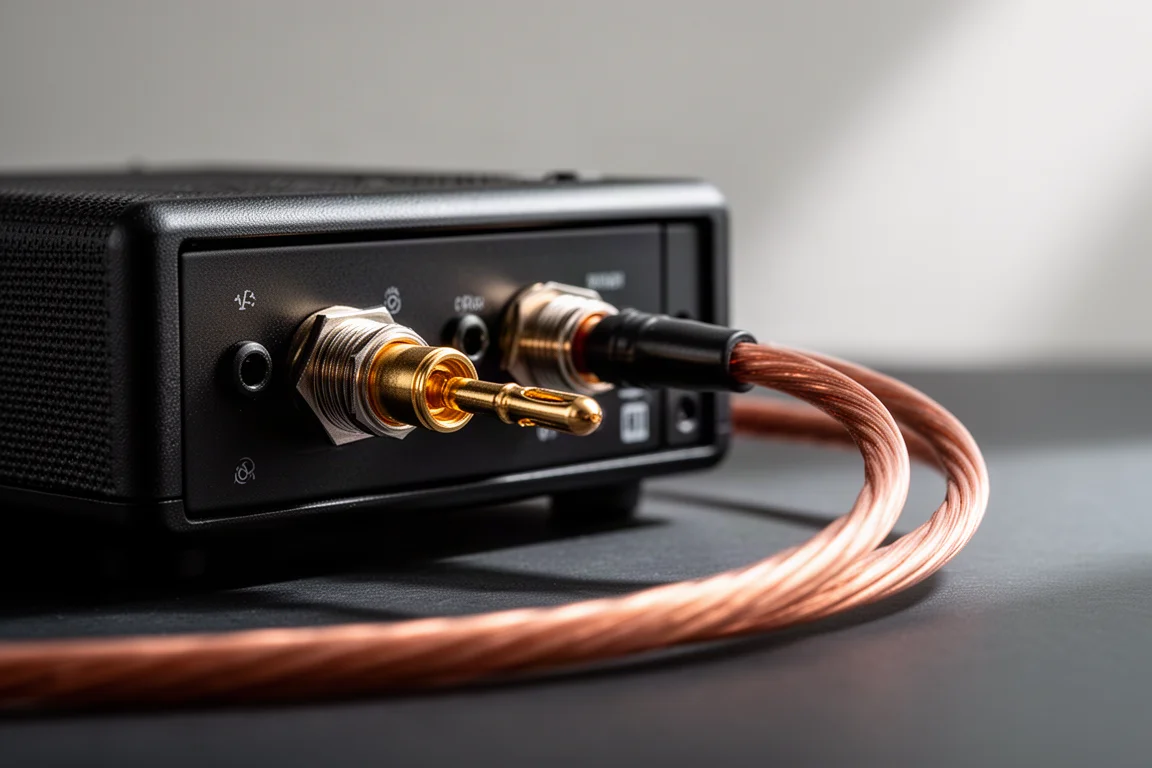
At the back you will find switchable single-ended RCA and balanced XLR analogue inputs, along with speaker terminals of standard quality. The MXW70 can also be bridged, taking it from 70W per channel into 8 ohms in stereo to 250W in mono. Inside sits a discrete class D power amplifier built around a Hypex Ncore module, a design that offers lower distortion and better load independence than the older Hypex UCD modules. What makes this significant is the price: at this level you normally find chip-based amplifier modules, and Ncore technology has previously only appeared in amplifiers costing far more.
Sonically, the MXW70 has superb bass control, though it is a little light in bass weight, and the mid-range carries some of the leanness typical of class D designs. The upper mid-range and high frequencies are detailed, open and airy, with no noticeable harshness. The overall personality is clean and reasonably dynamic with a somewhat cool tonality. Adding the fractionally warm sounding DacMagic 200M offsets those traits slightly, though it is the amplifier rather than the DAC that dominates the presentation.
Fosi Audio ZD3: The Budget Connectivity Champion
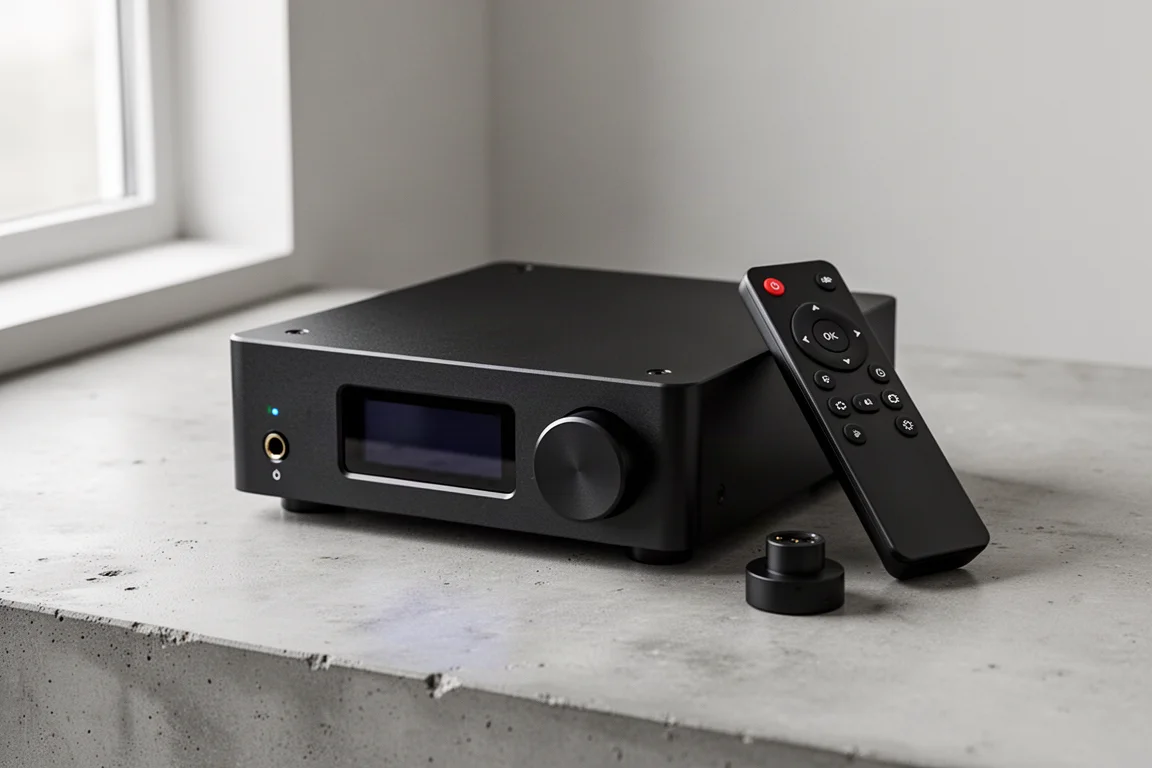
The ZD3 currently sells for around £179 and uses a single ESS Sabre 9039Q2M chip for digital-to-analog conversion. It offers HDMI ARC, a display and a remote control, all for roughly half the price of the DacMagic 200M. That combination makes it a natural fit for a minimal two-channel television system, where it can front a stereo amplifier and a pair of floorstanding speakers without fuss.
It is very resolving, but also slightly artificially crisp and clinical, which is typical of many ESS chip-based DACs. Listeners who want the most detail per pound and who value connectivity over tonal refinement will find it hard to argue with the value on offer.
Chord Mojo: A Long-Standing Sub-£500 Reference
The original Mojo has been a benchmark below £500 for around a decade now, which is a long run for any digital product. Its soundstage is bigger in both width and depth than the DacMagic 200M, with even greater acoustic mass through the bass and mid-range. That character comes down to voicing and the FPGA filter design.
The flip side is a softer transient attack and a somewhat rolled-off treble. If you value tonal shading and weight over crisp leading edges, the Mojo remains a compelling listen, but it is no longer the automatic choice it once was.
Chord Mojo 2: More Scale and Spatiality
The 2022 update added an extra button, crossfeed and DSP features, and an upgraded FPGA raised the taps on the interpolation filter from 38,912 to 40,960. Those changes ironed out the original’s shortcomings, and the Mojo 2 is now the DAC to beat below £500. Not because it is more resolving, since it is not, but because it offers greater scale and spatiality.
The one real frustration is input handling. You connect one input at a time, and the automatic switching does not work very well. Anyone running more than one digital source would save themselves a lot of irritation by choosing the DacMagic 200M instead, which handles multiple inputs without complaint.
For a listener with a single digital source, though, the Mojo 2 delivers a spatial presentation that is hard to match at the price, and its DSP features give it a flexibility the original never had.
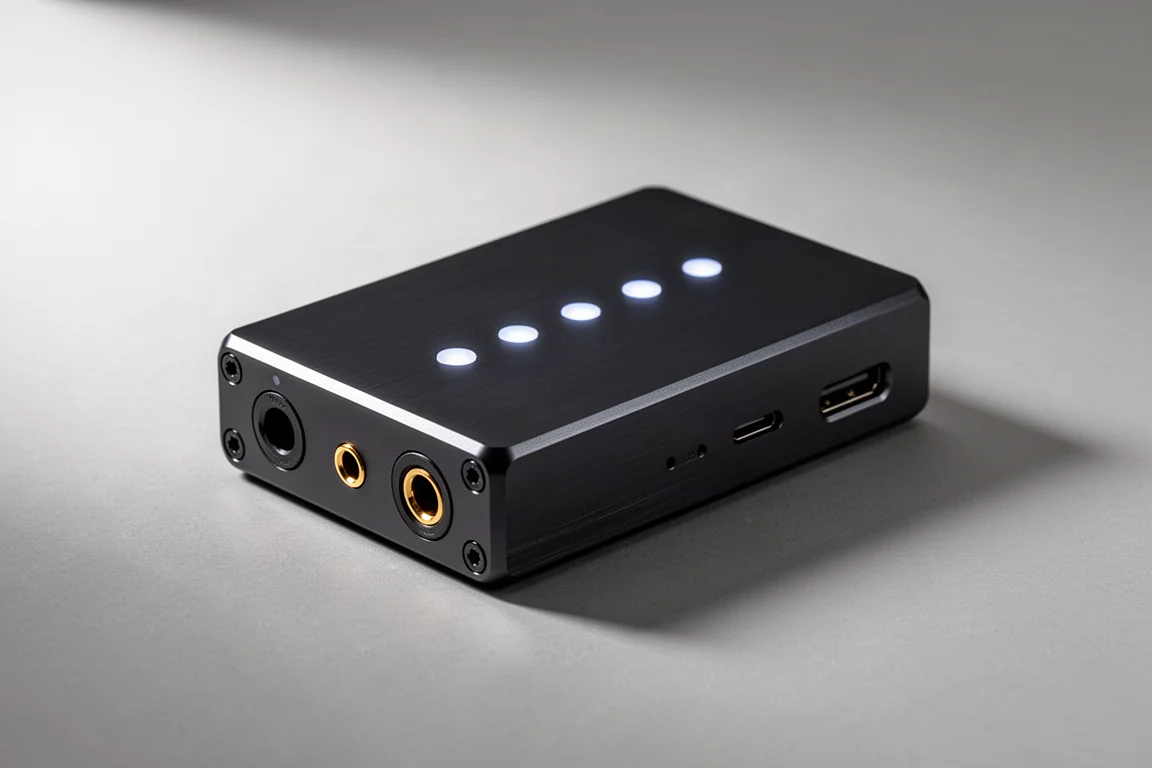
Topping D90 III Sabre: Measurement-Led Fidelity
The D90 III Sabre uses two top-of-the-range ESS Sabre 9039 Pro chips, each with eight channels summed together to average out noise. It carries a stated 135dB signal-to-noise ratio, making it one of the best measuring DACs available at any price, let alone for its £899 asking price.
That engineering shows up in listening. It is a noticeable step up in fidelity, with a soundstage that is bigger in all directions, greater instrument separation and more precise localisation of performers. You hear deeper into recordings, even if a whiff of the typical ESS sterilised sound remains. The digital preamp section and volume control are very good, opening the soundstage a little further than the DacMagic 200M achieves with the MXW70, though at the cost of a drier tonal balance. The DacMagic 200M remains the more organic and less artificial listen of the two, and it costs substantially less.
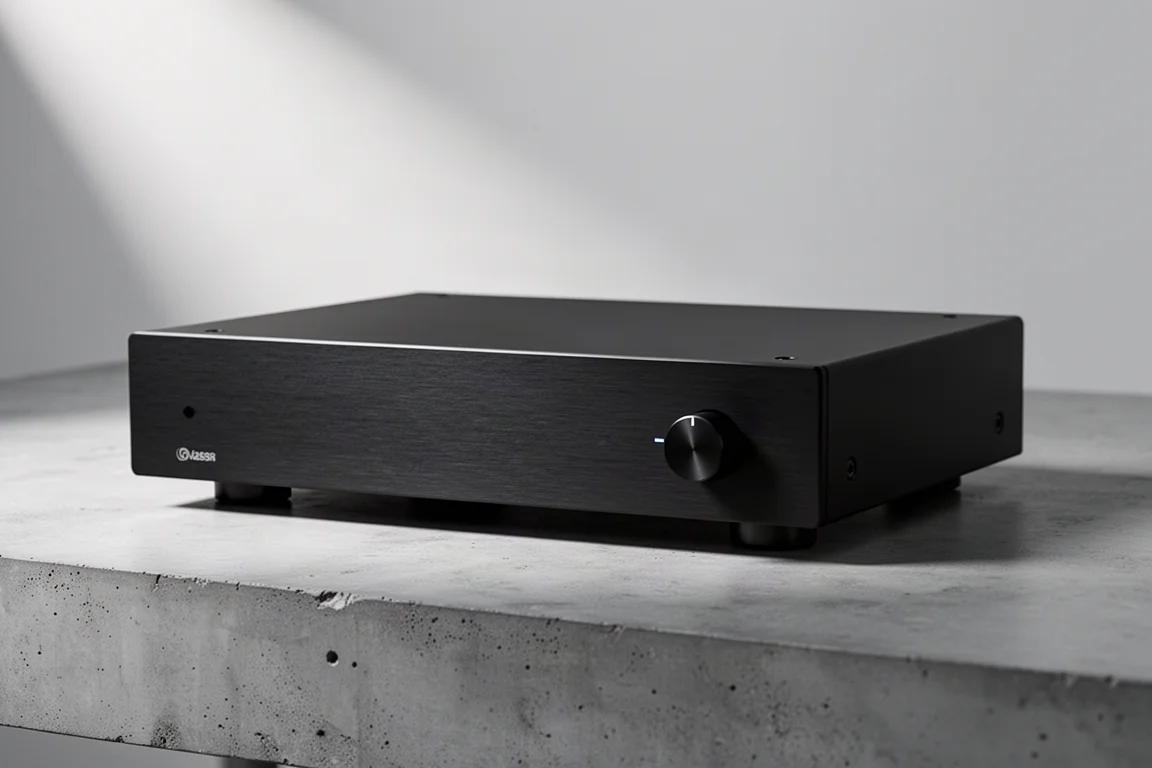
Cambridge Audio AXA35: The Warmer Integrated Alternative
The AXA35 is one of the best sounding amplifiers below £500, and at its £350 asking price it remains an easy recommendation. Partnered with easy-to-drive speakers, it delivers a rich, enveloping sound with plenty of detail.
Compared directly with the MXW70, the AXA35 has looser bass, less mid-range resolution and less precise imaging. What it offers instead is a wider soundstage and a richer, more fluid sound signature. For all but the most analytical listeners, that makes it the more enjoyable amplifier across most genres, particularly when crisp transient attack is not the priority. The difference in character is significant enough that the two Cambridge Audio amplifiers will appeal to quite different buyers.
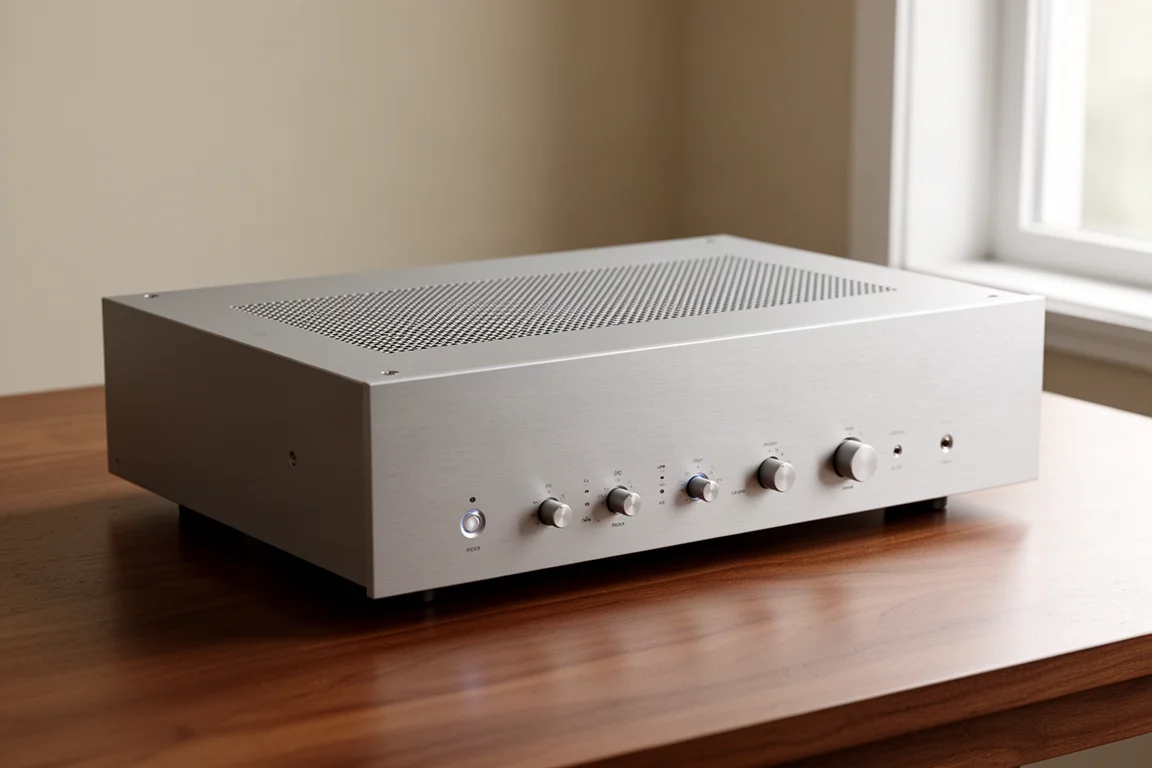
Audiolab 6000A MkII: A Natural Partner for the DacMagic 200M
The Audiolab 6000A MkII uses a more up-to-date ESS 9038Q2M chipset, but even that cannot pull as much information from recordings through its digital inputs as the DacMagic 200M manages. The amplifier section, however, delivers greater dynamic contrast than the MXW70, which makes it a strong foundation for a system that may grow over time.
Feeding the DacMagic 200M through one of the Audiolab’s analogue inputs is where the pairing gets interesting. It provides a worthwhile improvement over the internal DAC and takes performance beyond what the half-width Cambridge Audio duo can deliver on its own. The DacMagic adds detail and a bit of richness, while the Audiolab amplifier section adds scale and makes the transitions between quiet and loud passages more easily than the MXW70. Together they form one of the best combinations available for around £1,000.
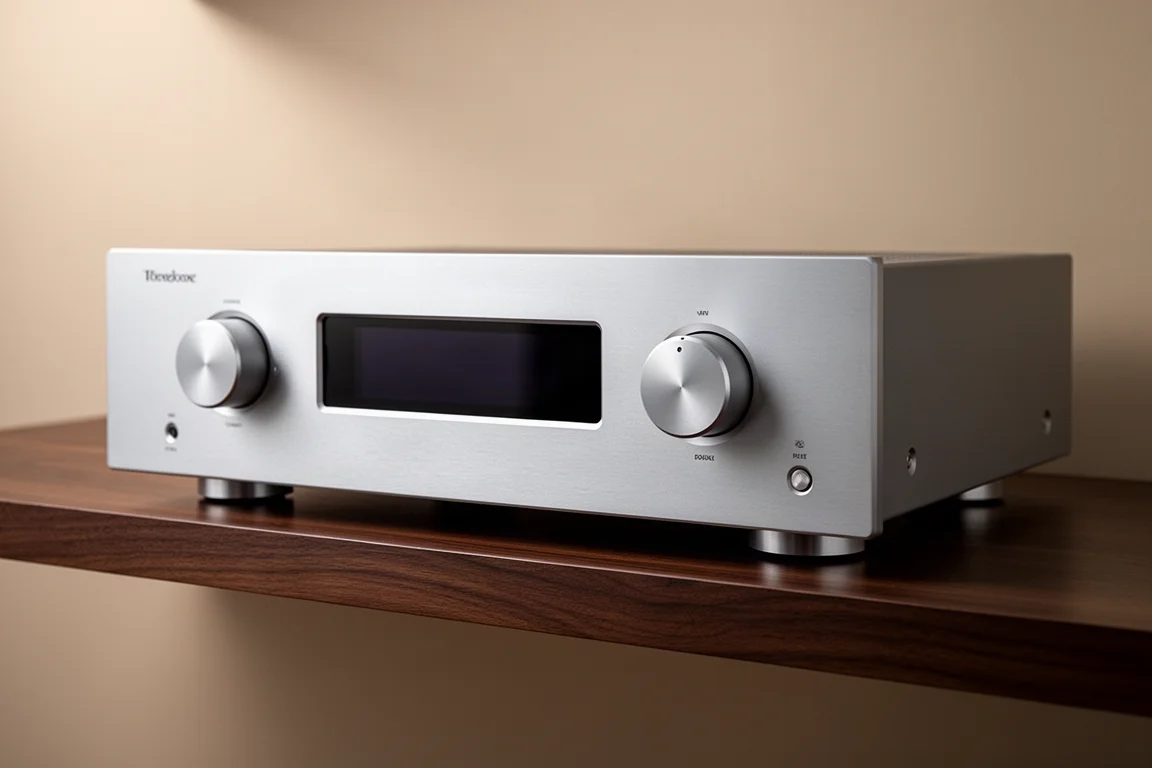
Overall Buying Advice
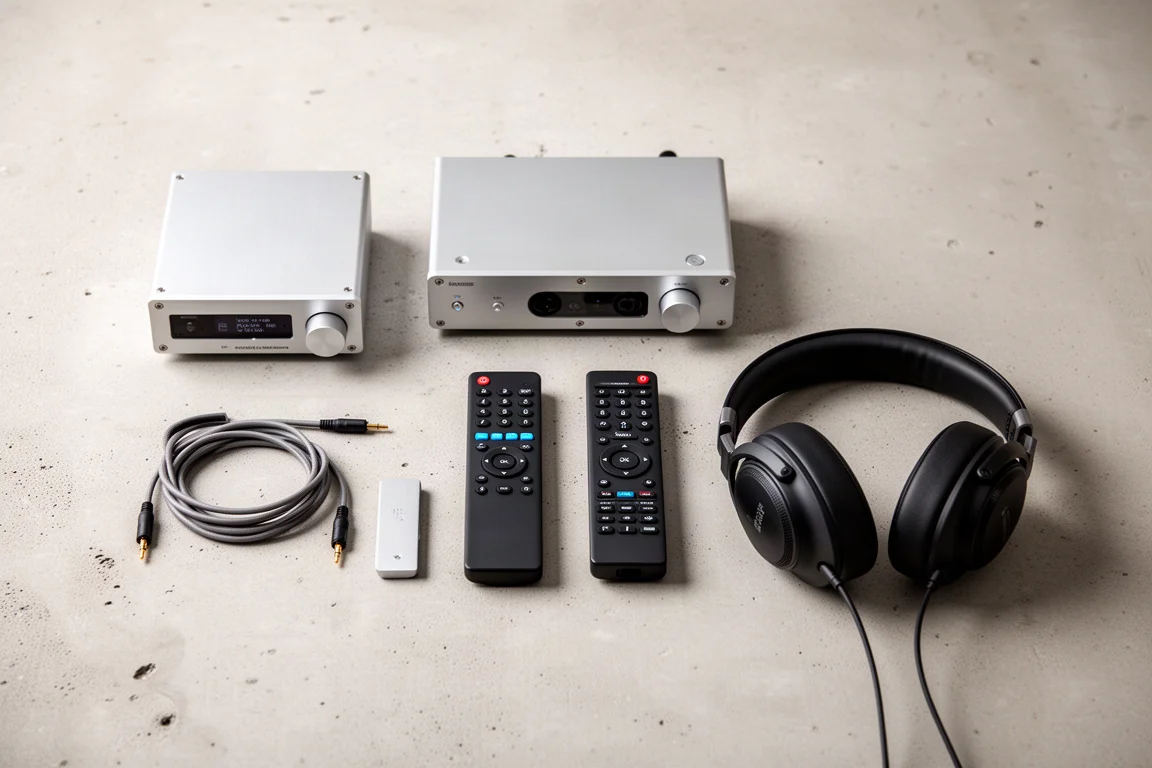
For an all-digital listener, the DacMagic 200M and MXW70 stack comes to under £800 and delivers a coherent, well-matched system with no guesswork involved. It is the simplest way to get a genuinely capable desktop setup from a single brand, and the two units share the same chassis dimensions and front panel finish.
If connectivity is the priority, the Fosi Audio ZD3 covers HDMI ARC, a display and a remote control for far less money, at the cost of some tonal refinement. If you have just one digital source and want the strongest spatial presentation below £500, the Chord Mojo 2 is the one to choose. If measurement-led performance and the deepest insight into recordings matter most, the Topping D90 III Sabre justifies its higher price, though it sounds drier than the Cambridge Audio alternative.
For listeners who want an integrated amplifier rather than separates, the AXA35 offers warmth and an easy, fluid listen for £350, while the Audiolab 6000A MkII provides greater dynamic contrast and a natural home for a dedicated DAC later on. It is also worth remembering that the fundamental personality of the MXW70 will tend to prevail no matter which DAC or analogue preamp you pair with it, so choose the amplifier first and shape the sound from there.
Conclusion
Both Cambridge Audio components earn their place here. The MXW70 brings Ncore technology to a price point where it simply was not available before, and the DacMagic 200M turns out to be the bigger surprise of the two, delivering a maturity and organic tone that most ESS-based DACs in its bracket cannot match.
The smartest purchases depend on the system you are building. An all-digital desktop stack of DacMagic 200M and MXW70 covers the fundamentals at a fair price. A single-source listener who wants maximum scale should look at the Chord Mojo 2. A budget television system should look at the Fosi Audio ZD3. And anyone who wants a one-box solution with room to grow will find the Audiolab 6000A MkII a rewarding partner for the Cambridge Audio DAC.
Further reading
Related Reviews
Hi-Fi Audio
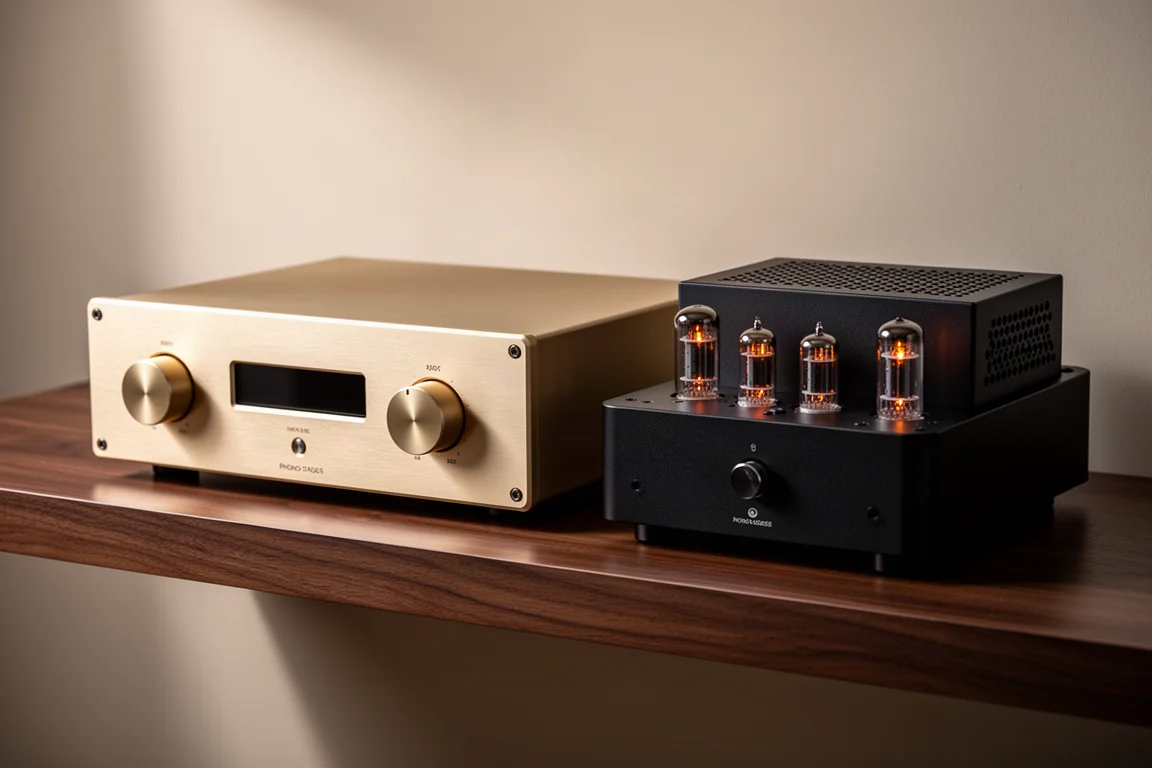
Accuphase C-57 vs Allnic H-7000V: Two High-End Phono Stages Compared
A fully balanced solid-state phono stage with a pitch-black noise floor meets a tube design built for well-loved records. Here is how to choose between them.
Hi-Fi Audio
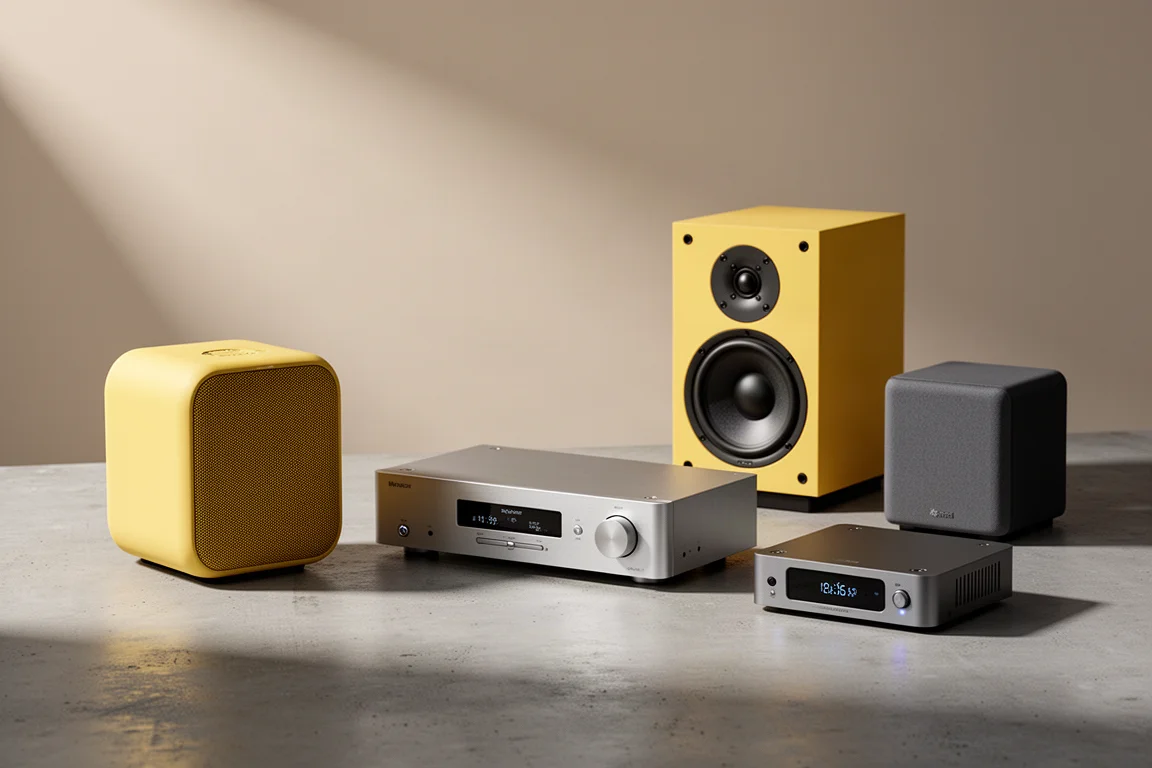
Active vs Passive Hi-Fi: Five Components for a Modern System
Five components that define modern active and passive hi-fi systems, with the strengths, trade-offs and setup details worth weighing before you buy.
Hi-Fi Audio
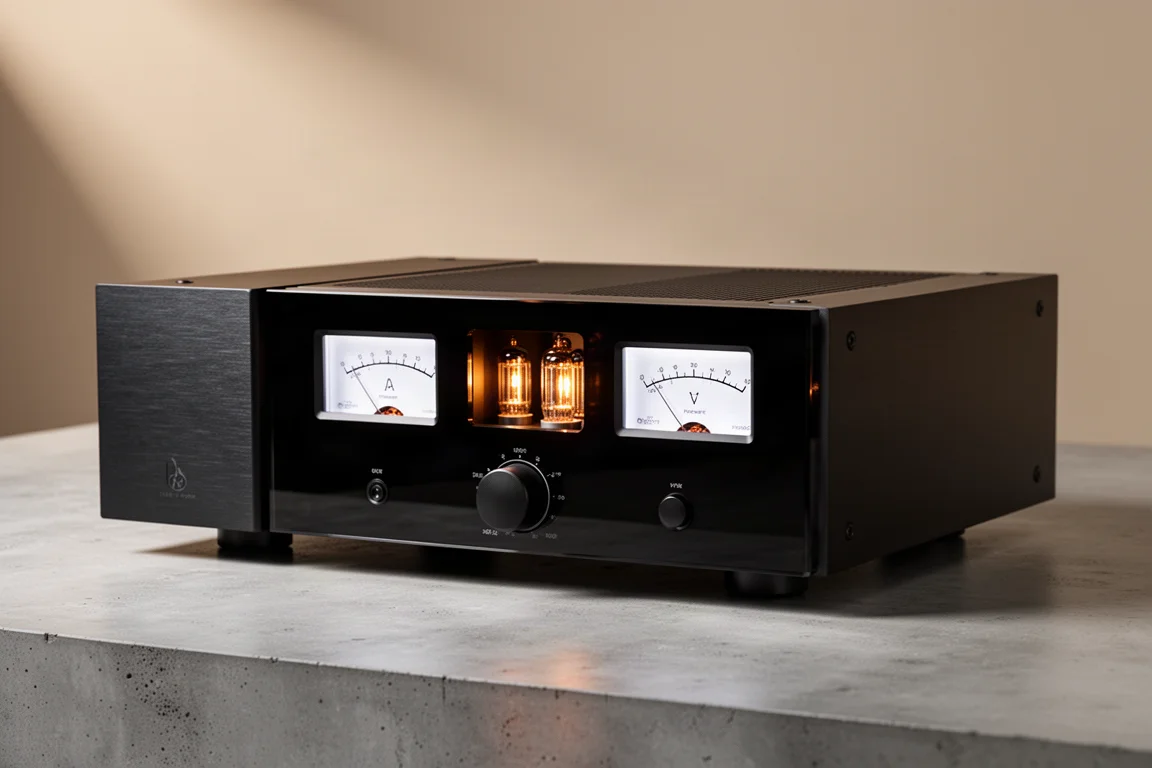
Advance Paris A10 Apex Review: A Hybrid Integrated Amplifier That Covers a Lot of Ground
A French hybrid integrated amplifier with a class A tube preamp stage, analogue power meters, and an internal DAC and phono stage good enough to make extra boxes unnecessary.