Backpacking Food Storage
Desert Backpacking Food Storage: Five Options for Protecting Your Food Without Trees
A practical comparison of odor-proof sacks, bear-resistant bags, and bear canisters for desert backpacking, with weights, capacities, and prices to weigh before you buy.
Introduction
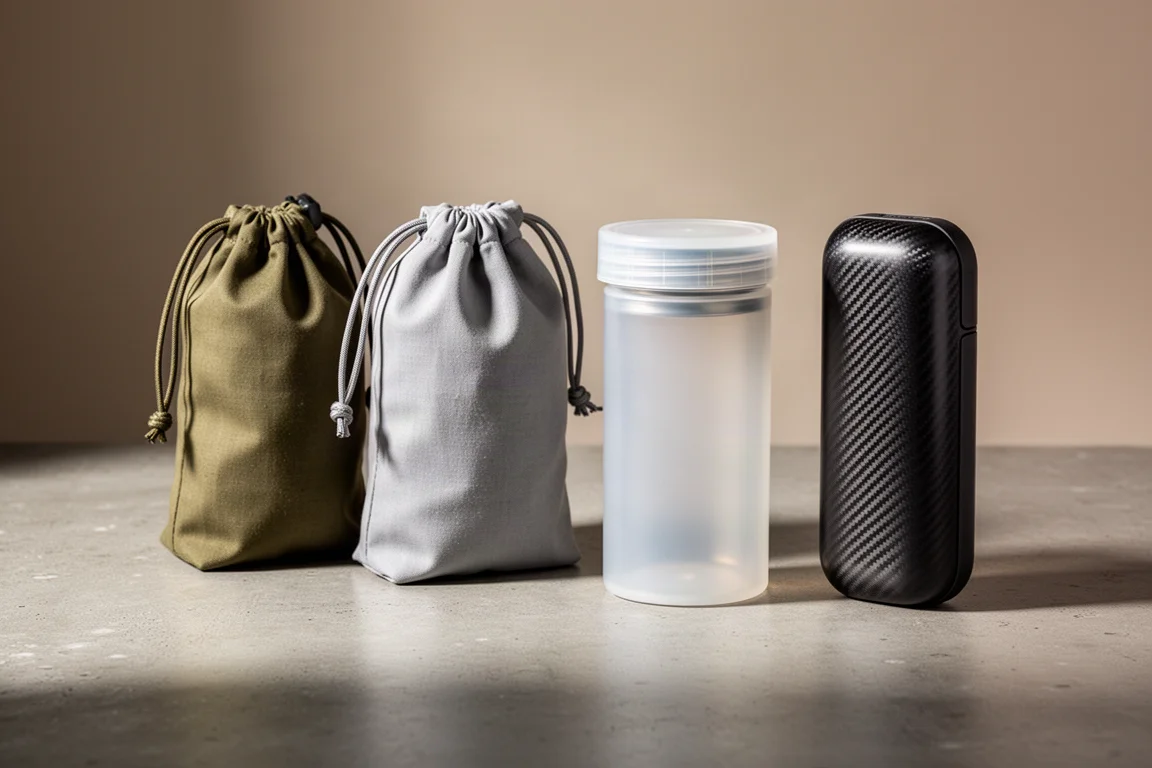
Food storage in the desert is a different problem from food storage in forest. Where trees are available, a bear hang is the familiar solution. Where the landscape offers only cactus, scrub, and rock, that option is gone, and food still has to be protected from rodents, small critters, and the occasional black bear.
The methods that work fall into three families: odor-proof sacks, bear and critter resistant bags, and bear canisters. Each one trades weight, cost, and protection against the others, and the right answer depends on how much risk and how many ounces you are willing to carry.
How to Choose a Desert Food Storage Method
Three variables do most of the deciding.
Weight and packed volume matter more in desert terrain, where water already claims a large share of your base weight. A system that adds two pounds is a real commitment.
Cost matters because the strongest options are also the most expensive, and rental programs exist for shorter trips where buying does not make sense.
Protection level ties the other two together. Odor control stops animals from knowing food exists. Resistant fabrics and hard canisters stop animals once they do. It is worth reading the wording carefully, because resistant is not the same as proof, and no method here comes with a guaranteed protection rate.
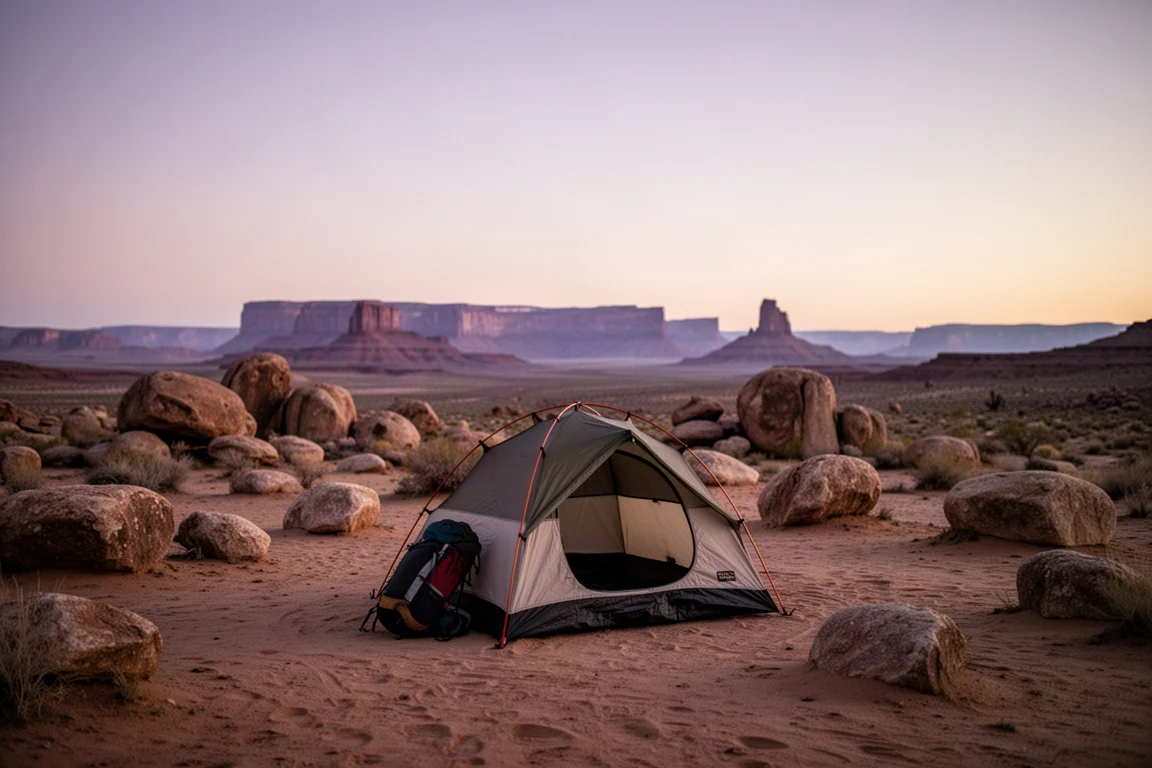
A useful habit is to decide first whether your food will sleep inside the tent with you or outside camp. That single choice narrows the field to one or two options immediately, and it is the decision most desert hikers get wrong.
Odor-Proof Sacks: The Lightest Option
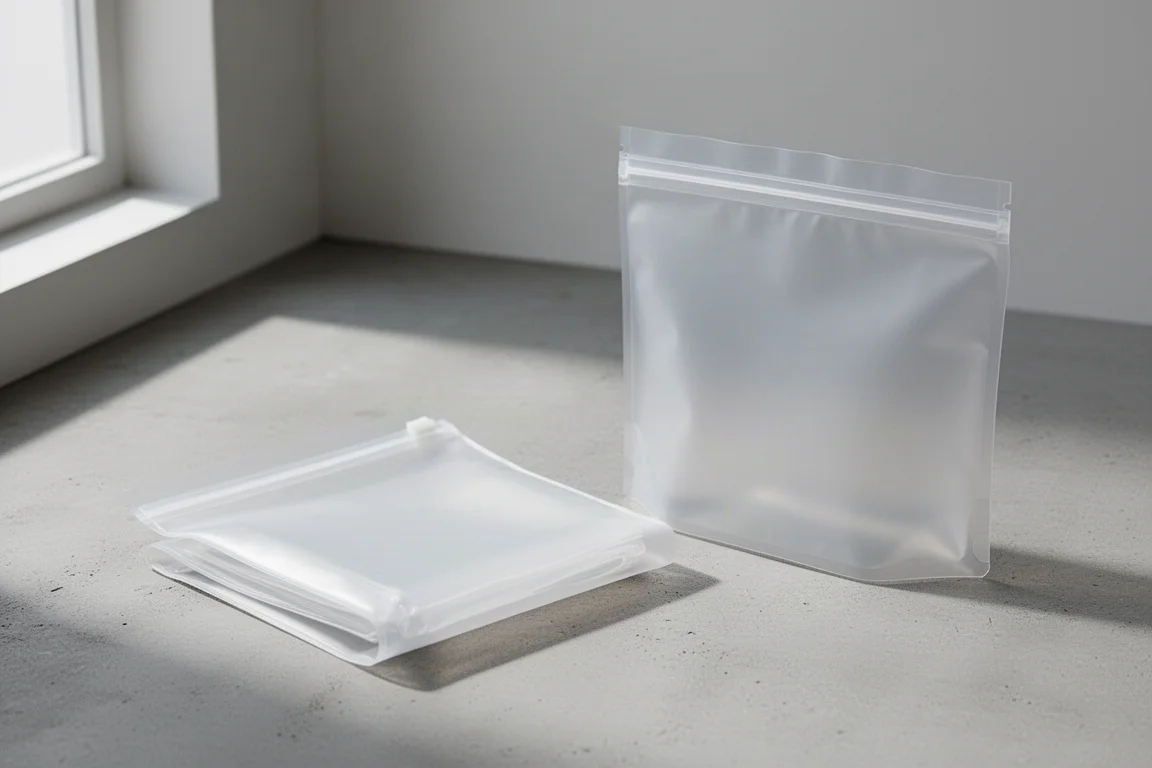
Odor-proof sacks are essentially large reusable zipper bags. Food and other scented items go inside, the top seals, and the material is designed to block scent so that animals never register that food is nearby.
Because the material only blocks odor, it does not resist teeth or claws. A sack left on the ground can still be chewed out of curiosity, which is why these sacks are meant to stay inside your tent with you rather than stashed away from camp.
The strengths are straightforward. They are lighter and considerably cheaper than bags or canisters, and they double as a liner for other systems. The best-known brand in this category is OPSAK. Generic sacks in the same style can cost around $13 for two, with each sack weighing a little over two ounces. The trade-offs are that your food stays in the tent with you, and the effectiveness of the odor barrier is difficult to verify for yourself.
Bear-Resistant Bags: The Ursack Almighty
Soft-sided resistant bags sit in the middle of the range. They are lighter than hard canisters but offer more protection than a plastic sack, and they are designed to be used away from camp.
The current Ursack offering is the Almighty. It weighs 9.12 ounces, holds 10.5 liters of food, and is built from laminated ultra-high-molecular-weight polyethylene and Kevlar. It costs $182. Ursack recommends pairing the bag with an OPSAK, and sells the two together.
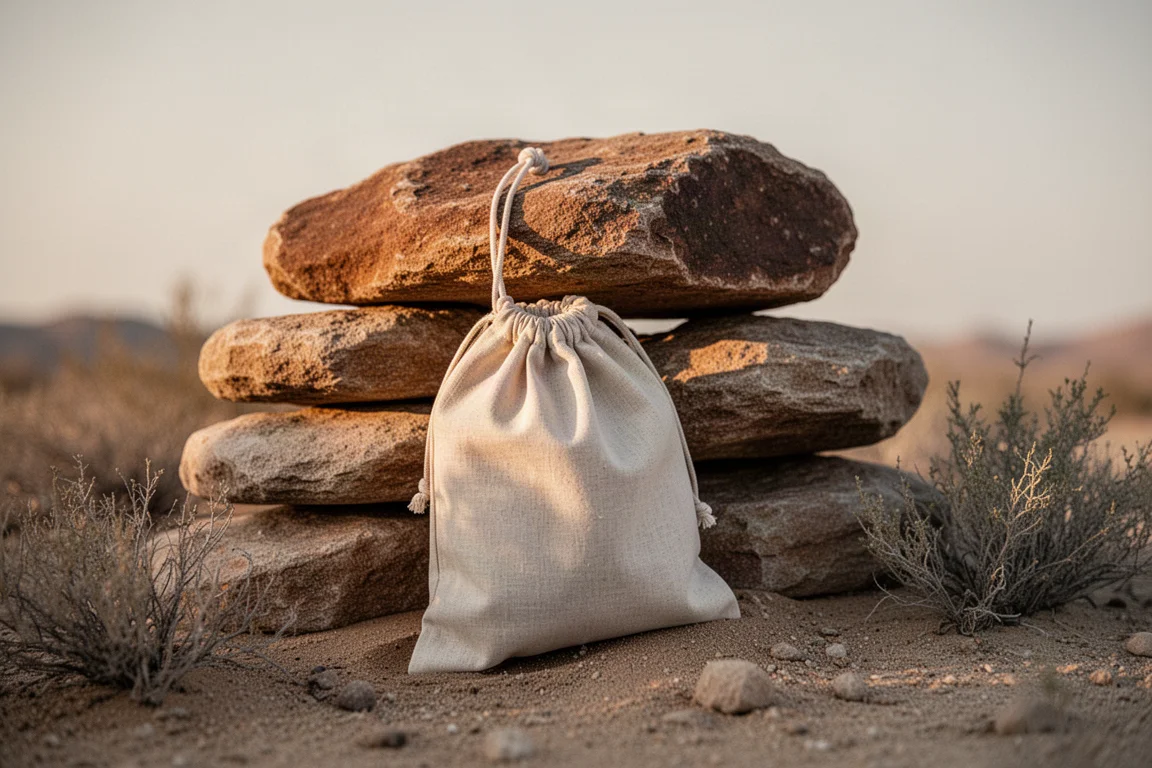
In practice you carry the bag more than 200 feet from camp and tie it to a tree. In desert terrain there are few trees, so the usual approach is to secure it under a pile of rocks or anchor it to whatever fixed object you can find, so an animal cannot simply run off with it.
Two things are worth knowing before you commit. First, the bag is heavier than it looks for its size, and it is expensive. Second, it is bear resistant rather than bearproof, and there are accounts of bags being shredded by bears. It raises your odds considerably without guaranteeing them.
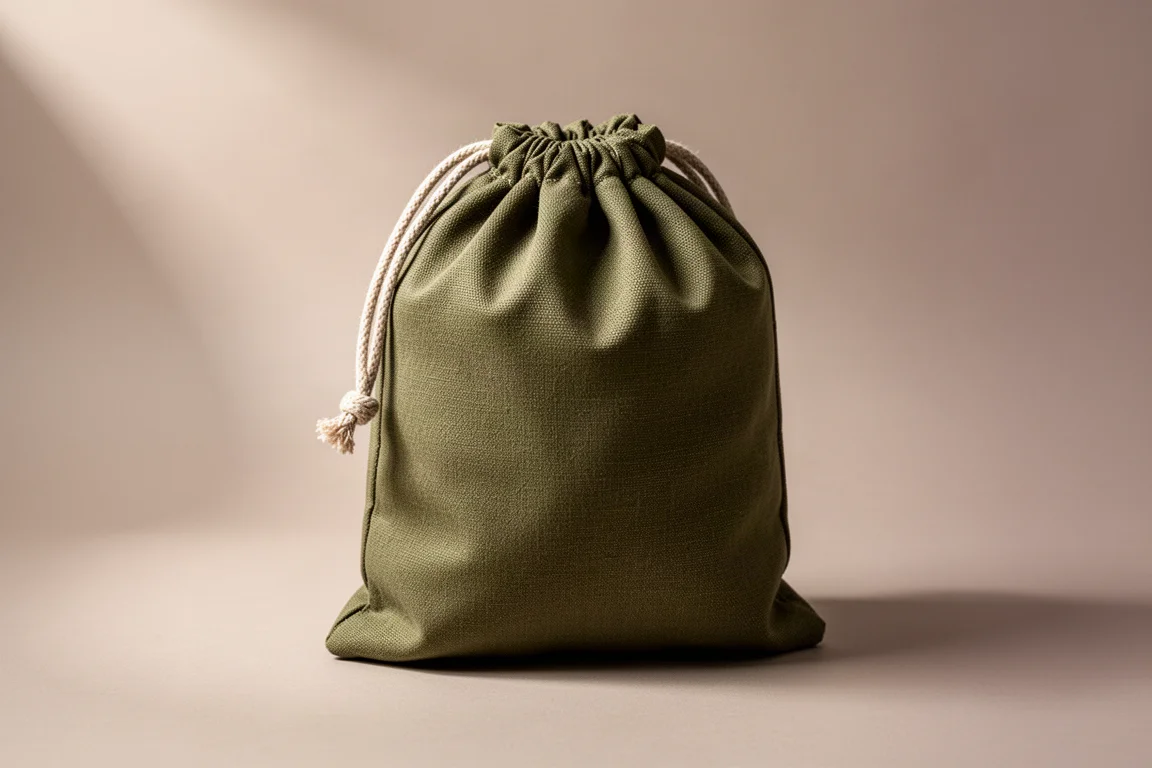
Ultralight Bear-Resistant Bags: The Adoteex Food Locker Bag
The Adoteex ultralight food locker bag is a newer entry in the same category, and it is both grizzly and rodent resistant, with a certified grizzly resistant rating. The brand claims it is the most lightweight certified grizzly resistant food storage bag on the market.
It comes in several sizes. The 14 liter version, which is the closest match to the Ursack Almighty in capacity, costs $163. That puts it in the same price territory as the other resistant bag here while offering slightly more volume.
Handling is the same as with any soft-sided resistant bag: carry it away from camp, anchor it, and accept that you are working with resistance rather than a guarantee. For desert trips where rodents are the more likely visitor, the rodent resistance is a meaningful detail.
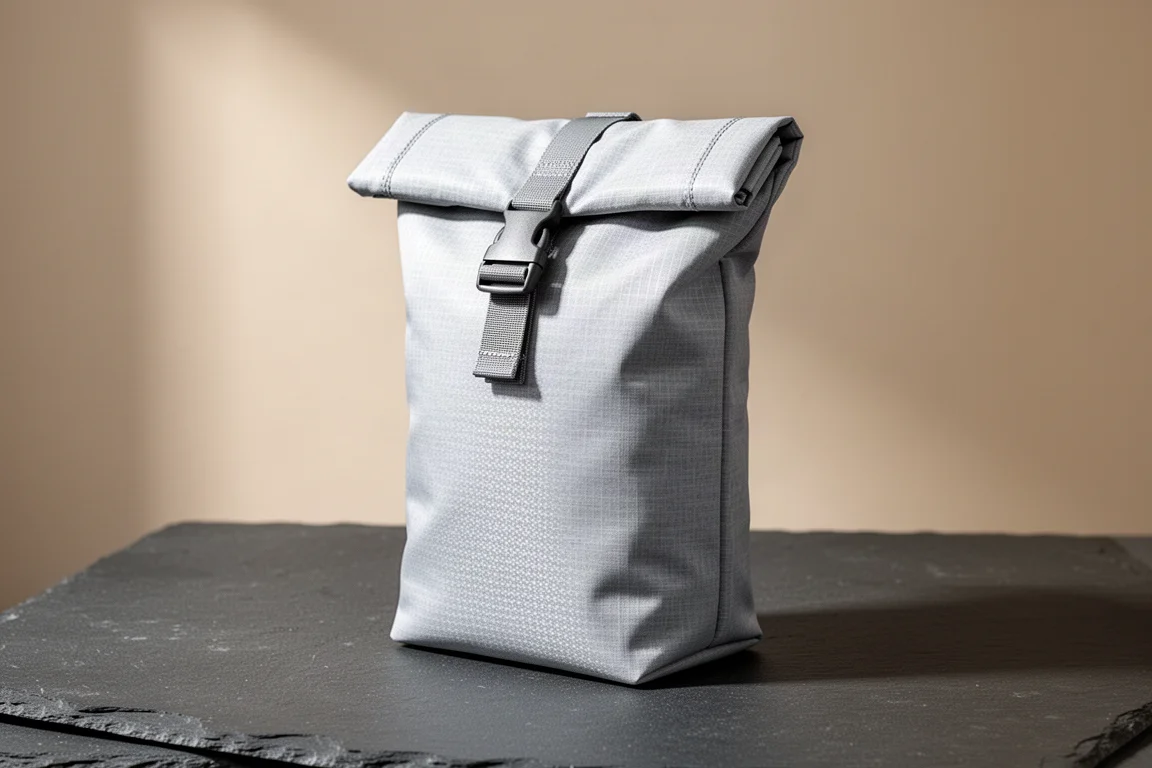
Bear Canisters: The BearVault BV500
A bear canister is a hard-sided container that replaces the food bag entirely. You carry it more than 200 feet from camp, wedge it next to a rock or against a tree so it cannot be rolled away, and leave it without any cord attached to it. In the worst case an animal rolls it around a little.
The advantage is that it is the safest option in this group. Your food is outside camp, a properly closed canister is very difficult for a bear to learn how to open, and critters cannot chew through the shell.
The cost is weight and money. Canisters are expensive and are likely the heaviest option available. The BearVault BV500 is a widely used model: 2.5 pounds, 11.5 liters of storage. It is not as expensive as the bear-resistant bags covered above, but it is noticeably heavier.
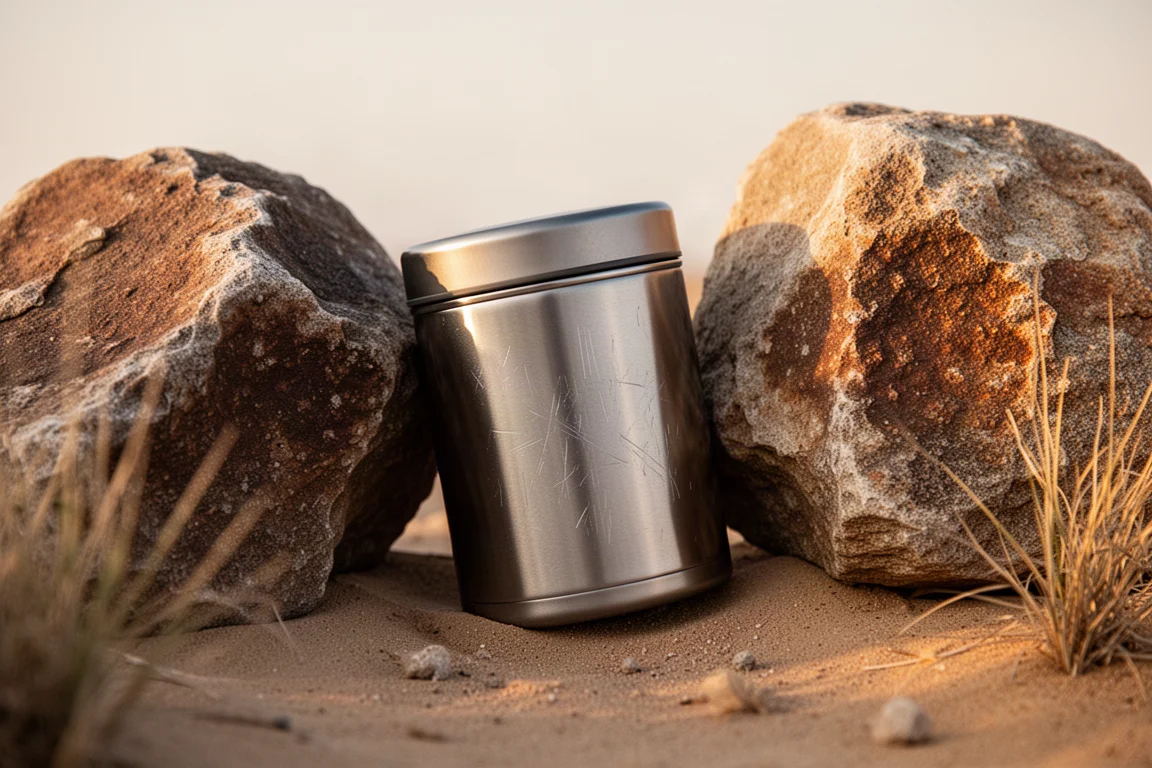
If your route includes a stretch where canisters are the expected method, this is the category to plan around, because the weight has to be budgeted into your pack from the start rather than added at the trailhead.
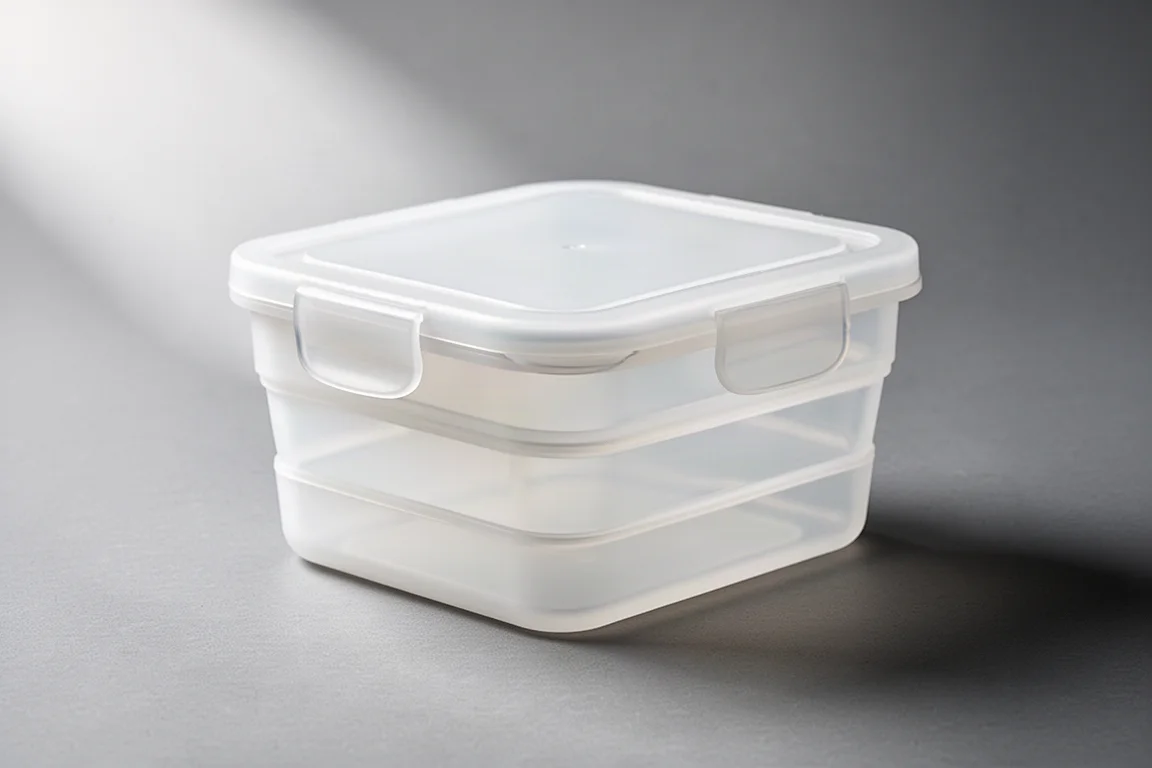
Lightweight Bear Canisters: The Wild Ideas Barricade Weekender
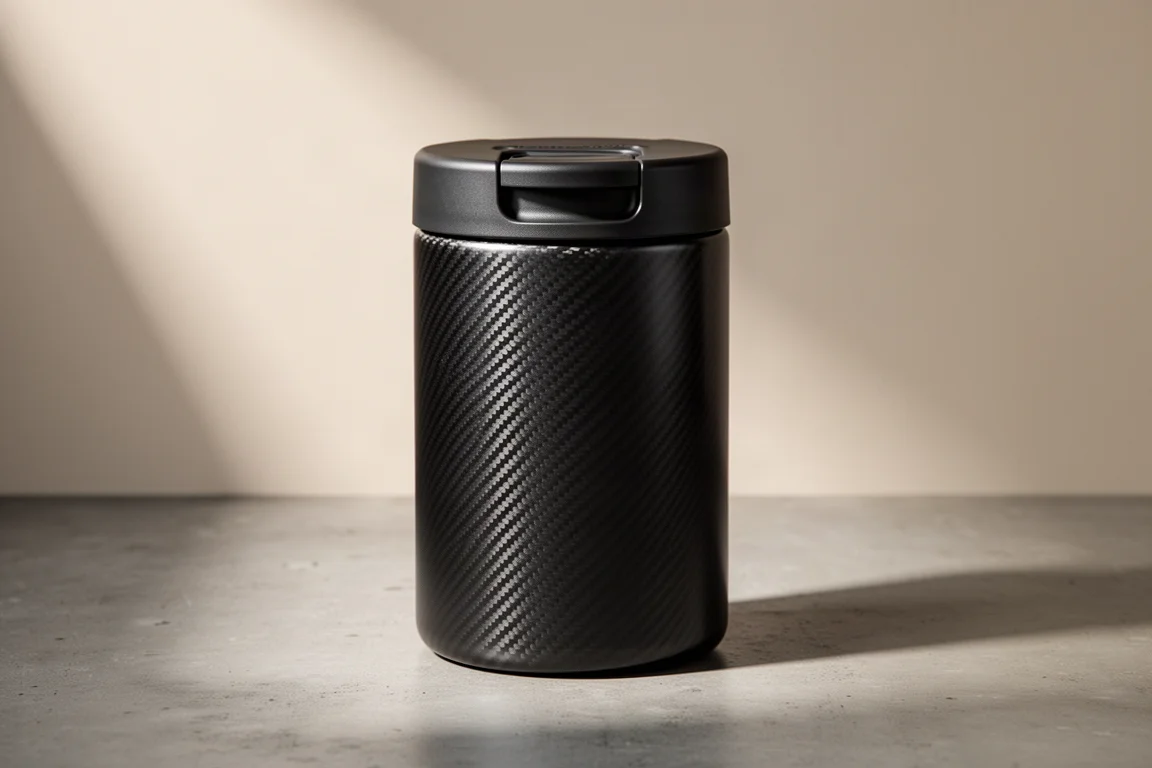
Wild Ideas builds the lightest canisters available, and offers them in multiple sizes. The Barricade Weekender weighs 31 ounces and provides 10.75 liters of storage, which is close to the capacity of the heavier canister above at roughly half the weight.
That weight saving comes from carbon fiber construction, and it comes at a price. The Weekender costs $359, making it the most expensive item in this comparison by a wide margin.
It is still a canister, so it is still relatively heavy and still expensive. One practical point is that these can be rented, which can be more cost effective if you are planning a shorter trip and would rather not spend the money outright for a single outing.
Buying Advice for Desert Trips
The three categories solve different problems, and the choice usually comes down to how much you are willing to carry and spend for peace of mind.
Odor-proof sacks are the lightest and cheapest route. They work only if you keep them inside your tent, and they protect your food by hiding it rather than by resisting anything.
Bear-resistant bags let you keep food outside camp at a moderate weight, but they are expensive and the protection is resistance, not a guarantee.
Bear canisters are the heaviest and among the most expensive, and they offer the strongest protection of the group. Renting is worth checking if your need is short term.
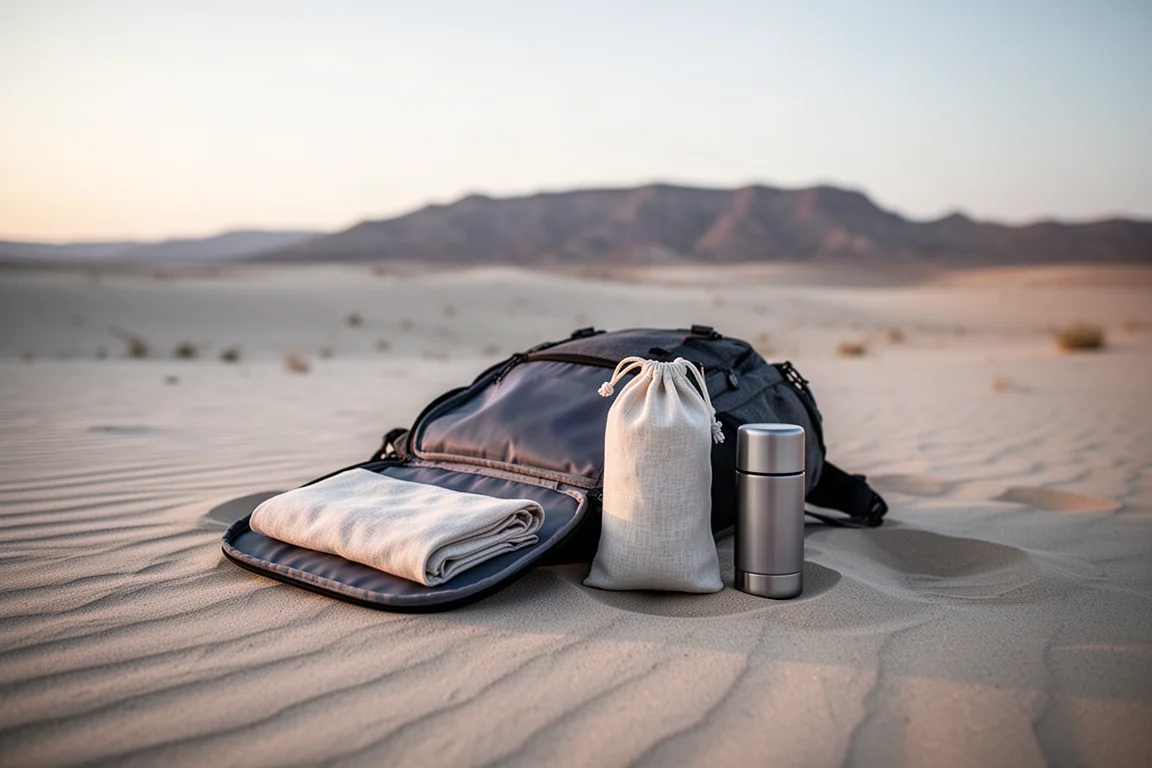
Combining methods is common and reasonable. An odor-proof sack inside a resistant bag gives you scent control and physical resistance in one system, and it is the pairing that resistant bag makers themselves recommend. Whatever you choose, test the closure at home before you rely on it in the field, and pack your food so the system is easy to use when you are tired.
Conclusion
Desert food storage comes down to a simple question: will your food stay in the tent, or will it live outside camp? Odor-proof sacks answer the first version at the lowest weight and cost. Bear-resistant bags and bear canisters answer the second, with canisters offering the strongest protection at the highest weight and price. Match the option to your route, your budget, and how much margin you want on the nights when something curious wanders through camp.
Further reading
Related Reviews
Backpacking Food Storage
Bear Bag Alternatives: Ursack Major, Bear Vault 450 and Ultraglide Bear Line Compared
Three practical ways to store food in bear country, compared on weight, time at camp and how much protection each one actually provides.
Backpacking Food Storage
Backcountry Exposure Food Bags Compared: Mesa and Aven for Every Trip Length
A practical comparison of the Mesa zipper food bags, the Aven roll top food bags and the Aven rock sack, with sizing guidance from overnight trips to a week between resupplies.
Backpacking Food Storage
Backcountry Exposure Food Bags Compared: Mesa vs Aven
A practical comparison of the Backcountry Exposure Mesa and Aven food bag families, covering capacity, closure style, durability, and which size suits which trip.