Backpacking Food Storage
Backcountry Exposure Food Bags Compared: Mesa and Aven for Every Trip Length
A practical comparison of the Mesa zipper food bags, the Aven roll top food bags and the Aven rock sack, with sizing guidance from overnight trips to a week between resupplies.
Introduction
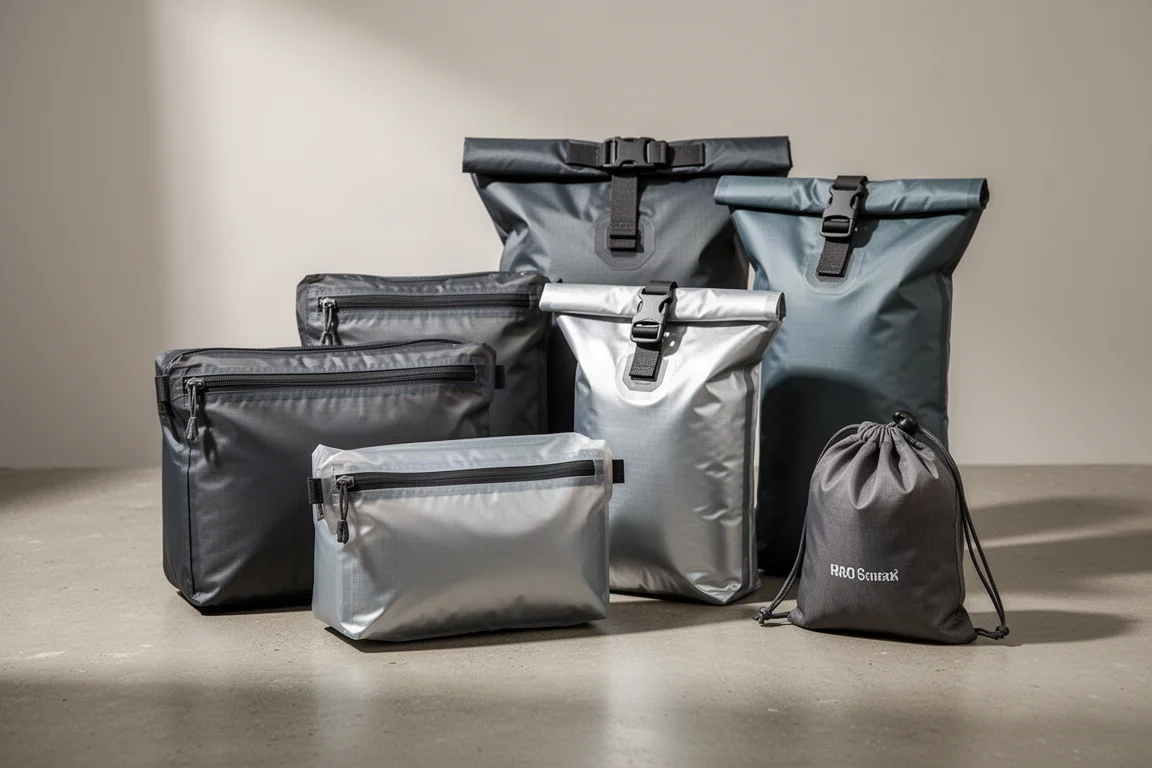
Backcountry Exposure builds its food bags in two distinct styles, and the choice between them comes down to how you want to reach your food and how much weather protection you need. The Mesa line uses a zippered opening for quick, upright access. The Aven line uses a roll top closure with taped seams and a heavier emphasis on long term durability. Between the two, the range covers a single overnight through a full week between resupplies.
This guide walks through each size, what it realistically holds, and the design details that matter once you are on the trail.
How to Choose Between the Mesa and the Aven
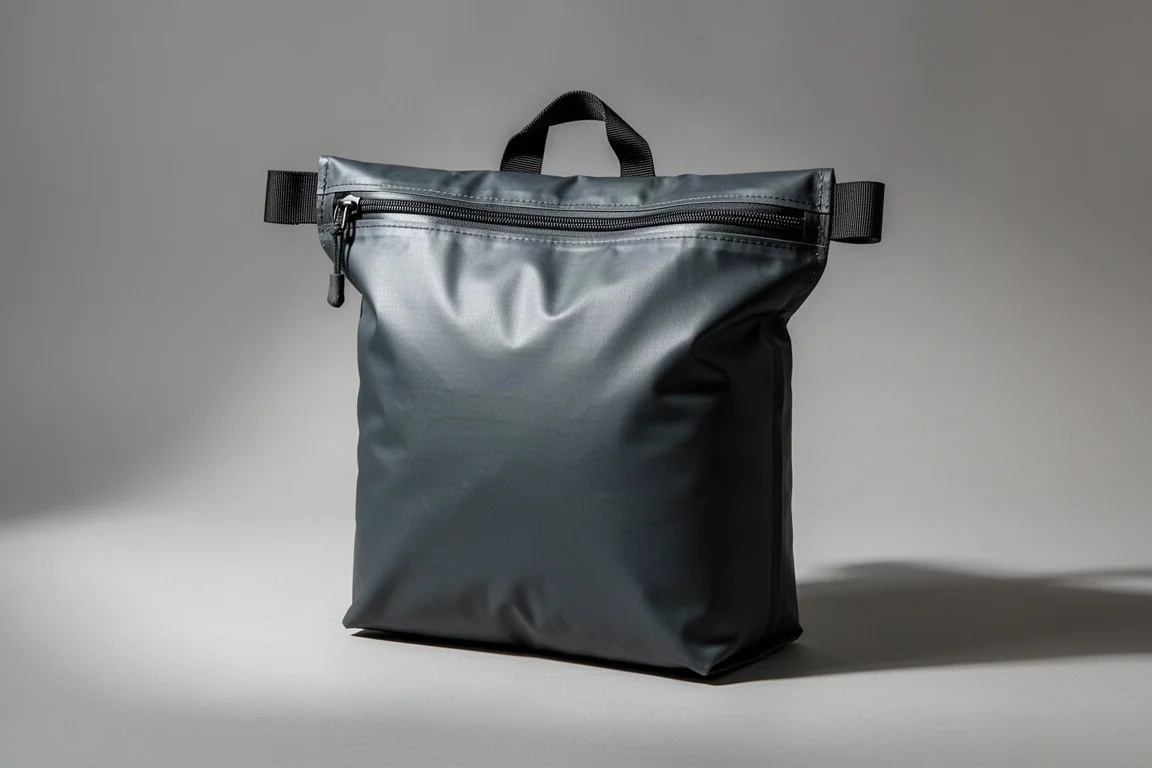
The Mesa is the original design, and it is built around convenience. A number five watertight zipper runs across the top, and because the bag sits flat and stays upright on its own, you can open it on the ground and reach straight inside. The seams are deliberately left untaped. The logic is simple: once a zipper is part of a bag, that bag is no longer waterproof, so taping the remaining seams would add weight and cost without changing how the bag copes with rain. The fabric is laminated or carries a DWR treatment, which keeps dust and moisture out, but the Mesa is not intended to be submerged.
The Aven takes the opposite approach. It is a roll top bag with fully taped seams, which makes it more water resistant than the Mesa and gives it a second role as a stuff sack for clothing or a sleeping quilt at the bottom of a pack. Durability drove the design brief: the bag needed to survive being thrown over a branch, dropped onto rock and hauled up and down a tree. Both lines come in Ultra Grid fabric, which is durable and available in a range of colours, and in Ultra TX fabric in the silver bullet colourway.
Backcountry Exposure Mesa Food Bag Standard 4.5L
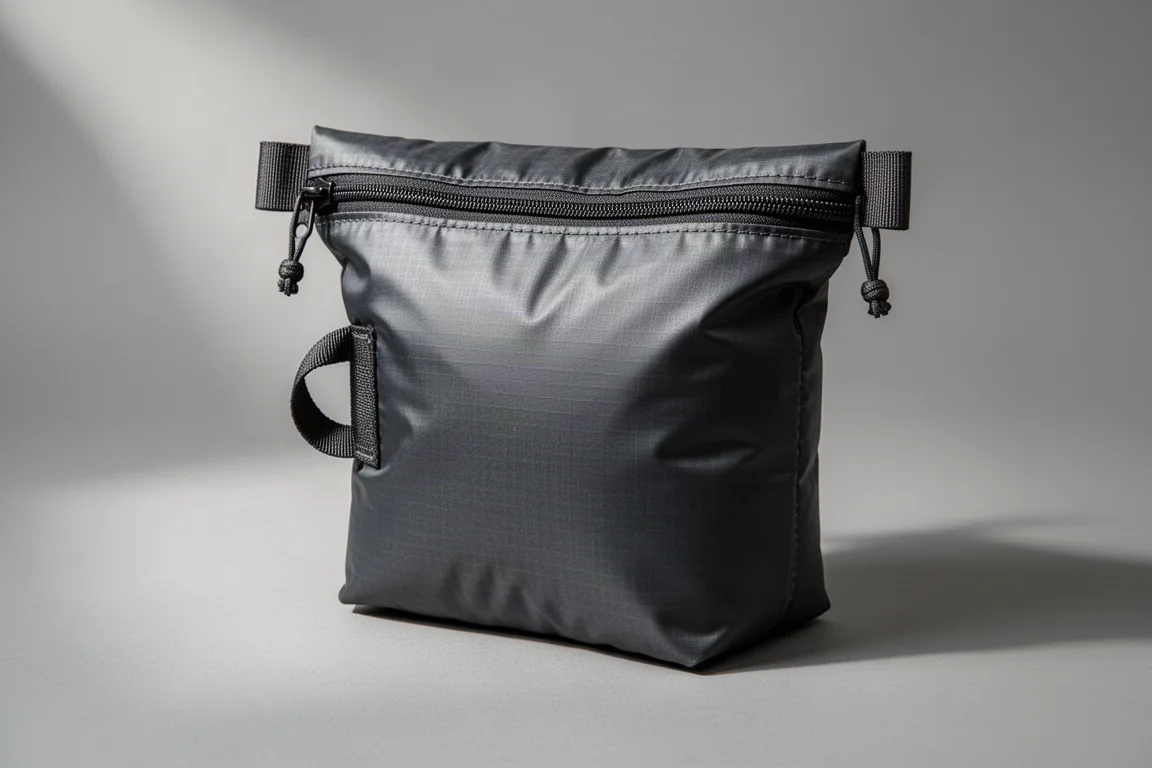
The standard Mesa is the smallest bag in the range at 4.5 litres, and it is sized for an overnight or a weekend. Two or three freeze-dried meals fit comfortably, with room left over for snacks and electrolytes if you keep the first day’s meal outside the bag. Access is the selling point: the number five watertight zipper opens wide, grosgrain pull tabs at each end make it easier to close, and the bag stands upright on the ground while you dig through it.
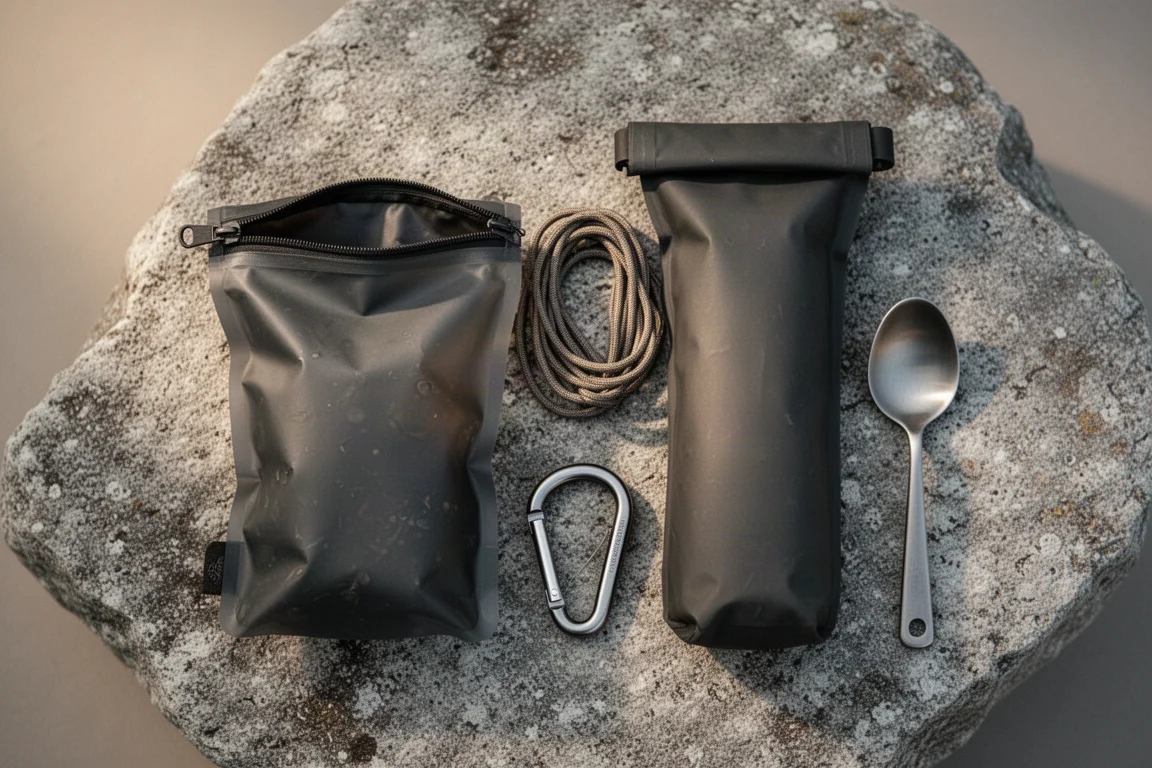
The webbing grab handle serves two purposes. It lets you drop the bag into a pack and pull it straight back out, and it doubles as a hang point for a bear line, either with a carabiner clipped through it or a cord tied around it. The Mesa also works as a packing cube for a quilt or spare clothing when food storage is not the priority.
Backcountry Exposure Mesa XL Food Bag 6.5L
The Mesa XL is a little wider than the standard version rather than taller, which keeps it easy to slide into the top of a pack. Capacity steps up to roughly six or seven freeze-dried meals depending on the brand, enough for a full weekend and up to about four days on the trail.
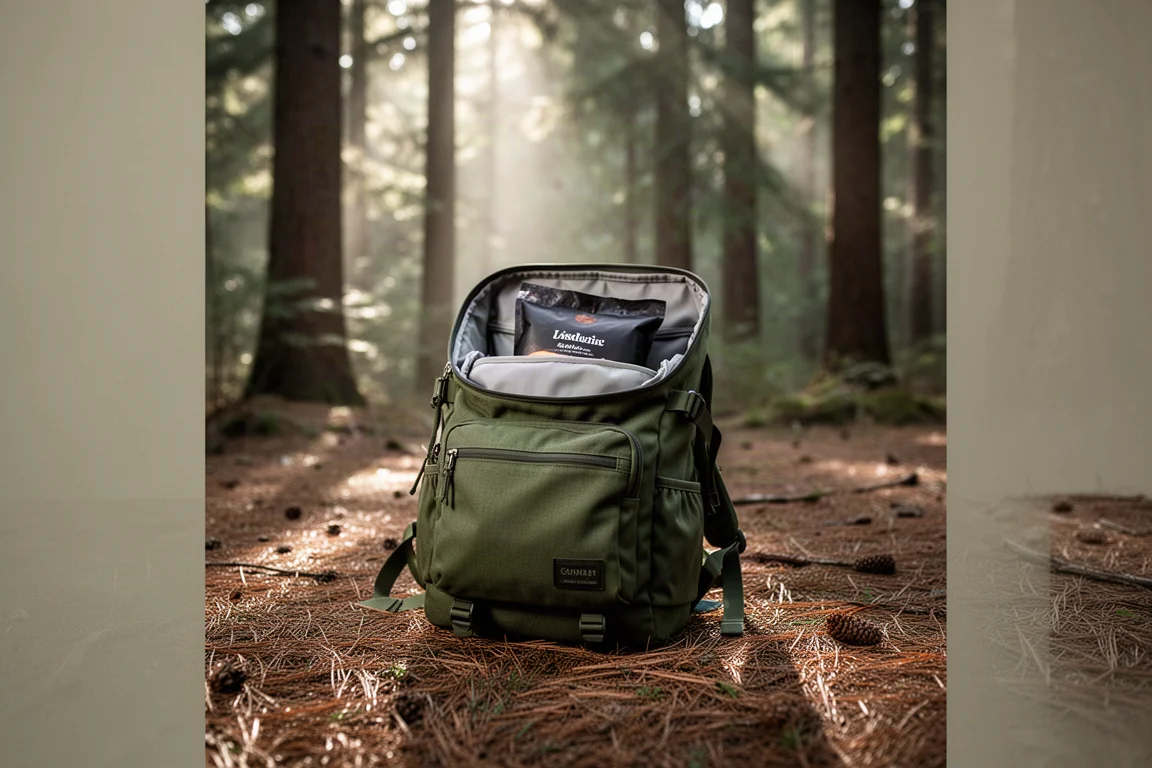
Everything else carries over: the watertight zipper, the grosgrain pull tabs, the webbing handle and the flat, stable base. If you want the fastest possible access to a larger food load, this is the shape to pick.
Backcountry Exposure Aven Roll Top Food Bag 8L
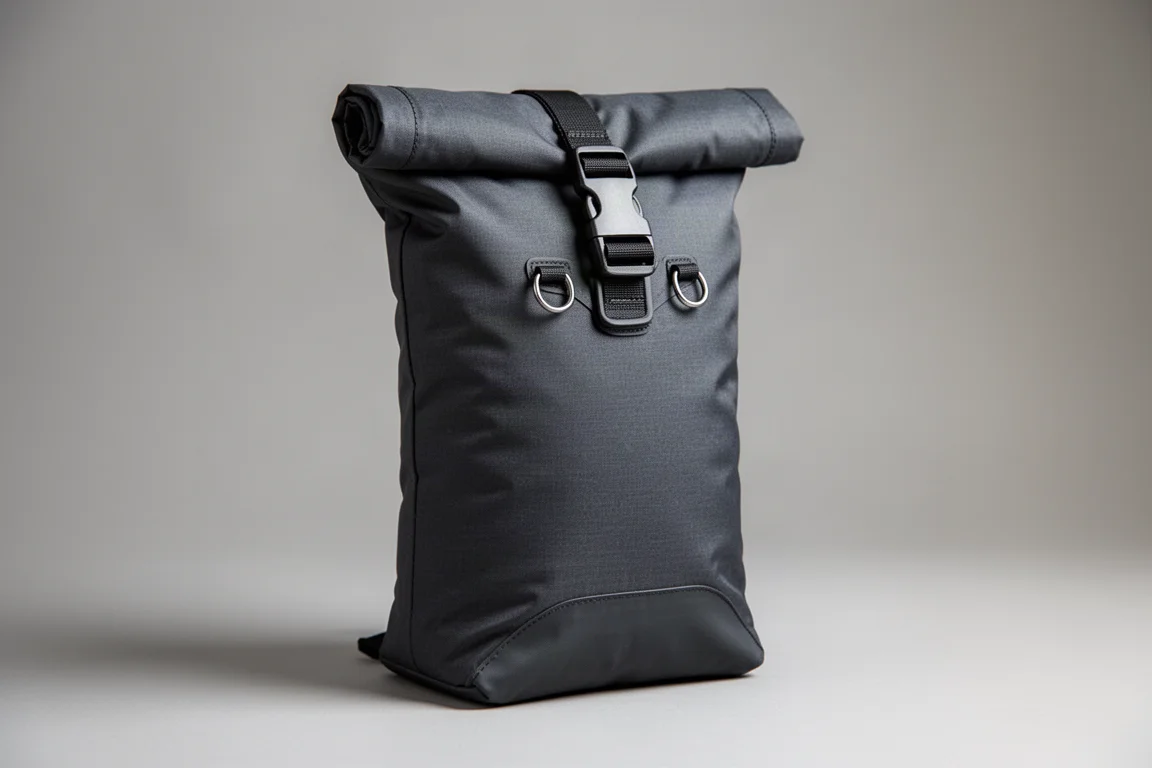
The 8L Aven is the middle size in the range, narrower and shorter than the 12L, and it suits roughly three to five days with around eight freeze-dried meals inside. The hardware at the top is worth a closer look: a plastic clip holds the roll, and two D-rings sit apart from the buckle so you can attach cordage or mini carabiners and hang the bag without putting load on the clip itself.
The closure uses a moulded hook and loop strip instead of a snap. That keeps the roll tidy, gives you a slightly rigid edge to roll against, and is less likely to grab at fleece sleeves than a plain hook and loop patch. The base is curved to create a flat standing surface while removing the fabric corner that would otherwise trap unusable space and become a wear point over time.
Backcountry Exposure Aven Roll Top Food Bag 12L
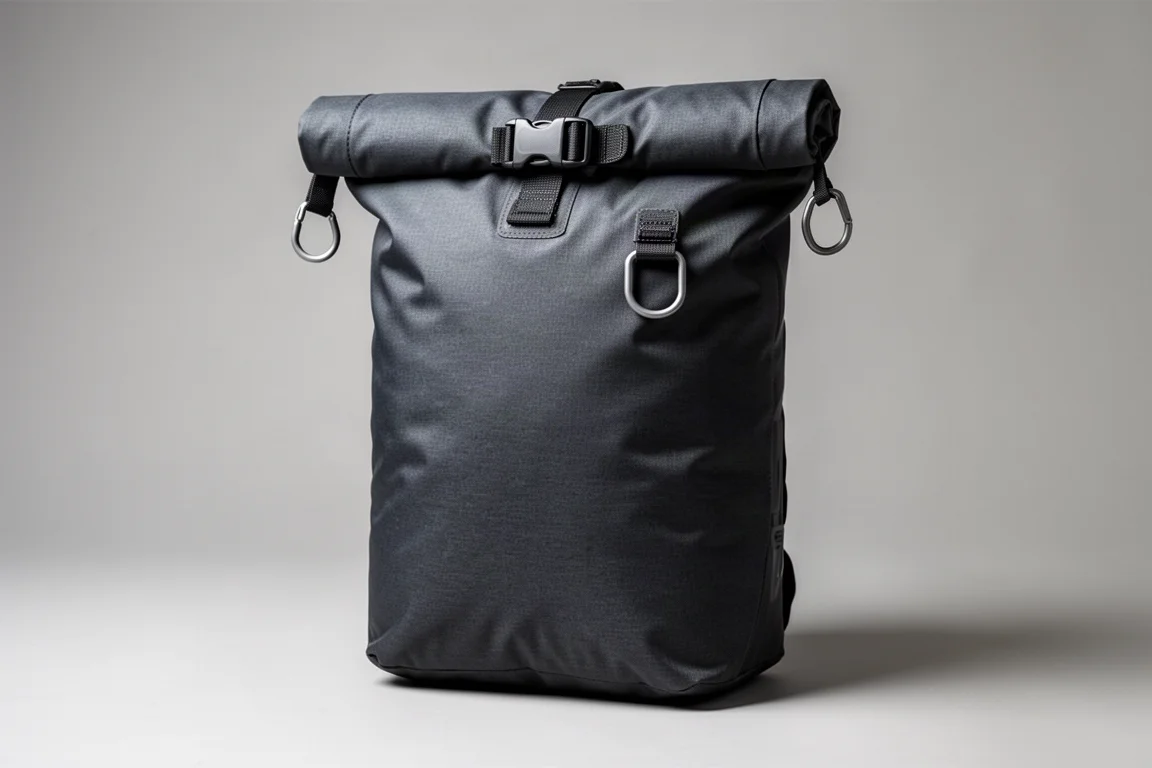
The 12L is the largest bag in the range and the one aimed at a week between resupplies. It holds something like eleven freeze-dried meals with space left for electrolytes, snacks and a spoon. The stated capacity is conservative: measured with five rolls at the closure for the best possible seal, the bag comes closer to 14 litres.
Fully taped seams give the Aven more moisture protection than the Mesa line, so it can also serve as a stuff sack for clothing or sleeping gear at the bottom of a pack. As with the 8L, the D-rings at the top take the load when the bag is hung.
Backcountry Exposure Aven Rock Sack
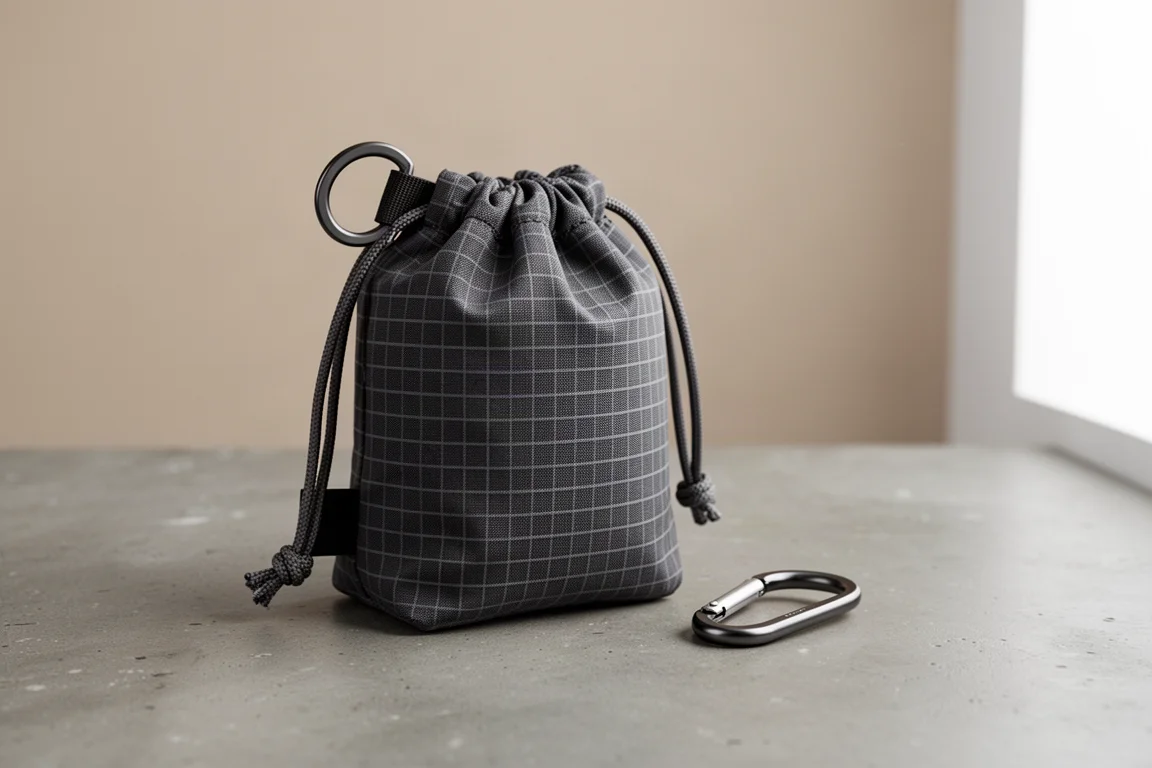
The rock sack is the accessory that makes a bear hang practical, and it works with both bag systems. Load a bear line, a mini carabiner and a PCT toggle inside, clip a mini carabiner to the D-ring on the back, add rocks, and throw it over a branch. It is made from the same Ultra Grid fabric as the bags, so it stays light and hard wearing and can be colour matched to the rest of the system.
Buying Advice: Matching a Bag to Your Trip
Start with trip length. An overnight or a weekend points to the Mesa standard at 4.5 litres. A full weekend up to four days points to the Mesa XL at 6.5 litres. Three to five days points to the Aven 8L, and anything approaching a week or a stretch between resupplies points to the Aven 12L.
Then decide how much weather protection matters. If you expect sustained rain, or you want a bag that can double as a stuff sack for soft gear, the taped seams of the Aven line are the safer choice. If quick access and a bag that stands open on the ground matter more, the Mesa line is the better fit. Anyone planning to hang food should add the rock sack so the line and hardware have a home.
Conclusion
Backcountry Exposure covers the full range of backpacking food storage with two clear philosophies. The Mesa is about easy access, a stable base and a zipper that keeps dust and rain out without pretending to be waterproof. The Aven is about durability and moisture resistance, with taped seams and hanging hardware built to survive repeated bear hangs. Match the size to your trip length, match the style to the conditions you expect, and either way the bag will do the job it was designed for.
Further reading
Related Reviews
Backpacking Food Storage
Bear Bag Alternatives: Ursack Major, Bear Vault 450 and Ultraglide Bear Line Compared
Three practical ways to store food in bear country, compared on weight, time at camp and how much protection each one actually provides.
Backpacking Food Storage
Backcountry Exposure Food Bags Compared: Mesa vs Aven
A practical comparison of the Backcountry Exposure Mesa and Aven food bag families, covering capacity, closure style, durability, and which size suits which trip.
Backpacking Food Storage
Best Food Storage for Desert Backpacking: Five Options Compared
Five practical ways to protect your food in treeless desert terrain, from odour-proof sacks to bear-resistant bags and hard canisters, with the weight, capacity, and cost trade-offs of each.