Backpacking Food Storage
Bear Bag Alternatives: Ursack Major, Bear Vault 450 and Ultraglide Bear Line Compared
Three practical ways to store food in bear country, compared on weight, time at camp and how much protection each one actually provides.
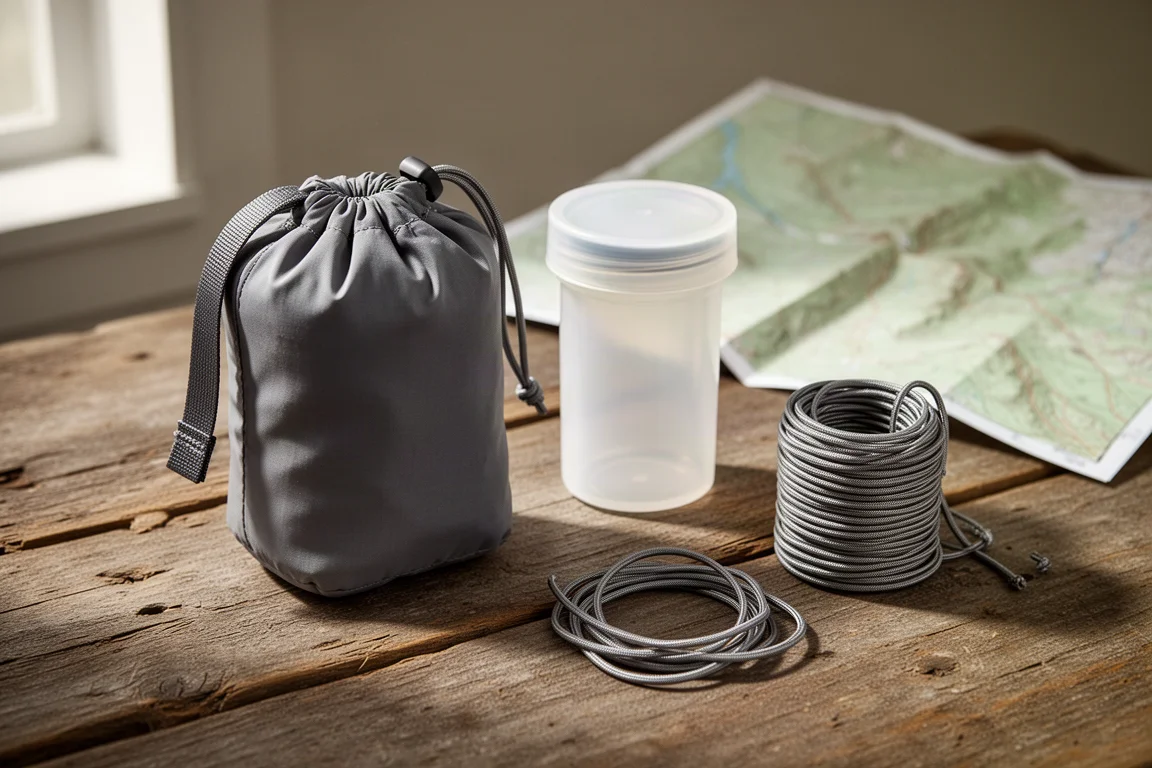
Introduction
Hanging a bear bag looks straightforward until you actually try it. The textbook setup calls for a tall tree with a clean, unobstructed horizontal branch at least 17 feet off the ground, with the bag hanging around 12 feet up, roughly 5 feet below the branch and 5 feet out from the trunk. Finding that tree and then executing the throw are two separate problems, and most backpackers end up compromising on one or both.
This guide looks at three practical alternatives for keeping food away from bears: the Ursack Major, the Bear Vault 450 and Ultraglide bear line. Each one trades weight, camp time and security differently, and none of them is a complete solution on its own.
Why Bear Hangs Are So Difficult
The first obstacle is the tree. In much of the American West, the available trees are pine, spruce or fir with short, dense branches, which rarely leave a clean horizontal limb at the height a proper hang requires. Above tree line, in the desert Southwest or anywhere trees are simply absent, there is nothing to hang from at all. Even in a reasonable patch of forest, you can spend most of an evening walking from trunk to trunk without finding a suitable candidate.
Then comes execution. A well-practiced hang still takes 15 to 30 minutes when nothing goes wrong. Throws miss the branch, lines get stuck in the canopy, and lines break. One attempt in the Wind River Range stretched to roughly three hours, and by the end the bag was still low enough that a bear could have reached it. The alternative two-tree method asks for two trees with short branches around 20 feet apart and two 50-foot lengths of paracord strung between them like a high clothesline, with the food bag hung from the center. Dense branches above and below the line interfere with retrieval, the throw has to be repeated on both trees, cords may not reach the ground if the trees are too far apart, and the weight of the food causes the line to sag. Friction between the two lines rubbing together can snap the cord entirely, leaving no way to hang food for the rest of the trip.
A single-tree pulley variation needs just one tree with a branch roughly 18 to 20 feet up. The line goes over the branch, and a carabiner lets the bag and line slide along it so the load can be hoisted like a makeshift pulley, stopping at about 12 feet off the ground and 5 feet from the trunk.
Whichever method you choose, it has to be practiced in a backyard or a local park, and even then it costs time at camp. A clean, first-try hang can still take 30 to 45 minutes once you account for scouting trees. And a determined bear may still get the food after all that effort, which is how nuisance bears learn to associate people with easy meals.
Ursack Major: Bear-Resistant Storage Without the Rope Work
The Ursack Major is a bear-resistant bag made from Spectra, a material very similar to Kevlar. It has been extensively tested and shown to be reasonably bear-resistant, though it is not foolproof.
The appeal is procedural. Instead of hunting for a perfect branch and landing a throw, you carry the bag to a tree and tie it off at head height. There is no need to get it high out of reach, because the material, not the quality of your hang, is doing the work. It is lighter than a hard-sided canister and heavier than a typical line and food bag, and it is easier and more secure than a poorly hung bag.
The limits are worth being clear about. A bear that finds the bag can gnaw on it, crushing the contents and leaving you without food for the rest of the trip. The bag is not bear proof, and it is not approved in every area. It makes the most sense in places where bears have not grown accustomed to humans and the odds of an encounter are slim.

Bear Vault 450: Hard-Sided Security for Bear Country
Hard-sided canisters are the approach most likely to keep food safe, and they are also the least time-consuming to use. Storage and access at camp become simple: open the lid, take what you need, close it again. In areas that require hard-sided containers, that simplicity is a genuine relief after a long day of hiking.
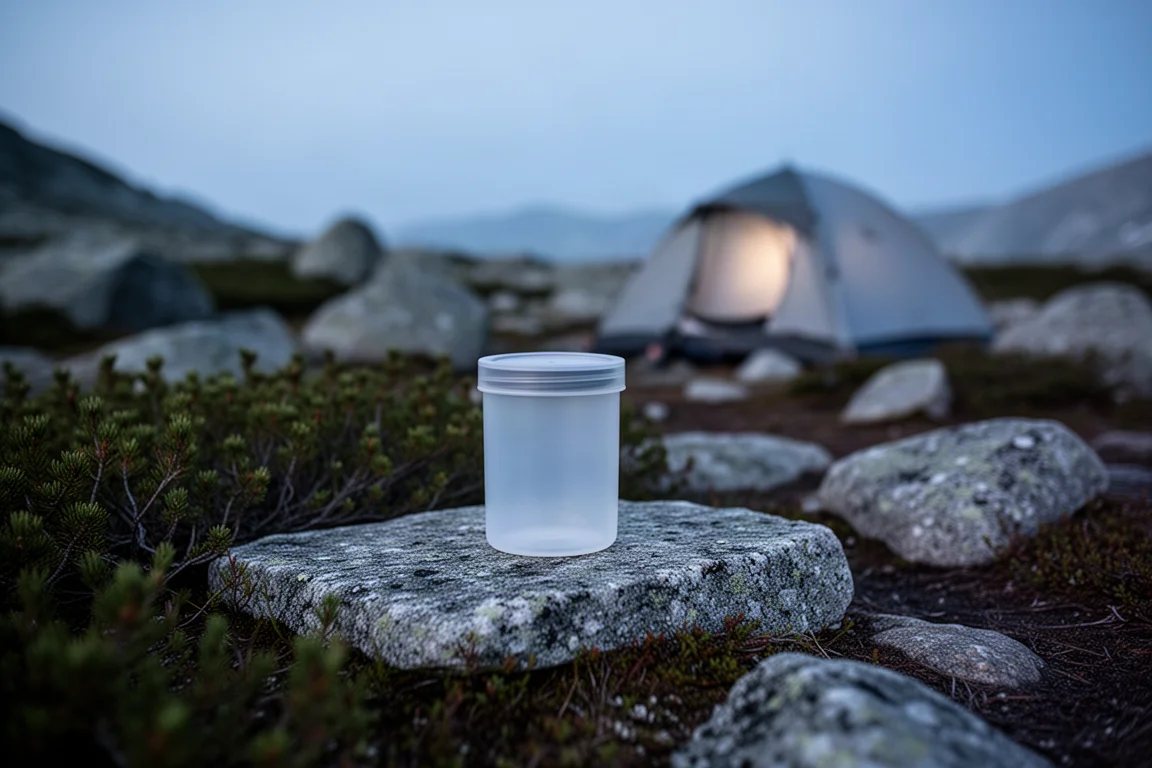
The trade-off is weight and bulk. A canister is the heaviest and most awkward option to carry, and it takes up pack volume that would otherwise go to the rest of your kit. For many backpackers that is the deciding factor, and it is the main reason the search for a lighter alternative continues.

Ultraglide Bear Line: Smoother Throws and Fewer Snags
For anyone who sticks with a traditional hang, the line itself is worth upgrading. Ultraglide bear line slides easily over branches, which makes it noticeably easier to work with than paracord. Less friction over rough bark means fewer snags and less fighting with the cord when you are tired and the light is going.
It does not change the fundamentals. You still need a suitable branch, and you still need practice to land the throw and hoist the bag to the right height. The traditional hang remains the lightest and least expensive of the three approaches, but it is also the most time-consuming and the one that demands the most skill.

Matching Your Storage Method to the Trip
There is no single winner here, because the right choice depends on where you are going and how you want to spend your evening.
If a land manager requires a hard-sided canister, the decision is made for you. Outside those areas, the Ursack Major is a strong middle path: lighter and faster than a traditional hang, more reliable than a bag hung badly, and a reasonable compromise between time and safety. A traditional hang with a slick line stays the lightest and cheapest route, but only if you are willing to practice and to absorb the time cost at camp.
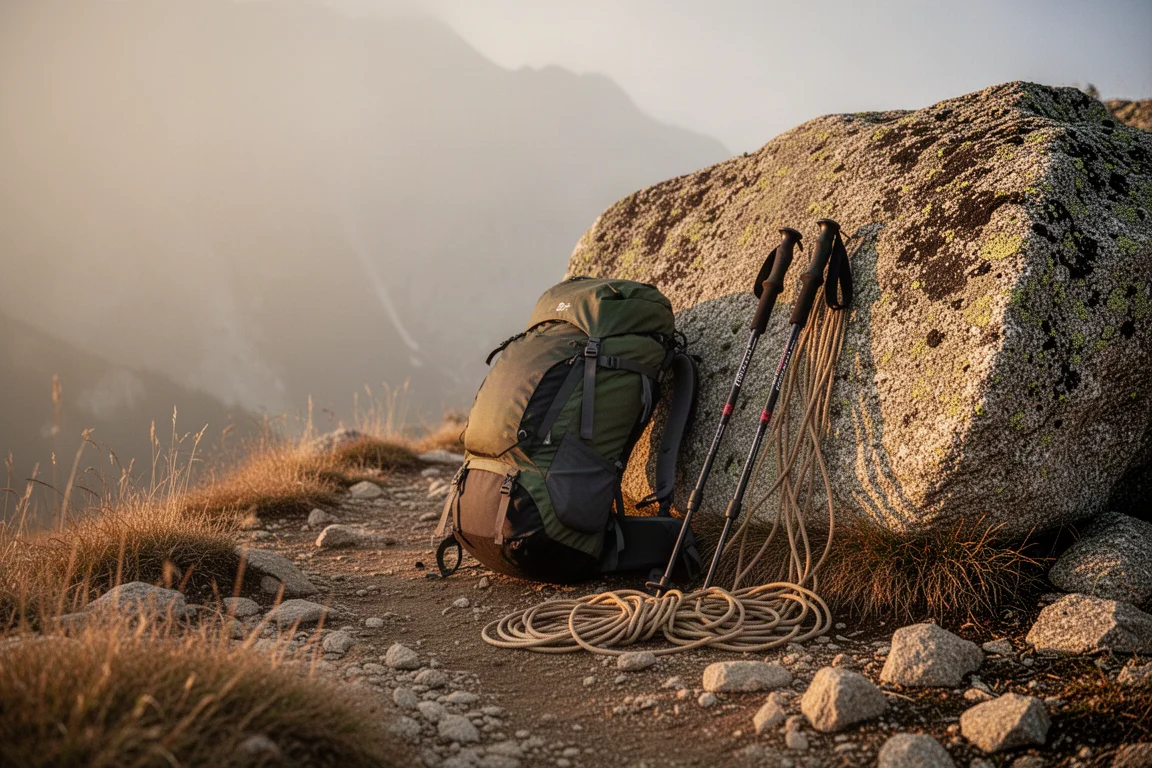
A practical way to decide is to ask what your evenings are for. If you want to eat and sleep rather than throw a line for half an hour, the Ursack or a canister buys that time back. If pack weight is the priority and you enjoy the routine, a well-executed hang still works.
What to Check Before You Buy
Approval rules vary by area, and that is the first thing to confirm before spending money. Bear-resistant soft bags are not accepted everywhere, and some locations insist on hard-sided containers. Regulations can also change between seasons, so it is worth checking the specific area rather than assuming a general rule.
Weight and pack volume matter as much as protection. A canister is the safest and simplest option but the heaviest to carry, while a soft bag is easier on the shoulders and easier to fit into a pack.
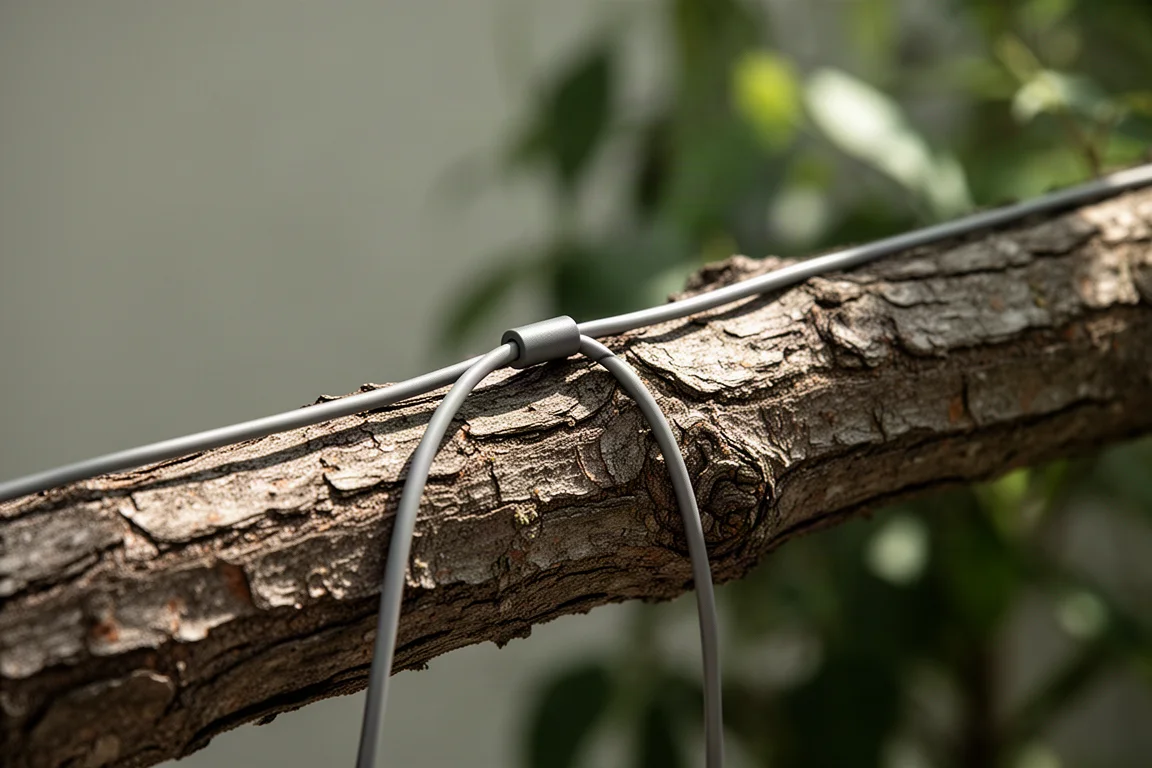
Finally, be honest about how much practice you are willing to put in. Any line-based method depends on your technique, and a poorly executed hang is the weakest link in the whole system. Choosing a method you will actually use correctly every night is more valuable than choosing the theoretically best one.
Conclusion
Bear hangs are hard for reasons that have nothing to do with effort: the right tree often does not exist, and even a good throw can take half an hour. That is why the Ursack Major, the Bear Vault 450 and a slick bear line like Ultraglide all have a place.
Pick the hard-sided canister when protection and simplicity matter most, the Ursack Major when you want a lighter and faster middle ground in areas where bears are not habituated, and a quality line when you are sticking with a traditional hang and want it to go more smoothly. Whatever you carry, the goal is the same: your food stays yours, and the bears stay wild.
Further reading
Related Reviews

Backpacking Gear
Building a 10 lb Base Weight: An Ultralight Backpacking Gear List
A practical walkthrough of the ultralight pieces behind a 10 lb base weight, from a 765 g pack and a roomy one-person tent to a full camp chair and a dependable water filter.

Road Bikes
10 New Road Bikes Worth Watching: Aero, Titanium, Steel and Endurance Standouts
A practical roundup of 10 new road bikes, from aero flagships chasing single-watt gains to titanium, steel and endurance platforms built for real roads.
Bikepacking Gear
11 Bikepacking Essentials for Long-Distance Cycling
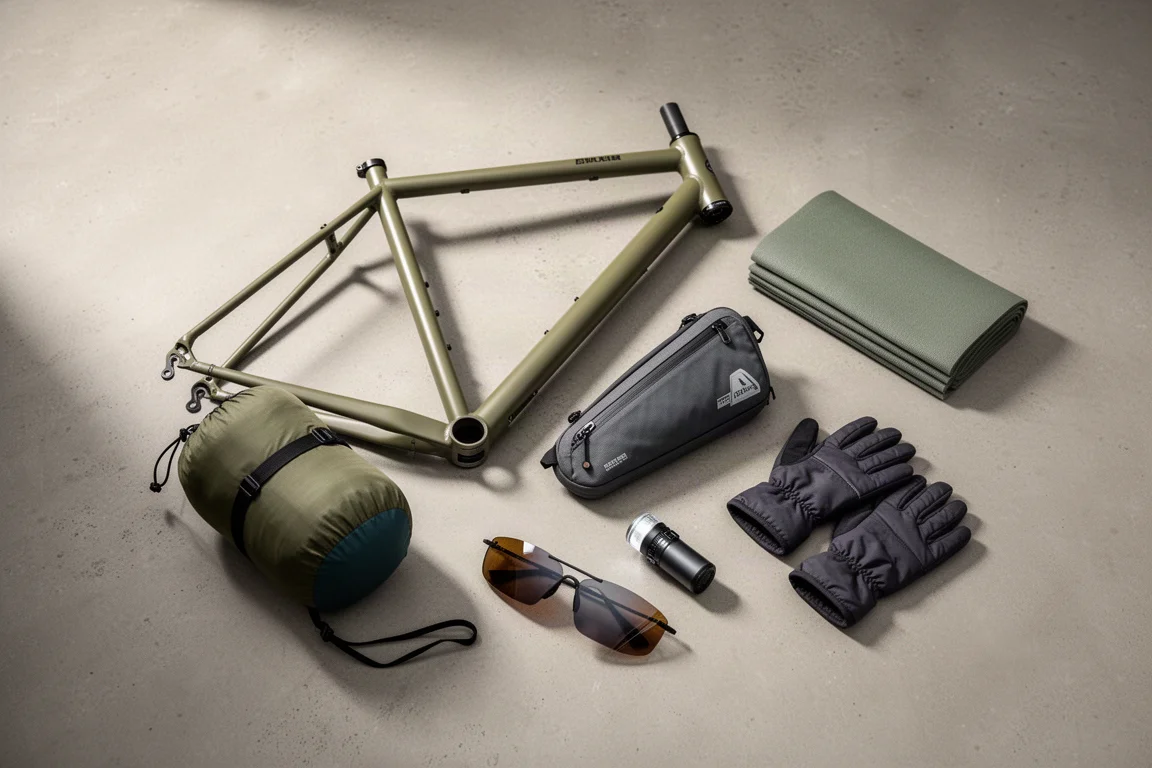
Eleven bikepacking essentials for long-distance cycling, from a steel gravel frame and a two-person tent to helmet lights, packable gloves, and a frame bag that puts weight in the right place.