Integrated Amplifiers
Denon PMA-A110 Review: A Flagship Integrated Amplifier With Tube-Like Warmth
The Denon PMA-A110 pairs a minimalist feature set with a warm, full-bodied sound, a strong phono stage, and a serious build. Here is what to know before buying.
Introduction
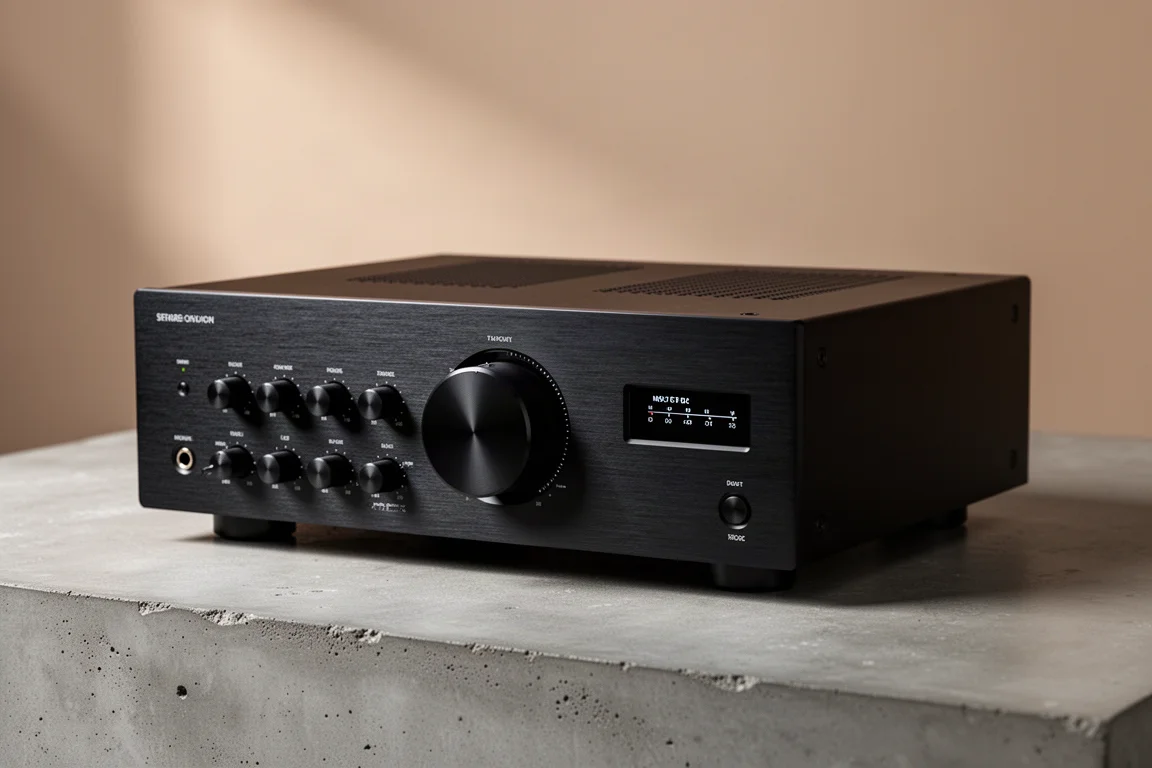
The Denon PMA-A110 is a flagship integrated amplifier built to commemorate the brand’s 110-year anniversary, and it is a very different proposition from the mass-market home audio products Denon is usually associated with. At its centre is Denon’s seventh-generation ultra high current push-pull amplifier circuit, rated at 80 watts per channel into 8 ohms and 160 watts into 4 ohms.
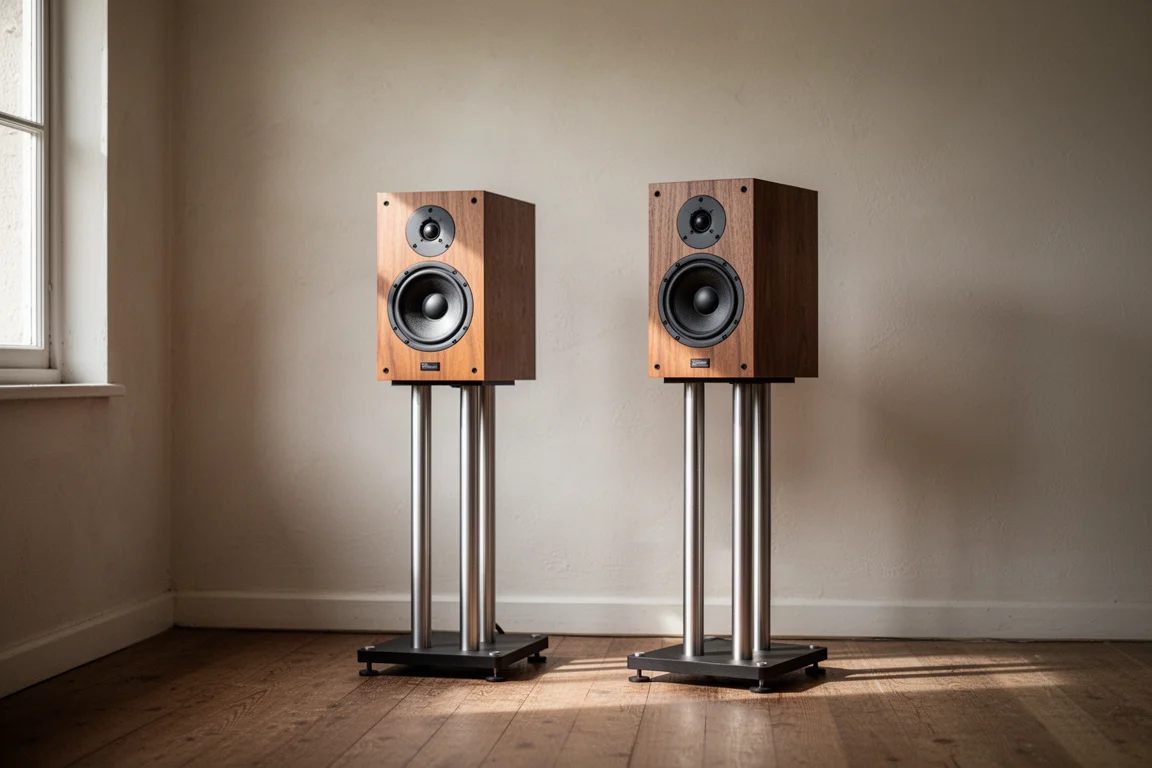
That is not the enormous output you find in the biggest high-end designs, but the delivery is clean and low in distortion, and the amplifier drove a wide range of speakers without strain. It handled stand-mount models such as the Bowers & Wilkins 805 D4 as comfortably as larger towers like the Polk Audio R700, and it never seemed to run out of composure.
What makes the PMA-A110 interesting is not raw power. It is the combination of a deliberately simple feature set with a sound that leans warm, full and rich rather than strictly neutral.
Who This Amplifier Is For
This is a minimalist integrated amplifier. There is no wireless streaming, no Bluetooth and no smart features. What you get instead is a well-stocked analogue and digital input set: five analogue inputs including a moving magnet and moving coil phono preamp, plus a preamp input that lets you use the amplifier as a standalone power amplifier when paired with a separate preamp.
That makes it a natural fit for listeners who already own a turntable and a handful of digital sources and want an amplifier that simply plays them well, rather than one that tries to be the hub of a whole-home system.
It also suits anyone who wants tone controls without giving up sound quality. Treble and bass can be adjusted by plus or minus 8 dB, with the treble control acting above 10 kHz and the bass control below 100 Hz, so the midrange stays untouched. There are also all-analogue and source direct modes for listeners who prefer the shortest possible signal path.
If your priority is app control, room correction or multi-room streaming, this amplifier is not aimed at you. If your priority is sound quality from physical and digital sources you already own, it is worth a close look.
Main Strengths
Sound Character
The PMA-A110 does not sound strictly neutral. It carries a little extra weight and emphasis in the bass and low mid bass, which produces a fuller, more generous presentation overall. Bass is textural and nuanced, with excellent scale and presence on double bass and kick drum, though it is a touch slower in attack than some leaner-sounding rivals.

The midrange is where this amplifier does some of its best work. Vocals have real presence and are fleshed out in three-dimensional space rather than rendered as disembodied voices in the centre of the stage. Acoustic instruments such as piano and acoustic guitar gain a hint of extra body, which skews absolute tonal accuracy slightly away from neutral but sounds thoroughly enjoyable in practice.
In the highs, the amplifier is airy and extended without becoming brittle or one-dimensional, which makes compressed recordings easier to live with. The overall character is mildly softer and rounder than some alternatives, and it is often described as tube-like: closer to a warm valve amplifier than to a clinical studio monitor. The soundstage is fast and deep, with a strong sense of the physical space around each performer, and it holds that spatial realism at higher volumes.
Build Quality and Controls
Build quality is a genuine strength. The chassis feels dense and substantial, and it ranks among the more solidly constructed integrated amplifiers in this class. The layout is unmistakably modern Denon: a large centre-mounted volume dial, tone controls to the left, and a small display with an input selection dial to the right.
The display does little beyond showing the selected input, and it can be switched off if you prefer a cleaner front panel.
Connectivity and DAC
The built-in DAC uses four PCM1795 Burr Brown chips and supports DSD files as well as high-resolution audio up to 32-bit / 384 kHz, though those higher rates require the USB-B input. The coaxial and optical inputs are limited to 24-bit / 192 kHz, which is a common ceiling for two-channel digital audio.
One practical detail is auto power on. Either the optical or coaxial input can be set to auto, so the amplifier wakes when you switch on your television, and an auto off function shuts it down again. There is no HDMI input, but this behaviour makes the amplifier behave a little like an HDMI-connected device in a simple two-channel setup.
Things to Consider Before Buying
There is no preamp output, so you cannot easily add a subwoofer or a secondary amplifier through this unit. For a two-channel system that is rarely a problem, but it does limit future expansion.

The absence of HDMI, wireless streaming and Bluetooth means the convenience features found on several cheaper rivals are simply not here. The digital inputs are also capped at 24-bit / 192 kHz over coaxial and optical, so very high-resolution files must go through USB.
Tonally, the added warmth and the slightly relaxed bass attack are a matter of taste. Listeners who prize speed and precision above weight and body may prefer a leaner presentation, and the amplifier’s character is pronounced enough that it is worth hearing before you commit. It is also a premium purchase, priced closer to four thousand dollars, which is a significant step up from several very capable alternatives.
How It Compares
Against the Technics SU-R1000, which costs roughly twice as much, the PMA-A110 gives up some detail and separation but retains much of the same composure. The Technics remains the more precise and laser-focused amplifier, while the Denon sounds more live and organic. The Technics does not embarrass the Denon head to head, and it does not offer twice the performance for twice the price.
The McIntosh MA7200 is a closer contest because the two share similar sonic qualities. The McIntosh wins on expandability, including HDMI options, plus considerably more power and a bit more visual drama. At less than half the cost, the Denon still holds its own.
The Rotel RA-1592 MKII delivers substantially more power and a more ultra-precise low end, whereas the Denon leans on old-school character. The Roksan Attessa, at just over three thousand dollars, is close enough in quality that choosing between the two comes down to mood and personal preference. The Marantz Model 40n, at around two and a half thousand dollars, offers more features including HDMI, but the Denon adds a layer of refinement from top to bottom. Finally, the Canor AI 1.10 is a valve amplifier with a similar warmth, and the Denon feels like a solid-state interpretation of that sound for considerably less money.
Buying Advice
Speaker pairing matters here. The Bowers & Wilkins 805 D4 and the Polk Audio R700 both worked particularly well, and the Polk towers in particular complement the amplifier’s fuller tonal balance. If you own bright-sounding speakers, this is exactly the kind of amplifier that can tame them.
A system built around this amplifier and a pair of Polk R700 towers, with an affordable streamer or turntable as the source, lands at roughly seven thousand dollars all in. That is not cheap, but it is a combination that can stand alongside far more expensive high-end setups when it is set up correctly. If you are weighing the Denon against the Marantz Model 40n, the deciding factor is simple: the Marantz gives you more features for less money, while the Denon gives you a more refined sound for an extra thousand dollars or so. Both choices are defensible.
Conclusion
The Denon PMA-A110 is a surprising flagship. It skips streaming, HDMI and app control, then delivers a warm, detailed and genuinely musical performance with a phono stage, a capable DAC and a chassis that feels built to last. Listeners who want maximum convenience should look elsewhere, but anyone chasing a rich, tube-like solid-state sound with real bass weight and a spacious presentation will find a great deal to like here. As always, the only person who has to like the sound of your system is you.
Product link
View more details for Denon PMA-A110 Integrated Amplifier
This product is mentioned in the review. Check the specifications, options, and compatibility before buying.
View more details for Denon PMA-A110 Integrated AmplifierFurther reading
Related Reviews
Integrated Amplifiers
Advance Paris A10 Classic Review: Vintage Looks and a Lively, Punchy Sound
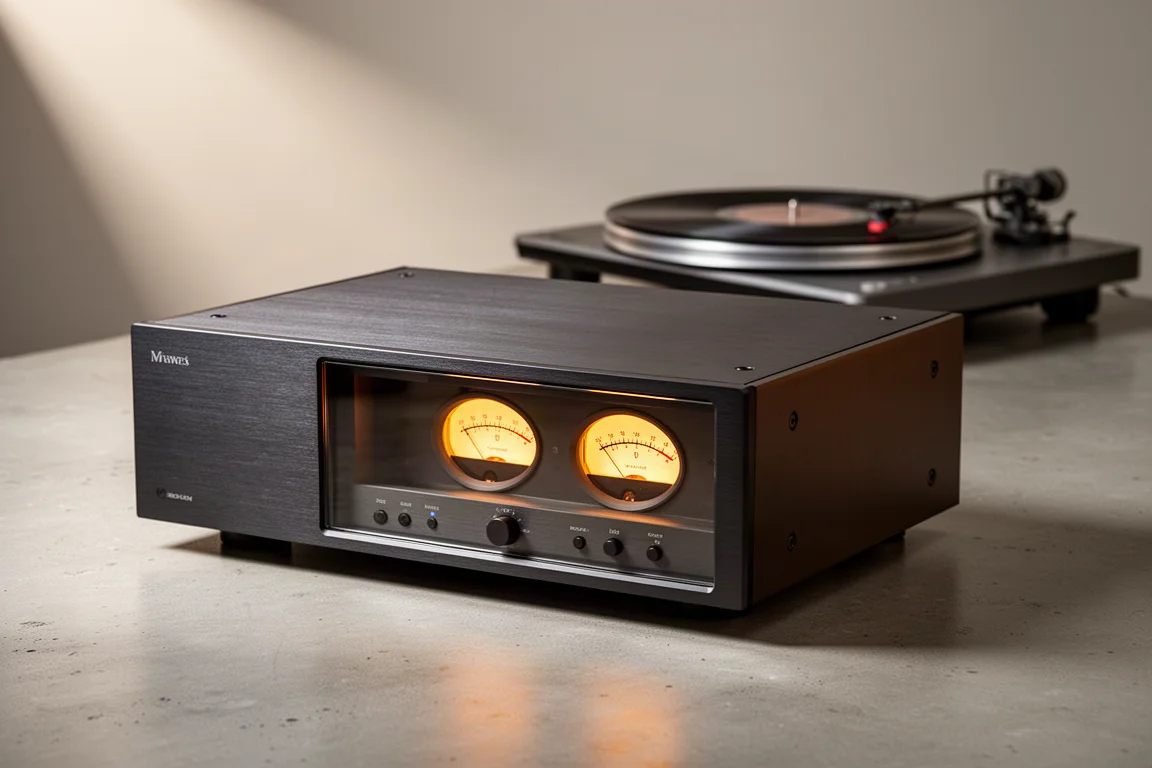
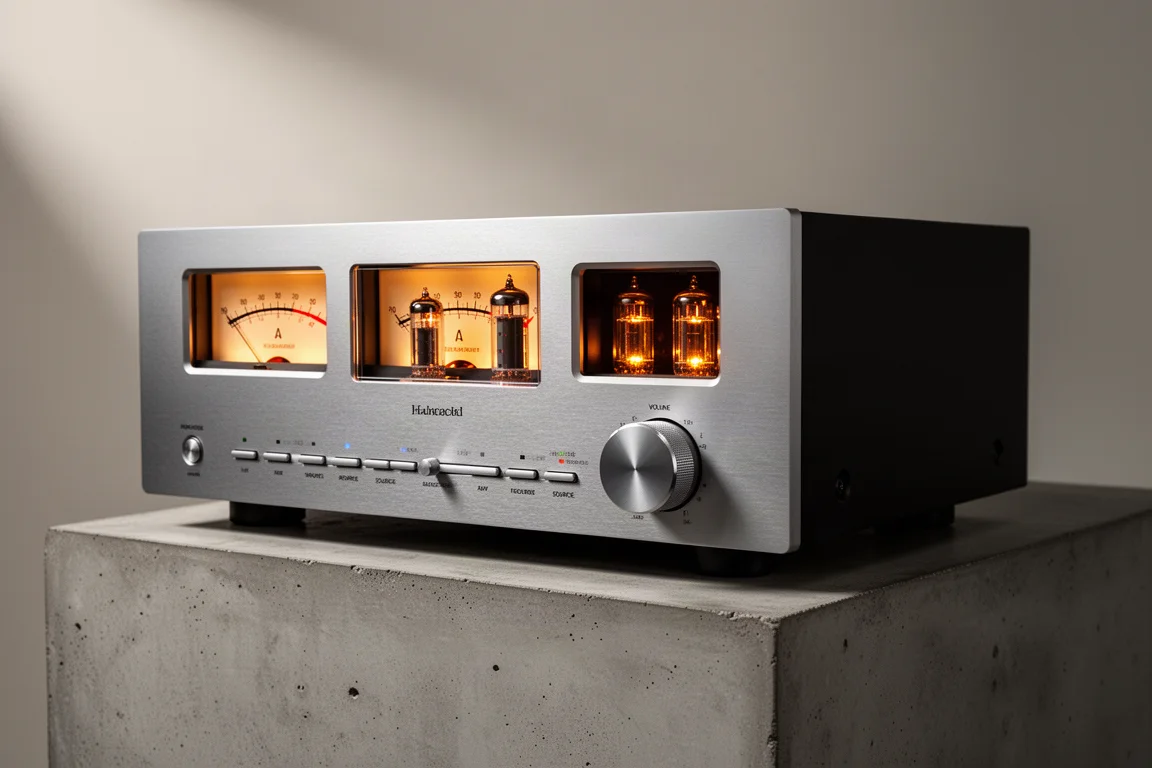
The Advance Paris A10 Classic pairs glowing blue VU meters and a tube stage with one of the widest input sets on any integrated amplifier. Here is what it does well and what to weigh before spending $2,500.
Integrated Amplifiers
Advance Paris A12 Apex Review: A Modern Integrated Amplifier With Vintage Character
A dual mono integrated amplifier with 180 watts per channel, a tube front end, VU meters, and a connectivity list that covers turntables, televisions, computers, and headphones.
Integrated Amplifiers
Advance Paris Nova Range Review: AI130, AI190 and Modular Upgrades
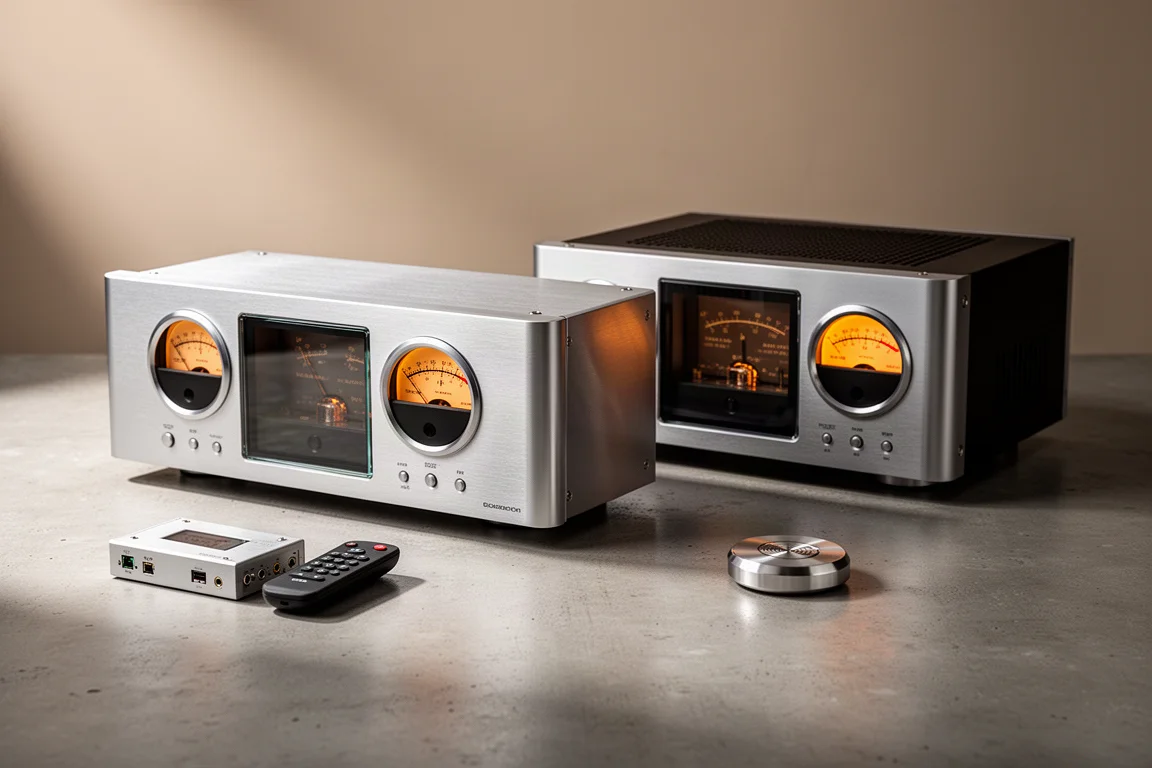
A practical look at the Advance Paris Nova range, including the AI130 and AI190 integrated amplifiers and the modular streaming, Bluetooth and remote accessories that expand them.