Integrated Amplifiers
Denon PMA-900HNE Review: Streaming Convenience with an Easy-Going Sound
A single-box streaming integrated amplifier with a generous feature set, a smooth midrange, and a deliberately relaxed treble that suits bright speakers.
Introduction
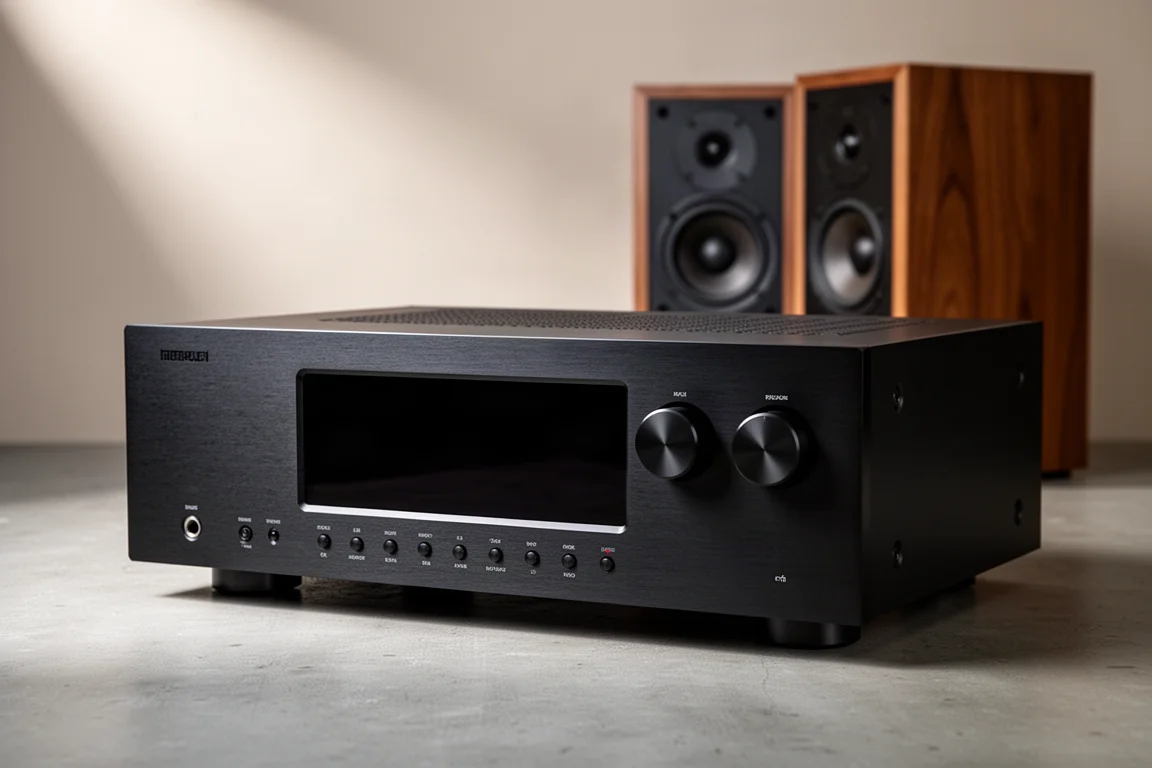
The Denon PMA-900HNE is Denon’s most affordable network-enabled streaming integrated amplifier, and it arrives with a feature list that covers almost everything a modern system needs. It delivers 50 watts per channel into 8 ohms and 85 watts into 4 ohms, and adds a built-in DAC, a phono preamp, a subwoofer output, and both network and wireless connectivity.
Streaming support includes Bluetooth, AirPlay, and HEOS, which opens up services such as Spotify Connect. Voice control through Alexa and Google Assistant is part of the package as well. Physically, the amplifier leans on a design language Denon has used for years, and the construction feels solid in the hand.
The interesting part is the sound. The PMA-900HNE is clear, but it is also relaxed, and that character shapes who will enjoy it most.
Who the Denon PMA-900HNE Is For
This amplifier suits listeners who want a calm, easy-going presentation rather than a forward, high-energy one. Compared with other integrated amplifiers, its presentation sits further back in the room, which softens the leading edges of notes and keeps the sound from feeling aggressive.
It is also a sensible match for speakers that already lean bright or forward in the treble. When a high-end speaker known for an open top end was connected to it, that speaker sounded noticeably less forward than expected, which is a useful trait in a hard-sounding room.
If you already own other Denon or Marantz components, the HEOS platform makes it easier to fold this amplifier into a whole-home audio setup, and that integration is one of the stronger arguments for choosing it over a simpler stereo amplifier.
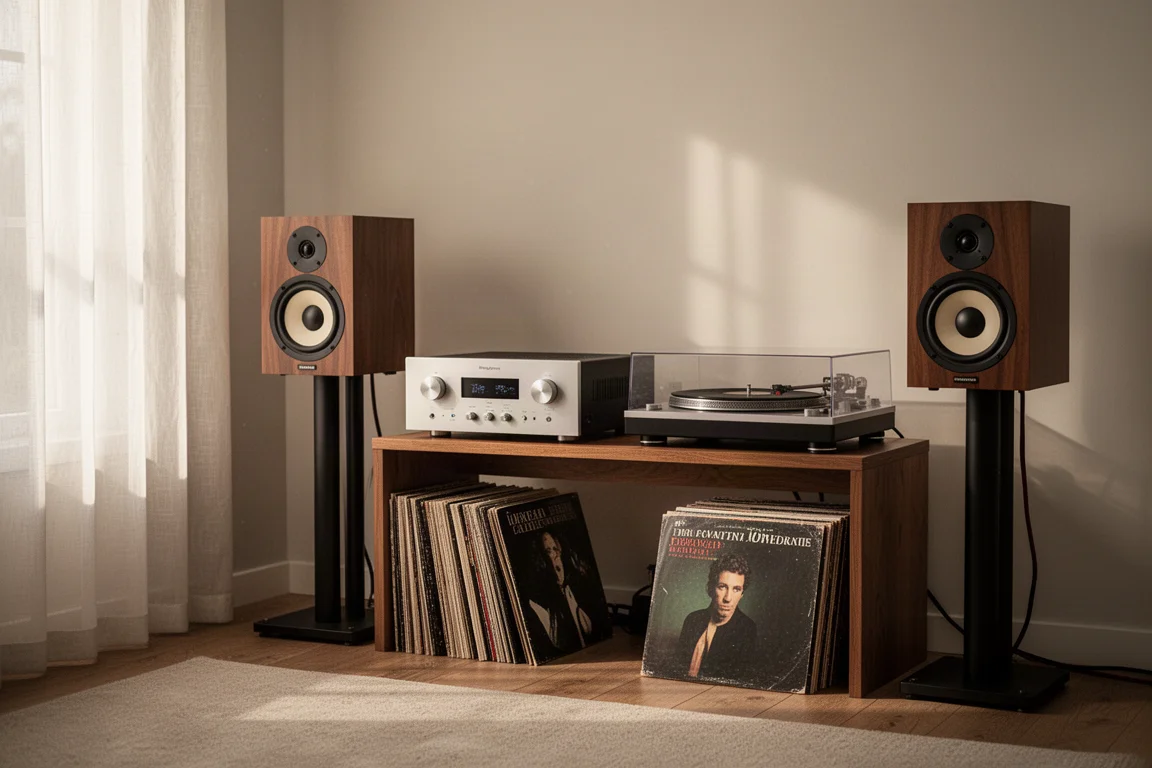
First-time buyers who want one box that handles vinyl, a television, and streaming will find the feature set generous for the money. The phono input handled a turntable with a stock cartridge without complaint, and the DAC means a TV can be connected directly over an optical cable. Buyers chasing maximum detail and bass grip, however, will want to compare carefully before committing.
Main Strengths
The strongest case for the PMA-900HNE is convenience. Few amplifiers at this level combine a phono stage, a DAC, a subwoofer output, and network streaming in a single chassis, and the fact that the amplifier is straightforward to set up makes that breadth easier to live with.
Connectivity and Streaming Features
HEOS is the backbone of the streaming experience. It is not as polished as BluOS, but it works, it sounds fine, and it adds services such as Spotify Connect that would otherwise require extra hardware. Bluetooth and AirPlay cover casual listening from phones and tablets, and the assistant support means basic control can be handled by voice.
The built-in DAC is a genuine bonus when a television is part of the system. Connected over an optical cable, the amplifier can be configured to power on and off in a way that feels closer to an HDMI connection, which removes a small but recurring annoyance from daily use.
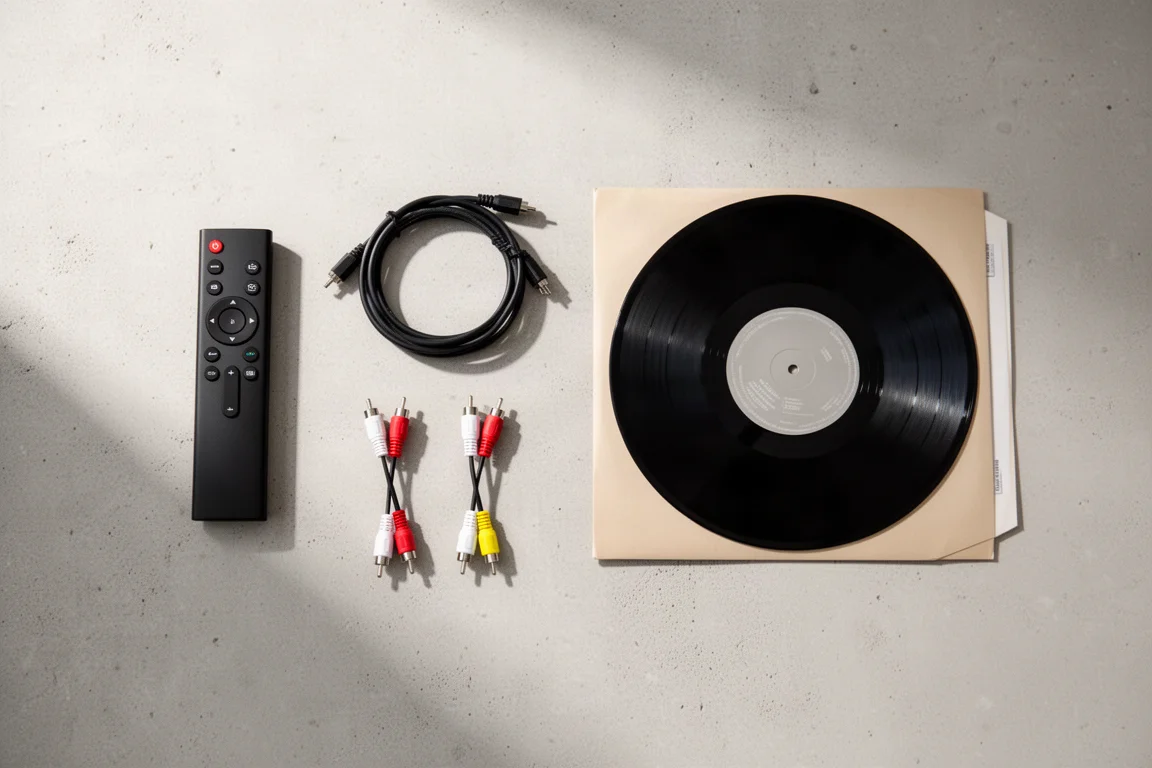
Tone controls, balance, and a source direct mode are all available from the front panel or the supplied remote. The physical controls rotate endlessly rather than stopping at the ends of their travel, and the display window shows where each one currently sits.
Sound Character and Presentation
The PMA-900HNE sounds clear and composed, with a presentation that sits further back than most amplifiers at this price. That distance gives the sound a laid-back, polite quality, and the treble in particular is softer than what several competing amplifiers deliver.
The soundstage is broad and extends beyond the outer edges of the speakers, with above-average depth. It is not a sharply focused stage, though, and dynamics are a little subdued, which makes the amplifier more of a smooth operator than a snappy one. Turning the volume up brings some of that energy back, but the underlying character stays the same.
Bass, Midrange and Treble
Bass runs deep, but it is soft around the edges and gives up some detail compared with the best amplifiers in this class. The midrange is where the amplifier is most appealing: it is smooth, with a slight sense of warmth that flatters vocals and acoustic material. Detail retrieval through the midrange is good rather than exceptional, and the whole presentation is rarely in your face.
The treble is deliberately gentle. Comparing the same speaker across three different amplifiers showed the Denon rolling off the top end by roughly 0.5 to 1.5 dB in places above about 5 kHz, even with tone controls defeated and source direct engaged. For anyone fighting a bright speaker or a hard-sounding room, that behaviour can be a genuine benefit rather than a flaw.
Those adjustments are also available on the fly, and the display makes it easy to confirm settings from a distance. Volume is legible from well across a room, and the deeper menus stay readable from a normal listening position.
Things to Consider Before Buying
Two small quirks are worth knowing about. The speaker terminals for the second pair sit below the first pair, which is unusual and takes a moment to get used to. Separately, the remote occasionally lags, though it does not happen every time.
The amplifier’s styling is another point to weigh. The look is unmistakably Denon and echoes models from years past, so if you want a component that makes a visual statement on an open shelf, this is not that amplifier. Build quality itself is solid, and the controls feel properly assembled.
Finally, the character of the sound is the real deciding factor. Buyers who want a neutral, detail-first presentation will find more of what they are looking for elsewhere, and the same goes for anyone who wants firmer bass control and a more sharply focused stage.
How the PMA-900HNE Compares
Among the closest alternatives, the Cambridge Audio AXR100 is the most similar in sound and is a strong all-rounder at around $700, though it is not class leading either. The Audiolab 6000A Play costs noticeably more at around $1,700 and offers a firmer grip on bass with more focus and detail top to bottom, while the standard Audiolab 6000A brings much of that advantage at around $1,200 for listeners who do not need the full streaming suite.
The Bluesound Powernode is the toughest comparison on price, since it sells for roughly the same as the Denon while adding BluOS, HDMI, and better bass management for subwoofer users. The NAD C338 sits in a similar position, with a more neutral and accurate sound. Compared with all of them, the Denon has more character, but whether that character is an improvement comes down to taste.
Buying Advice
The PMA-900HNE makes the most sense for a specific listener: someone who values a smooth, relaxed midrange, wants a single box for vinyl, television, and streaming, and may be pairing the amplifier with speakers that already sound bright.
If that describes your system, the amplifier is easy to recommend, because it is competitive on features and price and it is pleasant to live with day to day. If you prioritise bass grip, treble detail, and a sharply focused soundstage, the alternatives above are worth auditioning first.
Either way, listening before buying is the right move here. The difference between this amplifier and its closest rivals is a matter of character rather than a clear gap in quality, and character is the one thing a specification sheet cannot tell you.
Conclusion
The Denon PMA-900HNE is a good integrated amplifier with a modern feature set and a hint of old-school charm. It is not a game changer, and it will not suit every system, but for listeners who want a calm, feature-rich hub for vinyl, television, and streaming, it covers a lot of ground in a single, solidly built chassis.
Product link
View more details for Denon PMA-900HNE
This product is mentioned in the review. Check the specifications, options, and compatibility before buying.
View more details for Denon PMA-900HNEFurther reading
Related Reviews
Integrated Amplifiers
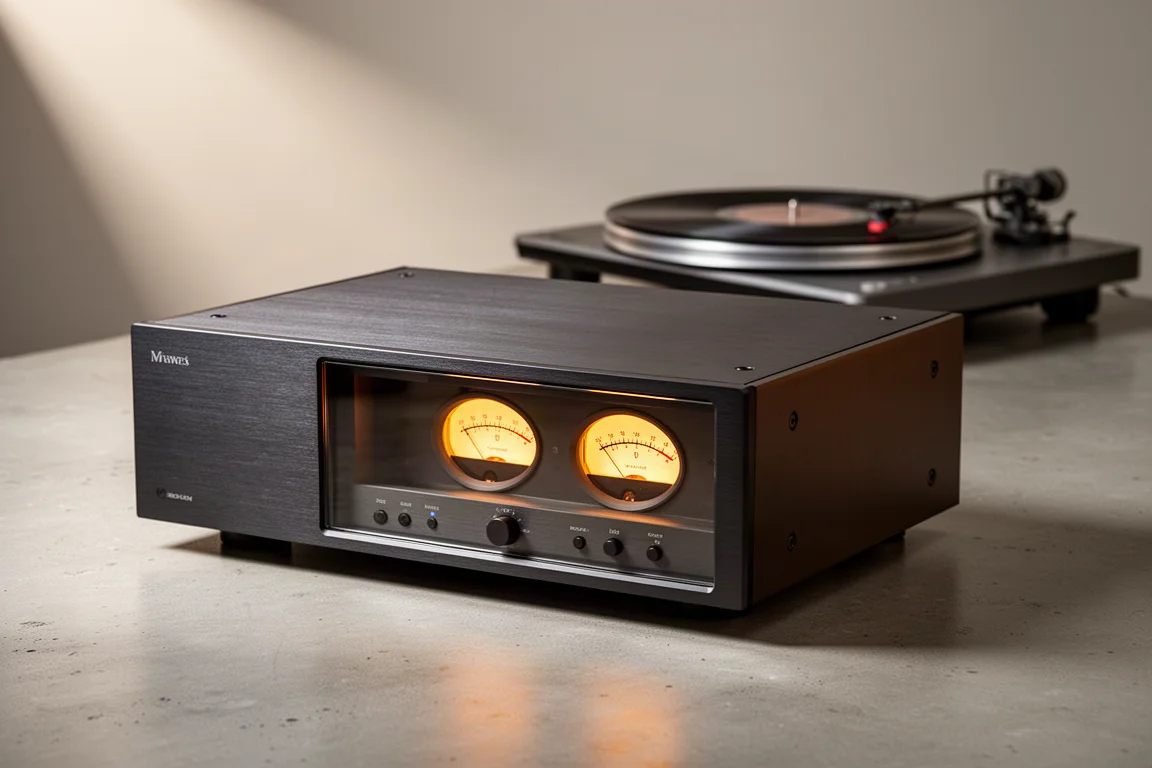
Advance Paris A10 Classic Review: Vintage Looks and a Lively, Punchy Sound
The Advance Paris A10 Classic pairs glowing blue VU meters and a tube stage with one of the widest input sets on any integrated amplifier. Here is what it does well and what to weigh before spending $2,500.
Integrated Amplifiers
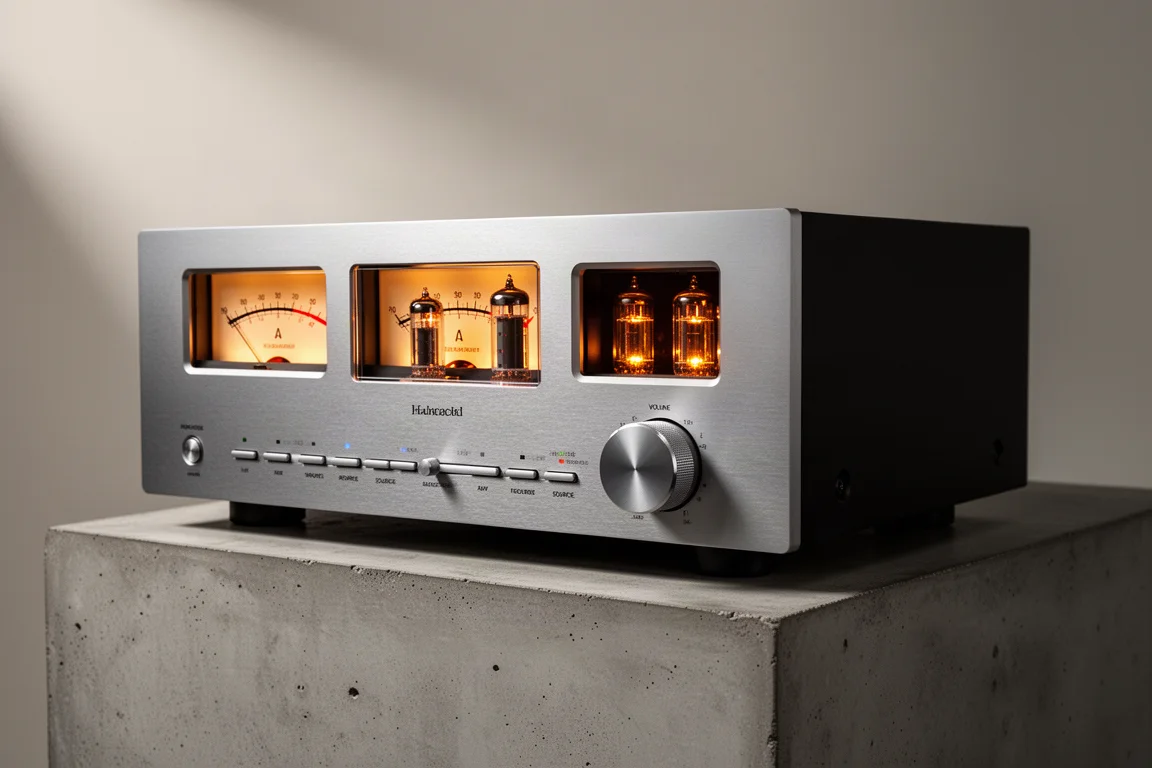
Advance Paris A12 Apex Review: A Modern Integrated Amplifier With Vintage Character
A dual mono integrated amplifier with 180 watts per channel, a tube front end, VU meters, and a connectivity list that covers turntables, televisions, computers, and headphones.
Integrated Amplifiers
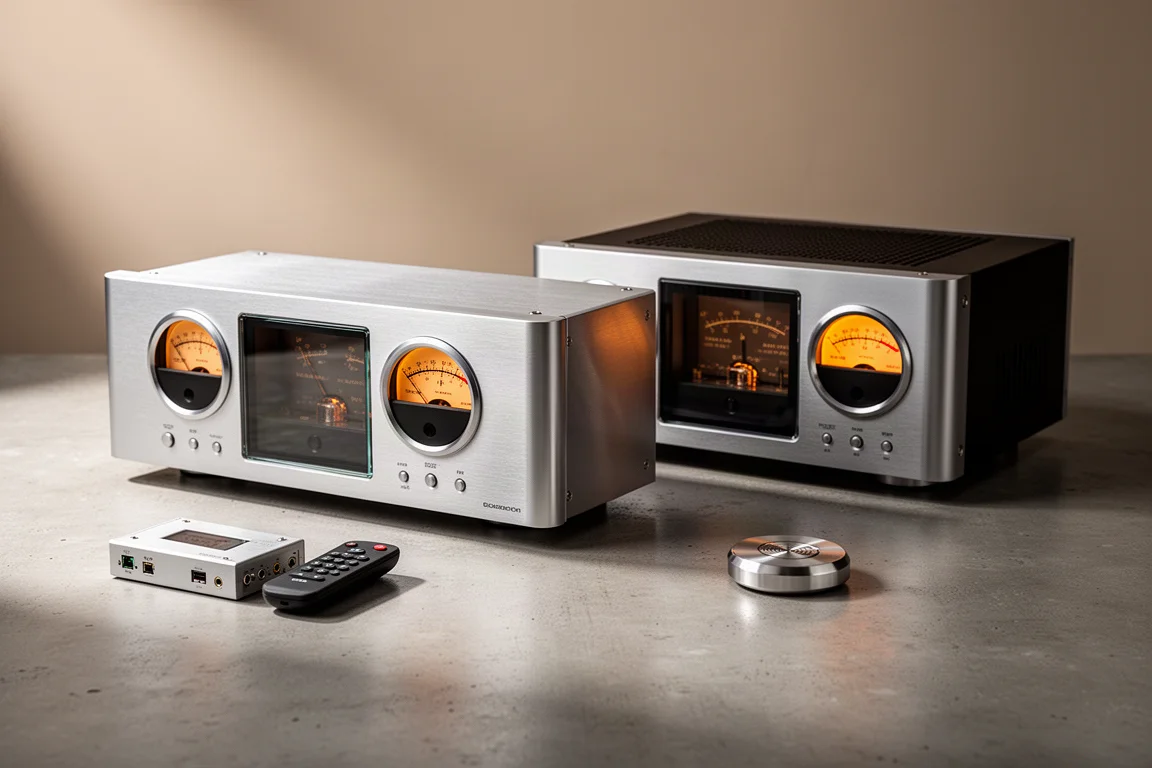
Advance Paris Nova Range Review: AI130, AI190 and Modular Upgrades
A practical look at the Advance Paris Nova range, including the AI130 and AI190 integrated amplifiers and the modular streaming, Bluetooth and remote accessories that expand them.