AV Receivers
Denon AVR-X2900H vs AVR-X3900H: Choosing Between Two New X-Series Receivers
A practical comparison of Denon's new AVR-X2900H and AVR-X3900H: what they share, where they differ, and which one fits a standard room or a dedicated theater.
Introduction
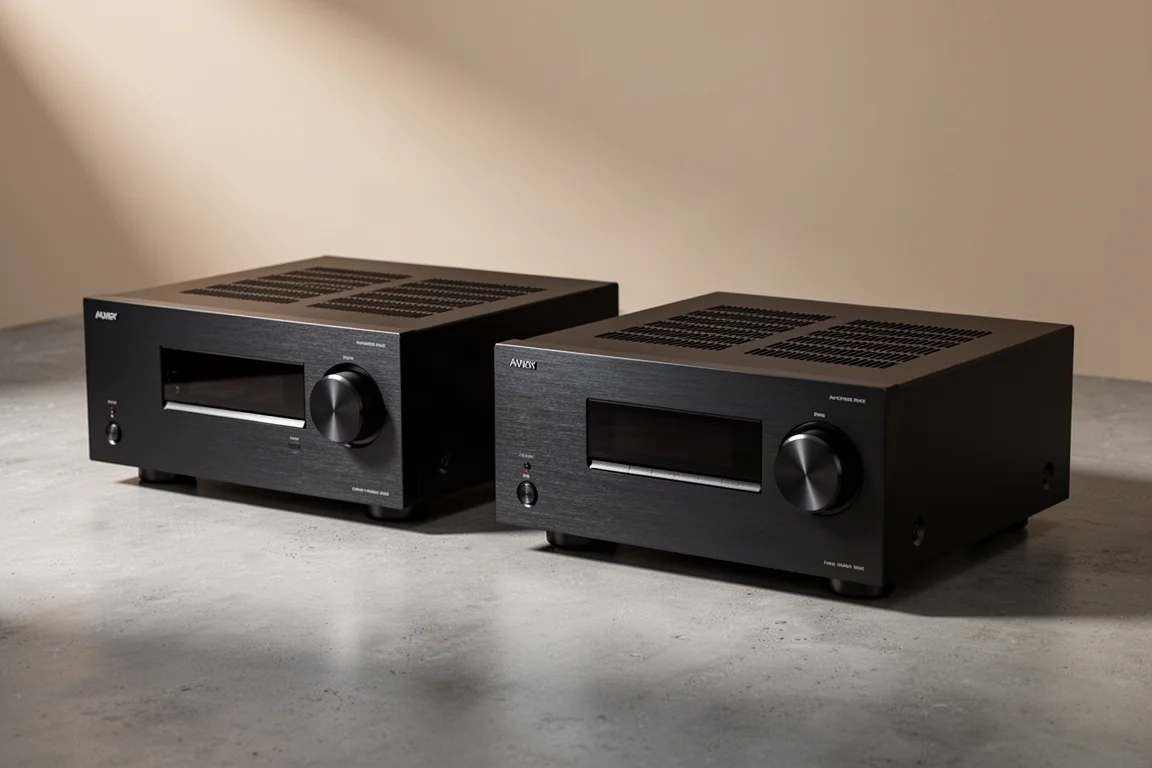
Denon’s two newest mid-tier receivers, the AVR-X2900H and the AVR-X3900H, replace the AVR-X2800H and the AVR-X3800H. Both sit in the middle of the X-series lineup. They are not entry-level units, and they are not the flagship models either, but they are genuinely well equipped for their price points, covering the surround formats, connectivity, and room correction tools that most people will ever need in a normal-sized room with a typical speaker system.
Two changes are worth knowing if you are coming from the previous generation. Dirac Live is now available on the AVR-X2900H for the first time at this tier, which the AVR-X2800H never offered. Both new models also add AMD FreeSync to the gaming feature set, joining the variable refresh rate and auto low latency mode that the older models already supported.
What Both Receivers Share
The common ground here is substantial. Both receivers decode Dolby Atmos and DTS:X, so height speakers already in the room, or planned for it, are handled properly. For rooms that are not there yet, Dolby Atmos height virtualization simulates overhead sound from existing speakers. It does a decent job, though it does not match real height speakers.
Video support covers 4K and 8K pass-through with Dolby Vision and HDR10+, along with upscaling of standard HD sources for 4K and 8K displays. That is useful when the chain includes older Blu-rays or a cable box.
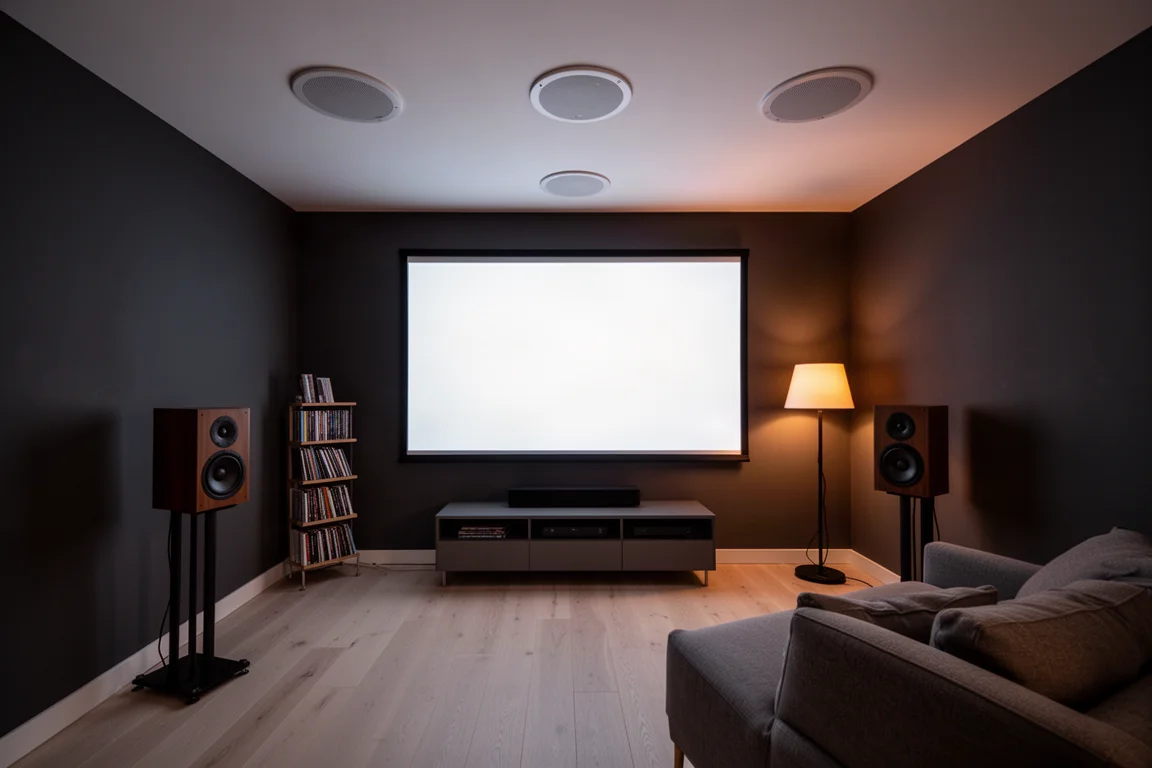
Gaming is well covered on both: 4K at 120 Hz, variable refresh rate, auto low latency mode, and AMD FreeSync, so a PS5 or Xbox Series X connected through the receiver runs with low latency and smooth motion. Both also support eARC on the HDMI output, which simplifies pulling audio from a television’s built-in apps back through the receiver.
High-resolution audio playback comes through the front USB port on both, supporting formats up to 24-bit/192 kHz including FLAC, WAV, and ALAC. That is a useful feature for anyone with a local music library on a drive.
Streaming and multi-room features are shared as well. HEOS, Denon’s multi-room platform, turns the receiver into the first zone of a whole-home audio system, pushing audio to other HEOS-compatible speakers and components from the same app, either the same content everywhere or different content in different rooms. Both also support AirPlay 2, Spotify Connect, Bluetooth, Wi-Fi, and Roon Ready status, and HEOS has added Qobuz and TIDAL Connect for hi-res streaming.
On power, Denon backs both models with what it calls its 70% guarantee: the receiver is built to deliver more than 70% of its rated output to up to five channels simultaneously. That is a more meaningful figure than a single-channel peak number, which can look strong on paper and fall apart once five or seven channels are driven at once.
Room Correction in Practice: What Audyssey and Dirac Live Do
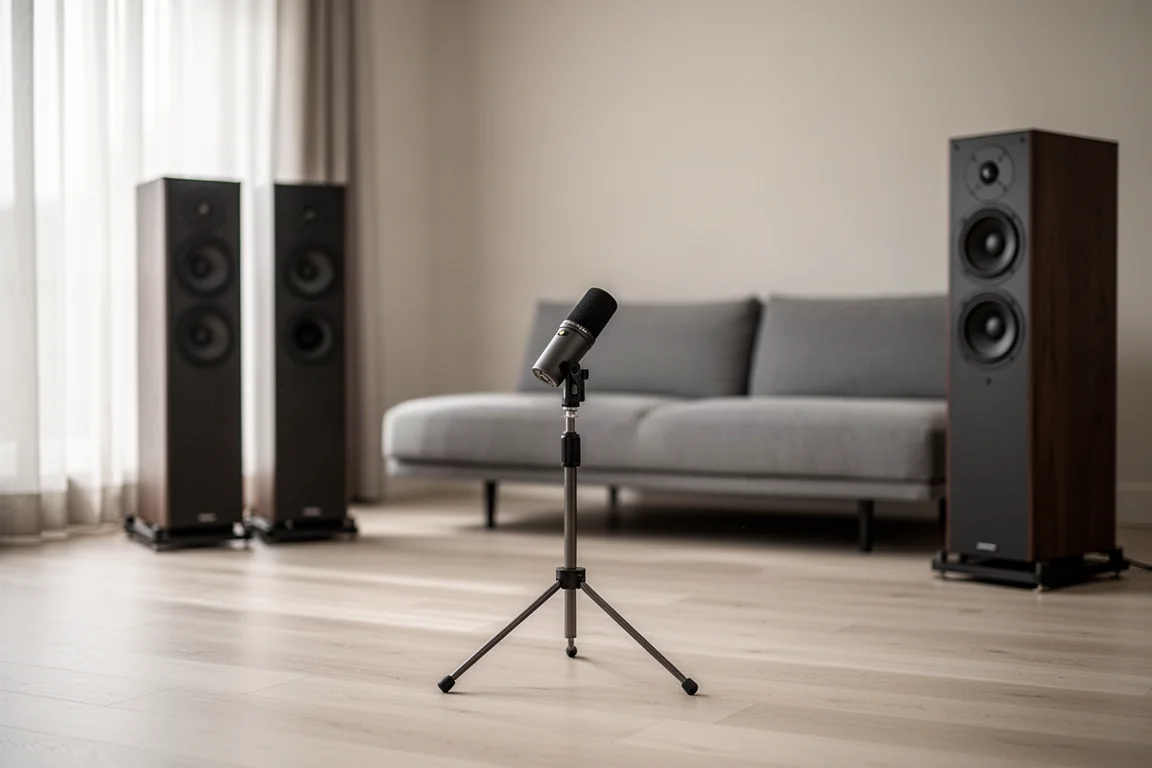
Every room has acoustic problems, whether that is bass build-up in corners, early reflections off hard surfaces, or uneven frequency response caused by how speakers interact with the walls and floor. Audyssey, included with both receivers, uses a microphone to measure each speaker from multiple positions and then applies filters to compensate for what the room does to the sound. It is not a magic fix, and speaker placement and acoustic treatment still matter, but it makes a real difference in how balanced and natural a system sounds.
Both receivers also support an optional upgrade to Dirac Live room correction, which is a step up from Audyssey and is used in professional environments and high-end custom installs. The scope of that upgrade differs between the two models. On the AVR-X2900H it covers room correction only. On the AVR-X3900H it includes the full suite, adding bass control and active room treatment.
Denon AVR-X2900H: The 7.2-Channel Option
The AVR-X2900H is a 7.2-channel receiver rated at 95 W per channel. The 7.2 designation means seven amplified speaker channels and two subwoofer outputs, and it is worth clarifying that both sub outputs carry the same signal with no independent control between them. Running two subwoofers here means one signal split across two jacks for convenience rather than true dual subwoofer management.
Those seven speaker channels still give plenty of flexibility. A traditional 7.1 layout, a 5.1 setup, or a 5.2.2 Dolby Atmos configuration with two channels pulled up to height speakers are all possible. Two channels can also be assigned to a second zone, though doing so leaves five channels for the main room.
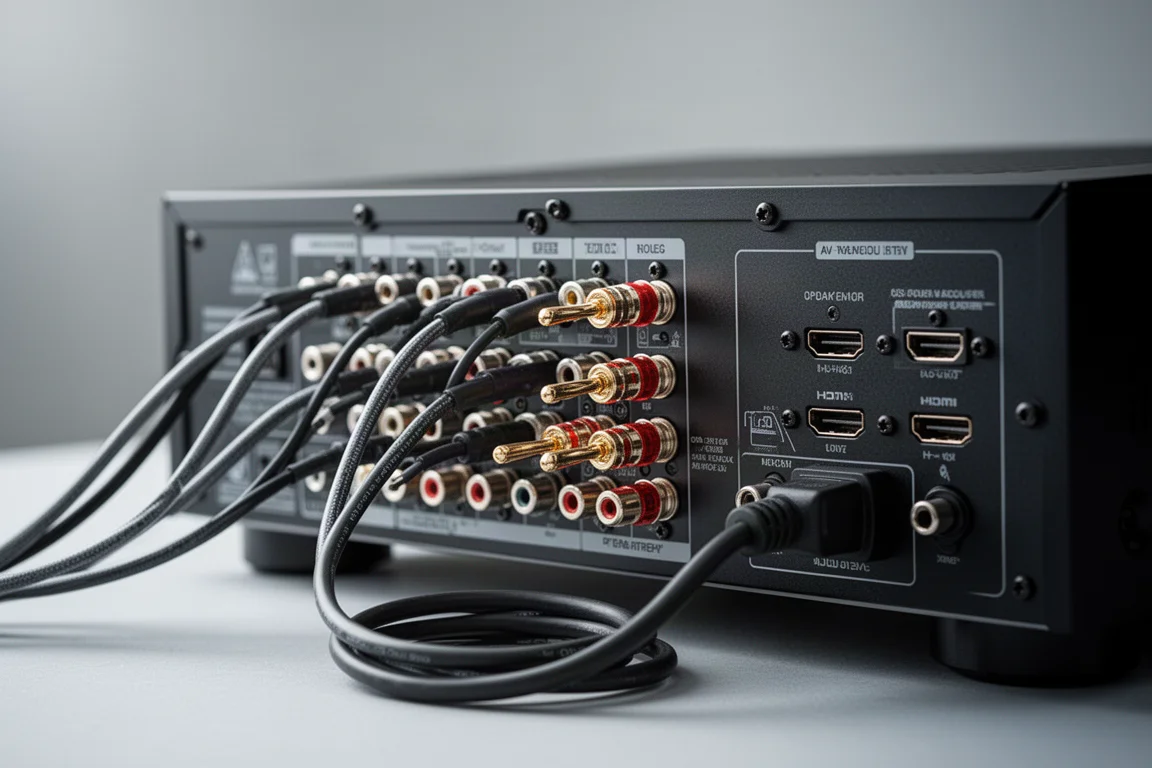
Around the back there are six HDMI inputs and two outputs, with three of those inputs supporting 8K. A phono input with a built-in MM phono stage covers turntables, and there are four analog inputs plus two optical and one coaxial digital input for legacy sources. Ethernet sits alongside built-in Wi-Fi.
Room correction comes from Audyssey MultEQ XT with Dynamic EQ and Dynamic Volume, and the optional Dirac Live room correction upgrade is available for the first time at this tier.
For a standard-size room, that combination is hard to argue with: enough channels for a proper Atmos layout, a solid automatic calibration suite, and a genuine upgrade path for anyone who later wants Dirac Live. If your plans stop at 5.1.2 or 7.1 with one or two subwoofers, this is the more sensible place to put your budget.
Subwoofer Management and Dirac Live: Where the Two Models Differ
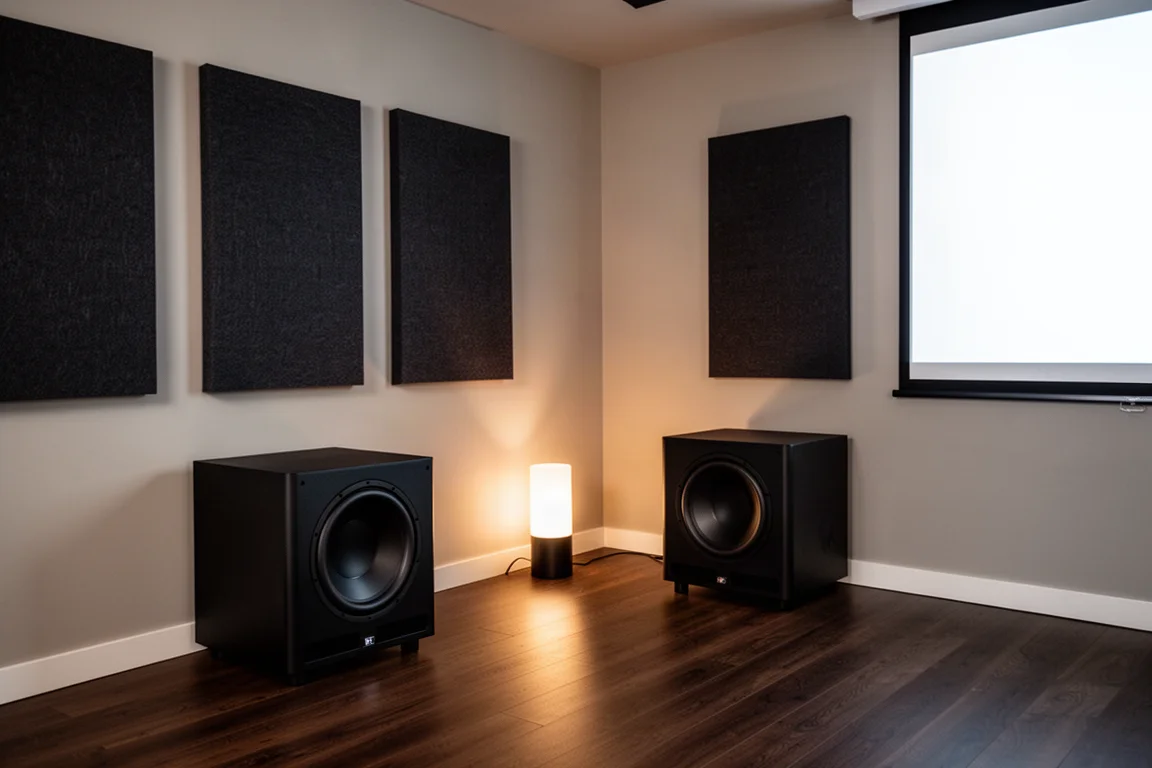
The bass management story is where the two receivers separate most clearly. The AVR-X3900H supports up to four independent subwoofer outputs, and it adds Sub EQ HT on top of that, which provides independent level and delay calibration for each subwoofer individually rather than treating the group as one. In a larger room, where even bass distribution across every seat is a genuine challenge, that distinction matters.
There are also two modes for how the subwoofers work together. Standard mode blends all of them to smooth bass response across the room, while directional mode associates each subwoofer with the speaker channel closest to it, so bass effects feel spatially connected to what is happening on screen instead of simply filling the room from wherever the subwoofers are placed. Control at this level was previously found mainly in high-end separate home theater processors.
Room correction depth follows the same pattern. The AVR-X3900H runs Audyssey MultEQ XT32 rather than MultEQ XT, using more filter points for a more precise correction curve, and it adds low frequency containment, which is useful when the room shares walls with other living spaces and bass needs to stay put. Its optional Dirac Live upgrade also includes the full suite, with room correction, bass control, and active room treatment.
Denon AVR-X3900H: The 9.4-Channel Option
The AVR-X3900H opens things up on both channel count and power. It is a 9.4-channel receiver rated at 105 W per channel with 11 channel processing. That means nine amplified channels and four independent subwoofer outputs, which allows configurations such as 7.1.4 or 5.1.6, with more height channels, more surround positions, or both depending on the room. Because it supports 11 channel processing, an external amplifier can be added later to expand the system without replacing the receiver.
Format support is wider too. Alongside Dolby Atmos and DTS:X, the AVR-X3900H adds IMAX Enhanced, Auro-3D, and 360 Reality Audio. IMAX Enhanced is the one most people will encounter, particularly with a growing 4K disc library. Auro-3D has a smaller catalog but a real following among listeners who use their theater heavily for music, and 360 Reality Audio is an object-based streaming format that appears on certain platforms. None of those are available on the AVR-X2900H, so format coverage is a genuine differentiator.
Zone 2 also includes a dedicated HDMI output, so a full video signal can be sent to a second display in another room without extra hardware. The AVR-X2900H’s second zone is audio pre-outs only.
For larger rooms, or rooms that will grow, the extra channels and the 11 channel processing are what make this model the more durable foundation. Pairing it with an outboard amplifier later is a realistic path rather than a workaround.
Buying Advice: Matching a Receiver to Your Room
If you are building or upgrading a home theater in a typical room, want a proper Dolby Atmos setup, and do not need an elaborate speaker layout, the AVR-X2900H is the natural choice. It is well powered, its room correction is solid, and Dirac Live room correction is now available as an optional add-on at this tier, which gives you a real upgrade path if you want it. For a 5.1.2 or 7.1 system in a standard-size room, it does pretty much everything you would want.
The AVR-X3900H is the right call if you have a larger or dedicated room and want configurations with more height or surround channels, if you run multiple subwoofers, or if you want the more advanced Audyssey suite and the full Dirac Live upgrade path. It is also the better long-term foundation if you plan to grow the system, because the 11 channel processing leaves room to expand without replacing the receiver.
Whichever you choose, plan the speaker layout first. Channel count and subwoofer outputs only pay off when the room can actually accommodate the extra speakers and subwoofers.
Setup Notes and Long-Term Value
A few practical points are worth keeping in mind before you commit. On the AVR-X2900H, assigning two channels to a second zone leaves five channels in the main room, and both subwoofer outputs carry the same signal, so a dual-subwoofer setup there is about convenience rather than independent control. On the AVR-X3900H, the extra subwoofer outputs, the per-sub calibration, the wider format set, and the dedicated HDMI zone 2 output are the features that justify the step up. Both models are rated with the same multi-channel power philosophy, which is a more honest way to compare them against other receivers.
There is also the matter of who builds these units. Denon has been making audio equipment since 1910, produced the first commercial CD player in 1981, the first AV receiver with Dolby Atmos support in 2014, and the first 8K AV receiver in 2020. Its high-end products are built and tuned at the Shirakawa Audio Works in Japan, a facility that has operated since 1983, and the company still hand-winds its DL-103 phono cartridge the same way it did more than 50 years ago. The principle of Kaizen, continuous small improvements adding up over time, runs through the process, and final voicing on every receiver is signed off by senior engineers whose job is to judge how the product actually sounds.
That context matters less than your room and your speakers, but it does explain why these two models tend to feel coherent across their feature set rather than assembled from a checklist.
Conclusion
The AVR-X2900H and AVR-X3900H are close relatives with a clear dividing line. The AVR-X2900H covers a standard 5.1.2 or 7.1 system with 95 W per channel, six HDMI inputs, a phono stage, and optional Dirac Live room correction, which is new at this tier. The AVR-X3900H steps up to nine amplified channels, 105 W per channel, four independent subwoofer outputs with Sub EQ HT, a wider format set, MultEQ XT32, and the full Dirac Live suite.
If your room is typical and your layout is settled, the AVR-X2900H is the sensible buy. If you have the space, the subwoofers, or the ambition to expand, the AVR-X3900H is the one that will keep up with you.
Further reading
Related Reviews
AV Receivers
Anthem MRX 740 8K Review: Composed Home Theater Sound With a Few Rough Edges
A close look at Anthem's mid-tier MRX 740 8K receiver, covering its sound, ARC Genesis room correction, HDMI 2.1 features and the daily quirks worth knowing before you buy.
AV Receivers
Anthem MRX 740 vs MRX 1140: Which AV Receiver Fits Your System?
A measured look at the Anthem MRX 740 and MRX 1140, covering preamp output performance, amplifier behaviour, bass management, and expansion headroom.
AV Receivers
Best AV Receivers for Home Theater: Denon, Onkyo, Marantz and Yamaha Compared
Four home theater receivers compared on features, sound character, setup and value, with clear guidance on which one fits which kind of buyer.