Home Theater Receivers
Denon AVR-S770H vs AVR-S970H: Which Home Theater Receiver Fits Your Room?
A practical comparison of the Denon AVR-S770H and AVR-S970H, covering shared features, the amplifier differences, and how to choose between them.
Introduction
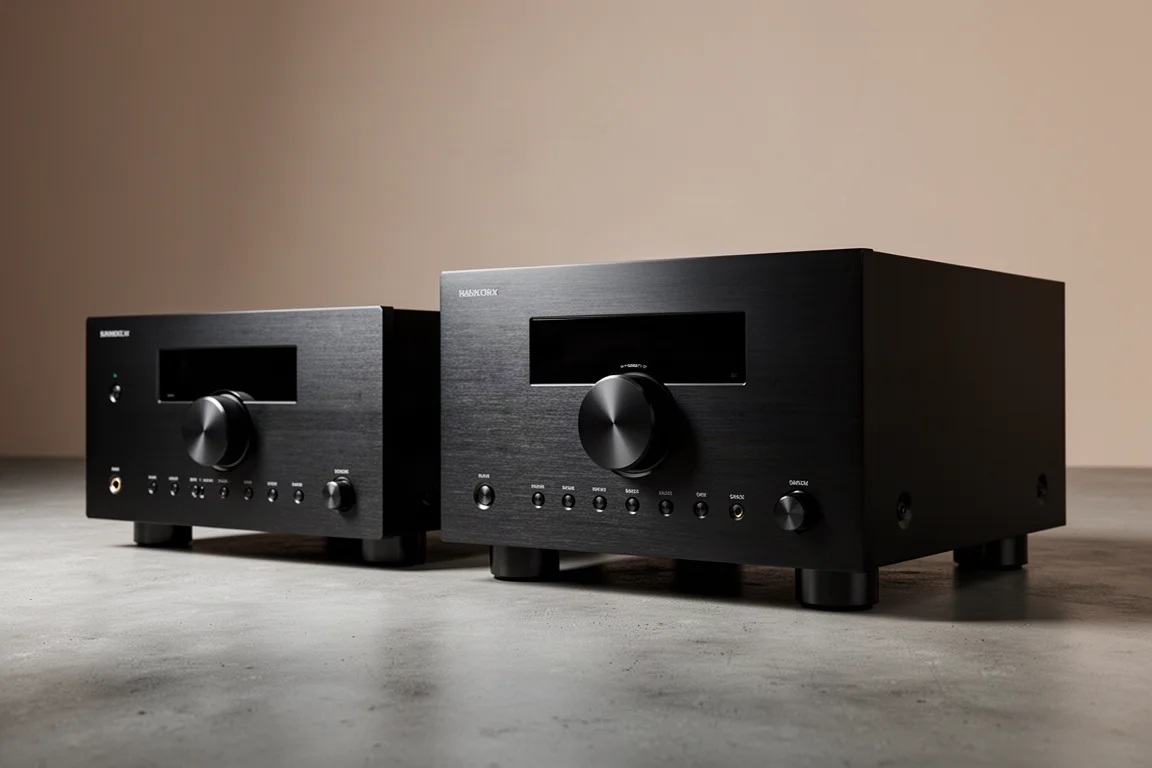
Denon’s AVR-S770H and AVR-S970H are two of the most popular home theater receivers available right now, and at a glance the gap between them looks small. The headline difference is 15 watts per channel, which on paper does not explain much about why one costs more than the other.
The more useful way to think about it is to separate what both receivers do well from what the step-up model adds. If you are building a first separate-component home theater system, that distinction matters far more than the wattage number.
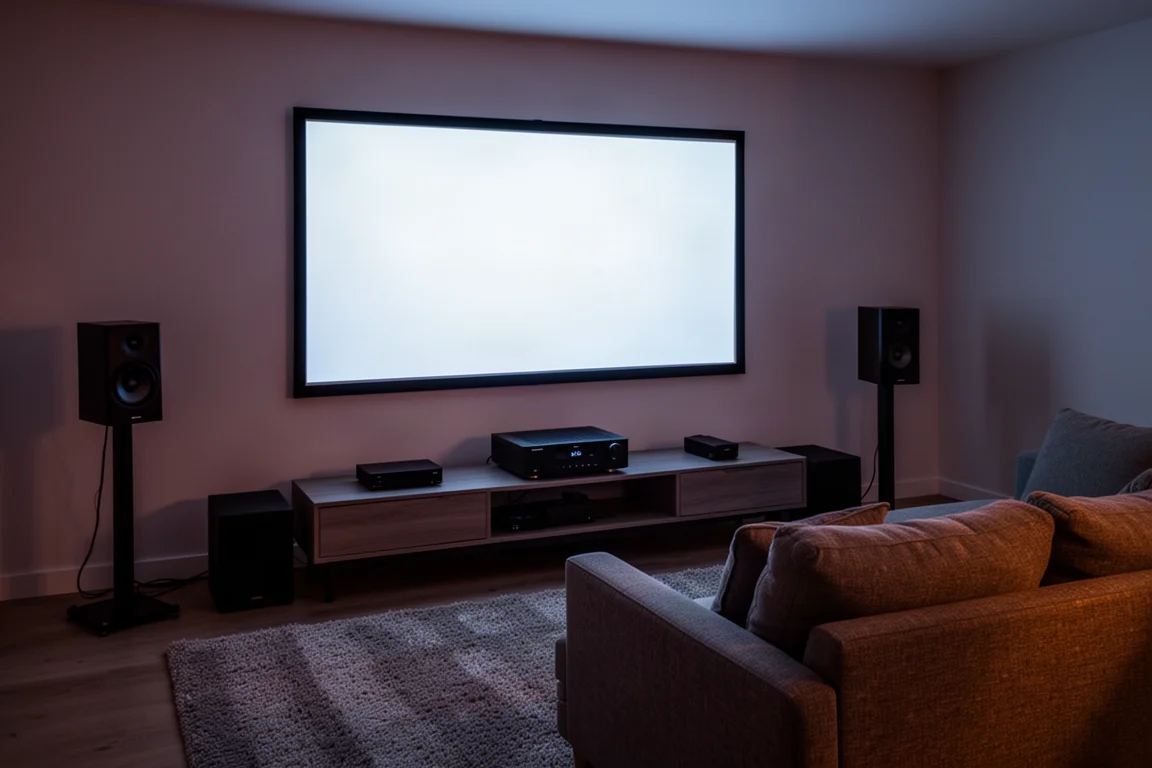
Both models are aimed at listeners moving from a soundbar or a television’s built-in speakers into a proper surround system, and both are set up to handle the formats, connections and calibration tools that most living rooms actually need.
What Both Receivers Share
Start with the speaker layout, because it shapes everything else. Each receiver offers seven channels of amplification plus a pair of assignable speaker outputs. That lets you run the usual left, centre, right and surround speakers, then decide what the final pair should do: rear surround channels, or one of several immersive options such as front height, middle height, front Atmos-enabled or surround Atmos-enabled speakers. Both units comfortably support a 5.1.2 layout, which is a sensible target for most home theater rooms.
Both also support Zone 2, so a 5.1 setup in the main room can power a second pair of speakers in another room with independent sound. The caveat is that Zone 2 is not available if all seven power channels are already in use.
Format support is broad on both models: Dolby Atmos, DTS HD Master Audio, DTS:X, DTS Neural:X and DTS Virtual:X. If your room cannot accommodate height speakers, Dolby Atmos virtualization does a decent job of simulating them.
Each receiver has two subwoofer outputs. Those two jacks are there for convenience and do not provide independent calibration for each subwoofer, which is worth keeping in mind if you plan to run a dual-subwoofer setup.
Around the back, both use discrete high-current power amplifiers and offer six rear HDMI inputs, three of which are 8K capable, plus eARC on the HDMI output for television streaming apps. There is also one coaxial digital input, two optical digital inputs and a moving magnet phono input for a turntable.
Setup is a genuine strength. The on-screen menus walk through each step with clear visuals, and the process ends with Audyssey room correction, which is worth running properly because it can make a meaningful difference to how a system sounds in your room. One limitation applies to both: you cannot assign a specific surround sound mode to an individual input, which matters mainly for stereo sources such as television broadcasts or some streaming feeds.
Denon AVR-S770H: What You Get
The AVR-S770H is rated at 75 watts per channel and includes two analog inputs. For many systems that is enough: one input for a CD player and one for a streamer covers a straightforward setup without much left over.
Everything described above is present, so the AVR-S770H delivers the same seven-channel flexibility, the same immersive format support, the same HDMI and digital inputs and the same Audyssey calibration. It is a strong fit for a first surround system in a room where a 5.1 or 5.1.2 layout is the plan and the speakers are reasonably easy to drive.
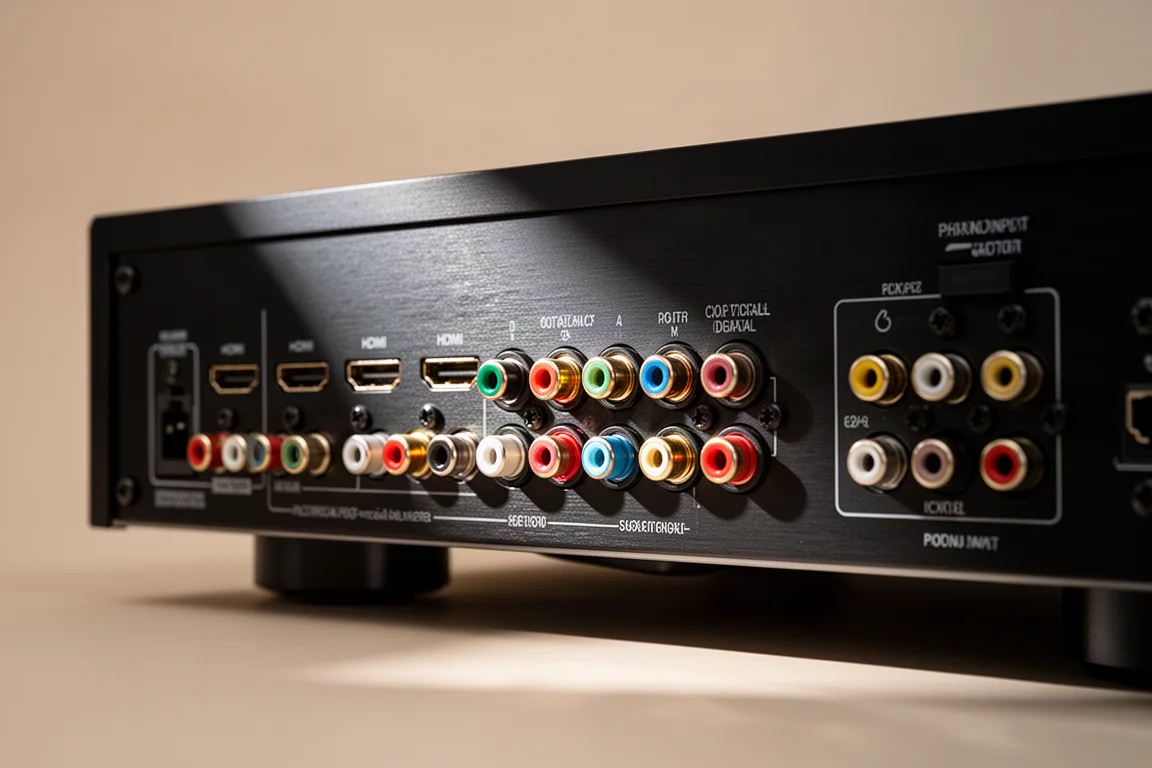
Where it asks you to compromise is expansion. If you later want to add a vintage cassette deck or another analog source, two analog inputs can fill up quickly, and there is no second television monitor output.
Denon AVR-S970H: What You Get
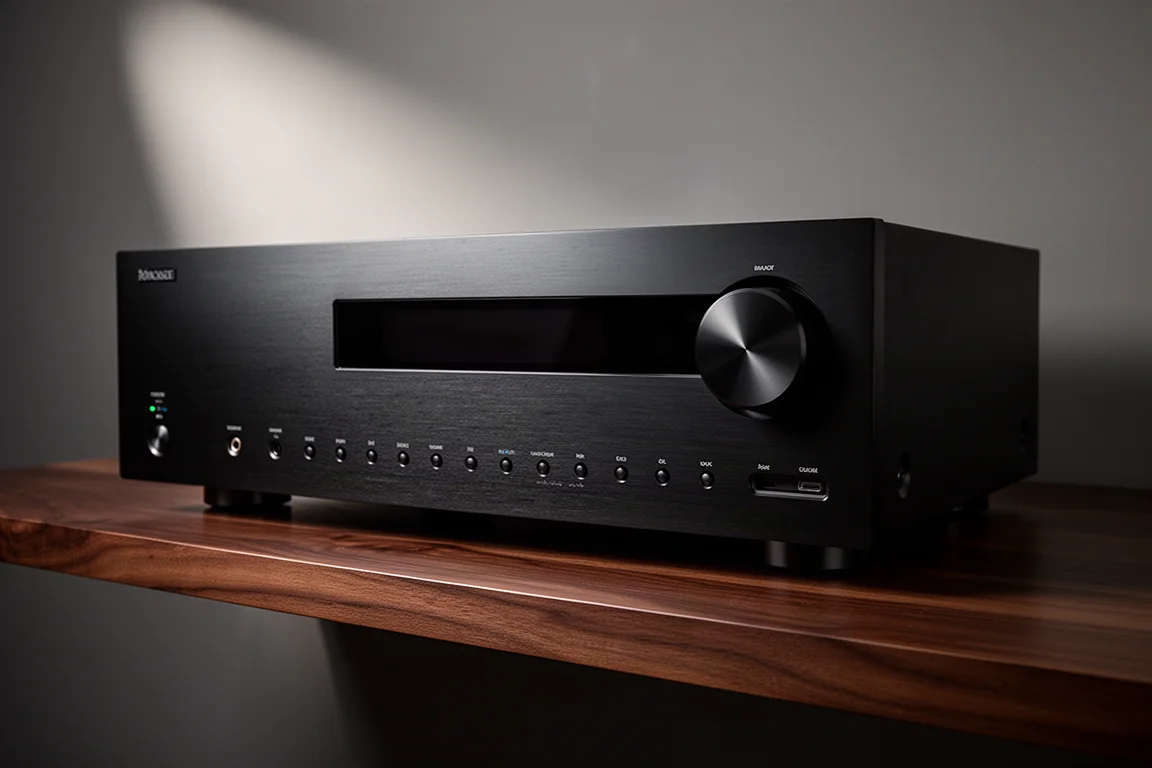
The AVR-S970H shares the full feature set above and adds two practical extras on the connection side. It has four analog inputs instead of two, which is useful if you run a CD player and a streamer and still want room for legacy gear such as a cassette deck. It also adds a second television monitor output, which suits a room with a small wall-mounted television and a front projector with a screen that drops down over it.
Why the AVR-S970H Sounds Better
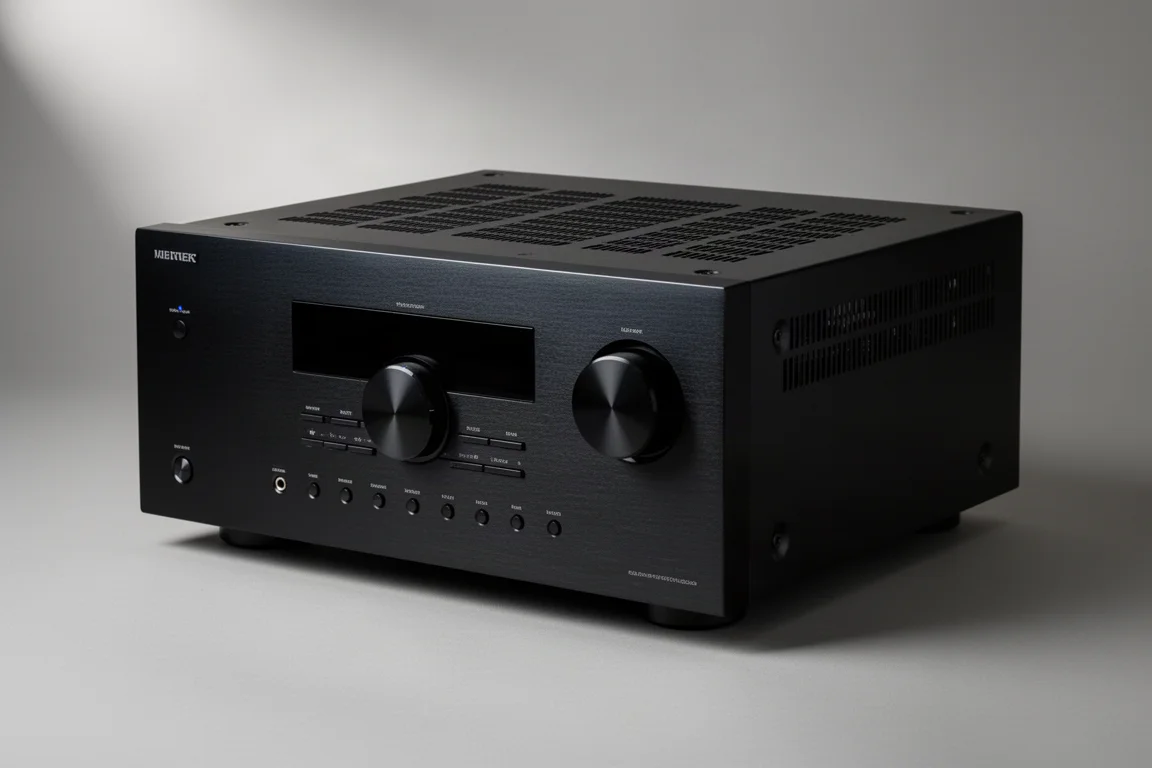
The connection extras are not the main reason to step up. The real difference is the amplifier section. The AVR-S970H is almost an inch taller than the AVR-S770H and weighs more, because it uses a larger power transformer for the amplifier stage, larger output transistors and more heat sinks.
That hardware shows up in the rating: 90 watts per channel against 75 watts. The extra power helps with speakers that are harder to drive, and the larger power supply and more robust output transistors give the AVR-S970H more punch even at lower volume levels, where the difference is easy to hear.
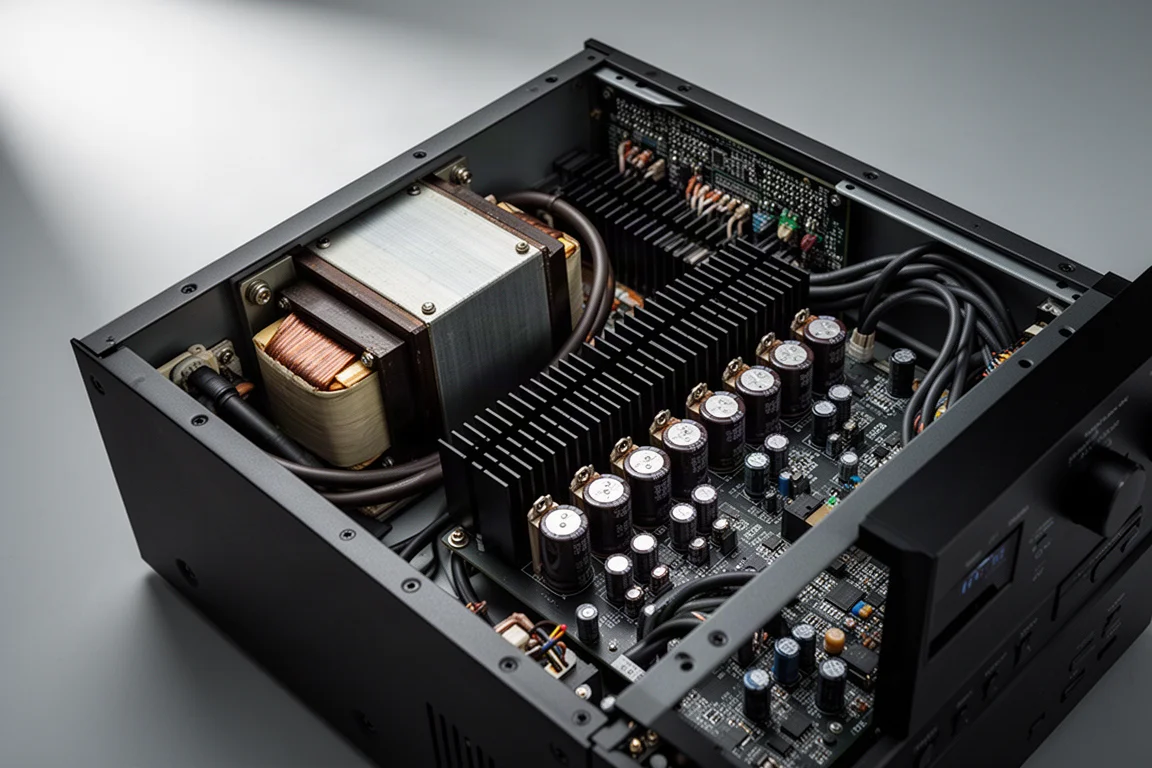
If your speakers are demanding, or if you simply want the more capable amplifier of the two, this is the argument that matters most. Unless you specifically need the extra analog inputs or the dual monitor outputs, sound quality is the reason to choose the AVR-S970H.
Buying Advice: Matching the Receiver to Your Room and Speakers
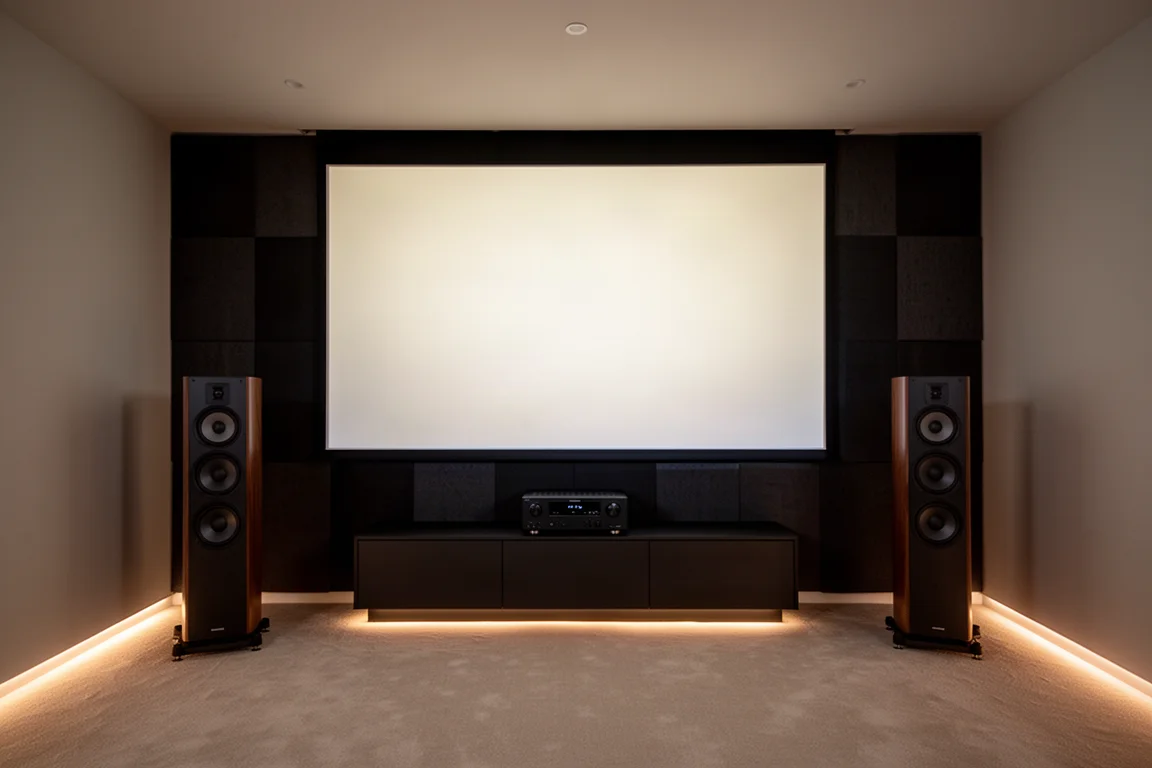
Before choosing between these two, think about the long run: how many speakers you might eventually run, and how hard your current speakers are to drive. A receiver should cover what you need now and leave sensible room to grow.
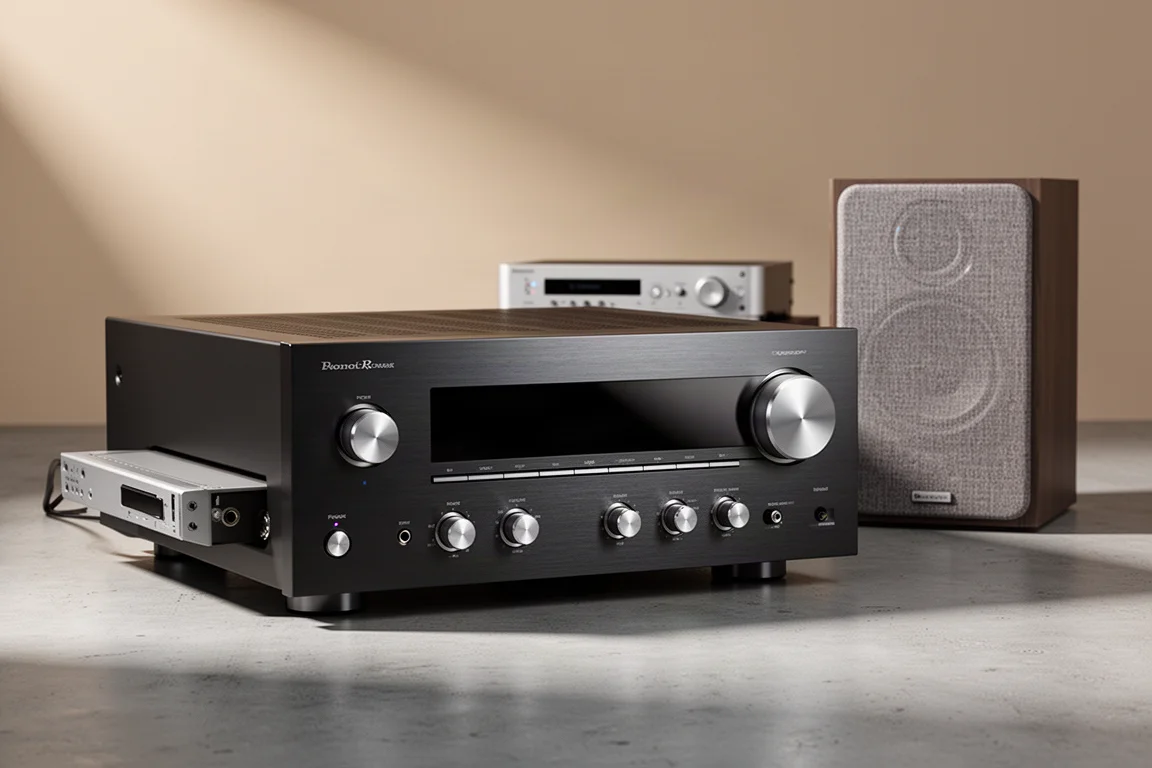
More expensive home theater receivers, including models above the AVR-S970H, typically add features these two do not have: preamp outputs for some or all channels, so you can add a separate amplifier if your speakers outgrow the receiver, and independent subwoofer calibration for each of two subwoofers, which makes a real difference to bass evenness across a room. Some also use better digital-to-analog converters, and flagship models sit in a different class entirely when it comes to amplifier size and weight.
That said, both the AVR-S770H and the AVR-S970H are excellent value for the money and are among the best-selling home theater receivers on the market. For many people, either one is a fantastic way to start a home theater journey, and the choice comes down to analog inputs, a second monitor output and how much amplifier headroom you want.
Conclusion
Both receivers share the same modern feature set, the same seven-channel flexibility and the same Audyssey calibration. The AVR-S770H covers a first surround system at 75 watts per channel with two analog inputs, while the AVR-S970H adds four analog inputs, a second television monitor output and a noticeably more substantial amplifier rated at 90 watts per channel.
If your speakers are easy to drive and your sources are simple, the AVR-S770H is a confident choice. If you want more headroom, more analog inputs or a dual-display setup, the AVR-S970H justifies the step up.
Further reading
Related Reviews
Home Theater Receivers
Arcam AVR11, AVR21, AVR31 and AV41: Inside the Current Home Theater Lineup
Three AV receivers and one surround processor share Arcam's house sound and a complete modern feature set. Here is how they differ and which one fits your room.
Home Theater Receivers
Best Home Theater Receivers 2026: Ten Picks From Entry Level to Flagship
A practical roundup of ten home theater receivers, from an affordable 5.1.2 model to a 15-channel flagship, with the features that matter most before you buy.
Home Theater Receivers
Best Home Theater Receivers: Eight Picks From Entry Level to Audiophile
Eight home theater receivers compared on channels, amplifier headroom, room correction, subwoofer outputs, and expansion, from an entry-level pick under $750 to audiophile flagships.