AV Receivers
Denon AVR-A10H Review: 13 Channels With Flagship Engineering
A 13-channel AV receiver that carries the flagship A1H's amplifier boards, HDMI design and Japanese build, without the two extra channels.
Introduction
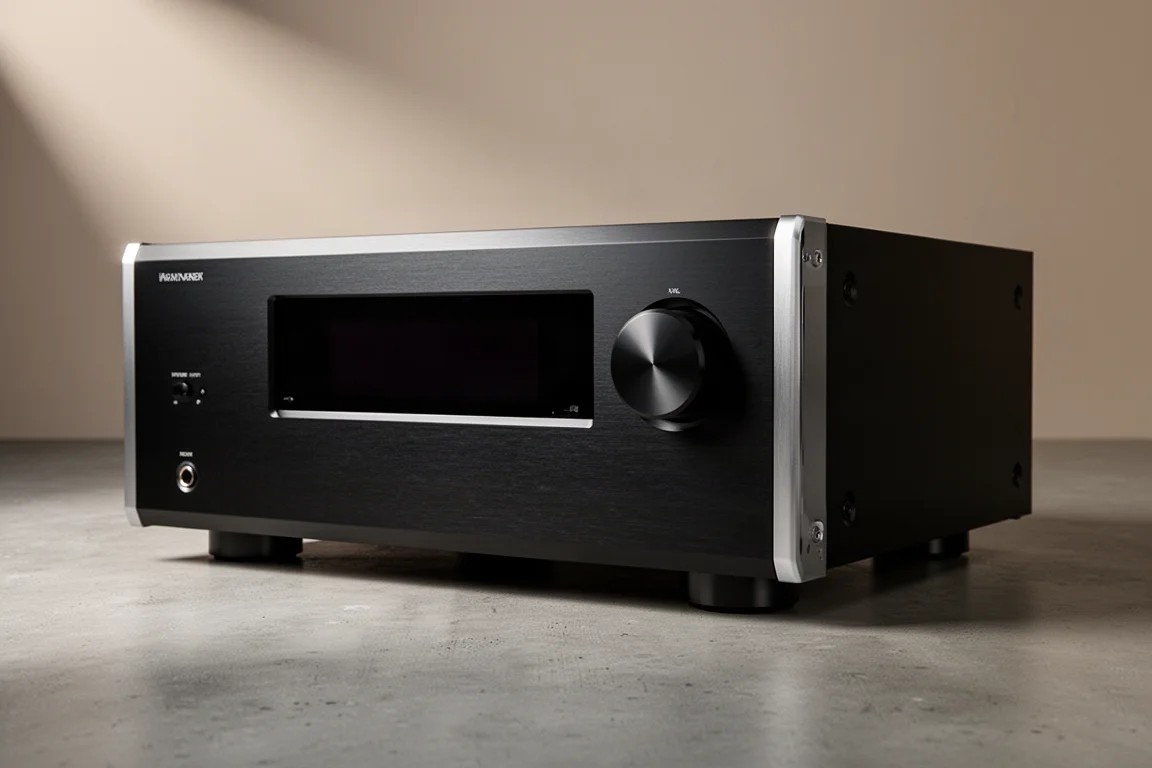
The Denon AVR-A10H is a 13.2-channel AV receiver and the second model in Denon’s A-series, the line that sits above the long-running S and X ranges. It arrives as a replacement for the X8500H, keeping the same channel count while moving to improved amplifier modules, better video switching and a newer feature set.
The reason it exists is fairly simple. The flagship A1H offers 15 channels of processing and four subwoofer channels, enough for a nine-channel floor layout with six ceiling speakers and four subwoofers. Plenty of buyers liked the build and the functionality but did not need that channel count, and until now the step down meant the X8500H. The A10H closes that gap: the same channel count as the X8500H, higher performance, and the engineering approach of the flagship above it.
Who this product is for
The A10H is built for listeners who want the build quality and the functionality of Denon’s flagship receiver without paying for capability they will never use.
That describes two kinds of buyers. The first is the enthusiast moving up from the X series. Denon’s X models add custom integration features such as detachable power cords and longer warranties, and they cost more than the entry-level S series. The A-series sits a step above both, and the A10H is the more accessible way into it.
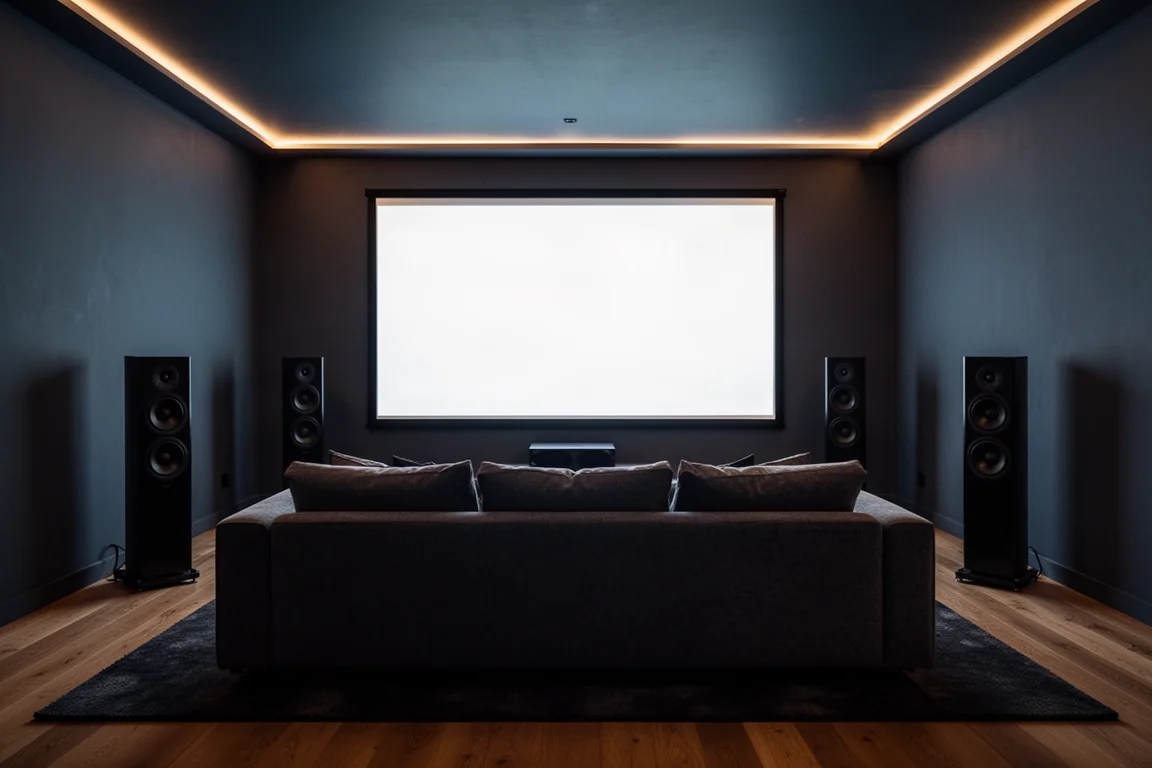
The second is the home theater owner whose room plan tops out at 13 amplified channels. If you are not planning a 15-channel layout, the extra amplification in the flagship is capacity you would be buying and never using. The A10H also suits anyone who wants flagship-level processing and switching without needing the largest number of HDMI inputs in the range.
Main strengths
The strongest argument for the A10H is how much of the flagship it carries over. The amplifier boards are the same boards used in the A1H, with the same output and the same performance per board. The receiver uses a monolithic layout, with seven amplifier boards on one side and six on the other to reach 13 channels, where the flagship runs eight on one side and seven on the other for 15.
The HDMI boards are shared with the A1H as well, and the same streaming module is used across the range. The result is that the A10H inherits the flagship’s approach to video switching and network features rather than being a stripped-down design that happens to look similar.
Dual speaker presets also carry over from the A1H, and that detail unlocks more flexibility than the number two suggests. It is worth understanding how far it can be stretched, which is covered further down.
Amplifier design and channel performance
The interesting part of the A10H is what did not change. Because the amplifier boards are identical to the flagship’s, the left and right channels of the two receivers are stated to measure the same, and a 5.1 configuration in either model is stated to measure the same as well. The difference between the two models is not per-channel quality. It is channel count.
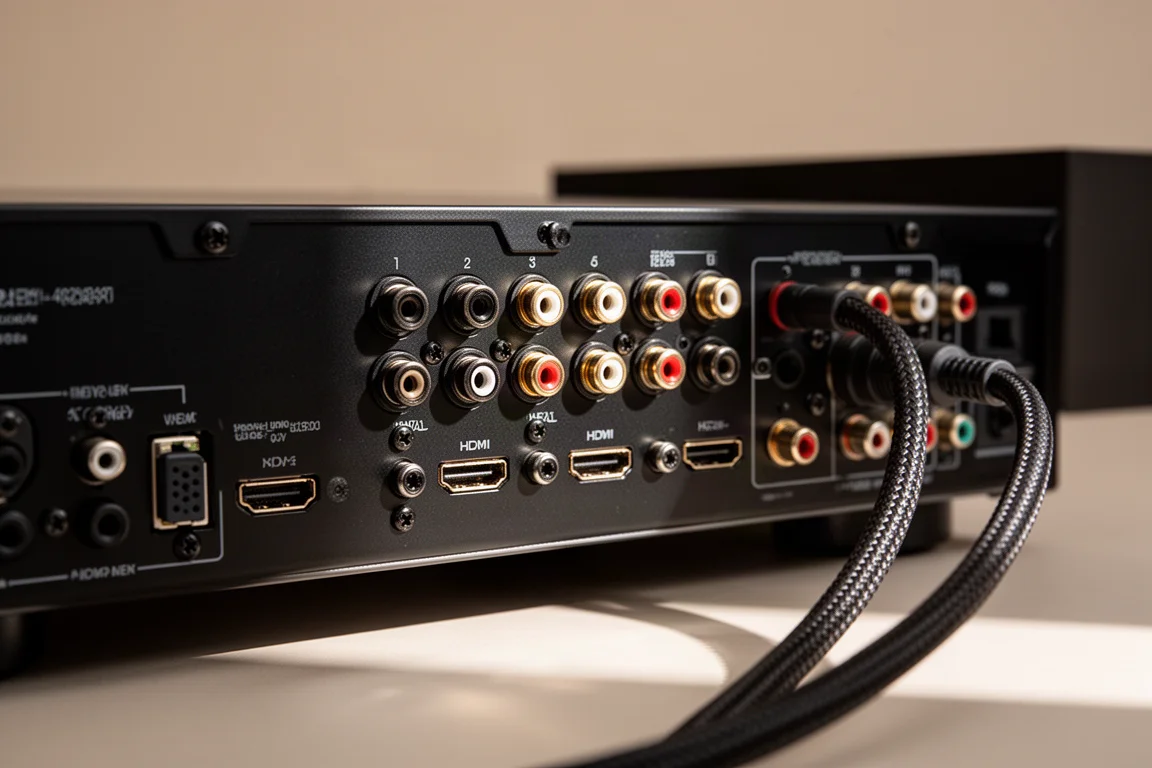
Where the flagship diverges is in the support structure around those boards. Driving 15 channels instead of 13 requires a larger power supply and larger capacitors, which is a big part of why the A1H costs considerably more. Taking a system from 5.1 up to a nine-channel floor layout with height channels requires a substantial leap in amplification and power delivery, and the price gap between the two models reflects that engineering work.
For a 13-channel system, that extra capacity is not needed. The A10H delivers the same performance per channel in a smaller and less expensive package, which is the whole point of the model.
Build quality and manufacturing
The A10H is assembled in the same Japanese factory as the A1H. Denon builds its 4800-series receivers and above in Shirakawa, Japan, so this receiver comes off the same line and follows the same component philosophy as the flagship.
That shared approach is deliberate. Amplifier stages, HDMI boards and streaming modules are reused across the A-series, which means the engineering investment behind the flagship benefits the models below it. The build quality follows the same principles as the A1H rather than being redesigned to a lower standard.
The practical outcome is that choosing between the A10H and the A1H is mostly a question of how many channels and how many HDMI inputs you need, not how good each channel sounds.
Speaker presets and room correction flexibility
The A10H keeps two onboard speaker presets. In practice that is less limiting than the number implies. With compatible room correction software, you can assign a different filter set to each preset, so one preset can hold one calibration and the second can hold another.
Beyond those two onboard presets, additional filter sets can be stored on a laptop or in an inexpensive companion app, and switching between them takes only seconds. That means a single receiver can hold several distinct calibrations for different listening conditions and move between them without running a full setup again.
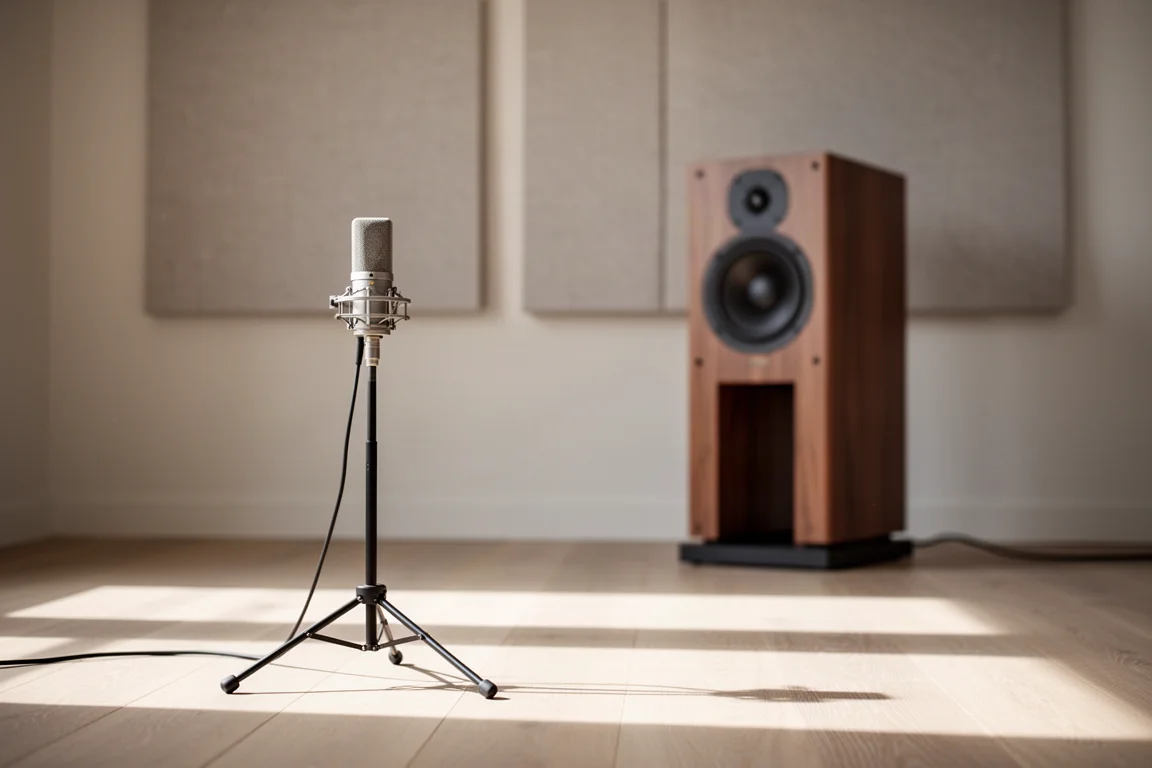
For anyone who likes to tune a system carefully, whether by measurement or by ear, that flexibility is a meaningful part of what the A10H offers. It is the kind of feature that quietly matters more over years of ownership than it does on a spec sheet.
Things to consider before buying
The A10H is a 13-channel receiver, not a 15-channel one. If your plan includes a nine-channel floor layout, six ceiling speakers and four subwoofers, that layout belongs to the A1H, and no amount of amplifier quality in the A10H will substitute for the missing channels.
Only two speaker presets live onboard. The extra configurations described above depend on external tools and room correction software, so a buyer who wants everything handled inside the receiver without any additional software should factor that in.
The power supply and capacitors are sized for 13 channels. Per-channel performance matches the flagship, but the total capacity available across a fully driven system is lower, which is simply the physics of driving fewer channels.
Finally, the X8500H is being phased out. Buyers who were waiting on that model should plan around the A10H as the current option at this channel count.
Buying advice
The decision here comes down to channel count and input requirements rather than sound quality per channel, because the amplification is shared with the model above.
If 13 channels covers your room, the A10H is the sensible target. You get the flagship’s amplifier boards, the shared HDMI design, the same Japanese factory and the dual speaker presets, without paying for two channels of amplification and the larger power supply and capacitors they require.
If you need 15 channels and four subwoofer channels for a nine-channel floor layout with four subwoofers, step up to the A1H. The price jump is real, but it buys the power delivery that layout demands.
And if you had been considering the X8500H, the A10H is the newer and higher-performance path at the same channel count, with better video switching and the current feature set.
Conclusion
The Denon AVR-A10H makes a clear case for itself. It takes the amplifier boards, HDMI boards, streaming module and manufacturing approach of Denon’s flagship receiver and removes the two channels most rooms will never use, along with the oversized power supply those channels require.
For a 13-channel home theater, that combination is hard to argue with. The receiver delivers flagship-grade amplification per channel, keeps the dual speaker presets and the room correction flexibility that comes with them, and sits in the A-series without the flagship price. Buyers who genuinely need 15 channels should look upward, but for everyone else the A10H is the more focused purchase.
Product link
View more details for Denon AVR-A10H
This product is mentioned in the review. Check the specifications, options, and compatibility before buying.
View more details for Denon AVR-A10HFurther reading
Related Reviews
AV Receivers
Anthem MRX 740 8K Review: Composed Home Theater Sound With a Few Rough Edges
A close look at Anthem's mid-tier MRX 740 8K receiver, covering its sound, ARC Genesis room correction, HDMI 2.1 features and the daily quirks worth knowing before you buy.
AV Receivers
Anthem MRX 740 vs MRX 1140: Which AV Receiver Fits Your System?
A measured look at the Anthem MRX 740 and MRX 1140, covering preamp output performance, amplifier behaviour, bass management, and expansion headroom.
AV Receivers
Best AV Receivers for Home Theater: Denon, Onkyo, Marantz and Yamaha Compared
Four home theater receivers compared on features, sound character, setup and value, with clear guidance on which one fits which kind of buyer.