AV Receivers
Denon A1H vs Anthem MRX 1140 and MRX 740: Which Home Theater Receiver Fits Your Room?
A practical look at three high-end home theater receivers, covering channel assignability, room correction platforms, streaming, and the trade-offs worth knowing before you buy.
Introduction
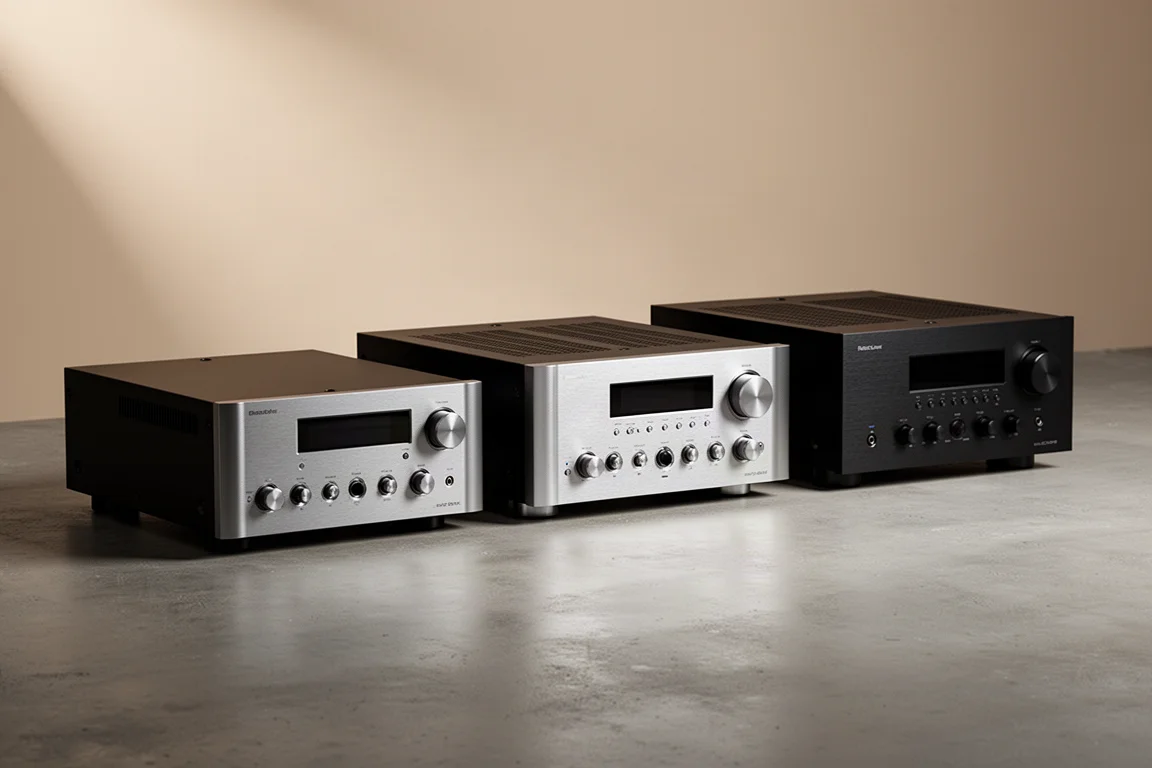
Three home theater receivers, three different answers to the same question: how much amplification, channel flexibility, and room correction do you actually need? The Denon A1H sits at the top of this group at $6,500 and is built around 15 channels. The Anthem MRX 1140 comes in at $4,200, and the Anthem MRX 740 around $3,100, both centered on Anthem’s own room correction system.
The gap between them is not simply about price. It comes down to channel count, how flexible those channels are, which room correction platform you prefer, and whether you want a receiver that handles everything internally or one that leaves video processing to your display. This guide walks through each model, then looks at the trade-offs worth weighing before you buy.
What to Look For in a Receiver at This Level
At this price point, four things separate a capable receiver from a compromised one: amplifier headroom, channel assignability, the room correction platform, and the streaming and video processing features built in.
Amplifier headroom matters most. A receiver with a robust amplifier section gives you a stronger foundation, and that foundation matters even more once room correction is layered on top. Channel assignability is the second piece. Extra channels do not have to sit unused. They can be routed to bi-amp your main speakers, to drive additional zones, or to support in-wall and in-ceiling speakers around a dedicated room.
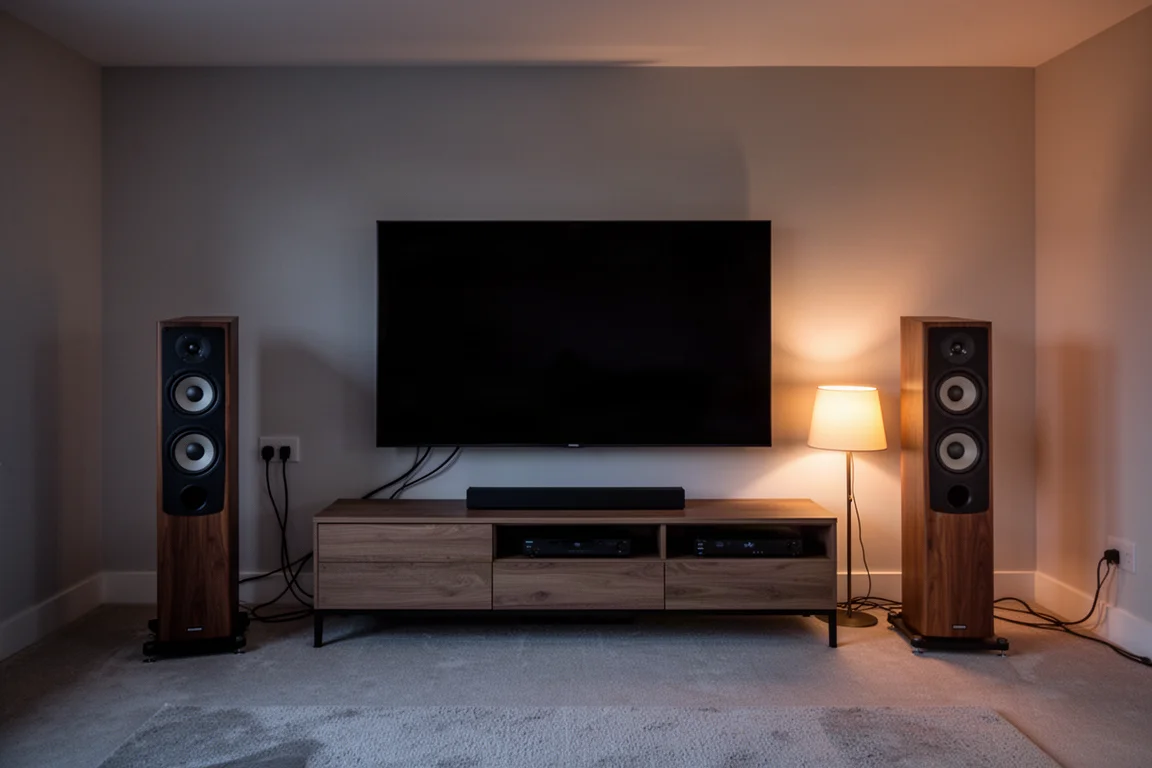
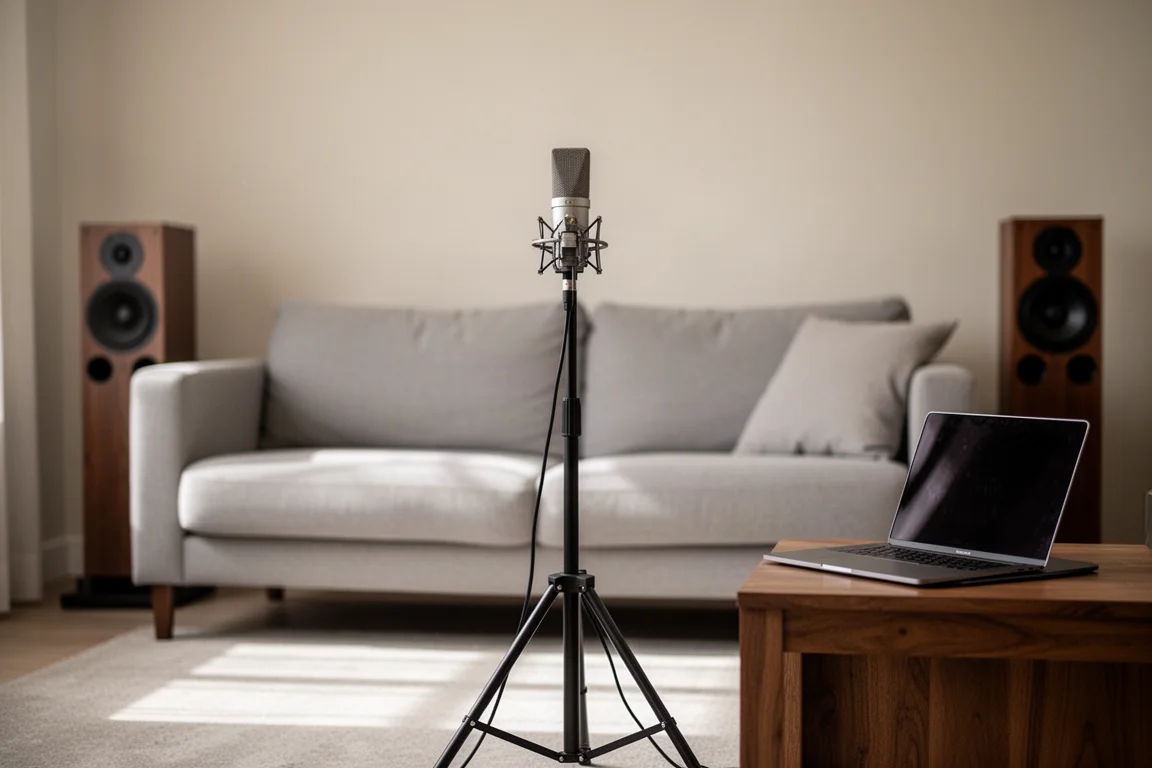
Room correction is the third factor, and it is where these three receivers differ most. Anthem relies on its own ARC system. Denon ships with Audyssey, while Dirac Live is available as a paid upgrade rather than a built-in feature. Streaming and video processing deserve a closer look as well, because a receiver can be excellent at amplification and still be the wrong choice if its streaming app frustrates you or if you prefer to let your television handle video scaling.
Denon A1H: 15 Channels and a Serious Amplifier Section
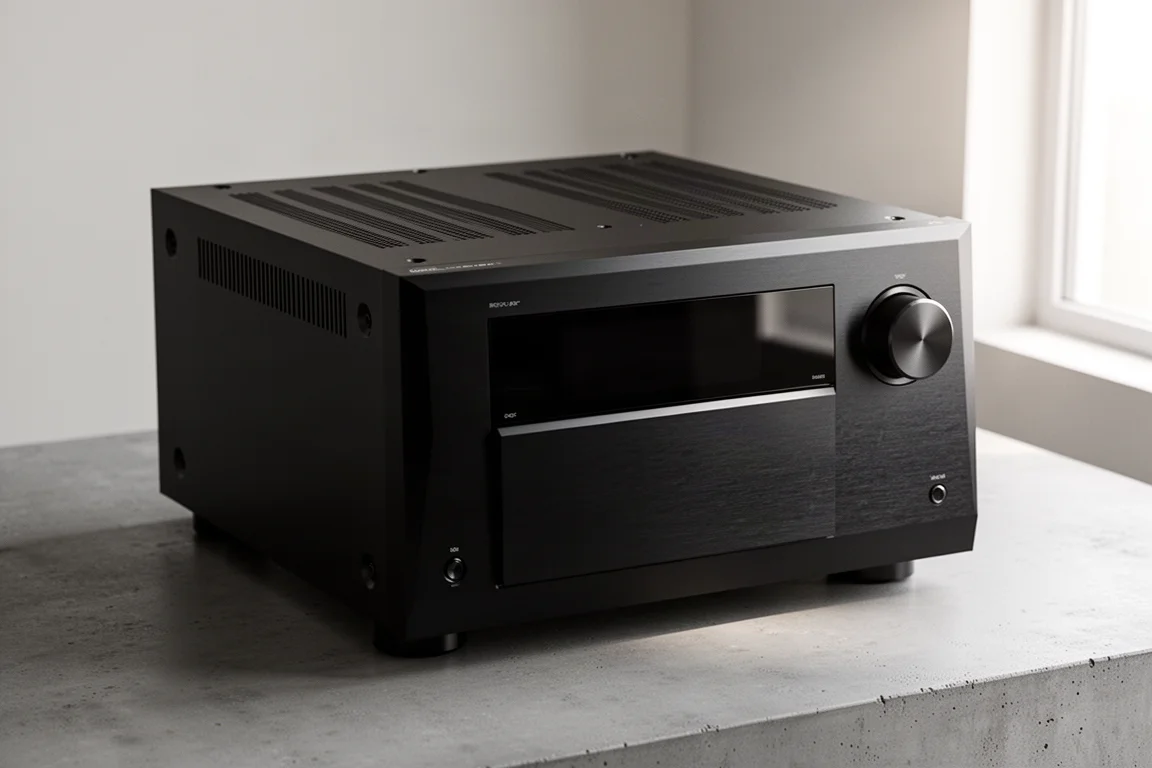
The Denon A1H is a substantial home theater receiver at $6,500, and its headline specification is 15 channels of amplification. That channel count is genuinely rare. Very few receivers on the market offer 15 channels, and Denon leaned heavily on that figure as a selling point.
Those channels are not locked into a single configuration. The A1H supports switching between modes including Dolby Atmos, DTS:X Pro, and IMAX, and it can be arranged for 9.4.8 speaker layouts. Just as importantly, the extra channels are assignable. If your room does not have 15 speakers, you can route the surplus to bi-amp your main channels, power a second zone, or drive additional speakers.
Stereo performance is a fair question at this price. Driven directly, the A1H handled demanding floorstanding speakers acceptably, and adding external amplifiers through the receiver’s preamp outputs produced a clear improvement with those speakers. With other speakers, the difference was less pronounced, which suggests the A1H’s internal amplification is capable in its own right. Its amplifier structure is well built, with headroom you would not find in an entry-level receiver.
Two caveats are worth knowing. First, HEOS is the built-in streaming platform. It has received an update and works better than it once did, but its interface does not suit every listener. Sound quality through HEOS is not a weakness, so adding a separate streamer would be a usability decision rather than an audio one. Second, the A1H’s video processing settings should be approached carefully. Enabling the upscaler and picture mode options on an already dark film scene produced an image so dim it became unwatchable. Leaving those settings off and letting the television handle video processing is the safer path. The A1H also proved less refined than other receivers when running a phantom center configuration, where the center image recedes noticeably.
Anthem MRX 1140: Room Correction as the Main Event
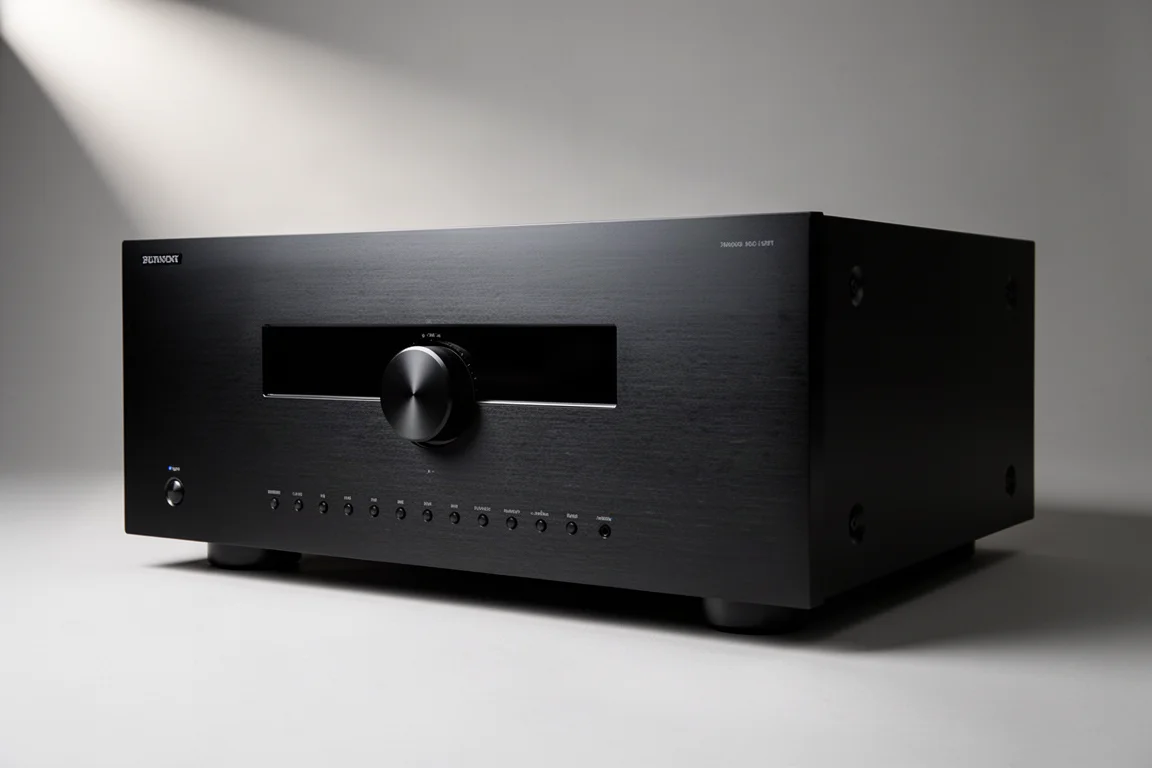
The Anthem MRX 1140 is priced at $4,200, which places it between the Denon A1H and the Anthem MRX 740. Its strongest argument is Anthem Room Correction, or ARC, a system with a strong reputation for the results it produces. ARC’s output tends to feel natural and deliberate rather than over-corrected, and it is included rather than sold as an add-on.
The MRX 1140 is the higher-tier Anthem option in this comparison, and it costs meaningfully less than the Denon A1H. If you have already decided that ARC is the room correction platform you want, the 1140 is the model that pairs it with more capability than the entry point in the line.
One practical point applies across Anthem’s receivers. Early units drew complaints about fan noise, and a firmware update released after the MRX 740 arrived was reported to address fan speed behaviour. On current firmware, audible fan noise should be far less of a concern, which removes the main reservation buyers may have carried over from earlier units.
Anthem MRX 740: The Accessible Anthem Option
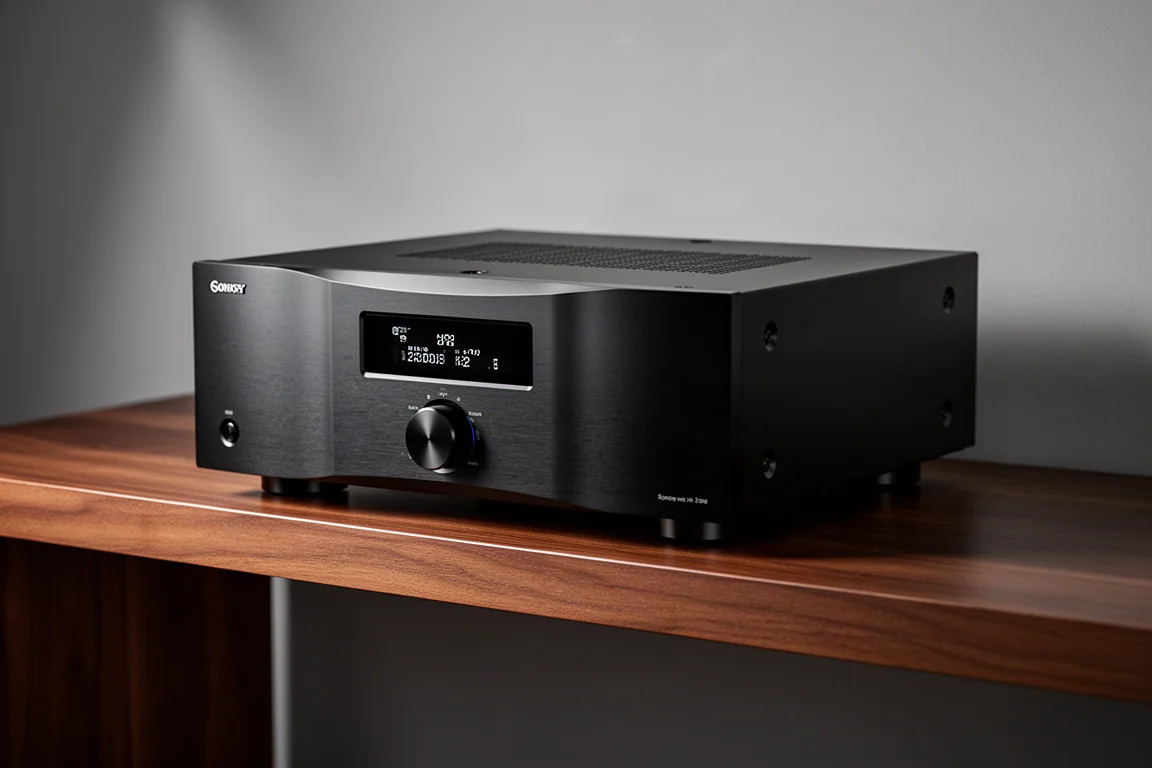
The Anthem MRX 740 comes in around $3,100 and shares the ARC room correction platform that defines the brand’s appeal. For listeners who want Anthem’s correction without stepping up to the 1140’s price, it is the natural entry point in the range.
Sound quality is a strong point on the MRX 740, and its ARC implementation is the reason many buyers consider it at all. The main reservation is pricing. At roughly $3,100, the 740 sits close enough to the 1140 that a price reduction would make the value case clearer, particularly since the 1140 looks appropriately priced for the quality of Anthem’s design and correction software.
For most rooms, the 740 offers more than enough correction capability, and the fan noise concern that surrounded its launch was reportedly resolved through a firmware update. If your budget is firm and ARC is the priority, this is the model that keeps the cost down while preserving the feature that matters most.
Room Correction Compared: ARC, Audyssey, and Dirac
Room correction is often the deciding factor at this price level, and the three main platforms behave quite differently in practice.
Anthem’s ARC is the most immediately satisfying of the group in its standard form. Its results feel close to what a careful manual setup would achieve, and it does not require a third-party software purchase to firm things up. Dirac Live, by contrast, is an optional extra. On the Denon A1H, the full Dirac license costs $649 on top of the $6,500 receiver price, and the license is tied to a single receiver rather than transferable. That combination is a significant additional cost, and it means upgrading receivers later would require buying the license again.
Dirac’s bass control module is where the platform becomes genuinely compelling. Adding bass management to the A1H changed its character noticeably, delivering tighter control and a firmer low-frequency kick that many listeners would not associate with a Denon receiver. The catch is that this improvement depends on the receiver’s underlying hardware. The A1H starts from a strong amplifier platform, so the gains come on top of an already capable foundation rather than rescuing a weak one.
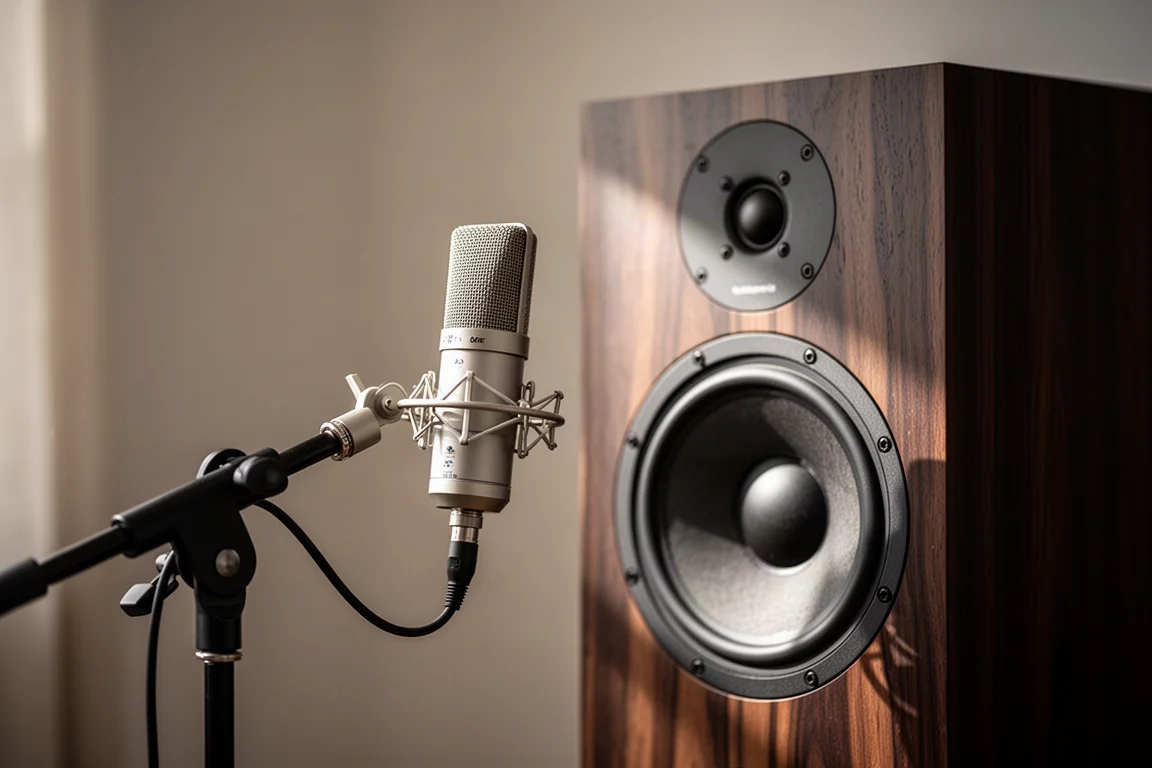
Audyssey’s MultiEQ-X software add-on for Windows is the third option. It functions like a per-channel DSP tool, and unlike some comparable solutions it does not limit the number of target curves or EQ filters you can create. Its interface is not especially intuitive, but Audyssey’s in-receiver setup, which walks you through calibration on screen with a microphone, remains one of the most approachable room correction experiences available.
Buying Advice
Match the receiver to the room rather than to the specification sheet.
If you have a dedicated home theater space and want the flexibility to run a large speaker layout with assignable channels for bi-amping or additional zones, the Denon A1H is built for that job. Its amplifier section has real headroom, and the 15-channel design means you are unlikely to run out of outputs. Budget for the possibility of adding a Dirac license if you want advanced room correction, and plan to leave video processing to your display.
If room correction quality is your priority and you want it included rather than purchased separately, the Anthem models are the more straightforward choice. The MRX 1140 at $4,200 is the stronger option in the line, while the MRX 740 at around $3,100 delivers the same ARC platform for less. Buyers weighing the two should note that the 740’s price sits close to the 1140’s, which makes the step up easier to justify than the price gap alone suggests.
Whichever direction you take, decide based on what the receiver does out of the box. Extra hardware such as a separate streamer or an external amplifier can be added later, but the built-in room correction platform, the channel count, and the streaming interface are decisions you live with for the life of the product.
Conclusion
The Denon A1H, Anthem MRX 1140, and Anthem MRX 740 each answer a slightly different question. The A1H is the high-channel-count option with a robust amplifier section and a paid path to Dirac’s advanced correction. The MRX 1140 is the Anthem model that pairs ARC with more capability, and the MRX 740 brings the same correction platform to a lower price point, with a value case that would improve with a price adjustment. Choose the correction platform you trust, match the channel count to your room, and the decision becomes considerably simpler.
Further reading
Related Reviews
AV Receivers
Anthem MRX 740 8K Review: Composed Home Theater Sound With a Few Rough Edges
A close look at Anthem's mid-tier MRX 740 8K receiver, covering its sound, ARC Genesis room correction, HDMI 2.1 features and the daily quirks worth knowing before you buy.
AV Receivers
Anthem MRX 740 vs MRX 1140: Which AV Receiver Fits Your System?
A measured look at the Anthem MRX 740 and MRX 1140, covering preamp output performance, amplifier behaviour, bass management, and expansion headroom.
AV Receivers
Best AV Receivers for Home Theater: Denon, Onkyo, Marantz and Yamaha Compared
Four home theater receivers compared on features, sound character, setup and value, with clear guidance on which one fits which kind of buyer.