Hi-Fi Audio
Denafrips Ares II, Pontus II, Venus II, Hades, Thallo and Hestia: A Practical Range Guide
A clear look at Denafrips converters and amplifiers, from the Ares II to the Hestia and Hades preamplifiers, and how to choose between them.
Introduction
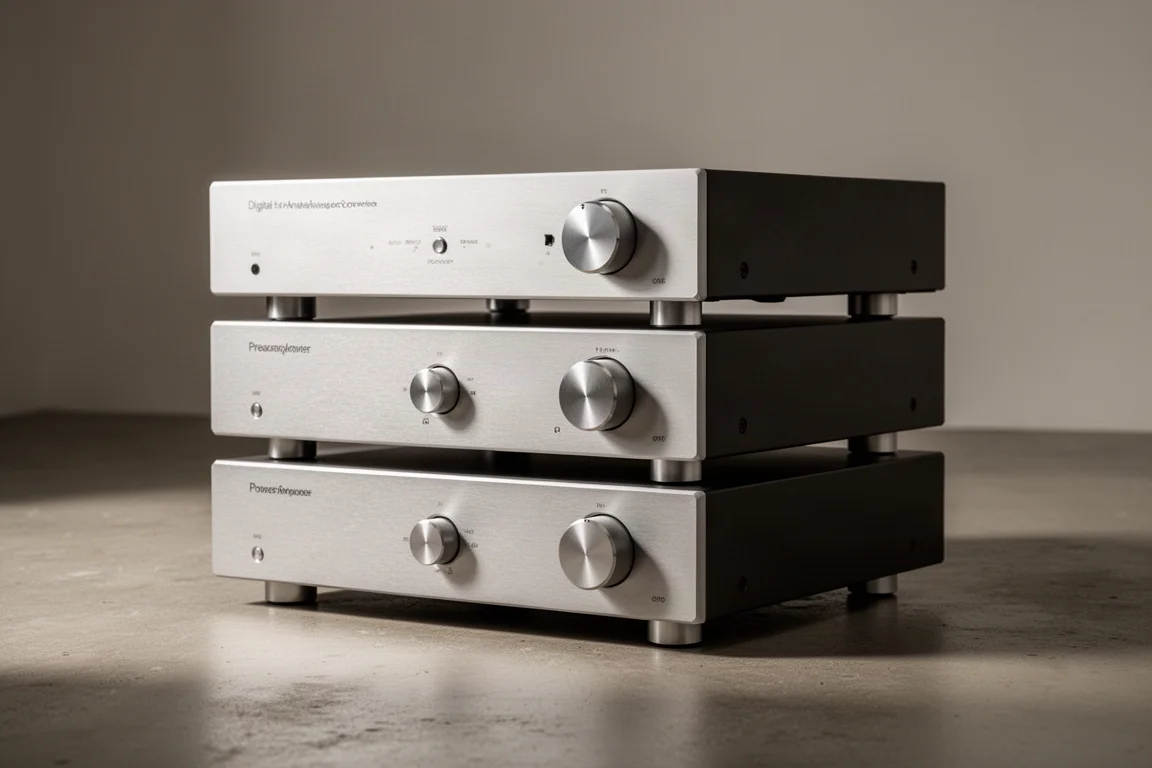
Denafrips has earned most of its reputation with digital-to-analogue converters, and the Ares II, Pontus II and Venus II are the three models that define the range for most listeners. The company also builds preamplifiers and power amplifiers, including the Hestia and Hades preamplifiers and the Thallo power amplifier, and those components take the sound in a noticeably different direction.
This guide works through each model in turn, explains what it does well, and flags the decisions that matter before you commit: system matching, balanced connections, and the tonal character you actually want in your room.
How These Denafrips Components Differ
The most useful thing to understand about this range is that the converters and the amplifiers do not share a single house sound. The DACs are valued for a natural tonality and a three-dimensional, immersive presentation. The amplifiers are cut from cooler cloth: clear, precise and analytical, with a leaner mid-bass and less of that immersive quality.
That difference is not a fault, but it does mean the two halves of the range suit different systems. If you are building around a Denafrips converter, the amplifier you pair with it will shape the final result at least as much as the converter does.
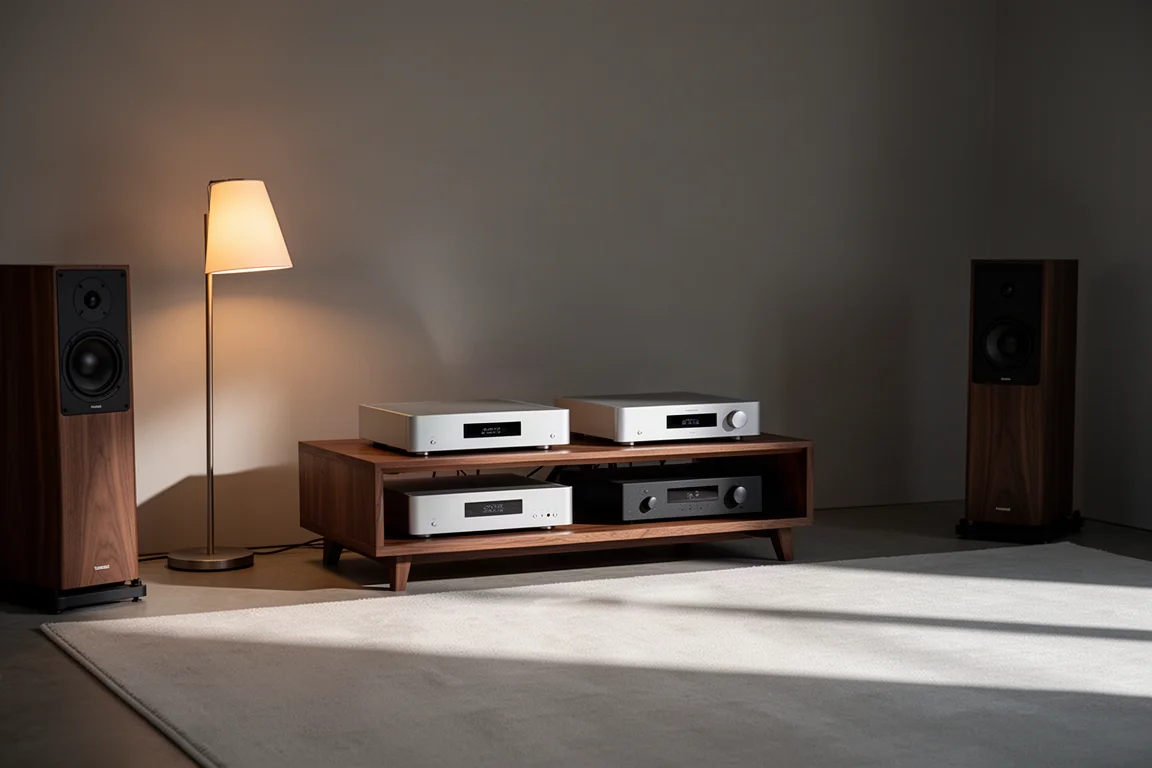
A second point worth knowing is that the amplifiers use large banks of capacitors, and capacitors are among the slowest components to settle in. Owners who have run these amplifiers for months report that the sound does change with use, though the change is a refinement rather than a transformation. It is worth planning for that settling period rather than judging the components in the first week.
Denafrips Ares II
The Ares II is the component that made the brand’s name. It is a converter that reset expectations for what a DAC costing less than £1,000 could do. Other converters can match it for sheer clarity, and a couple can exceed it, but when natural tonality and a three-dimensional, immersive sound are the priorities, nothing at this price comes close.
For most listeners building a first serious digital front end, that combination is the reason to buy it. It is a component that rewards a good recording rather than one that flatters a poor one.
Denafrips Pontus II
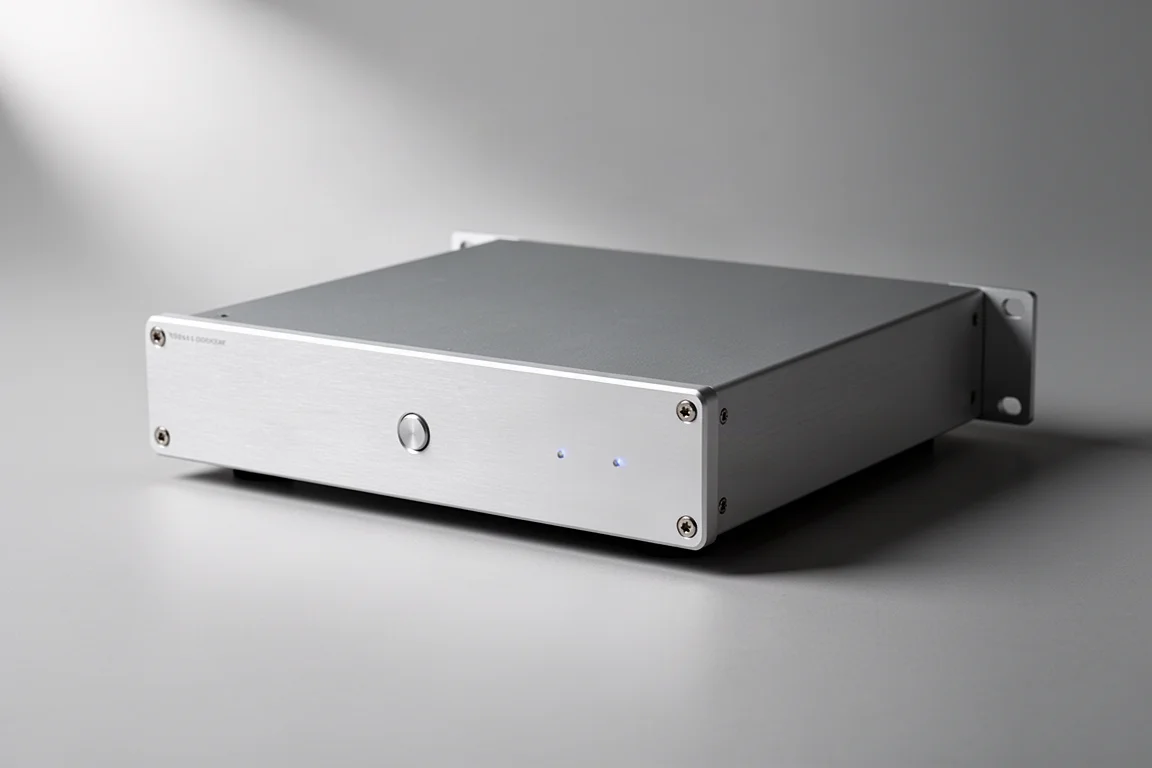
The Pontus II is the next step up, and it improves on the Ares II in both build quality and sound quality. It costs the best part of £2,000, which places it firmly in the territory of a serious system rather than a starter one.
That extra outlay makes most sense when the rest of the chain can show it. With a well-chosen pair of speakers and an amplifier in the £2,000 to £3,000 range, the Pontus II is worth the additional investment. In a more modest system, the gap between it and the Ares II will be harder to justify.
Build quality is part of the story here. The Pontus II feels like a more substantial component than the Ares II, and that physical step up matches the sonic one.
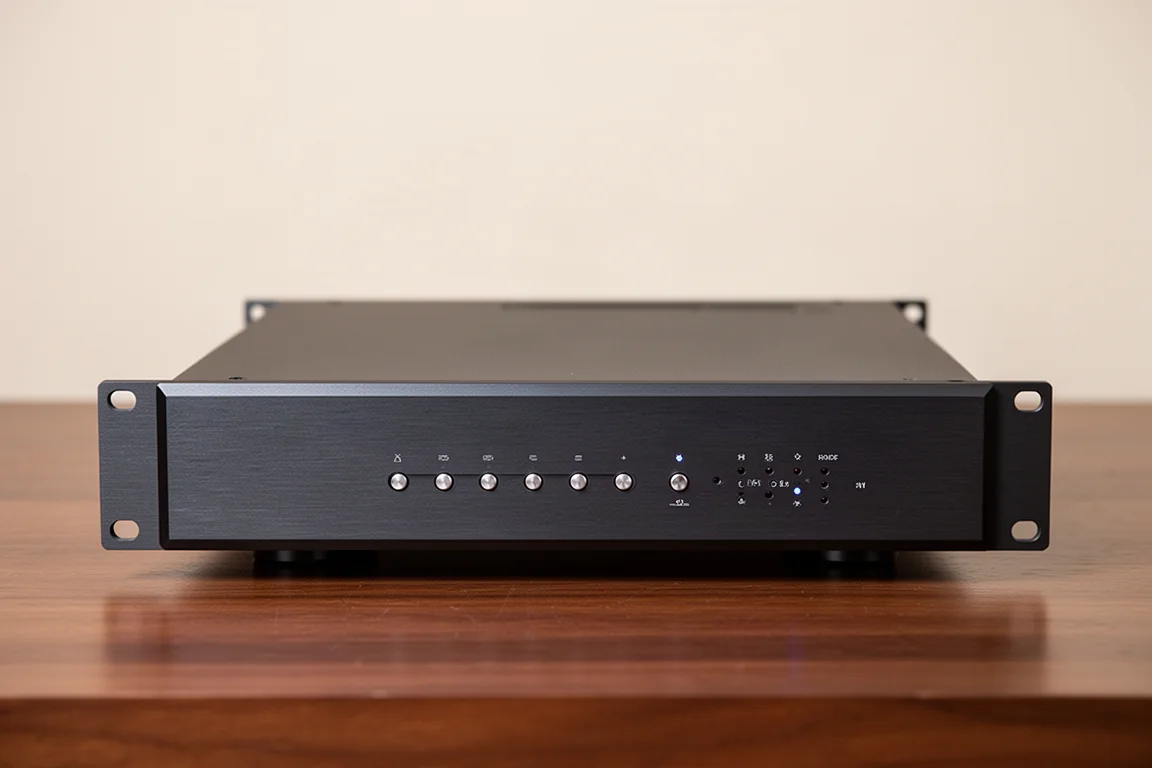
Denafrips Venus II
The Venus II is the next model up from the Pontus II, and it is not a sideways move. It holds its own against the models below it and is a capable performer in its own right.
If you are weighing the Venus II against the Pontus II, the deciding factor is usually the rest of the system rather than the converter itself. Both need speakers and amplification that can resolve what they are fed, and both reward a careful setup more than a quick one.
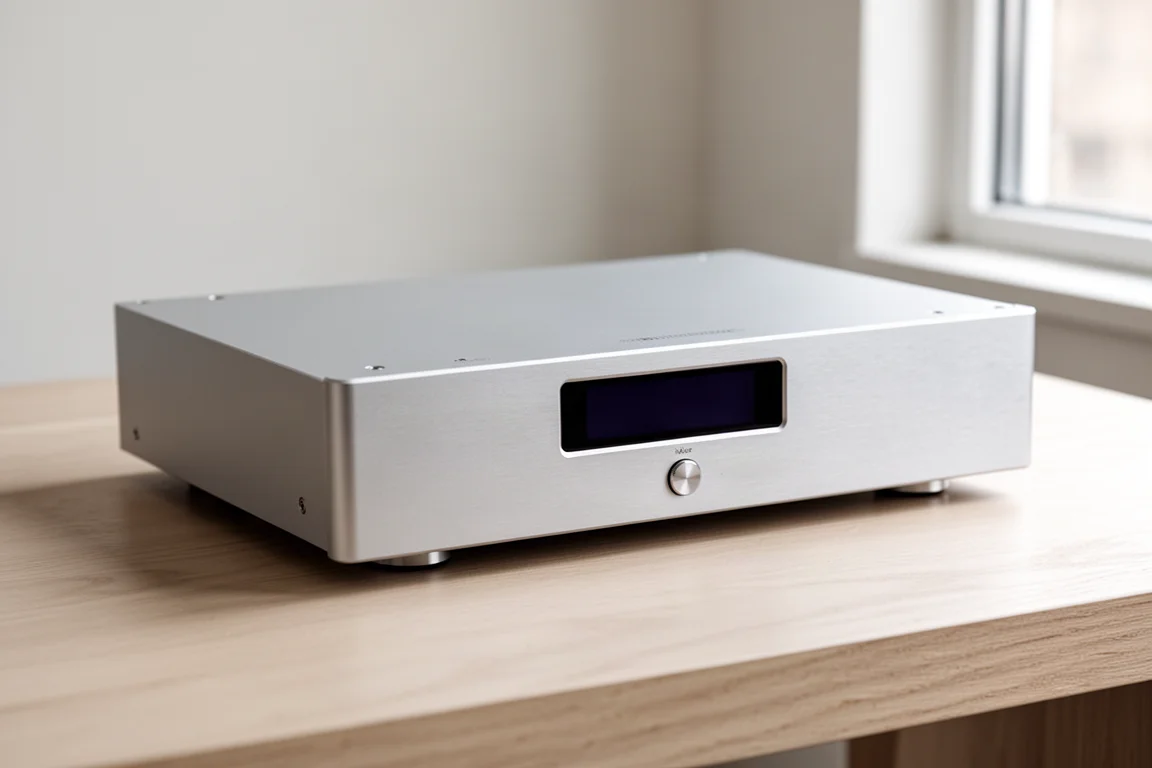
Denafrips Hestia Preamplifier
The Hestia is the entry-level preamplifier in the range and the most straightforward recommendation among the amplifiers. It retails for S$1,449, sold direct by the global distributor, which works out at roughly US$1,000 and around 30 percent less than the Hades above it.
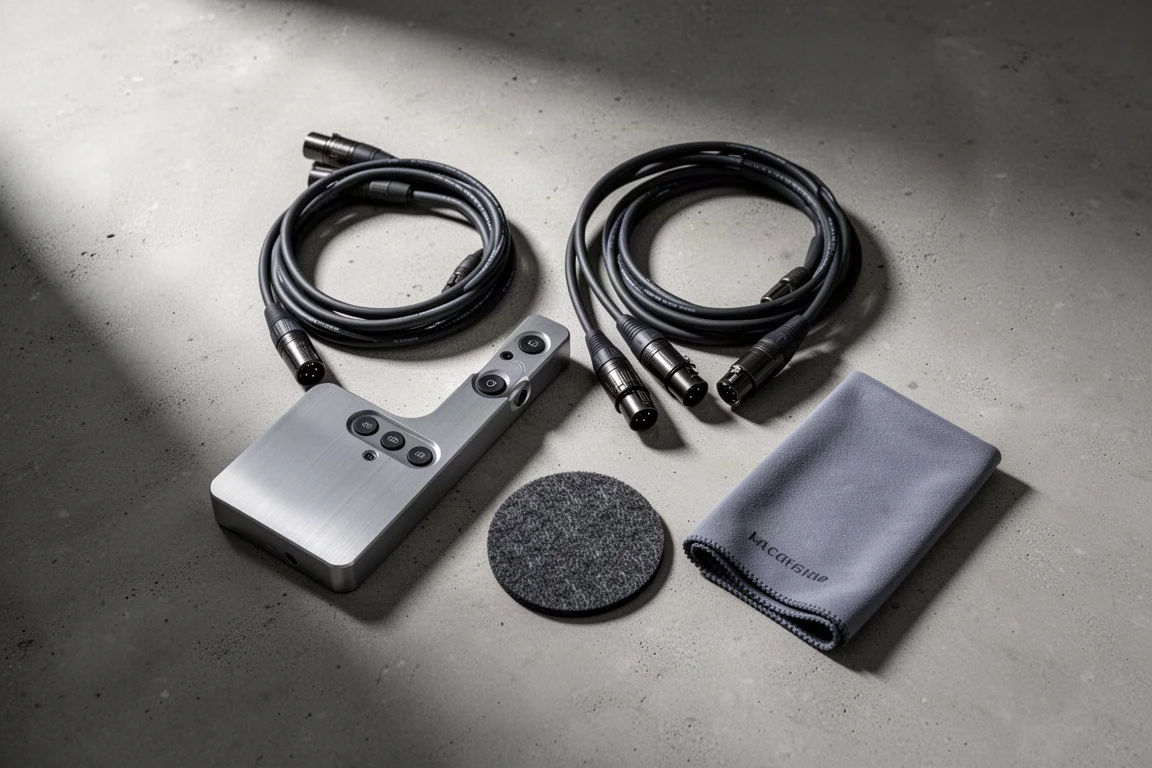
Physically it is three quarters the width of a full rack unit at 320 mm (12.6 inches), and it shares the Hades’ billet aluminium casework. The shallower chassis depth and the label are the main clues that you have the junior model. The fascia is otherwise identical: one knob mutes the unit and toggles between three inputs, the other adjusts 60 steps of microprocessor-controlled, relay-based attenuation. It ships with the same solid aluminium remote control.
Around the back, the Hestia is a genuinely fully balanced design with two XLR inputs and one single-ended RCA input, and you can choose XLR or RCA on the output to feed a power amplifier or powered speakers. Inside, the circuit is fully balanced too. Compared with the Hades, you get a smaller transformer, a less elaborate linear power supply and resistors matched to a looser tolerance.
Sonically, the Hestia is very good but not exceptional in the way the Hades and Thallo pairing can be. Its clarity is closer to what a good £3,000 integrated amplifier delivers. Its tonal balance is more neutral than the Hades, which makes it the easier fit across a wider range of price-appropriate systems. Both preamplifiers still lean dry and analytical, but the Hestia leans less far.
That makes it a useful corrective. If your system is on the rich side, lacks a little fidelity or has some lumpiness in the bass, the Hestia can tighten and clean things up. It is also the obvious choice if you need balanced XLR connectivity, for example with studio monitors or active speakers, where long unbalanced RCA runs are a genuine noise risk.
Two caveats are worth stating plainly. First, on a pair of £900 speakers such as the Q Acoustics Concept 30, the difference between the Hestia and the Hades was not especially noticeable, so system context matters. Second, the Hestia has limits in scale and dynamics, and it adds a slightly analytical sheen rather than a warm, musical one. For a fully balanced preamplifier at around £1,000 from an established brand, it is hard to think of a better alternative.
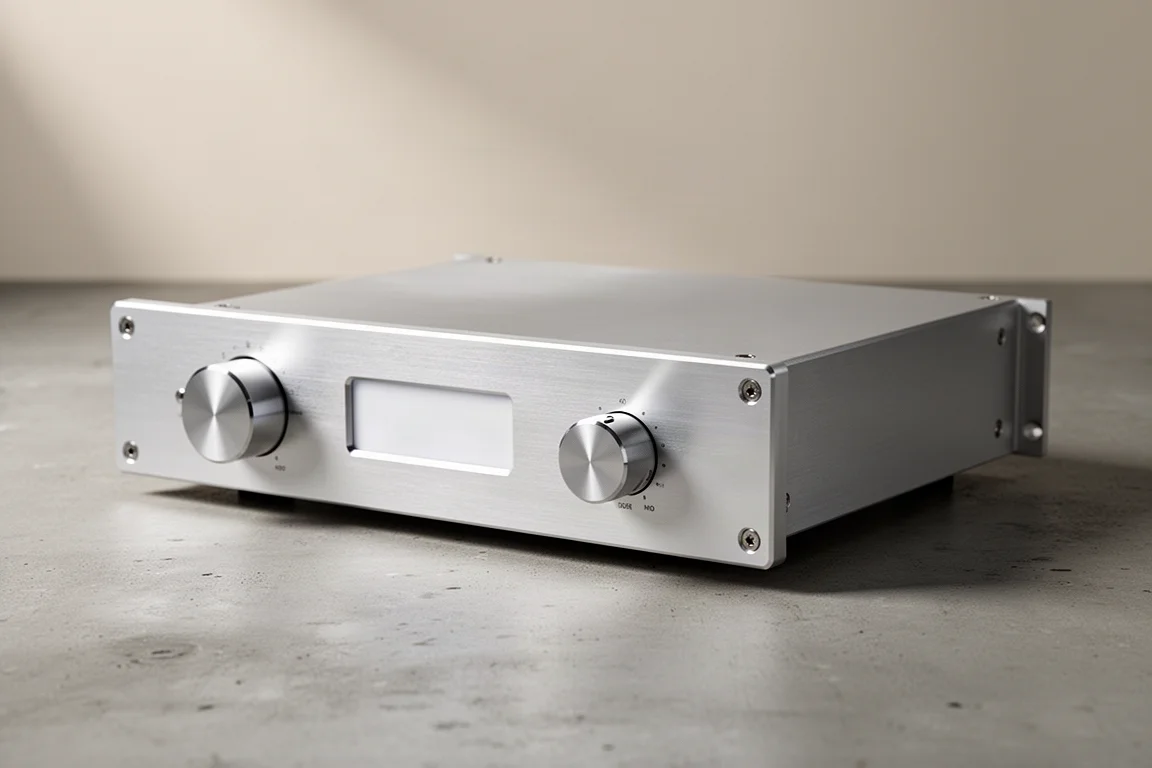
Denafrips Hades Preamplifier
The Hades is the step up from the Hestia and a more ambitious design. It uses a beefed-up toroidal transformer that delivers lower impedance, an improved linear power supply aimed at lower noise, and high-precision matched through-hole resistors held to tighter tolerances. Paired with the matching Thallo power amplifier, the combination was priced at the best part of £3,500.
The standout quality of the Hades and Thallo pairing is cleanliness. In a busy mix with half a dozen instruments playing at once, you can follow each one without bleed from the others, and you can hear where each note begins and ends. That is an exceptional trait, and it is the main reason to choose this preamplifier.
Tonality is where it divides opinion. The Hades takes a deliberate step into cool, analytical territory. It also lacks some of the mid-bass punch that makes a system feel lively, and it does not have the three-dimensional, immersive quality the Denafrips converters are known for.
Long-term use refines that picture without changing it. After roughly six months of daily use, the fundamental characteristics remain: the soundstage opens up a little and the dry, analytical nature is slightly less prominent, but it is still there. The traits noted at the start are still true, just less obvious. This is a preamplifier that will continue to polarize listeners.
The practical conclusion is that the Hades is a specialist component. It is the right choice for an analytical listener, or for a system that needs balancing in that direction, and the wrong one if you are chasing warmth or weight.
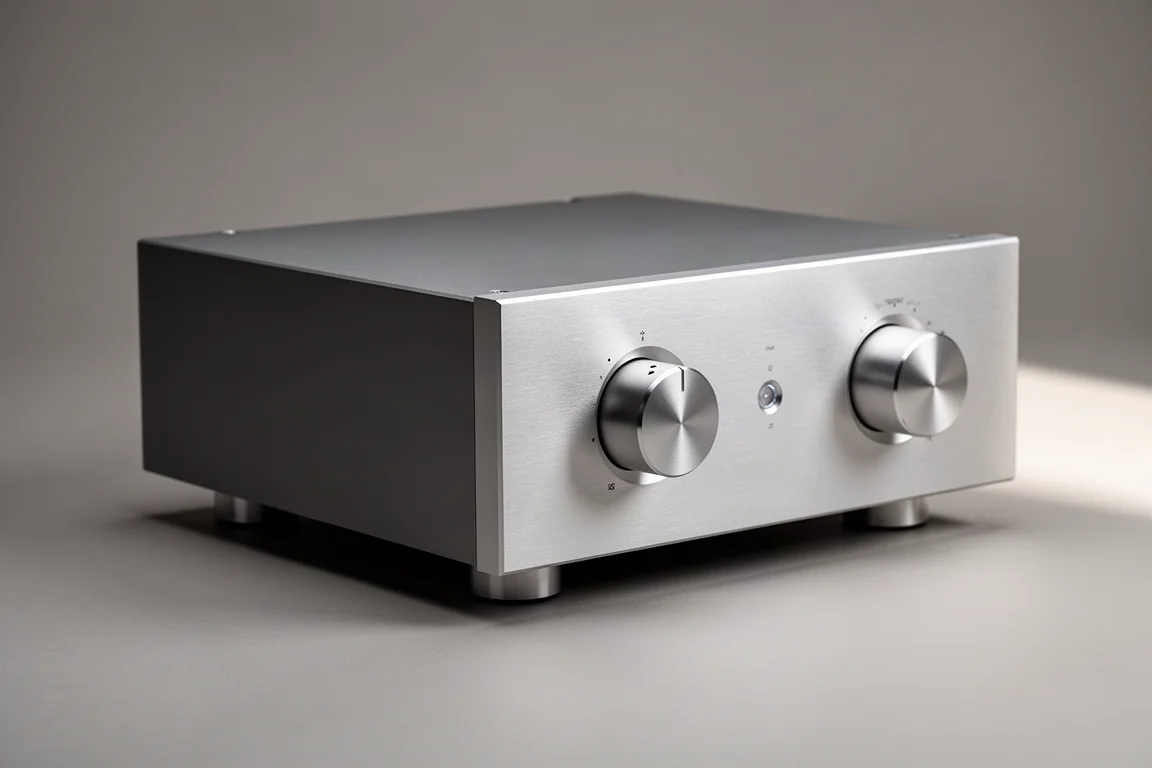
Denafrips Thallo Power Amplifier
The Thallo is the power amplifier that matches the Hades, and the two were designed as a fully balanced pair. Most buyers will choose the matching Denafrips power amplifier, and that pairing was also the best sonic fit.
The Thallo inherits the same character as the Hades preamplifier: superb clarity, a cool and analytical tonal balance, and a lean mid-bass. The cleanliness of the combination is its defining strength, and it is what you are paying for.
Synergy is the thing to watch. Matching a preamplifier and a power amplifier from different brands is often problematic, even when gains and impedances look compatible on paper. The Denafrips preamplifiers did not work well with other power amplifiers, and other preamplifiers did not work well with these power amplifiers either. Buying the Hades and Thallo together removes that risk, which is a large part of their appeal.
Buying Advice: Synergy, Speakers and System Matching
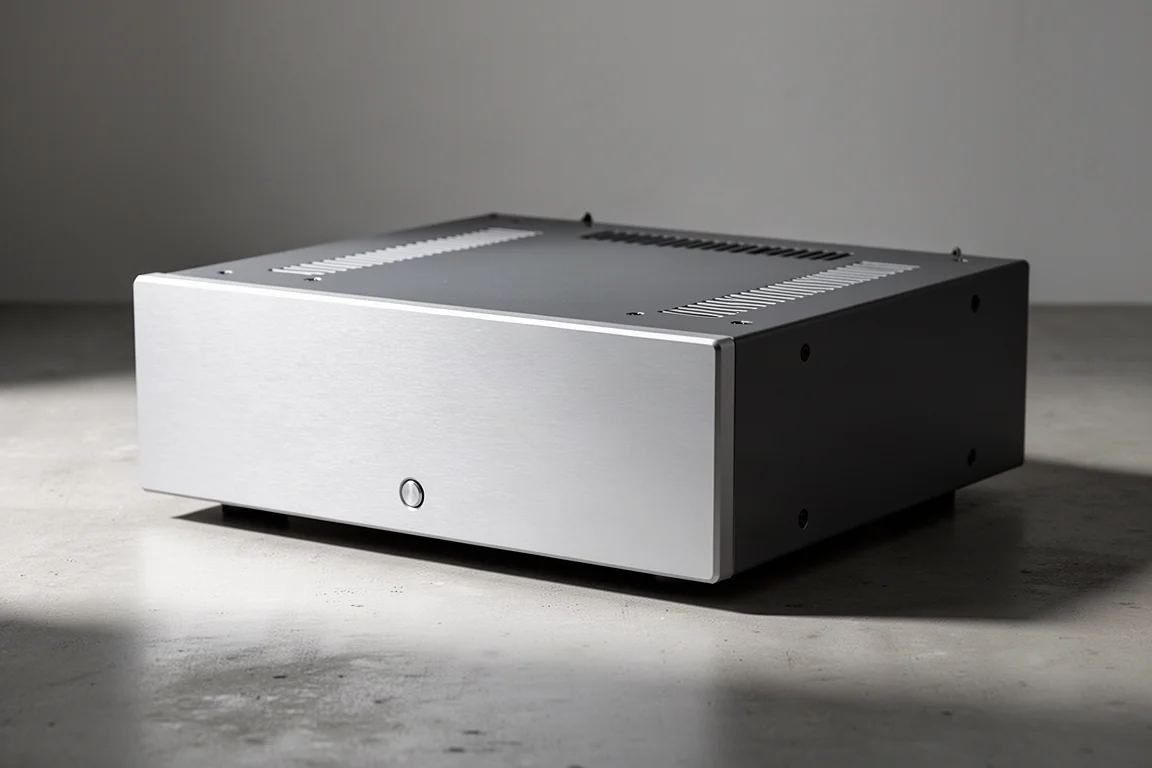
Neither the Hestia nor the Hades is a plug-and-play component in the sense of suiting every system. Both are best treated as tuning tools as much as preamplifiers.
The Hestia is the easier universal recommendation. Its more neutral tonal balance means it works well across a wider spread of price-appropriate systems, and it remains the sensible choice if you need a balanced connection. The Hades is for a narrower buyer: someone who wants maximum clarity and does not mind a cool, analytical presentation, or someone whose system is already warm and needs balancing the other way.
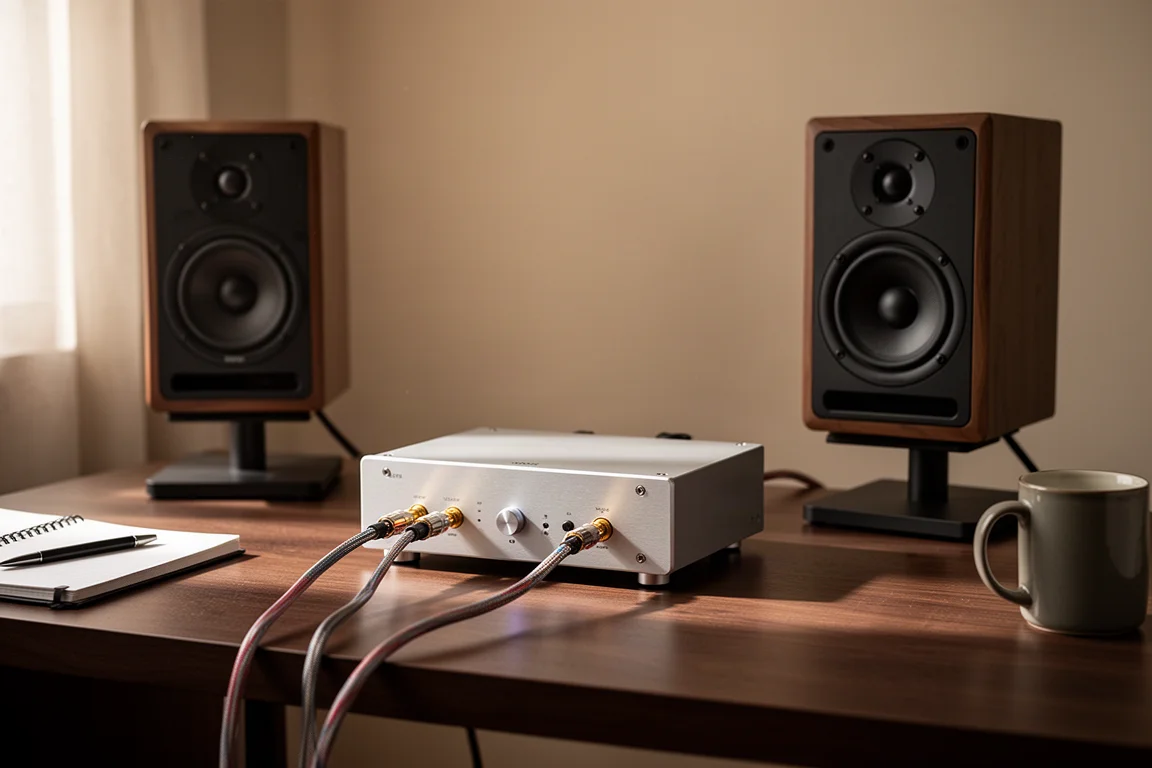
Speaker quality sets the ceiling on what any of this can show you. With a £900 pair of speakers, the gap between the Hestia and the Hades was not especially noticeable. With a more revealing pair, the differences in tonality and clarity were obvious. If you are considering the Hades, be honest about whether the rest of your system can resolve the difference.
Budget works the same way. The Hestia sits at around £1,000 equivalent, roughly 30 percent below the Hades, and the Hades plus Thallo pairing lands at the best part of £3,500. Those are meaningful jumps, and each one only pays off if the speakers and source are up to it.
Finally, think about cabling and connectivity before you buy. If your speakers are active or your cable runs are long, the Hestia’s fully balanced input and output stage is a real advantage rather than a specification line. A balanced signal from a balanced converter through a balanced preamp to balanced powered speakers keeps noise rejection working end to end.
Conclusion
Denafrips has two distinct personalities in one range. The Ares II, Pontus II and Venus II are the natural, immersive side of the catalogue. The Ares II remains the standout value under £1,000, and the Pontus II is a worthwhile step up in a system that can reveal it.
The amplifiers are the other story. The Hestia is the approachable one: fully balanced, beautifully built, more neutral than its bigger sibling, and easy to recommend at around £1,000. The Hades and Thallo pair offers exceptional clarity, but their cool, analytical character and their preference for matching within the brand mean they are best bought deliberately rather than by default.
Choose the converters for tonality and immersion. Choose the amplifiers for clarity, and only after you have thought carefully about the system around them.
Further reading
Related Reviews
Hi-Fi Audio
Accuphase C-57 vs Allnic H-7000V: Two High-End Phono Stages Compared
A fully balanced solid-state phono stage with a pitch-black noise floor meets a tube design built for well-loved records. Here is how to choose between them.
Hi-Fi Audio
Active vs Passive Hi-Fi: Five Components for a Modern System
Five components that define modern active and passive hi-fi systems, with the strengths, trade-offs and setup details worth weighing before you buy.
Hi-Fi Audio
Advance Paris A10 Apex Review: A Hybrid Integrated Amplifier That Covers a Lot of Ground
A French hybrid integrated amplifier with a class A tube preamp stage, analogue power meters, and an internal DAC and phono stage good enough to make extra boxes unnecessary.