Hi-Fi Audio
Denafrips Ares 12th Anniversary Edition Review: A Ladder DAC That Pulls You Into the Music
A discrete resistor ladder converter with an added I2S input, a revised power supply, and a sound built around engagement. Here is what to know before buying.
Introduction
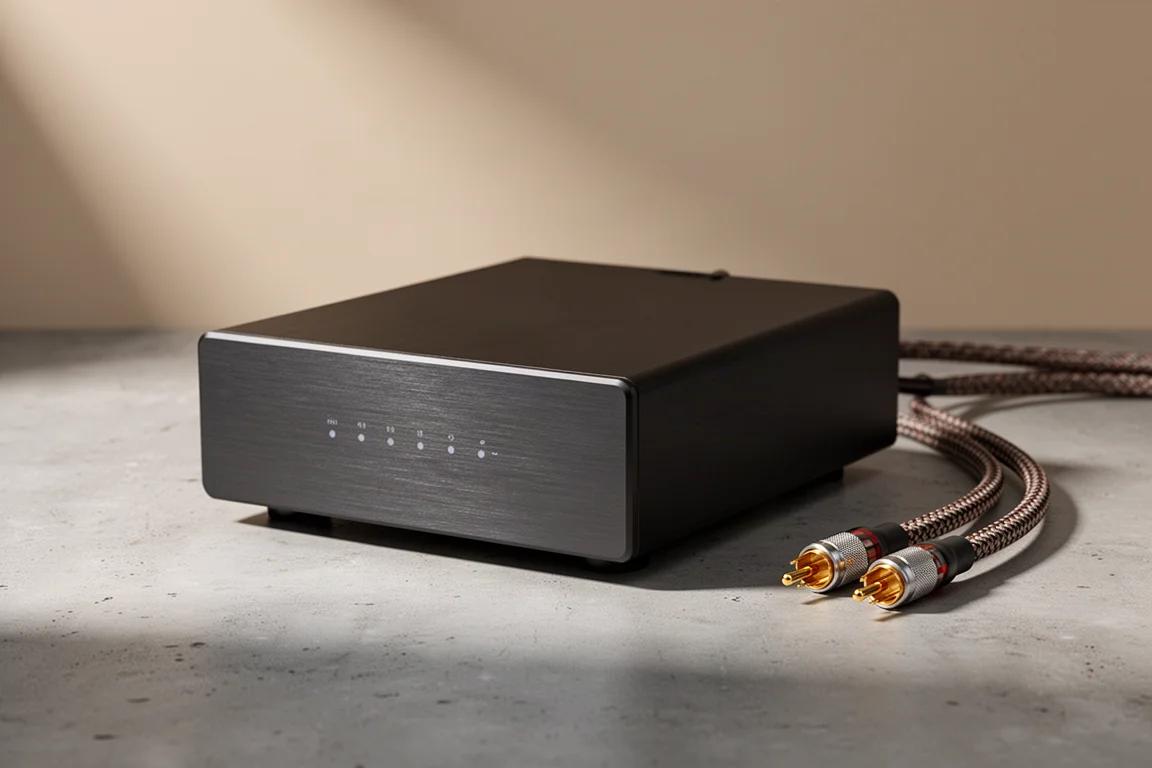
Denafrips builds its converters around discrete resistor ladder designs rather than off-the-shelf DAC chips, and the Ares 12th Anniversary Edition applies that approach to the most affordable model in the line. It is based on the original Ares, with a few meaningful changes: an added I2S input, a revised power supply, and a revised re-clocking circuit. Inside the chassis, 480 precision resistors handle the conversion.
Support is generous for the category. The converter accepts DSD1024 and PCM up to a 1536 kHz sampling rate at 24-bit, and it is designed to sound involving rather than merely tidy.
That sense of involvement is the heart of the story. The Ares 12th Anniversary Edition keeps a listening session moving from one album to the next, and that is a rarer quality than a clean measurement.
Design and Build Quality
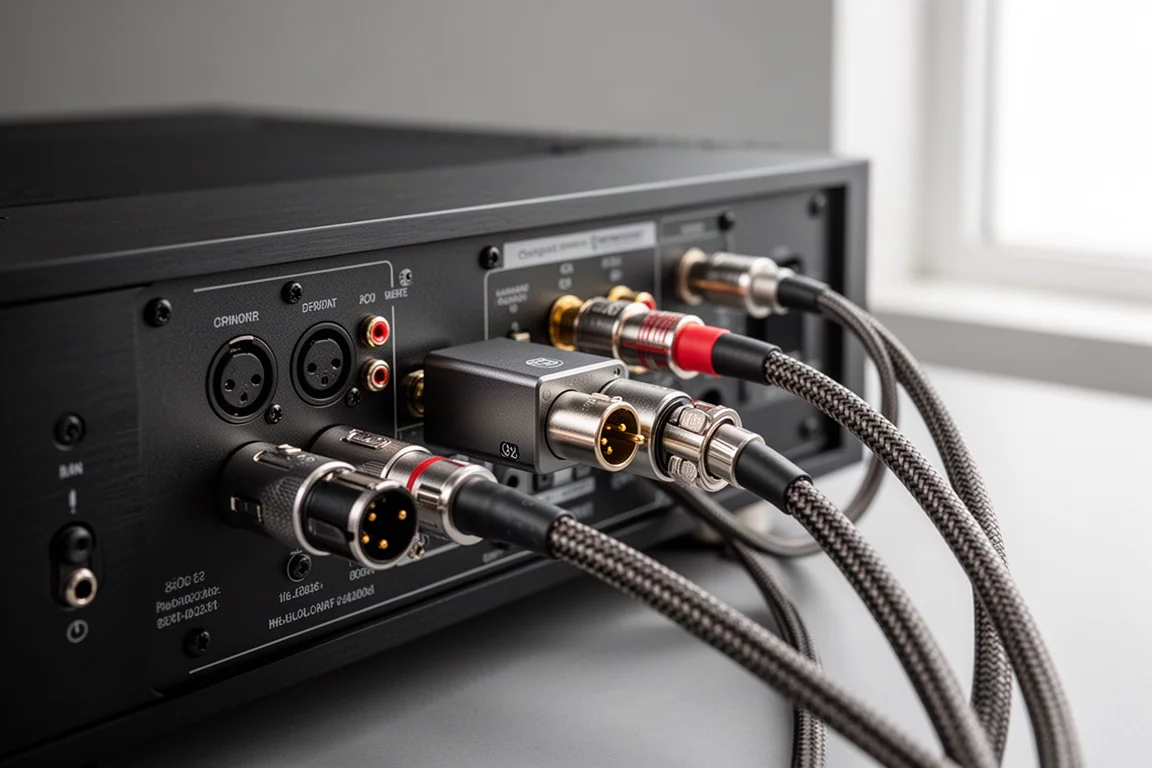
The input and output set covers the essentials and a little more. There are four inputs: coax, optical (Toslink), I2S and USB 2.0. Outputs are stereo RCA and XLR balanced. There is no headphone jack, and there is no MQA decoding.
Build quality feels very solid. A large transformer accounts for much of the weight inside the chassis, and the assembly feels carefully put together rather than simply heavy.
Two small details are worth knowing before you commit. Denafrips does not include a remote control with its converters, and the front panel indicator LEDs are exceptionally small. They are only readable from a fairly precise listening height and effectively invisible from above. Neither point gets in the way of daily use, but both are worth factoring into a decision.
Denafrips designs and builds its products in China, and this model carries a three-year warranty.
Who This DAC Is For
The Ares 12th Anniversary Edition suits listeners who care about how music feels as much as how it measures. If your source has an I2S output and you want to use it, or if you prefer a discrete ladder design over a mass-market converter chip, this is a natural candidate.
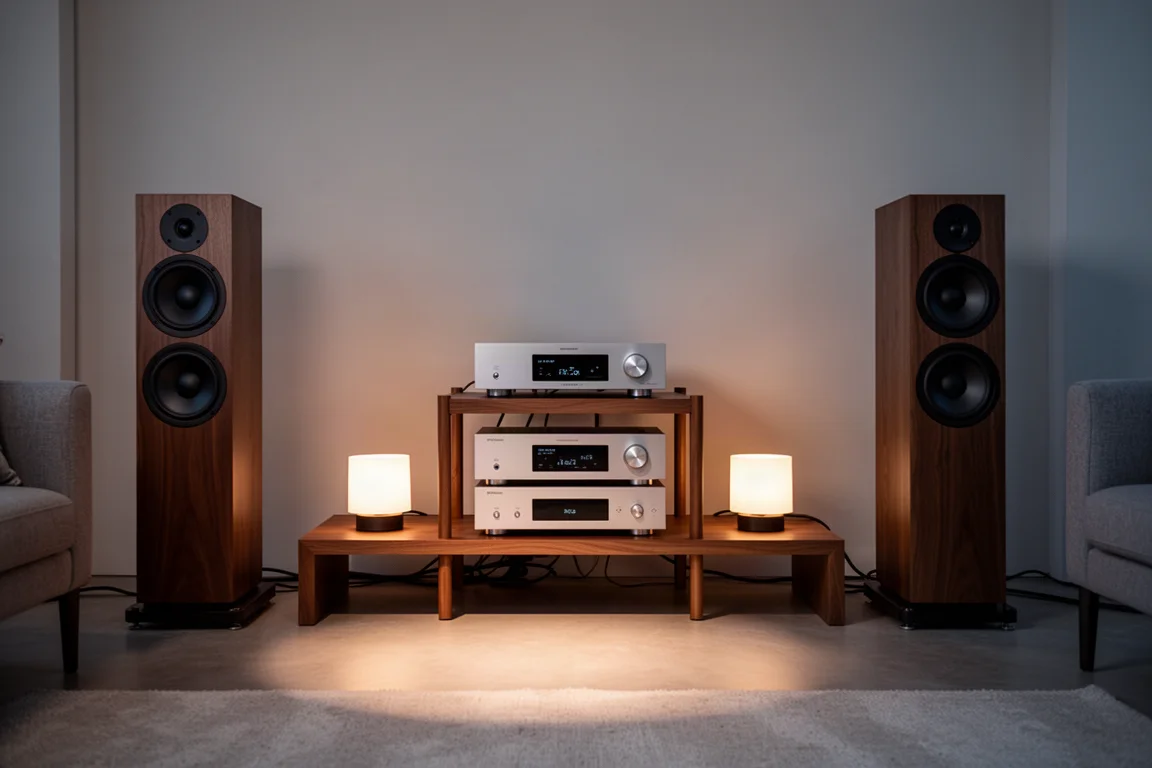
It also fits systems built around a separate preamp and power amplifier, since the XLR outputs allow a balanced connection. It is a weaker fit if you need a built-in headphone output, rely on MQA decoding, or want a remote control within reach of the listening chair.
Pricing sits in a clear place. The standard Ares is still in production at 1,149 Singapore dollars, which converts to about 862 US dollars, while the 12th Anniversary Edition is listed at 1,349 Singapore dollars, roughly 1,015 US dollars.
Main Strengths
The strongest argument for this converter is not one standout trait but the way it holds attention. Piano tone, touch, rhythm and pace come through with a natural flow, and on quieter acoustic material the soft, subdued character of the playing is preserved instead of being sharpened into glare.
Set against the original Ares, the differences come down to space and drive. The 12th Anniversary Edition presents a wider and deeper soundstage, and it pushes further forward of the plane of the speakers. Bass lands with more punch, percussion cuts through more clearly, and the presentation as a whole sounds more live. The original Ares is a touch more laid back and sweeter, with less detail and clarity. Both are enjoyable, but the 12th Anniversary Edition is the more capable converter of the two.
Format support rounds out the picture. DSD1024 and PCM up to 1536 kHz at 24-bit cover high-resolution libraries comfortably, and the four inputs mean most sources can be connected without an adapter in sight.
How It Compares With Other Converters
There is a broader context worth setting. Several very different converter designs end up sounding good in their own ways, and the useful question is not which one wins outright but which character suits a system and a listener.
An early-generation 16-bit converter with a gentler, more restrained voicing makes a telling contrast. It has a sweetness that is easy to like, but switching to the Ares 12th Anniversary Edition brings the performance to life: cymbals sizzle more clearly, piano attack lands harder, and the music gains a sense of occasion.
A multibit converter compared alongside it came across as slower and more lethargic, with less spring in its step. The Ares 12th Anniversary Edition livened up the same recordings and kept the listener leaning forward rather than settling back.
The honest summary is that all of these converters sound good, and the gaps between them are subtle rather than dramatic. What separates the Ares 12th Anniversary Edition is character: it is the one that makes you want to keep going.
Things to Consider Before Buying
- No headphone output. Listeners who use headphones most of the time will need a separate amplifier.
- No MQA decoding. Anyone invested in MQA needs to look elsewhere.
- No remote control. Power and input selection are handled at the unit.
- Very small indicator LEDs. Reading the front panel requires a specific viewing height.
- The I2S input only pays off with a compatible source.
Beyond the feature list, the differences between this model and the original Ares are real but subtle. Listeners who already enjoy the original’s sweeter, more relaxed presentation should not expect a transformation, and anyone shopping purely on specifications will find more obvious upgrades elsewhere.
Buying Advice
Choosing between the two current Ares models comes down to priorities. The 12th Anniversary Edition adds the I2S input, the revised power supply and the revised re-clocking circuit, and it delivers a bigger soundstage, stronger bass and a more live presentation. Those are the concrete reasons to pay the difference.
The standard Ares remains a fine converter in its own right, and its sweeter, more laid back balance has its own appeal. If it is already in your system and you are happy with it, there is no urgency to change.
If you are buying today and the extra cost is comfortable, the 12th Anniversary Edition is the better converter of the pair. Match it with a source that can use the I2S input, feed it into a preamp with balanced inputs, and the strengths described here are easy to hear.
Conclusion
The Ares 12th Anniversary Edition does what a good converter should: it disappears into the music. Denafrips has kept the discrete ladder architecture and the engaging voicing of the original Ares, then added an I2S input and revisions to the power supply and re-clocking circuit that give it more space, more punch and a more immediate sense of performance.
It is not a feature-first purchase. There is no headphone jack, no MQA support and no remote, and the indicator LEDs demand a specific seat height. Buy it for the way it presents music, not for a checklist.
For listeners who want to stay in the chair for one more album, that trade-off is easy to accept.
Product link
View more details for Denafrips Ares 12th Anniversary Edition
This product is mentioned in the review. Check the specifications, options, and compatibility before buying.
View more details for Denafrips Ares 12th Anniversary EditionFurther reading
Related Reviews
Hi-Fi Audio
Accuphase C-57 vs Allnic H-7000V: Two High-End Phono Stages Compared
A fully balanced solid-state phono stage with a pitch-black noise floor meets a tube design built for well-loved records. Here is how to choose between them.
Hi-Fi Audio
Active vs Passive Hi-Fi: Five Components for a Modern System
Five components that define modern active and passive hi-fi systems, with the strengths, trade-offs and setup details worth weighing before you buy.
Hi-Fi Audio
Advance Paris A10 Apex Review: A Hybrid Integrated Amplifier That Covers a Lot of Ground
A French hybrid integrated amplifier with a class A tube preamp stage, analogue power meters, and an internal DAC and phono stage good enough to make extra boxes unnecessary.