Power Amplifiers
Denafrips Apollo Review: A 55 kg Balanced Power Amplifier That Punches Far Above Its Price
The Denafrips Apollo pairs a 2,000 VA transformer and 32 bipolar output devices with a warm, silky character and firm bass grip, at a price well below the flagships it invites comparison with.
Introduction
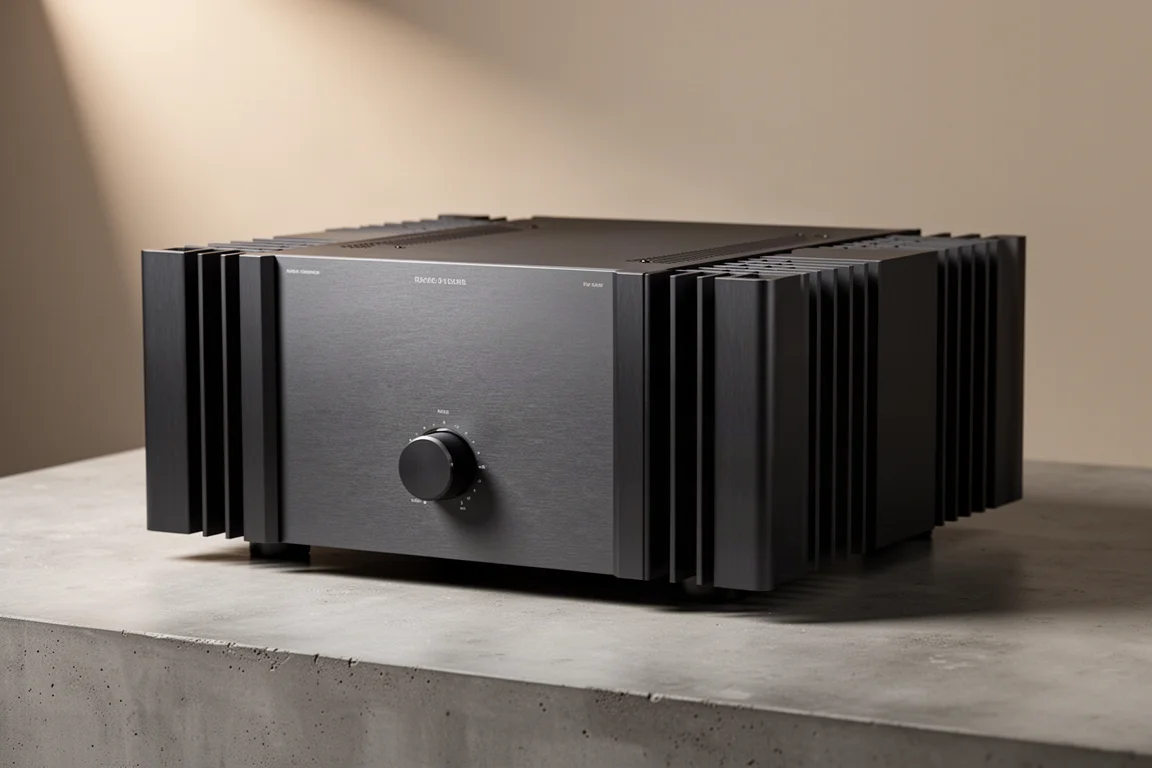
The Denafrips Apollo is a stereo power amplifier built around a straightforward premise: deliver serious current and output power without the price tag that usually accompanies it. At roughly 55 kilograms, it is a component you install and then leave alone, and the mass comes from what is inside rather than from cosmetic ballast.
Denafrips rates the Apollo at 225 watts into 8 ohms and above 400 watts into 4 ohms. It is a fully balanced design from input to output, and that choice shapes both its character and the way it connects to the rest of a system.
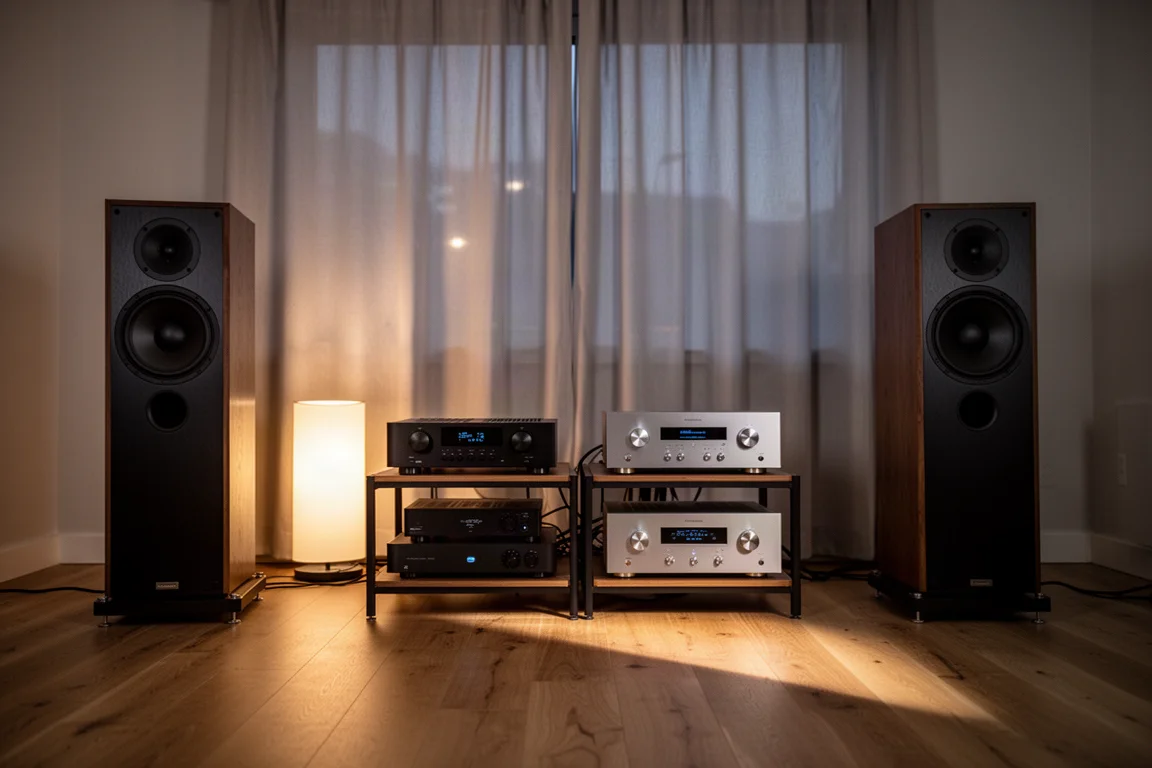
In use, the amplifier’s appeal is less about a single headline number and more about the combination of drive, tone and price. The sections below cover who it suits, how it is built, how it sounds, and what to weigh before buying.
Who the Denafrips Apollo Is For
This amplifier makes most sense for listeners whose speakers ask a lot of an amplifier. Demanding stand-mount designs, panel speakers and low-impedance loads are all part of the Apollo’s comfort zone, and owners of speakers that have sounded constrained on smaller amplifiers are the most likely to notice the difference.
It also suits systems already built around balanced connections. If your preamplifier and sources run balanced, the Apollo fits naturally. If your chain is single-ended, the amplifier’s input arrangement will need attention before you commit.
Finally, it appeals to buyers who want a warm, full-bodied solid-state presentation rather than a bright, analytical one. The Apollo leans smooth, and that character is a deliberate part of its value.
Build Quality and Power Delivery
The chassis is a full aluminium enclosure, and the heat sinks are finished so they do not bite when you move the amplifier into place. That detail matters more than it sounds when a component weighs as much as this one does.
Inside, the headline part is a 2,000 VA toroidal transformer with copper shielding, custom made for audio use. It is unusually large for an amplifier at this price, and its purpose is current delivery: the ability to feed a speaker the energy it demands when the music asks for it. Alongside it sit 16 pairs of bipolar transistors per side, 32 in total, plus a substantial bank of filter capacitance that provides headroom and immediate drive.
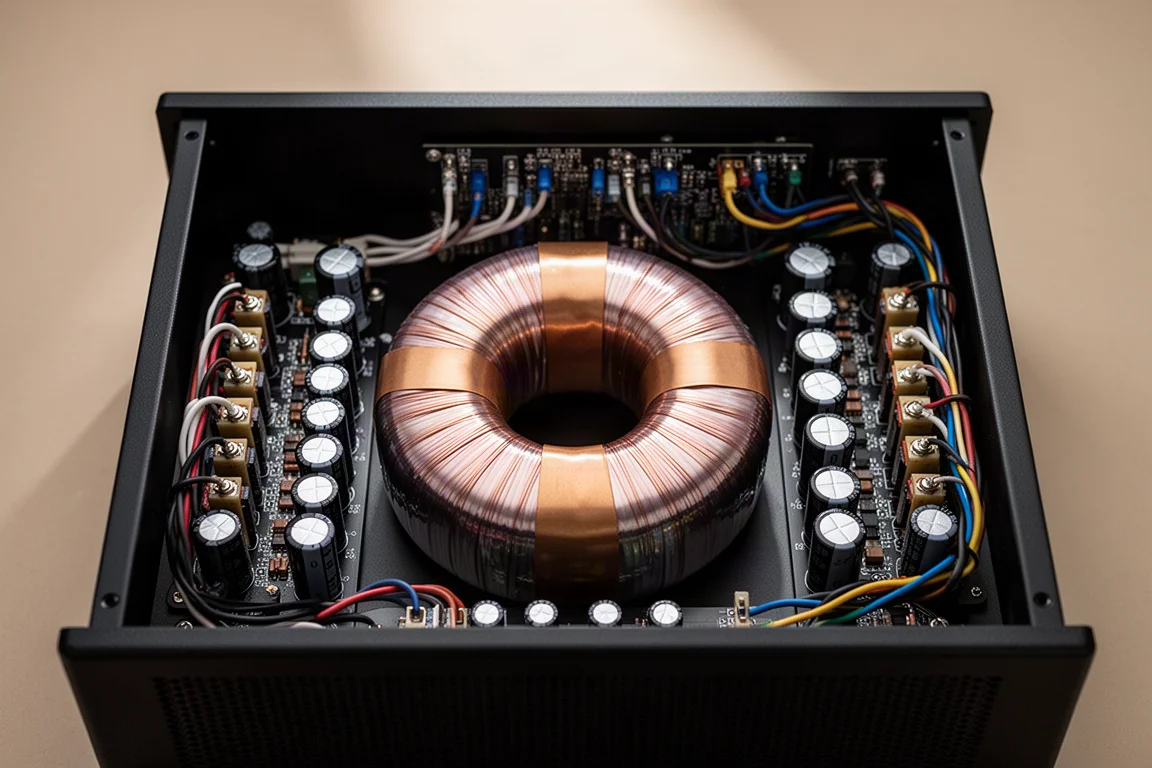
In practice, that combination means the Apollo drives difficult loads without strain. Demanding stand-mount speakers, panel speakers and even low-impedance designs have all been handled without complaint, and the amplifier never sounds as though it is working hard to keep up.
Sound Character
The Apollo’s tonal signature is warm. The mid-range is silky and full, the bass has genuine authority and grip, and the top end is smooth rather than sparkling. Listeners moving from a more treble-forward amplifier may initially hear the highs as softer, or even slightly rolled off, although the information is still present.
That bass grip is the amplifier’s strongest technical trait. Kick drums and bass lines arrive with control and texture, and the sense of punch and drive stays consistent when the music gets dense.
Where the Apollo gives up ground is in spatial presentation. It renders a wide, solid image, but depth and layering are more modest than what more expensive designs can achieve. On large speakers in a decently sized room that trade-off is easy to live with, and the amplifier’s overall musicality tends to matter more than its last degree of air.
Things to Consider Before Buying
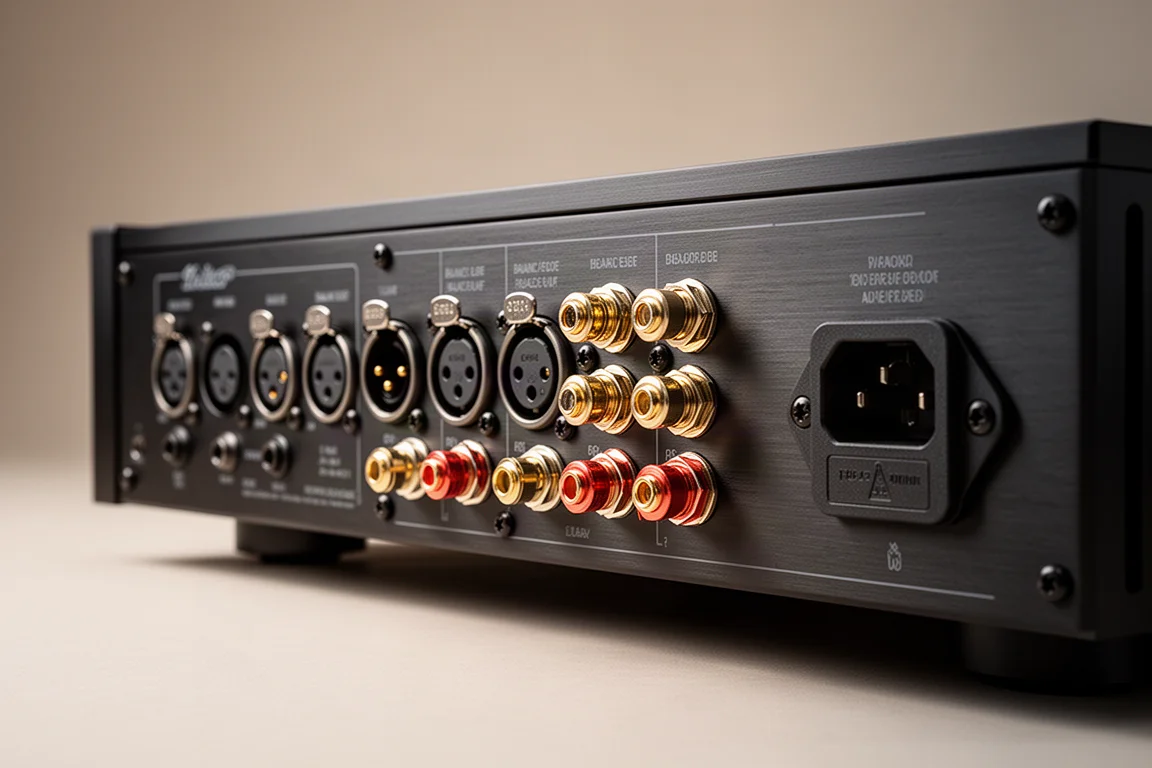
The first consideration is connectivity. Because the Apollo is fully balanced, it accepts balanced inputs only. There are no single-ended inputs on the rear panel, so a single-ended preamplifier will need an adapter or a different approach. For anyone already running balanced, this is a non-issue.
The second is weight and logistics. At roughly 55 kilograms, the amplifier needs a sturdy rack or shelf, and ideally a second pair of hands during setup. Plan the space before it arrives.
The third is service. Distribution for this model operates from Singapore while the amplifier is manufactured in China, and the support model reflects that distance. Rather than shipping a 55 kilogram amplifier back and forth, the approach is remote troubleshooting, with parts supplied so that an owner or a local technician can carry out the repair, along with communication throughout the process. It is a different arrangement from the ship-back service common with larger brands, and it is worth understanding before you buy. Owners have reported that this support is responsive in practice.
Buying Advice
At around S$5,000, or roughly US$3,600, the Apollo sits far below the flagship power amplifiers it invites comparison with. Judged purely on parts and current capability, that price is difficult to argue with: a transformer of this size and this much filter capacitance are not features you normally find at this level.
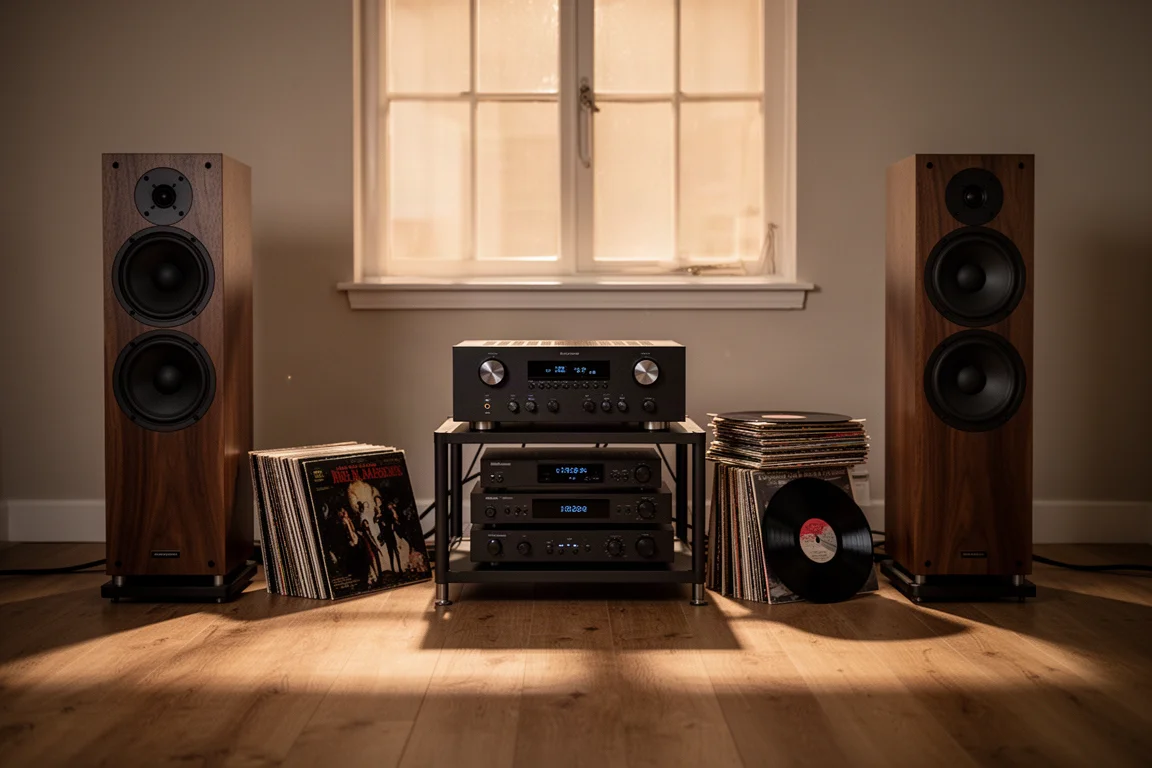
The right way to think about the purchase is by speaker. If your speakers are easy to drive and your system is single-ended, the Apollo’s advantages will be harder to justify. If your speakers are demanding, your chain is balanced, and you want a warm, powerful amplifier with real bass control, the Apollo delivers far more than its price suggests.
Conclusion
The Denafrips Apollo is a heavy, powerful, fully balanced amplifier with a warm and silky mid-range, firm bass grip and a smooth top end. It gives up a little spatial depth and some treble sparkle compared with considerably more expensive designs, and its balanced-only inputs and remote-support service model are genuine considerations. For listeners with demanding speakers and a balanced signal chain, it represents a substantial amount of amplifier for the money.
Product link
View more details for Denafrips Apollo
This product is mentioned in the review. Check the specifications, options, and compatibility before buying.
View more details for Denafrips ApolloFurther reading
Related Reviews
Power Amplifiers
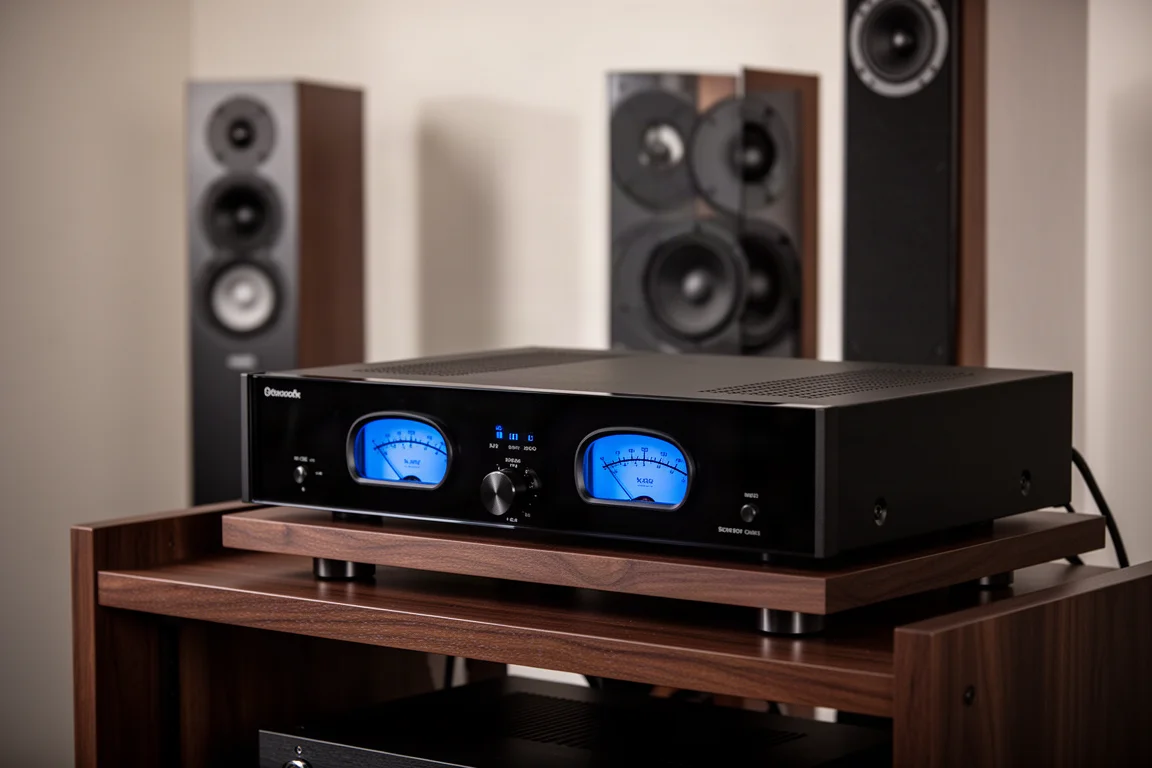
Advance Paris X-A160 EVO Review: A Focused Power Amplifier Built to Last
A $1,999 stereo power amplifier with selectable class A bias, 160 watts per channel, blue VU meters, and a build designed to be serviced for decades.
Power Amplifiers
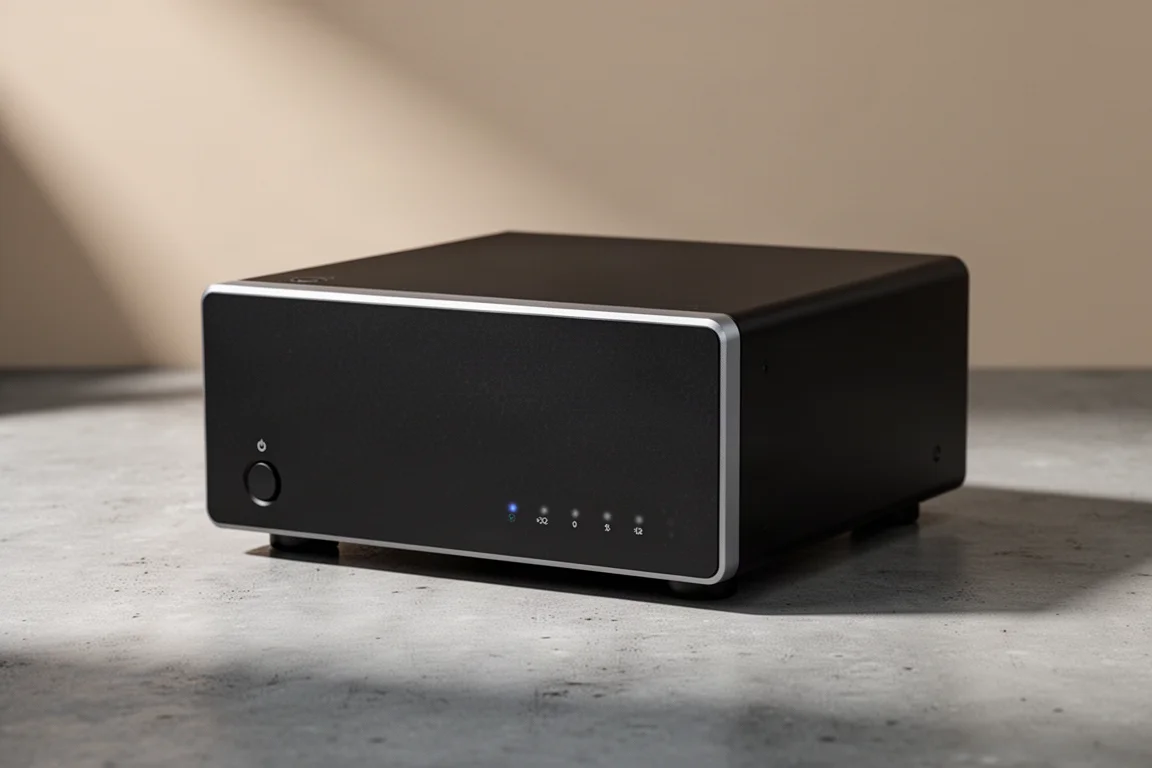
Benchmark AHB2 Review: A Compact Power Amplifier Built Around Transparency
A compact reference-oriented power amplifier with THX-patented feed-forward error correction, balanced-only inputs, and the current to drive low-impedance speakers.
Power Amplifiers
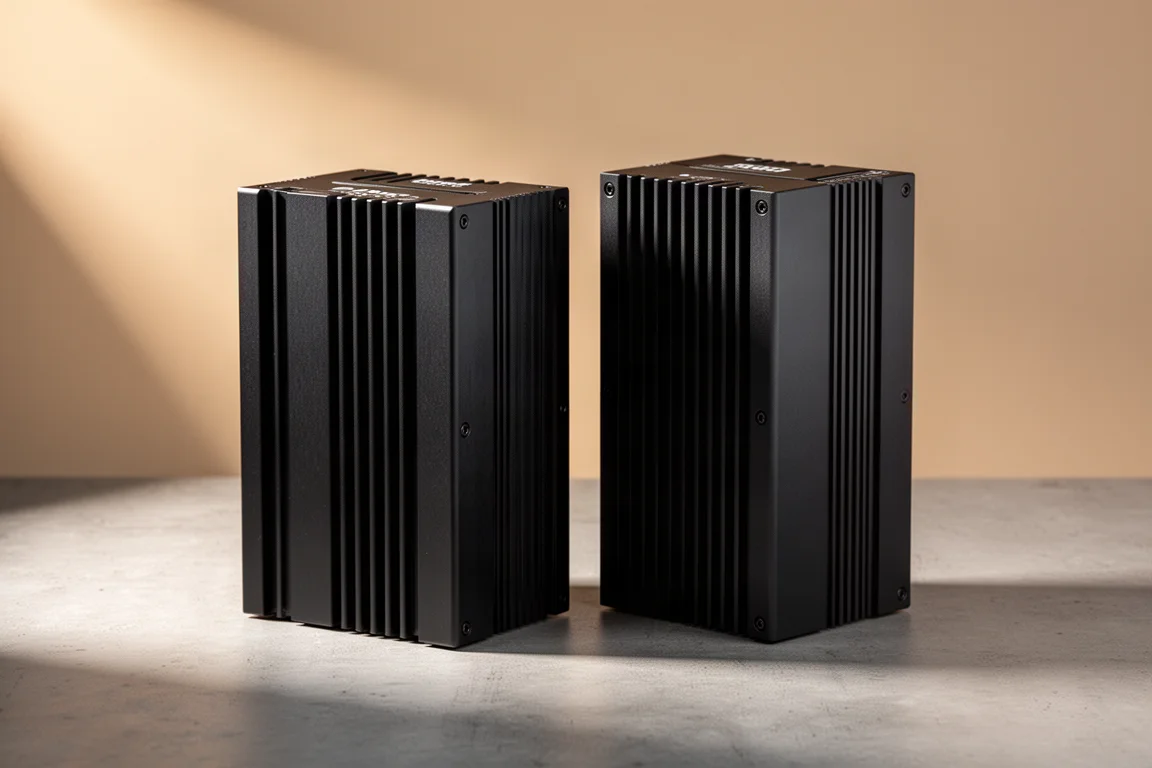
Burson Timekeeper 3X GT Review: Class A Character in a Compact Monoblock
A compact flagship monoblock with the first 30 watts in Class A, 110W into 8 ohms, pinpoint imaging, and an unusually large soundstage.