Home Audio
Definitive Technology Dimension DM80 Review: A Bipolar Tower With Serious Bass
A close look at the Definitive Technology Dimension DM80, a bipolar floorstanding tower with built-in powered subwoofers, covering its strengths, placement demands and buying advice.
Introduction
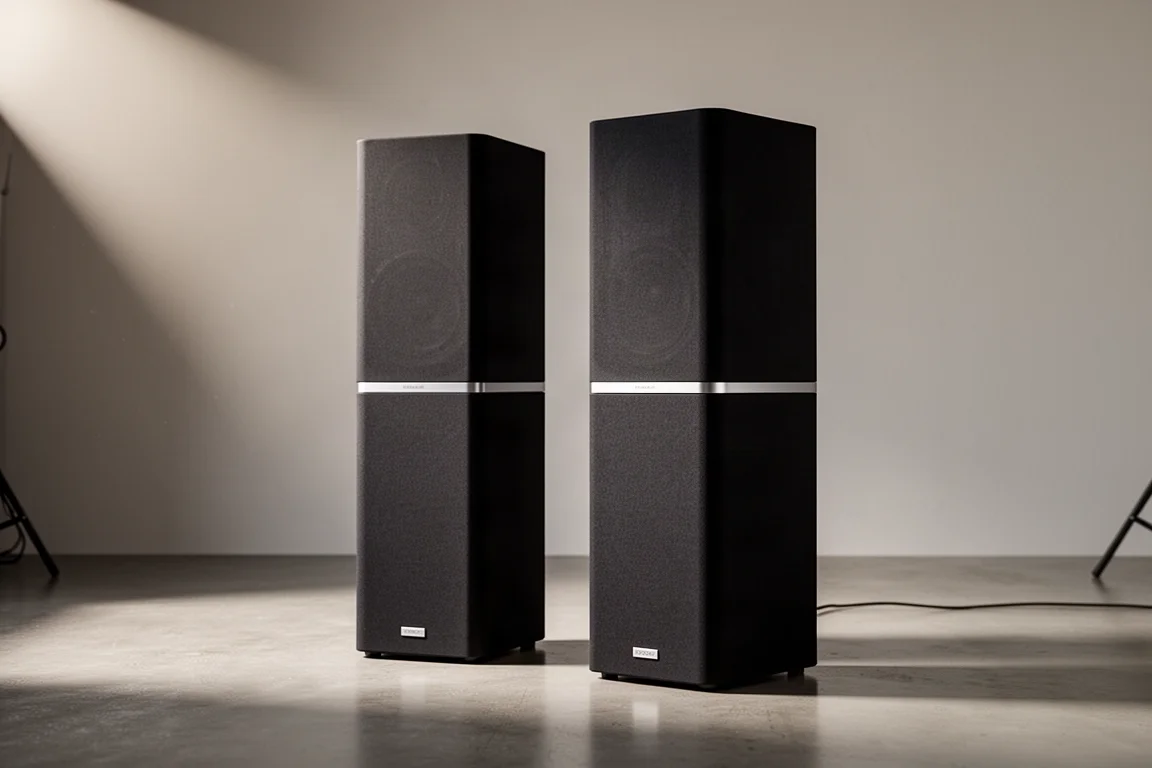
The Definitive Technology Dimension DM80 is the flagship tower in the company’s new Dimension series, and it replaces the outgoing BP range. It is a bipolar floorstander with six drivers, a powered 12-inch subwoofer and two 12-inch passive radiators, and Definitive Technology reports a total frequency response of 23 Hz to 30 kHz.
Those numbers hint at what makes the DM80 unusual. It pairs a full-range, self-amplified low end with a driver layout that fires sound in two directions at once. The result is a speaker that can deliver scale and physical bass weight most passive towers cannot match, but it also asks for more room and more setup patience than a conventional design.
Who the Dimension DM80 Is For
The DM80 is aimed at home theater first. Its bipolar array and built-in subwoofer are designed to create a large, enveloping soundstage without a separate subwoofer in the room, and the powered bass section means the low end does not depend on the amplifier driving the rest of the speaker.
That makes it a natural fit for listeners who want a full-range tower that can handle film soundtracks at high output, and for anyone who wants to avoid the extra boxes and cables that separate subwoofers bring. It is also a genuinely capable stereo speaker when it is set up well, with enough scale and weight that bass-heavy tracks take on a physical presence.
It is not, however, a plug-and-play purchase. The DM80 rewards listeners who are willing to measure their room, experiment with placement and apply correction. Buyers who want a speaker that sounds its best straight out of the box, in a small room, or close to a wall, will find it a demanding partner.
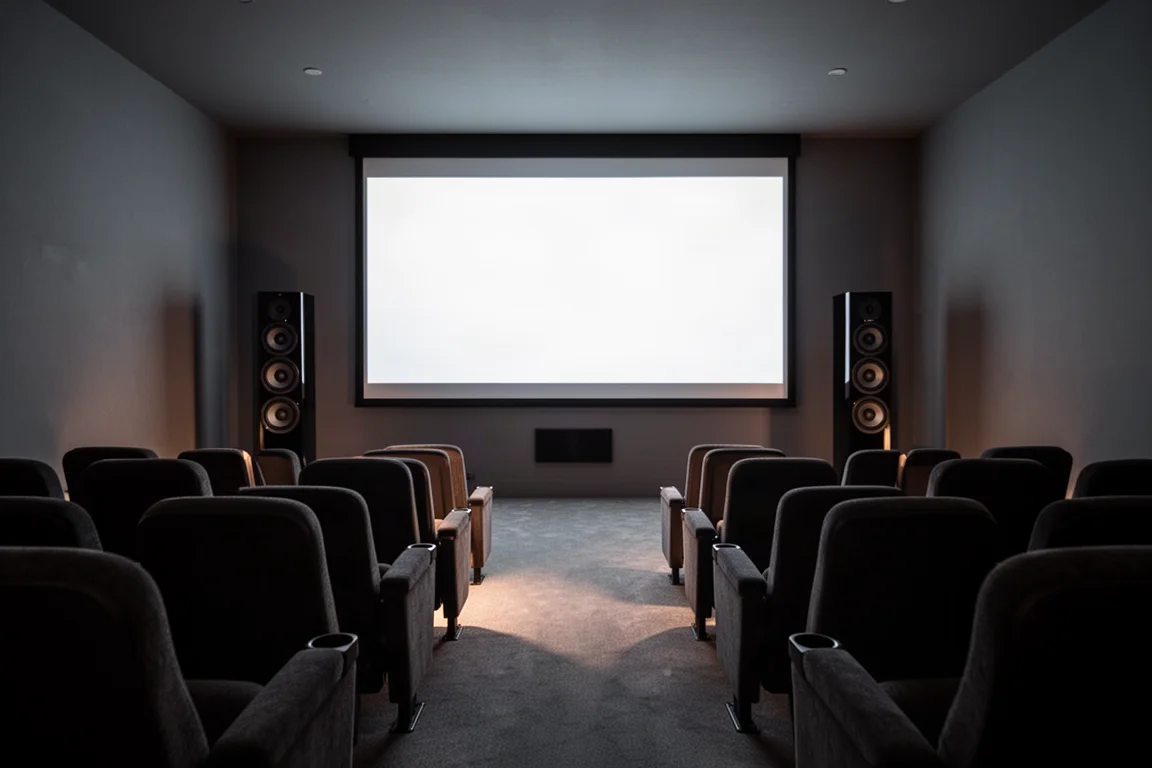
The practical takeaway is that the DM80 suits a dedicated room with space to spare. In a compact den or a third bedroom, its size and its appetite for distance from the front wall can quickly become the deciding factors.
Main Strengths
Bass Depth and Output
The bass is the headline. Each tower carries a 12-inch, 500-watt powered subwoofer supported by two 12-inch passive radiators, and the reported response reaches down to 23 Hz. In practice the speakers played down to almost 20 Hz with real authority, and the low end was textural and responsive rather than a single booming note.
That is a meaningful distinction. Plenty of large towers produce quantity without control, but the DM80’s bass stayed articulate even as the volume climbed. Bass notes cracked and ripped through the room, and at peaks hovering around 100 dB the speakers never sounded strained.
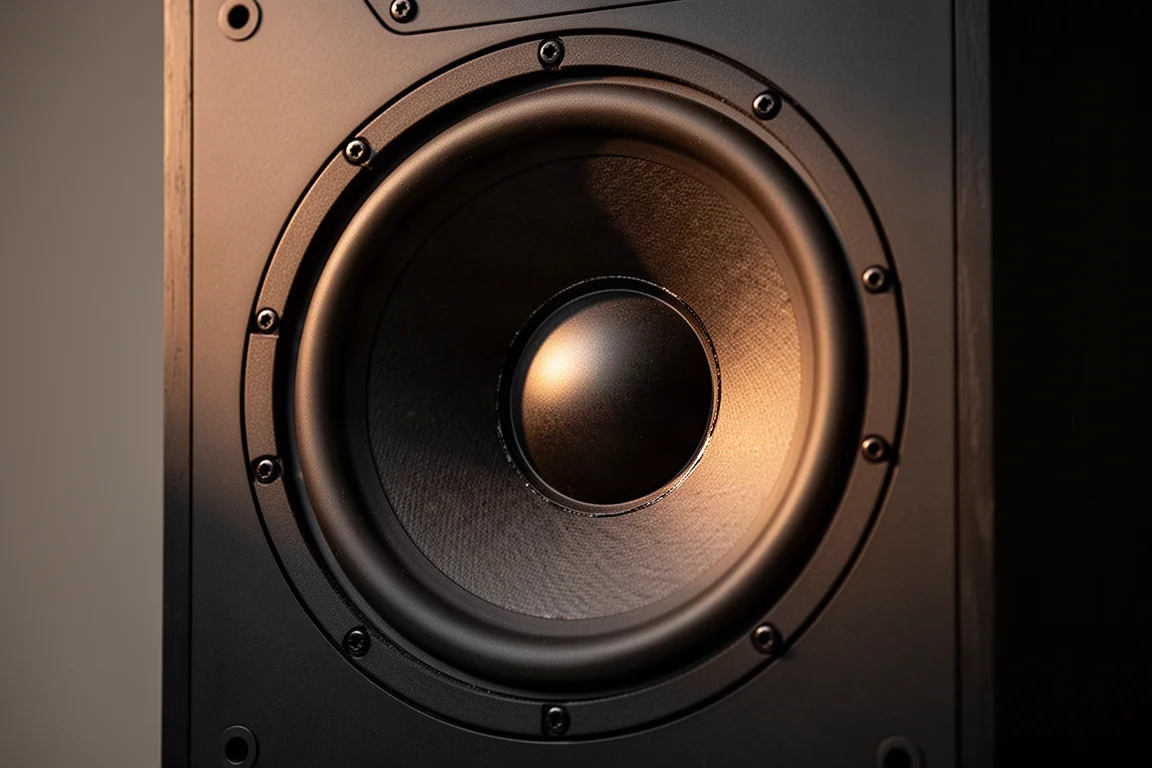
The subwoofer amplifier is powerful and adjustable, which helps it overcome room problems. It is also the reason setup matters so much, because the subwoofer level for each tower has to be balanced against where that speaker physically sits.
Midrange Clarity and Detail
Four 5.25-inch mid-bass drivers handle the midrange, and the tuning is mildly forward around the vocal range. Dialogue stayed crystal clear even during dense, chaotic action sequences, which is exactly what a home theater speaker needs to do.
There is very little coloration here when the speakers are positioned correctly, and the internal crossover between the drivers and the built-in subwoofer is well executed. The result is strong detail rendering without the resonance or mid-bass bloat that can smear dialogue.
Surround and Stereo Performance
The bipolar design places one 1-inch aluminum tweeter and two of the 5.25-inch mid-bass drivers on the rear of the cabinet, firing away from the listener. With proper placement and a little toe-in, the sense of spaciousness is exceptional, and imaging and separation approach reference level once the matching center channel is in the system.
Dynamically, the DM80 is engaging from roughly 60 dB up to 100 dB and beyond. At lower volumes it is not quite as nimble as the Klipsch RP-8000F Mark II, though it betters the MartinLogan Motion XT line. Push the volume and the DM80 is the more dynamic speaker across the full range.
In a two-channel setup the story holds up. With parametric EQ in the chain, the DM80 can trade blows with genuinely accomplished stereo speakers, and full-range tracks benefit from a sense of scale that is hard to give up once you have heard it.
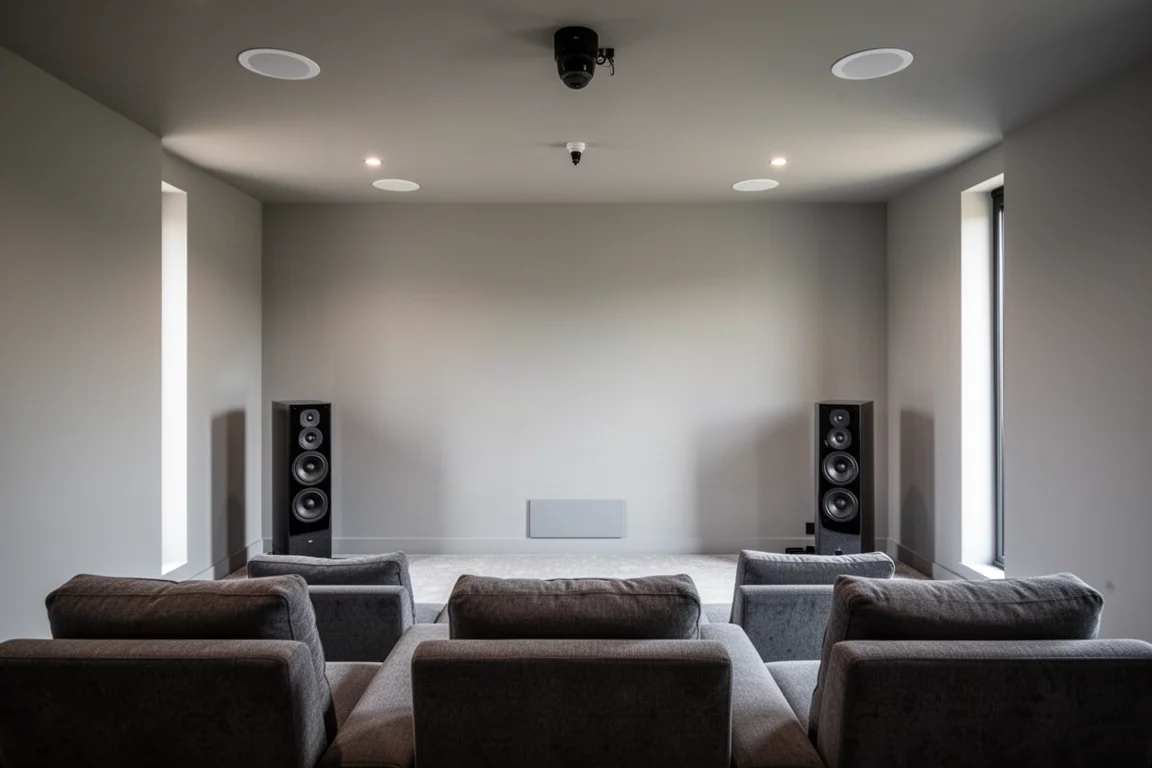
The matching center channel is worth noting for anyone building a system around these towers. The Dimension DM30 is a three-way, full-range design with its own built-in subwoofer, and it keeps tonality consistent across the front stage without crossover gaps.
Things to Consider Before Buying
Placement Demands
The DM80 is unusually sensitive to placement. Its rear-facing drivers can produce vague and even echoey sound when the speaker sits too close to the front wall, gaining a room-defying width at the cost of focus. Definitive Technology allows the rear drivers to be attenuated by up to 6 dB, and that setting is worth using, but it does not remove the need for distance.
In testing, the towers ended up roughly three feet off the front wall, about eight feet apart, with a slight toe-in toward the listening position. The rear drivers were set to minus 6 dB, with the left subwoofer dial near ten o’clock and the right closer to nine. That is close to a foot more clearance than many speakers need in the same room, so the available space is a real consideration.
There is a second constraint. Because the subwoofers are built into the cabinets, they cannot be moved independently of the towers. The position that gives the best midrange and treble is not always the position that gives the best bass, and you have to settle on a compromise between where each speaker stands and how its subwoofer level is set.
Treble Behaviour at High Volume
The aluminum tweeters convey plenty of top-end detail and extension, but they lose some composure as the volume rises and can become glaring. Pulling the receiver’s treble control back by two or three notches tamed the effect, and with some mixes the top end still leaned a little brittle.
If you are sensitive to high frequencies, this is the area to audition carefully.
Size and Styling
These are big, imposing towers. The narrow profile and the black fabric wrap with a slim silver divider give them a cleaner look than their dimensions suggest, and the finish is clearly better made than the older BP series, but they still dominate a room.
The all-black sock look is at home in a blacked-out home theater and less so in a high-end two-channel living space, where a choice of fabric finishes would broaden their appeal considerably. Practical placement matters too. Because the speakers need room to breathe, hiding them behind an acoustically transparent screen is not a realistic option, and in a smaller room they can encroach on the edges of the screen from off-center seats.
How It Compares
Against the MartinLogan Motion XT F100, which sells for a similar price, the MartinLogan is the better speaker on its own and needs less tweaking to sound right. Once the DM80 is dialed in it holds its own, and its bass output is in another league. Against the Polk R700, which costs roughly half as much, the DM80 is still the preferred speaker, though a Polk pair paired with a good subwoofer gets close, and the Polk keeps the better mannered tweeter at every volume.
Against the Klipsch RP-8000F Mark II and the Klipsch Cornwall, the DM80 sounds livelier and has more presence, but it still sounds like a very good speaker rather than one that approaches the live quality Klipsch is known for. Where it clearly wins is bass extension and accuracy, and given that both the DM80 and the Cornwall benefit from EQ, the DM80 is the better value of the two. Klipsch Heritage models carry a long-term ownership appeal that is worth weighing separately.
Buying Advice
At around $5,000, the DM80 sits in premium territory, and the case for it rests on what it can do that other towers cannot. It reaches deeper, plays louder without strain and creates a larger soundstage than most passive floorstanders, all without a separate subwoofer.
Power is less of a concern than you might expect. The speaker is rated at 4 ohms, described as 8-ohm compatible, with a sensitivity of 90 dB, and it performed well on both an entry-level AV receiver and a flagship model. You do not need to spend a fortune on amplification to get strong results.
What you do need is room correction. On their own the speakers can sound peaky, and applying correction filters or a receiver’s automatic room calibration improved the results dramatically. Budget time and a measurement setup for that step, because it makes a bigger difference here than it does with most speakers.
Definitive Technology also offers smaller models in the Dimension series, including versions with built-in subwoofers and one that keeps the same look without a powered low end for a lower price. If the DM80’s size or placement requirements are too much for the room, those are worth considering, and the non-powered version leaves you free to place a separate subwoofer where it works best.
If you can give these towers the space and the setup time they ask for, they deliver a level of low-frequency performance and scale that is difficult to find elsewhere at the price.
Conclusion
The Dimension DM80 is a genuinely entertaining speaker with a rare combination of bipolar spaciousness and self-powered bass depth. It is not a beginner’s speaker and it will not flatter a cramped room, but in the right space, with careful placement and room correction, it can outperform expectations and hold its own against considerably more expensive designs.
Product link
View more details for Definitive Technology Dimension DM80
This product is mentioned in the review. Check the specifications, options, and compatibility before buying.
View more details for Definitive Technology Dimension DM80Further reading
Related Reviews
Home Audio
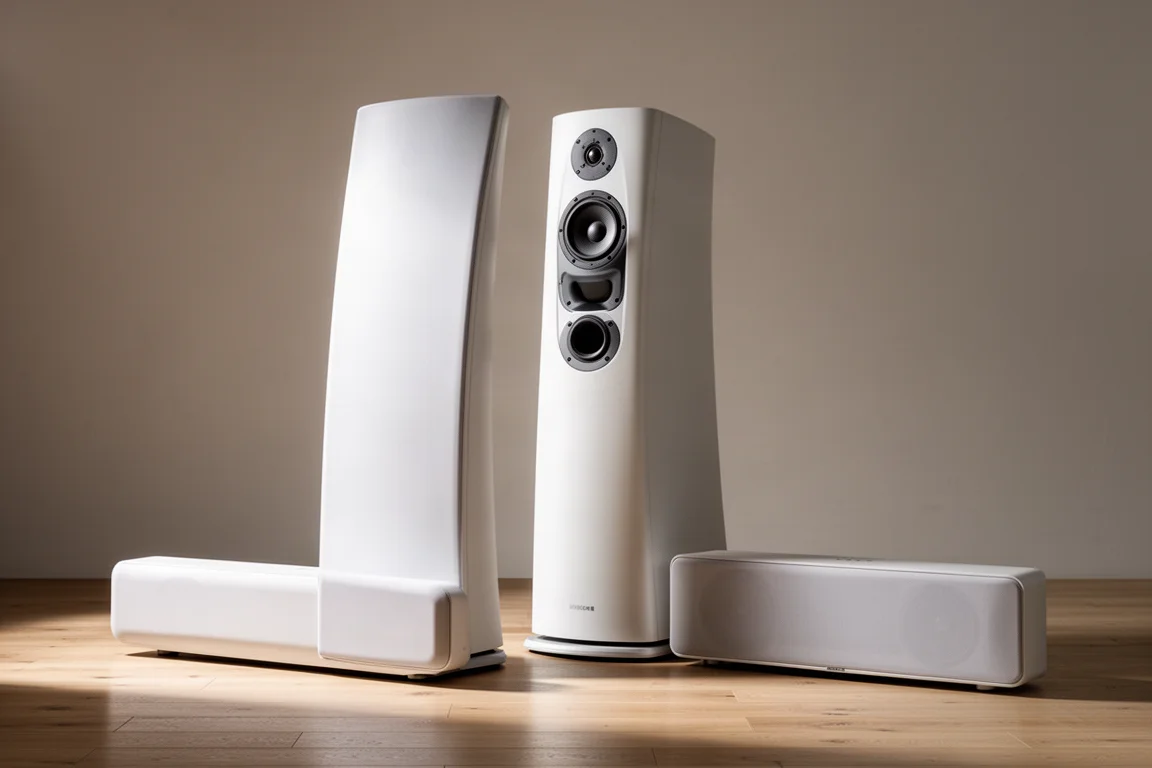
Aperion Novus Tower and Center Review: Punchy Home Theater Sound With Real Refinement
A close look at the Aperion Novus tower and center speakers, from their layered paint finish and punchy bass to the 4-ohm load and what the price actually buys.
Home Audio
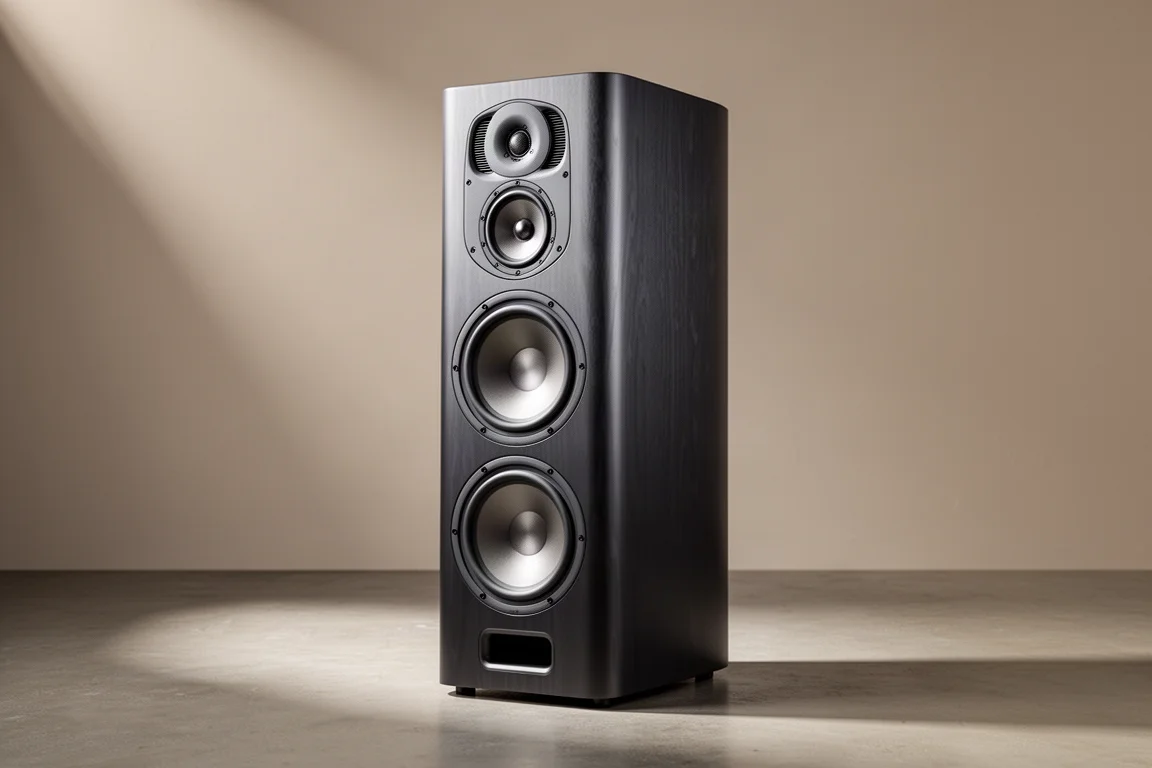
Arendal 1610 Tower Review: Flagship Dynamics in a Room-Friendly Tower
A compact floorstanding tower with three 8-inch aluminium woofers, a 5-inch carbon midrange, and the kind of bass heft usually reserved for much larger speakers.
Home Audio
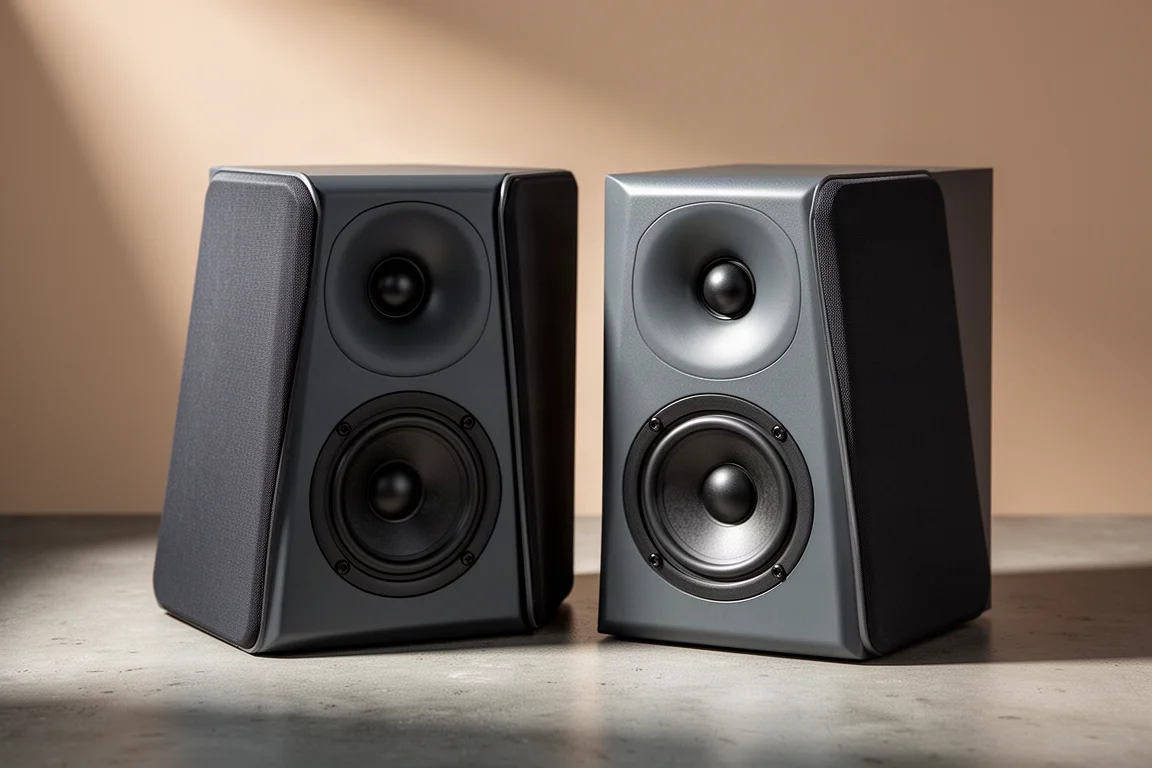
Arendal 1723 S THX Review: A Reference Speaker Built Like a Tank
A practical look at the Arendal 1723 S THX, a sealed, THX-certified speaker with exceptional build quality, a very flat top end, and a midrange that responds beautifully to EQ.