Astrophotography
5 Game-Changing Equipment Upgrades for Deep Space Astrophotography
Starting with a DSLR and a tripod? These five upgrades take you from wide-field Milky Way shots to serious deep space imaging.
Introduction
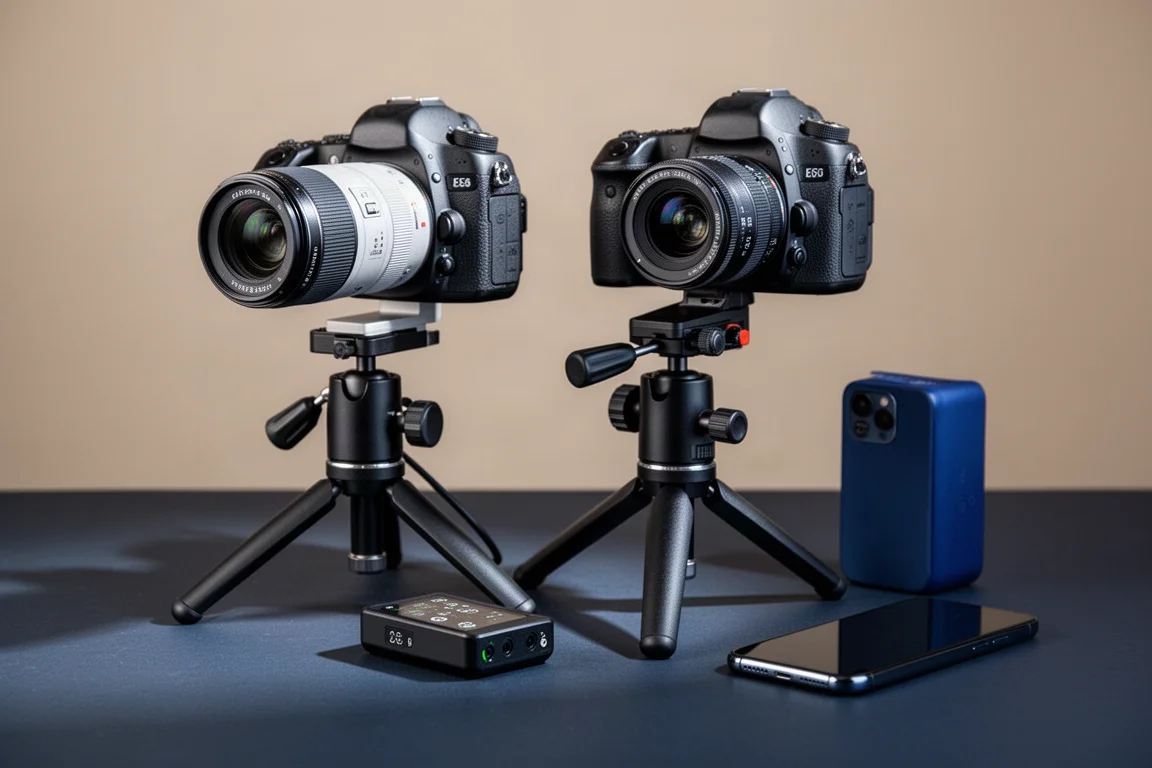
If you already own a DSLR and a tripod, you are closer to deep space astrophotography than you might think. The jump from wide-field Milky Way snapshots to detailed nebula and galaxy images is not about buying one expensive telescope. It comes from a handful of targeted upgrades, each solving a specific problem: planning, power, reach, automation, and tracking.
Below, we walk through five game-changing upgrades in order, from fifth place all the way to the single most impactful change you can make. There are also a couple of honorable mentions worth considering once the essentials are covered.
5. Planetarium Apps for Planning Your Night
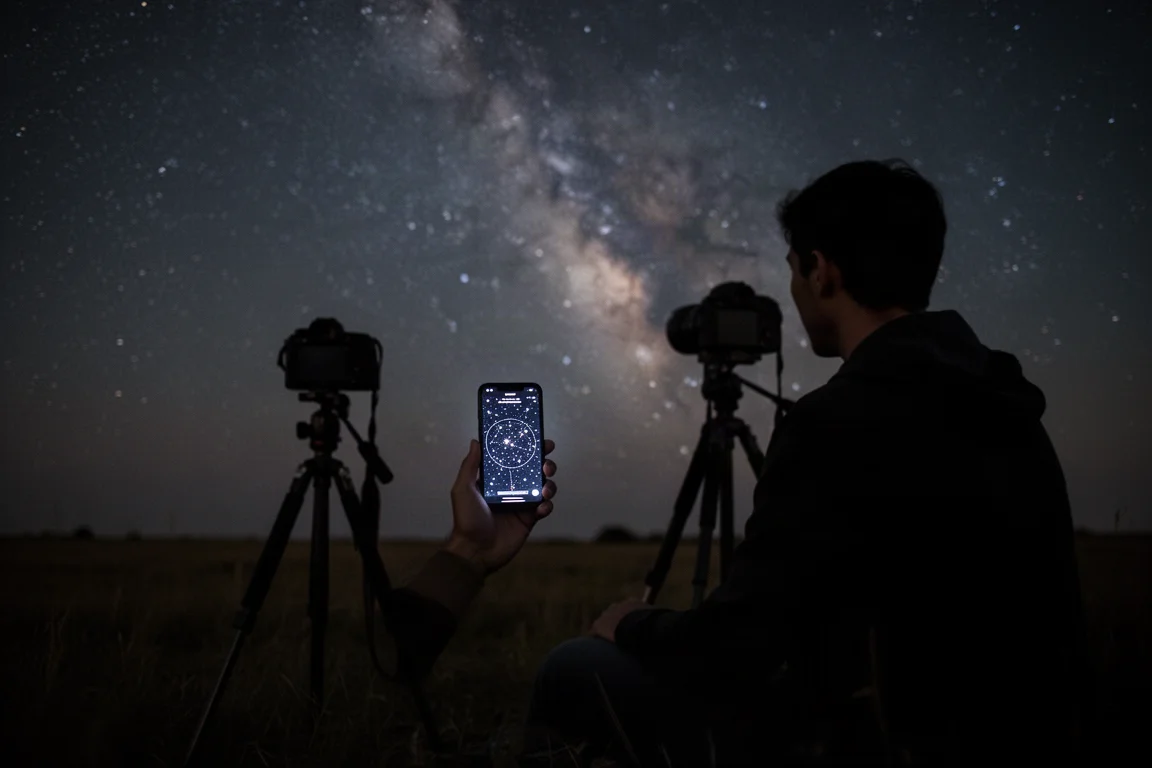
Before any gear upgrade, the most valuable tool is knowing where your targets are and when. A planetarium app such as Stellarium or Sky Safari lets you enter your time, date, and location so you can see the night sky exactly as it will appear from your spot. For deep space astrophotography, this determines what you actually image on any given night.
Stellarium
Stellarium remains a daily-use planning tool even years into the hobby. It is used to map out astrophotography projects and is considered one of the best tools to have in the field.

Sky Safari
Sky Safari serves the same planning role, making it easy to navigate the night sky and identify what is visible at your location and time.
4. AC Power with an AC Coupler
The fourth upgrade is DSLR-specific: an AC coupler. This replaces your camera battery so you have a constant power source, rather than managing charges in the field. On some older DSLRs, a single battery charge may only last an hour and a half or two hours depending on the make and model.
With an AC coupler, your imaging session length is no longer dictated by battery charge. You stop worrying about swapping batteries mid-session and simply keep shooting for as long as the sky allows.
3. A Longer Focal Length Lens or Telescope
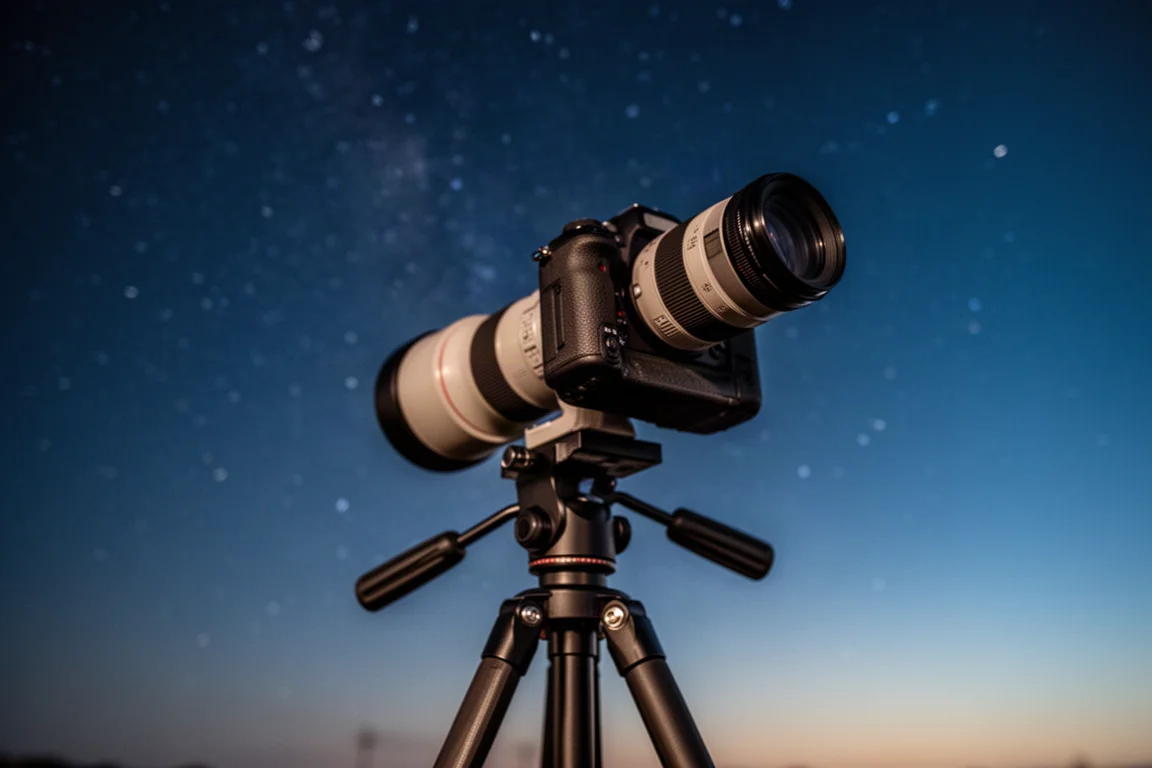
This is the upgrade that changes what you can photograph. A longer focal length lens or a small telescope lets you get up close and personal on deep sky objects, marking the transition from wide-field Milky Way photography to true deep space astrophotography. Two options stand out.
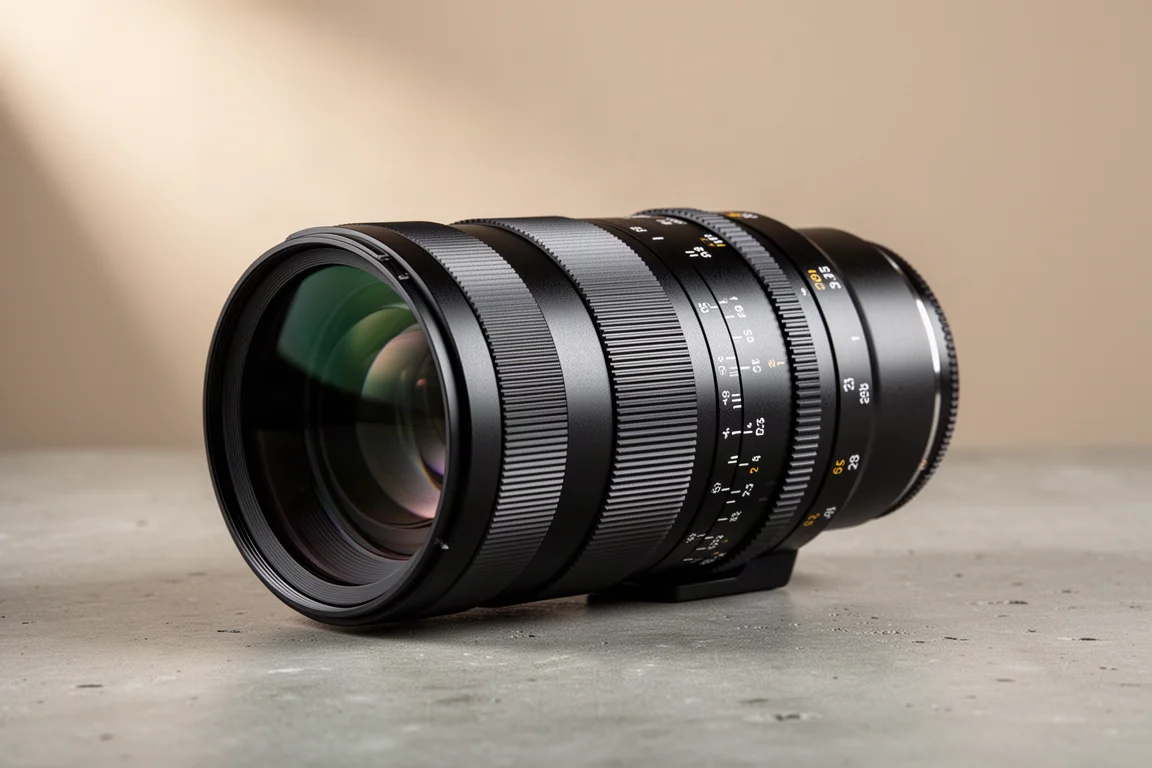
Rokinon 135mm f/2
The Rokinon 135mm f/2 is an excellent first step into longer focal length imaging, offering enough reach to frame deep sky targets while remaining simple to use.
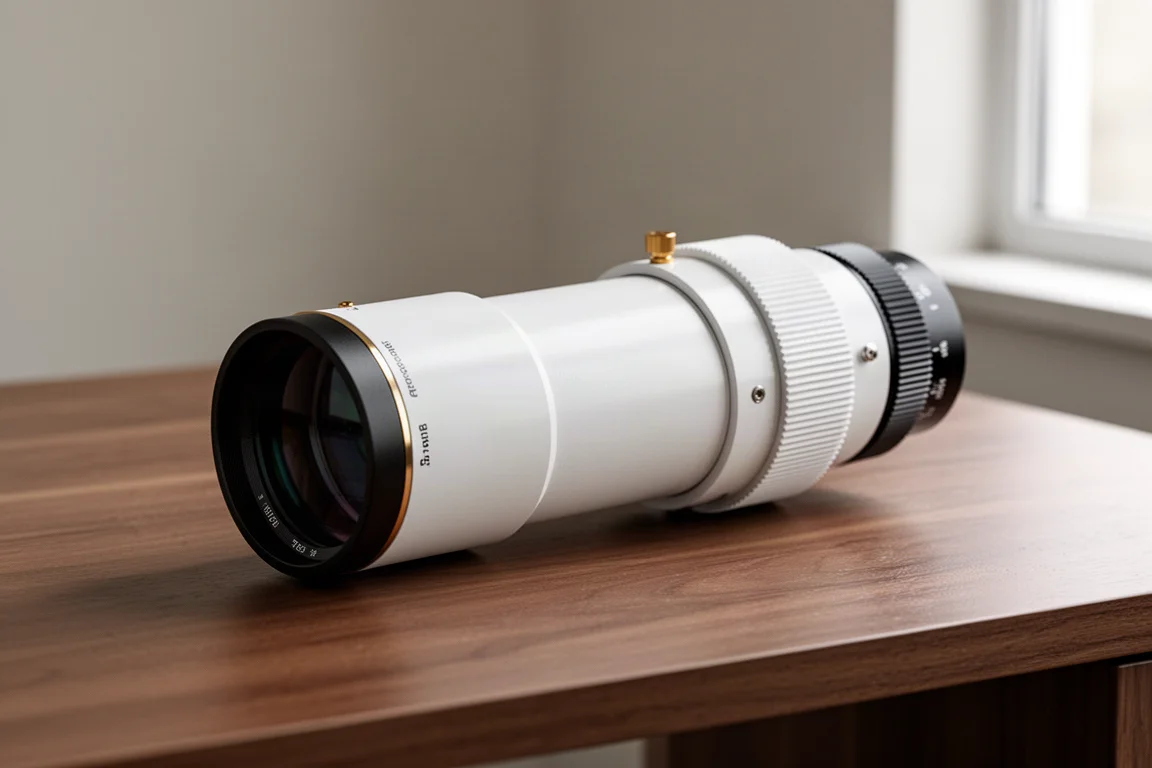
William Optics RedCat 51
The William Optics RedCat 51 is the other recommended option here, bringing telescope-level reach and image quality in a compact package.
2. An Intervalometer
Number two may seem small and somewhat insignificant, but it is worth its weight in gold. An intervalometer is a small controller that lets you set exposure time, exposure count, and the time between exposures.
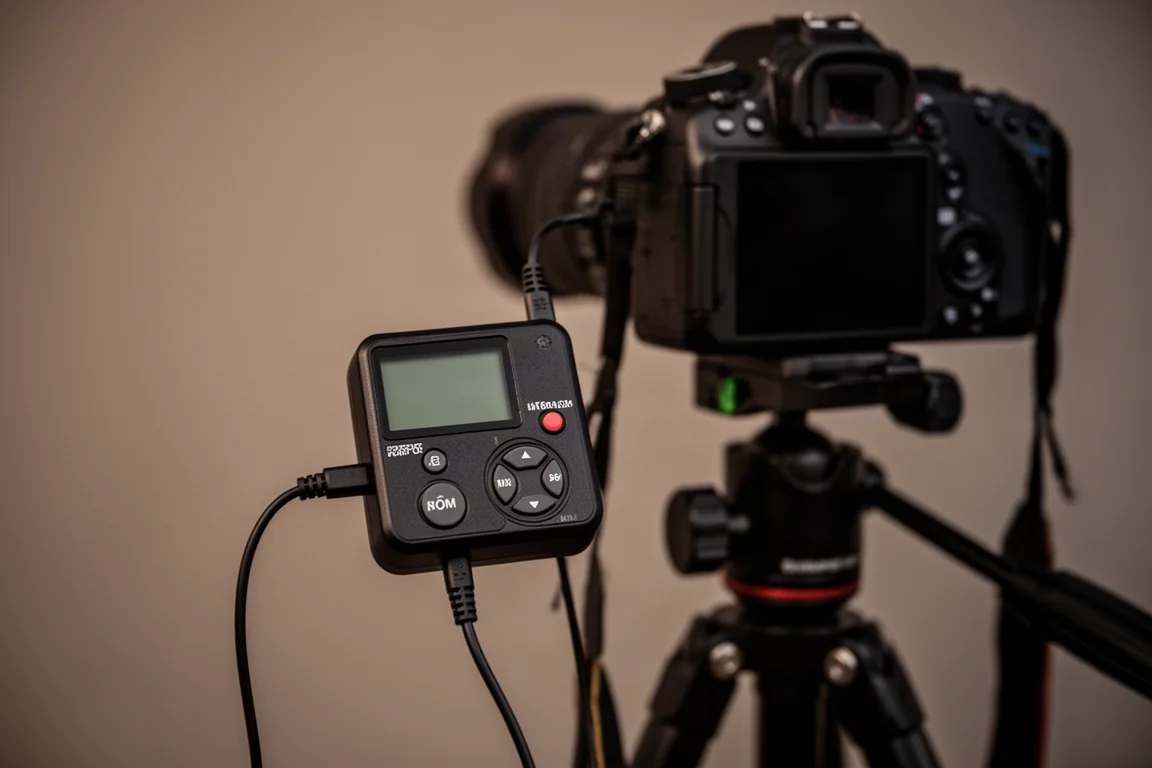
You set your DSLR to bulb mode, connect the intervalometer, and the camera begins taking photos by itself throughout the night. No more clicking the shutter by hand, which also prevents camera shake and image stabilization errors caused by physically pressing the button. If you want to take the dive into deep space photography with a DSLR, this is a genuinely necessary device.
1. A Sky Tracker
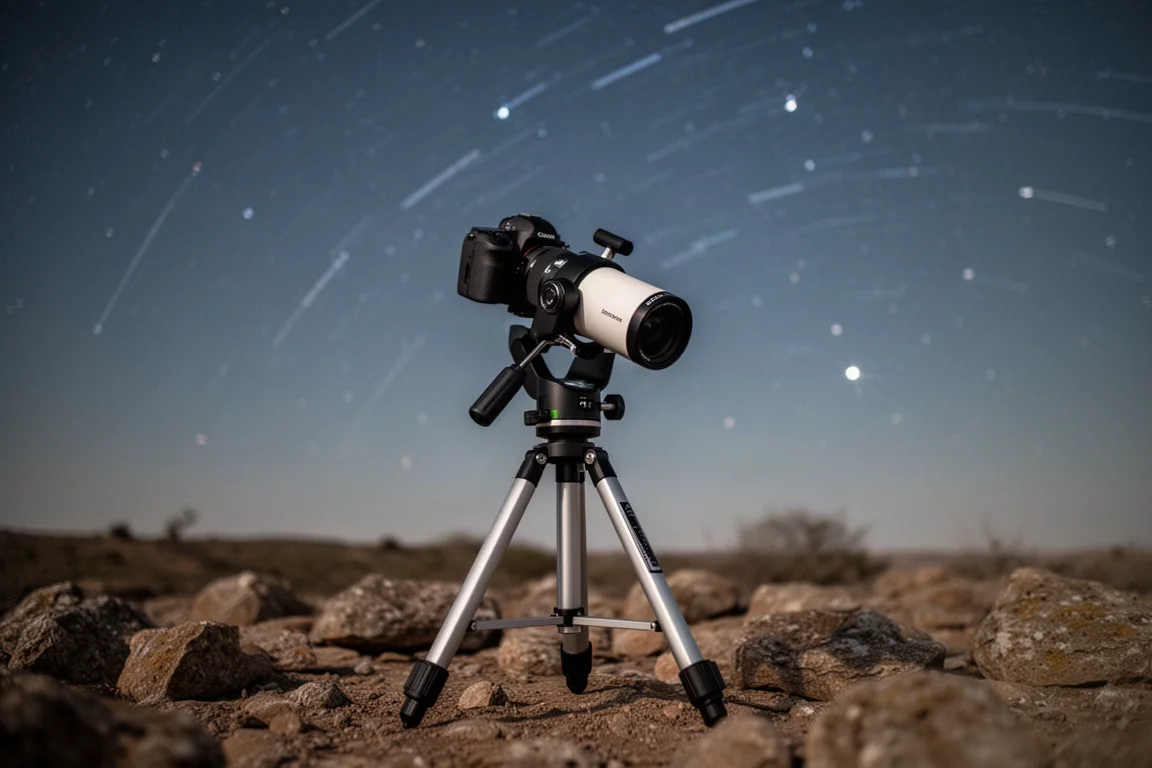
The number one recommended upgrade from a DSLR and tripod setup is a sky tracker. These equatorial mounts track the movement of the stars across the night sky, which unlocks much longer exposures. Depending on your focal length, you can expose for 30 seconds up to two or even three minutes.
Take multiple long exposures, stack them in stacking software, and you have your first high-quality astrophoto. The results are significantly higher in quality: lower noise, and more detail, contrast, and color, simply because the exposures are longer.
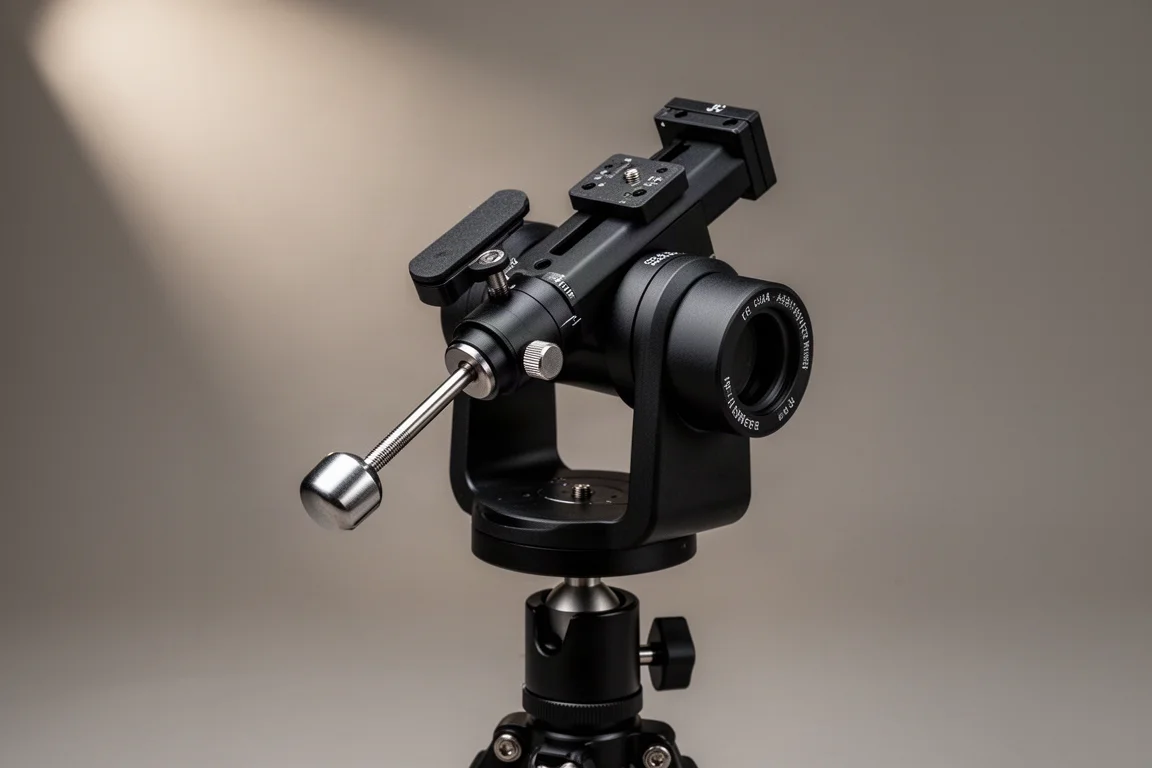
Sky Guider Pro
The Sky Guider Pro is a recommended sky tracker and comes with an integrated polar alignment camera built in, making polar alignment straightforward.
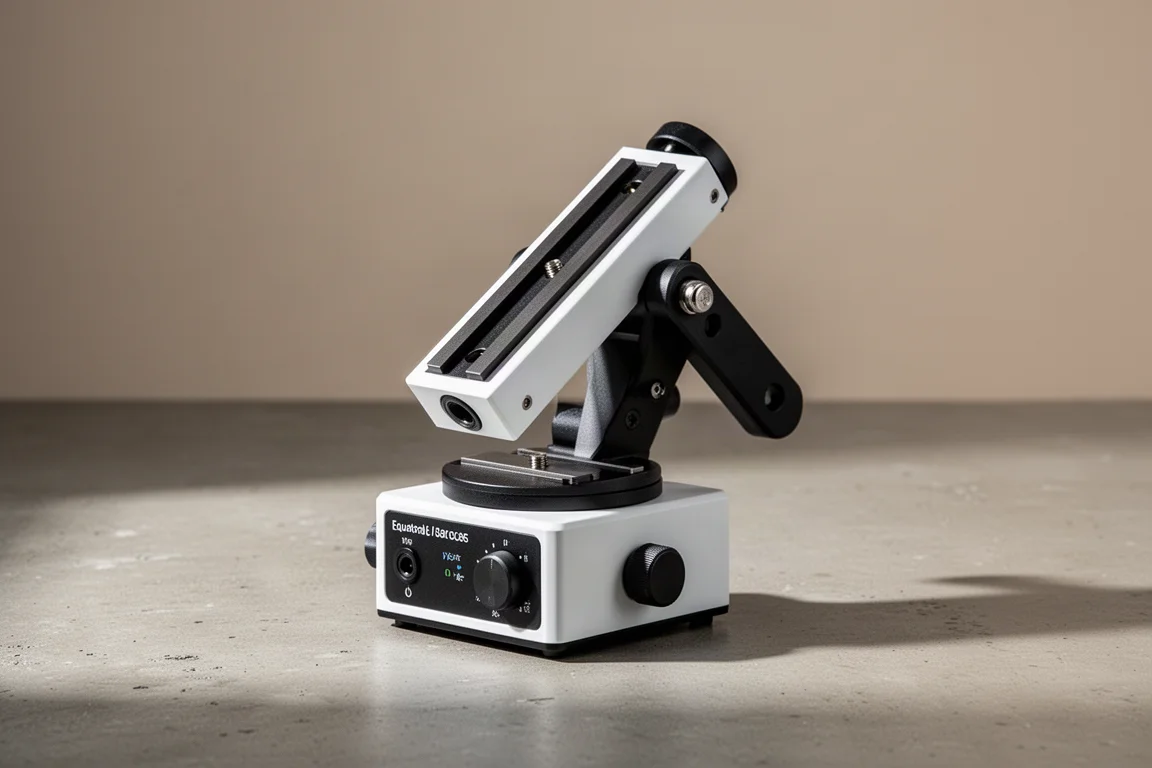
Sky-Watcher Star Adventurer 2i
The Sky-Watcher Star Adventurer 2i is the other recommended tracker. It does not include an integrated polar alignment camera, but it does come with an integrated polar scope, which will get you decent polar alignment.
Honorable Mentions
Two accessories did not make the main list but deserve a mention. First, extra SD cards: 16 or 32 gigabyte cards should be perfectly fine. Raw photos can be large files, so having viable storage space means you never have to end an imaging session early.
Second, a dedicated polar alignment camera. If you want extra precision in your polar alignment, particularly for imaging with longer focal length scopes, this is where a dedicated tool earns its place.
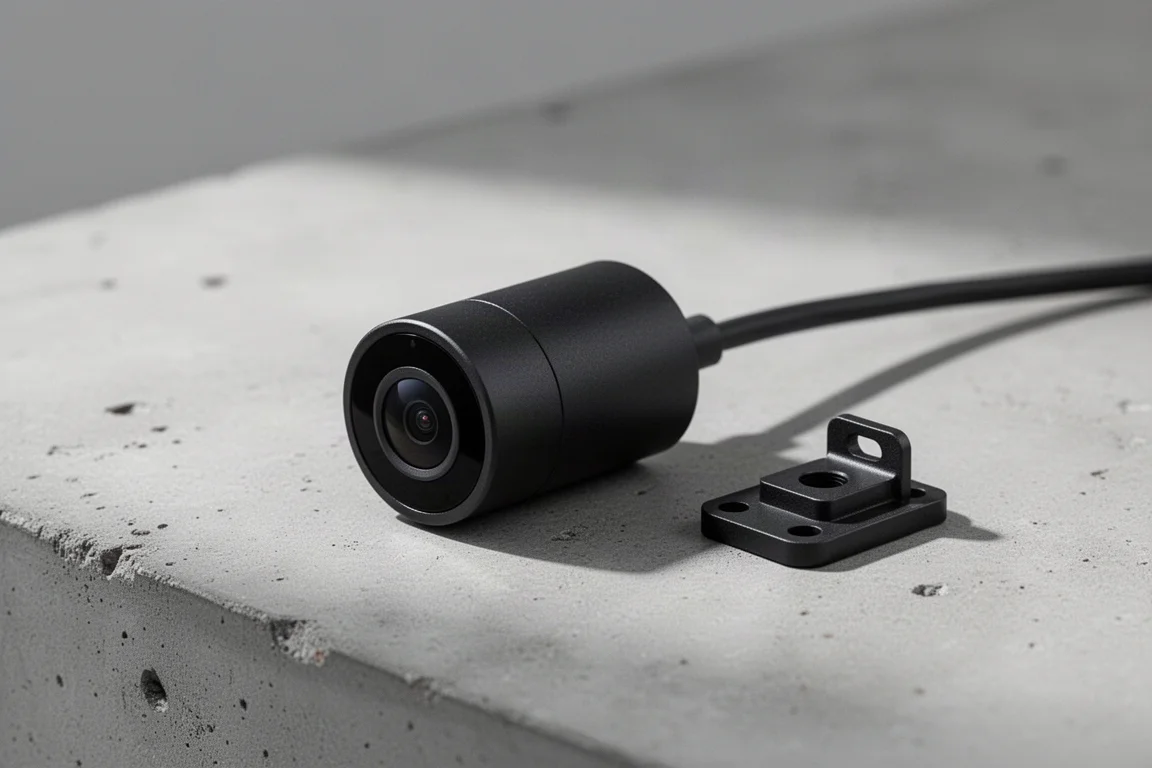
QHY PoleMaster
The QHY PoleMaster is a good option for that extra level of polar alignment precision, especially useful when pairing a star tracker with longer focal length optics.
Buying Advice
With a standard DSLR and a tripod you can absolutely do astrophotography, but it will be wide-field Milky Way work. Adding these upgrades in order, planning tools, power, reach, automation, and finally a tracker, is what gets you into deep space astrophotography. Start with the software and small accessories if budget is tight, and treat the sky tracker as the milestone purchase that transforms your results.
Conclusion
Deep space astrophotography from a humble DSLR setup is entirely achievable, and the path is clear: plan your sessions with a planetarium app, power the camera properly, add focal length, automate your exposures, and track the sky. Each upgrade removes a limitation, and together they turn a beginner kit into a capable deep space imaging rig. Clear skies, and happy shooting.
Further reading
Related Reviews
Astrophotography
ASKAR FRA400C Review: A Versatile 400mm Refractor for Astrophotography and More
The ASKAR FRA400C is a compact 72mm refractor that balances reach, versatility, and portability for astrophotographers and visual observers.
Astrophotography
Askar SQA106 Review: A Premium 106mm Astrograph With Exceptional Optics
The Askar SQA106 is a premium 106mm quintuplet astrograph with impressive sharpness across full-frame sensors, though its price and weight demand careful consideration.
Astrophotography
Astro Imaging Gear 2026: Eight New Products Worth Watching
A look at the most interesting new astrophotography and astronomy products announced this year, from fast telescopes to smart cameras and wireless accessories.