Integrated Amplifiers
Decware Zen Sarah 300B Review: A Nine-Tube Class A Integrated Amplifier
A close look at Decware's first 300B integrated amplifier: nine tubes, point-to-point wiring, self-biasing operation, and the high-sensitivity speakers it demands.
Introduction
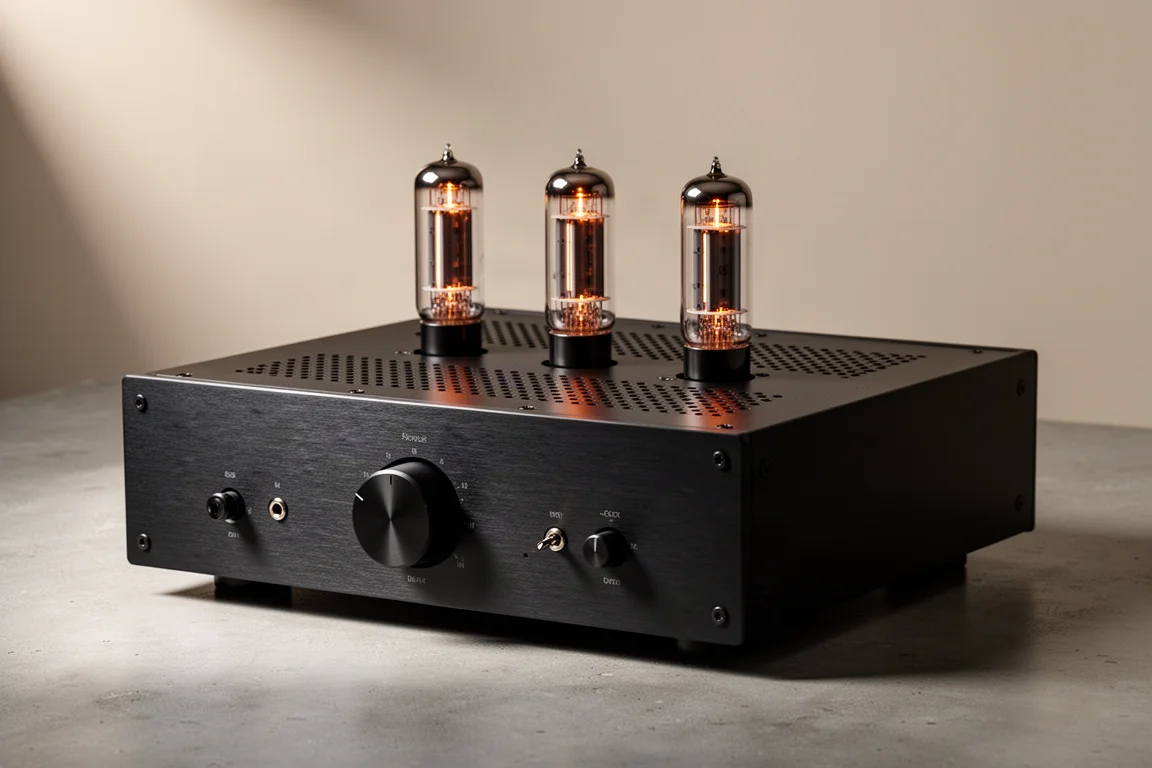
The Decware Zen Sarah 300B is a class A integrated amplifier built around the 300B power tube. It is the first 300B design from Decware’s Steve Deckert, who named it after his daughter Sarah, and it carries nine tubes in total while producing roughly seven to eight watts per channel. That power figure shapes almost everything about who should consider it.
What separates it from a typical modern integrated amplifier is the approach taken inside. There are no printed circuit boards at all, only point-to-point wiring, alongside copper foil capacitors and carefully chosen parts. The amplifier also comes with a lifetime warranty, which is unusual in this category.
This is not a general-purpose component. It is a specialist amplifier for listeners with high-sensitivity speakers who want a particular kind of presentation: full-bodied, present, and rhythmically alive. Within that brief, it delivers a great deal.
Who This Amplifier Is For
With seven to eight watts per channel on tap, the speakers in the system matter more than almost anything else. High-sensitivity designs are the natural partner here, and that is the configuration in which the amplifier makes most sense.
Low-sensitivity box speakers rated around 85 to 87 dB are not a workable match, and the same applies to planar magnetic speakers and most electrostatic designs. That is a constraint rather than a fault, but it should be the first thing anyone checks before considering the purchase.
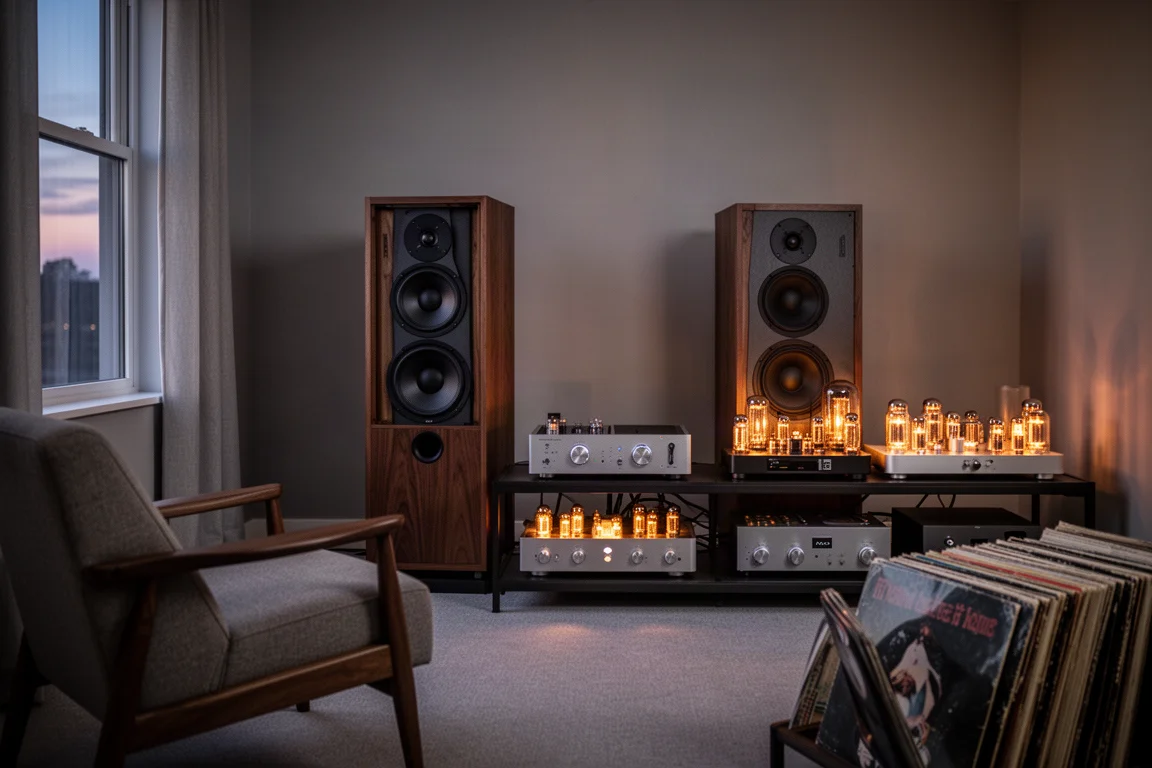
For listeners who already run efficient speakers, or who are willing to build a system around them, the payoff is a presentation built on tone, midrange body, and a strong sense of instruments and voices occupying real space between the speakers. It rewards careful system matching rather than raw power.
Tube Complement and Design
Nine tubes is a lot for an integrated amplifier, and the mix is part of the character. Three small voltage regulator tubes sit at the front, a type rarely seen in tube amplifiers, and they contribute noticeably to the sound. Decware supplies three different types of regulator tubes, and swapping between them changes the amplifier’s character in a meaningful way at very modest cost.
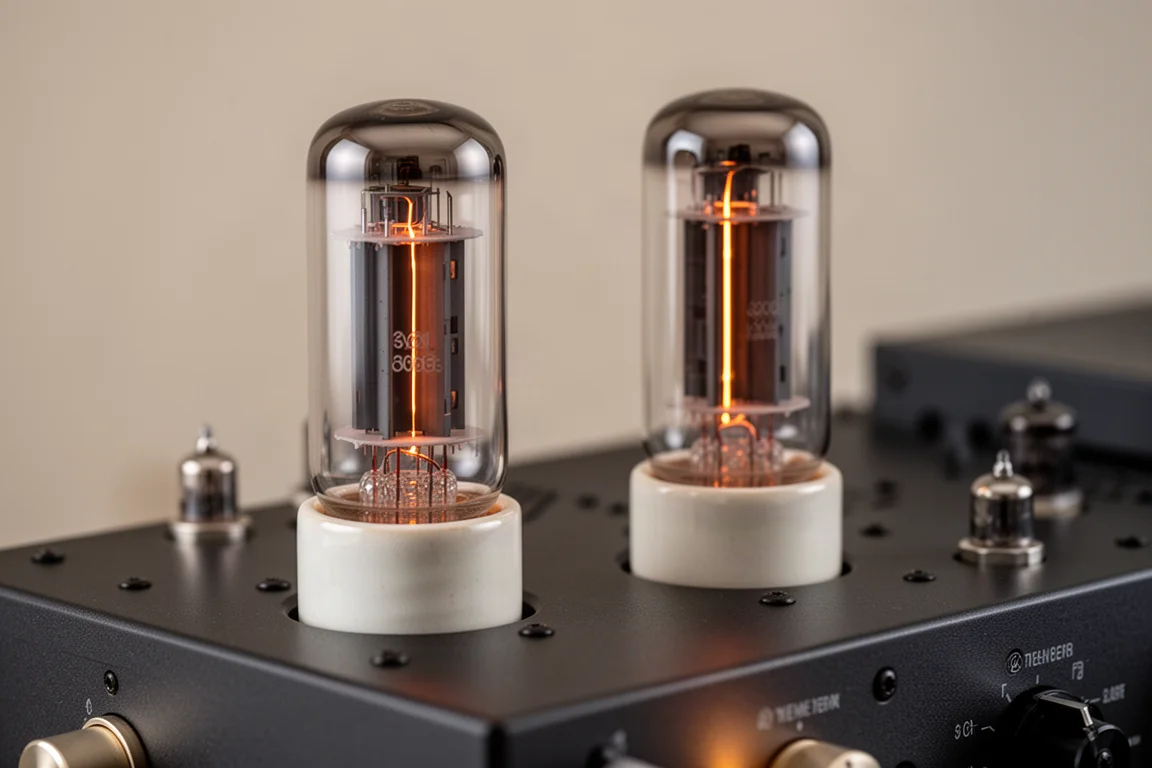
The large 300B power tubes sit at the rear. Western Electric 300Bs are widely regarded as the best available and sell for about $1,500 a pair, backed by a five-year warranty and a rated life expectancy of 40,000 hours. Inexpensive Chinese 300Bs were also impressive in use, with the caveat that they will not last anything like 40,000 hours.
The build itself is deliberately traditional: point-to-point wiring with no printed circuit boards, plus copper foil capacitors. The amplifier can drive two-ohm loads, which many solid-state designs would struggle with. The chassis rests on a solid hardwood base 1.5 inches thick, offered in cherry, oak, maple, and three other finishes.
Main Strengths: Sound Quality
Paired with the Zu Dirty Weekend Six, the amplifier was tonally satisfying in a way that stood out immediately. Mids were richer and more fully developed, with more body and density, while the highs stayed clear and beautiful. Rhythm, pace, and forward momentum were excellent, and Latin jazz recordings gained a real snap and liveliness. Despite the tube count, the presentation never sounded slow or mushy; it was clear and transparent.
With the Pure Audio Project Duet 15, which uses a 15-inch woofer, the result was fuller range and more powerful. Bass had more weight and oomph, the room filled more convincingly, and the system could play louder with genuine gusto, though never at extreme levels.
Presence is the other defining quality. On a live Laurie Anderson LP recorded four decades ago, her voice sat right between the speakers with startling immediacy. Reggae from the Bob Marley and Studio One era showed the same forward momentum and energy.

Taken together, the strengths come down to sounding natural and organic, with the depth of the soundstage handled especially well. Instruments move forward and back in the mix convincingly, which is the quality that keeps drawing a listener back to the system.
Living With the Amplifier
Day-to-day ownership involves a few compromises worth knowing about. There are two RCA inputs, which may be enough for a digital source and a turntable but little else. There is no remote control, and the left and right channel volume controls are separate, so each adjustment means matching one channel to the other.
The obvious workaround is to use the amplifier with a separate preamplifier even though it is an integrated design. That brings remote control, more inputs, and a single volume control. It also changes the sound: with an external preamplifier in the chain, the presentation gains power, weight, and more bottom-end kick. Running straight into the amplifier without one, the sound is more transparent, the soundstage opens up further, and the spaces between instruments are more clearly defined.
Neither approach is wrong. It comes down to whether convenience and added weight matter more than maximum transparency in a given system.
Things to Consider Before Buying
The most important consideration is volume. Seven to eight watts is not enough for headbanging, for party levels, or for shaking a room, even with a very high-sensitivity speaker. This amplifier is about quality of presentation rather than sheer output, and buyers who want to play loud should look elsewhere.
The second consideration is flexibility. Two inputs, no remote, and separate left and right volume controls will feel restrictive to anyone used to a modern integrated amplifier with a full input suite.
The third is total system cost. Because the amplifier needs high-sensitivity speakers to work at its best, the speakers become a significant part of the budget, and they should be chosen with this amplifier in mind rather than added later.
None of these points makes the amplifier a poor choice. They simply define the listener it suits: someone with efficient speakers, a small number of sources, and a preference for tone and presence over convenience and power.
Setup and Ownership
Setting up the Zen Sarah requires no technical skill. The amplifier is self-biasing, so any 300B can be fitted without adjustment, and there is no need to bias tubes when changing them. That makes tube rolling genuinely accessible rather than a job for a technician.
Buying tubes directly from Decware carries an extra benefit: the amplifier is measured and tested with the tubes installed as part of quality control, so the pairing is verified before it ships. Three tube options are offered, and buyers can also take the amplifier with no tubes at all and source their own.
The amplifier is sold direct by Decware with a 30-day return policy, which the company will extend beyond 30 days if a buyer needs more time. Combined with the lifetime warranty on the amplifier itself, that takes much of the risk out of buying a specialist component without hearing it first.
Buying Advice
The base price of the amplifier, without any tubes, is $4,200. From there, buyers choose how to populate it. A full set of all nine tubes, including Chinese 300Bs, adds $630. A set excluding the 300Bs adds $480, leaving the power tubes to be sourced separately.
That structure makes the decision fairly straightforward. Anyone who wants to start listening immediately and keep costs predictable is best served by the complete nine-tube set. Anyone planning to invest in premium 300Bs such as Western Electric tubes, which run about $1,500 a pair, is better off buying the amplifier with tubes excluded and choosing power tubes deliberately.
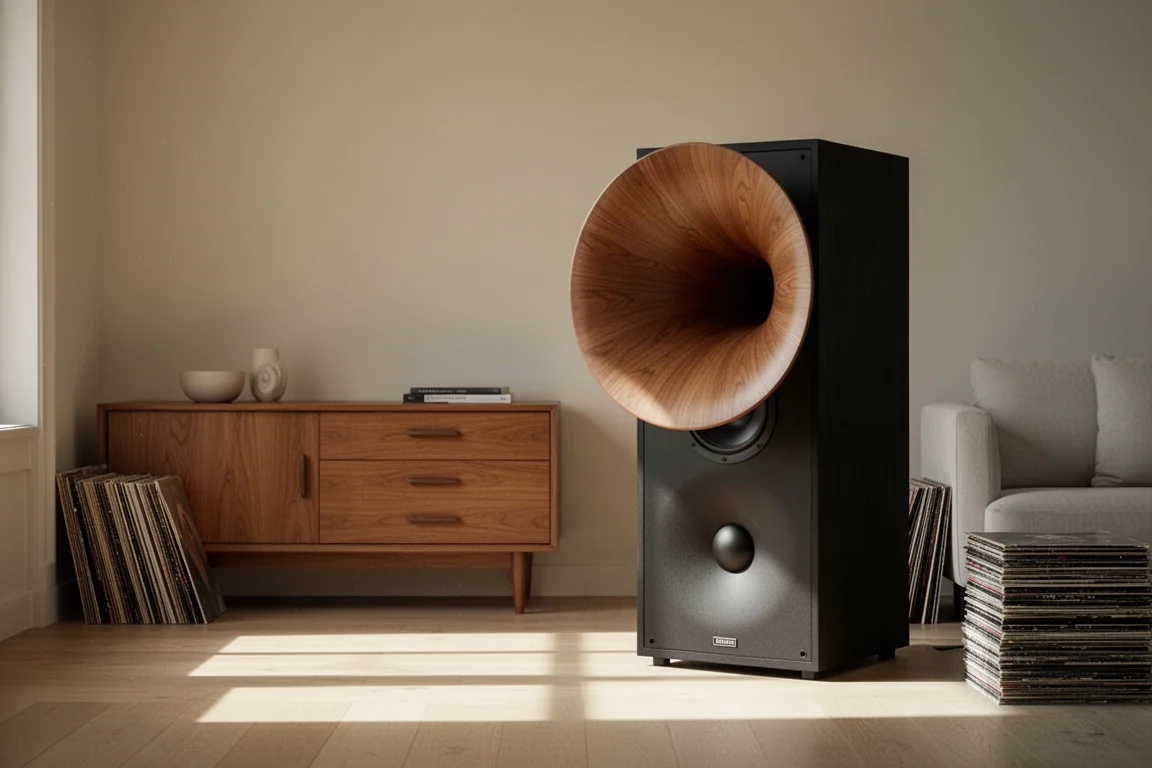
Before ordering, confirm that the speakers in the system are genuinely high sensitivity and that two inputs will cover the sources in use. Where they are, the amplifier’s lifetime warranty and direct-sale return policy make it a considered purchase rather than a leap of faith.
Conclusion
The Decware Zen Sarah 300B is a specialist amplifier that does one thing exceptionally well: it makes music sound present, full-bodied, and rhythmically alive through high-sensitivity speakers. The nine-tube design, the point-to-point wiring, the self-biasing operation, and the lifetime warranty all reinforce that intent.
Its limits are just as clear. Seven to eight watts per channel, two inputs, no remote, and separate channel volume controls mean it will not suit every system or every listener. For those with the right speakers and the right expectations, however, it offers a level of tone and presence that is difficult to find elsewhere at this price.
Product link
View more details for Decware Zen Sarah 300B
This product is mentioned in the review. Check the specifications, options, and compatibility before buying.
View more details for Decware Zen Sarah 300BFurther reading
Related Reviews
Integrated Amplifiers
Advance Paris A10 Classic Review: Vintage Looks and a Lively, Punchy Sound
The Advance Paris A10 Classic pairs glowing blue VU meters and a tube stage with one of the widest input sets on any integrated amplifier. Here is what it does well and what to weigh before spending $2,500.
Integrated Amplifiers
Advance Paris A12 Apex Review: A Modern Integrated Amplifier With Vintage Character
A dual mono integrated amplifier with 180 watts per channel, a tube front end, VU meters, and a connectivity list that covers turntables, televisions, computers, and headphones.
Integrated Amplifiers
Advance Paris Nova Range Review: AI130, AI190 and Modular Upgrades
A practical look at the Advance Paris Nova range, including the AI130 and AI190 integrated amplifiers and the modular streaming, Bluetooth and remote accessories that expand them.