Insulated Jackets
Decathlon Trek 100 and Trek 900 Jackets: Two Affordable Insulated Options Compared
A practical look at two Decathlon insulated jackets, the $50 Trek 100 synthetic and the $130 Trek 900 down, and how to choose between them.
Introduction
Decathlon has built a strong reputation for selling outdoor gear at a fraction of the price of comparable products from larger brands, and the insulated jacket range is one of the clearest places to see that value. Two models stand out for very different reasons: the Trek 100 synthetic jacket at $50 and the Trek 900 down jacket at $130. One is built for wet, mild conditions, and the other is a genuine winter layer with a hood and a long feature list. Both are worth considering, but they solve different problems, so it helps to know which one matches the way you actually get outside.
How These Two Jackets Compare at a Glance
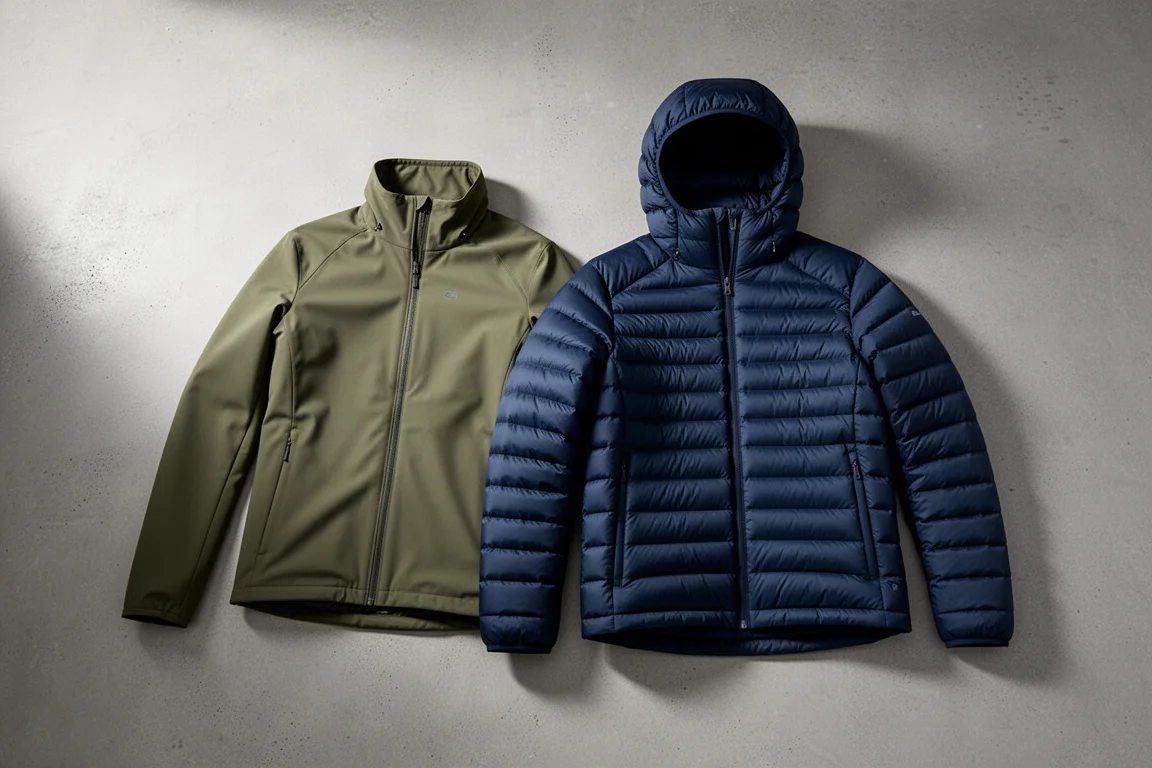
The most important difference is the fill. The Trek 100 uses synthetic insulation, which keeps working well in wet conditions, while the Trek 900 uses down insulation, which is the warmer and lighter choice for cold, dry days. Price separates them too: $50 for the Trek 100 and $130 for the Trek 900. The Trek 100 is also a little heavier and bulkier than down alternatives, which matters if you are counting grams on a backpacking trip. If your trips are wet and mild, the synthetic jacket makes more sense. If you need real winter warmth, the down jacket is the one to look at.
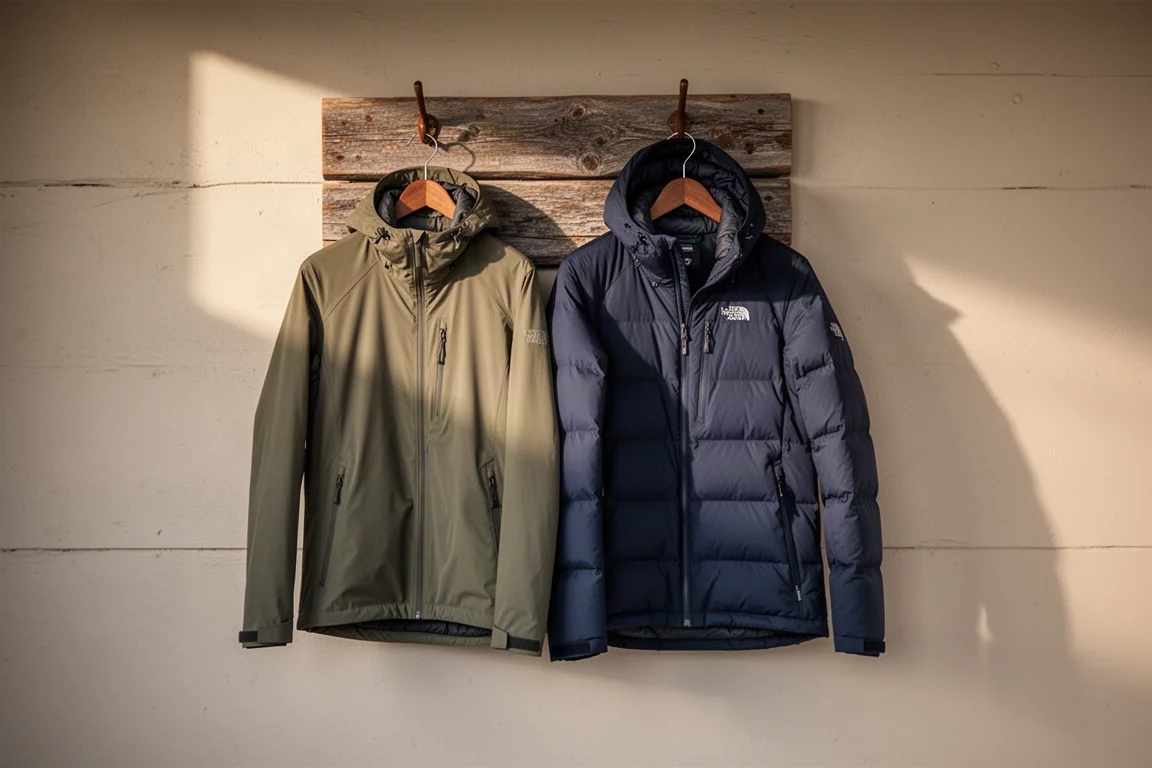
Both jackets follow the same design philosophy: simple, functional pieces with the features that matter most on the trail, and no unnecessary complexity.
Decathlon Trek 100 Synthetic Jacket: Value Warmth for Wet Weather
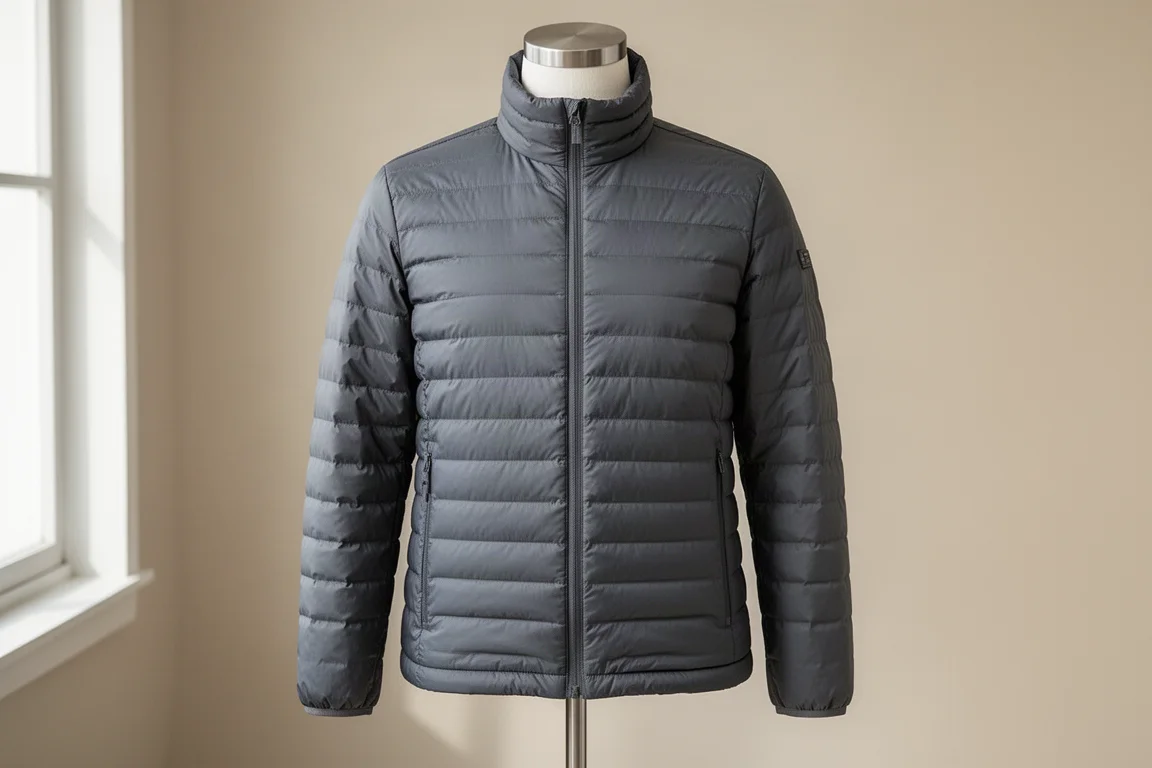
The Trek 100 is a synthetic fill jacket made from 100% polyester. A quarter of the insulation comes from recycled materials, and the shell uses a 20 denier nylon. At $50 it is one of the more affordable insulated jackets on the market, and it is at its best in wet environments where a down jacket would lose its advantage. It is warm enough for a cool-weather walk, easy to live with, and a sensible option if you want to save money compared with the down jackets on offer. The trade-offs are weight and bulk compared with down options, and the lack of a chest pocket, which is a small annoyance if you like to keep a phone or sunglasses close at hand.
Decathlon Trek 900 Down Jacket: A Warmer Option for Deep Cold
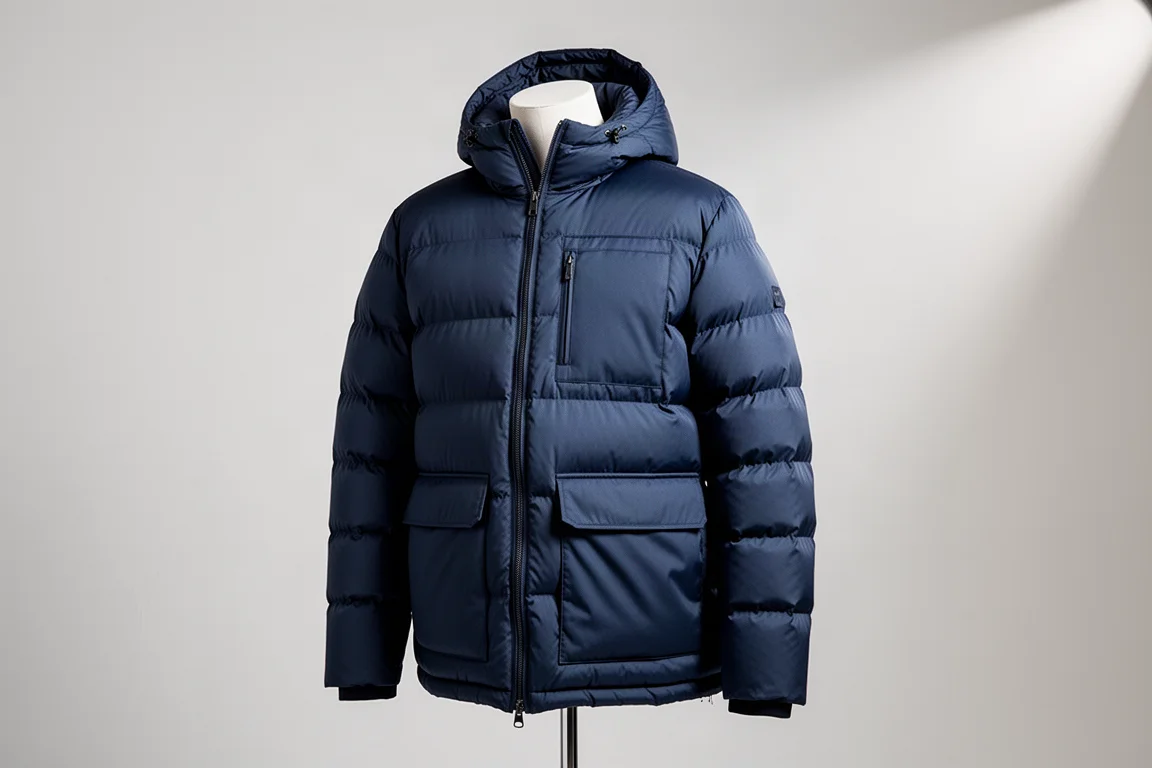
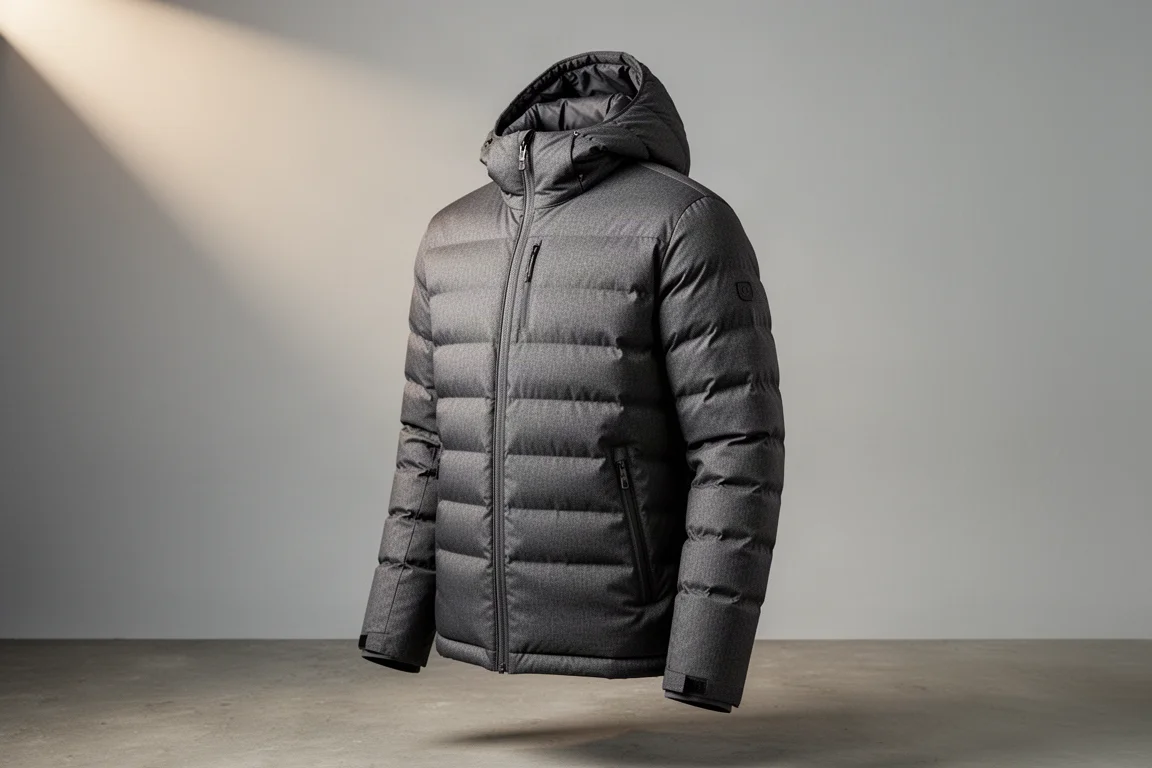
The Trek 900 is a full-zip down jacket with a hood, designed as a winter layer. In size extra large it weighs 585 g, and at $130 it costs roughly a third of what comparable jackets from other manufacturers often sell for. The hood and shoulders use a water repellent material, so wet snow is less likely to soak through the areas that catch the most weather. Storage is generous, with a chest pocket, large mitten-friendly hand pockets, plus cinches and a neck baffle to seal warmth in around the neck.
In practice the Trek 900 stays warm well into negative temperatures, which makes it a strong choice for cold winters. If you tend to run cold, it also works through shoulder season. The extra large fits loosely enough to layer a fleece or midlayer underneath, which is worth planning for if you want to wear it over other clothing.
Fit and Sizing: What to Expect
Sizing is close on the Trek 100. An extra large fits with room to spare, while a large also fits but feels fairly snug. As a reference point, a 5 ft 10 in, 185 lb build with a 40 in chest and a 33 in waist was comfortable in the extra large, so if you are between sizes and want layering room, sizing up is the safer choice.
The Trek 900 runs looser in the same size. The extra large was chosen specifically because it fits a little more loosely, leaving space to layer underneath during winter. If you plan to wear the jacket over a midlayer, that extra room is useful rather than wasted.
Warmth, Weight, and Weather
Fill type drives most of the practical differences here. Synthetic insulation is the better match for damp climates because it does not take on the same wet-weather penalty that down does. Down, on the other hand, delivers more warmth for the weight, which is why the Trek 900 is the piece to reach for when temperatures drop well below freezing.
Weight follows the same logic. The Trek 900 comes in at 585 g in size extra large, while the Trek 100 is described as a little heavy and bulky compared with down options. For day trips, that difference rarely matters. For backpacking, it is worth weighing against how much warmth you actually need.
Feature Gaps to Know About Before You Buy
Neither jacket is trying to be everything. The Trek 100 has no chest pocket, inside or out, so there is nowhere obvious to stash a phone or a pair of sunglasses. The Trek 900 solves that with a dedicated chest pocket, but it is the pricier and warmer of the two, which means it can be more jacket than you need on mild shoulder-season days unless you run cold. On the Trek 900, the water repellent treatment covers the hood and shoulders, so protection is focused on the areas that collect falling snow rather than the whole jacket.
Buying Advice: Choosing Between the Trek 100 and the Trek 900
Pick the Trek 100 if you want an affordable synthetic jacket for wet, mild conditions and you are happy to trade some packability for a much lower price. It is the better match for damp climates and for anyone who wants a simple layer without spending much.
Pick the Trek 900 if you need genuine winter warmth. At $130 it undercuts comparable jackets significantly, and the hood, water repellent shoulders, pocket layout, and neck baffle make it a well-rounded cold-weather piece. Size up if you want to layer underneath.

If you are still unsure, ask what your coldest regular trip looks like. Above freezing and often wet points to the Trek 100. Well below freezing and dry points to the Trek 900.
Conclusion
Both jackets deliver on the promise of affordable outdoor gear without obvious compromises in the basics. The Trek 100 is the value pick for wet, mild weather, and the Trek 900 is the warmer, better-featured option for real winter conditions. Choosing between them comes down to your climate and how much warmth you need, not to which one is objectively better.
Further reading
Related Reviews
Insulated Jackets
Aerogel vs Down Insulation: Two Aerogel Jackets Compared
Aerogel is the lightest solid on record, but two aerogel jackets measured against a comparable down jacket tell a more complicated story about warmth.
Insulated Jackets
Arc'teryx Atom LT vs Decathlon Trek 50: Does the Premium Synthetic Jacket Earn Its Price?
A side-by-side look at two synthetic insulated jackets at very different prices, covering fit, weight, insulation, features, and warranty.
Insulated Jackets
Big Agnes Shovelhead Jacket Review: Does Treated Down Stay Warm When Wet?
A close look at the Big Agnes Shovelhead jacket and its bluesign approved, PFAS-free DownTek insulation, including what happened when it was soaked twice in near-freezing conditions.