Backpacking Gear
Decathlon Simond Backpacking Gear: Eight Ultralight Picks Worth Packing
A practical guide to eight Decathlon, Simond and Forclaz backpacking items, from the MT900 ultralight tent and UL50 pack to cookware, camp footwear and a compact stove.
Introduction
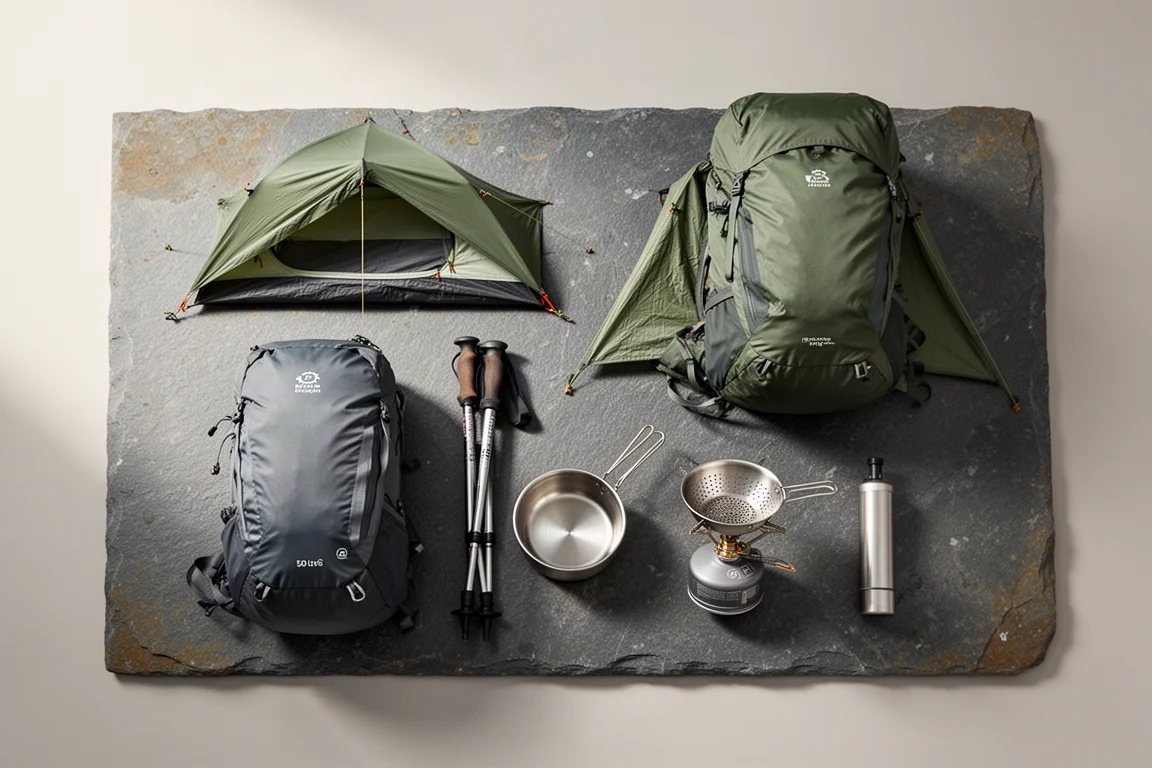
Decathlon built its reputation on affordable outdoor gear, and the Simond and Forclaz labels sit at the more technical end of that range. The MT900 family in particular is aimed at backpackers who want low weight and real mountain capability without moving into specialist pricing.
This guide covers eight items from that range, taken out for an overnight wild camp on an exposed Lake District summit. Conditions were mixed: warm and still in the afternoon, then gusty overnight, followed by a clear, cold dawn. That spread of weather is a useful way to judge how ultralight kit actually behaves once it is pitched and loaded.
Each entry below explains what the product is, what stood out in use, and the trade-offs worth weighing before you buy.
How These Products Were Chosen
The selection is deliberately practical. Everything here had to earn its place in a pack that was carried up and down a mountain: light enough to justify the space, tough enough for rocky ground, and simple enough to use in poor light at the end of a long day.
Decathlon’s development process is also worth knowing about. The company runs a co-creative programme that anyone can sign up for. Participants receive questionnaires and prototype photographs during development and give feedback on what does and does not work. Some contributors are selected to take part in real trips at their own expense to test gear in the field. It is a slower approach than rushing products to market, and it shows in details such as pot supports that match a specific cook set.
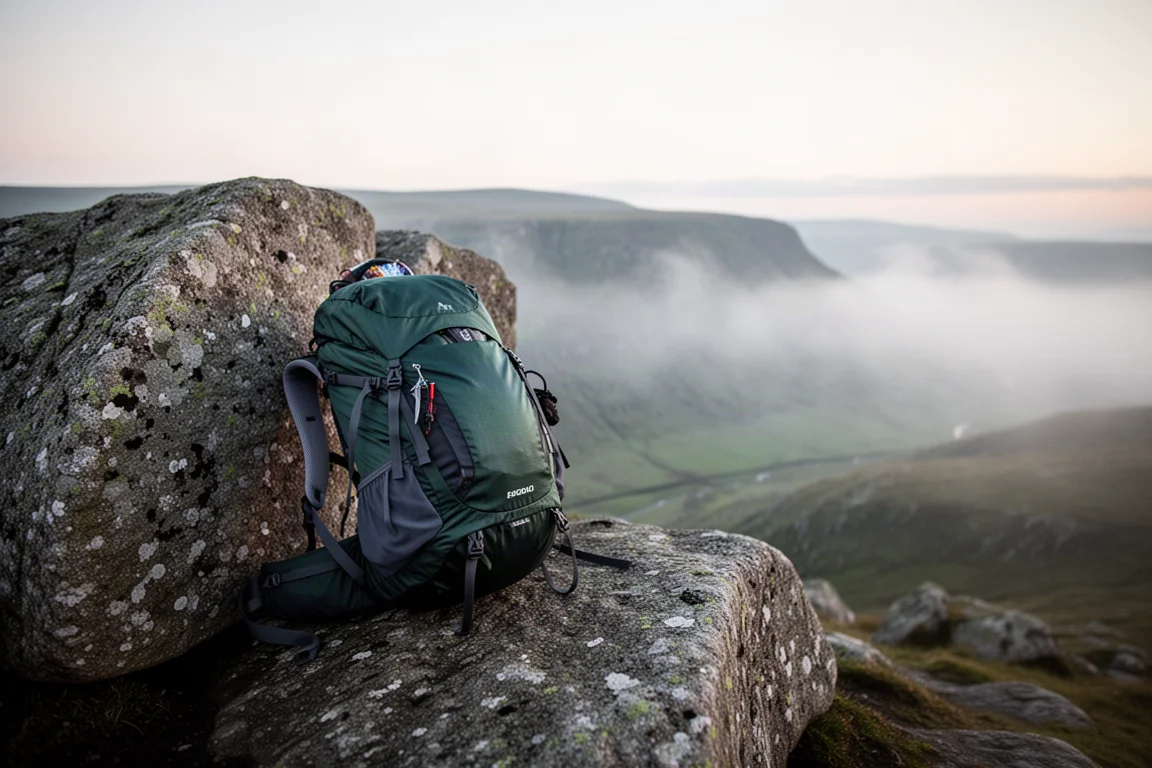
Weight, packed volume, weather performance and ease of use were the main criteria. Price was considered only in terms of value: what you actually get for what the item is.
Simond MT900 Ultralight Tent
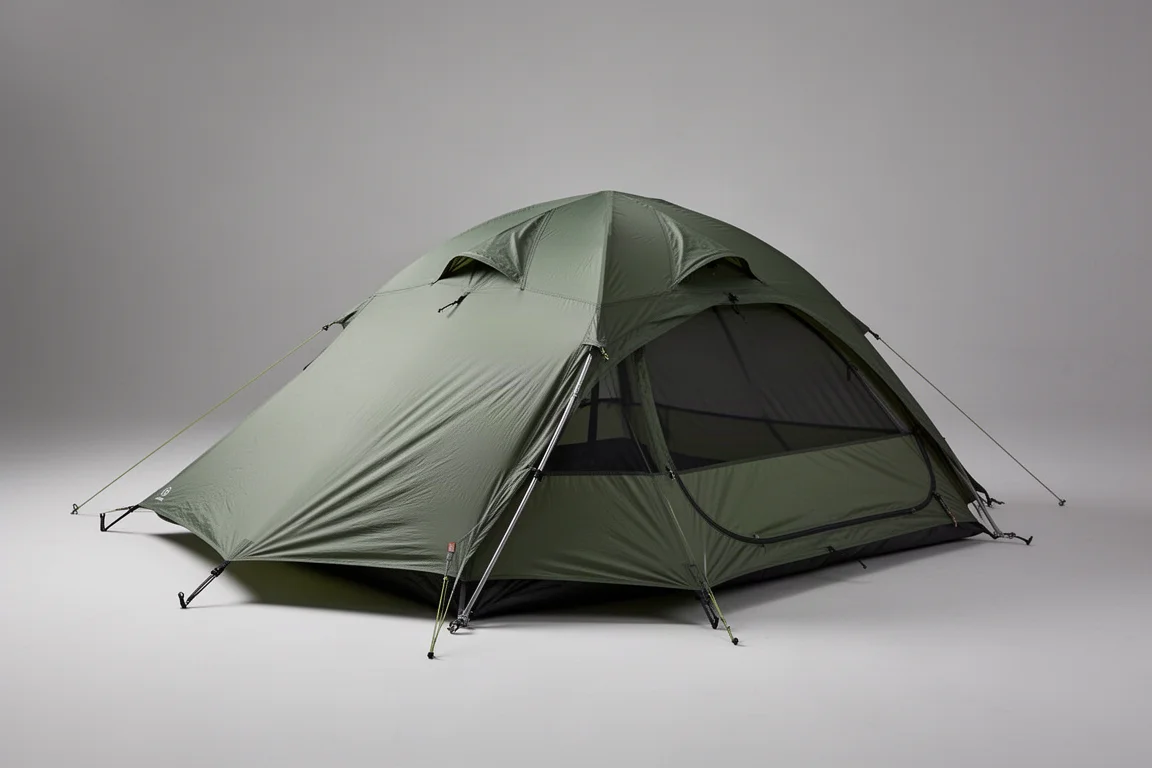
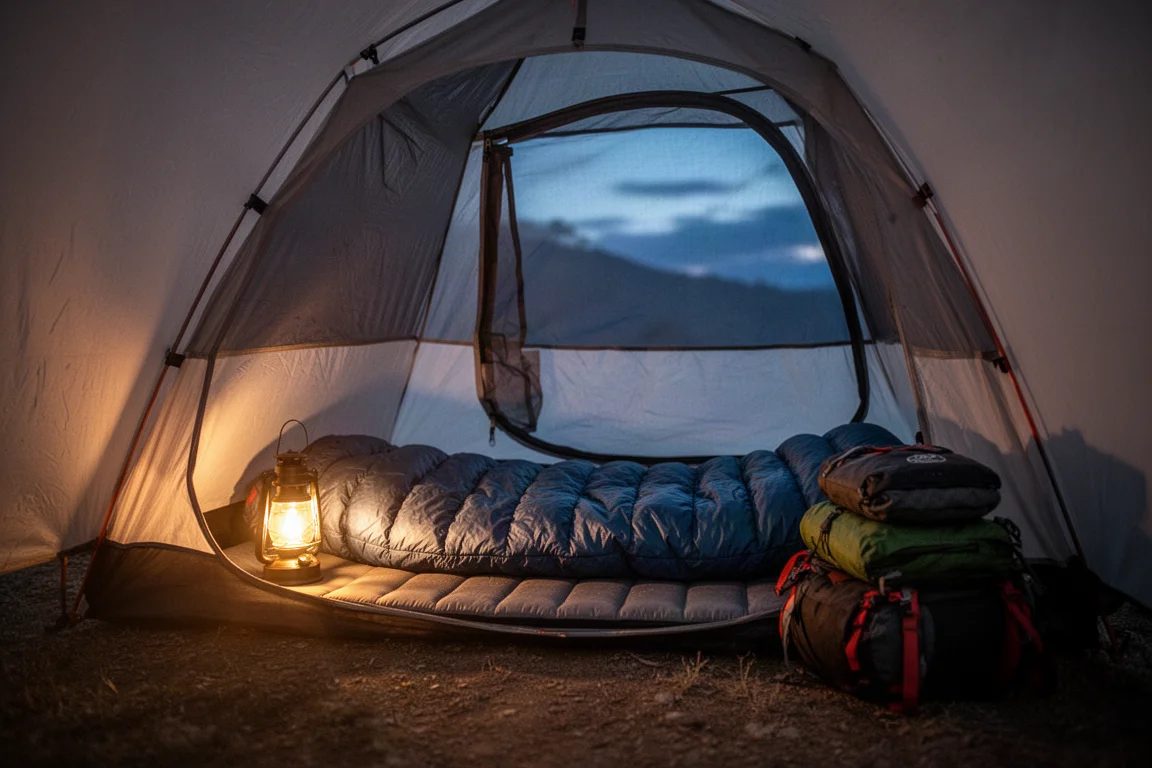
The MT900 is described as an ultralight tent, but it is easier to understand as a very light two-person shelter. It weighs 1.55 kg and uses a condensless fabric that Decathlon claims reduces internal condensation. The build is a single-skin hybrid: solid fabric runs roughly a foot up from the floor, then gives way to mesh, and the floor itself is a deep bathtub shape.
Inside there is more usable space than the low weight suggests, and two vents at the top help with airflow. On a pitch with wind arriving from several directions at once, the shelter stayed put and the poles stayed taut. Overnight, with the vents closed to make the test harder, there was no condensation on the inner fabric at all.
That is a strong result, and it is worth treating single-skin shelters as conditions dependent: airflow, humidity and site choice all play a part in how much moisture you wake up to.
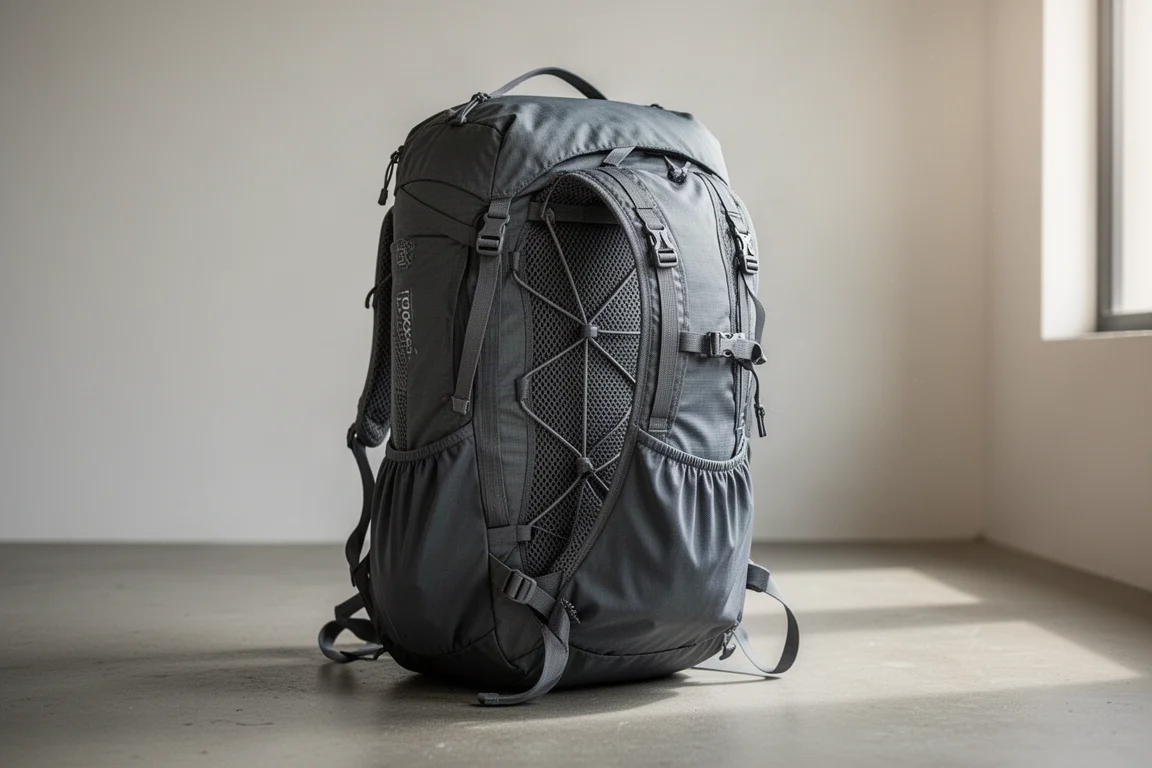
Simond MT900 UL50 Backpack
The UL50 is a 50-litre pack that weighs under a kilogram, which puts it in genuinely ultralight territory without stripping out structure. It uses an internal frame and a suspended mesh back panel, keeping the load off your back on warm days, which makes a noticeable difference on long climbs.
The materials are light, but the feature set is not bare. There is a hydration bladder sleeve, and the side pockets are large enough to take a water bottle and a sleeping pad. On a warm ascent, the suspended mesh was the detail that stood out most.
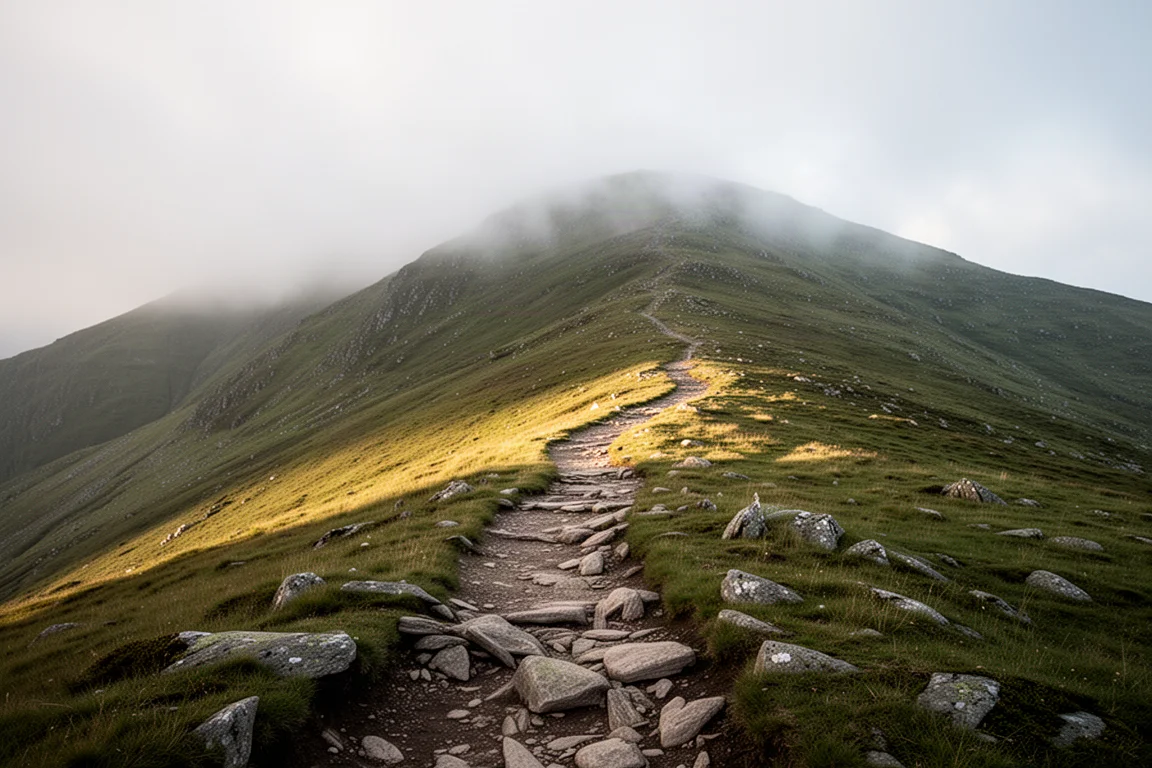
The trade-off with any sub-kilogram pack is load carrying. The UL50 is happiest with a disciplined, light kit. If you habitually carry heavy food and water, a burlier pack will feel more comfortable on your shoulders.
Forclaz MT900 Trekking Poles
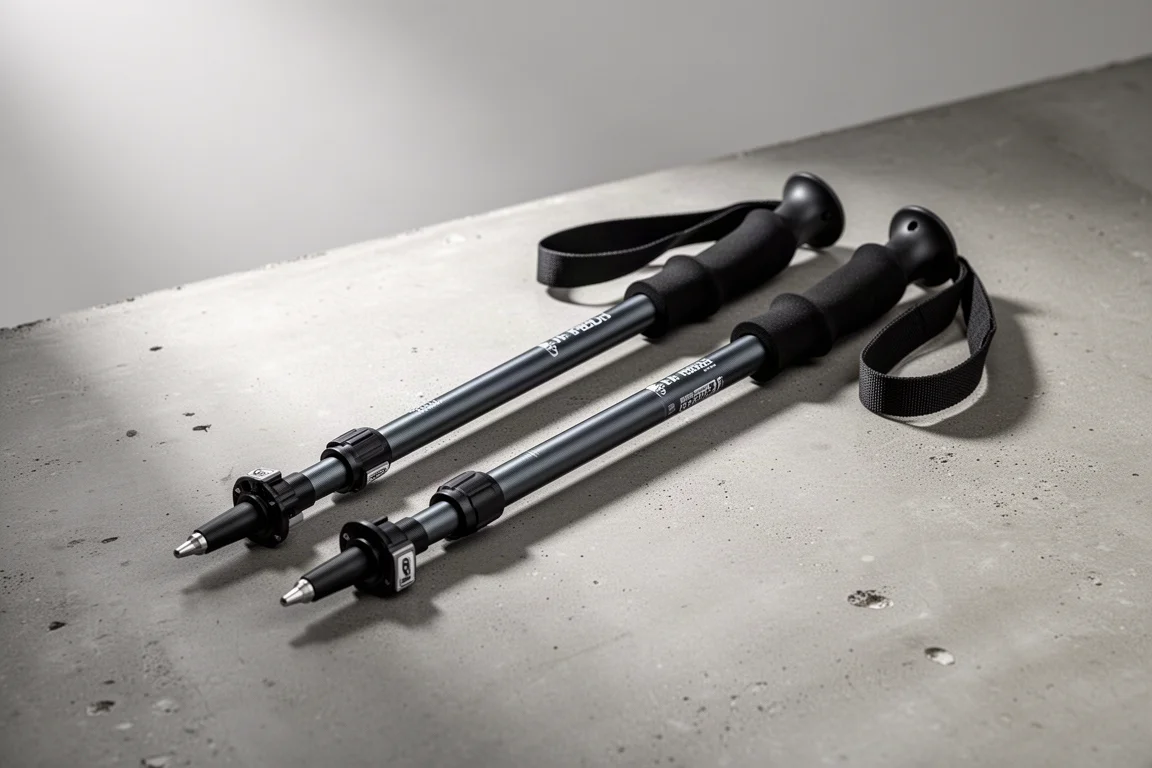
The Forclaz MT900 poles are made from aluminium, which keeps them at a sensible weight for backpacking while remaining a durable choice for rocky ground. They were used for the full day, including the looser and steeper sections on the way to the summit.
Aluminium is the pragmatic option for mixed terrain: it handles knocks and abrasion well, and it does not demand the careful treatment that lighter carbon shafts sometimes need. For a general backpacking pole, that is a sensible balance.
Quechua MH500 Hiking Shoes
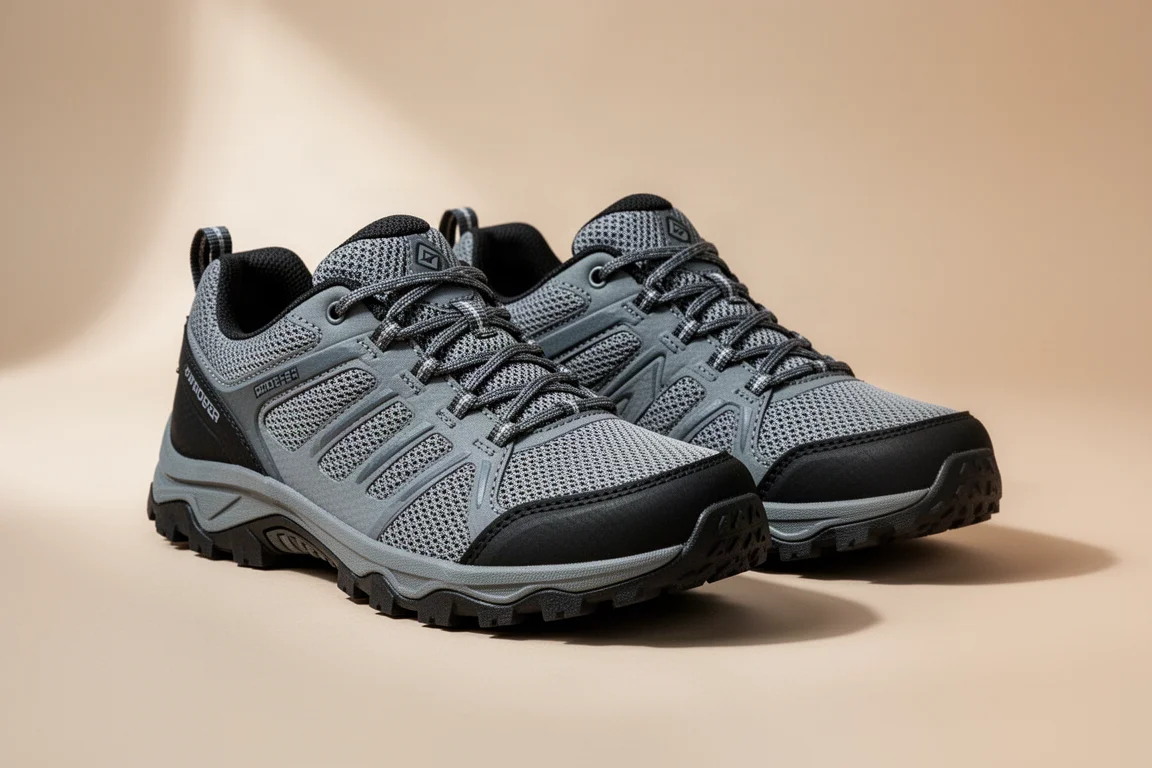
The Quechua MH500 is a hiking shoe rather than a full boot, which suits a lightweight summer kit. It was worn for the full day across grass, rock and loose ground on the way up and back down.
For backpackers carrying a modest load on maintained trails, a low-cut hiking shoe is often the more comfortable choice than a stiff boot. If you need ankle support, or you expect deep mud and very rough ground, that calculation changes.
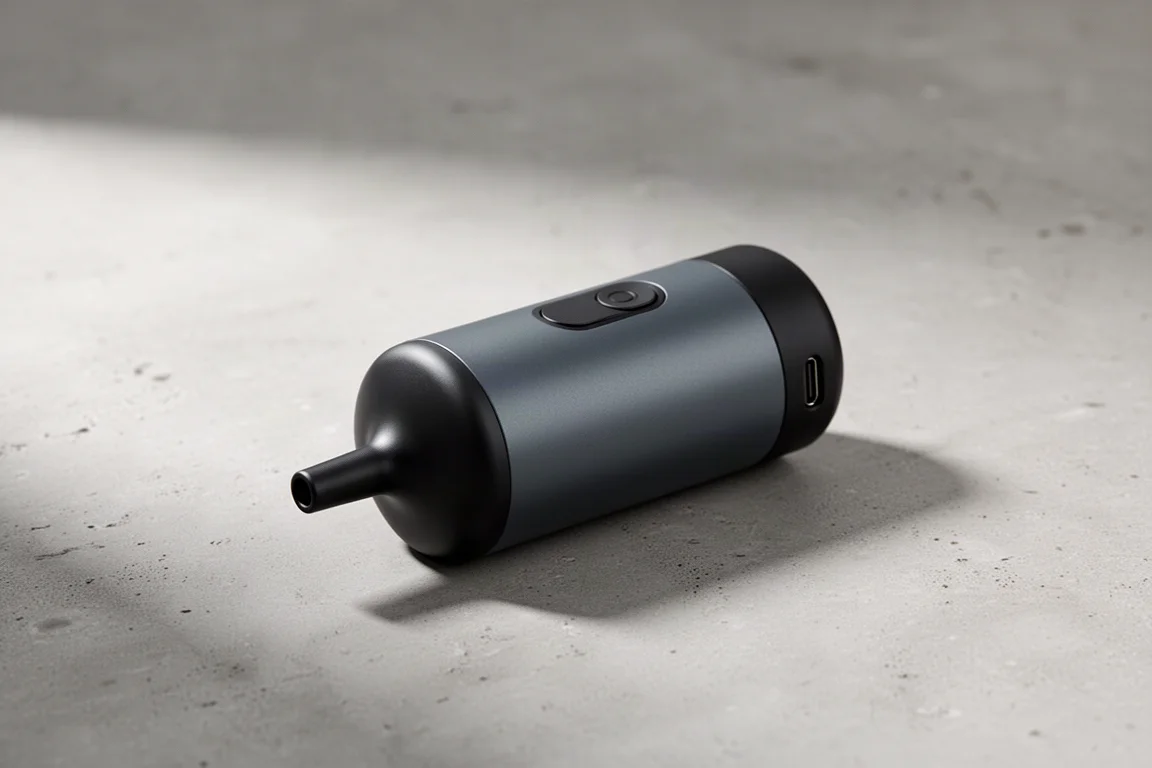
Flextail Gear Tiny Pump 2X
The Flextail Gear Tiny Pump 2X is a compact pump that also works as a lantern. That combination is genuinely useful for wild camping, because it replaces two separate items in your pack: the pump for your sleeping pad and the light you want inside the tent after dark.
Small dual-purpose items like this are where a lightweight kit quietly gets better. One less thing to carry, one less thing to remember.
It is the kind of accessory that rarely makes headlines but earns its place on every trip, particularly on shorter overnights where every gram and every spare pocket matters.
Skinners Camp Footwear
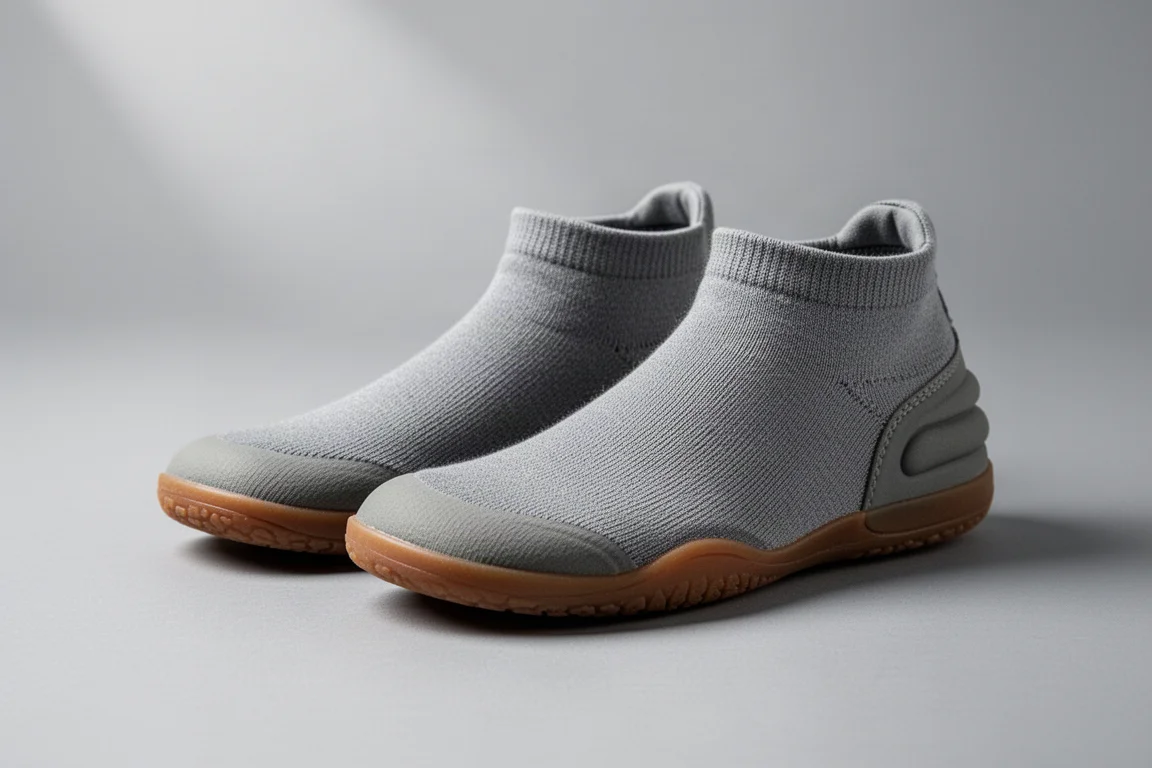
Skinners are an unusual take on camp footwear: a sock-like upper with a rubberised sole and cushioning built in. That combination gives you a protected foot for walking around camp or stepping outside the tent at night, without the bulk of a shoe.
They look quirky, and that is part of the appeal for anyone who wants a warm, protected foot at the end of a hiking day without adding much weight to the pack. Think of them as footwear for the tent and the immediate camp area rather than a substitute for a hiking shoe.
Forclaz One Cook Set
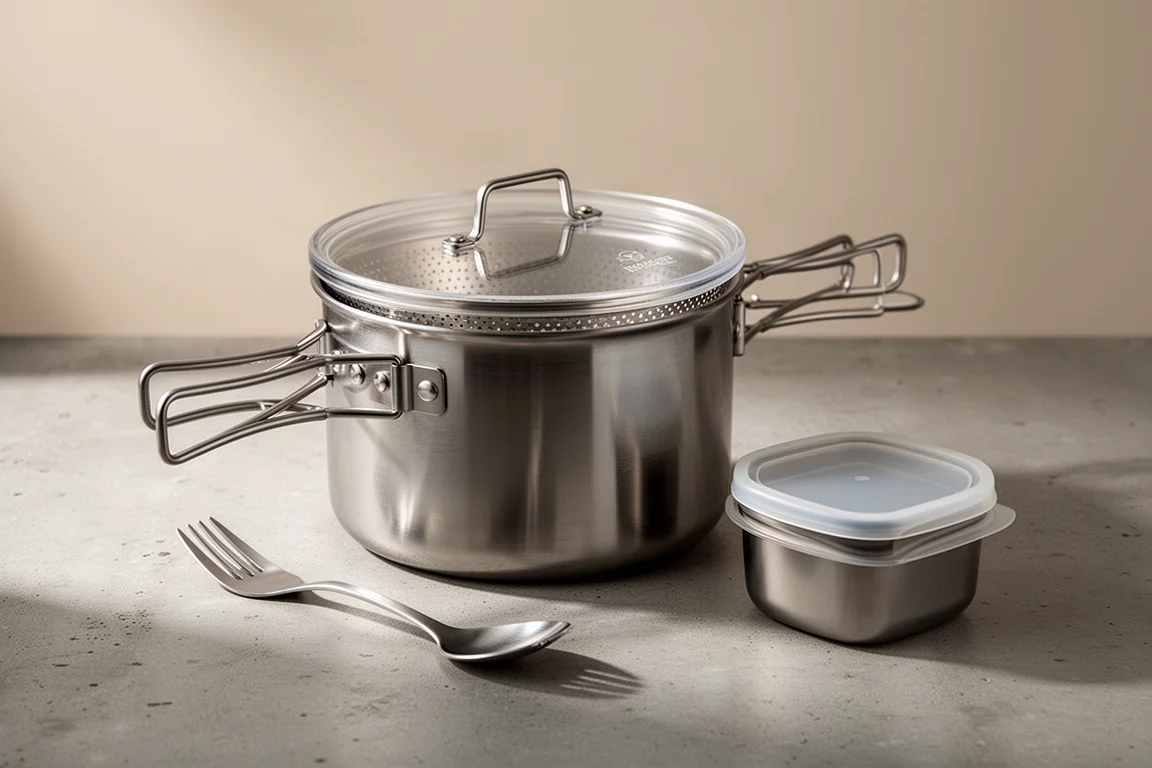
The Forclaz One cook set is built around a 900 ml stainless steel pot with handles that lock together for packing, plus a lid that doubles as a strainer. The set also includes a spork and a smaller container, and a 100 g gas canister fits inside the pot.
The transparent lid is a small but genuinely useful detail: you can see what is happening while the water heats, which matters in low light or when you are trying not to boil a pan dry. Stainless steel costs a little weight compared with titanium, but it is durable and easy to clean.
Forclaz MT500 Gas Stove
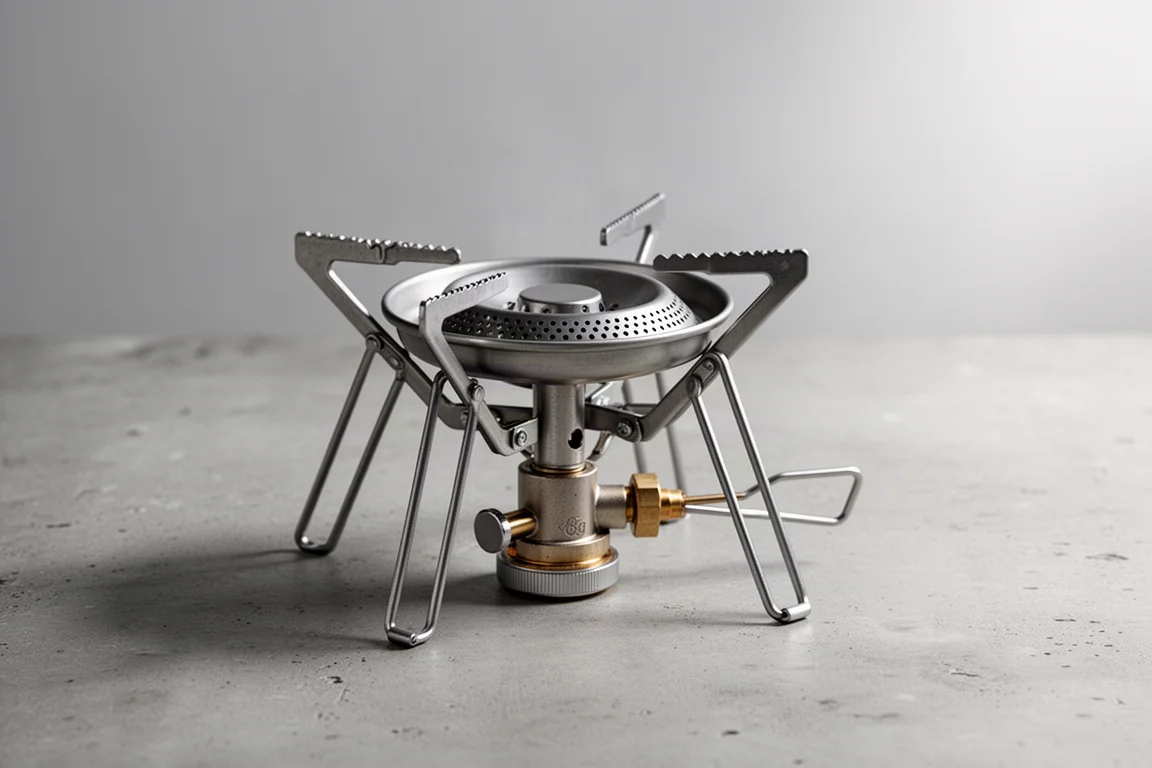
The MT500 is a compact gas stove with a wider support than the ultralight version in the same range. That extra diameter is the reason it pairs so well with the Forclaz One pot: the pot sits stable on the prongs rather than balanced on a small tripod.
Boil times were quick, which is exactly what you want when you are cooking on a summit with the light going. It is a straightforward, dependable stove for solo backpacking trips, and it nests neatly with the cook set above.
Overall Buying Advice
If you are building a lightweight backpacking kit from scratch, start with the shelter and the pack, because those two decisions shape everything else. The MT900 tent and the UL50 pack are the two items here with the most technical ambition, and both are aimed at backpackers who want low weight without moving into specialist cottage-industry pricing.
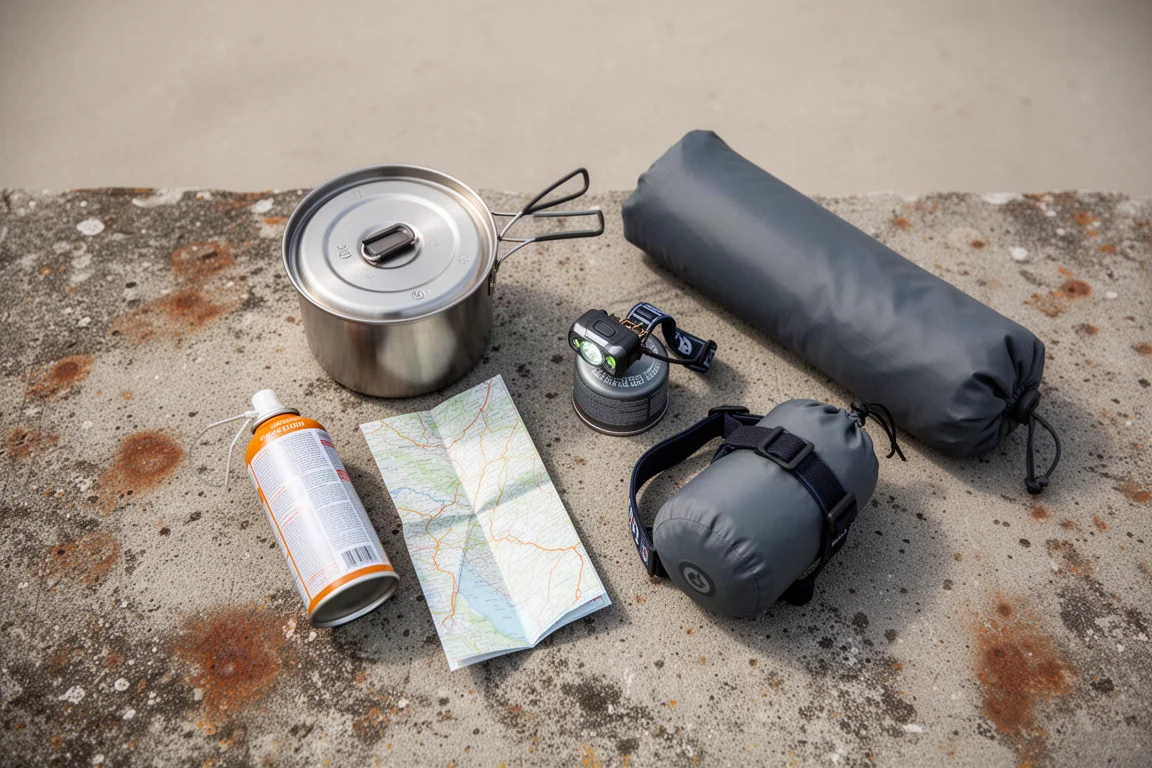
Cookware and small accessories are where Decathlon’s value is easiest to see. A stainless steel pot set and a compact stove cost very little relative to the rest of a kit and last for years. Camp footwear and a pump that doubles as a lantern are the sort of small additions that quietly make an overnight trip more comfortable.
A final note on how these products are developed: the co-creative programme means feedback from ordinary users feeds into the design, and products are tested slowly rather than rushed out. That is a good reason to look past the budget brand label.
Conclusion
Eight items, one mountain, and a night of wind that tested the most interesting piece of kit in the pack. The headline is the MT900 ultralight tent: a 1.55 kg two-person shelter with an anti-condensation fabric that performed exactly as claimed on an exposed pitch. The UL50 pack is the other stand-out, offering a framed, ventilated carry at under a kilogram.
Everything else here does a smaller job well: poles, shoes, cookware, a stove, camp footwear and a pump that doubles as a lantern. None of it is exotic, and that is the point. Decathlon’s more technical lines are worth a serious look, particularly if you want capable backpacking gear without paying premium prices.
Further reading
Related Reviews

Backpacking Gear
Building a 10 lb Base Weight: An Ultralight Backpacking Gear List
A practical walkthrough of the ultralight pieces behind a 10 lb base weight, from a 765 g pack and a roomy one-person tent to a full camp chair and a dependable water filter.
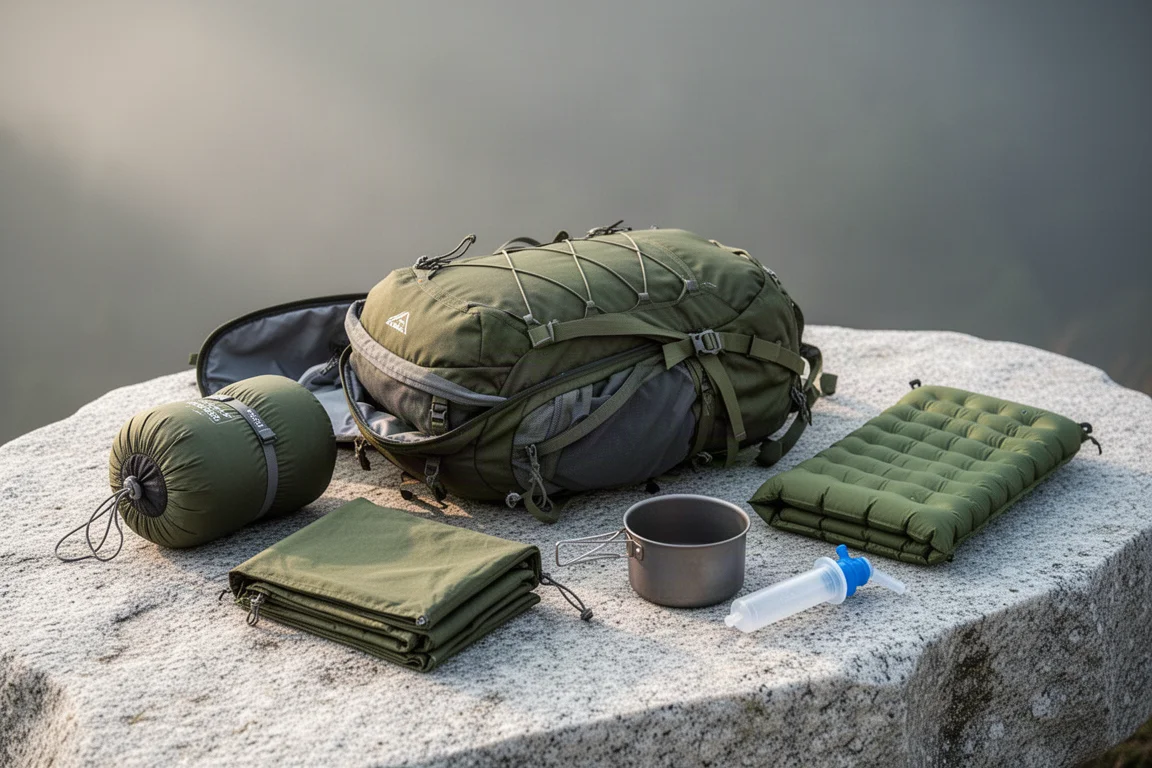
Backpacking Gear
A 15-Pound Lightweight Backpacking Gear List for Solo Trips
A beginner-friendly 15-pound backpacking setup built from easy-to-find gear, with notes on what each piece does, how it packs, and where to spend your attention.
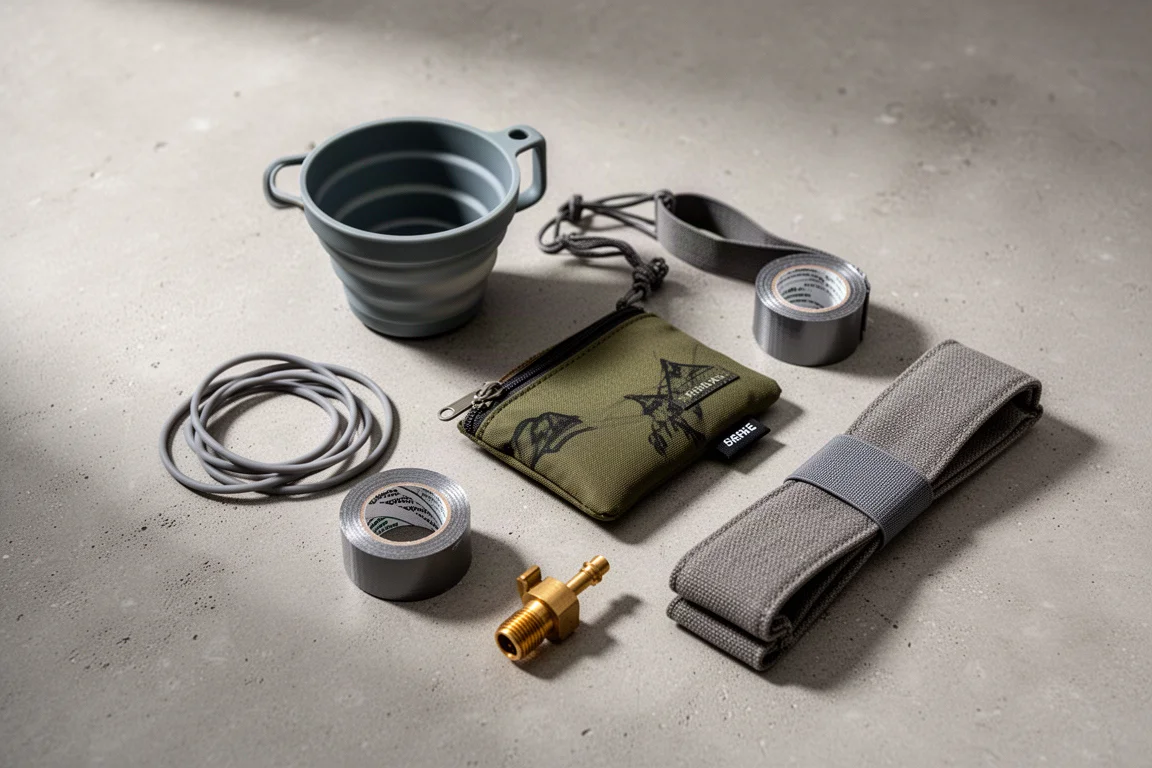
Backpacking Gear
8 Ultralight Backpacking Gear Upgrades Worth Carrying
Eight small, affordable backpacking upgrades that solve real trail annoyances, from a pillow that stays put to a fuel valve that rescues leftover canister gas.