Sleeping Pads
Decathlon Short Trek 700 Forclaz Sleeping Pad Review: A $45 Half Mat for Warm-Weather Trips
A compact half-length sleeping pad with a light 12-ounce build, eight air chambers and a very low price, plus the grip-patch and noise trade-offs worth knowing first.
Introduction
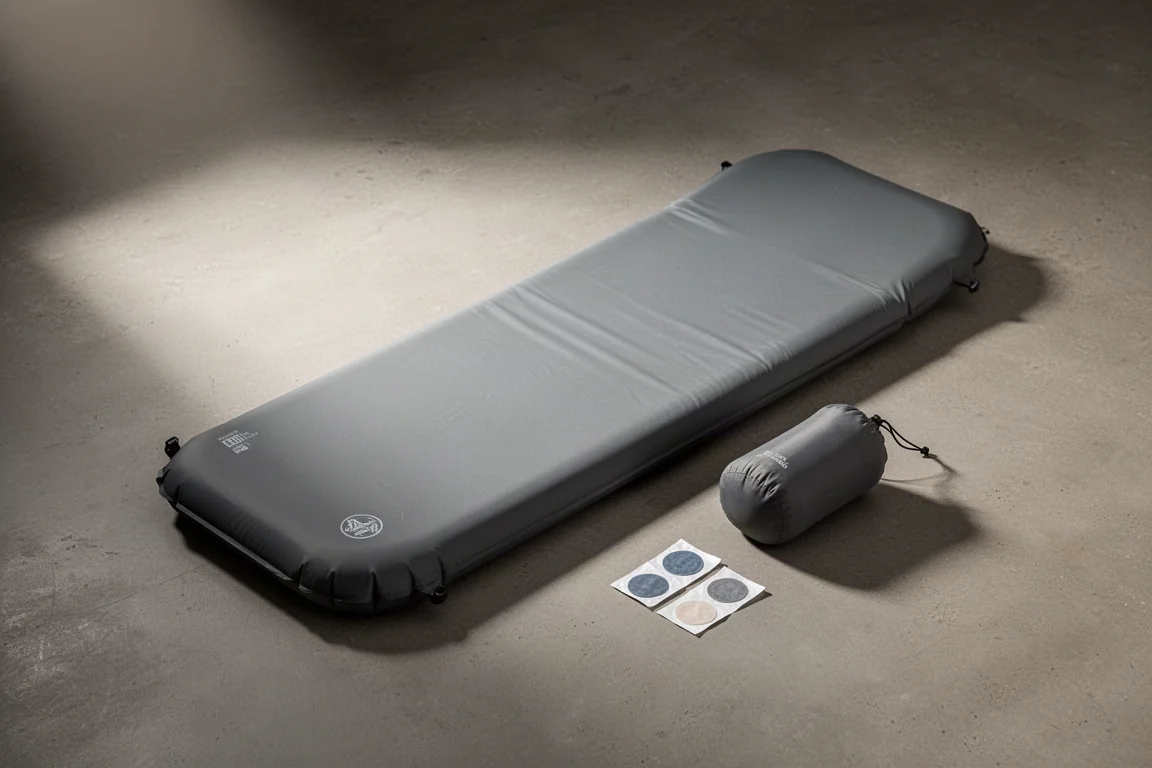
A half-length sleeping pad sounds like a compromise until you actually sleep on one. The Decathlon Short Trek 700 Forclaz takes the idea seriously: it is a short inflatable mat built for warm-weather trips where every gram counts, and it sells for around $45.
The numbers are modest on paper. The pad measures 47.2 inches long, 20.5 inches wide and offers 2.2 inches of cushion, with eight vertical air chambers running its length. It carries an R-value of 1.6, weighs 13.3 ounces with the storage bag and roughly 12 ounces without it, and comes in a single size and a single colour, gray. The construction combines thermoplastic polyurethane and polyester.
Who This Sleeping Pad Is For
The logic behind a half mat is straightforward. Your torso carries most of your weight and most of your contact with the ground, so that is the part that needs cushioning. Your legs can hang off the end, and in summer that arrangement actually works in your favour, because your feet rest on cooler ground and you stay comfortable through a warm night.
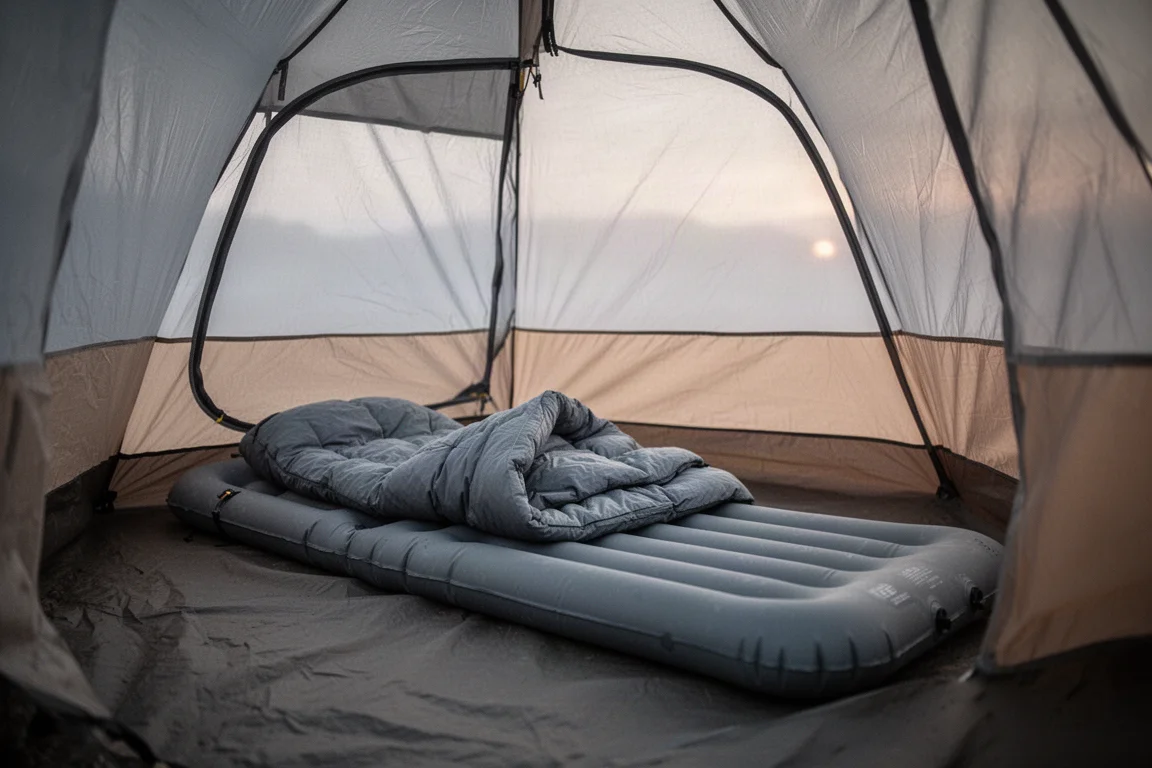
That makes the Short Trek 700 Forclaz a sensible match for summer backpackers, bikepackers and casual campers travelling in mild conditions, roughly above 50 degrees Fahrenheit. Because it is offered in one size only, with no extra-wide version, larger sleepers and anyone heading out in shoulder-season or winter conditions are better served by a full-length pad with a higher R-value.
Main Strengths
Lightweight and Packable Design
Weight is where this pad earns its place in a pack. At around 12 ounces without the storage bag, it stays under a pound, which is unusual at this price point. It also inflates quickly, taking roughly seven breaths to fill.
The valve arrangement is one of the better details here. There is a one-way valve for releasing air, and a two-way valve that lets you inflate the pad and stop without air escaping, or push on the nozzle to vent a little air and soften the mat to your liking. Rolling it up is just as simple: open the nozzle, fold, roll, and you are done.
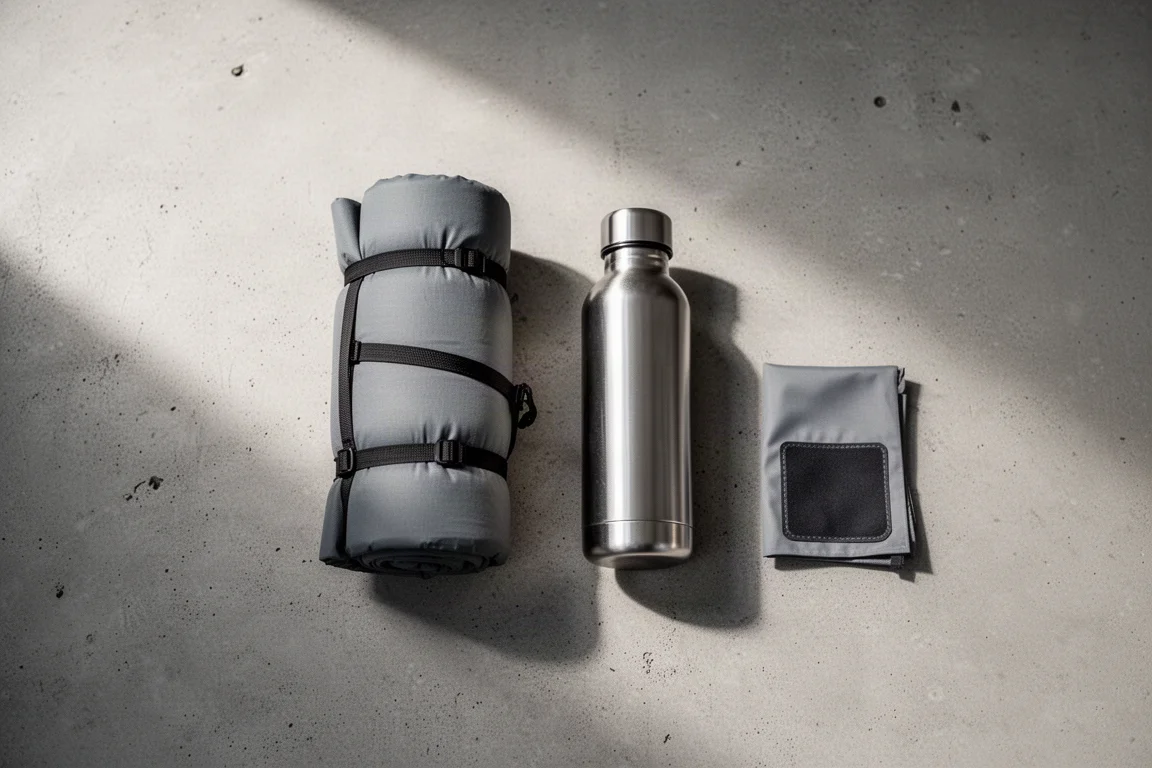
Once packed, the pad takes up very little room in a pack, which matters on trips where volume is as tight as weight. The tapered shape at the head and foot helps here, trimming material where it is not needed.
Build Quality and Value
The quality of the build is genuinely good for the money. The cut is clean, the seams are tidy, and there have been no leaking issues. For $45, that combination is hard to argue with.
Value is the strongest argument in the pad’s favour. Ultralight half mats from other brands frequently cost around $100, and lighter pads than this one often climb above that. Getting a sub-one-pound pad at this price is a meaningful saving for anyone building a warm-weather kit on a budget.
Things to Consider Before Buying
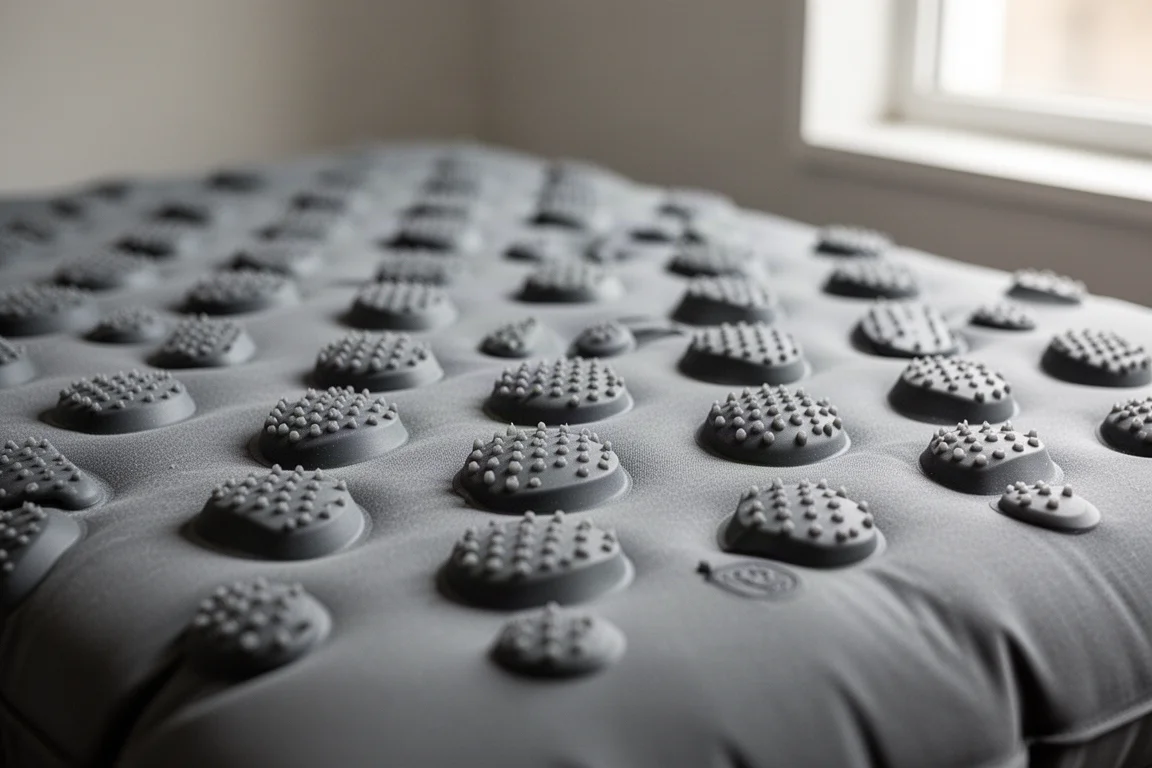
The most significant issue is comfort rather than construction. The pad uses silicone grip patches on both the top and bottom surfaces, designed to stop you sliding around. In practice they are aggressive and very grippy, and they can pull at clothing as you toss and turn. On a hot night with no shirt, the effect on skin and hair is unpleasant enough to wake you.
Anti-slip patches are not unusual on sleeping pads, but they normally sit on the underside to stop the pad sliding inside the tent. Placing them on the sleeping surface is far less common, and these are more aggressive than most. The practical workaround is to flip the pad over and sleep on the underside, which is more comfortable even with the valve sitting up near your head.
Noise is the second consideration. Air moving between the eight chambers produces a rustling sound not unlike a bag of chips. If you wake easily at small sounds, this is worth factoring in before you buy.
The storage bag is also worth flagging. It is very small, with stored dimensions of roughly 3.3 inches wide by 8.3 inches long, and getting the pad back inside is a wrestle. A rubber band or a strap around the rolled pad works better and saves a little weight.
Finally, the R-value of 1.6 sets the boundaries clearly. This is a warm-weather pad, and it should be treated as one.
Buying Advice
Buy this pad if your trips are summer trips. Above roughly 50 degrees Fahrenheit it does exactly what a half mat should: it gets your torso off the ground, it packs small, and it costs very little. The eight vertical chambers do a better job of keeping you elevated than the 2.2 inches of cushion might suggest, and the design holds up when you roll onto your side or your stomach.
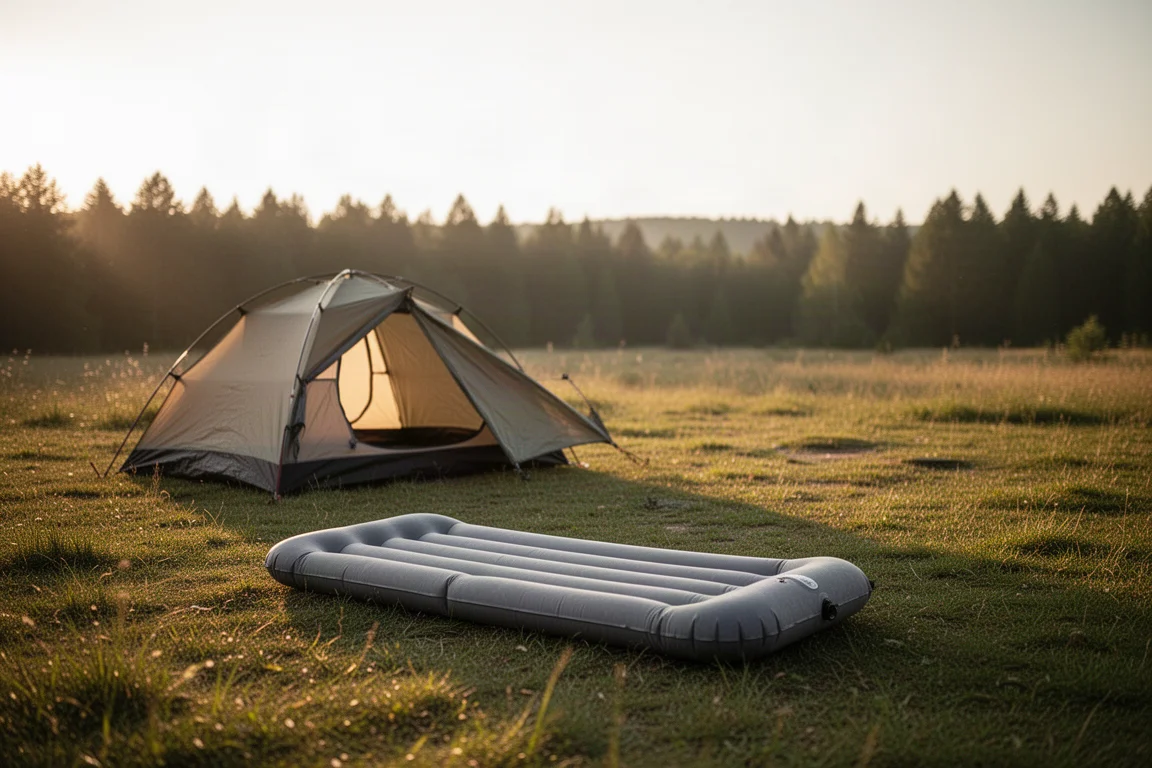
Plan around the grip patches from day one. Sleeping on the underside solves most of the comfort complaint, and it works well with a quilt or a blanket as well as with a sleeping bag. Pair the pad with a pillow, accept that your feet will be on the ground, and it behaves like a much more expensive mat. Below 50 degrees, or for anyone who wants full-body coverage, step up to a longer pad with a higher R-value instead.
Conclusion
The Decathlon Short Trek 700 Forclaz is a well-made, genuinely light half mat at a price that is hard to match. Its strengths are clear: low weight, a small packed size, good seams, reliable valves and excellent value. Its weaknesses are just as clear: the silicone patches on the sleeping surface, the rustling sound between chambers and a storage bag that is too small to be useful.
For warm-weather trips where weight and cost matter most, it is an easy recommendation. For cold nights or full-length comfort, it is the wrong tool, and a longer pad will serve you better.
Product link
View more details for Decathlon Short Trek 700 Forclaz Sleeping Pad
This product is mentioned in the review. Check the specifications, options, and compatibility before buying.
View more details for Decathlon Short Trek 700 Forclaz Sleeping PadFurther reading
Related Reviews
Sleeping Pads
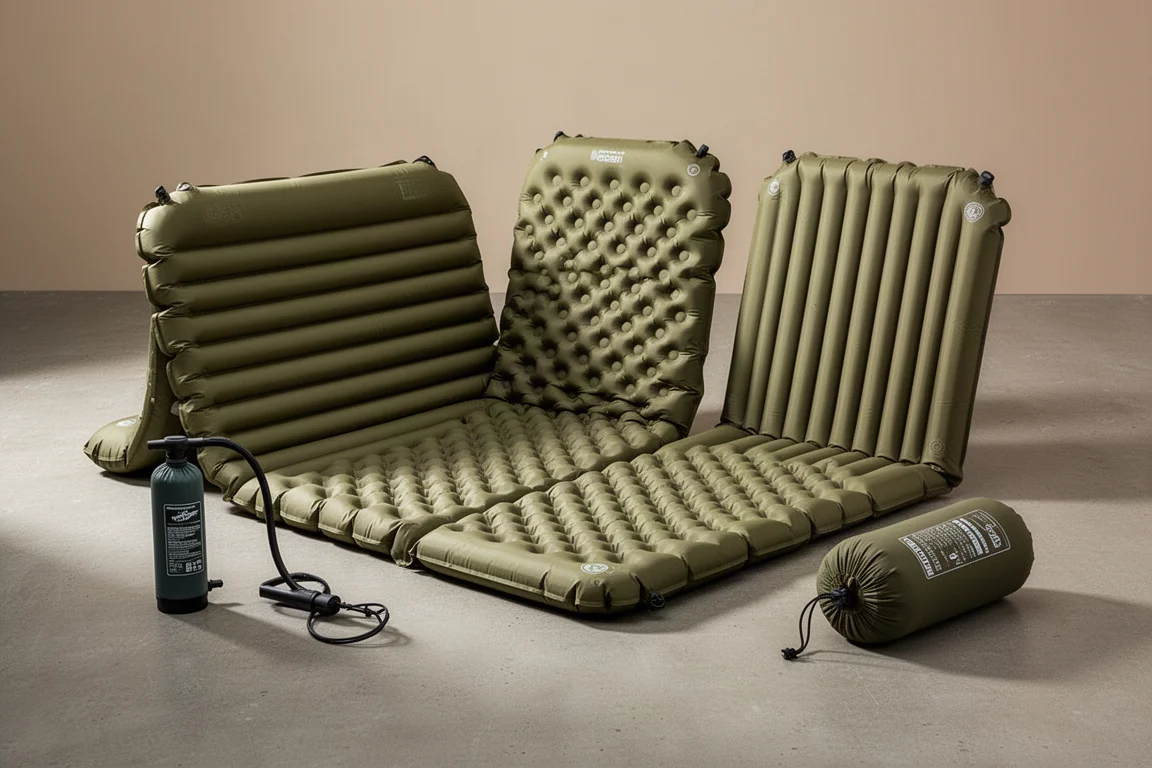
Best Backpacking Sleeping Pads 2026: Nine Pads Rated on Price, Comfort, Warmth, and Weight
Nine backpacking sleeping pads compared on price, comfort, warmth, and weight, from a $65 summer pad to a year-round option rated at R-7.3.
Sleeping Pads
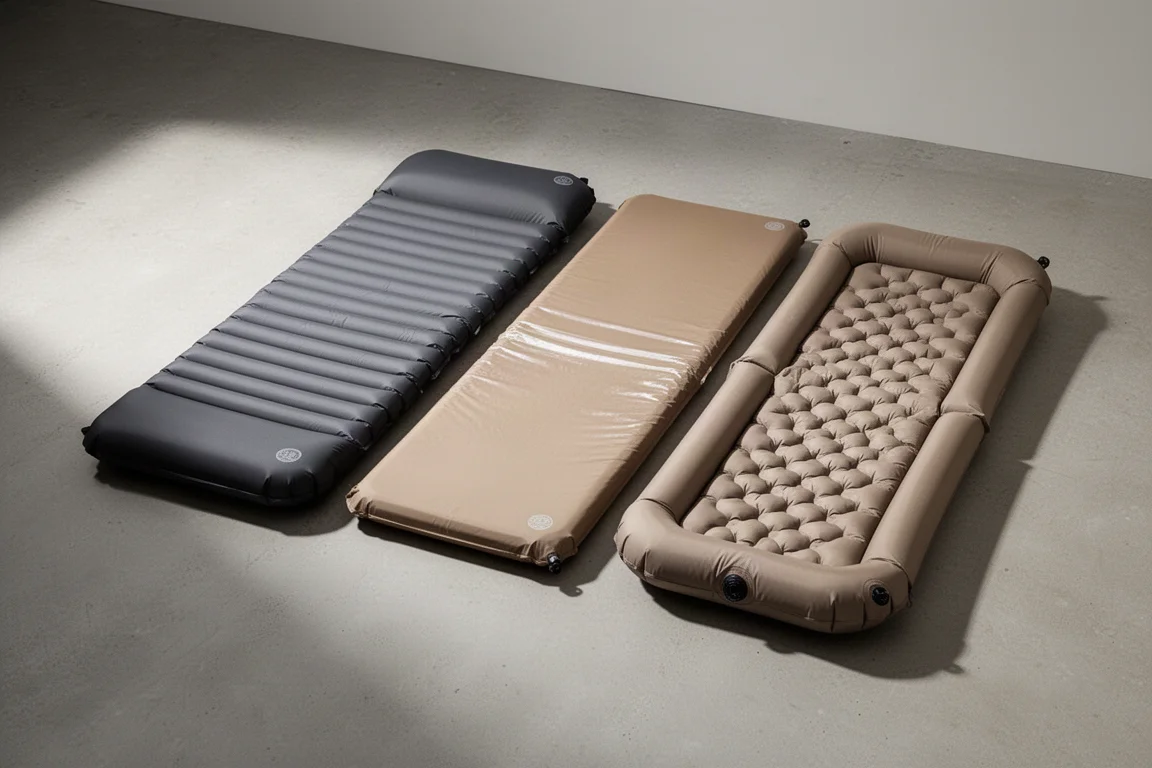
Best Backpacking Sleeping Pads: Comfort, Warmth, and Weight Compared
A practical comparison of the Nemo Quasar 3D, Therm-a-Rest NeoAir XTherm Max, and Big Agnes Rapide SL for backpackers choosing between comfort, warmth, and packed weight.
Sleeping Pads
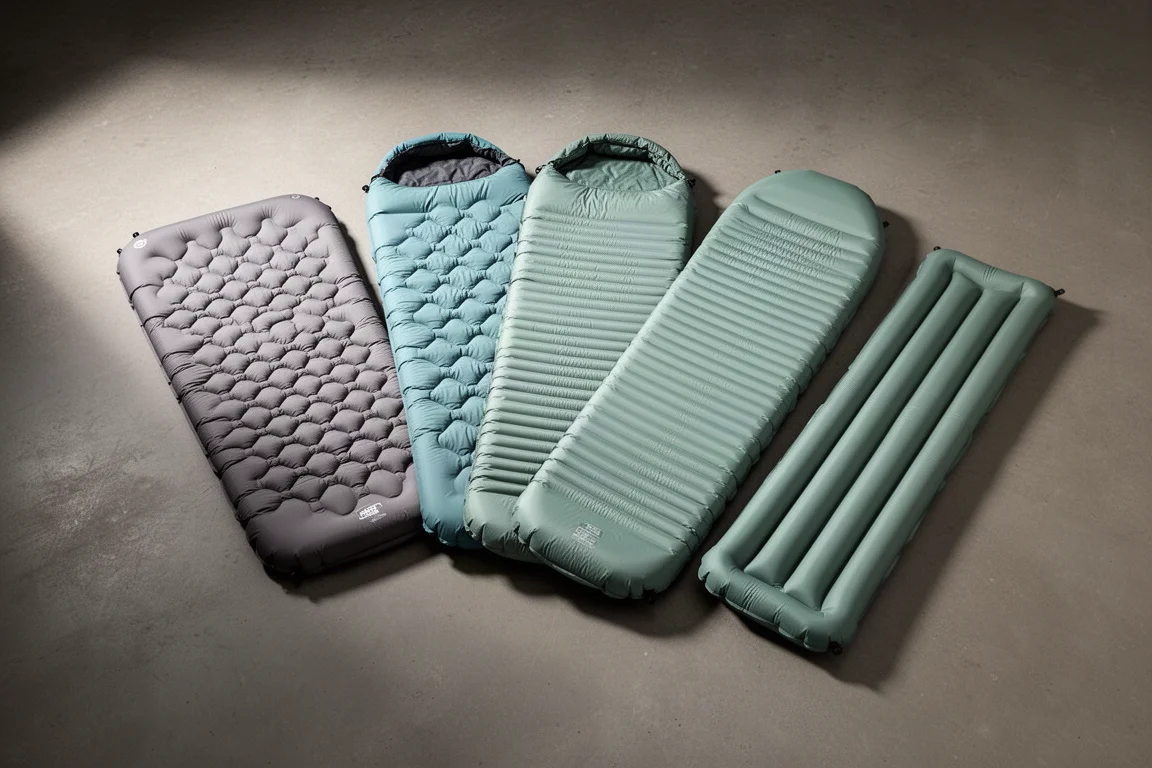
Best Backpacking Sleeping Pads: Ultralight, Winter, Comfort and Budget Picks
A practical roundup of the sleeping pads that stand out for ultralight weight, winter warmth, pressure relief and value, plus three popular pads that fell short.