Camping Tents
Decathlon Quick Hiker 210 Fresh & Black: A Two-Person Tent That Leaked Through Days of Rain
A double-wall two-person tent put through several days of heavy rain. It pitched slowly, leaked inside, and collected severe condensation.
Introduction
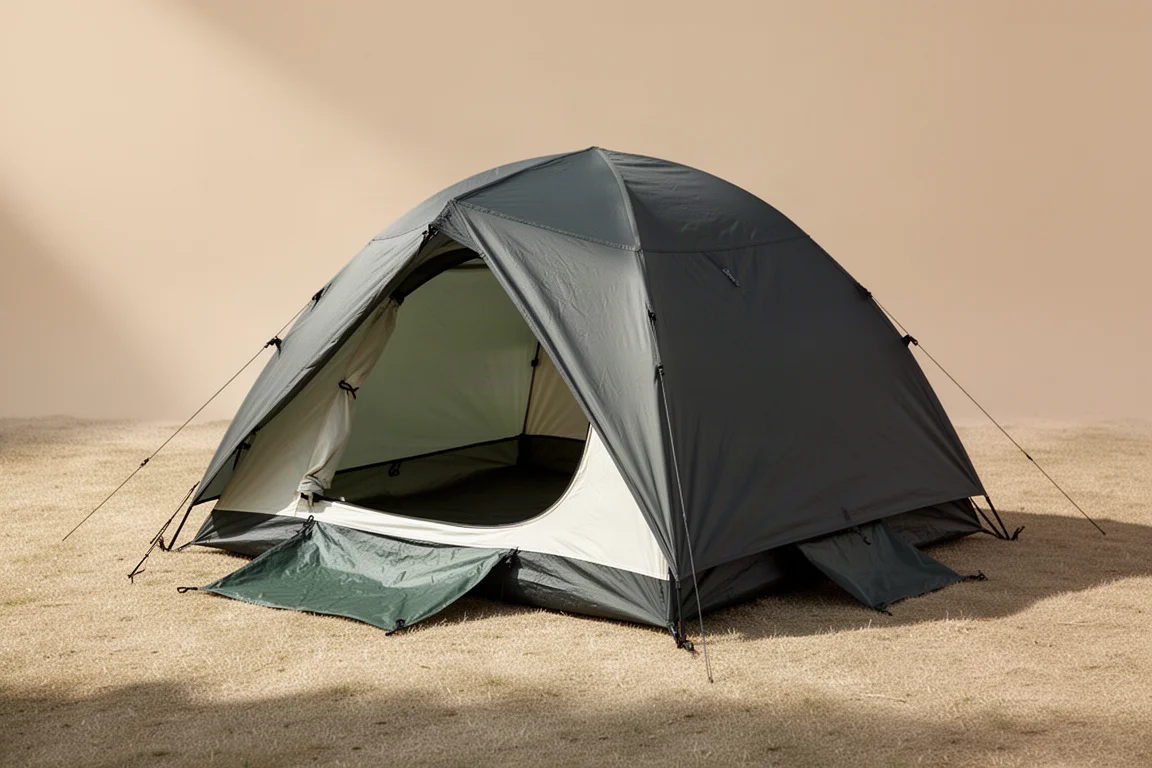
The Decathlon Quick Hiker 210 Fresh & Black is a double-wall two-person tent built around a separate fly sheet and an inner sleeping body. It was pitched and left standing through several days of rain that delivered roughly 2.5 inches of precipitation, including sustained heavy rain overnight. That is enough water to expose thin fly coverage, unsealed seams, and ventilation problems.
The outcome was unambiguous. Water found its way inside, condensation built up heavily on the inner walls, and the pitching process was slow and awkward from start to finish. If you want the short version: this is not a tent we would recommend.
Who This Tent Is For
On paper, the Quick Hiker 210 targets casual campers who want a straightforward two-person shelter with a familiar double-wall layout: an inner sleeping compartment under a fly sheet, with poles threaded through fabric sleeves along the top.
In practice, this tent only makes sense for campers who expect dry, settled weather and short trips. Anyone who camps in sustained rain, or who needs a shelter that can go up quickly when conditions turn, should look at other options first.
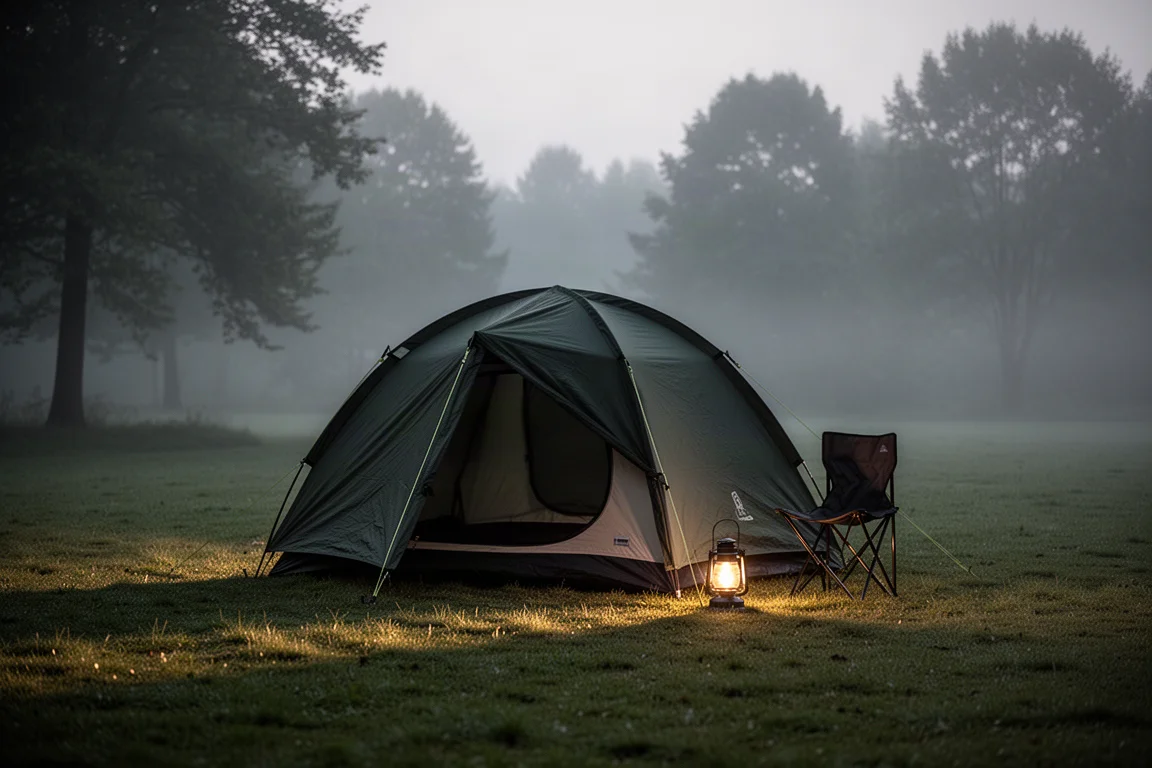
The practical takeaway is that the intended buyer is narrow. If your trips are summer weekends with a reliable forecast, the layout is workable. If rain is part of your normal camping experience, the weaknesses described below matter far more than the low-key design.
Setup Experience and Construction
Pitching is the first problem, and it is a significant one. The tent uses pole sleeves rather than clips, and those sleeves are unusually narrow. The fabric inside them is sticky and grippy, so feeding the poles through takes far longer than it should. The same friction works against you when breaking the tent down, which means the annoyance is doubled every single trip.
This is not a case of a slightly fiddly design that gets easier with practice. The sleeves are the bottleneck, and they make an otherwise simple shape feel laborious. For a tent that is meant to be an entry-level option for occasional campers, a slow and frustrating pitch is a real usability problem rather than a minor quirk.
Waterproof Performance in Heavy Rain
Rain started in the evening and fluctuated between light and moderate, with heavier bursts moving through. An initial inspection after the first night found water droplets on the inside of the fly and a visibly wet inner body. Moisture was present on the walls and the ceiling. At that stage, water was running down the fly and falling onto the inner tent, but large pools had not yet formed on the floor.
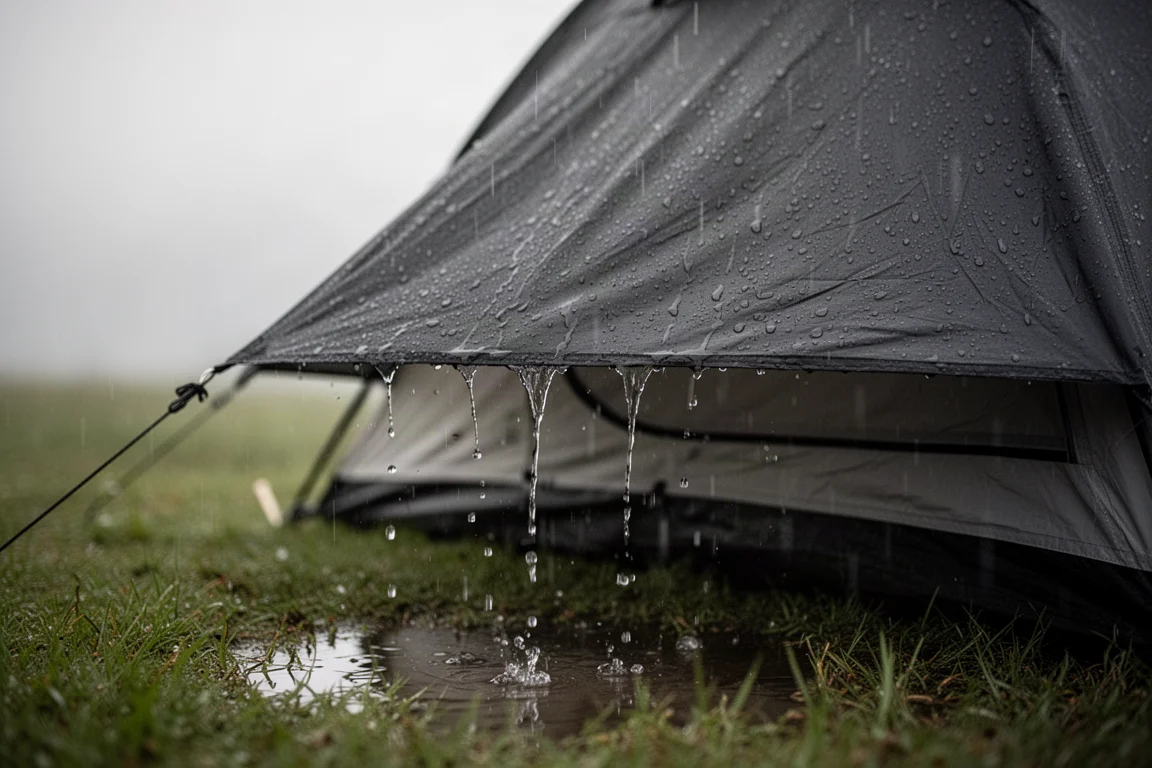
By the end of the test, with roughly 2.5 inches of rain accumulated over several days, the situation had deteriorated. Water was running in streams inside the tent, with pools collecting on the floor and everything in the interior soaked. This was not condensation alone. Liquid water was entering the living space, and the inner walls were saturated from top to bottom.
Condensation and Interior Moisture
Even setting the leakage aside, the condensation inside this tent was severe. Moisture covered the inner walls, the ceiling, and the inside of the fly, leaving the whole interior damp. That level of condensation points to airflow that simply cannot keep up with a closed, occupied double-wall tent in wet weather.
For campers, heavy condensation is not a cosmetic issue. It soaks sleeping bags, clothing, and anything left against the walls, and it makes a multi-night trip uncomfortable even when it is not actively raining. Combined with the water ingress described above, the interior stayed wet throughout the test rather than drying out between showers.
Build Quality, Weight, and Seams
A close inspection before the rain arrived revealed light passing through the seams, along with small holes in the fabric. Gaps like these do not automatically mean a tent will leak, since seams can be sealed or covered well enough to hold, but they are worth noting because they set expectations for how much margin the construction provides.
The tent is also heavy for what it is. Between the fabric, the pole set, and the sleeve-based design, it is a bulky package to carry and a slow package to erect. The overall impression is of a product that was not thought through carefully, and the rain test did nothing to soften that view.
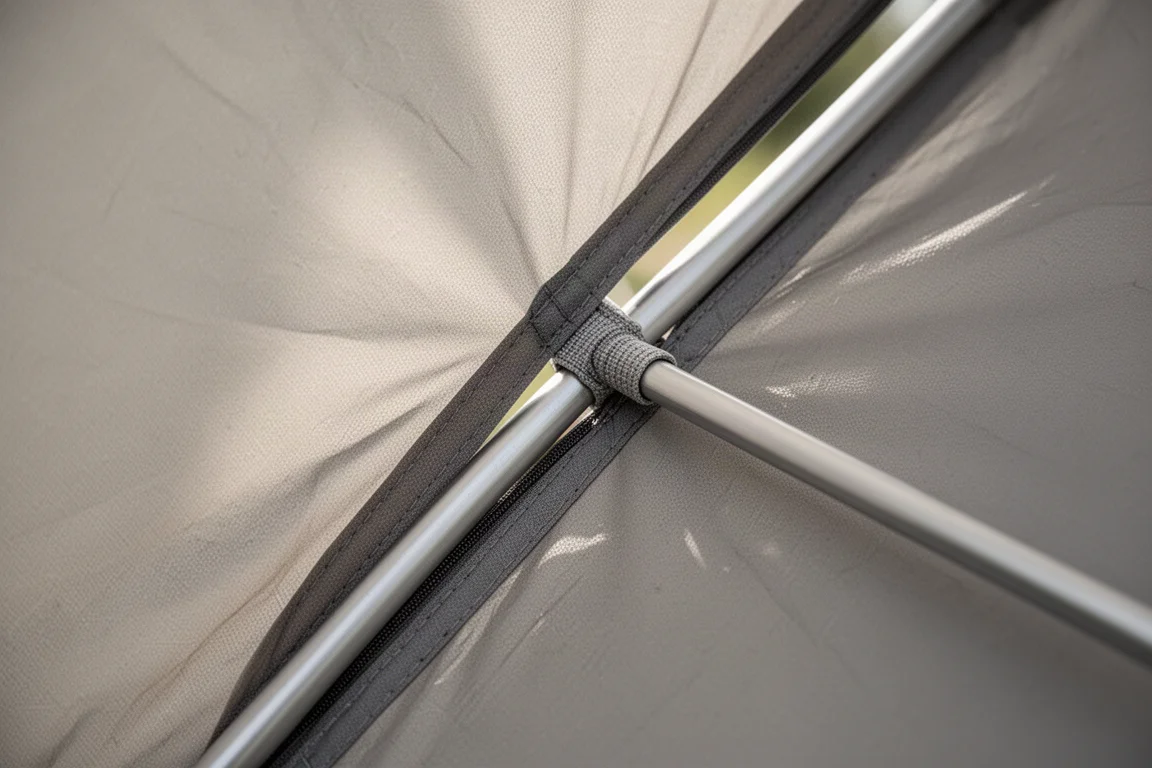
Weight and seam quality matter most to campers who walk to their pitch or who pack for multi-day trips. In both cases, a tent that is heavy to carry and slow to pitch has to justify itself with weather protection, and that is exactly where this model came up short.
Things to Consider Before Buying
Before committing to this tent, weigh these points against how you actually camp:
- Pitching and packing down take far longer than they should because of the narrow, grippy pole sleeves.
- The tent is heavy for a two-person shelter, which matters if you carry your gear any distance.
- Water entered the interior during sustained rain, with pools forming on the floor after several days of wet weather.
- Condensation inside the inner tent was severe, leaving walls, ceiling, and gear damp.
- Pre-use inspection showed light gaps at the seams and small holes in the fabric.
If most of your camping happens in dry, settled conditions and you pitch close to your vehicle, these drawbacks are easier to tolerate. If rain, condensation, or a fast pitch are part of your normal routine, they are not.
Buying Advice
Our recommendation is straightforward: skip this one. The combination of a slow, irritating setup and poor performance in real rain is difficult to justify when the whole point of a tent is to keep you dry and get you sheltered quickly.
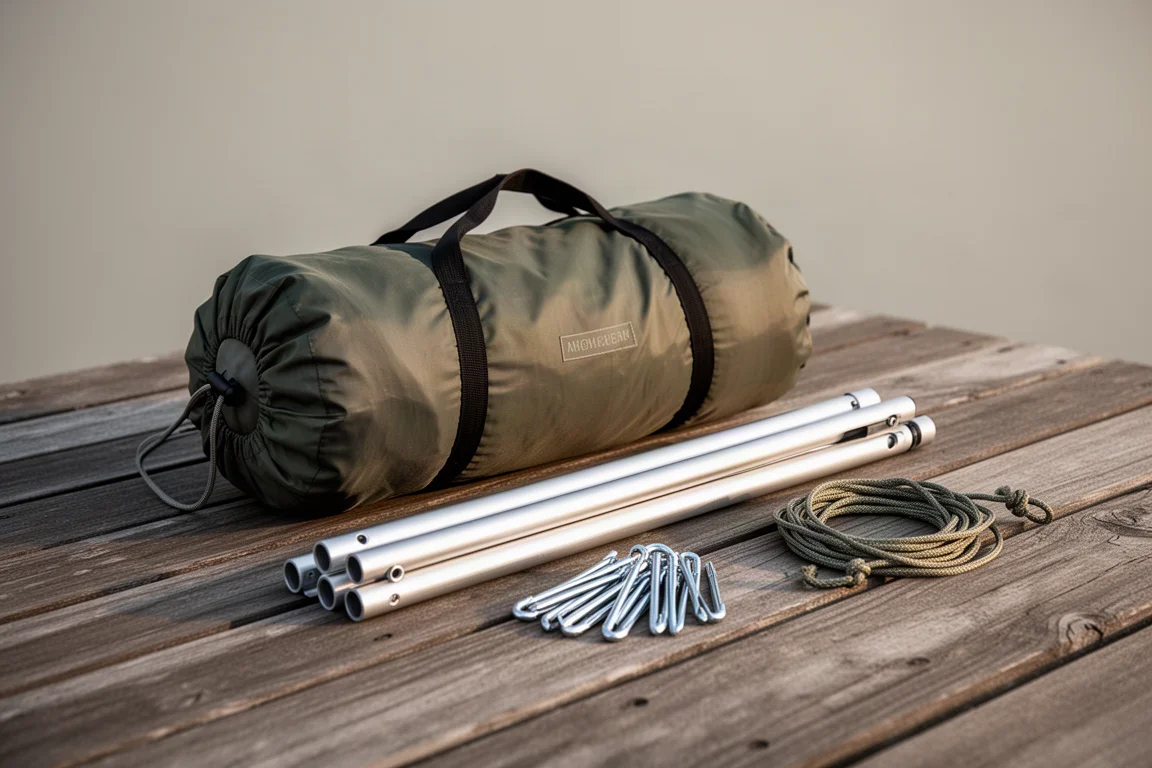
If you already own a Quick Hiker 210 Fresh & Black, treat it as a fair-weather shelter. Pitch it under cover or in a window of dry weather, avoid leaving gear pressed against the inner walls, and ventilate as much as conditions allow to reduce condensation. If you are still shopping, put your budget toward a tent with a quicker pitching system and a track record in wet weather, because those two qualities are what this model lacks.
Conclusion
The Decathlon Quick Hiker 210 Fresh & Black looks reasonable on paper: a simple double-wall two-person tent with a separate fly and inner. In practice, it is slow and awkward to pitch, heavy to carry, and it let water into the living space during several days of rain while collecting severe condensation inside.
For dry-weather weekend camping close to the car, it is usable. For anything involving real rain or a quick pitch in changing conditions, it is a poor choice, and we would not buy it again.
Product link
View more details for Decathlon Quick Hiker 210 Fresh & Black
This product is mentioned in the review. Check the specifications, options, and compatibility before buying.
View more details for Decathlon Quick Hiker 210 Fresh & BlackFurther reading
Related Reviews
Camping Tents
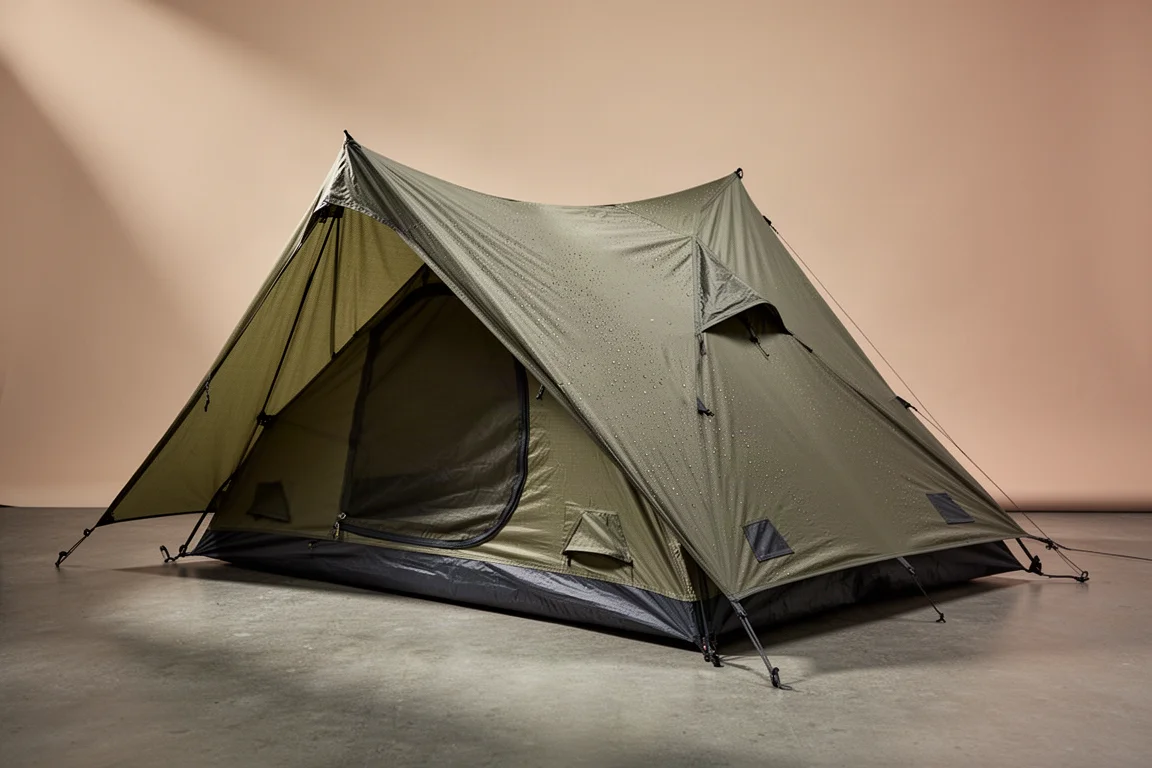
3F UL Gear Taiji Two-Person Tent Review: Field Waterproofing Results and Buying Advice
The Taiji pairs an attached fly with a removable inner, but sustained rain exposed untaped vent seams that need sealing before this shelter can be trusted.
Camping Tents
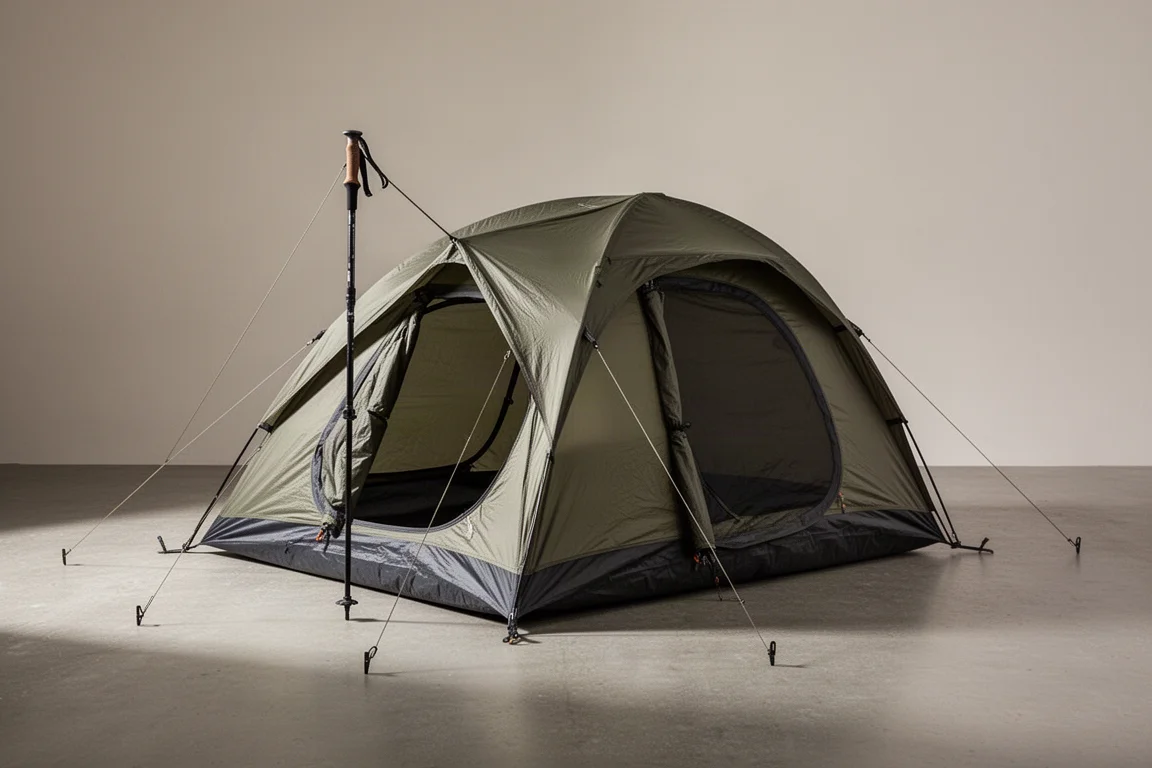
3FUL Gear Lanshan 2 Pro 4-Season Review: A Sub-$200 Single-Wall Trekking Pole Tent
An early look at the 3FUL Gear Lanshan 2 Pro 4-Season, covering its straightforward pitch, generous interior space, and the condensation and seam-sealing questions that come with any single-wall shelter.
Camping Tents
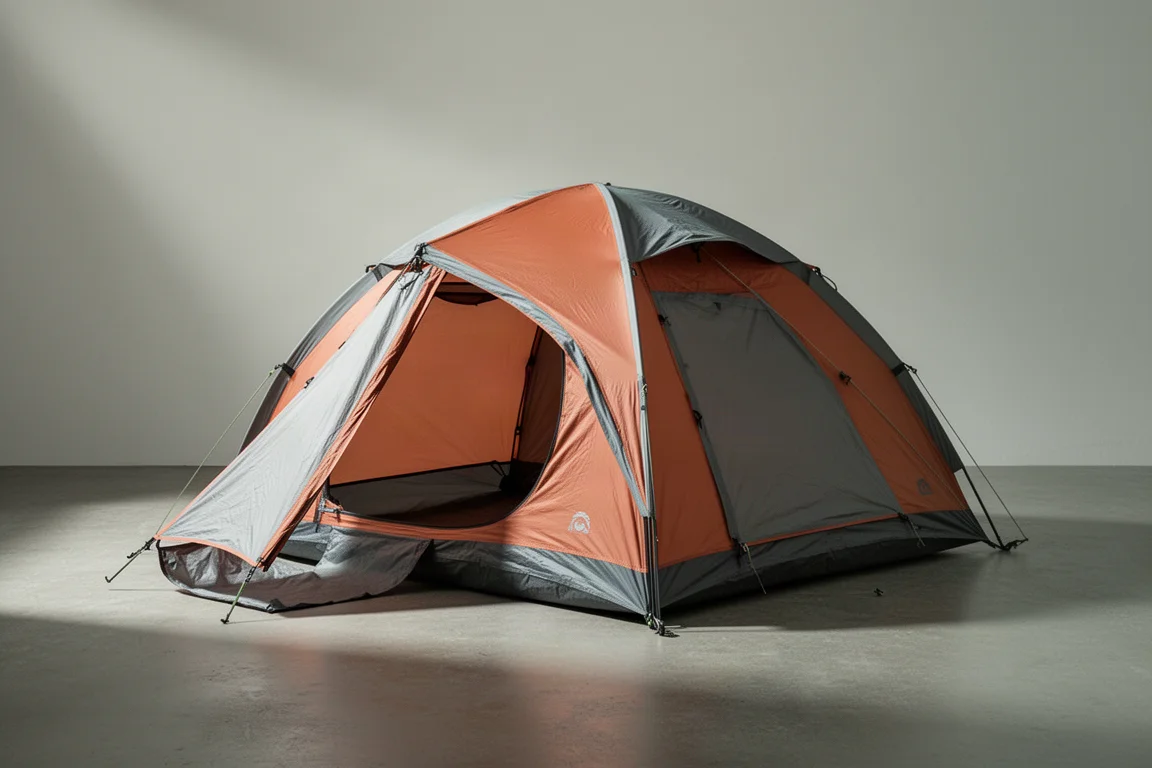
Alps Mountaineering Lynx 1-Person Tent Review: Big Value in a Small Budget Tent
A close look at the Alps Mountaineering Lynx 1-Person Tent, covering real interior dimensions, materials, setup time, ventilation limits, and who should buy it.