Camping Tents
Decathlon Quick Hiker 2 Tent Review: The Setup Effort You Should Know About
A practical look at the Decathlon Quick Hiker 2 two-person tent, covering its connected inner and fly design, the demanding pole setup, and who should consider it.
Introduction
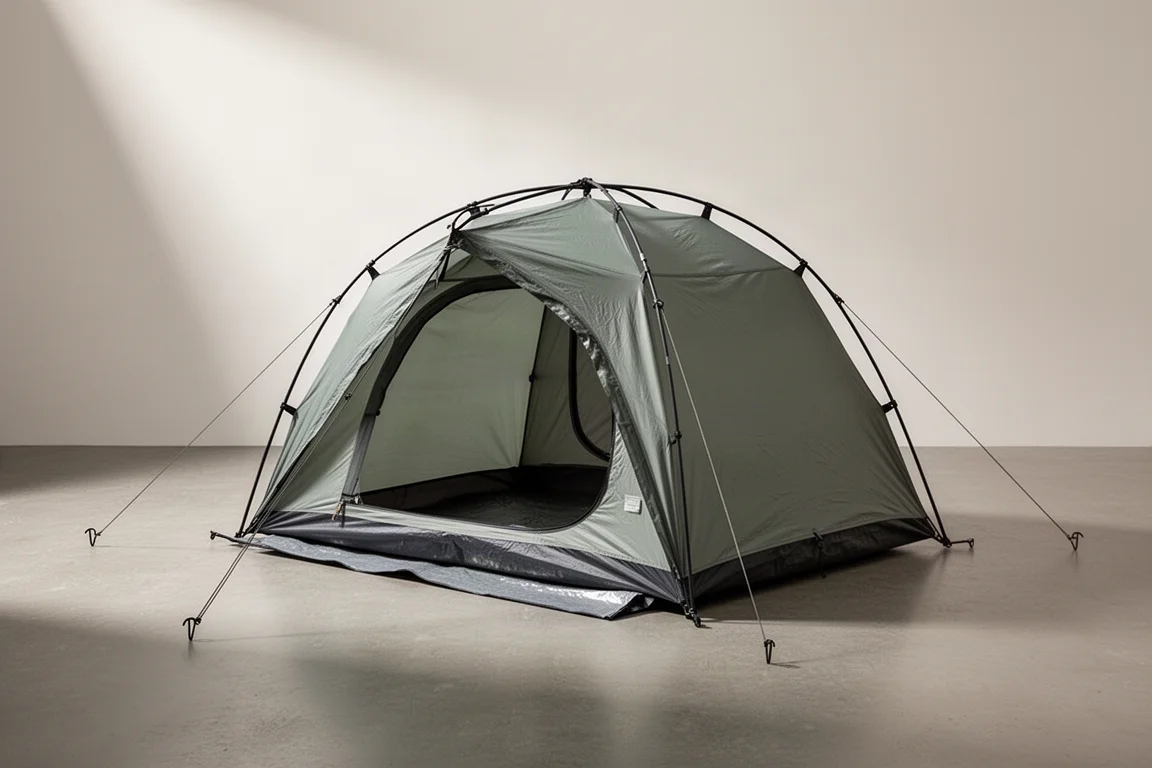
The Decathlon Quick Hiker 2 is a two-person tent whose inner body and fly come permanently connected. That design removes a step at camp, since there is no separate fly to attach once the inner is standing, but it does not remove the physical work of getting the tent upright. The Quick Hiker 2 threads three poles through fabric sleeves and holds them with clips that cannot be loosened or tightened. The result is a pitch that demands real force and a pack-down that is nearly as slow.
This article covers what setup and breakdown are actually like, where the design works in your favour, and who should think carefully before buying.
Who This Tent Is For
The Quick Hiker 2 suits campers who want a simple two-layer structure and are not bothered by a demanding pitch. Because the inner and fly are one connected unit, there is less loose fabric to manage and no fly to wrestle over a standing frame, which keeps things tidy once the poles are finally seated.
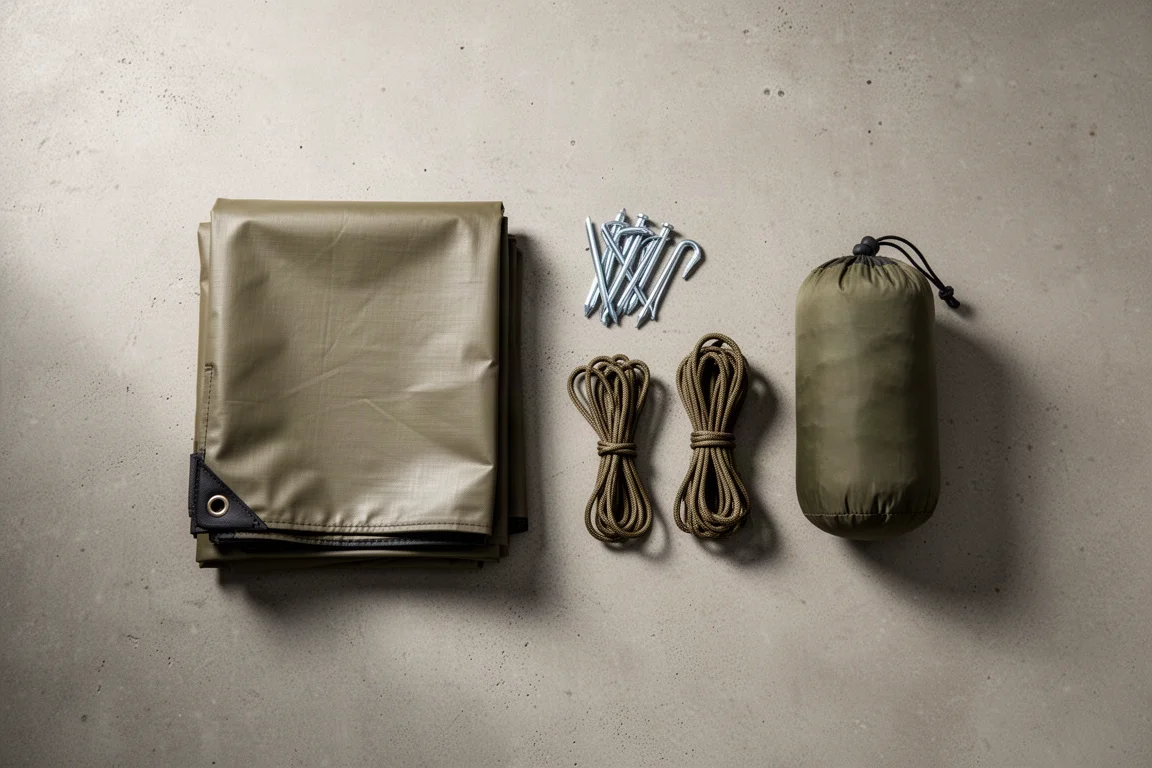
It is a less comfortable match for anyone who pitches alone, in wind, or at the end of a long day. Seating the poles takes considerable upper-body strength, and the effort grows when the tent is fighting a breeze. Adding a ground sheet is also a sensible extra step for anyone who wants to protect the floor of the tent on regular trips.
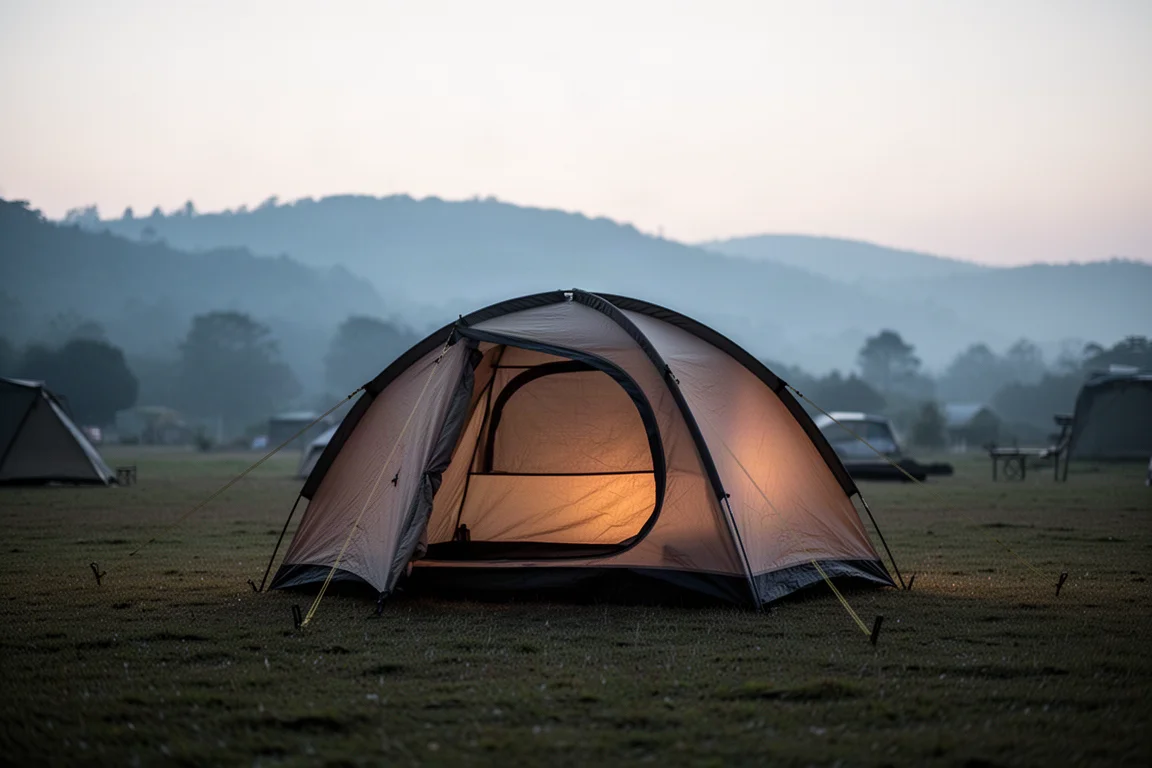
Campers who value a calm, repeatable routine at the campsite will feel the gap most, because the parts of the pitch that usually take seconds are the parts that take the longest here.
Main Strengths
Three details stand out in the Quick Hiker 2’s favour.
The connected inner and fly design keeps the tent as a single unit from bag to pitch, so there is no separate fly to attach or keep track of. The pole sleeves are marked with a strip of yellow fabric at the entry end, which means there is only one way to insert a pole and no guesswork about orientation. Each pole has a rounded tip that seats into a reinforced section at the opposite end of its sleeve.
The pole layout is simple to understand as well. Two equal-length poles cross the body, and a shorter third pole runs sideways across the top at the centre of the tent. Stakes are supplied for the corners, plus four more for the guy lines, two on each side, for when conditions call for extra anchoring.
Setup Process and Pole Clips
Setup begins with unfolding the body and separating the poles and stakes. The two crossing poles go in first, threaded through their sleeves from the yellow-marked end, and they take some work to slide fully home. Once both are seated, the tent is raised by pushing the poles upright.
That is where the Quick Hiker 2 becomes difficult. The clips that secure the poles at the top of the tent are fixed, with no adjustment to loosen them before they are pulled over the pole. Getting each clip into position means pulling hard on the cord while bending the pole towards the opposite side, and the force required is significant enough to hurt a finger.
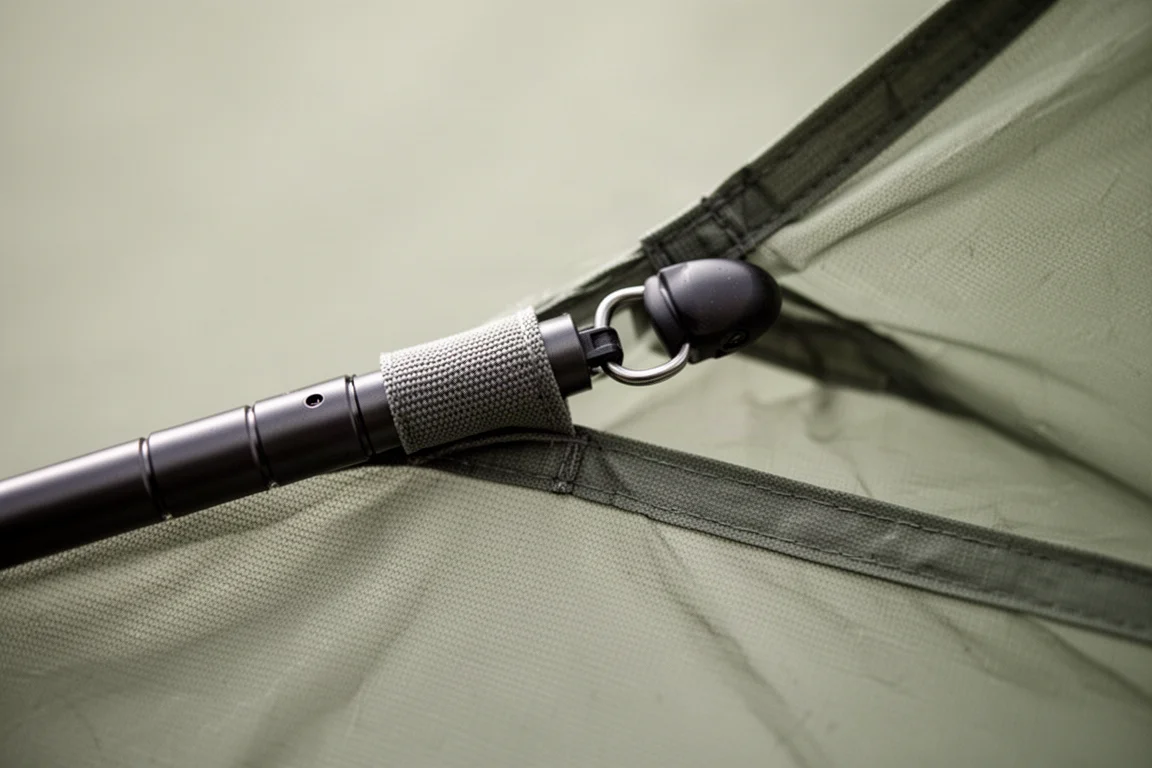
The third pole goes in at the top centre of the tent, sliding through yellow fabric and seating into cups on either side before the pull clips go over it. With the structure standing, the corners can be staked out properly, the vents opened, and the guy lines set if needed. Even with practice, the pitch stays at the difficult end of the scale.
Things to Consider Before Buying
The non-adjustable clips are the central issue. Tents that use pole sleeves normally allow the retaining clip to be loosened, slipped over the pole, and tightened again. The Quick Hiker 2 does not, and that single design decision is what turns a routine pitch into a physical contest. Campers with limited hand or upper-body strength may simply be unable to seat the poles.
Weather adds pressure. In wind, the tent needs to be staked loosely at the corners before the third pole goes in, so it does not blow away mid-pitch. Pitching ahead of a storm is exactly the situation where a tent should be quick, and this one is not.
The difficulty is not isolated either. The same complaint appears repeatedly among owners, which matches the effort the pitch demands in practice. Expect to work for the setup, and expect to feel some concern about how far the poles bend while you do it.
Breaking Down and Packing Up
Packing up is nearly as demanding as the pitch. The sleeves are tight and grippy, so once a pole is inside it tends to stay there. Removing the poles takes a long stretch of steady work, far longer than a routine pack-down should take.
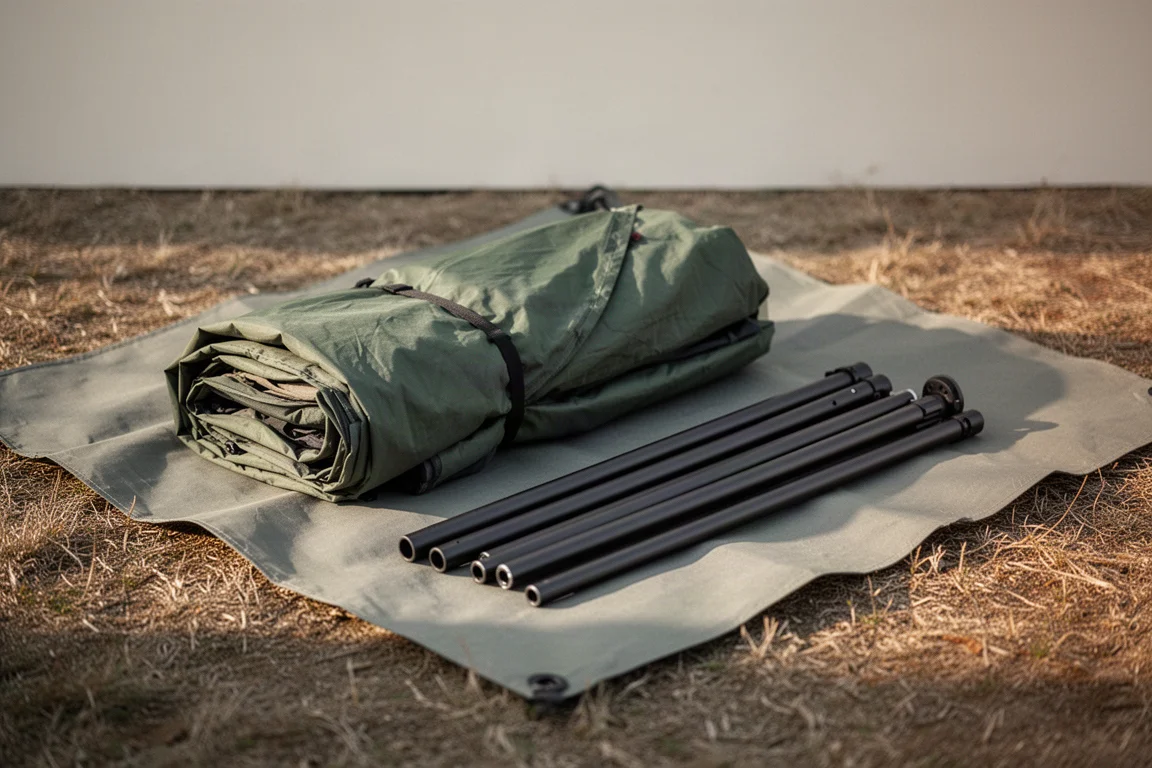
For a tent that has to come down in rain or fading light, that extra time matters. It is worth weighing the breakdown into your decision as much as the setup, because the two are equally slow here.
Where the Design Falls Short
The frustrating part is that the fix is a known one. Most tents that use pole sleeves fit clips that can be loosened, slipped over the pole, and tightened again, which removes most of the effort involved. The Quick Hiker 2 uses fixed clips instead. During setup the poles had to be bent back further than felt safe, which raises a fair question about how they will hold up across repeated pitches.
That makes the tent hard to recommend for anyone who camps often or pitches in exposed conditions. The structure itself is conventional and the connected body and fly is a genuinely convenient idea, but the clip design works against both.
Buying Advice
If the pitch is the part of camping you would rather not fight with, this is not the tent to choose. The Quick Hiker 2 makes sense only if you are comfortable applying real force to seat three poles and you accept a slow pack-down in return for a connected inner and fly plus a simple pole layout.
Anyone with limited grip strength, anyone who usually camps alone, and anyone who pitches in windy or exposed spots should look for a tent with adjustable pole clips instead. If you do decide to buy it, add a ground sheet, practise the pitch at home before you rely on it in bad weather, and set the corners loosely first so the tent stays put while you work on the third pole.
Buying with clear expectations is the key here. This is a tent with a tidy core idea and an awkward execution, so it rewards campers who know exactly what they are signing up for.
Conclusion
The Decathlon Quick Hiker 2 is a two-person tent with a genuinely sensible idea at its centre, an inner and fly that stay connected, held back by clips that cannot be adjusted. Setup is a struggle, breakdown is slow, and the strength required will put the tent out of reach for some campers. If you want a quick, low-stress pitch, think carefully before choosing it. If you are prepared for the work, the rest of the design is straightforward and easy to understand.
Product link
View more details for Decathlon Quick Hiker 2 Tent
This product is mentioned in the review. Check the specifications, options, and compatibility before buying.
View more details for Decathlon Quick Hiker 2 TentFurther reading
Related Reviews
Camping Tents
3F UL Gear Taiji Two-Person Tent Review: Field Waterproofing Results and Buying Advice
The Taiji pairs an attached fly with a removable inner, but sustained rain exposed untaped vent seams that need sealing before this shelter can be trusted.
Camping Tents
3FUL Gear Lanshan 2 Pro 4-Season Review: A Sub-$200 Single-Wall Trekking Pole Tent
An early look at the 3FUL Gear Lanshan 2 Pro 4-Season, covering its straightforward pitch, generous interior space, and the condensation and seam-sealing questions that come with any single-wall shelter.
Camping Tents
Alps Mountaineering Lynx 1-Person Tent Review: Big Value in a Small Budget Tent
A close look at the Alps Mountaineering Lynx 1-Person Tent, covering real interior dimensions, materials, setup time, ventilation limits, and who should buy it.