Camping Tents
Decathlon Quick Hiker 2 Review: A Tent That Fights Back at Pitch Time
The Decathlon Quick Hiker 2 pairs an integrated fly with clearly marked pole sleeves, but non-adjustable pole clips make setup and pack-down unusually hard work.
Introduction
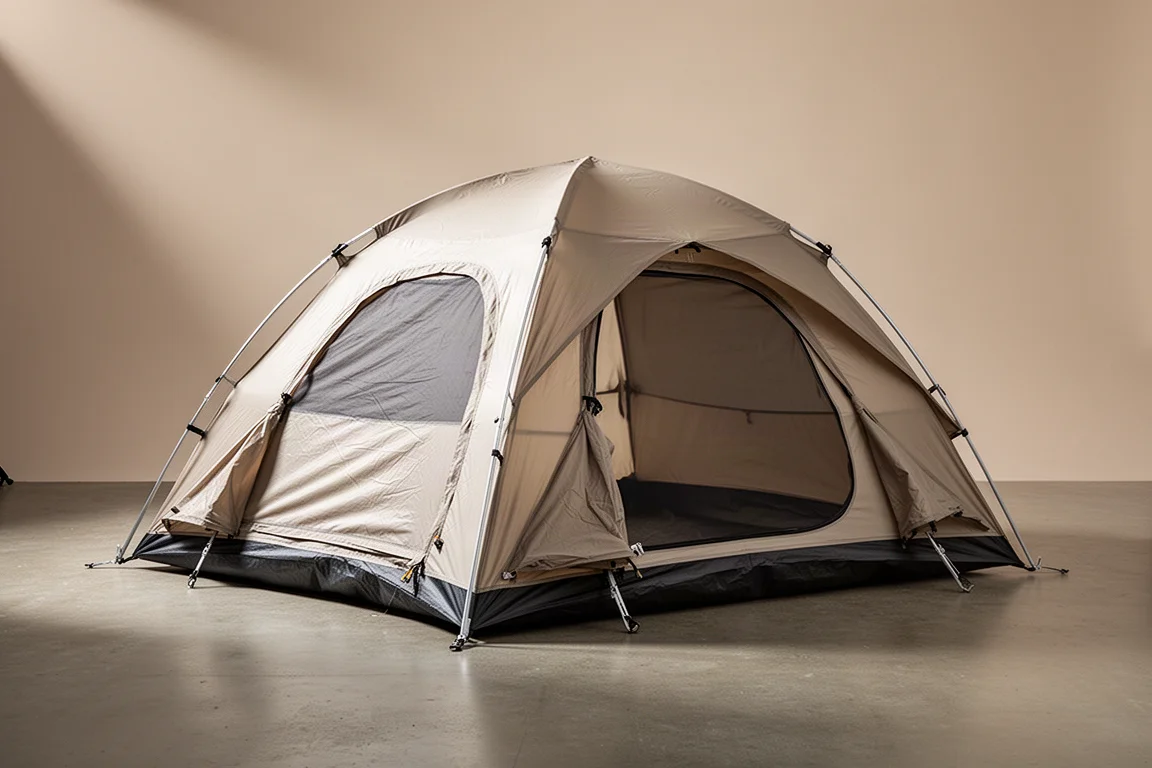
The Decathlon Quick Hiker 2 looks like a sensible, uncomplicated camping tent. The fly and the inner body come joined as a single piece, the pole sleeves are clearly marked, and the pole count is modest: two equal-length poles that crisscross the body and one short pole that runs sideways across the top.
The catch is the pitch itself. Feeding the poles through the sleeves is manageable, but attaching the clips that hold them in place is another matter entirely. Those clips do not adjust, so the poles have to be forced into position. It is the kind of detail that only becomes obvious once the tent is out of the bag, which is exactly why it deserves attention before you buy.
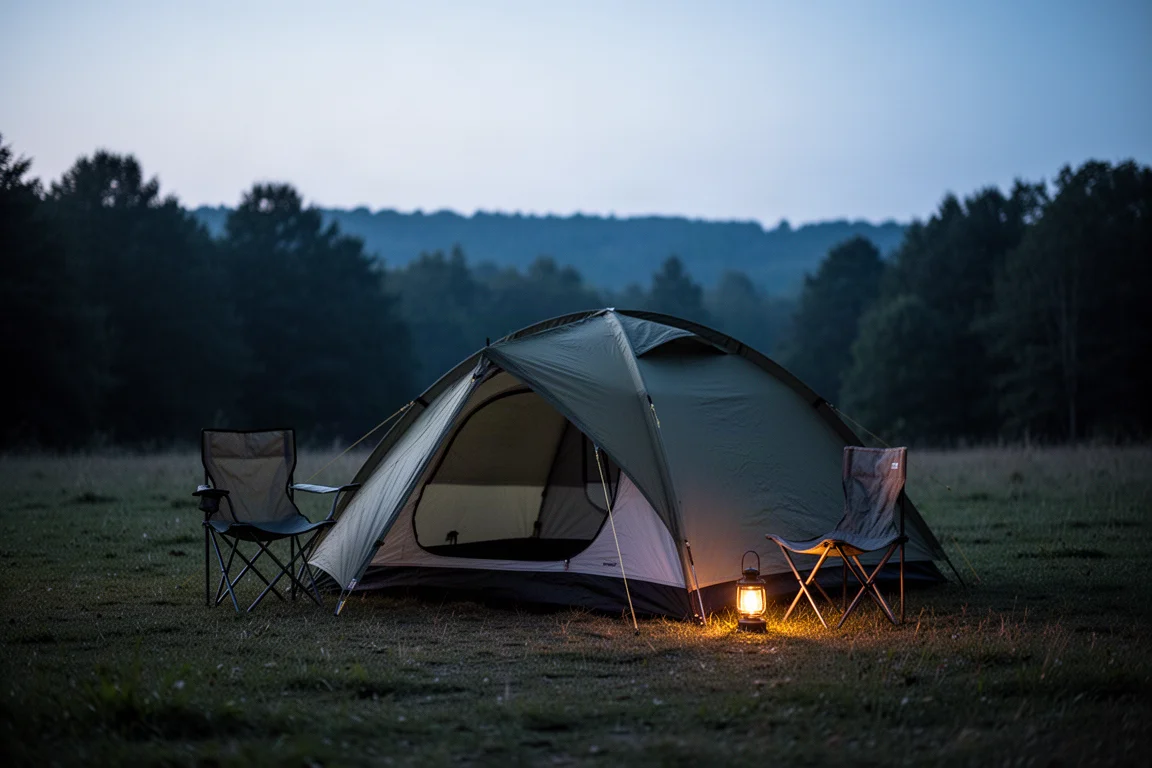
That single design decision shapes almost everything else about living with this tent, from how quickly you can shelter from a change in the weather to how much patience the pack-down demands at the end of a trip.
Who the Quick Hiker 2 Is For
This tent makes most sense for campers who pitch occasionally in calm, dry conditions and who have the physical strength to work stiff pole clips into place. Someone setting up in a sheltered garden or on a quiet campsite on a still afternoon will feel the friction far less than someone pitching on an exposed ridge with weather moving in.
It is a poor match for anyone who needs a fast, low-effort pitch. A quick shelter is only useful if it goes up without a fight, and this one does not offer that.
Main Strengths: What Works Well
The integrated design is genuinely helpful. Because the fly and the body are connected, there is no separate fly to line up, clip on, or chase across a windy pitch. That removes one of the more awkward steps in a typical tent setup.
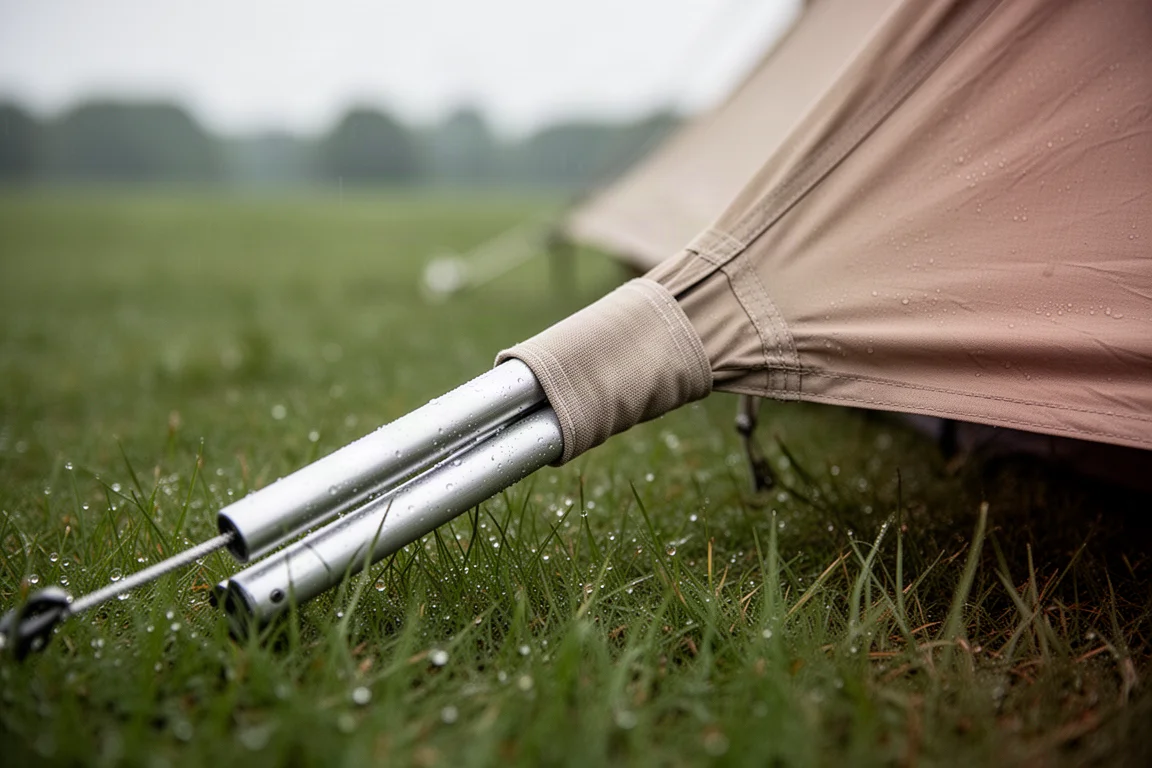
The pole sleeves are marked with a strip of yellow fabric at the entry end, so there is only one way to feed the poles in. Rounded pole tips slide into a reinforced section at the far end of each sleeve, which gives the poles a defined seat rather than an ambiguous one.
The tent also ships with the hardware needed to finish the job. Four stakes remain after the corners are pegged, and these are intended for the guy lines, two on each side. You can deploy them or leave them in the bag depending on conditions. Once the tent is standing, the doors can be staked out and the vents opened to improve airflow.
Setup Process: Where It Gets Difficult
Setup follows a clear sequence. The two equal-length poles cross the body first, then the short third pole runs across the top, held by cups at the sides and secured with pull clips. In windy conditions it helps to stake the corners loosely first, so the tent does not take off while you work.
The problem is the clips. On most sleeve-based tents, the clips that wrap around the poles can be loosened, slipped over the pole, and tightened again. Here they are fixed. Attaching them means pulling hard on the clip while pushing the pole, and in practice the pole has to be bent well out of shape to get the clip over it. The effort required is significant, and it is enough to put the tent out of reach for anyone with limited grip strength or hand mobility.
On a simplicity scale where ten is effortless and one is a struggle, this pitch sits at around two. It stays difficult even after repeated attempts, and the same complaint has been raised by other owners.
Packing Down: Just as Frustrating
Taking the tent down is nearly as much work as putting it up. The sleeves are tight and grippy, so the poles resist being pulled back out and removal turns into a slow, repetitive tug. Getting the poles clear of the sleeves alone can take about ten minutes.
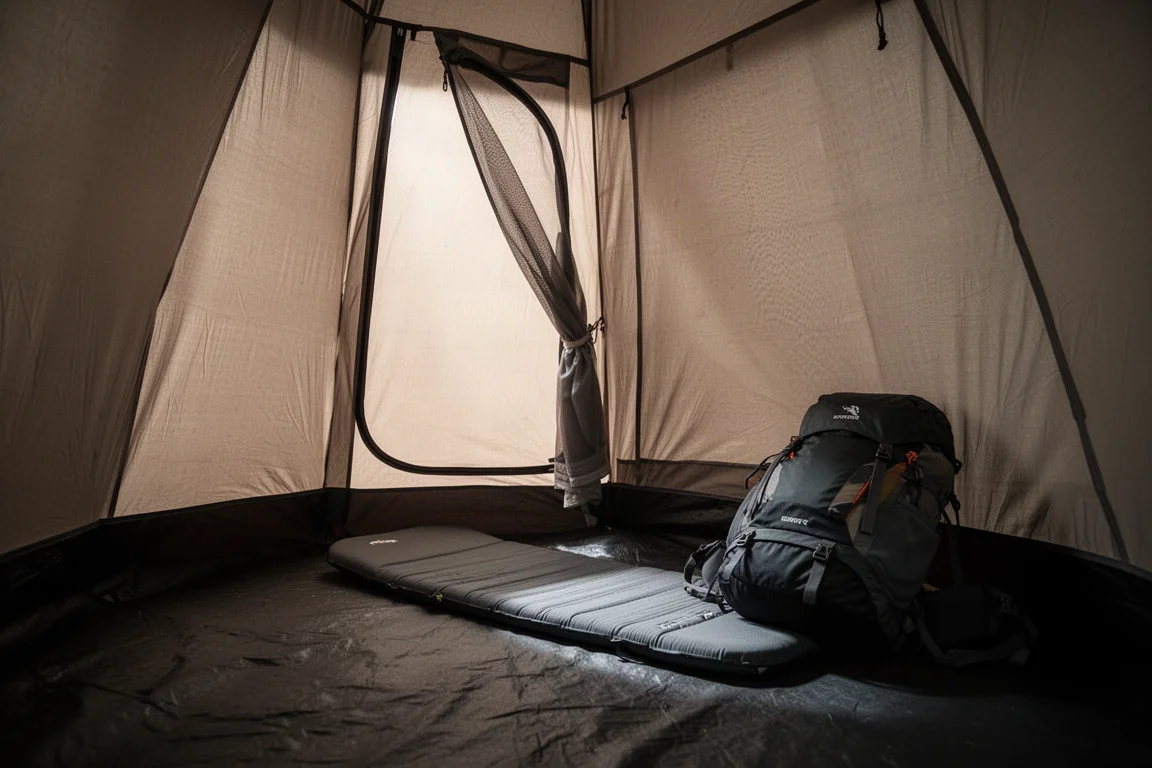
That matters more than it might sound. Pack-down happens when you are tired, possibly in the rain, and often with a schedule to keep. A tent that slows you down at both ends of a trip asks for a level of patience that many campers will not want to give it.
Things to Consider Before Buying
The fixed clips are the headline issue, and they are worth weighing honestly against the tent’s price and features. If you are confident in your grip strength and expect to pitch mainly in good conditions, the tent’s other qualities may carry it. If not, the setup will be a recurring frustration rather than a one-off annoyance.
Weather is the other factor. Because the pitch takes effort and time, this is not a tent to rely on when a storm is closing in and you need shelter immediately. Adding a ground sheet is a sensible way to protect the base of the tent, although that is a general recommendation rather than a requirement.
Buying Advice
Buy the Quick Hiker 2 only if the setup trade-off is one you can live with. The integrated fly, marked sleeves, and included guy line stakes are real conveniences, and they make the tent straightforward to understand. But understanding a pitch and executing it comfortably are two different things.
If your priority is a shelter that goes up quickly when the weather turns, this is not the tent to choose. If you pitch rarely, in calm conditions, and are comfortable applying real force to stiff hardware, the rest of the design is workable.
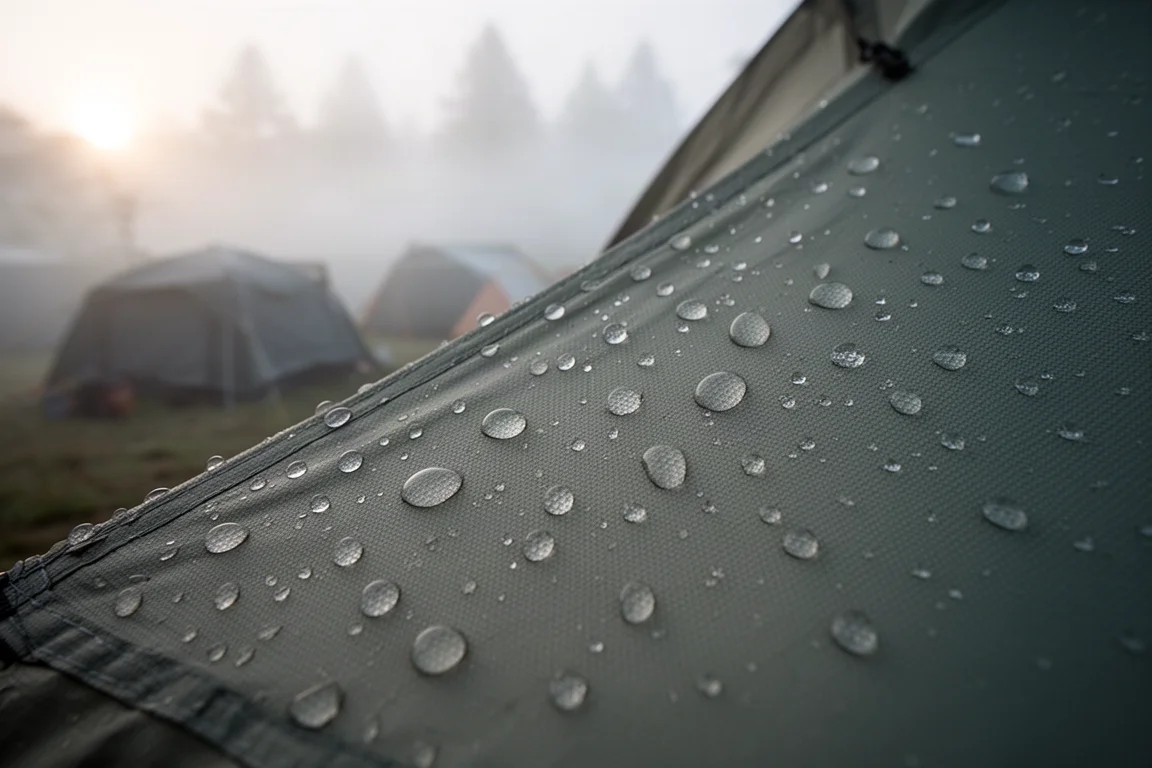
Before committing, think about where and when you camp most often. A tent is only as good as the worst pitch you will ask it to do, and for many campers that worst pitch happens in wind and rain, exactly when this design is at its most demanding.
Conclusion
The Decathlon Quick Hiker 2 gets the fundamentals of a camping tent in place: a one-piece fly and body, clearly marked pole sleeves, and a complete set of stakes. What it does not get right is the interface between the poles and the clips that hold them, and that single flaw colours the entire experience.
Setup and pack-down both require more strength and patience than they should, and the difficulty does not fade with familiarity. Campers who value a calm, quick pitch should look elsewhere. Campers who pitch rarely and can handle the effort will find a usable tent underneath an unnecessarily stubborn design.
Product link
View more details for Decathlon Quick Hiker 2
This product is mentioned in the review. Check the specifications, options, and compatibility before buying.
View more details for Decathlon Quick Hiker 2Further reading
Related Reviews
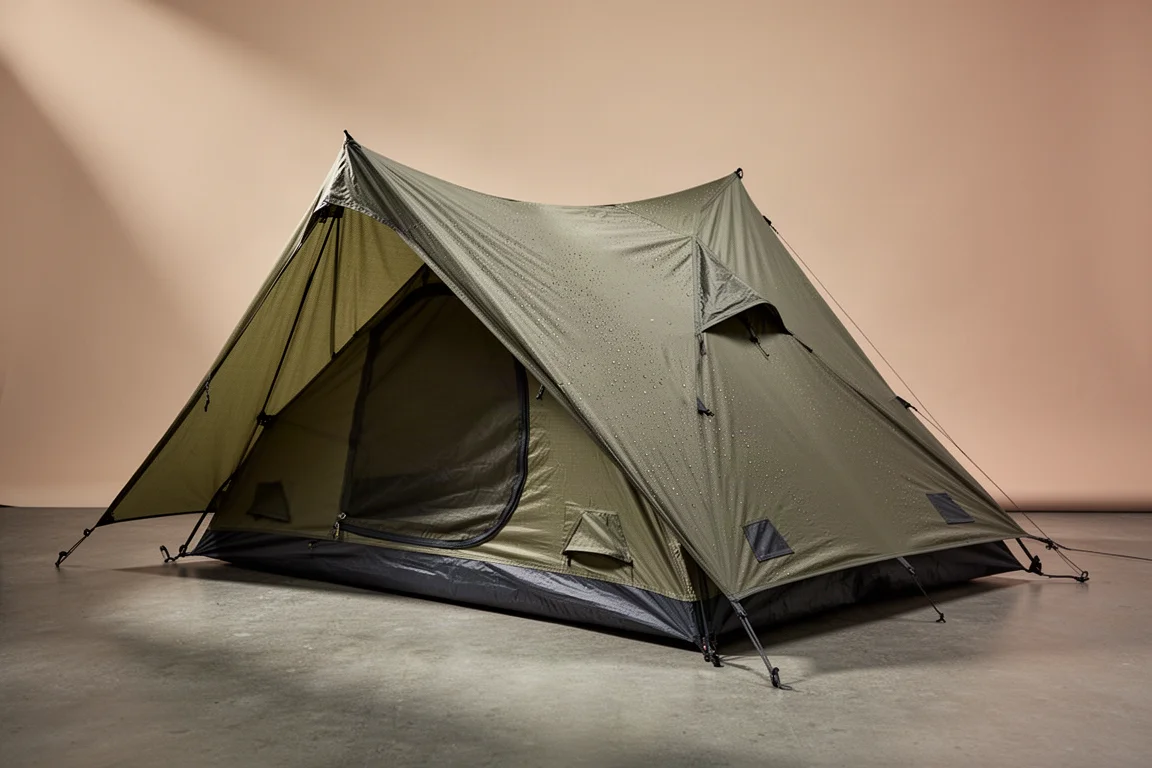
Camping Tents
3F UL Gear Taiji Two-Person Tent Review: Field Waterproofing Results and Buying Advice
The Taiji pairs an attached fly with a removable inner, but sustained rain exposed untaped vent seams that need sealing before this shelter can be trusted.
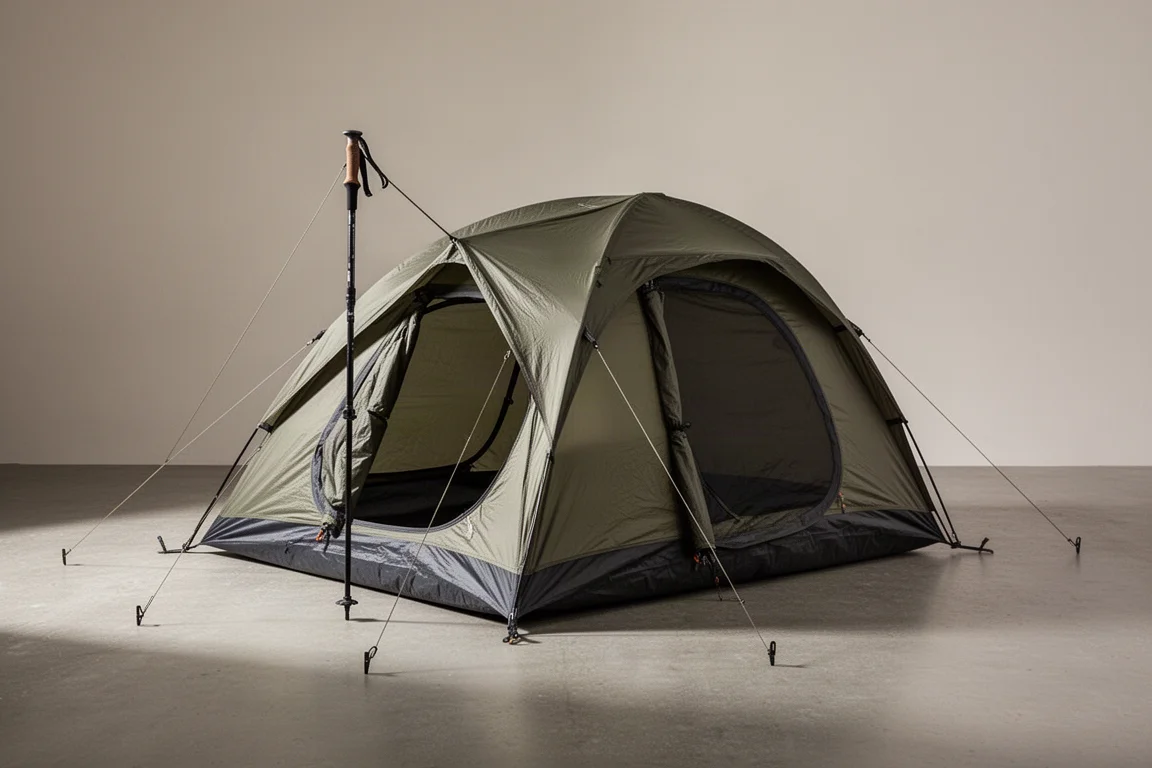
Camping Tents
3FUL Gear Lanshan 2 Pro 4-Season Review: A Sub-$200 Single-Wall Trekking Pole Tent
An early look at the 3FUL Gear Lanshan 2 Pro 4-Season, covering its straightforward pitch, generous interior space, and the condensation and seam-sealing questions that come with any single-wall shelter.
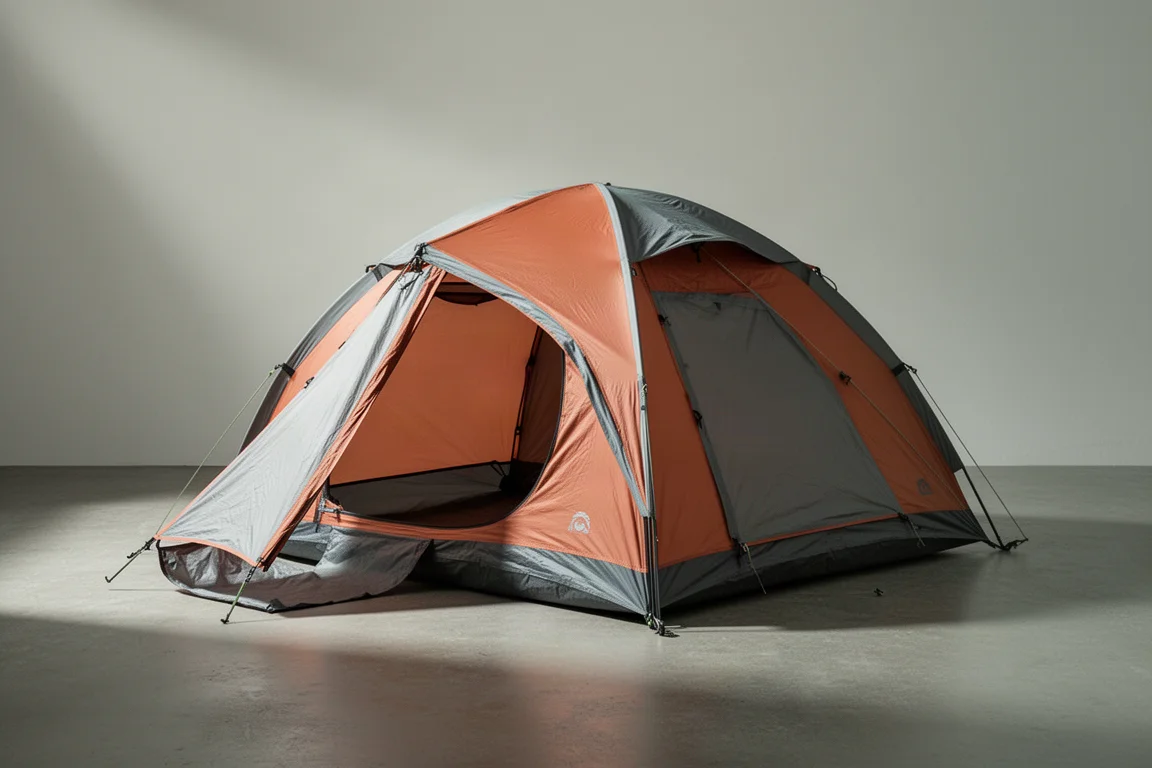
Camping Tents
Alps Mountaineering Lynx 1-Person Tent Review: Big Value in a Small Budget Tent
A close look at the Alps Mountaineering Lynx 1-Person Tent, covering real interior dimensions, materials, setup time, ventilation limits, and who should buy it.