Camping Tents
Decathlon Quick Hiker 2 Fresh & Black Review: A Two-Person Tent Tested in Real Rain
A candid look at the Decathlon Quick Hiker 2 Fresh & Black, covering setup frustration, water management, condensation, and who should consider it.
Introduction
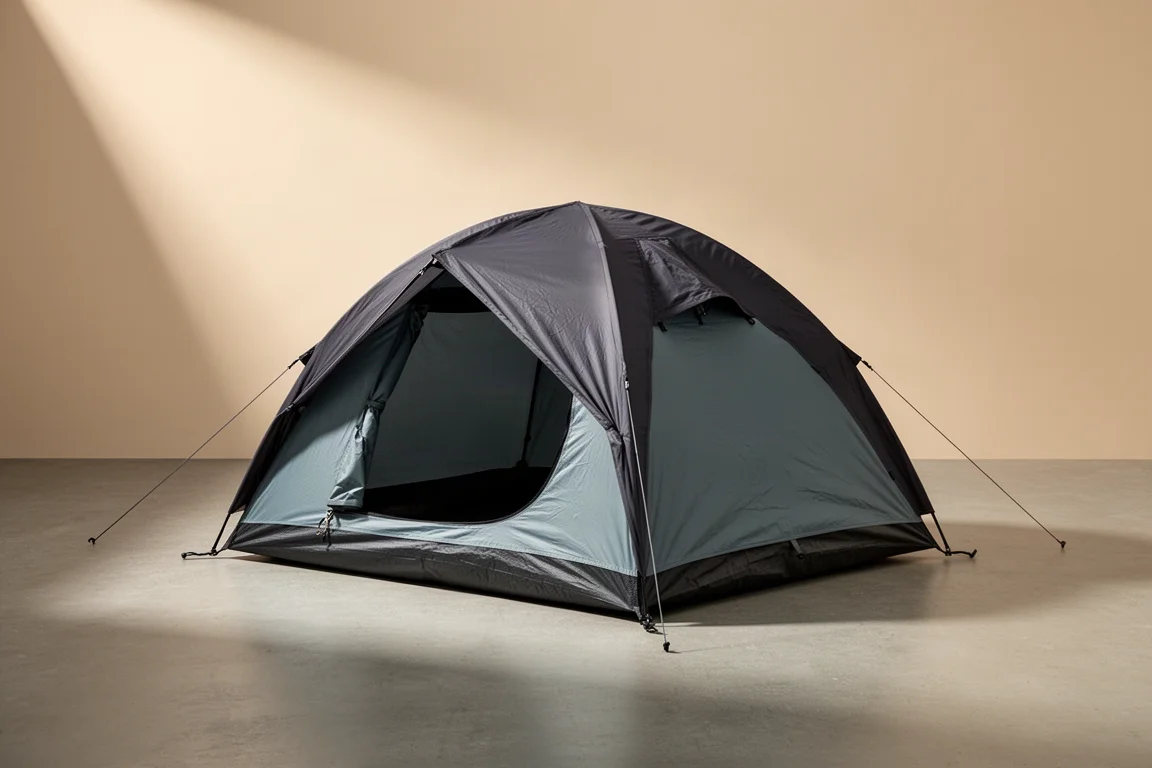
The Decathlon Quick Hiker 2 Fresh & Black is a two-person camping tent aimed at casual campers who want simple, affordable shelter. In practice, it struggles with the two jobs that matter most in a tent: keeping water out and going up without a fight.
Across several days of sustained rain, with roughly two and a half inches falling in total, water found its way inside. Droplets formed on the inner face of the fly sheet, the inner walls soaked through, and by the end of the test there were streams and pools of water on the floor. Setup was no better. The pole sleeves are narrow, sticky, and grippy, so threading the poles takes far longer than it should.
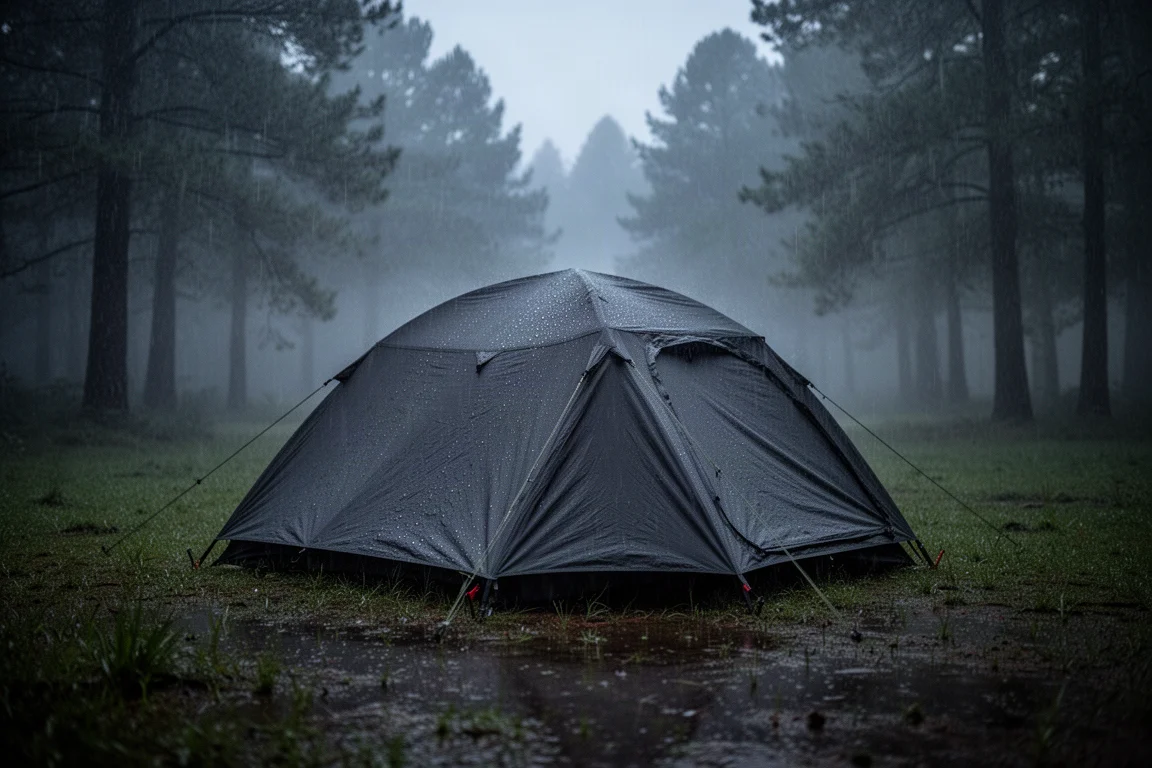
This article covers who the tent suits, where it falls short, and what to weigh before spending money on it. It is a candid look at a tent that gets several of the basics wrong.
Who This Product Is For
On paper, a two-person tent like this suits short camping trips, festival weekends, and fair-weather overnights where the tent only needs to provide a place to sleep.
In reality, the audience is narrow. Anyone who camps where rain is likely, or who pitches and packs away repeatedly during a trip, should think carefully. The awkward pole sleeves make setup a chore, and the water management problems mean a wet night is a real possibility.
It is also heavy to carry, so backpackers watching every gram will not find much to like here.
Main Strengths
Honest praise is limited, but a few points are worth recording. The fly sheet did direct much of the water down its outer surface, and in the early stages of the test the inner tent did not fill with standing water. The tent also held its shape and stayed standing through the weather it faced.
The core structure does its job in the sense that it is a tent that goes up and stays up. The problems are concentrated in the details: the pole sleeves, the seams, and the way moisture behaves inside the inner tent.
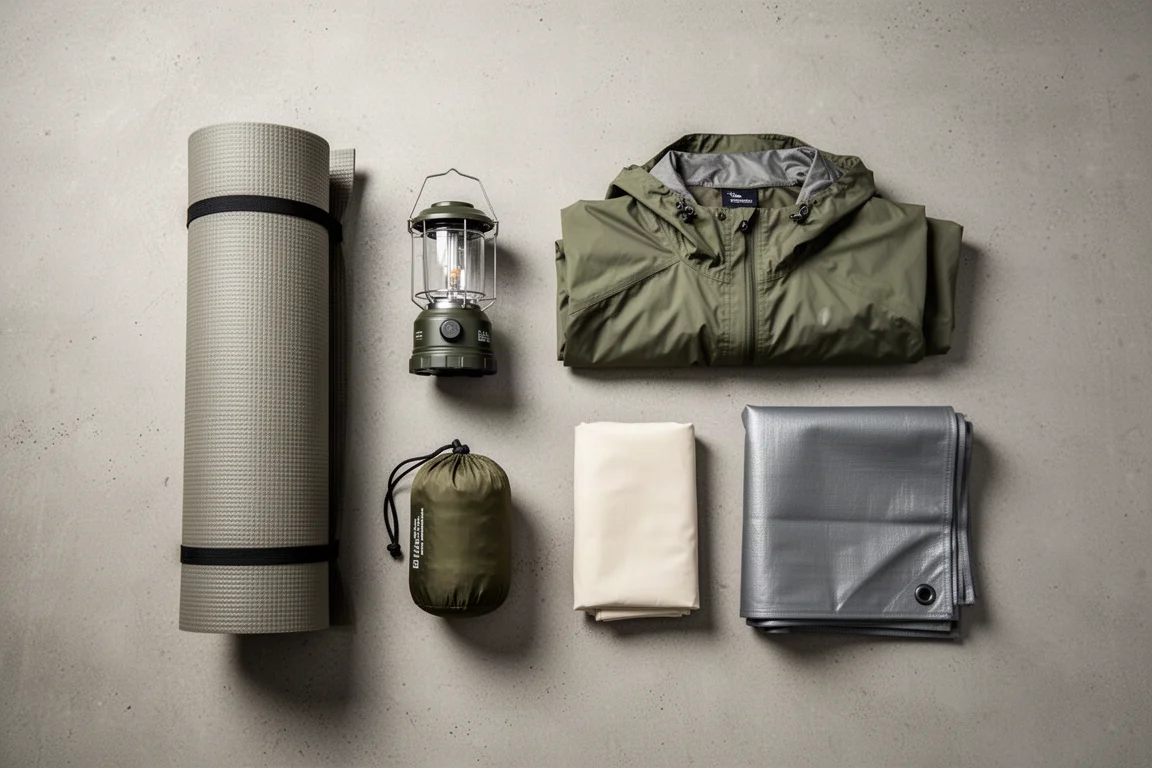
In dry, settled conditions the tent may still do the basic job of providing enclosed sleeping space for two people. The trade-offs, however, follow you into every pitch.
Setup and Handling
The pole sleeves are the single biggest frustration. They are narrow, sticky, and grippy, so pushing each pole section through takes much longer than it should. The same friction makes breaking the tent down slow and irritating, which is especially unwelcome at the end of a wet morning.
An initial inspection also showed light passing through sections of the seams, with small openings visible in the construction. Those may be sealed or covered well enough to matter little in practice, but they are worth knowing about before you buy.
Weight is the other handling issue. The tent is heavy for its size, which makes it a poor companion for anyone carrying it any distance.
Weather Performance in Extended Rain
The rain began at night and continued for days, fluctuating between light and moderate with heavier bursts in between. After the first night, droplets were already visible on the inside of the fly sheet and the inner body was wet to the touch. Moisture sat on the walls and the ceiling, and water was running down the fly onto the inner tent, though it had not yet pooled on the floor.
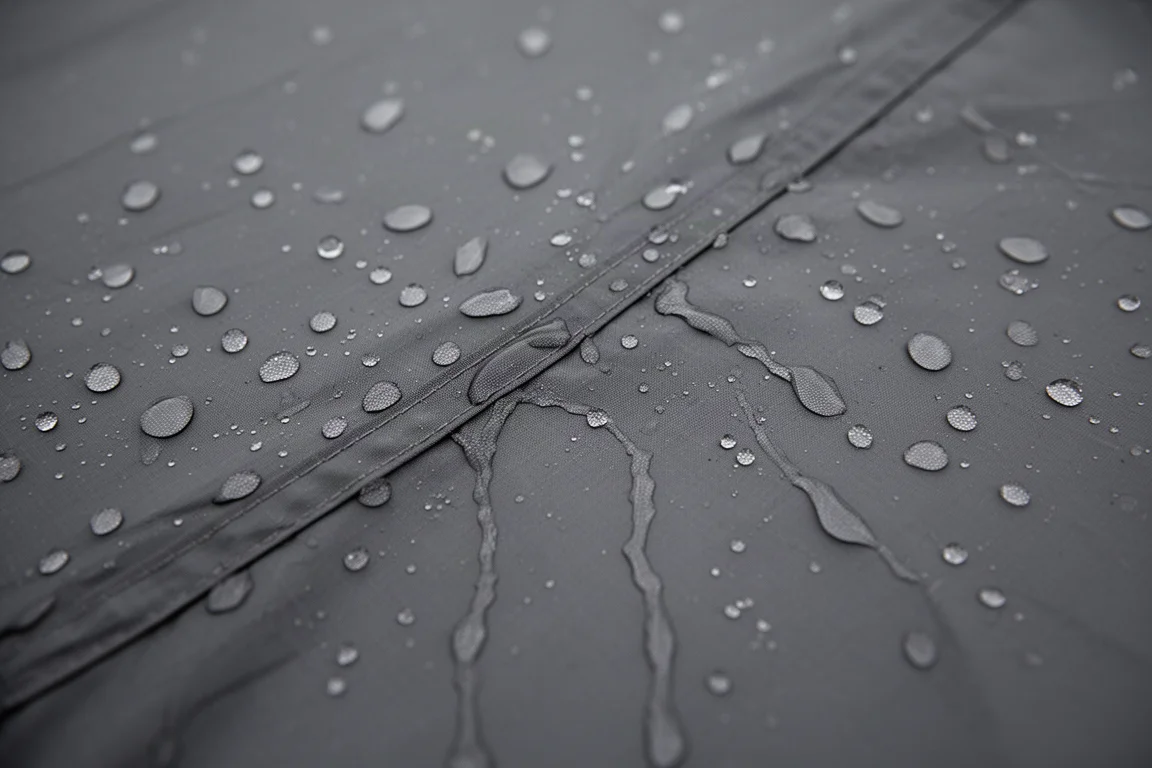
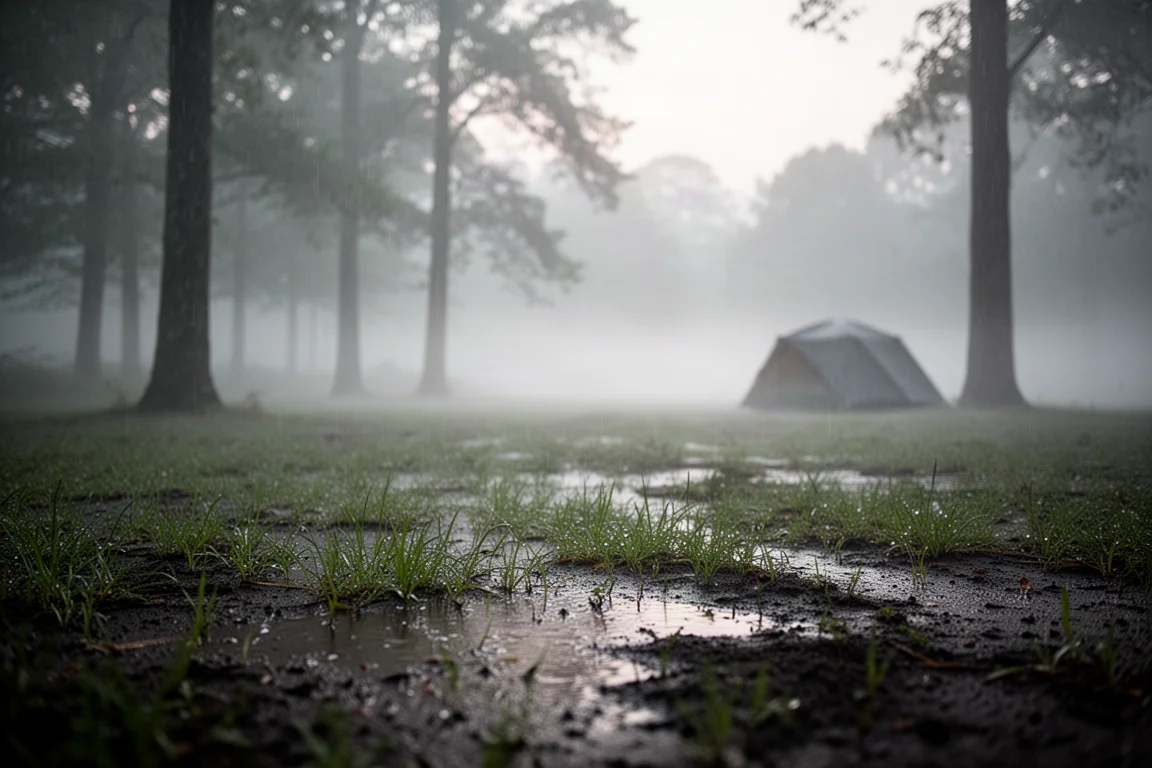
By the end of the test, after roughly two and a half inches of rain over several days, the picture was considerably worse. Droplets remained on the inner face of the fly, the walls were soaked, and water was running inside in streams with pools forming on the floor. Condensation was heavy throughout, adding to the moisture already present. Gear stored inside ended up wet.
Things To Consider Before Buying
Four questions are worth asking before choosing this tent.
First, how often will you pitch it in the rain? Slow pole sleeves are annoying in daylight and genuinely unpleasant in wind and rain, when a tent needs to go up quickly.
Second, what weather will you camp in? The tent leaked in sustained rain, so it is not a sensible choice if you expect wet nights on a regular basis.
Third, how much weight will you carry? This is a heavy tent, and that weight is felt on every trip where it has to be moved any distance.
Fourth, how do you handle damp? Moisture built up heavily inside the inner tent, which makes even a dry night feel clammy.
Buying Advice
This is not a tent to buy on price alone. A low-cost tent can be excellent value, but the savings here come with a slow, frustrating setup and with water management that failed in real rain. If you camp in reliably dry, settled weather and only pitch occasionally, the tent may still be usable, but you will be living with those pole sleeves every time.
If rain is part of your camping season, or if you simply want a tent that goes up quickly, look at other options first. Money spent elsewhere buys time and dry nights, and those are the two things this tent struggles to provide.
If you already own this tent, careful pitching and additional seam treatment may reduce some of the moisture, but they will not fix the pole sleeves or the weight.
Conclusion
The Quick Hiker 2 Fresh & Black has two significant problems. It leaked in sustained rain, with water running down the walls and pooling on the floor, and it is slow and irritating to pitch because of the narrow, grippy pole sleeves. It is also heavy for its size, and condensation built up heavily inside.
For fair-weather campers who want the lowest-cost shelter available and do not mind the setup process, it might be tolerable. For everyone else, particularly anyone camping where rain is likely, it is hard to recommend.
Product link
View more details for Decathlon Quick Hiker 2 Fresh & Black
This product is mentioned in the review. Check the specifications, options, and compatibility before buying.
View more details for Decathlon Quick Hiker 2 Fresh & BlackFurther reading
Related Reviews
Camping Tents
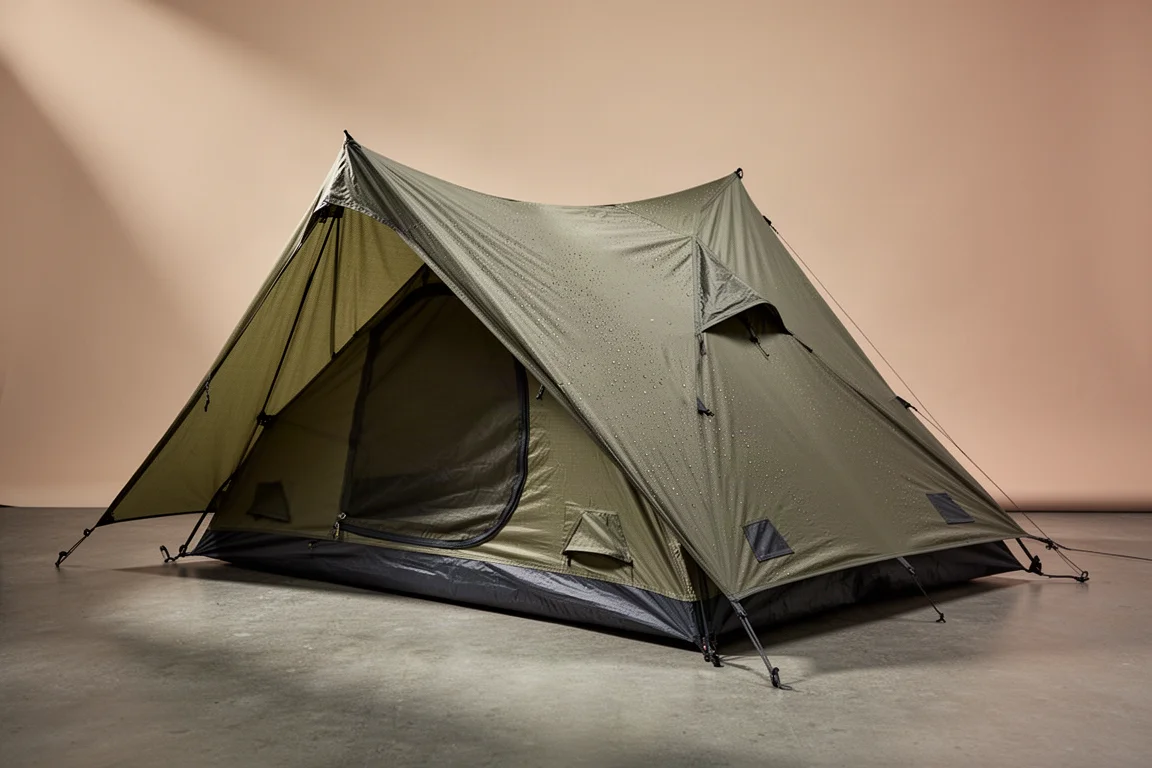
3F UL Gear Taiji Two-Person Tent Review: Field Waterproofing Results and Buying Advice
The Taiji pairs an attached fly with a removable inner, but sustained rain exposed untaped vent seams that need sealing before this shelter can be trusted.
Camping Tents
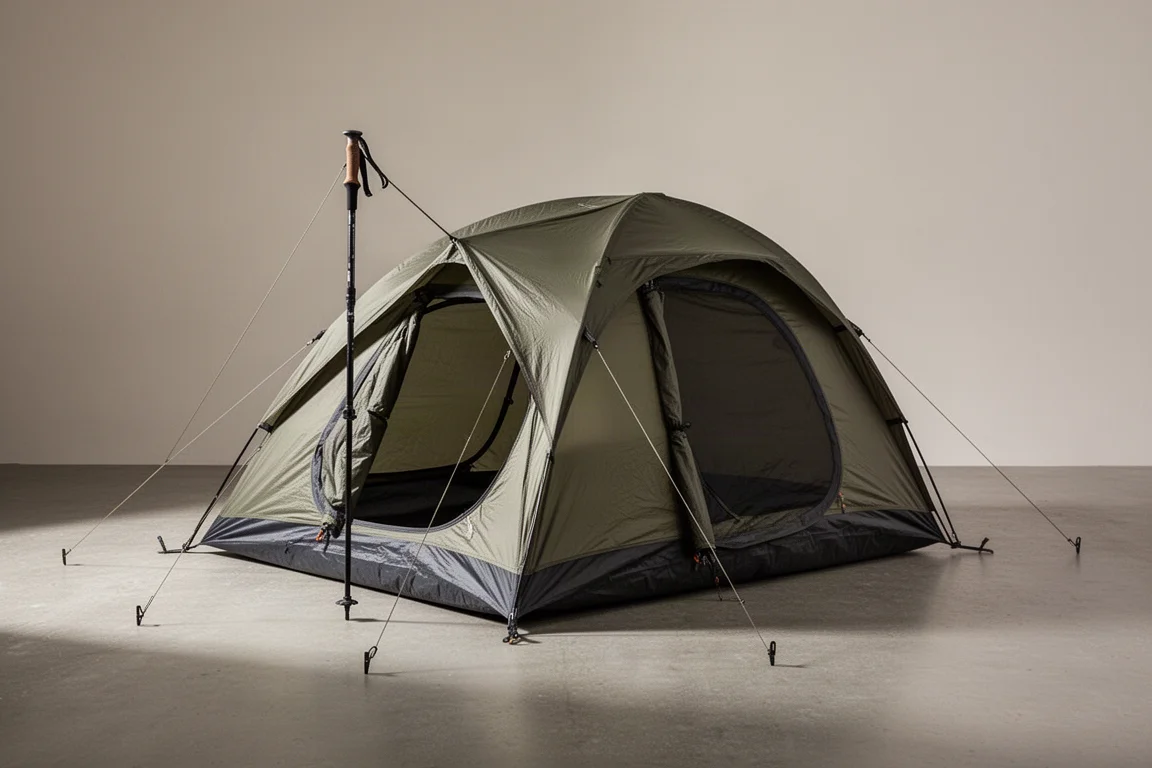
3FUL Gear Lanshan 2 Pro 4-Season Review: A Sub-$200 Single-Wall Trekking Pole Tent
An early look at the 3FUL Gear Lanshan 2 Pro 4-Season, covering its straightforward pitch, generous interior space, and the condensation and seam-sealing questions that come with any single-wall shelter.
Camping Tents
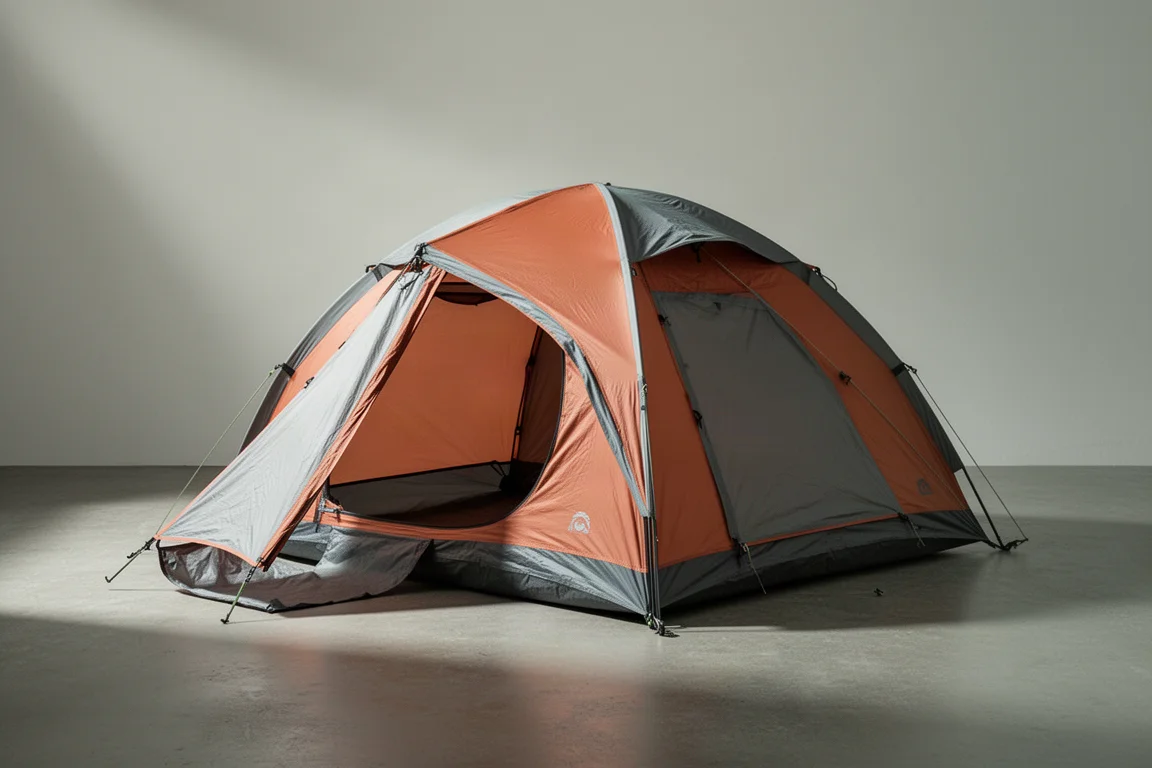
Alps Mountaineering Lynx 1-Person Tent Review: Big Value in a Small Budget Tent
A close look at the Alps Mountaineering Lynx 1-Person Tent, covering real interior dimensions, materials, setup time, ventilation limits, and who should buy it.