Sleeping Pads
Decathlon Forclaz Trek 700 Short Sleeping Pad Review: Light, Compact, and Affordable
A short summer sleeping pad with a 1.6 R-value, an eight-chamber design, and a $45 price. Here is what works, what does not, and who should buy it.
Introduction
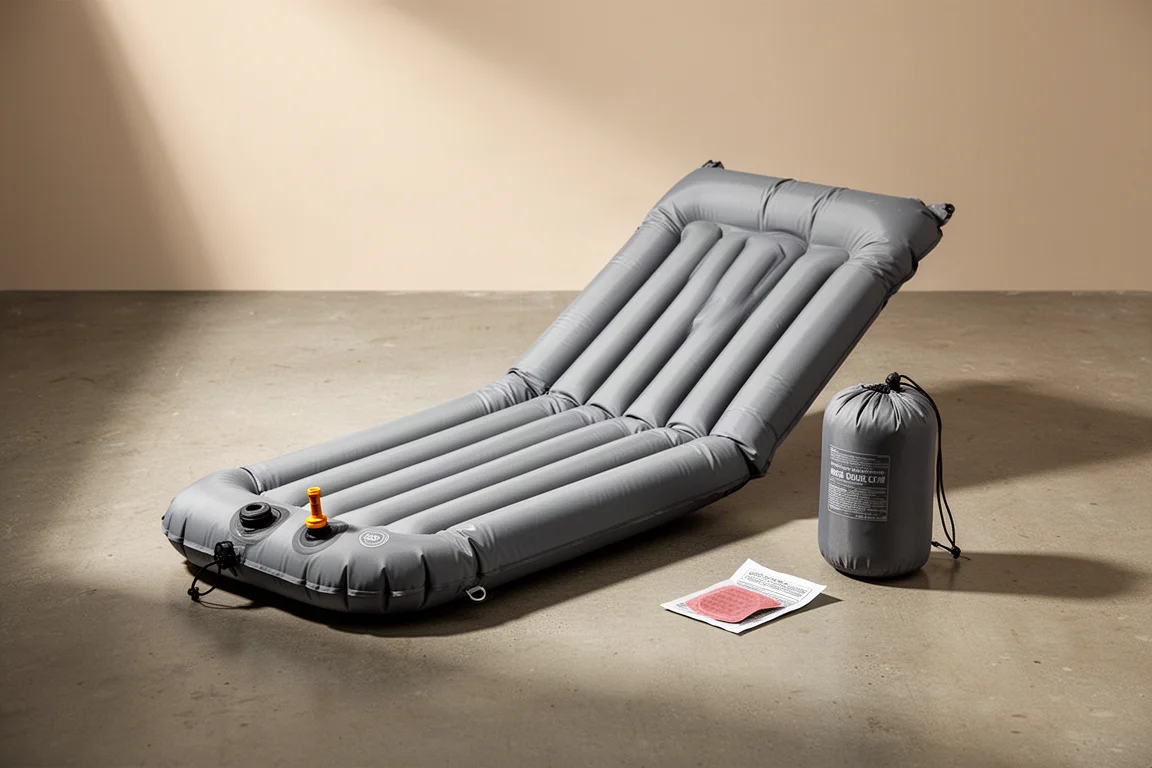
Short sleeping pads, often called half mats, trade coverage for weight and packed size. The Decathlon Forclaz Trek 700 Short Sleeping Pad makes that trade deliberately. It measures 47.2 inches long, 20.5 inches wide, and 2.2 inches thick, weighs roughly 12 ounces without its storage bag, and costs about $45. Its R-value is 1.6, and eight vertical air chambers lift the sleeper off the ground.
The concept is straightforward. Your torso and hips rest on the pad, your legs extend past the end, and you carry noticeably less bulk because of it. On warm-weather trips that arrangement can work very well. This review covers what the pad does well, where it asks for compromise, and who will get the most out of it.
Key Specifications at a Glance
- Length: 47.2 inches
- Width: 20.5 inches
- Thickness: 2.2 inches
- Weight: 13.3 ounces with the storage bag, roughly 12 ounces without it
- R-value: 1.6
- Air chambers: eight, running vertically
- Materials: thermoplastic polyurethane and polyester
- Color: gray
- Sizes: one size only, with no extra-wide version
- Inflation: about seven breaths
- Packed size: roughly 3.3 inches by 8.3 inches
- Included: pad, storage bag, and repair kit
The pad inflates quickly and rolls up just as easily. The included storage bag is very small, and the pad fits inside it tightly, which is worth knowing before the first trip.
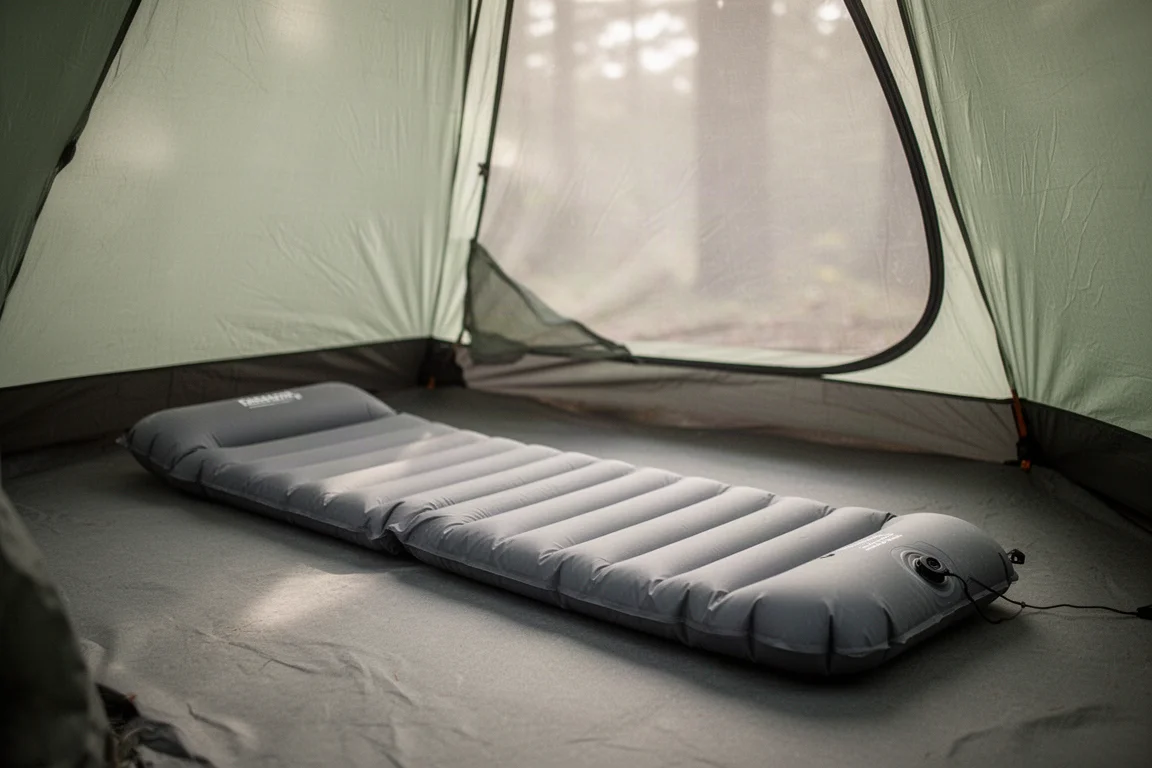
Two valves manage airflow. One is a one-way valve used for releasing air, and the other is a two-way valve that allows inflation without air escaping while also letting you press the nozzle to soften the pad if it feels too firm. The pad tapers at both the head and foot ends, and the valve sits at the top.
Who This Pad Is For
This pad suits backpackers and campers who travel in warm conditions and count every ounce. It works well for temperatures above roughly 50 degrees Fahrenheit, where the low R-value is not a problem and the compact packed size is a real advantage.
It also suits sleepers who are comfortable with their lower legs resting on the ground. That is not a compromise so much as a design choice, and in summer it can be pleasant: your feet stay cool against the ground while your torso stays supported. Side sleepers and stomach sleepers can rotate on the pad without losing contact with it, provided their hips and shoulders stay within the 20.5-inch width.
Main Strengths
Value is the first thing that stands out. At about $45, this pad undercuts most ultralight short mats, which frequently cost far more. For a pad that weighs less than a pound, that price is hard to argue with, and lighter alternatives typically start around $100 or more.
Build quality is also solid. The cut is clean, the seams are well finished, and there have been no leaking issues over several months of regular use. For the money, the construction holds up well.
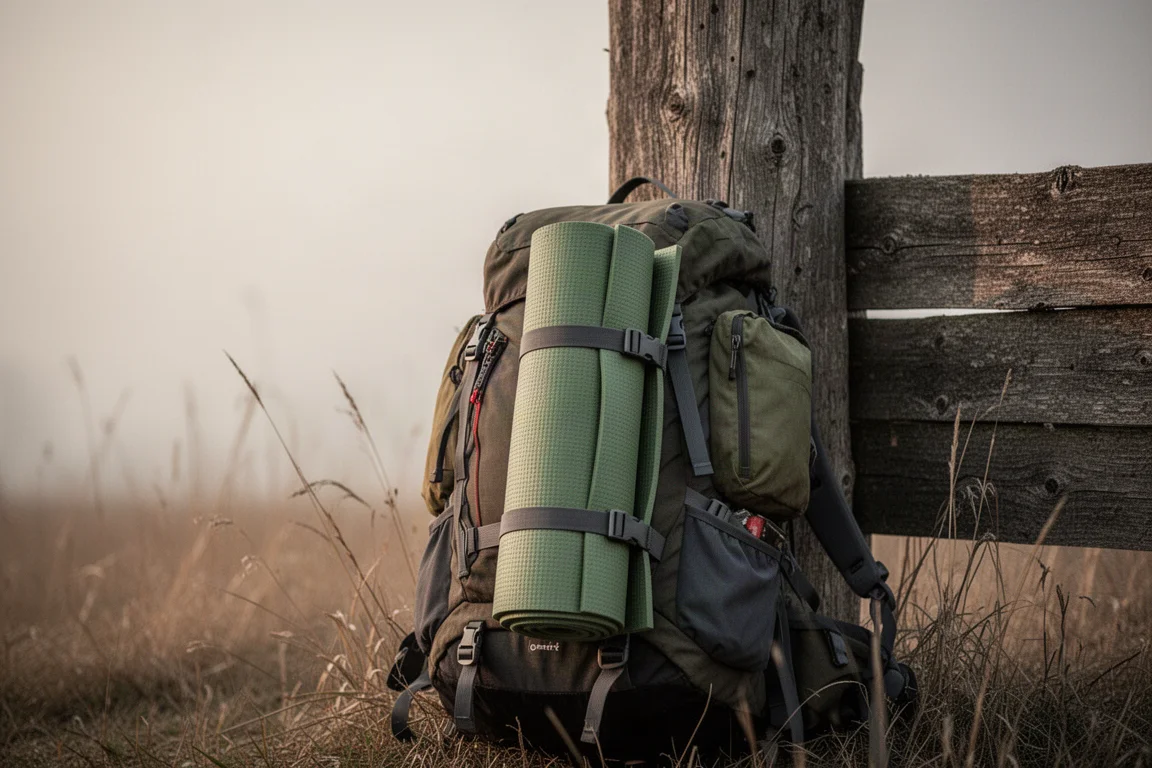
Weight and packed size follow the same theme. At roughly 12 ounces without the bag, the pad is genuinely light, and when rolled it takes up very little room in a pack. The valve design is effective at both jobs: inflation is quick, deflation is controlled, and rolling the pad back up is a simple matter of opening the nozzle, folding, and rolling.
Comfort and Real-World Use
Comfort on a short pad depends less on thickness than on how the air is channeled. The Trek 700 uses eight vertical chambers, and that structure is what keeps a sleeper off the ground. Pads with 2.5 or even 3 inches of cushion can still bottom out if the chamber design is poor. Here, the design does the work, and the result is a pad you can lie on your side, back, or stomach on, with a pillow positioned however you prefer.
The 2.2 inches of cushion is enough for the upper body to stay clear of the ground, and turning over during the night is manageable. It does what a half mat is supposed to do.
Things to Consider Before Buying
The most significant drawback is the silicone grip patches, which are placed on both the top and bottom surfaces. Their purpose is to stop you sliding off the pad, but they are very aggressive. As you move during the night they can pull at clothing, and on a warm night without a shirt they can tug at hair, which is genuinely uncomfortable.
Anti-slip patches are common on sleeping pads, but they usually sit on the underside to stop the pad sliding inside a tent. Having them on the sleeping surface is unusual, and these particular patches are grippy enough that they reduce overall comfort. A practical workaround is to flip the pad over and sleep on the reverse side, valve at the head, which is noticeably more comfortable and still works fine with a quilt or blanket.
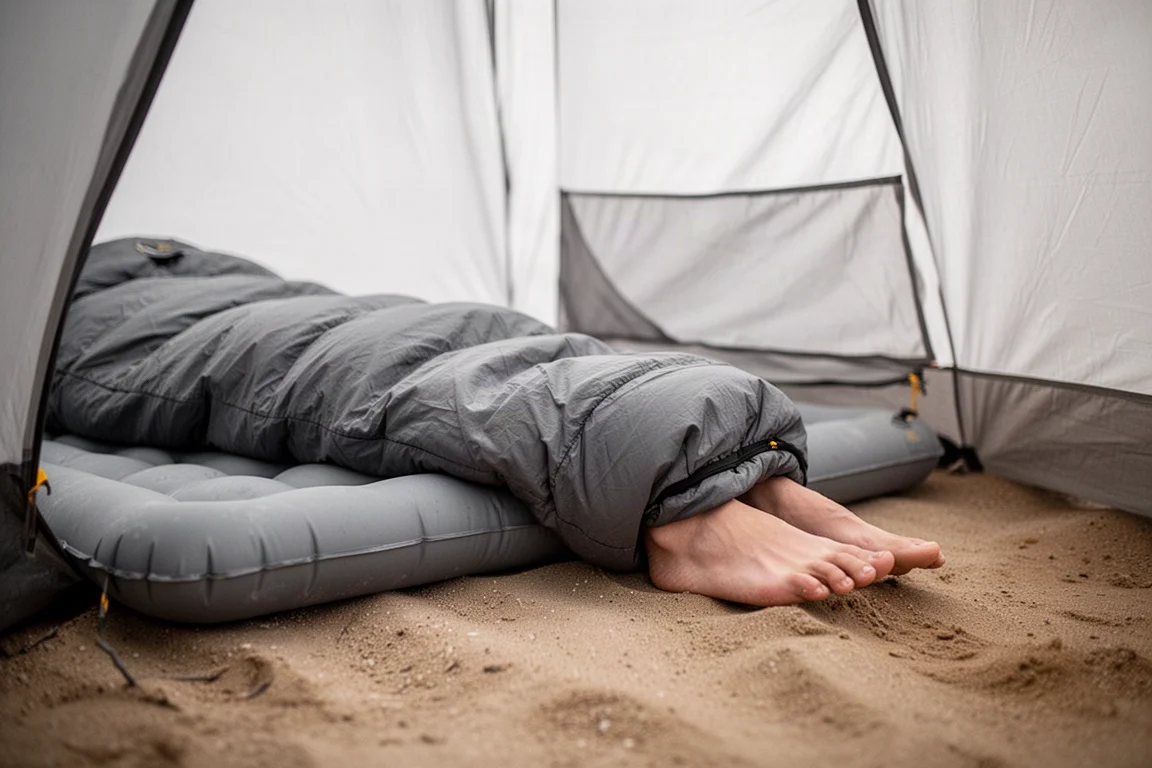
A second point to weigh is noise. As you shift position, air moves between the chambers and produces a rustling sound that resembles a bag of chips. It is not loud enough to bother most sleepers, but anyone who wakes at the slightest sound should factor it in.
The storage bag deserves a mention too. It is far too small for comfortable repacking, and many owners will simply replace it with a rubber band or a larger stuff sack, which also saves a little weight.
When a Full-Size Pad Makes More Sense
The Trek 700 is a summer pad. Once nighttime temperatures drop below roughly 50 degrees Fahrenheit, a longer pad with a higher R-value becomes the better choice, both for warmth and for coverage. That is not a flaw in this design so much as the natural limit of a 1.6 R-value short mat.
For those who like the format but want more coverage, a full-size version of the same pad is available and weighs only slightly more, which makes it a reasonable step up for three-season use.
Buying Advice
Buy the Trek 700 if you hike and camp in warm weather, want to keep your pack light, and are comfortable with your legs off the pad. At around $45, it is an easy recommendation for a first half mat or a dedicated summer setup.
Skip it if you regularly camp in cold conditions, sleep very lightly, or dislike textured surfaces against your skin. In those cases a full-length pad with a higher R-value will serve you better, even at a higher price and a small weight penalty.
Either way, plan to replace the storage bag and to try sleeping on the reverse side. Those two adjustments cost nothing and noticeably improve the experience.
Conclusion
The Decathlon Forclaz Trek 700 Short Sleeping Pad delivers good value, solid build quality, and a genuinely light, compact package for summer trips. Its eight-chamber design provides more real comfort than its 2.2-inch thickness suggests. The aggressive silicone patches, the rustling sound, and the undersized storage bag are the trade-offs, and each has a simple workaround. For warm-weather backpacking on a budget, this pad earns its place in the pack.
Product link
View more details for Decathlon Forclaz Trek 700 Short Sleeping Pad
This product is mentioned in the review. Check the specifications, options, and compatibility before buying.
View more details for Decathlon Forclaz Trek 700 Short Sleeping PadFurther reading
Related Reviews
Sleeping Pads
Best Backpacking Sleeping Pads 2026: Nine Pads Rated on Price, Comfort, Warmth, and Weight
Nine backpacking sleeping pads compared on price, comfort, warmth, and weight, from a $65 summer pad to a year-round option rated at R-7.3.
Sleeping Pads
Best Backpacking Sleeping Pads: Comfort, Warmth, and Weight Compared
A practical comparison of the Nemo Quasar 3D, Therm-a-Rest NeoAir XTherm Max, and Big Agnes Rapide SL for backpackers choosing between comfort, warmth, and packed weight.
Sleeping Pads
Best Backpacking Sleeping Pads: Ultralight, Winter, Comfort and Budget Picks
A practical roundup of the sleeping pads that stand out for ultralight weight, winter warmth, pressure relief and value, plus three popular pads that fell short.