Backpacking Gear
Decathlon Backpacking Gear: Six Affordable Picks for Cold-Weather Adventures
A practical look at six Decathlon pieces, including a down sleeping bag under a kilogram, three down jackets at different warmth levels, a cheap fleece midlayer, and an ultralight backpack.
Introduction
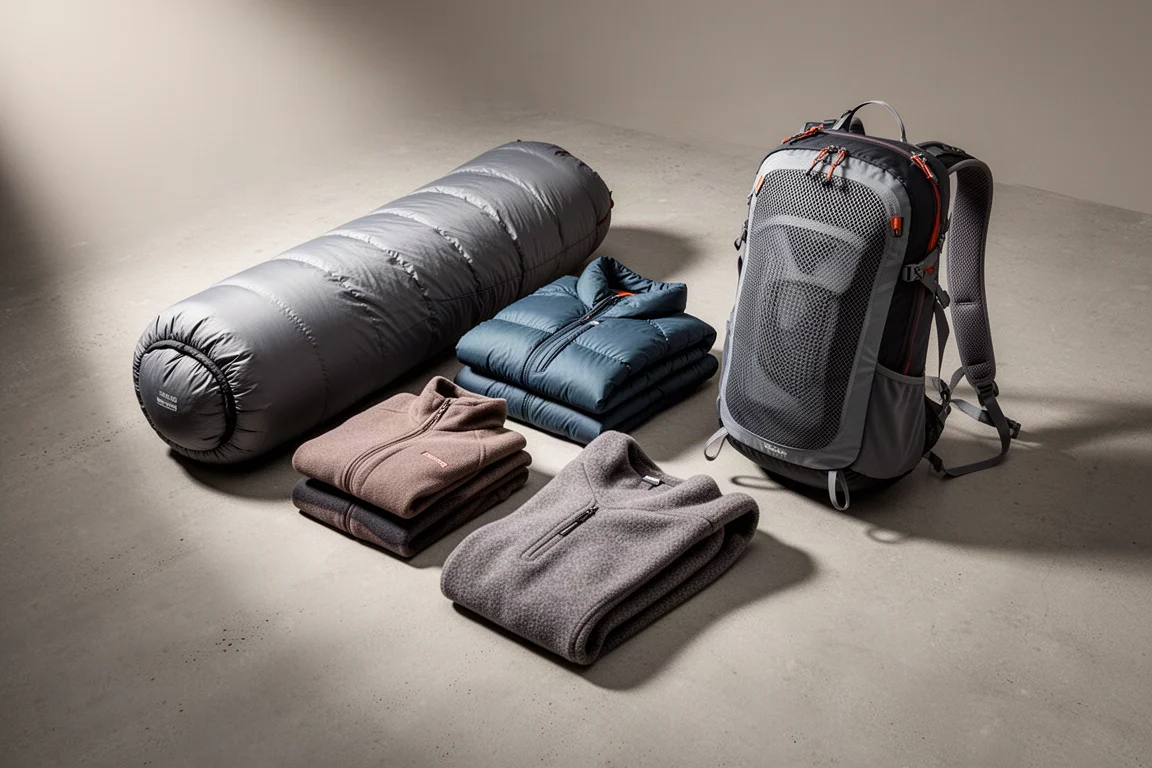
Decathlon is one of the world’s largest sporting goods retailers, and its own-brand gear has quietly become a serious option for backpackers who would rather spend money on trips than on logos. The six items in this guide cover the core of a cold-weather kit: a down sleeping bag, three down jackets at different warmth levels, a fleece midlayer, and an ultralight backpack. Each one earns its place for the same reason, which is a combination of low weight, honest temperature ratings, and prices that undercut comparable gear from specialist brands.
None of it is expedition equipment, and none of it pretends to be. What it does offer is a practical foundation for three-season backpacking and winter camping, plus a few pieces that hold up well enough to become the default choice in a pack.
What to Look For in Budget Backpacking Gear
Three numbers do most of the work when comparing gear like this. The first is fill power, which describes how much space a given weight of down occupies. European brands usually quote fill power on the EU system, and an EU rating of 800 translates to roughly 850 on the US scale, which is high for this price bracket. More fill power means more warmth for less weight, and it is the main reason the sleeping bag and jackets here stay light.
The second number is packed weight. The jackets in this range run from 290 g to well over 440 g, and the sleeping bag comes in under a kilogram. Those differences matter more than they look on paper once a full kit is on your back.
The third is shell fabric denier. A 15 denier face fabric keeps weight down, but it is thinner than the heavier shells used on more expensive alpine jackets, so it rewards reasonable care around rock and abrasive surfaces.
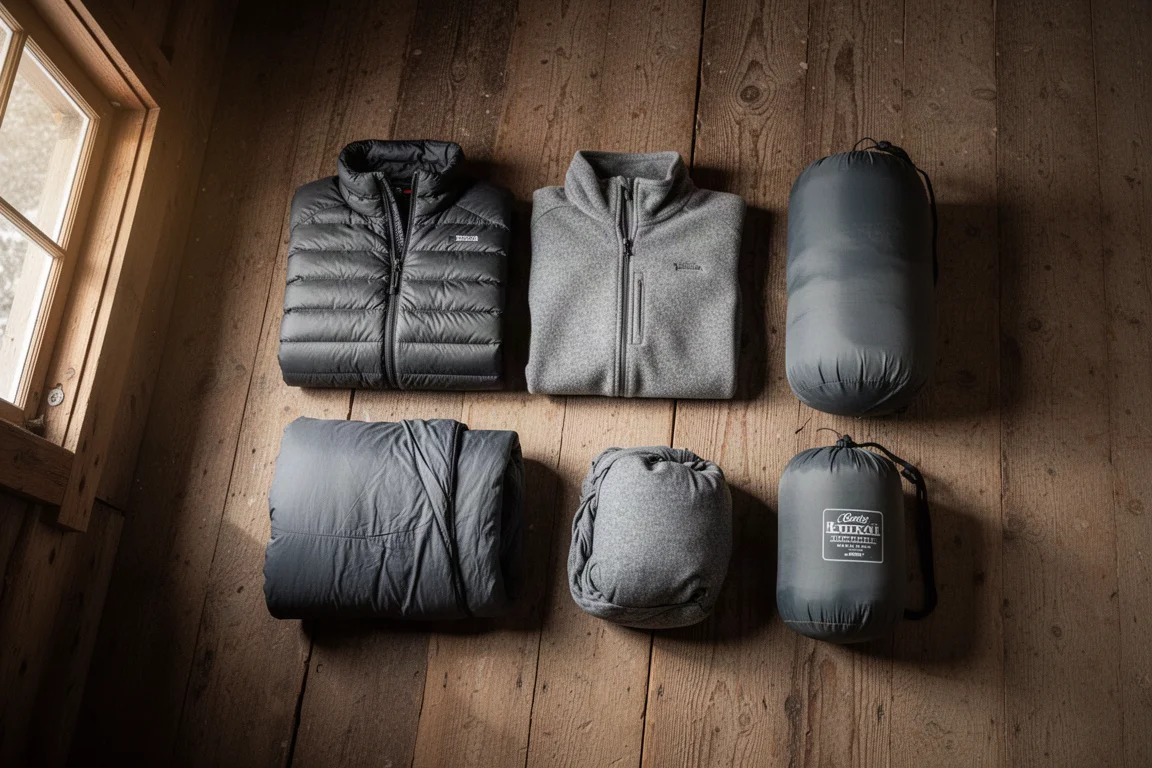
Temperature ratings deserve a separate note. Ratings for static use, meaning sitting around camp rather than moving, are usually the honest ones. A jacket rated for 5°C in static conditions will not keep you warm while standing still at -5°C, and a bag rated to 0°C is a three-season bag rather than a winter one.
Pricing is the other thing to watch. Because this gear is made in-house rather than resold from other brands, prices tend to fall further at the end of a season. Several items in this list have been available well below retail during sales, which is worth planning around if you are not in a hurry.
Decathlon MT900 Down Sleeping Bag: Warmth Without the Weight
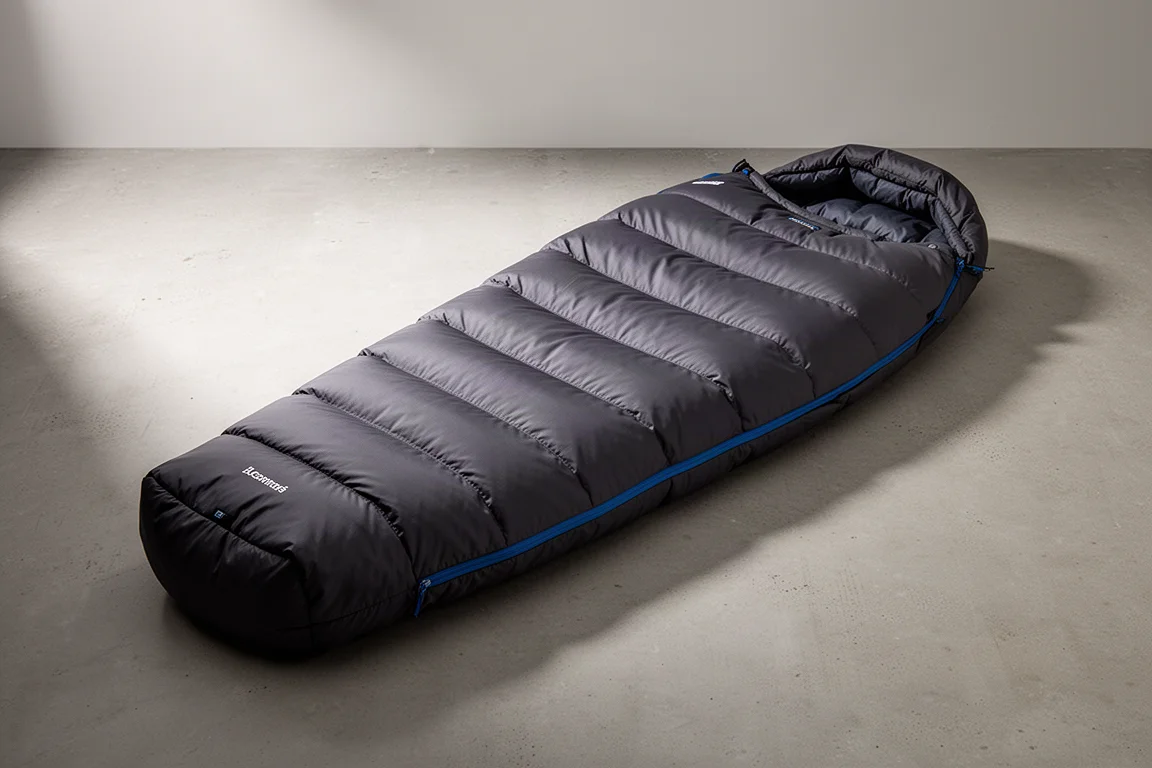
The MT900 is the standout value in the range. It uses 800 fill power down on the EU scale, roughly 850 by US measurements, and the 0°C (30°F) version has proven accurate in real use, including for sleepers who run warm and for those who do not. It weighs under a kilogram, helped by both the down quality and a lightweight nylon shell.
At $170, and sometimes close to $100 on sale, it is difficult to beat for the combination of warmth and low weight. The temperature rating is the headline, but the low packed weight is what makes it practical across longer trips.
Decathlon MT100 Down Jacket: A Light Summer Layer
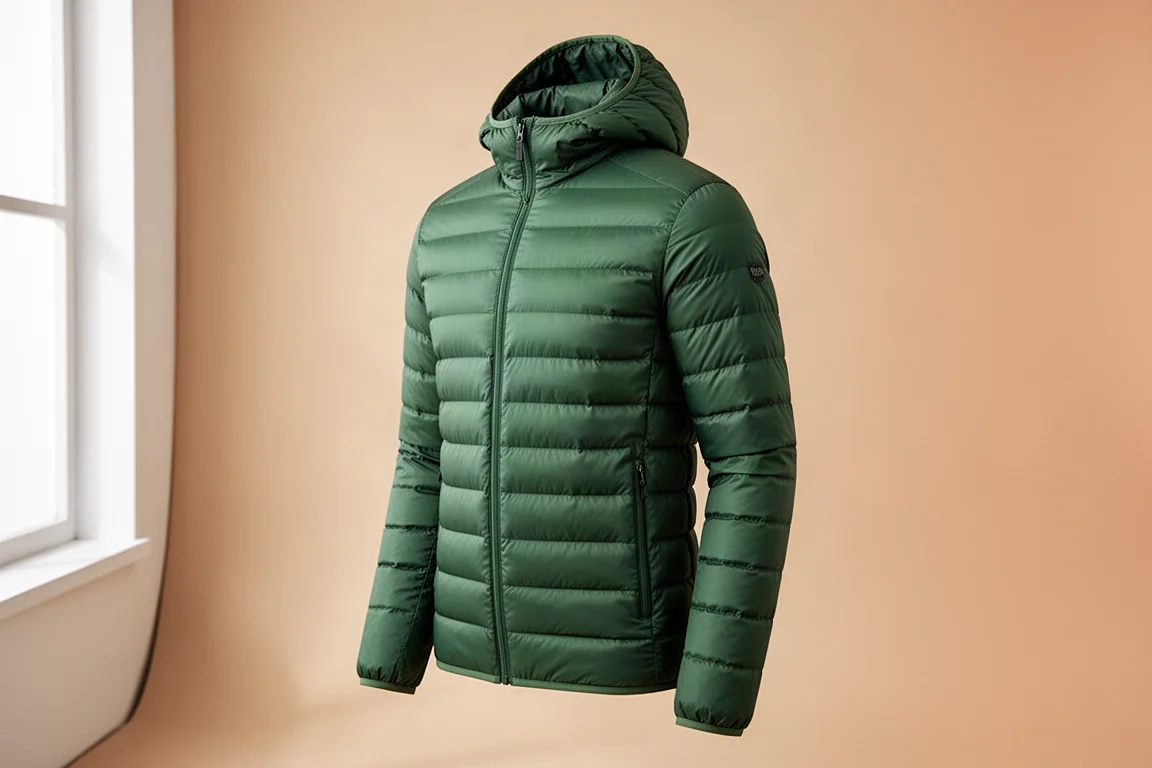
The MT100 is the lightest jacket here at 290 g, with a high fill power down fill and a 15 denier shell. It is designed for summer and mild conditions, and the brand’s claim that it keeps you warm while static at 5°C lines up with how it performs in practice. At $100 it is a straightforward pick for warm-weather backpacking, though the price has risen from an earlier level near $78.
Think of it as a camp and travel layer rather than a jacket for cold mornings on the trail. Packed down, it takes up very little space, which is the point.
Decathlon MT500 Down Jacket: The Warmth-to-Weight Sweet Spot
For $40 more than the MT100, the MT500 extends the comfort range down to -5°C and upgrades to 850 fill power down, still with a 15 denier shell. The trade-off is weight, which climbs to 440 g. Even so, this is arguably the best warmth-to-weight balance in the down jacket line.
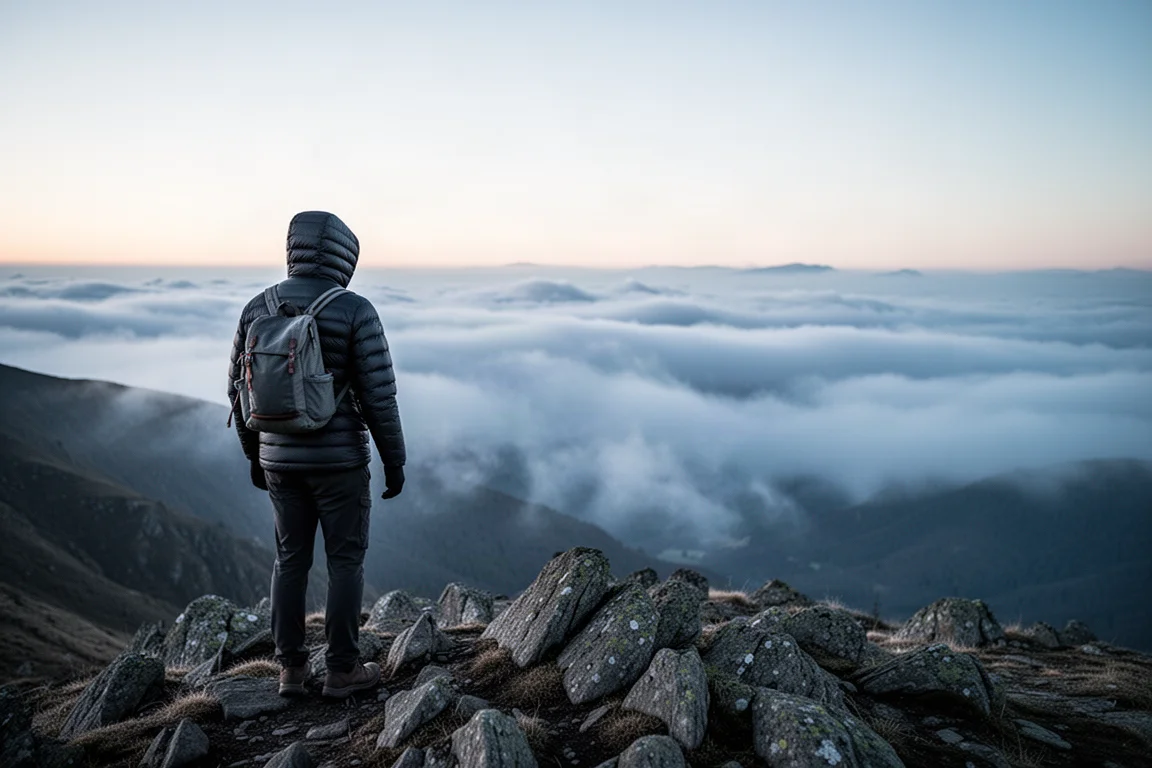
That balance is what makes it useful across a wider range of trips. It works as a camp layer in shoulder season and as part of a layering system when the temperature drops further, without the bulk of a dedicated winter jacket.
If you plan to own only one down jacket and you expect to use it outside high summer, this is the sensible middle choice.
Decathlon MT900 Down Jacket: Built for Deeper Cold
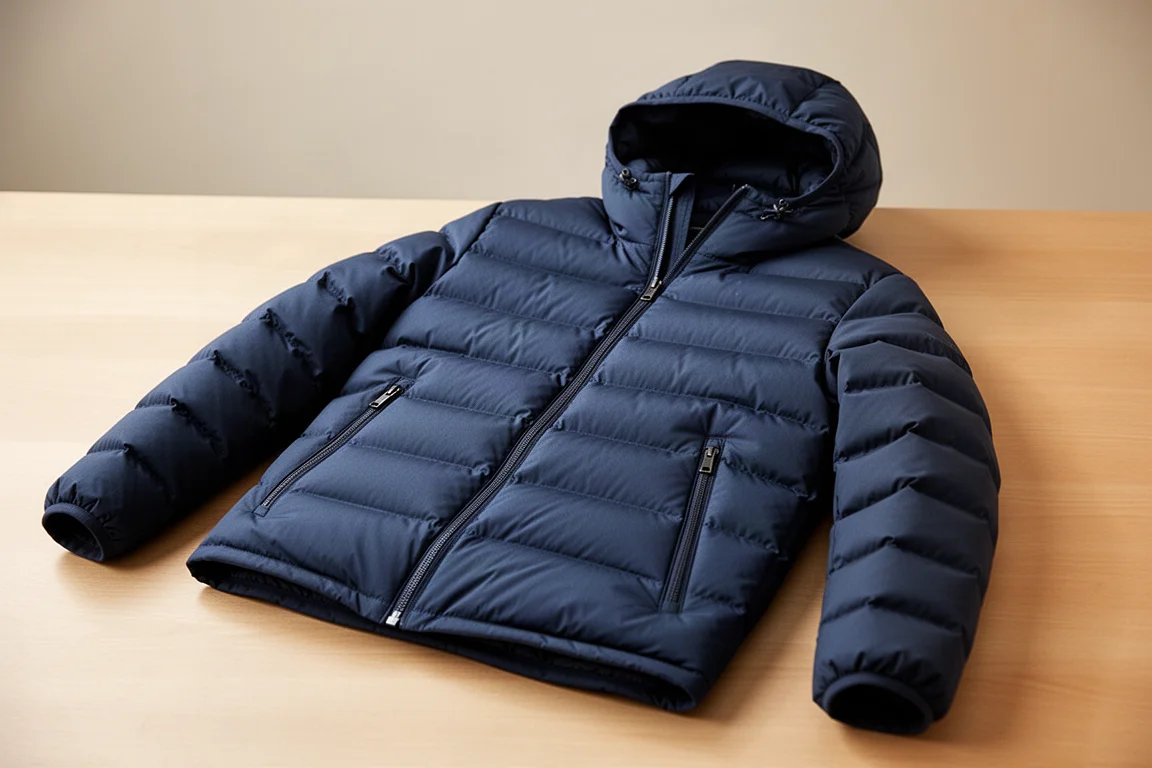
The MT900 takes the same idea further with thicker baffles that allow the down to loft more, which is where the extra warmth comes from. It is rated to around -5°C, but it costs considerably more and weighs considerably more than the MT500, so it makes most sense for people who specifically want a winter layer rather than a general-purpose one.
One detail worth knowing is that the baffles are sewn through rather than box construction, so the seams are where warmth is lost first. That is normal at this price point, and it is the main reason this jacket suits winter camping rather than more extreme conditions.
Decathlon MH10 Fleece Sweater: Simple, Light, and Cheap
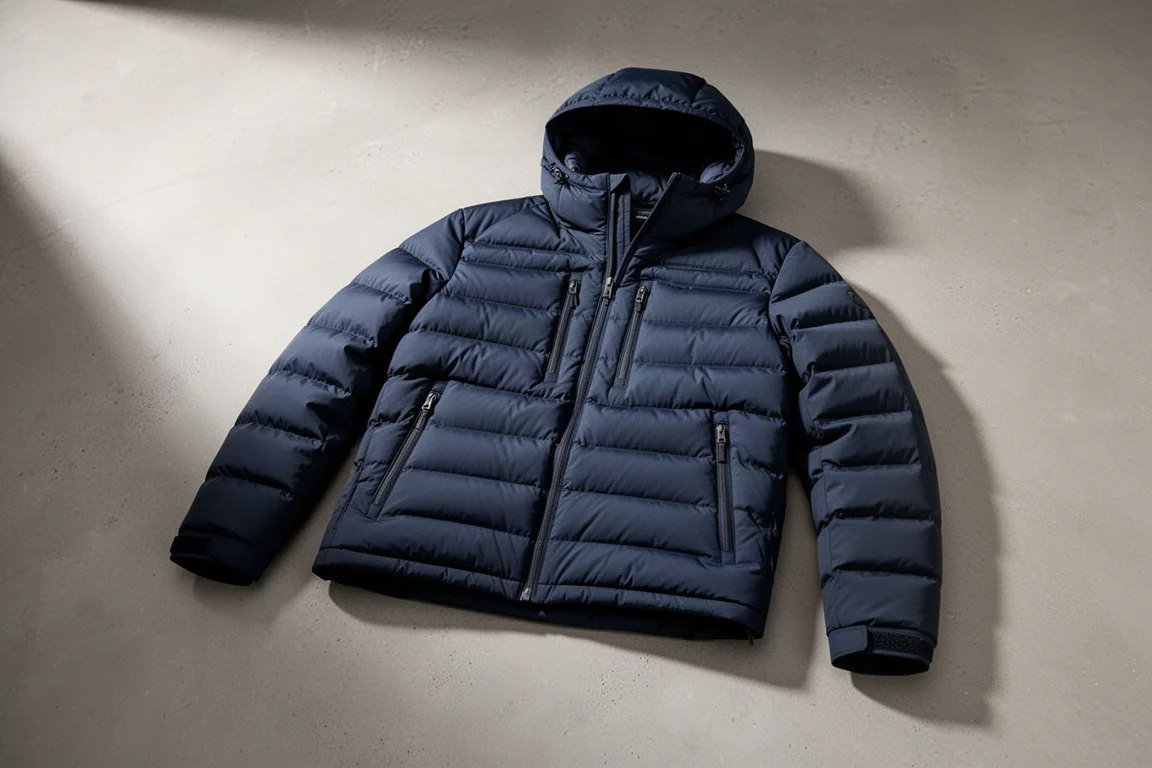
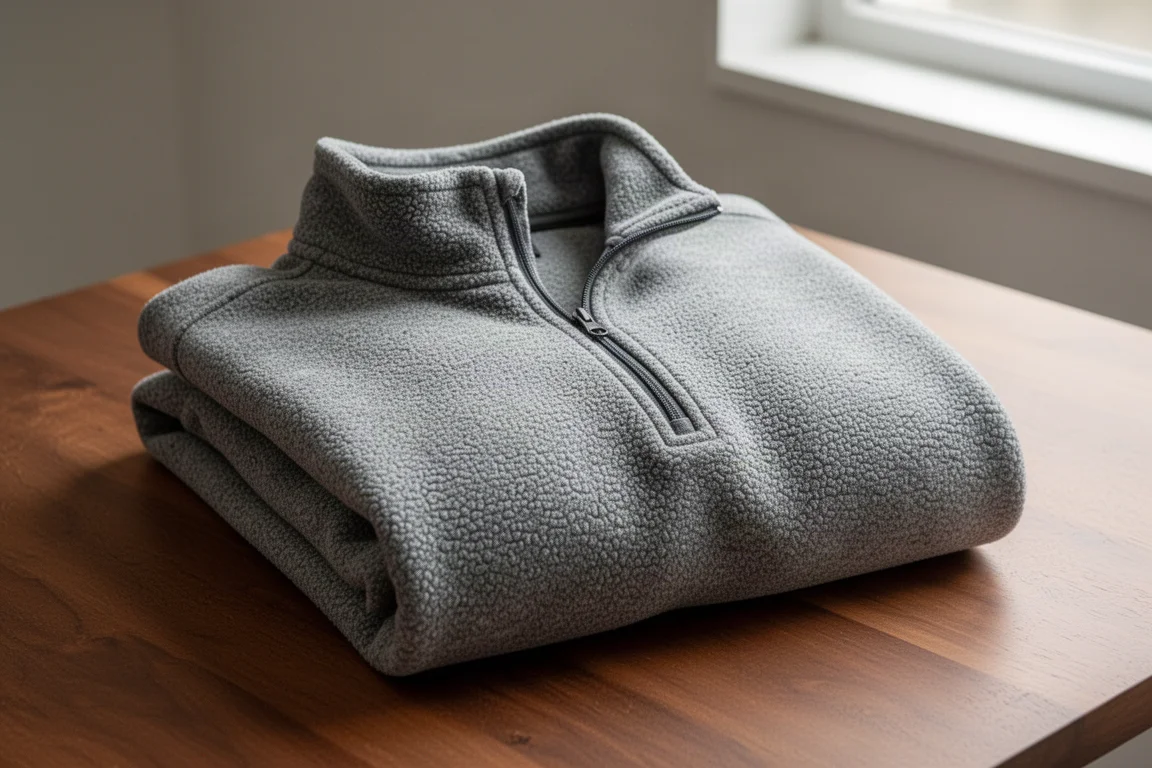
Fleece is where the value story is easiest to see. The MH10 sweater weighs 250 g and costs $30, which makes it an easy midlayer to carry for the warmth it adds relative to its weight. Fleece is durable and effective, and this is the kind of piece that ends up in a pack on almost every trip.
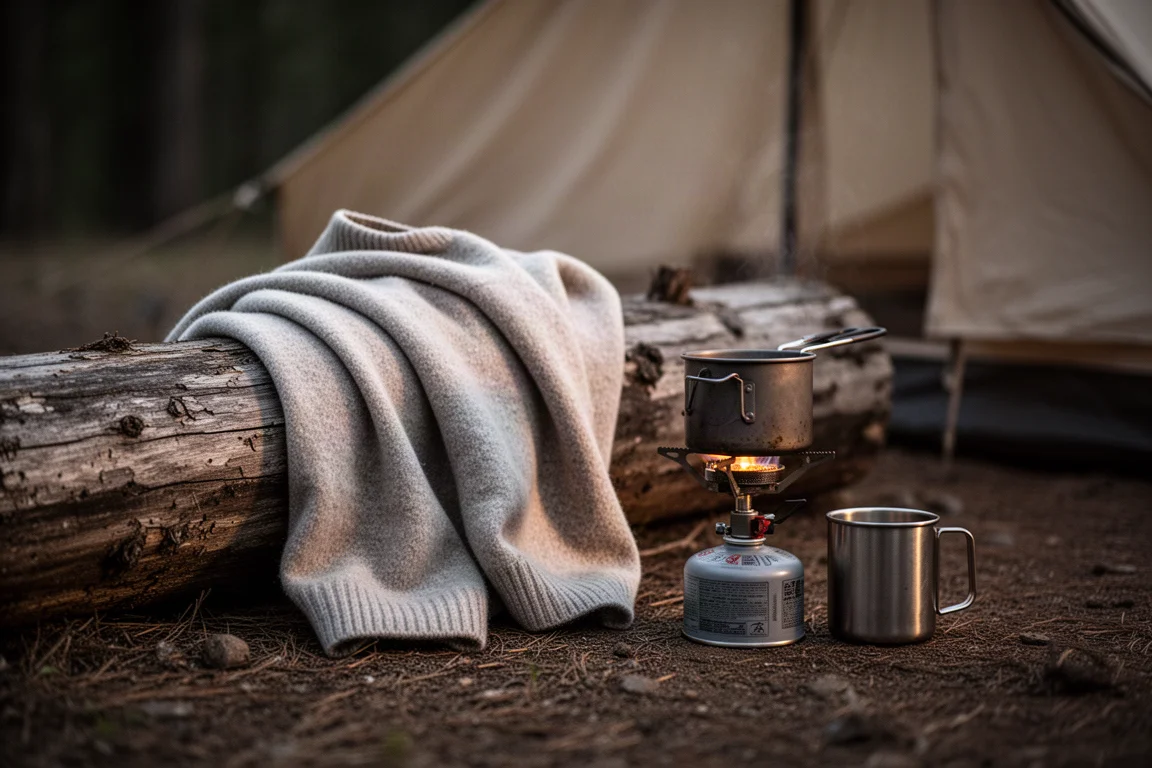
Worn under a down jacket, it covers the range where a single jacket is either too warm or not quite enough. It is also a comfortable layer to wear around camp in the evening, which is where a lot of midlayers earn their keep.
Decathlon MT900 UL Backpack: Ultralight Ambitions on a Budget
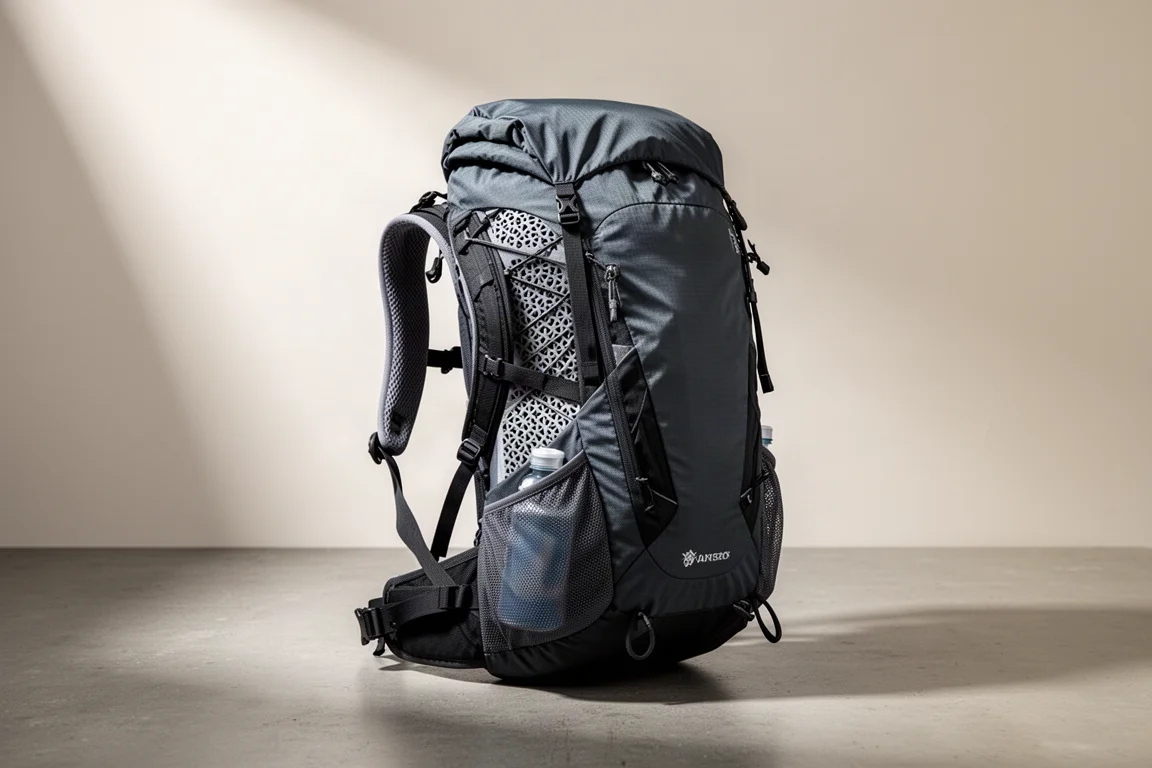
The MT900 UL is the brand’s move into ultralight packs, and it gets a lot right. The torso is adjustable, the back panel uses a ventilated trampoline design, and the side-entry water bottle pockets make it possible to reach a bottle without taking the pack off. The frame carries weight well, with loads approaching 18 kg (about 40 lb) carried without complaint.
Two things hold it back from being an outright ultralight pick. At 1300 g it is heavier than the one kilogram mark that defines the category, and the $180 retail price is high relative to the rest of this list. It is frequently discounted close to $100, though, and at that price the feature set is hard to argue with.
Buying Advice: Matching Gear to the Trip You Actually Take
Start with the trips you really take rather than the ones you imagine. For summer backpacking and travel, the MT100 jacket paired with the MH10 fleece covers most evenings comfortably at low weight and low cost. If your season stretches into spring and autumn, the MT500 is the more useful single jacket, since it handles the -5°C mark without the bulk of a full winter layer.
For winter camping, the MT900 jacket and the MT900 sleeping bag make a coherent pair, with the bag rated accurately at 0°C and the jacket adding warmth for sitting around camp. If you sleep cold, that combination is the one to build around.
The backpack decision comes down to how much you carry. The MT900 UL is a comfortable load carrier with genuinely useful details, but at 1300 g it is not the lightest option available and the retail price is on the high side for this range. Watching for a sale is the practical move here, and the same advice applies to the sleeping bag.
Conclusion
The appeal of this gear is straightforward: it delivers real warmth and low weight at prices that leave room in the budget for the trip itself. The MT900 sleeping bag and MT500 jacket are the two strongest picks for most people, the MT100 and MH10 fleece cover warm-weather and layering needs cheaply, and the MT900 UL backpack is worth considering when a comfortable load carry matters more than the last few hundred grams. Buy the pieces that match the conditions you actually camp in, and watch for end-of-season pricing on the larger items.
Further reading
Related Reviews

Backpacking Gear
Building a 10 lb Base Weight: An Ultralight Backpacking Gear List
A practical walkthrough of the ultralight pieces behind a 10 lb base weight, from a 765 g pack and a roomy one-person tent to a full camp chair and a dependable water filter.

Backpacking Gear
A 15-Pound Lightweight Backpacking Gear List for Solo Trips
A beginner-friendly 15-pound backpacking setup built from easy-to-find gear, with notes on what each piece does, how it packs, and where to spend your attention.
Backpacking Gear
8 Ultralight Backpacking Gear Upgrades Worth Carrying
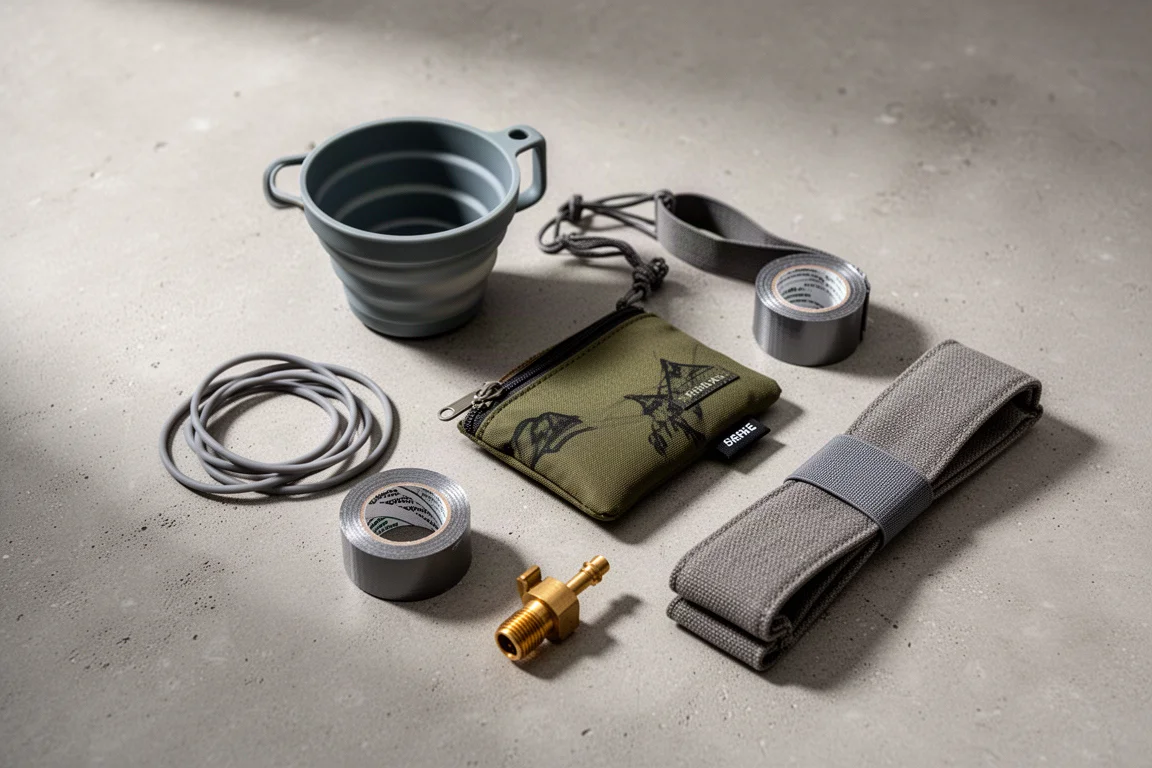
Eight small, affordable backpacking upgrades that solve real trail annoyances, from a pillow that stays put to a fuel valve that rescues leftover canister gas.