Camping Tents
Decathlon 2 Seconds Fresh & Black 3-Person Pop-Up Tent Review: Waterproof but Hard to Live With
A close look at the Decathlon 2 Seconds Fresh & Black 3-person pop-up tent: genuinely strong waterproofing and wind stability, weighed against a fabric inner, limited mesh, and a setup claim that does not hold up.
Introduction
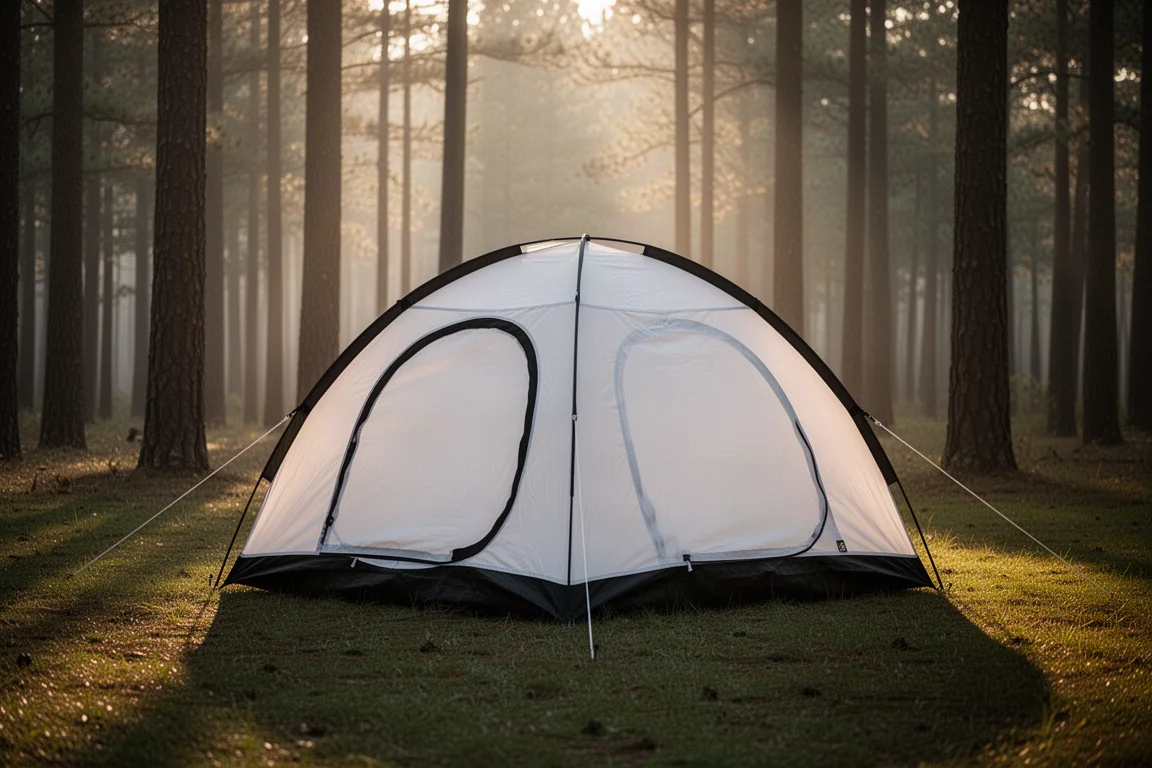
Pop-up tents usually trade interior comfort for speed, and the Decathlon 2 Seconds Fresh & Black 3-Person Pop-Up Tent takes that trade somewhere unusual. Instead of the single-wall shell found on almost every shelter in this category, it uses a full fabric inner liner, and pairs that with a 2,000 mm waterproof rating and a build that is polyester throughout, from the fly to the floor to the inner itself. The result is a tent that shrugs off rain and wind remarkably well while giving up much of the airflow that makes a pop-up tent pleasant in warm weather.

This review covers what the tent does well, where the design creates genuine day-to-day problems, and which campers it might still suit. The short version: the weather protection is impressive, but the interior layout and the marketing around setup time are not.
Who This Tent Is For
This is not a summer tent in the way most pop-up shelters are. The fabric inner sits between the occupant and the outer shell, blocking wind, holding warmth, and trapping moisture, which is the opposite of what most campers want from a tent used between spring and autumn. Anyone who mostly pitches in cool, wet, or windy conditions will get more from it than someone chasing airflow on a warm night.
Decathlon positions it as a three-season option running from spring to fall, and the fabric inner makes that claim hard to accept as written. Treat it as a shelter for cool, wet trips rather than a true three-season tent, and its limitations become easier to plan around. Campers who sleep hot, camp in humid regions, or expect to leave the door open for a breeze should look at a lighter, more breathable design instead.
What Comes in the Box
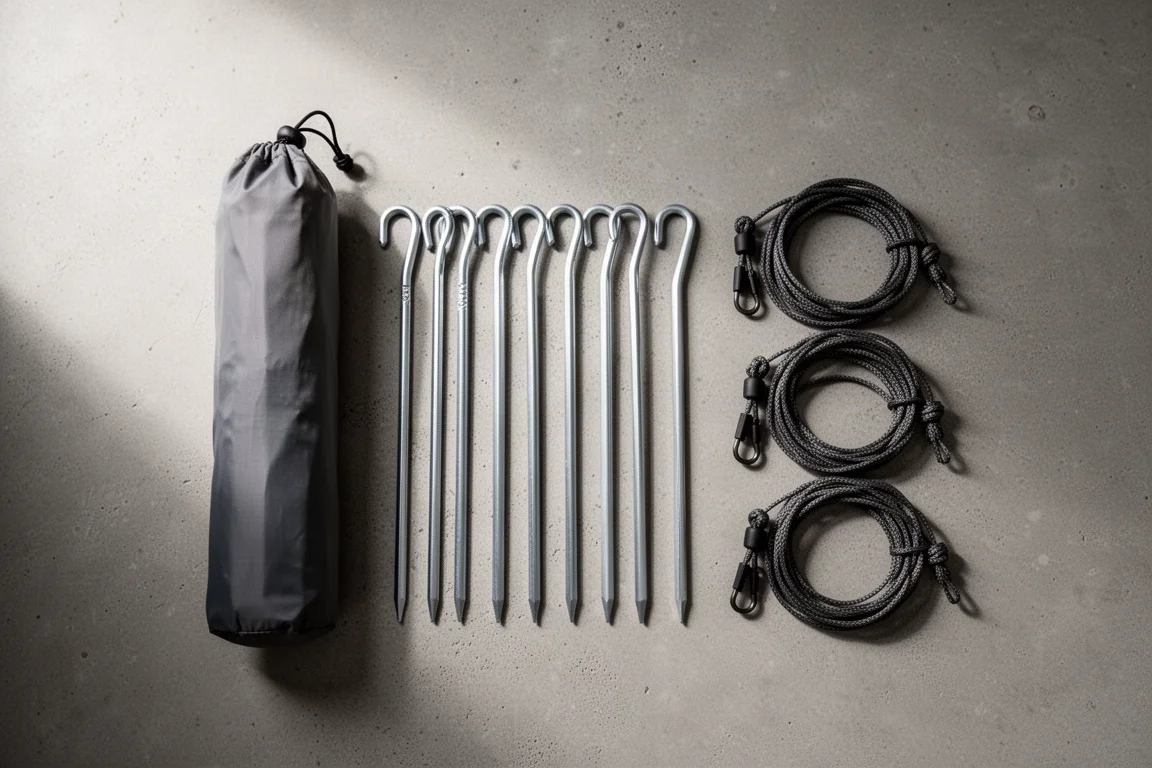
The package is simple: the tent, a storage bag, nine tent stakes, and three guylines. Nothing extra is required to get it standing, which keeps the first setup free of surprises.
Inside, there is a hook at the top for hanging a light or a small item, mesh pockets along the sides, and a blue cord that pulls the rear of the tent open a little. There is also a raised lip across the front door, which means leaning in and forward to work the zipper whenever the door is closed.
That lip is a small detail with a real consequence. Campers with back trouble, or anyone unsteady on their feet, will find the front door awkward to open and close from outside. The workaround is to step inside while the door is already open and unzip from there, which is not always convenient in bad weather.
Main Strengths: Waterproofing and Wind Stability
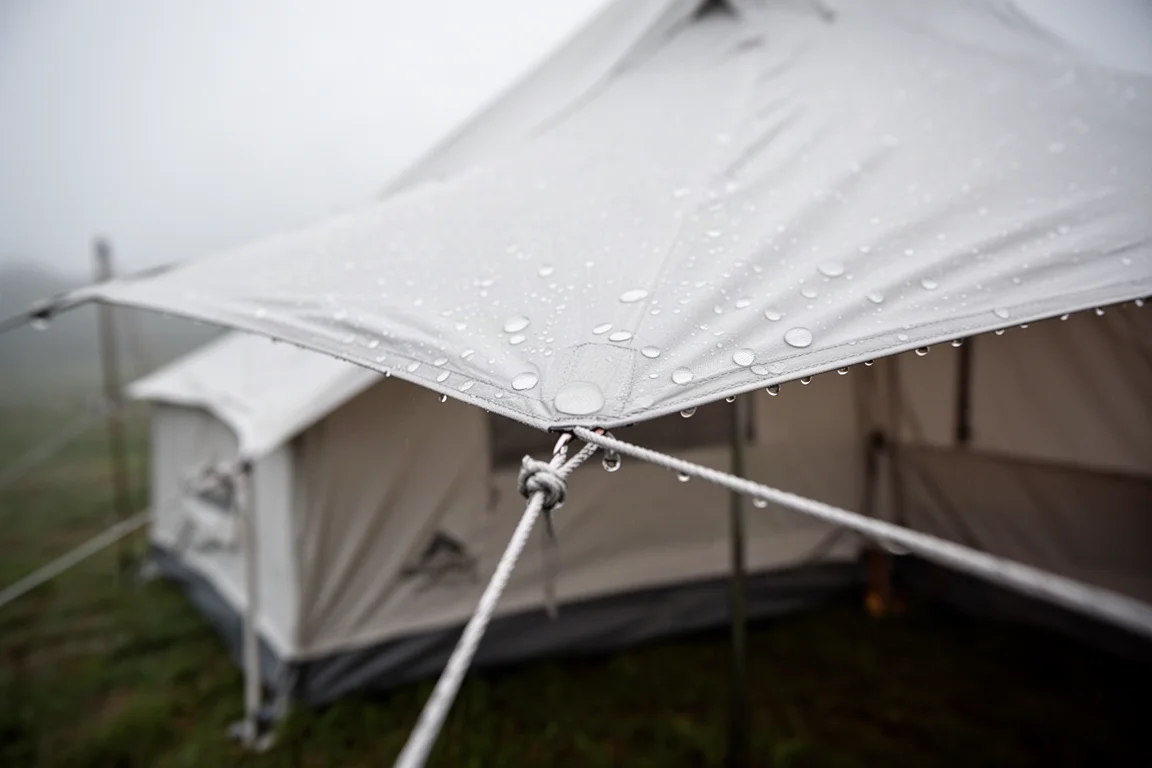
The strongest argument for this tent is how it behaves when the weather turns. The 2,000 mm waterproof rating is backed by real performance: the shelter stayed dry through a knockdown thunderstorm with no leakage, and it held its position in the wind that came with it. For a pop-up tent, that combination of waterproofing and stability is not a given.
Materials support that impression. The fly, floor, and inner are all polyester, and the double-wall construction adds a layer between the occupant and the outer shell. The tent also looks sharp, with white fabric and black accents that read as deliberate rather than generic.
Interior Space and Ventilation Problems
This is where the design stops making sense. The double-wall construction adds a fabric inner that takes up a significant share of interior volume, and most of that inner is fabric rather than mesh. Mesh is limited to a small panel at the door and another small panel at the back. What appears to be mesh along the sides is thin fabric, so the side openings that unzip for airflow have nothing behind them to keep insects out.
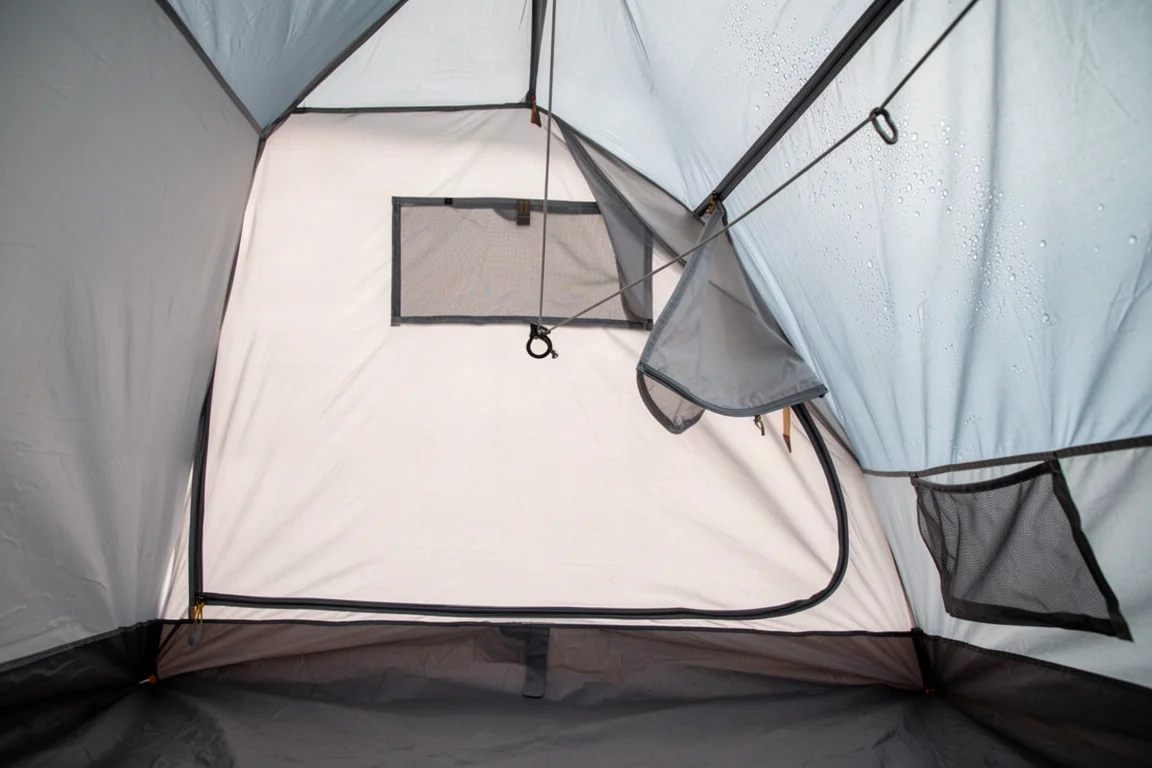
The practical result is a tent that gets hot, holds that heat, and collects condensation on the inner fabric. Vents on both sides can be sealed, propped open with the guylines, or rolled up, but because they are not meshed, opening them on a buggy night invites insects inside. Interior space is also smaller than the three-person label suggests. Peak height is roughly 35 inches, maximum width is about 78 inches, though the sloping walls bring usable width down to roughly 68 inches, and the depth from door to back is about 73 inches. Two adults fit comfortably. Three adults would be a squeeze, and three children is the more realistic reading of the capacity.
The inner fabric also carries a strong, unpleasant odor that resembles a bag of garbage. It was noticeable from the first night of use, it is fairly strong, and it is not the kind of detail most campers expect to plan around.
Setup and Breakdown Reality
Decathlon names this the 2 Seconds tent and prints that claim on the storage bag and on the side of the tent itself. In practice, setup takes about five minutes. The tent comes out of the bag, the straps and buckles come undone, the shell unfolds, the stakes and guylines go in, and the vents get set. That is not a slow process, but it is nowhere near two seconds, and Decathlon’s own product page also describes designers working to let campers pitch it in minutes. The name and the reality do not line up.
Breakdown is the bigger problem. A buckle inside the tent has to be pulled out and connected, the tent folded, additional buckles snapped, and then the whole shelter twisted into a figure eight and folded again. It takes real strength and is far more involved than the roughly thirty seconds a typical pop-up tent requires.
Things to Consider Before Buying
Fresh & Black is the headline feature here, and it does exactly one thing: it limits how much light enters the tent, so the interior stays dark even at midday. For most campers that solves a problem they do not have. Standard tents are already dark enough to relax in, and few people sleep through the middle of the day.
Two other details are worth knowing. The Fresh & Black 3-person model is one of several versions, including a 2-person size and variants without the Fresh & Black treatment that cost less. The other Decathlon pop-up tents also use a double-wall design, so the airflow and condensation issues described here carry across the range rather than being unique to this model. Packed, the tent measures about 30.3 inches wide and roughly 5 to 6 inches thick depending on how tightly it is cinched, and it weighs around 10 pounds.
Buying Advice
At $180, this tent delivers genuine weather protection, a stable structure, and a setup that becomes reasonably quick once the sequence is familiar. What it does not deliver is comfort in warm weather, usable ventilation on buggy nights, or an interior that matches its three-person label.
If your trips tend to be short, wet, and cool, and you want a pop-up tent that stays put and stays dry, this shelter covers the essentials well. If you camp in summer heat, sleep in humid conditions, or want to open the tent up for a breeze without inviting insects, the fabric inner and the missing mesh will be daily frustrations. Choosing the two-person configuration, or planning to use it in cooler conditions, are the two changes that make the most sense for anyone still weighing it up.
Conclusion
The Decathlon 2 Seconds Fresh & Black 3-Person Pop-Up Tent is a waterproof, wind-stable pop-up shelter built around a fabric inner that suits cold conditions far better than warm ones. Its strongest qualities are real, and its weakest design decisions are just as real. Campers who match it to the right season and the right expectations will find a capable, weather-ready tent. Campers who need airflow, honest capacity, and accurate setup times should keep looking.
Product link
View more details for Decathlon 2 Seconds Fresh & Black 3-Person Pop-Up Tent
This product is mentioned in the review. Check the specifications, options, and compatibility before buying.
View more details for Decathlon 2 Seconds Fresh & Black 3-Person Pop-Up TentFurther reading
Related Reviews
Camping Tents
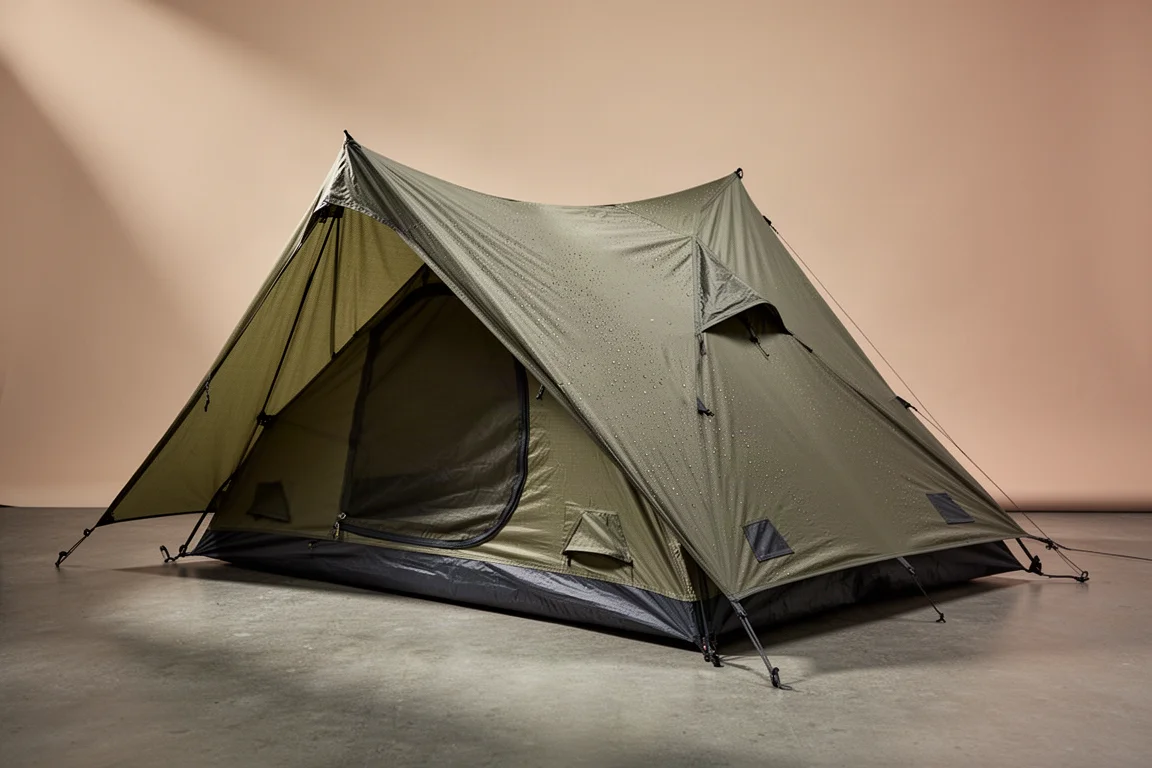
3F UL Gear Taiji Two-Person Tent Review: Field Waterproofing Results and Buying Advice
The Taiji pairs an attached fly with a removable inner, but sustained rain exposed untaped vent seams that need sealing before this shelter can be trusted.
Camping Tents
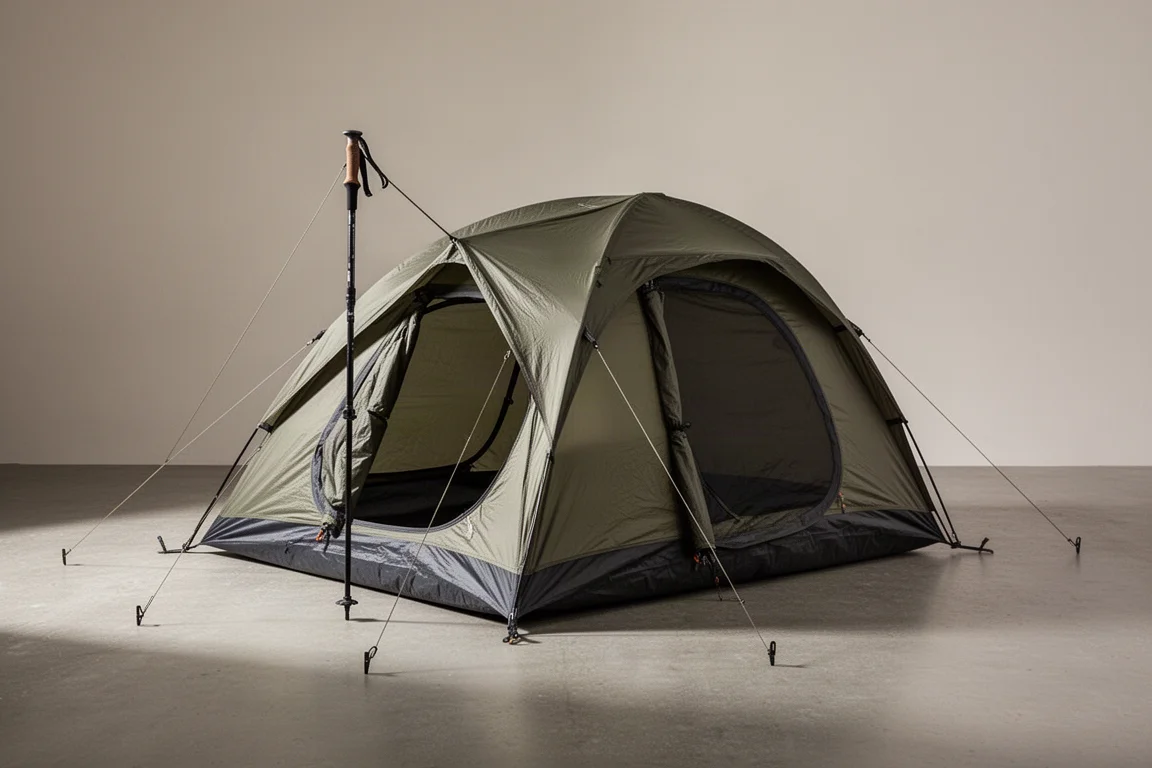
3FUL Gear Lanshan 2 Pro 4-Season Review: A Sub-$200 Single-Wall Trekking Pole Tent
An early look at the 3FUL Gear Lanshan 2 Pro 4-Season, covering its straightforward pitch, generous interior space, and the condensation and seam-sealing questions that come with any single-wall shelter.
Camping Tents
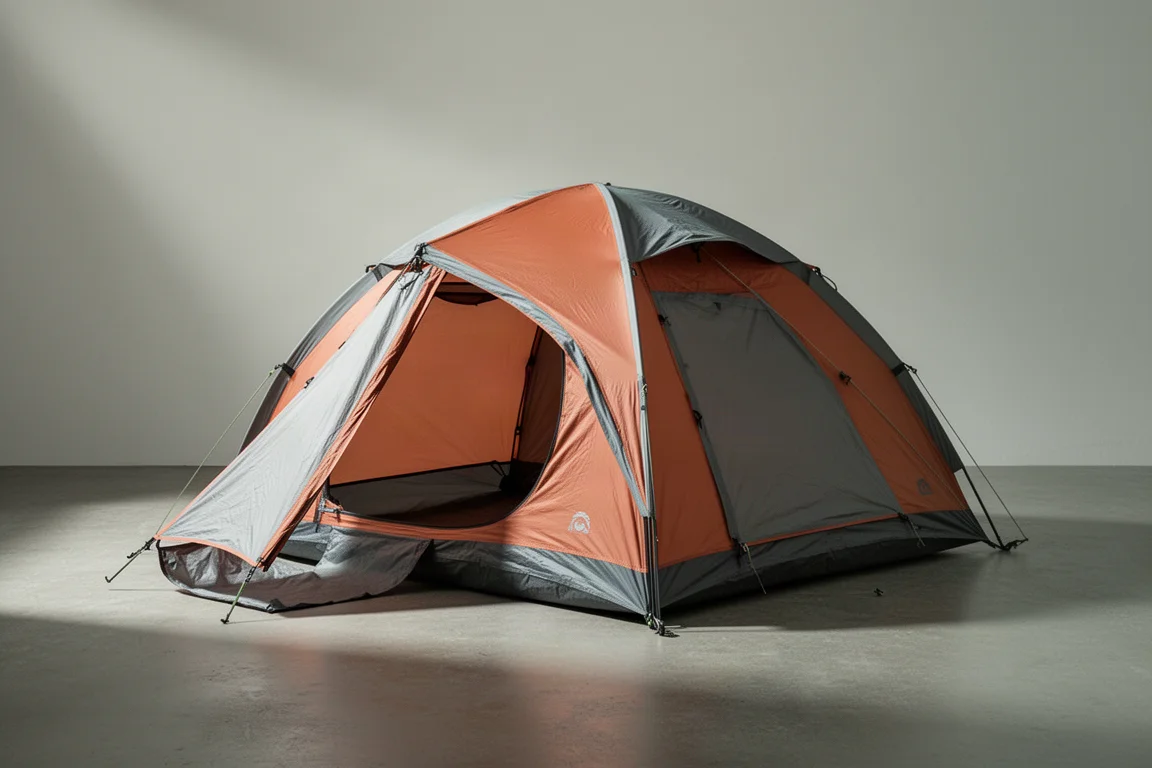
Alps Mountaineering Lynx 1-Person Tent Review: Big Value in a Small Budget Tent
A close look at the Alps Mountaineering Lynx 1-Person Tent, covering real interior dimensions, materials, setup time, ventilation limits, and who should buy it.