Hi-Fi Speakers
Dali Minuet SE Review: Compact Size With Reference-Grade Midrange
The Dali Minuet SE pairs a high gloss walnut cabinet with exceptional midrange clarity and natural tonality, but its 59 Hz bass roll-off means careful system matching matters.
Introduction
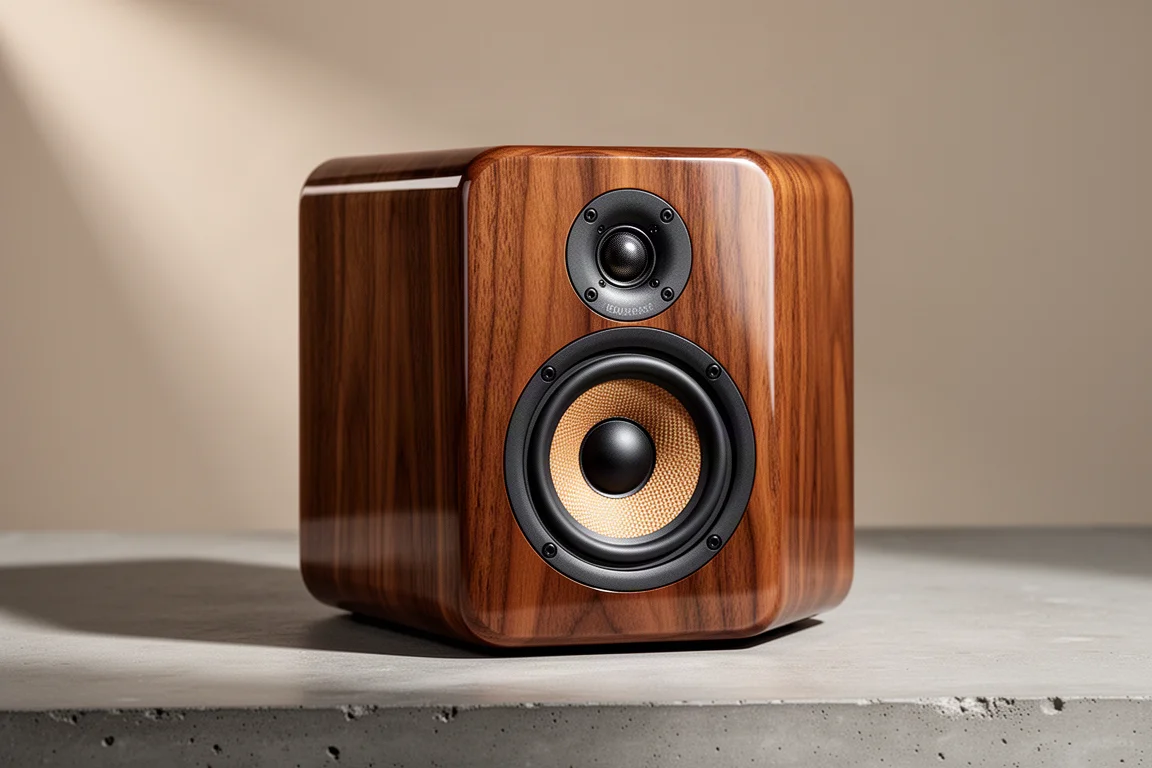
The Dali Minuet SE is the special edition version of Dali’s long-standing Minuet, a two-way mini monitor small enough to lift with one hand. It retails for around £1,299 in the UK and arrives in a high gloss wild walnut real wood veneer finish that looks considerably more impressive in person than most photographs suggest.
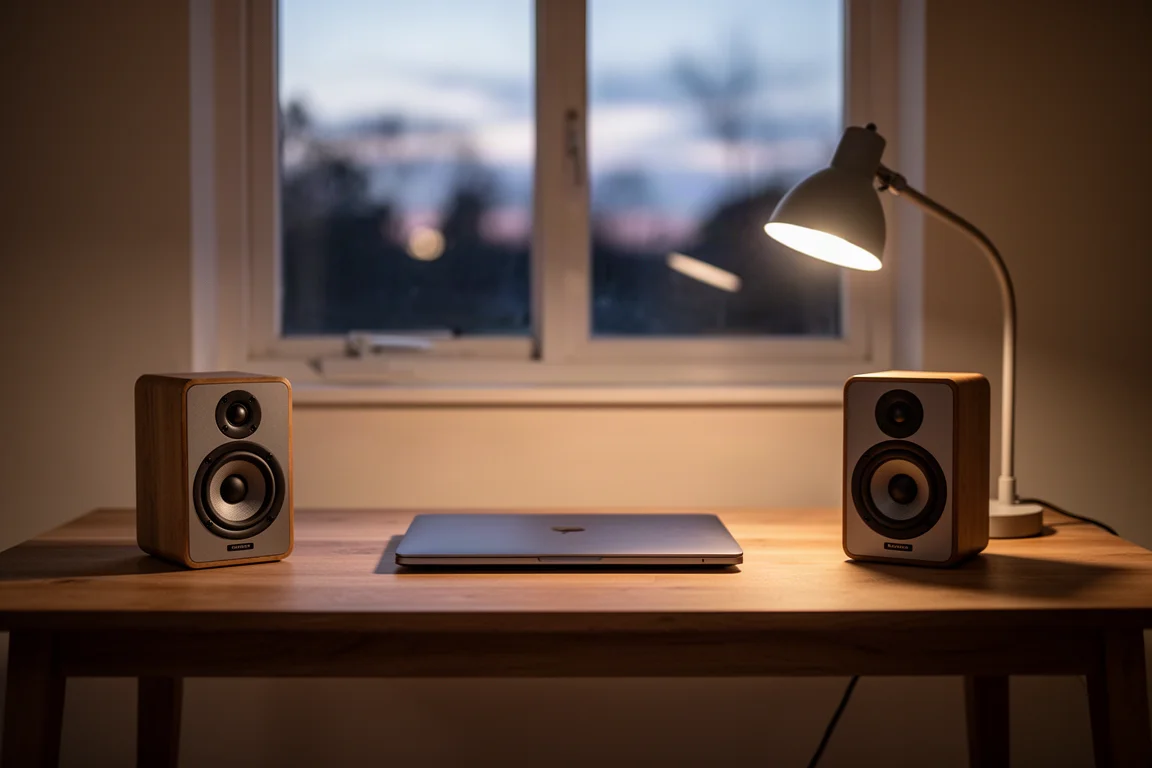
Speakers in this class are designed primarily for nearfield listening, typically at the end of a desk, in a study, or in a bedroom where the listener sits roughly one to two metres from the cabinets. Keeping the two drivers close together is a genuine advantage at those distances, because the sound arrives as a more coherent whole.
What makes the Minuet SE notable is the balance it strikes. Plenty of compact speakers are impressively clean but sound slightly artificial once acoustic or vocal material is playing, while others are tonally natural but lose information. The Minuet SE is one of the few small speakers that manages both, and that is the main reason it stands apart at this price.
Who the Dali Minuet SE Is For
This is a speaker for listeners who sit close to their system. It works at the end of a desk, in a compact room, or anywhere the listening position is within a couple of metres of the cabinets. It also suits quiet late night sessions particularly well, where its clarity holds up at low volumes.
It is not the right choice for anyone who wants to play loud in a moderately sized room. Adding a subwoofer extends the bass considerably and brings the sound closer to that of a larger speaker, but it cannot replicate the dynamic swings that a bigger cabinet delivers further up the frequency range. That is simply a matter of physics rather than a flaw in the design.
Design and Build Quality
The cabinet measures 250 by 150 millimetres with a depth of 230 millimetres, and each speaker weighs 4.2 kilograms, or 9.8 by 5.9 by 9.0 inches and 8.2 pounds in imperial measurements. The drivers carry over from the standard model: a 28 millimetre soft dome tweeter and a 115 millimetre mid-woofer with the wood fibre cone Dali is known for.
Around the back there are two high quality binding posts, a design cascaded down from Dali’s range-topping Epicon series, with the port concealed behind them. Two grommets can be removed to reveal threaded inserts for mounting on Dali’s optional wall bracket. One small point worth knowing is that the grilles are not magnetic.
The step up from the standard Minuet is more than a finish upgrade. The SE adds an improved crossover with Mundorf capacitors, and the crossover board itself uses a material with better electrical isolation, which is intended to lower distortion. Dali also states that the soft dome tweeter cone is around 30 percent lighter than is typical at this price, reducing moving mass to help clarity, while the mid-woofer’s voice coil former is made from fibreglass to reduce mechanical loss and lower distortion.
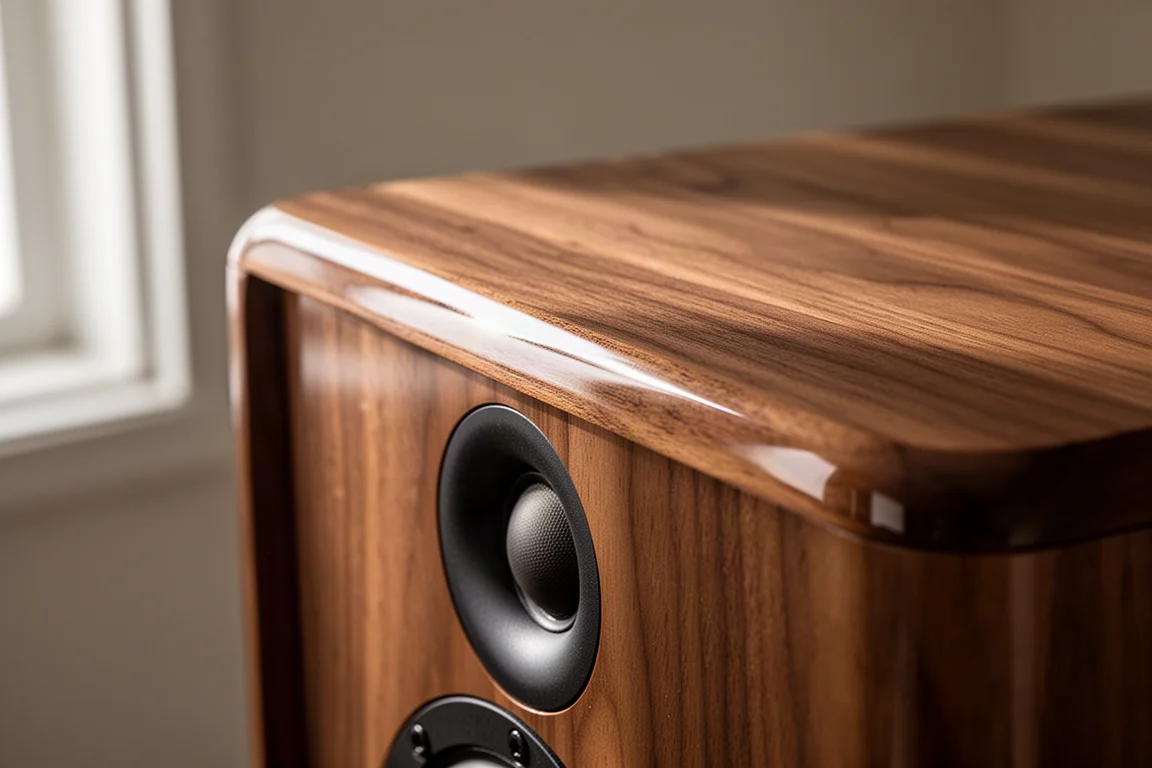
In person the high gloss walnut veneer is the kind of finish normally reserved for luxury furniture rather than compact speakers, and it lifts the whole package considerably.
Main Strengths: Midrange Clarity and Natural Tonality
The headline strength here is the midrange. It combines exceptional clarity with genuine tonal accuracy, which is a difficult pairing to achieve. Many clean sounding speakers reveal plenty of recorded detail yet lose the illusion of a live performance in the room, because acoustic and vocal material betrays a slightly artificial quality. Others get the natural tonality right but hold back on ultimate clarity.
The Minuet SE does both. The upper harmonic structure is well preserved by a refined, well extended tweeter, which is what allows the midrange to sound as open as it does. The soundstage is gloriously wide, something well designed small speakers tend to do better than large ones, and it can also produce convincing depth once positioning is right.
The bass that is available is remarkably agile, to the point of embarrassing some larger speakers at higher prices. Officially the low frequencies roll off by 3 dB at 59 Hz, so the lowest octave and some mid-bass punch are missing, but what remains is quick and articulate rather than thin.
Bass Response and Room Placement
Placement is unusually flexible. The Minuet SE plays very well close to walls, which is what the design is intended for, and it also performs strongly in the nearfield at around a metre away. For quiet late night listening it is close to ideal.
Getting the best from it involves two steps that are not immediately obvious. Moving the speakers away from the walls improves soundstage depth and overall clarity noticeably, but it also reduces bass output further, which is where a subwoofer becomes essential rather than optional. A REL T7x proved a beautiful pairing, though something smaller such as a REL T5x is likely to be ample in a small room at close listening distances, and its lighter driver may even offer better agility in the low end.
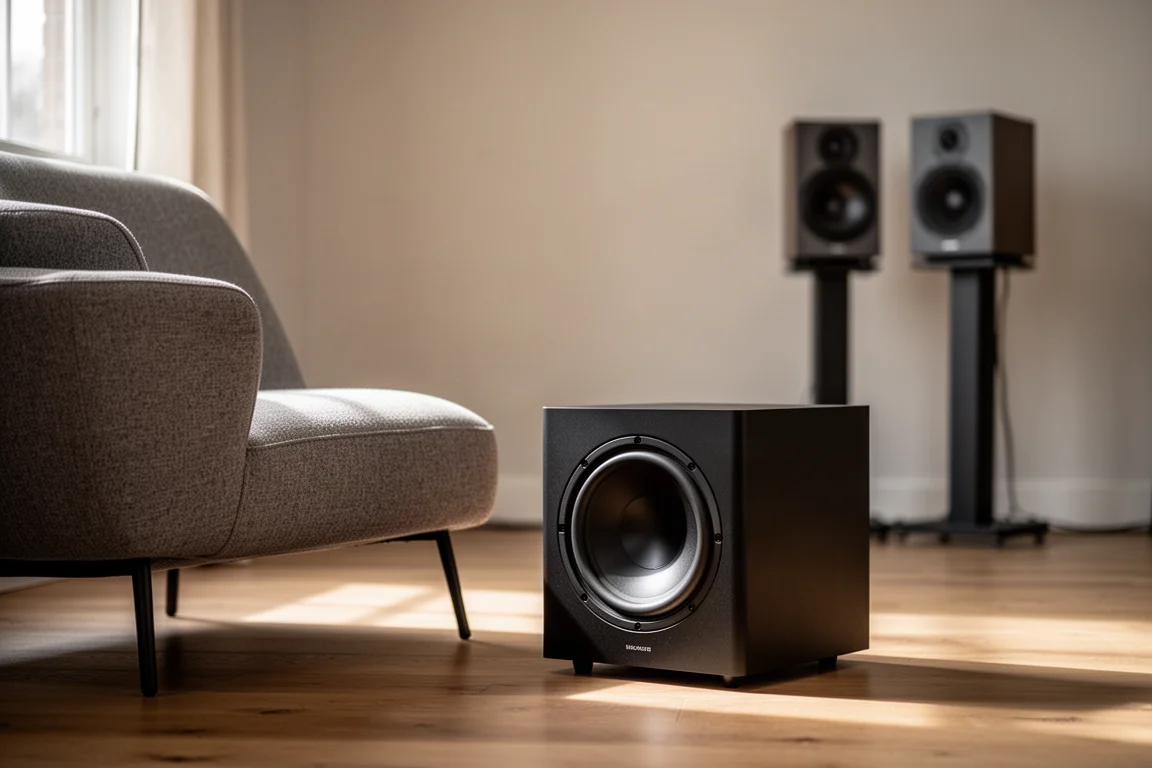
The practical takeaway is that this speaker rewards a little experimentation with positioning far more than most compact designs, and the payoff in depth and clarity is worth the effort.
Things to Consider Before Buying
Partnering equipment matters a great deal here, and skimping on it will hold the speakers back. A capable DAC is a sensible starting point, with something like a Denafrips Ares 2 as a baseline and a Denafrips Pontus 2 representing the level the speakers can genuinely make use of.
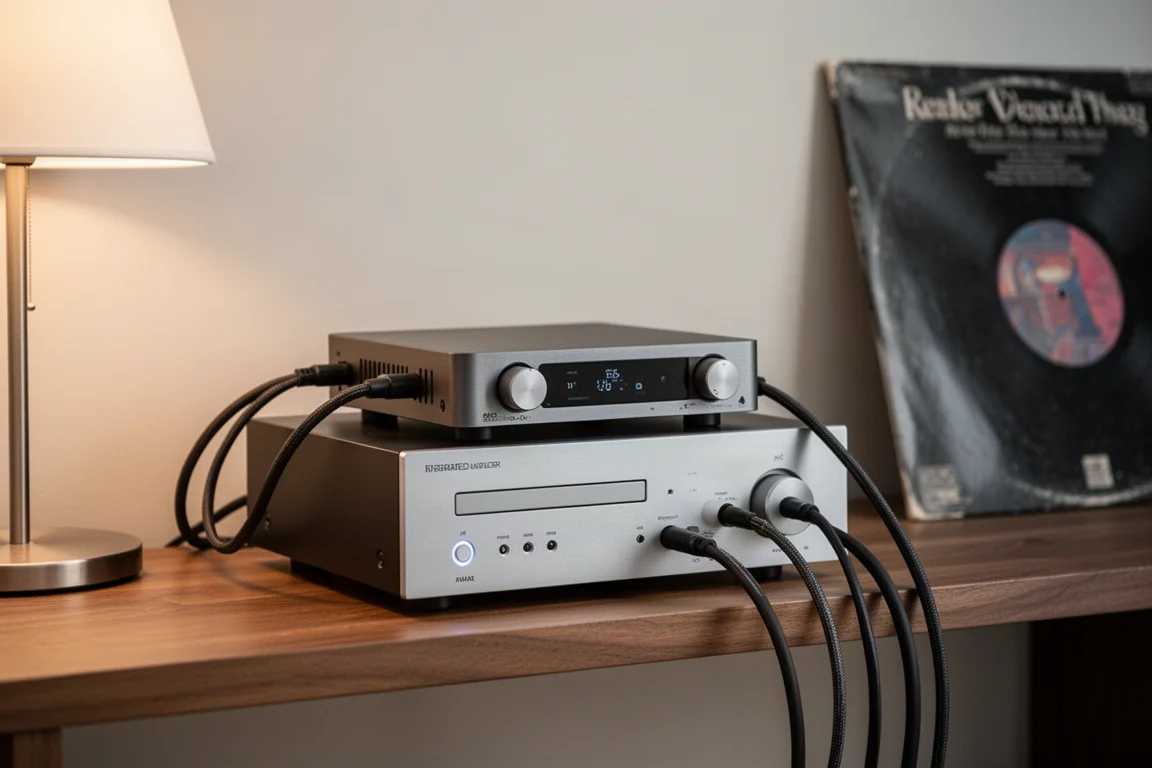
Amplifier matching is equally important. A top of the range class D integrated retailing around £750 offered good clarity but carried a leanness in the midrange that did not suit these speakers at all. An Arcam SA-10 at around £735 with a built-in ESS Saber DAC fared better and filled out the midrange, though it is best viewed as a sensible starting point rather than the ideal match. An Exposure 2510 at £1,595 brought real refinement and clarity, and its midrange focus aligned neatly with what the Minuet SE does well. A valve integrated with upgraded tubes at roughly the same price performed extremely well too, with slightly less grip and control than the Exposure, and both 4-ohm and 8-ohm taps were tried since this is a 4-ohm speaker. A 150 watt Hegel H190 at around double the price did not meaningfully increase scale, dynamics, or control; it simply shifted the tonal balance in a more neutral direction.
The other consideration is volume. If loud playback in a moderately sized room is the goal, a larger speaker is the correct answer.
Buying Advice
The Minuet SE makes the most sense as part of a deliberately compact, close listening system. Budget for a subwoofer if you want low frequency weight and depth, and plan on an amplifier with genuine refinement rather than raw wattage. The tonal character of the amplifier will shape the result more than its power rating, and the speakers are transparent enough to make that difference obvious.
At £1,299 in the UK, the price is justified by a combination that is genuinely rare in a cabinet this size: near reference quality clarity alongside perfectly natural tonality. If that is what you are looking for, and you listen within a couple of metres of your speakers, it is difficult to think of anything else around this price that will sound as good.
Conclusion
The Dali Minuet SE is a beautifully constructed mini monitor with a finish that would not look out of place on luxury furniture. It pulls off the trick of delivering close to reference clarity while keeping tonality completely natural, and it does so in a cabinet small enough to sit on a desk.
It is not a speaker for loud, room-filling sessions, and its 59 Hz roll-off means a subwoofer is a natural companion. Matched with a refined amplifier, a capable DAC, and sensible positioning, it delivers a level of performance that makes the compact format feel like a strength rather than a compromise.
Product link
View more details for Dali Minuet SE
This product is mentioned in the review. Check the specifications, options, and compatibility before buying.
View more details for Dali Minuet SEFurther reading
Related Reviews
Hi-Fi Speakers
1723 THX Tower vs 1528 Bookshelf: Which Speaker Fits Your Room?
Two speakers at roughly the same price, built very differently. How the 1723 THX tower and the 1528 bookshelf compare on construction, bass, power needs, and sound.
Hi-Fi Speakers
Acoustic Energy AE 300 Review: Deep Bass From a Compact Standmount
A two-way standmount with real wood veneer, surprising low-end weight, and a warm, easygoing character. Here is what to know before buying.
Hi-Fi Speakers
Acoustic Energy AE1 40th Anniversary Review: A Modern Take on a British Classic
A compact standmount that revives a 1980s favorite with all-new parts, a warm mid-centric balance, and a price of £1,499 per pair.