Hi-Fi Speakers
Dali Epicon 2 Review: A Flagship Standmount That Earns Its Price
A detailed look at the Dali Epicon 2, a £4,999 standmount with exceptional detail retrieval, a natural mid-range and imaging precision, plus the dynamics and bass limits to weigh first.
Introduction
The Dali Epicon 2 is the flagship standmount in the Epicon range, and at £4,999 in the UK it sits well above the £2,000 to £3,000 bracket where most serious bookshelf designs compete. That gap is the interesting part. Making a small speaker sound impressive at a moderate price is one challenge. Justifying roughly double that figure is a much harder one.
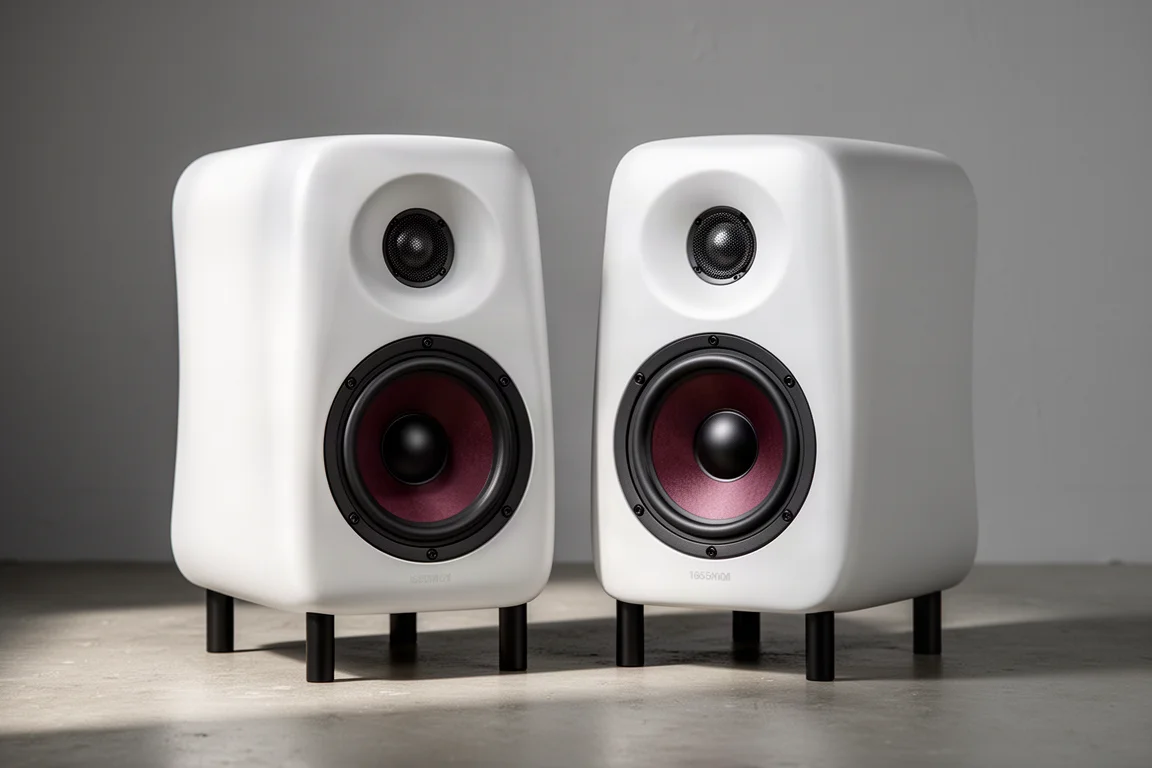
The Epicon 2 makes a credible case for itself. It pairs a 165 mm midwoofer with a 29 mm soft dome tweeter inside a sculpted cabinet, and the result is a speaker that resolves fine detail, holds a natural tonal balance and images with unusual precision. Finishes include Ruby Makassar, walnut veneer, high gloss black, satin black and satin white.
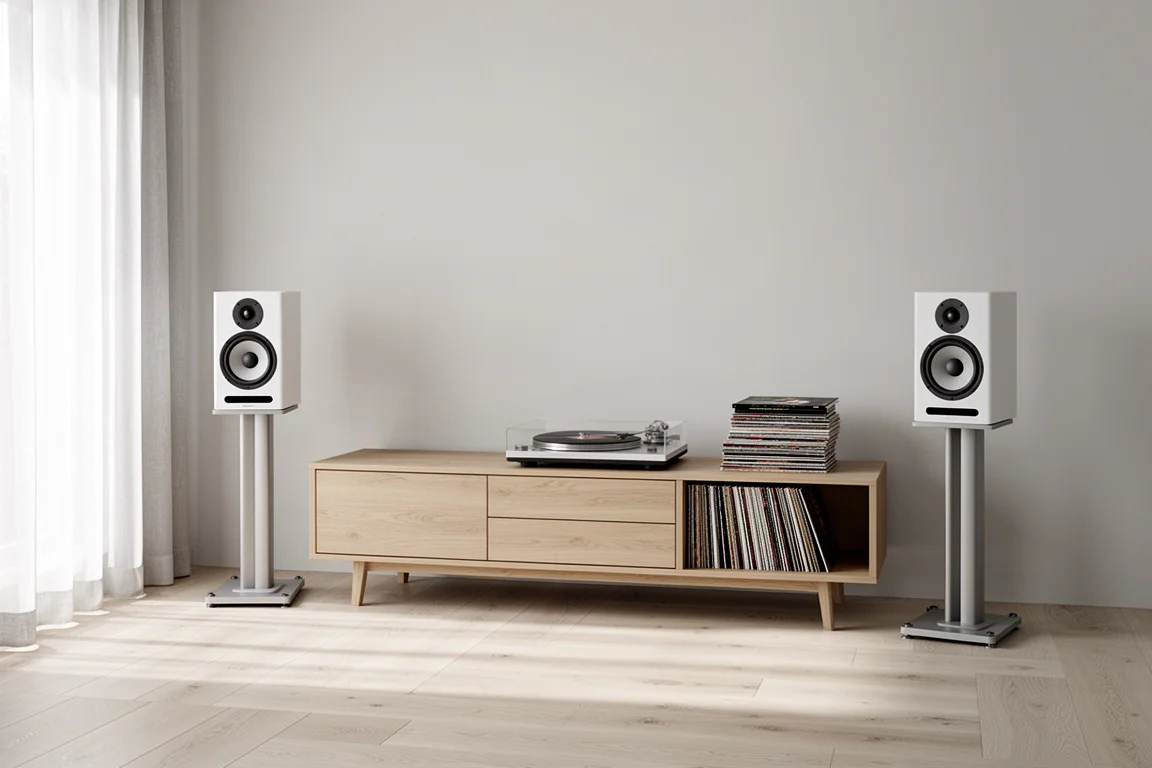
In short, the Epicon 2 gathers the strongest traits of the best standmounts below it and adds a sense of dimensionality and composure they struggle to match. It is not flawless. Dynamics are only adequate, bass depth is modest for the cabinet size, and it asks for care in system matching and placement. That is exactly why the rest of this article covers both what it does brilliantly and where it demands patience.
Who the Dali Epicon 2 Is For
This speaker suits listeners who treat mid-range insight, tonal honesty and imaging as the priorities of a system, rather than raw output. It is a natural fit for a small to medium room where a standmount is the practical choice and where the listening seat is a fixed, considered position.
It also suits owners who already have, or plan to build, high-quality partnering electronics. The Epicon 2 is transparent enough that it will reveal the character of whatever sits upstream, so an amplifier with a substantial power supply and genuine control is a sensible starting point rather than an afterthought.
It is a less obvious choice for anyone who wants deep bass extension, weighty low-frequency punch or strong dynamics at quiet listening levels. Listeners who mostly play at low volumes, or who want a speaker that delivers physical scale, will find more satisfying options at this price.
There is useful lineage behind the design too. Dali’s compact £1,499 mini monitor borrows technology from the Epicon series, including binding posts and crossover components, and the Epicon 2 is the step up from that smaller speaker rather than a differently voiced alternative.
Design and Build Quality
The cabinet is where much of the engineering budget is visible. Its sculpted shape is designed to avoid parallel internal surfaces, which helps eliminate standing waves inside the enclosure, and the body is built from six layers of MDF glued together. The review sample arrived in satin white, one of several finishes that also include Ruby Makassar, walnut veneer, high gloss black and satin black.
The driver complement is deliberately straightforward. A 165 mm, 6.5 inch wood fibre infused paper cone woofer handles everything up to 3,100 Hz, and above that point duties pass to a 29 mm, 1.2 inch oversized soft dome tweeter. That tweeter sits in a shallow waveguide mounted to a die-cast aluminium plate, which adds damping and rigidity. A nicely flared port on the rear helps air leave the cabinet smoothly and reduces the distortion often associated with ported designs.
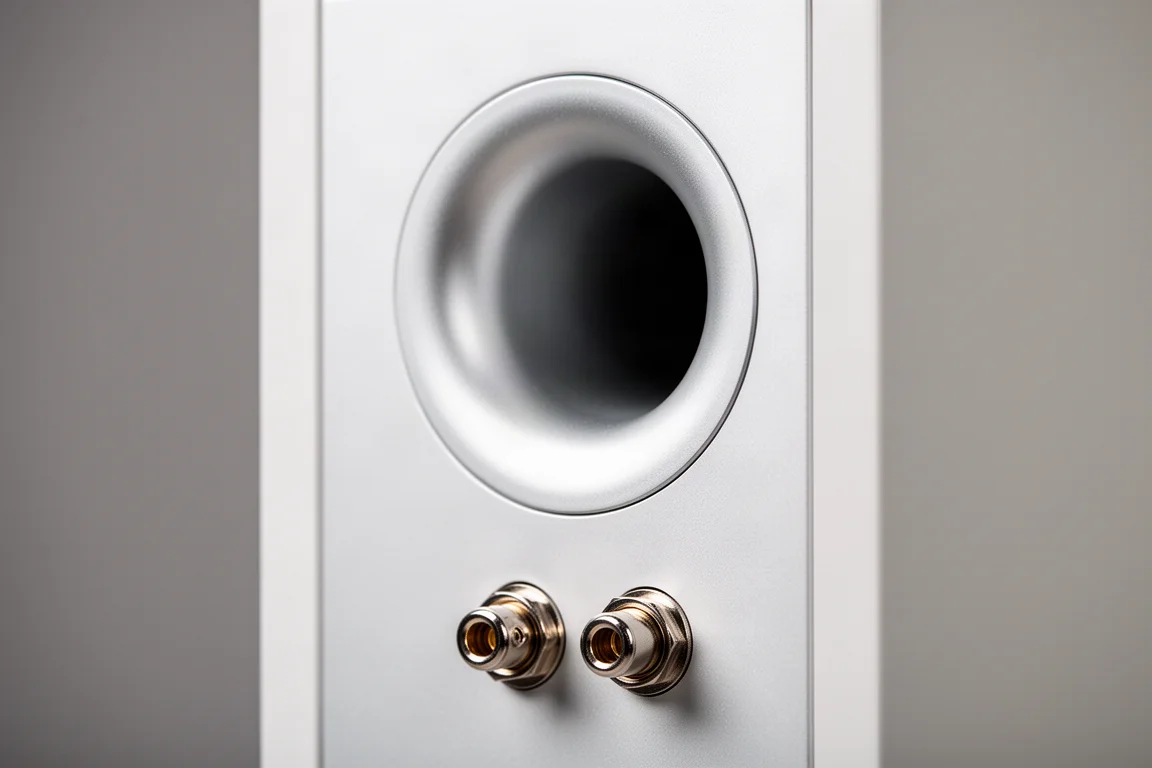
There is real attention to detail in the details you rarely see. Two pairs of elaborate speaker binding posts are built in house and are designed to maintain excellent contact pressure. The tweeter uses a softer dome material around 30 percent lighter than typical, which contributes to its speed and extension, with a minus 3 dB point out at 30,000 Hz. The crossover is said to use premium capacitors and air core inductors, although specific component values were not disclosed.
The magnet system is the most technically interesting part of the story. Instead of the usual ferrite magnet, Dali worked with a specialist European company to develop a soft magnetic compound, SMC, which is intended to significantly reduce the frequency-dependent electrical and magnetic properties that come with iron parts. Voice coil inductance linearization keeps inductance low and linear as the coil moves forward and backward, and hysteresis, the lag between the input signal and the output as the driver changes direction, stays negligible with SMC where it worsens with iron as frequency rises.
How the Dali Epicon 2 Sounds
Tonally, the Epicon 2 lands in a place that is easy to live with. It combines strong detail retrieval at the top end with a genuinely insightful mid-range and a touch of warmth, and the warmth never becomes obvious coloration. That balance makes it comfortable across a wider range of music and partnering equipment than a strictly analytical design would allow.
Instrument separation is a particular strength. Even on dense, complex passages, the presentation stays natural and unmuddled, and the speaker images precisely while giving up nothing in soundstage width or depth. For a standmount of this size, the sense of the cabinet disappearing from the performance is the headline achievement.
Where it is more modest is low-frequency reach. The official roll-off point is 47 Hz at minus 3 dB, and while the bass that is present is very well defined, the Epicon 2 does not add weight or extension beyond what several smaller and cheaper standmounts already deliver.
Volume behaviour is worth understanding before buying. The speaker plays clean and loud, but as output climbs into the 80 dB and above range, things start motoring a little. At around 70 dB, tonal balance and a sense of energy remain respectable. Drop into the 60 dB region and dynamics genuinely start to suffer, with a slight leanness creeping into the mid-range. It rewards a listener who plays at realistic levels rather than a whisper.
Main Strengths
The clearest strength is top-end quality. The tweeter never steps out of line, even on recordings that can turn bright and fatiguing on other revealing standmounts. Extension and refinement are there, but they arrive without glare, which makes long listening sessions far easier.
The mid-range is just as convincing. It is insightful enough to lay out the character of individual instruments and voices, yet it avoids the lean, stripped-back quality that some highly transparent designs adopt. Natural tonality is the consistent theme, and it holds across genres rather than flattering only carefully recorded material.
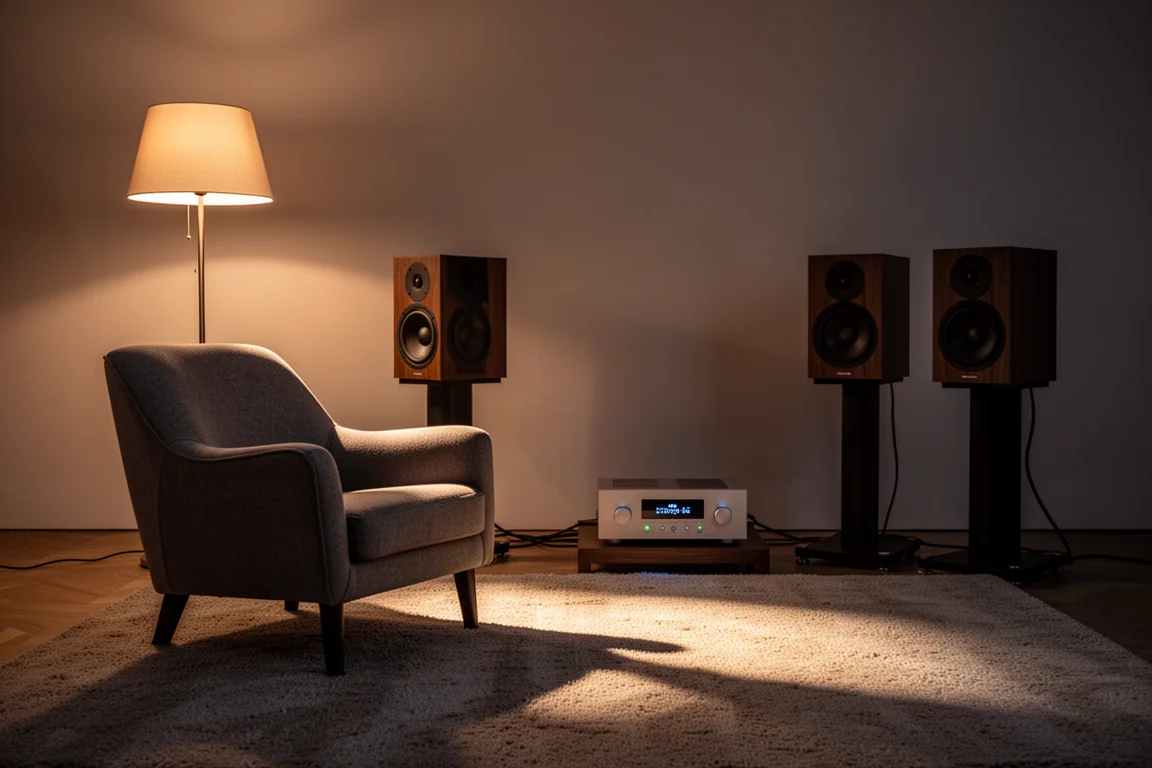
Imaging and soundstage behaviour round out the package. The Epicon 2 is a larger standmount than most of its rivals, and it converts that size into width and depth rather than into extra bass. Images lock into place precisely, and the speaker has a real talent for getting out of the way of the music.
Taken together, the result is a speaker that combines detail, mid-range capability, warmth and dimensionality in one package. Most designs at this level are strong in one or two of those areas. Covering all of them is what separates the Epicon 2 from the standmounts beneath it.
Things to Consider Before Buying
Dynamics are the first compromise. They are not bad, simply average for the money, and the speaker steers the presentation in a slightly safe direction rather than delivering the punch and immediacy some listeners expect from a flagship standmount.
Bass is the second. Definition is excellent, but there is no extra weight or extension on offer compared with smaller, less expensive standmounts, and the 47 Hz roll-off figure reflects that. Anyone hoping a £4,999 standmount will deliver floorstander-scale low frequencies should adjust expectations.
Low-volume listening is the third consideration. Below roughly 70 dB the speaker holds together respectably, but in the 60 dB range dynamics soften and the mid-range thins slightly. This is a speaker that wants to be played at a normal, engaged level.
System matching matters more than usual. A mid-priced integrated amplifier with a modest power supply left the performance underwhelming, with everything sounding small and the sense of control and finesse missing. A well-implemented integrated amplifier let the clarity and refinement of the Epicon 2 come through cleanly, while a preamplifier and monoblock power amplifier combination opened up the soundstage in both width and depth and added appreciable body and texture to notes. A brief listen with a high-end integrated amplifier also proved very favourable. In other words, budget for electronics that match the speaker.
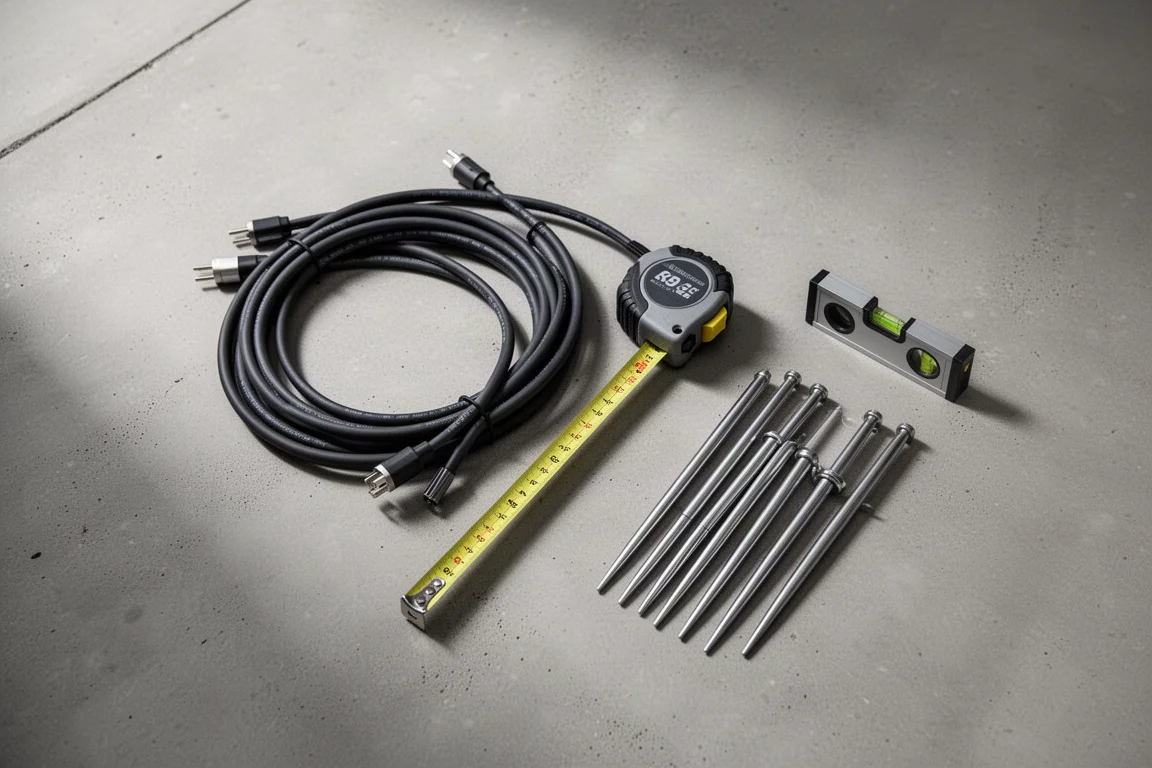
Placement is the final point, and it cuts both ways. The Epicon 2 is not especially fussy. It can be set down and played, and it will sound fairly decent, partly because there is not a huge amount of bass energy to control. Small adjustments, however, make a noticeable difference. A final position of 102 cm, or 40 inches, measured from the centre of the front baffle to the wall behind, with the speakers aimed just wide of the listener’s shoulders, worked well. Changing toe-in by a couple of degrees, or moving the speakers forwards or backwards by as little as half an inch, was audible. Getting the tonality and soundstage exactly right takes time.
Buying Advice
The most useful comparison at this price is the ATC SCM40 at £4,200, which could hardly be more different in character. It brings far greater bass weight and a mid-range with a lot more acoustic mass, but it cannot match the top-end resolution of the Epicon 2. Neither speaker is universally better. The choice comes down to whether you value low-frequency authority or high-frequency refinement more.
Judged on its own terms, the Dali Epicon 2 is a definite step up from the sub-£3,000 standmounts in clarity, natural tonality and its ability to disappear from the sound. Those cheaper speakers may match it in one or two specific areas, but not across the board. On balance it is among the most accomplished standmount speakers we have spent time with at this level, and it earns a strong recommendation.
Buy it if you want a revealing, beautifully engineered standmount for a small to medium room, you listen at realistic levels, and you are prepared to match it with capable electronics and to fine-tune its position. Look elsewhere if bass depth, big dynamics or excellent low-volume behaviour are the qualities you value most.
Conclusion
The Dali Epicon 2 justifies its flagship status through engineering and refinement rather than through brute force. The sculpted cabinet, the soft dome tweeter on its die-cast plate, the in-house binding posts and the SMC magnet system all point to a design built with care, and the sound follows through with detail, natural tonality, precise imaging and a genuine disappearing act.
Its limits are equally clear. Dynamics are only adequate, bass extension is modest for the cabinet size, and very quiet listening exposes a slight leanness in the mid-range. Pair it with electronics that have real control, take the time to dial in its position, and those trade-offs are easy to accept. For listeners chasing insight, tonality and imaging above all else, the Epicon 2 is a compelling and highly recommended choice.
Product link
View more details for Dali Epicon 2
This product is mentioned in the review. Check the specifications, options, and compatibility before buying.
View more details for Dali Epicon 2Further reading
Related Reviews
Hi-Fi Speakers
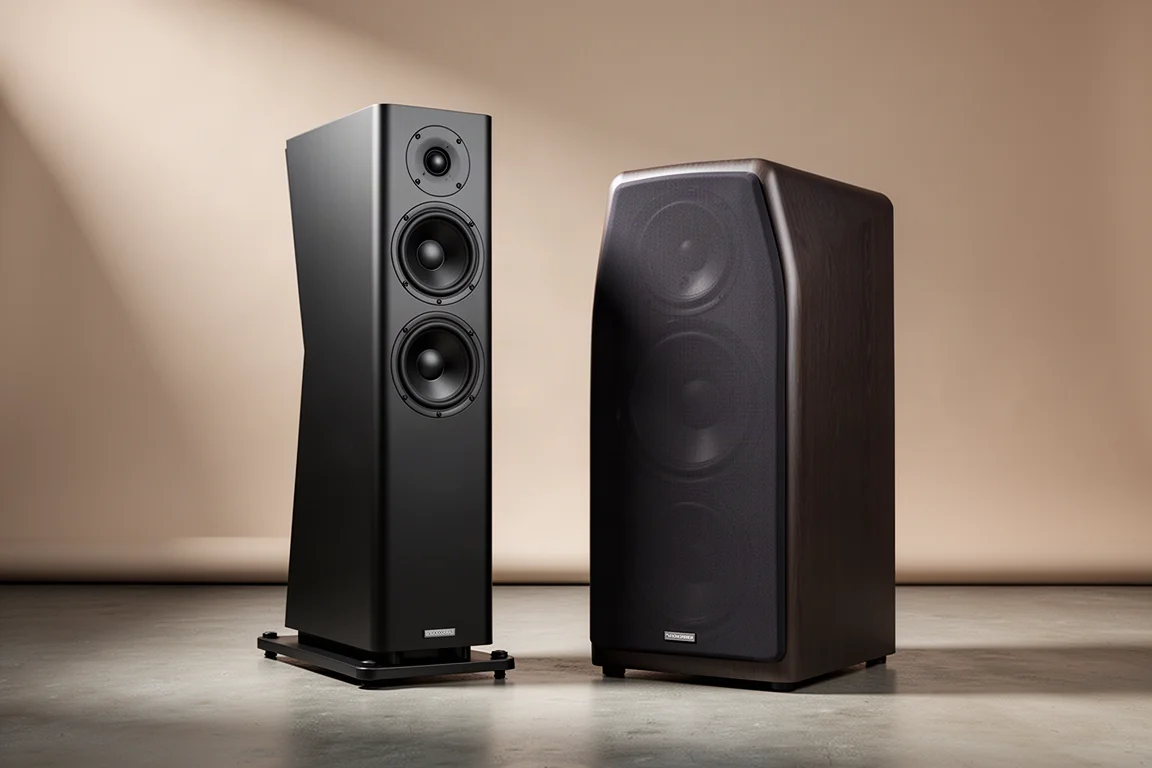
1723 THX Tower vs 1528 Bookshelf: Which Speaker Fits Your Room?
Two speakers at roughly the same price, built very differently. How the 1723 THX tower and the 1528 bookshelf compare on construction, bass, power needs, and sound.
Hi-Fi Speakers
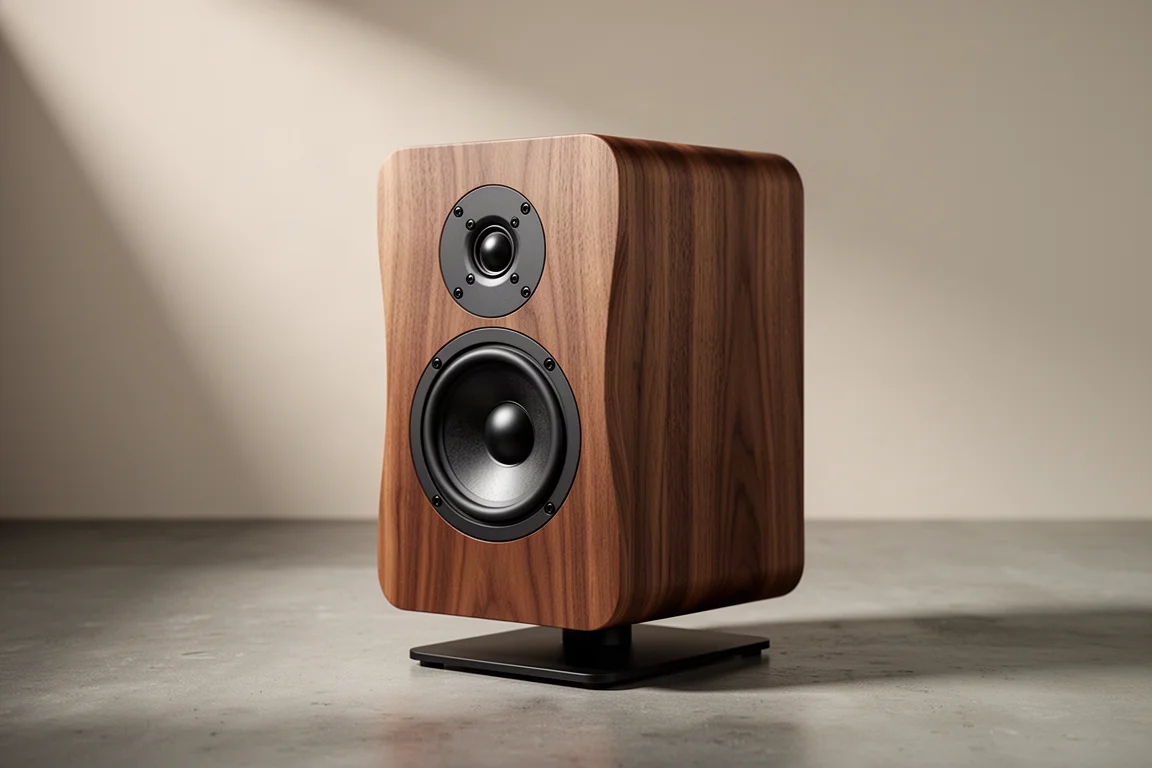
Acoustic Energy AE 300 Review: Deep Bass From a Compact Standmount
A two-way standmount with real wood veneer, surprising low-end weight, and a warm, easygoing character. Here is what to know before buying.
Hi-Fi Speakers
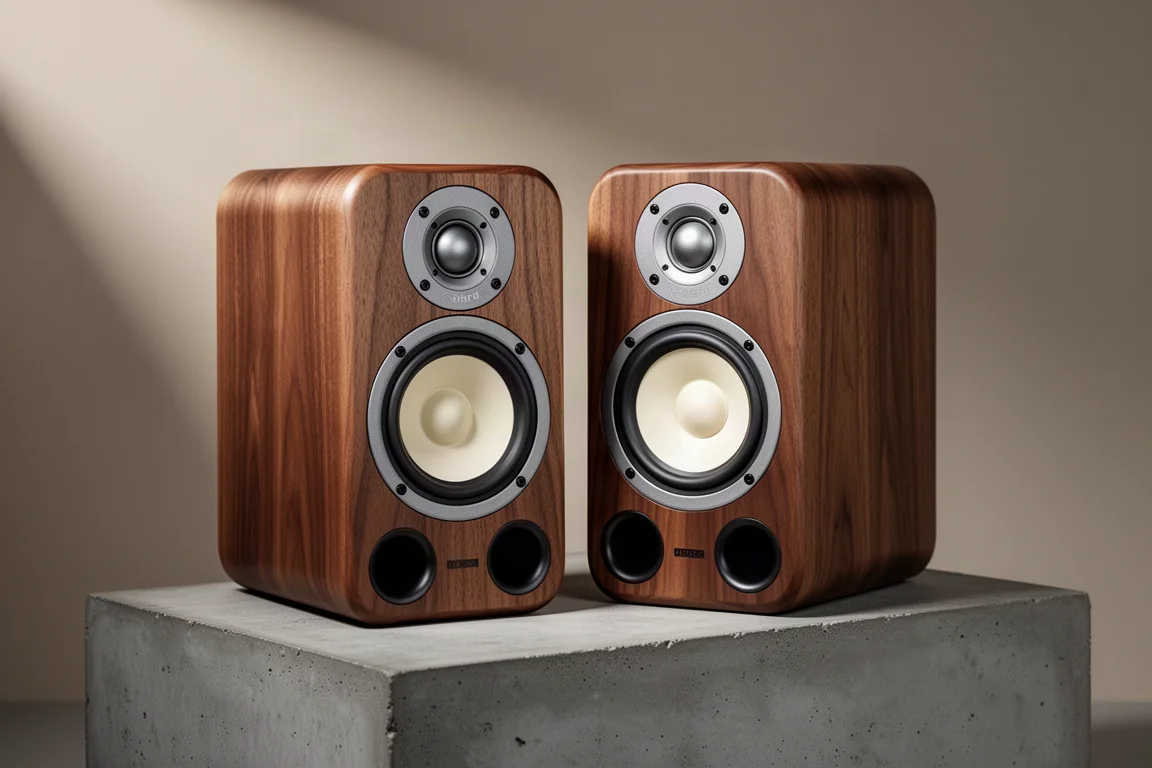
Acoustic Energy AE1 40th Anniversary Review: A Modern Take on a British Classic
A compact standmount that revives a 1980s favorite with all-new parts, a warm mid-centric balance, and a price of £1,499 per pair.