Aviation
Daher TBM 980 and Garmin G3000 Prime: A Hands-On Look at a Very Modern Turboprop
A first-hand flight in the new Daher TBM 980 shows how the fully FADEC engine and the Garmin G3000 Prime avionics suite change the single-engine turboprop experience.

Introduction
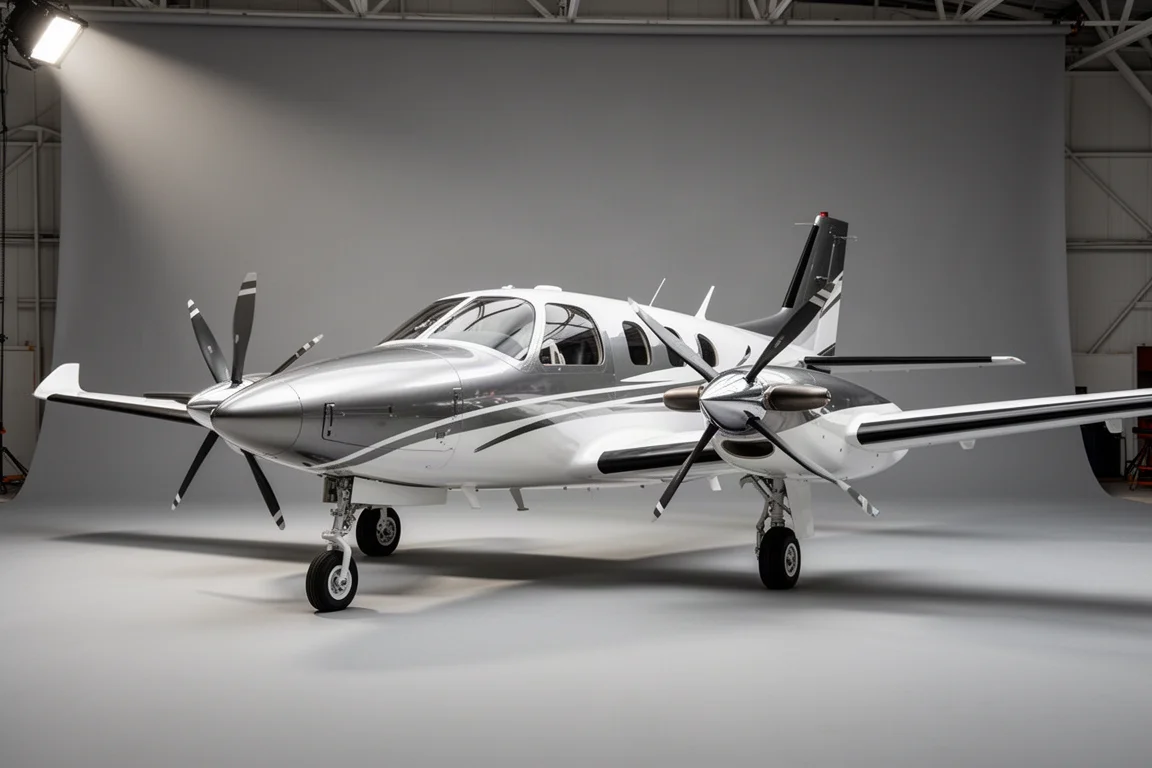
Few aircraft generate as much interest right now as the new Daher TBM 980, and the reason is not just the airframe. It is the combination of a fully FADEC-controlled engine and the Garmin G3000 Prime avionics suite, two technologies that together make a high-performance single-engine turboprop noticeably easier and more comfortable to fly. A recent demo flight from Pompano Beach, Florida to Albert Whitted Airport in the Tampa Bay area offered a detailed look at both.
Flying the Daher TBM 980
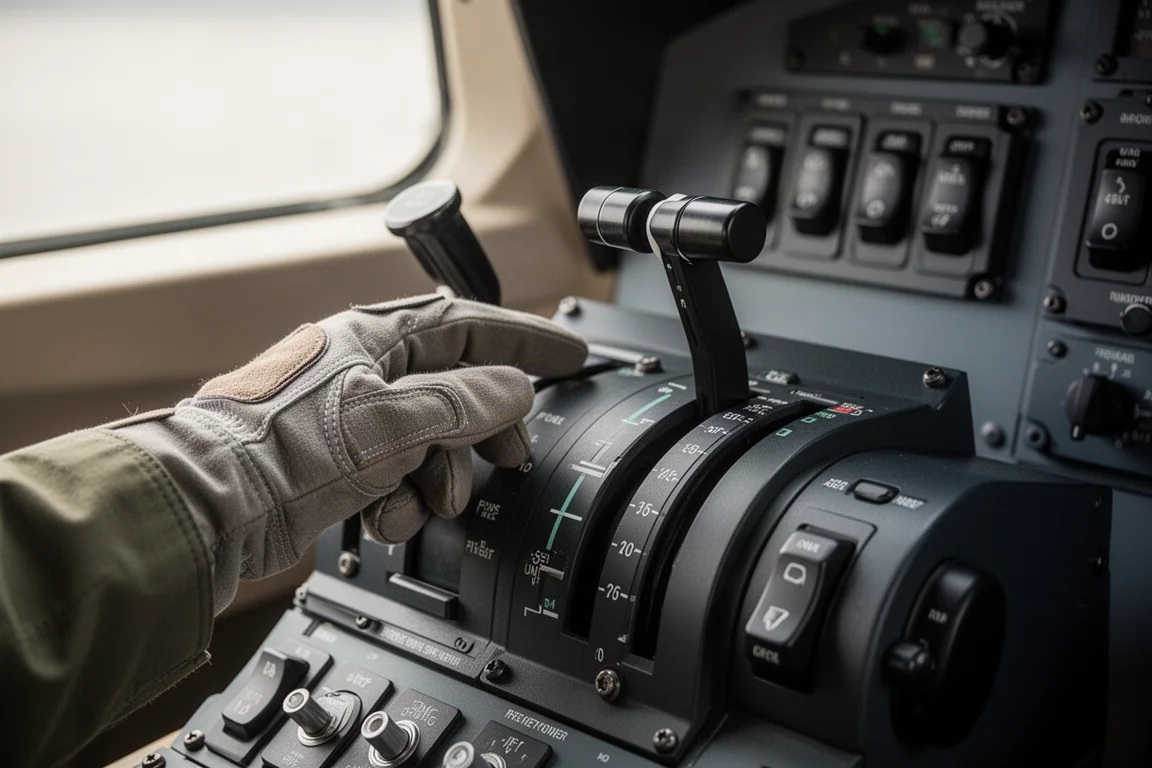
The TBM 980’s fully FADEC engine is throttle-by-wire rather than cable-driven, and that is the first thing you notice on the ground. Power settings are smooth and precise, with none of the vibration you get from a mechanically linked throttle. The engine management keeps the ITT, engine parameters, and power output aligned with the performance tables for altitude and temperature, so the pilot simply sets the target and the system keeps everything in check.
The price of entry is significant: the aircraft lists at $5,850,000, with a roughly one-year waiting list, and some other manufacturers currently run up to three years. Despite the cost, the experience is approachable. Rotation comes around 85 knots, climb angles reached about 12.5 degrees in the demo, and the aircraft trimmed hands-off at level flight with little effort. At cruise, the cabin sits at a 6,000 ft altitude with a differential pressure of 5.4, and the autothrottle manages power reductions smoothly during descents.
A Throttle That Feels Effortless
One practical detail stands out from the FADEC design: when you pull to idle, the engine settles into ground idle one or two seconds later and slows the aircraft on its own, so reverse is genuinely optional on landing. Taxiing also requires only about 8 to 10 percent torque, and because the throttle is by wire, holding that setting is easy. Even the inertial separator, a small switch by the pilot’s left knee, simply redirects air into the engine intake for added margin.
Garmin G3000 Prime: Touch-First Avionics
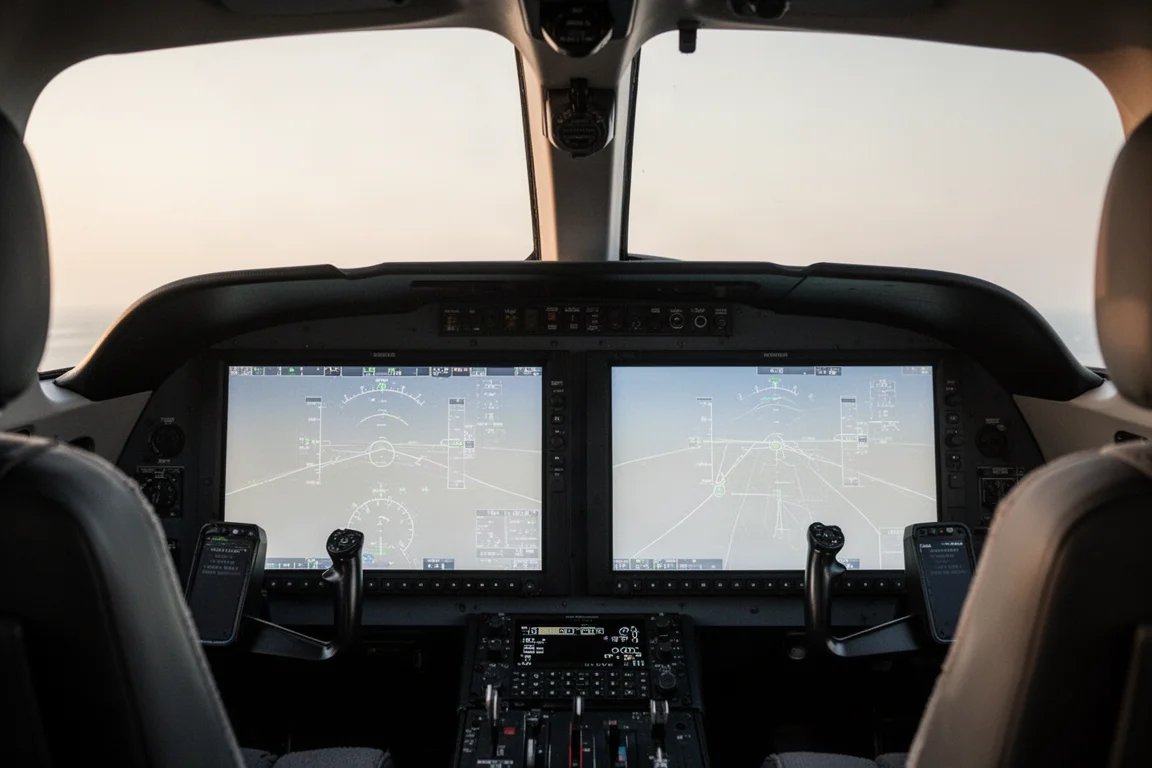
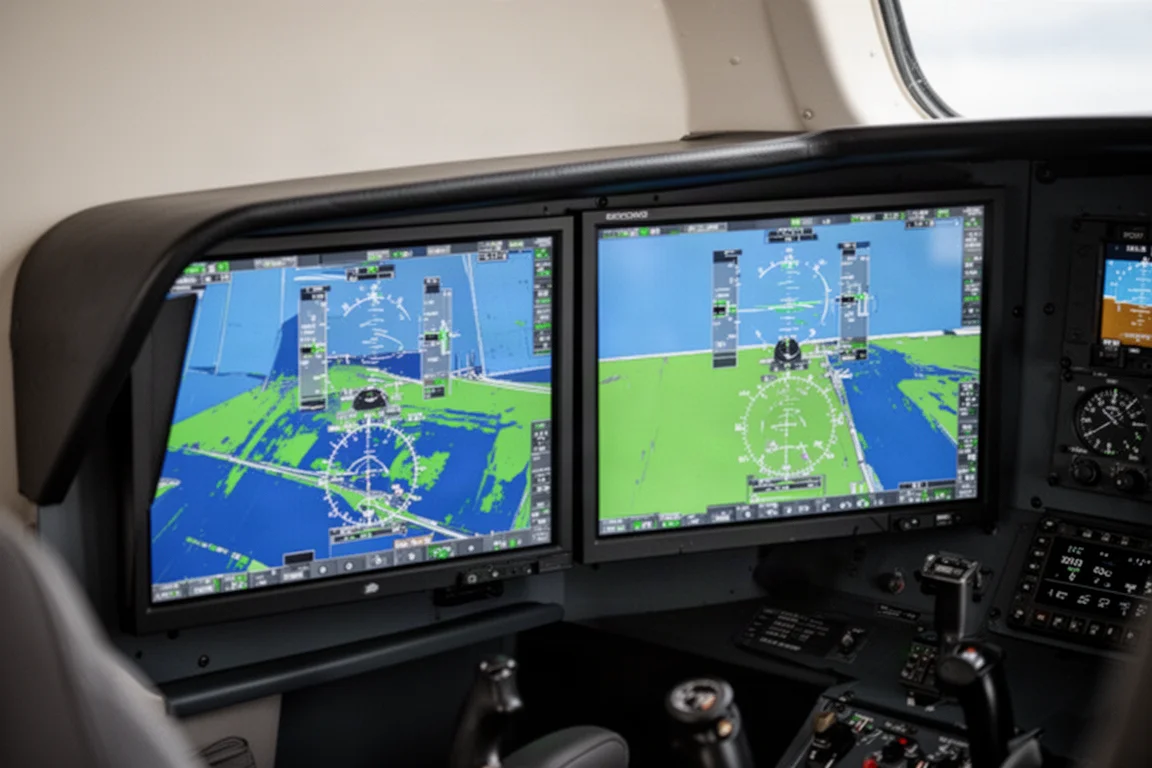
The Garmin G3000 Prime suite is where the TBM 980 feels genuinely new-generation. The huge screens come alive with a straightforward continue prompt, and the initialization handles positioning, fuel sync, and aircraft loading before presenting electronic checklists that walk through each procedure step by step. If a message on screen has a beveled corner, you can tap it; square elements use the manual knobs instead. Tapping a system message brings the relevant checklist up immediately on the display.
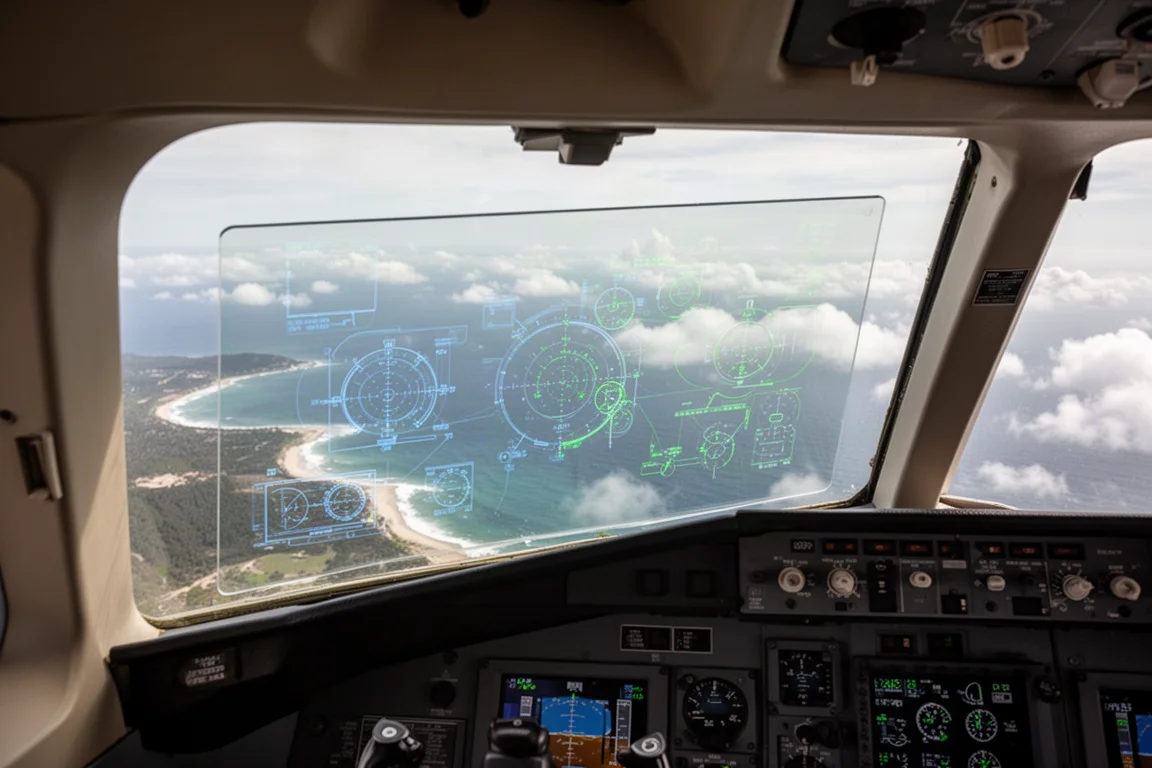
The suite also excels at system visibility. A tap opens a pop-up showing the pressurization page, the fuel system status, or the electrical system, where you can see generator amps, battery volts, and bus status at a glance. The built-in weather radar initializes in about 15 seconds, performing horizontal and vertical sweeps every five seconds and cross-checking against the surface map to distinguish weather from ground clutter. On the demo flight, the aircraft cruised at 312 knots ground speed with all systems reading comfortably in the green.
CPDLC: A Genuine Game Changer
Perhaps the most impressive feature is CPDLC, controller-pilot datalink communications. Pilots and air traffic controllers exchange instructions via text messaging: an altitude change received on screen is tapped, acknowledged with a Wilco, and the new altitude sets automatically in the preselector. A direct-to routing received by datalink can be imported straight into the flight plan and executed with a tap. Missed radio calls no longer force power deviations, and at the flight levels where airline traffic has largely moved to datalink, that is a meaningful safety and convenience gain.

Landing and Everyday Usability
The approach into Albert Whitted highlighted how manageable the aircraft is at low speed. With flaps full and the gear down, the final approach speed sat right around 90 knots, and the display helpfully counts down from 50 feet. Because ground idle handles most of the deceleration, the landing is calm and controlled even without reverse. The air conditioning deserves a mention too: on a 34-degree Florida ramp day, the cabin stayed comfortably cool, something earlier models were not always known for.
Overall Buying Advice
The TBM 980 with G3000 Prime makes sense for buyers who want turboprop performance with modern automation that reduces workload rather than adding to it. The $5.85 million price and one-year wait put it firmly in the owner-pilot or corporate utility category, but the smooth FADEC throttle, autothrottle, CPDLC datalink, and touch-driven system pages add up to an aircraft that is easier to operate well than its performance numbers might suggest. A demo flight, as with any aircraft at this level, is the right next step before committing.
Conclusion
The Daher TBM 980 is a compelling package: a refined, fully FADEC engine that makes power management nearly effortless, paired with Garmin G3000 Prime avionics that put checklists, system status, weather radar, and CPDLC messaging a tap away. For pilots stepping up to a fast single-engine turboprop, this combination sets a clear new benchmark.
Further reading
Related Reviews
Aviation
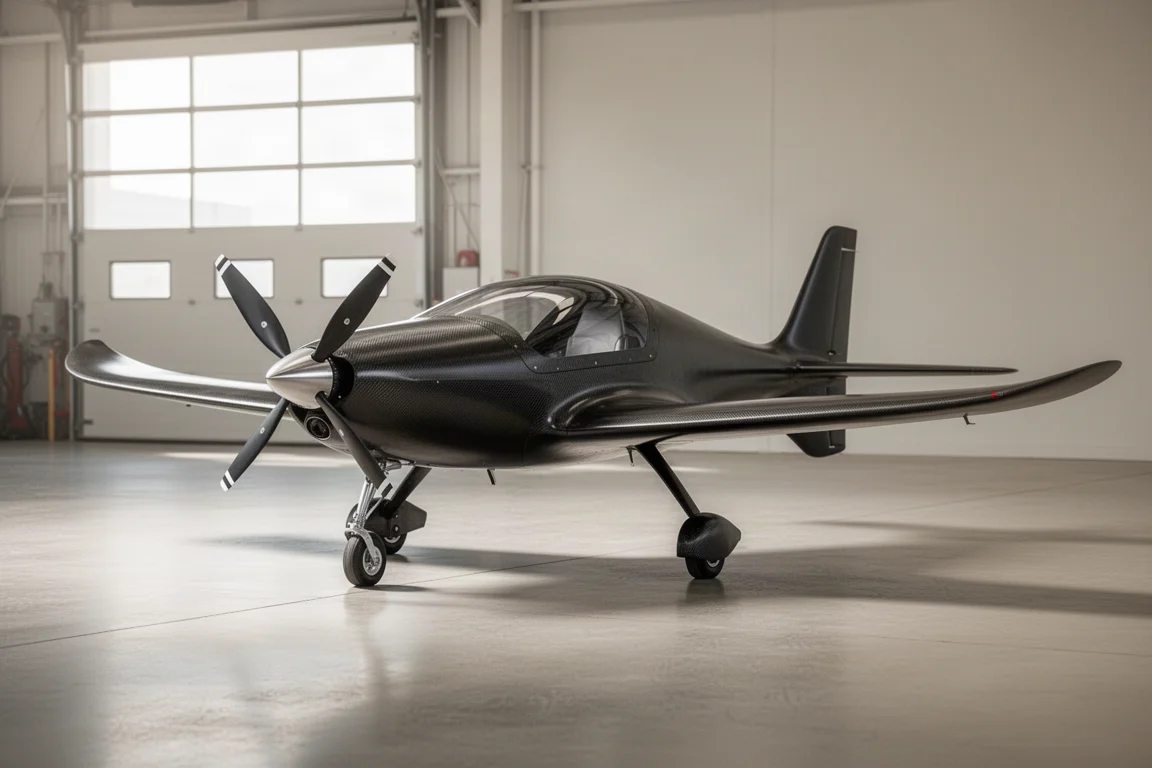
Aero Technics ACH 212 Solo Review: A Carbon Fiber Solo Kit Aircraft You Can Build Fast
A nearly 30-year-old Czech design still offered only as a kit: 90% carbon fiber, quick-release wings, a 350 to 400 hour build, and performance that surprises.
Aviation
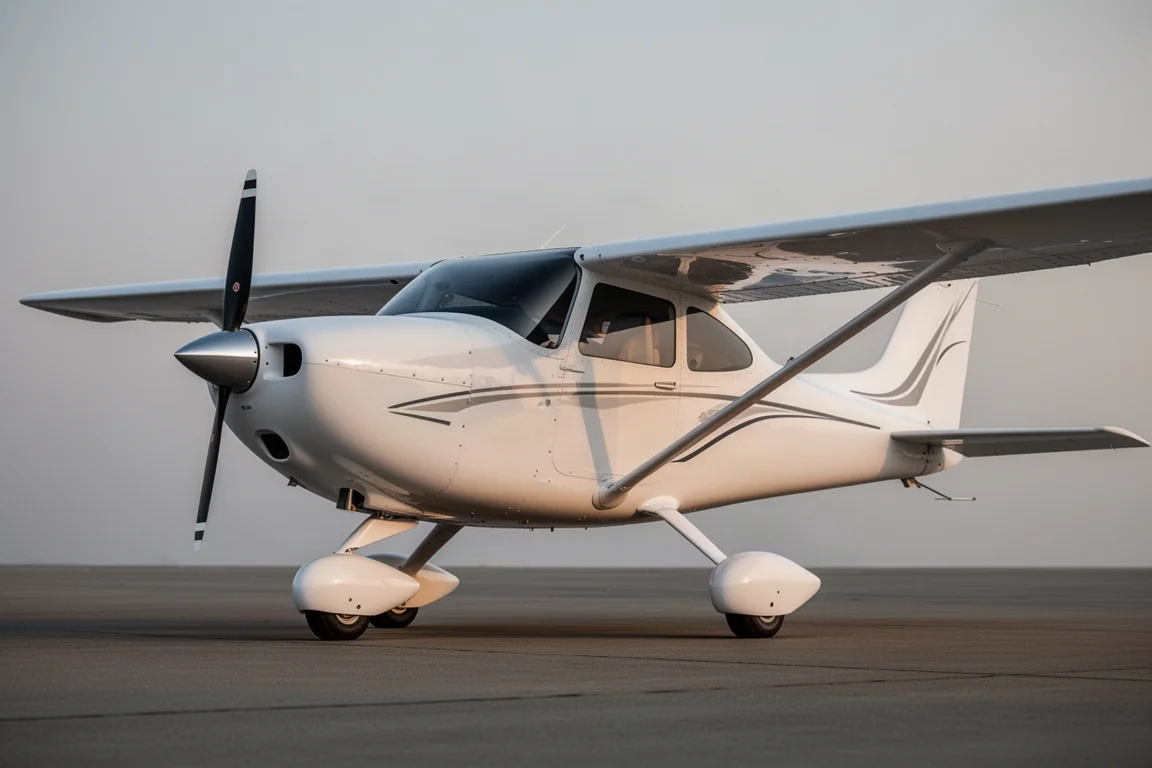
Aeropilot: The 80% Scale Cessna-Style Light Sport Aircraft Winning Over Flight Schools
A full-carbon, two-seat light sport aircraft modeled after the Cessna 182, with a larger cabin, big climb performance, and fuel burn that flight schools love.

Aviation
Aeropro A22 and A32: Two Light Sport Aircraft Worth a Close Look
A side-by-side look at the Aeropro A22 and A32, covering performance, pricing, customization, and what buyers should know before ordering.