Aviation
Daher TBM 960 First Flight Review: A Very Fast turboprop That Does a Lot of the Work For You
Flying the brand new Daher TBM 960 through startup, climb, cruise, and landing, with a close look at its FADEC engine, autothrottle, weather radar, and Home Safe system.
Introduction
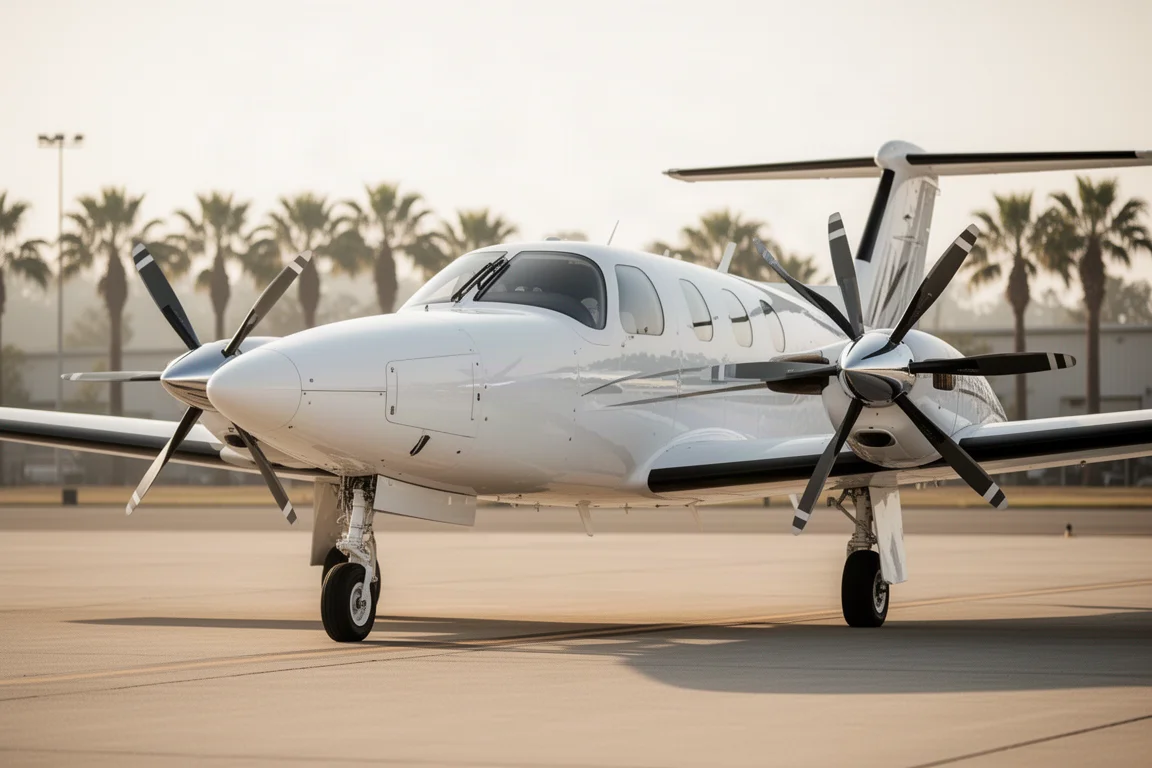
Very few general aviation aircraft generate the kind of anticipation that surrounds a brand new model, and the Daher TBM 960 is the latest and most advanced version of the company’s high-speed single-engine turboprop. A first flight in a new airframe is always a treat, and this one turned out to be a genuinely revealing experience.
The flight took place out of Pompano Beach in South Florida on a hot, stormy summer afternoon. Weather was building all around, which turned out to be an opportunity rather than a problem: it allowed the aircraft’s new Garmin WX 8000 weather radar to be put through its paces with real storm cells on the display. Between a demanding tropical environment and one of the busiest airspaces in the country, the flight covered startup, a rapid climb to the flight levels, cruise at FL280, an instrument approach, a go-around, and a full landing, all in a single short hop.
Who This Aircraft Is For
The TBM 960 is aimed at owners and pilots who want jet-like cruise speeds and cabin comfort with the efficiency and simplicity of a single-engine turboprop. It suits business users flying regional trips, owner-operators stepping up from smaller singles, and pilots who want serious performance without the operating profile of a light jet.
It is equally relevant for passengers. The auto pressurization keeps cabin altitude comfortable without the pilot touching a dial, and the new air conditioning system proved welcome on a day when the ramp temperature sat around 130 degrees inside the cockpit before startup.
First Impressions in the Cockpit
The first thing that stands out is the updated avionics presentation. The synthetic vision display is sharp enough that buildings at the end of the runway are visible on the screen before departure, which makes a strong first impression on a pilot used to older panels.
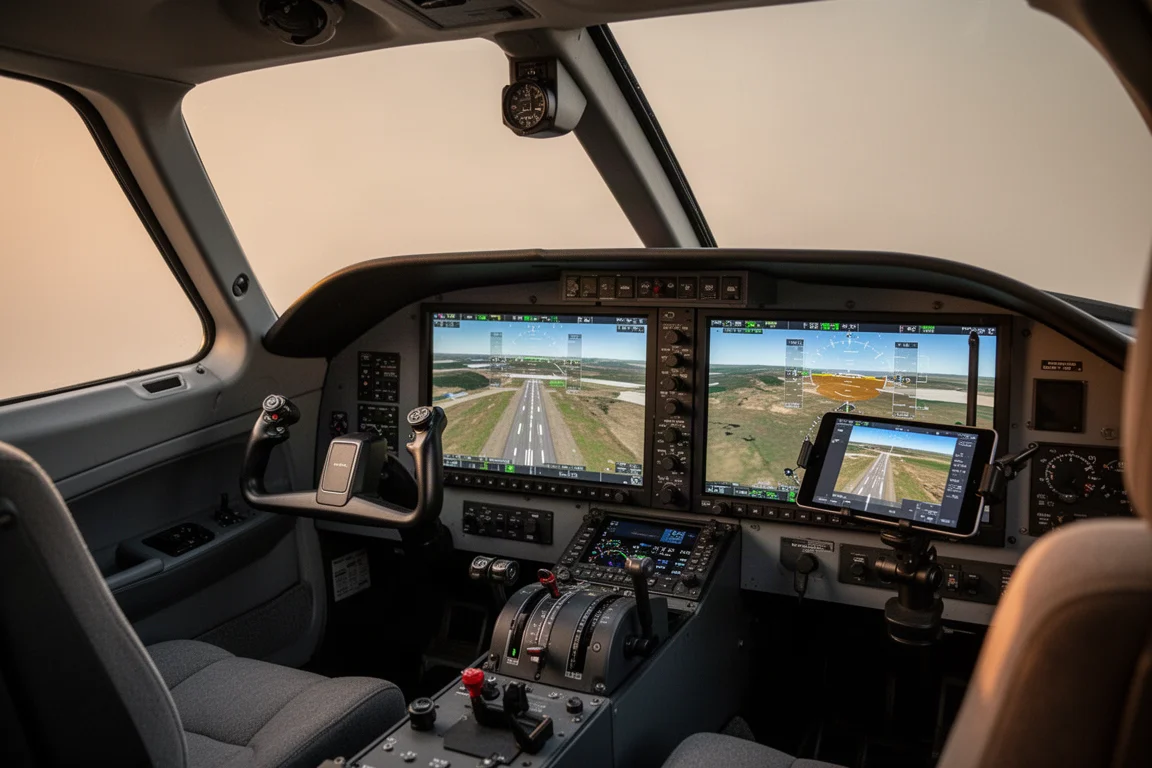
The FADEC-controlled engine changes the startup experience completely. The start cycle runs automatically: the battery and generator come on, the auxiliary boost pump is set to auto, the starter engages for two seconds, and from there the engine manages itself. The FADEC introduces fuel on its own, monitors the start, and will shut the engine down by itself in the event of a hot start or hung start. The pilot mostly just monitors. On this flight the engine started at 39 degrees Celsius and the generator immediately began recharging the battery.
The FADEC Makes Ground Handling Different Too
Taxi behavior is noticeably different from the previous TBM 850. Because the engine is fully FADEC-managed, there is no longer a beta range to use for slowing down. Forward momentum requires bringing the throttle up to roughly 6 to 8 percent torque, and to around 60 to 70 percent during the power check. That takes some adjustment for pilots transitioning from older TBMs, but it also means the aircraft no longer creeps forward on its own and there is less need to ride the brakes while taxiing.
The throttle itself has been redesigned with a simpler forward, back, and up-and-over pattern for reverse, removing the need to lift the lever up and over a gate during normal operation. It is a small change that simplifies every phase of ground operation.
Takeoff and Climb: This Thing Is a Rocket
Takeoff performance is where the TBM 960 earns its reputation. Power is brought to 50 percent torque while holding brakes, then released to full power, with 850 shaft horsepower available. Rotation comes around 87 to 90 knots, and once the gear and flaps are up, the climb rate is striking.
Climbing through the mid-teens, the aircraft sustained well over 3,000 feet per minute, and on one step-up it reached around 4,200 feet per minute. That is genuinely impressive for any turboprop. Hand-flying the aircraft through the climb felt smooth and precise, and the flight director makes it easy to hold the climb speed of 124 knots during the initial departure.
For pilots used to older turboprops, the FADEC also removes a workload item on climbs: there is no need to pull power back to avoid over-torquing, since the engine manages torque limits on its own, reaching and holding 100 percent torque without pilot intervention.
The New Garmin WX 8000 Weather Radar
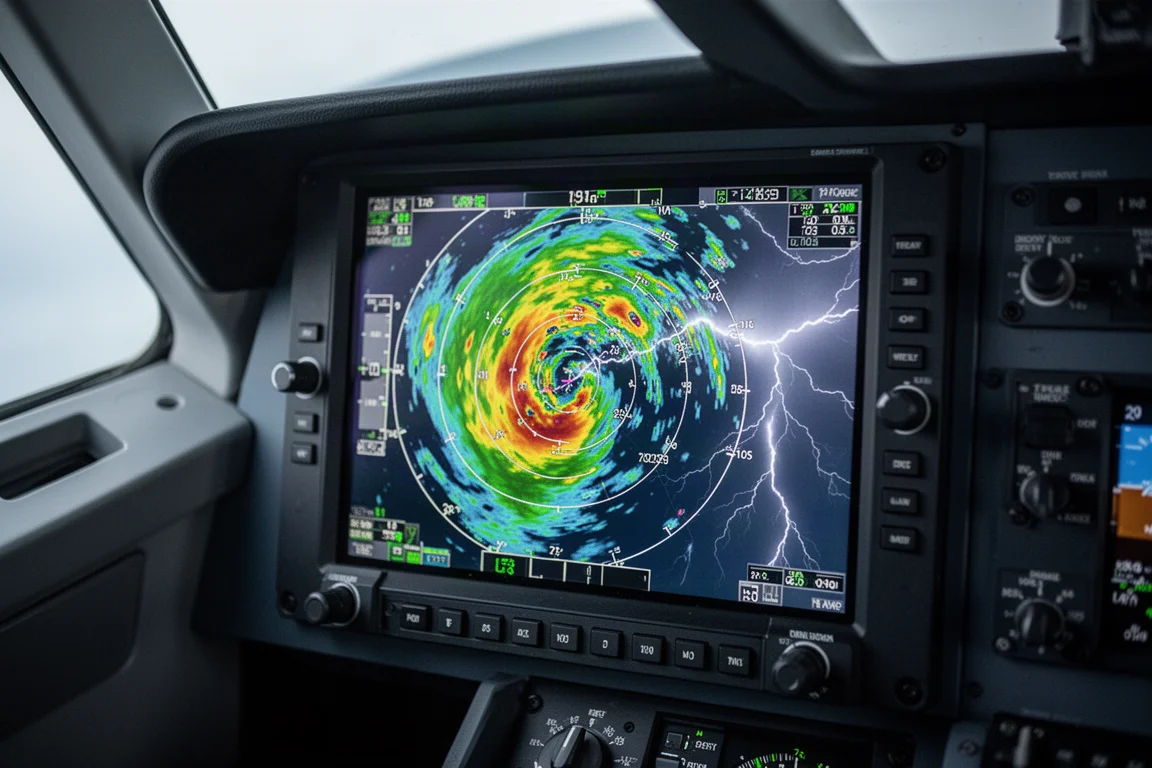
One of the headline upgrades in the TBM 960 is the Garmin WX 8000 weather radar, and this flight was an ideal test case with afternoon thunderstorms building across South Florida.
The WX 8000 detects hail and turbulence, takes multiple sweeps and compares them, and references terrain databases to eliminate ground clutter such as cities and reflective roofs. On the display, turbulence areas appear as small markers, and lightning detection is overlaid on the radar picture. Each sweep shows the age of the data, updating every few seconds.
During the flight, ATC approved a turn toward a storm cell purely to evaluate the radar. It cleanly erased the terrain clutter, showed turbulence and lightning in the cells ahead, and reported no hail detection in the cell being viewed. Compared side by side with the aircraft’s other sources, the picture was noticeably clearer and easier to interpret, which is exactly what you want when making weather avoidance decisions in real time.
Safety Systems That Watch Your Back
The TBM 960 carries a set of automated safety features that go beyond what most pilots will ever need, but which are genuinely meaningful. The most notable is the Home Safe system. With a single button press, the aircraft will use current weather and winds to find the best airport, fly there, land itself, put the gear down, shut the engine down, and even play a video instructing passengers how to unlock the doors and exit the aircraft. It also transmits an emergency squawk and guard frequency during the process. Activating it involves several deliberate steps rather than a single casual press, which is a sensible safeguard.

There is also a Level button: if the aircraft ends up in an unusual attitude, or a pilot becomes disoriented in IMC, one press levels the wings, adjusts power as necessary, and recovers the aircraft to straight and level. In a single-pilot high-performance aircraft, that is a meaningful margin of safety.
Auto pressurization deserves mention as well. The cabin altitude was around 7,200 to 7,400 feet during the climb with a differential pressure of about 5.5, all managed automatically with no pilot dial-turning. Automation like this is excellent, though the pilot still needs to monitor that it is doing what it is supposed to do, as always.
Cruise and Autothrottle
Once level, the autothrottle comes into its own. Engaging cruise mode and selecting long range cruise pulls the power back automatically to the target setting. Passing FL250 and above, the system also engages automatically for higher-altitude operations. In manual mode, a simple knob lets the pilot dial in any target speed, and the autothrottle adjusts torque to hold it. Descending through clouds toward the airport, the autothrottle held 115 knots smoothly and even retarded power slightly as the approach continued.
Managing altitude changes at these climb rates requires attention when hand flying, since it is easy to blow through altitude assignments when climbing at 3,000 to 4,000 feet per minute. The flight level change mode and the flight director make that workload manageable, and the autopilot can take over whenever the pilot wants a break.
Landing the TBM 960
The approach into Pompano Beach was a visual to Runway 10, flown in and out of IMC with storm bases nearby. Final approach speed is around 85 knots with full flaps, and about 35 percent torque is a good power setting on final. Slowing down through cloud layers makes for a gentler ride, which the pilot appreciated on a bumpy afternoon.
The biggest surprise comes at touchdown. On previous TBMs, landing meant pulling the power into reverse to slow down. On the 960, the moment the squat switch senses weight on wheels, the propeller pitch changes automatically into ground idle and the aircraft slows itself. There is no need to select reverse at all. It is an unfamiliar feeling at first, but easy to get used to quickly, and it makes landing and rollout remarkably simple.

The landing itself felt a little different from other TBMs flown before, slightly gusty in the tropical conditions, but easy to settle into. A go-around was even flown for practice, and the FADEC’s quick throttle response was immediately apparent as power came back in at around 45 percent torque for the traffic pattern.
Things to Consider Before Buying
The TBM 960’s automation is its greatest strength and also its main adjustment item. Pilots coming from older TBMs will need to unlearn habits like beta-range taxiing and landing in reverse. Pilots new to high-performance singles will find that the FADEC, autothrottle, and automated systems dramatically lower the workload, but disciplined monitoring remains essential.
It is also an aircraft you buy for speed and capability, not for economy at the budget end of aviation. Shoppers should be realistic about whether they will use the performance that 850 shaft horsepower buys.
Buying Advice
For an owner-pilot who wants the fastest practical way to cover 800 to 1,000 mile trips in a single-engine aircraft, the TBM 960 is one of the most compelling options available. The FADEC engine management, auto pressurization, autothrottle, WX 8000 radar, and Home Safe system together make it the most automated and most pilot-friendly version of the TBM line yet.
If you fly in weather-prone regions, the new radar alone is a meaningful reason to prefer the 960 over earlier models. If you are transitioning from an older TBM, plan a proper differences familiarization so the ground handling and landing behavior become second nature.
Conclusion
The Daher TBM 960 delivers on what a next-generation TBM should be: faster to climb, simpler to start, easier to land, and better equipped for weather than any version before it. A short test flight over stormy South Florida showed an aircraft that climbs like a rocket, cruises comfortably in the flight levels, and takes care of much of the routine work on its own while still rewarding a hand on the yoke. For pilots in the market for a high-performance single-engine turboprop, the 960 should sit at the top of the shortlist.
Product link
View more details for Daher TBM 960
This product is mentioned in the review. Check the specifications, options, and compatibility before buying.
View more details for Daher TBM 960Further reading
Related Reviews
Aviation
Aero Technics ACH 212 Solo Review: A Carbon Fiber Solo Kit Aircraft You Can Build Fast
A nearly 30-year-old Czech design still offered only as a kit: 90% carbon fiber, quick-release wings, a 350 to 400 hour build, and performance that surprises.
Aviation
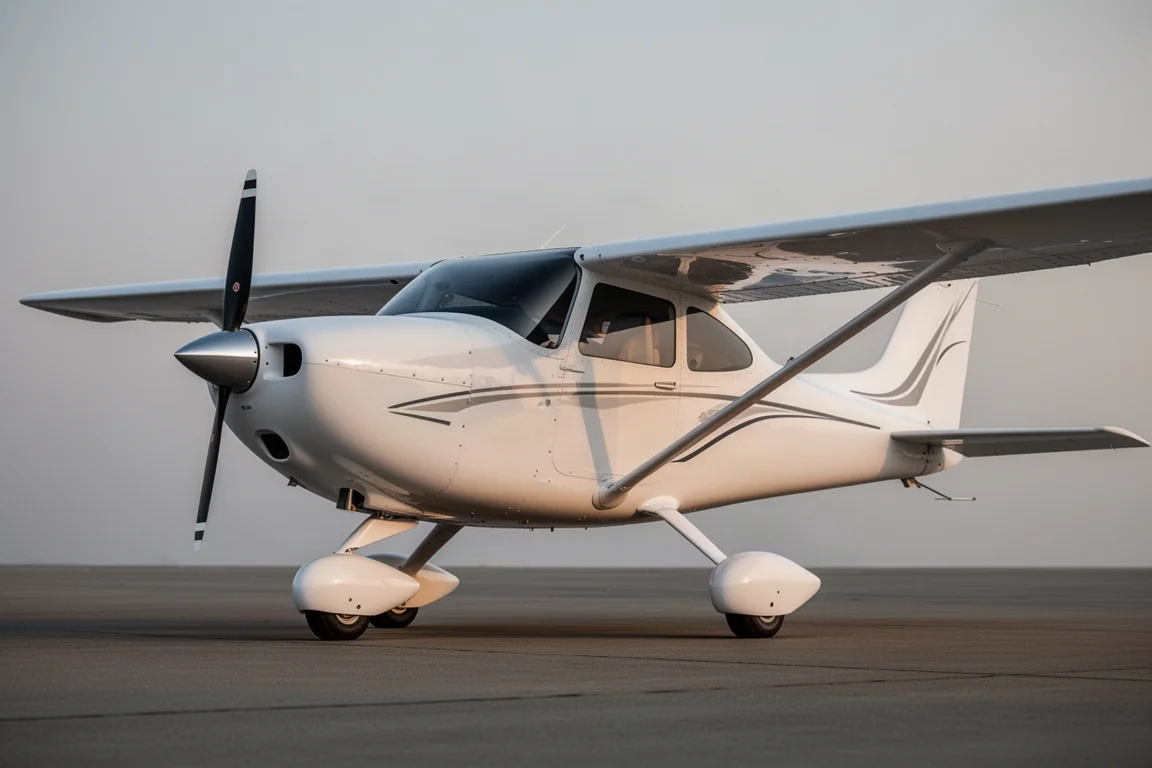
Aeropilot: The 80% Scale Cessna-Style Light Sport Aircraft Winning Over Flight Schools
A full-carbon, two-seat light sport aircraft modeled after the Cessna 182, with a larger cabin, big climb performance, and fuel burn that flight schools love.
Aviation
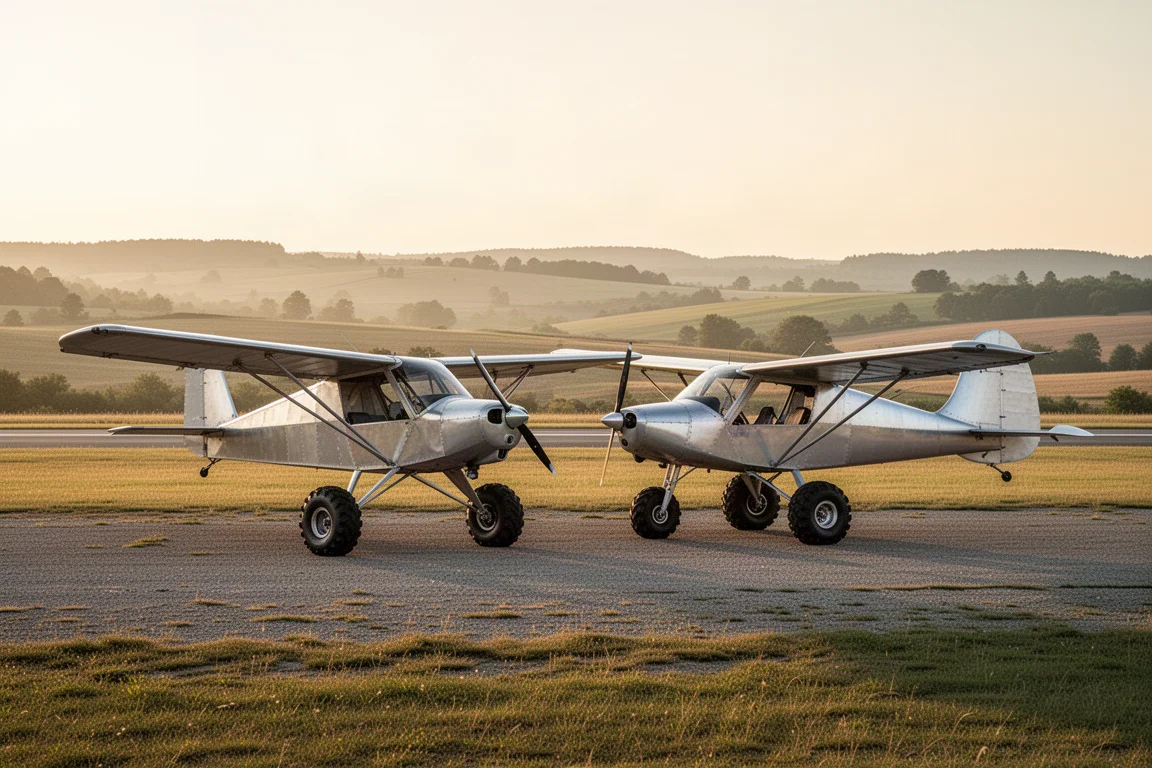
Aeropro A22 and A32: Two Light Sport Aircraft Worth a Close Look
A side-by-side look at the Aeropro A22 and A32, covering performance, pricing, customization, and what buyers should know before ordering.