High-End Audio
A Reference Analog System: D'Agostino, Wilson Audio, and TechDAS
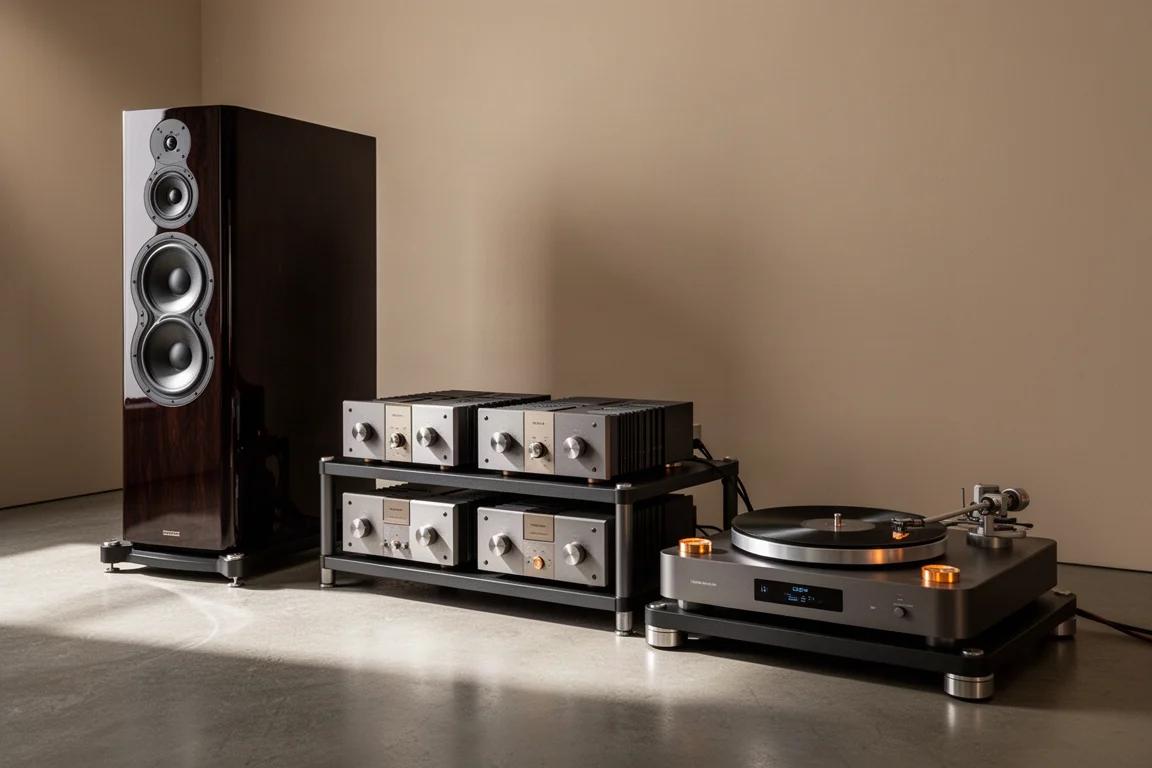
A vinyl-only reference system built around D'Agostino Relentless electronics, Wilson Audio Chronosonic XVX speakers, and the TechDAS Air Force III turntable.
Introduction
A vinyl-only reference system is a deliberate choice. Every link in the chain has to earn its place, because there is no digital stage to hide behind. This particular setup pairs four components: the new D’Agostino Relentless preamplifier, a pair of new D’Agostino Relentless 800 monoblock amplifiers, Wilson Audio Chronosonic XVX loudspeakers, and the TechDAS Air Force III turntable with an SAT tonearm.
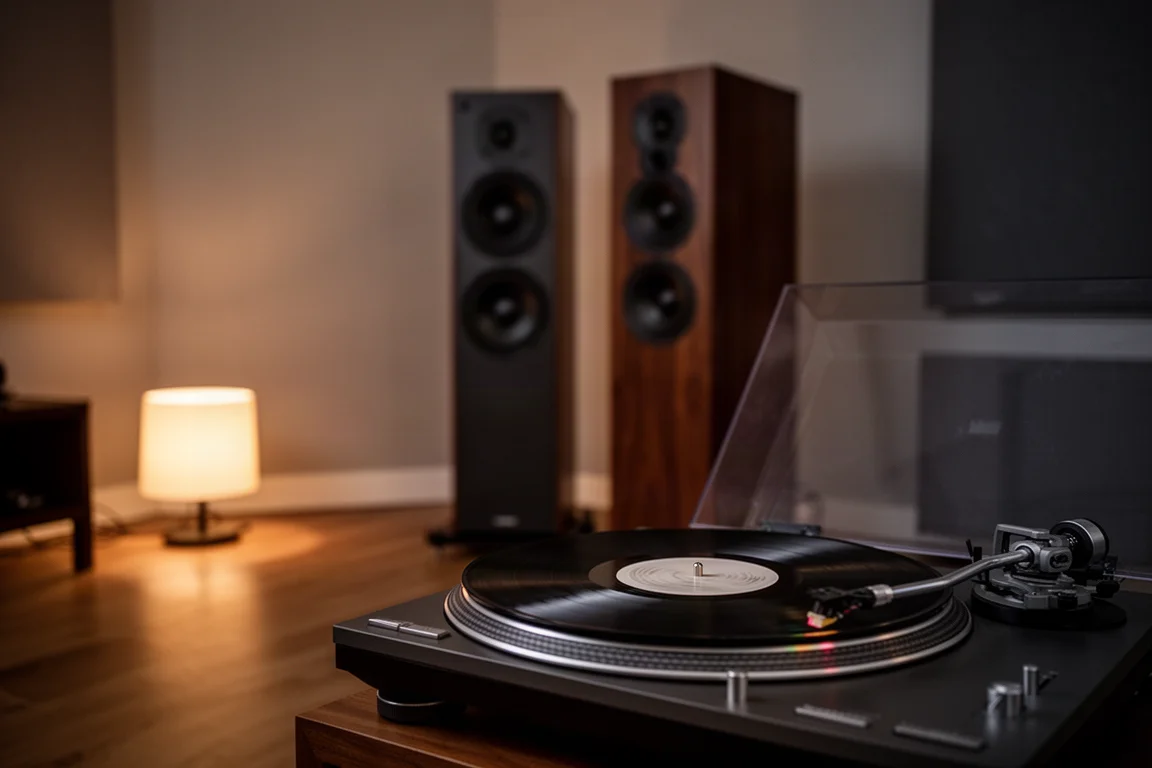
Taken together, the hardware in this system adds up to roughly a million dollars, which raises the stakes considerably. Expensive does not automatically mean convincing, and a system at this level has to do more than impress for a few minutes. What made this one worth writing about is that it changed how familiar records came across, and it did so without any sense of strain.
How This System Comes Together
The signal path is short and entirely analog. The turntable feeds the Relentless preamplifier, which passes the signal to the Relentless 800 monoblocks, which drive the Chronosonic XVX loudspeakers.
The interesting engineering detail is the load. The Chronosonic XVX is rated at four ohms, but its impedance dips to roughly 1.6 ohms. That is a demanding load, and it explains why the amplifier’s two-ohm power rating matters so much in a room like this one.
D’Agostino Relentless Preamplifier
The Relentless preamplifier is the newest piece in this chain and the control centre of the whole analog front end. It takes the low-level signal from the turntable and hands it to the monoblocks, and in a system like this it is the component that decides how much of the record’s information actually survives the trip.
Everything downstream in a vinyl system is only as good as what the preamplifier passes along, which is why this unit sat at the heart of the listening rather than at its edges.
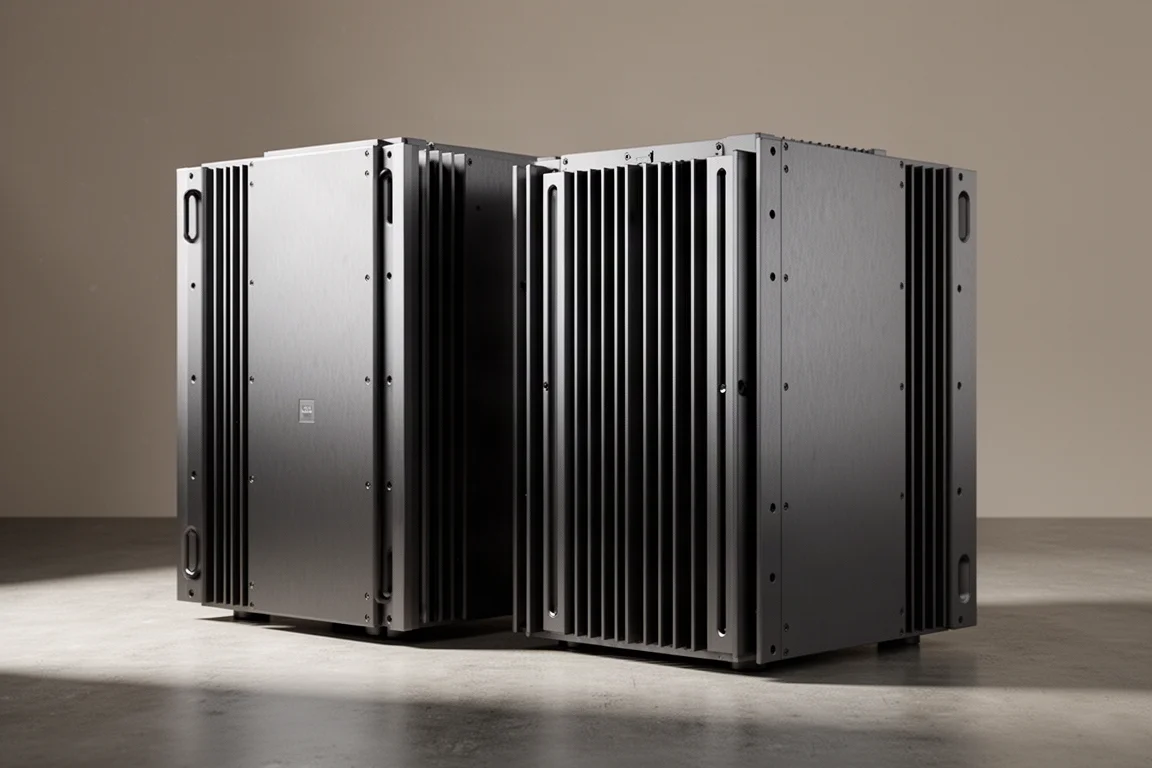
D’Agostino Relentless 800 Monoblock Amplifiers
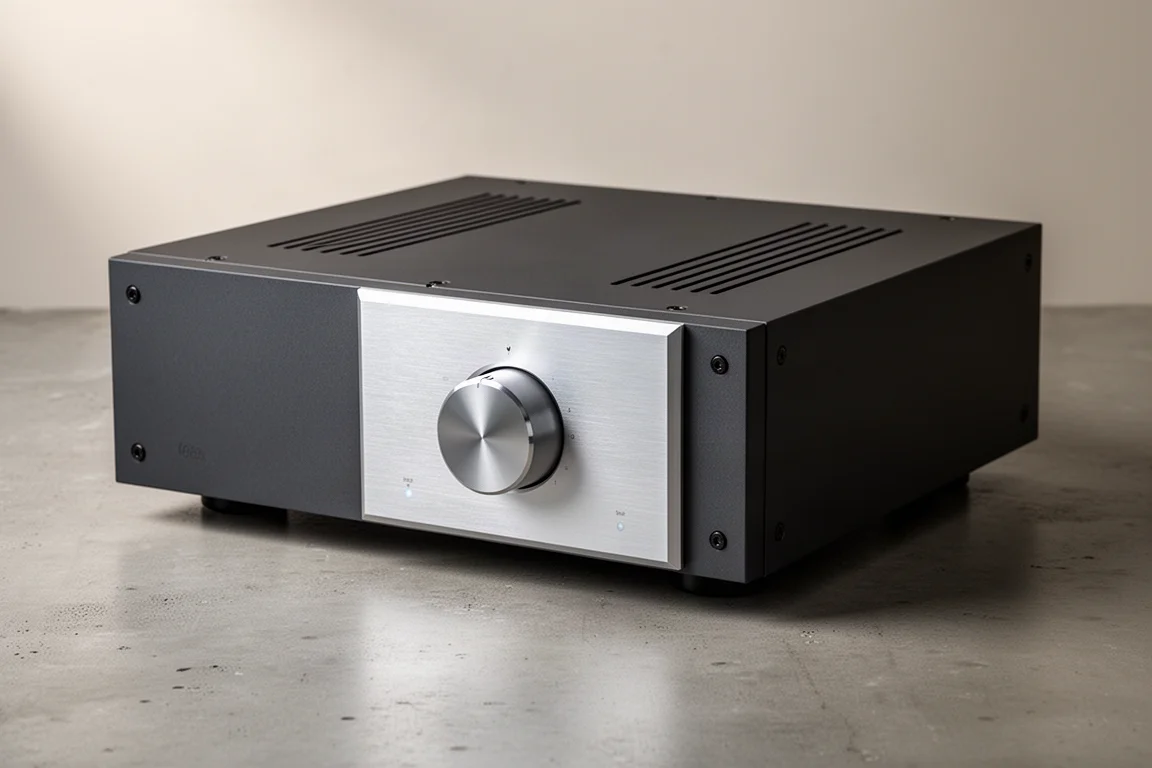
The Relentless 800 monoblocks are rated at 800 watts into 8 ohms, 1,600 watts into 4 ohms, and 3,200 watts into 2 ohms. Those numbers are not marketing decoration here. With a speaker that dips toward 1.6 ohms, the two-ohm rating is the specification that keeps the system composed when the music asks for current.
This is also the smaller sibling of the larger Relentless monoblock, which is rated at 1,600 watts per chassis. The 800 version gives up some of that output, and in exchange it asks for less space and less of everything that comes with a bigger amplifier.
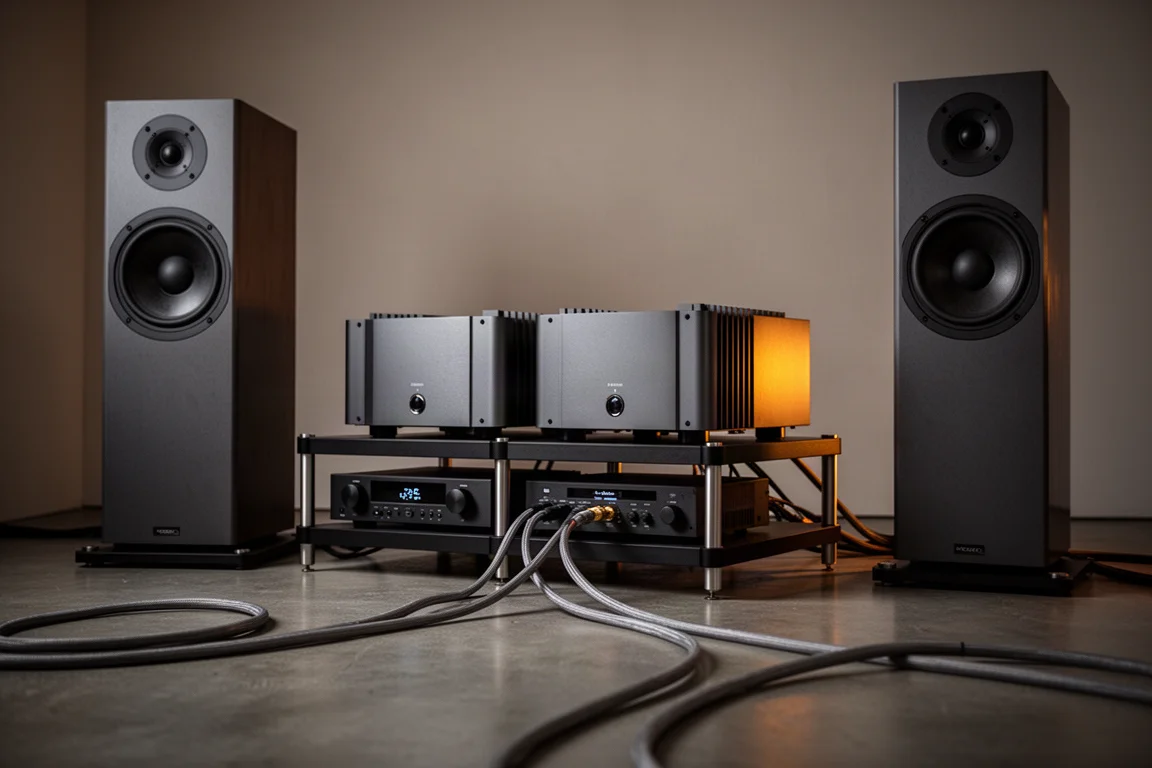
Playing loud was the real test. Peaks in the high 90 dB range, occasionally touching 100 dB, produced no sense of the system holding back and no audible hardening as the level climbed. The bass kept its foundation, and the rest of the music stayed intact around it.
Wilson Audio Chronosonic XVX Speakers
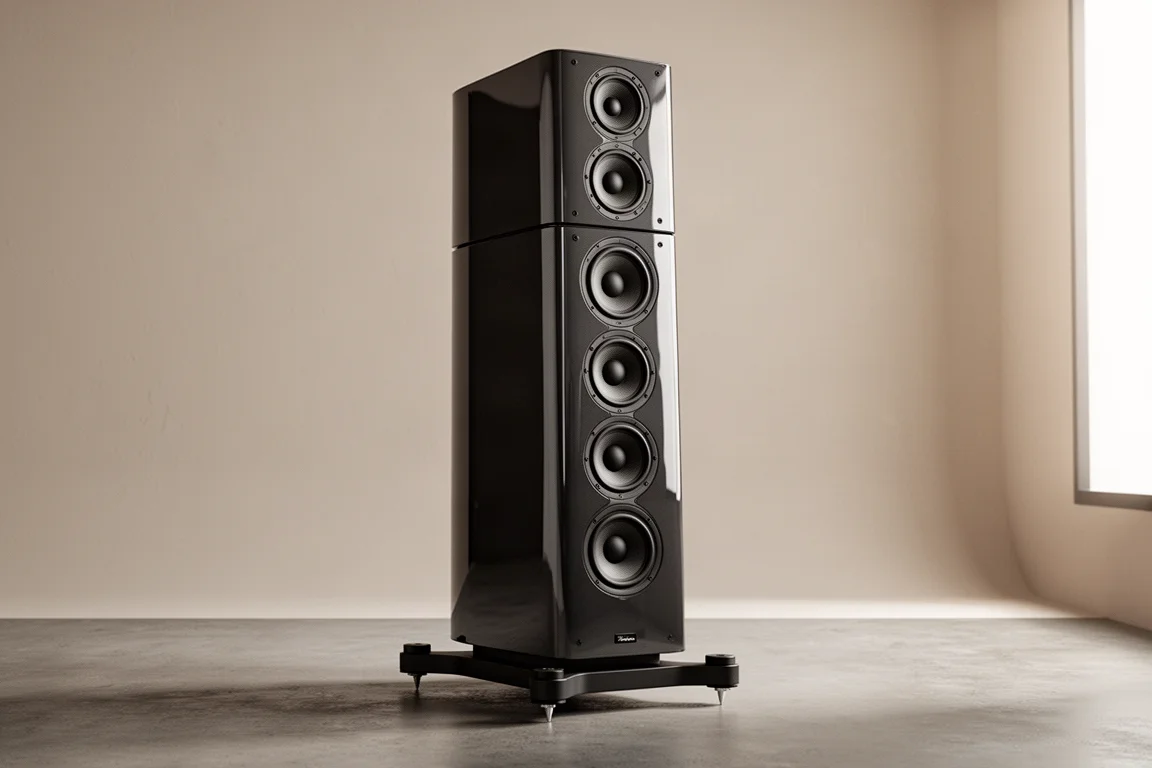
The Chronosonic XVX is a four-ohm design that drops to about 1.6 ohms, and it is the component that makes the amplifier specification meaningful. It is also the piece that revealed the most about the analog front end.
What stood out was focus. Each instrument in a jazz quartet recording arrived clearly delineated, with its own space and its own texture, rather than being blended into a general wash of sound. On a 1970s pipe organ recital, the lowest notes carried an airiness and purity that made the instrument sound unusually present.
TechDAS Air Force III Turntable
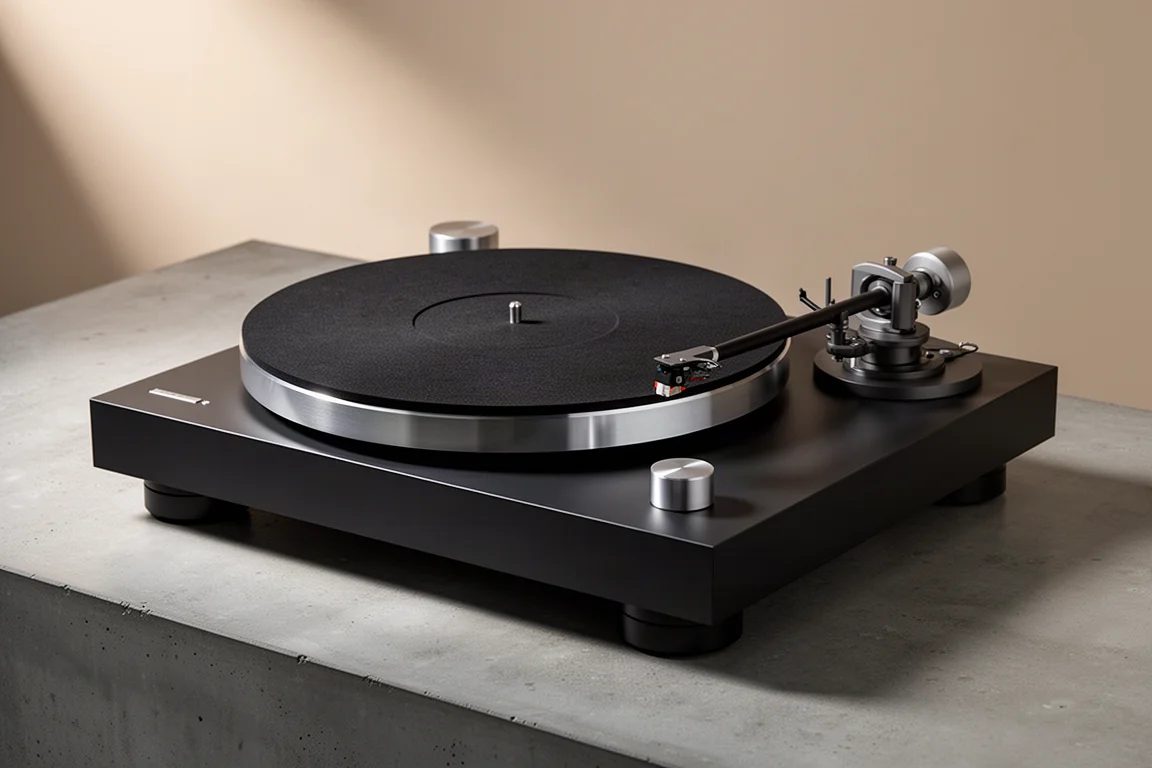
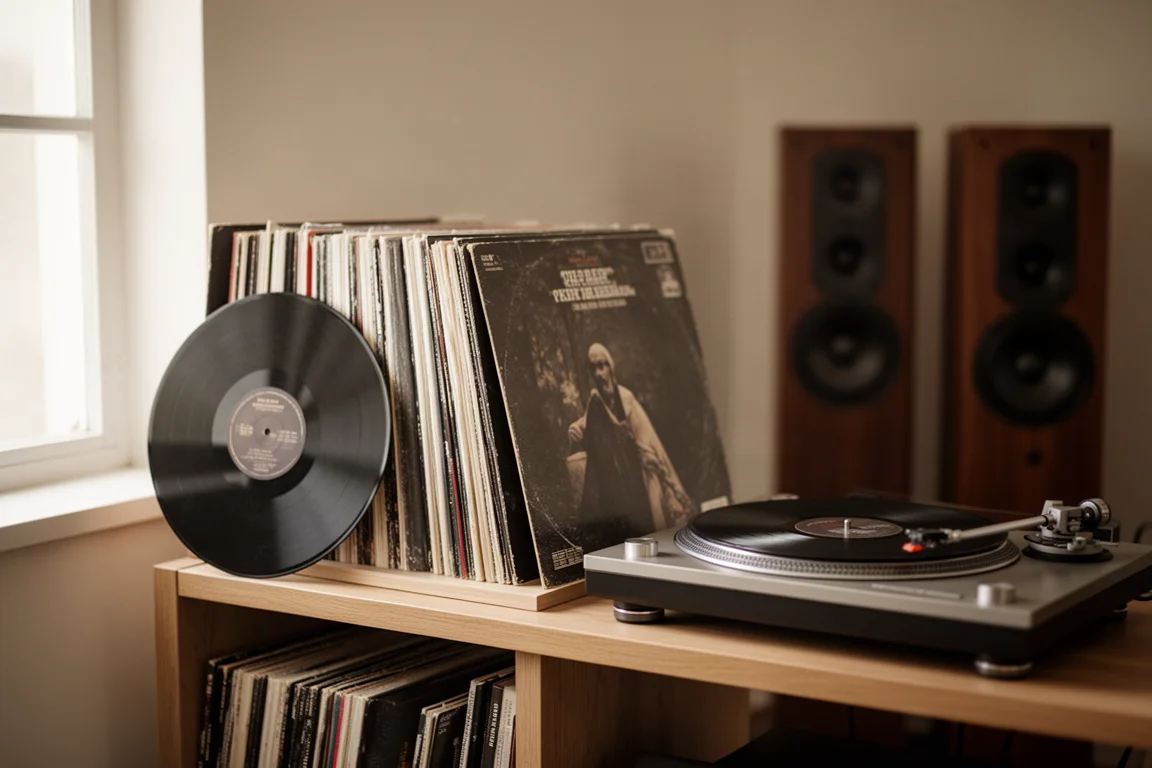
The Air Force III uses a vacuum hold-down system that clamps the record flat against the platter, and the tonearm fitted here is made by SAT rather than by the turntable manufacturer.
The effect of that hold-down is not subtle. Lowering the stylus into the groove produced almost no audible surface noise, and the presentation had more in common with tape playback than with the vinyl experience most listeners know. Records simply sounded quieter and cleaner than expected.
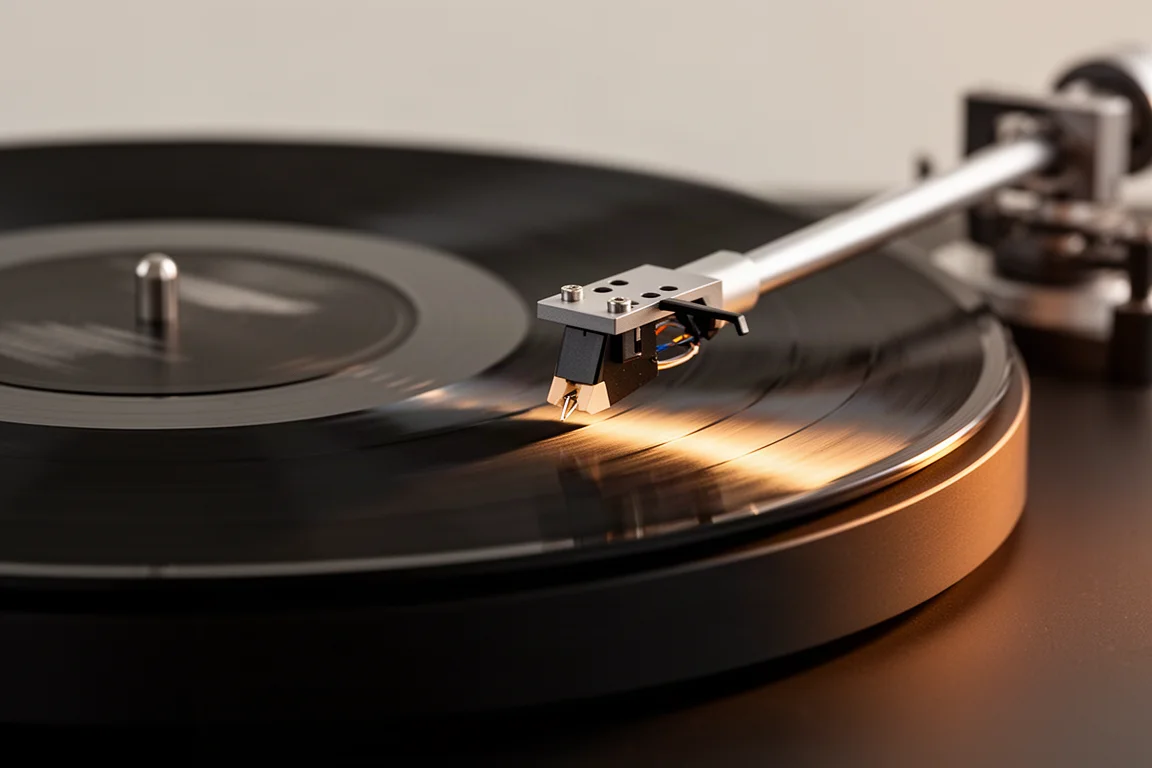
That low noise floor is what allows the rest of the system to do its job. With less grit in the way, small details and quiet passages arrive intact instead of being buried under the record’s own mechanical noise.
Matching a System Like This to Your Room
A system at this level is not just a list of components. It is a chain, and the weakest link sets the ceiling.
The front end matters enormously. Feeding the same speakers and amplifiers from a purely analog source changed the character of the listening in a way that was easy to hear, particularly in how much emotional weight the music carried. That is worth knowing before budgeting, because it argues for spending proportionally more on the source than many buyers expect.
Records also revealed their own limits more clearly. A well-loved 1970s rock album with a heavily compressed mix came across as flat and lifeless next to the other material, while a live recording that had always seemed processed and assembled sounded like a band playing together in a room. Neither reaction is a fault of the system. It is what transparency does.
Overall Buying Advice
If you are considering hardware in this bracket, the practical question is not which component measures best in isolation. It is how the four pieces behave as a set in your room.
Start with the load your speakers present. A four-ohm rating with a dip to roughly 1.6 ohms is a genuine requirement, not a footnote, and it should drive the amplifier decision rather than follow it.
Then treat the source as a first-class component. The turntable and its hold-down system set the noise floor for everything downstream, and a quieter front end makes the rest of the investment audible.
Finally, audition with records you know intimately. A reference system earns its price by showing you more in recordings you already own, not by flattering unfamiliar demo material.
Conclusion
This is a system built around one idea: keep the chain analog and keep every link strong enough that nothing is left to chance. The D’Agostino Relentless preamplifier and Relentless 800 monoblocks supply the control and the current, the Wilson Audio Chronosonic XVX turns that into focused, emotionally direct sound, and the TechDAS Air Force III reduces enough of vinyl’s mechanical noise that records behave almost like tape.
That combination is expensive and demanding, and it will expose weak recordings as readily as it rewards strong ones. For a listener who wants to hear deeper into a record collection, that trade is the entire point.
Further reading
Related Reviews
High-End Audio
Accuphase E-3000 Review: A Class AB Integrated Amplifier Built to Last
The Accuphase E-3000 is the entry point into a legendary Japanese high-end line. Here is how it sounds, how it is built, and who should consider it.
High-End Audio
Arreté Floorstanding Speakers and Benchmark HPA2: A Premium Pairing Worth Hearing
A close look at how Arreté floorstanding speakers and Benchmark HPA2 power amplifiers pair up, what each component contributes, and what to weigh before buying.

High-End Audio
Aurelia Acoustics MRB1 Review: Marble Cabinets and a Big, Lively Sound
The Aurelia Acoustics MRB1 pairs a marble cabinet with Accuton ceramic drivers and a lively, spacious sound that stays easy to listen to. Here is what to know before buying.