Hi-Fi Audio
DAC of the Year and Three Honorable Mentions: Four Converters Worth Considering
Four digital-to-analog converters compared on sound, features, and price, from a $120 budget starter to an $800-plus reference unit, with the Geshelli Labs J2 taking the top spot.
Introduction
Most of the music people listen to today arrives as a digital file or a stream, which makes the digital-to-analog converter one of the most useful components you can add to a system. A DAC takes the digital signal from a computer, a streamer, a CD player, or a disc player and converts it into an analog signal that then feeds an amplifier, a preamp, or an integrated amp. Good conversion does not have to cost a fortune, and the four converters below span a wide range of budgets, from a $120 desktop starter to a reference-grade unit that costs several times as much.
What a DAC Actually Does
The job itself is simple to describe. Digital audio arrives as numbers, and something has to turn those numbers into a continuously varying electrical signal that an amplifier can pass on to speakers or headphones. That is the entire task, and it is why the category can feel confusing at first: every DAC performs the same basic function, yet the results in a real system can differ noticeably.
The reason comes down to implementation. Two converters can use identical converter chips and still sound different, because the analog output stage that follows the chip shapes the signal before it leaves the box. That output stage is analog circuitry doing analog work, in the same way an amplifier or a tube stage does. So when a converter sounds fuller, calmer, or more forward than another, the difference usually lives in that output stage rather than in the digital data itself.
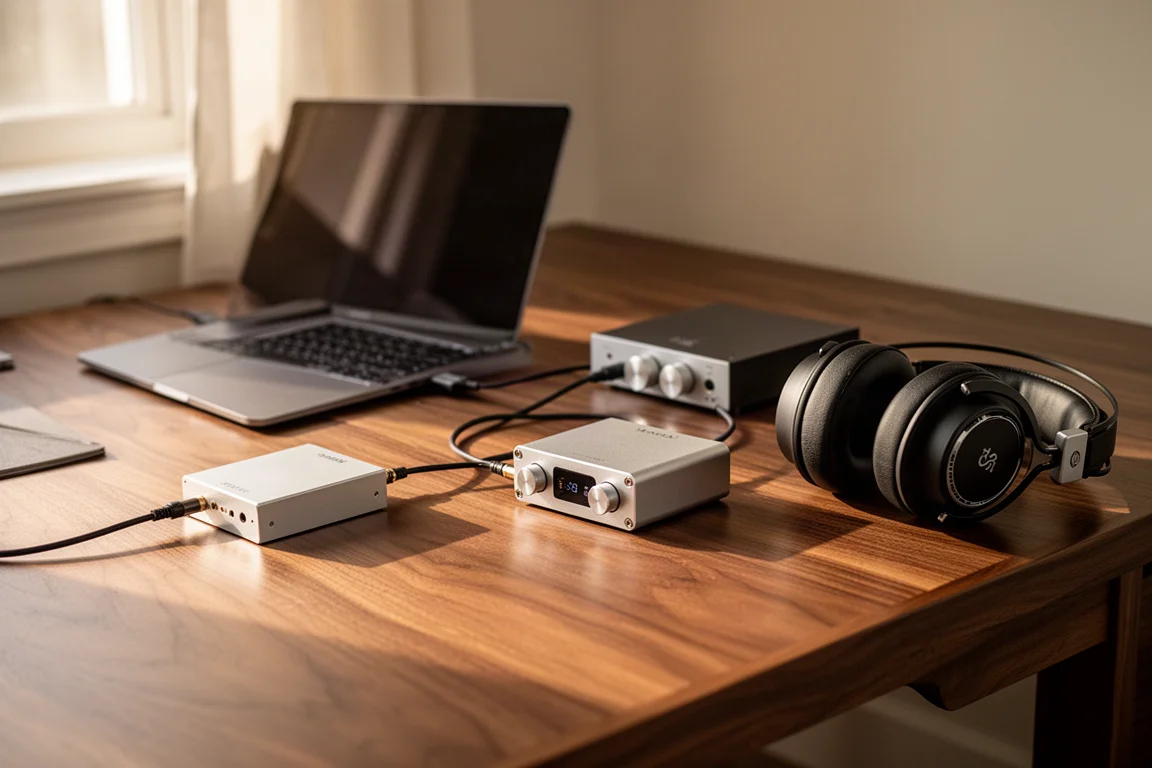
That also explains why a converter is worth thinking about separately from the rest of a system. If most of your listening comes from a computer, a streamer, or a disc player, the conversion step sits directly in the signal path of everything you play.
How These Four DACs Were Chosen
The picks below were weighed on four practical points. First, sound character in a real system rather than on paper: does the converter sound natural and engaging over long listening sessions. Second, connectivity: which inputs and outputs are available, and whether they suit a home setup. Third, convenience: a remote control, Bluetooth, or volume control can matter more than a small difference in sound for some buyers. Fourth, price to performance, which is where the ranking really separates.
All four units are fixed-output designs except one. Prices run from $120 at the entry point to roughly $800 to $900 at the top of this group, and the most expensive option is not the one that takes the top spot.
Runner-Up: Topping E50
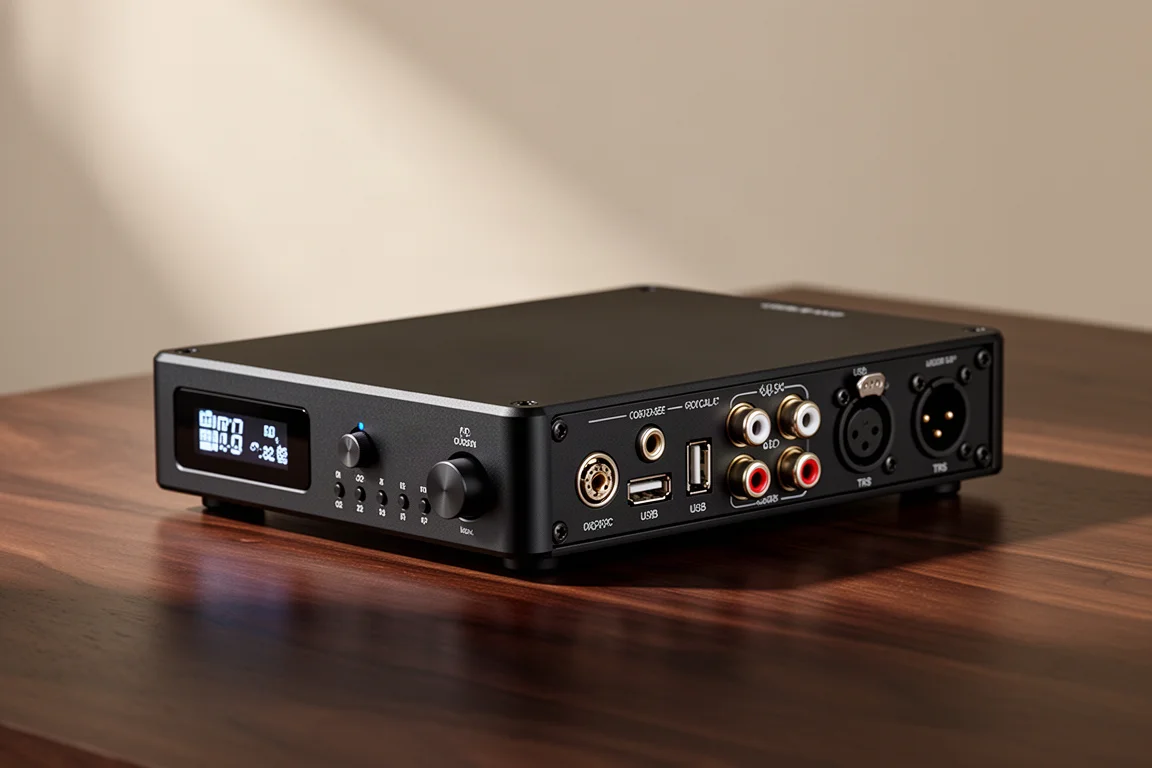
Around $200, the Topping E50 is a strong value in a crowded field. Many converters in this price band sound broadly similar to one another, and this one separates itself with a full, organic, engaging presentation that feels closer to far more expensive units than its price suggests. It uses an ES9068 converter chip and measures well for buyers who care about that side of the hobby.
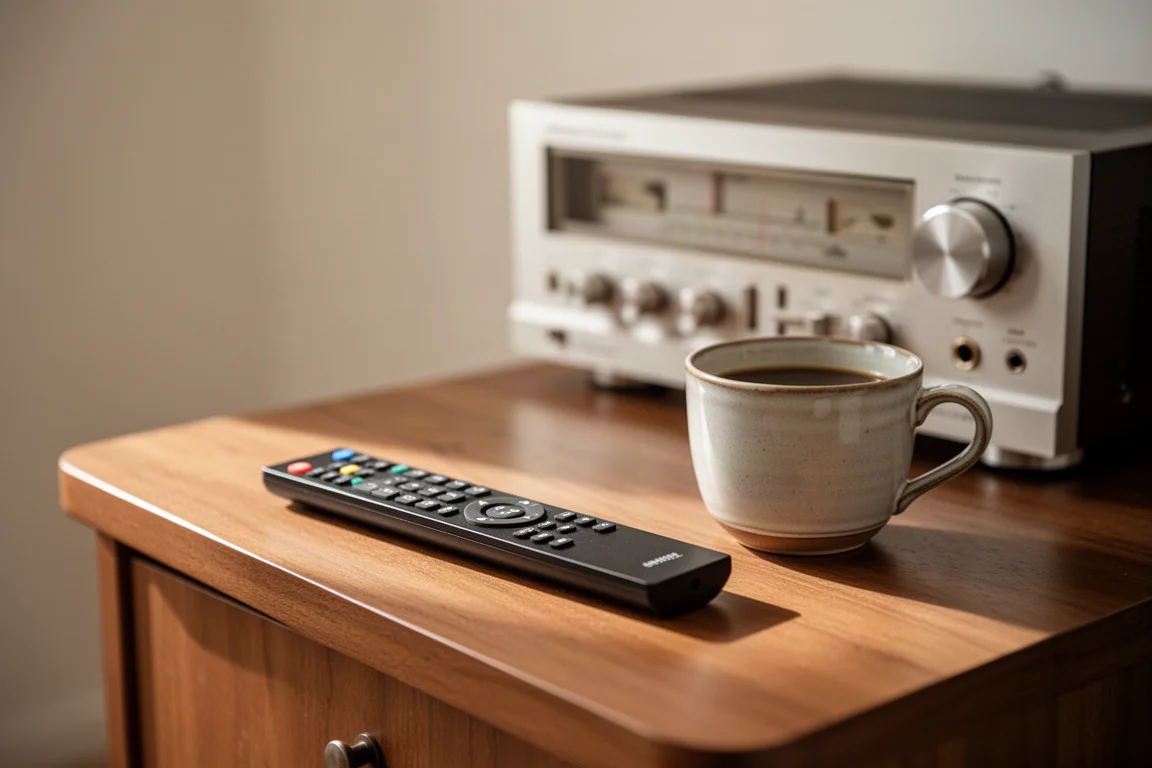
It also carries features the other picks here mostly skip. A remote control and Bluetooth are built in, and the converter can control volume itself. That makes it a practical choice when you are adding a DAC to a vintage receiver, or to a preamp that has no remote of its own.
On the back, there is a choice of balanced outputs alongside standard RCA. The balanced connections use TRS sockets rather than XLR, which is common in professional audio but less convenient in a home system, and adaptor cables to XLR do exist for anyone who needs them. Most buyers will simply use the RCA outputs, which cover the usual setup.
Budget Pick: Schiit Modi 3
At $120, the Schiit Modi 3 is the budget honorable mention, and it earns the spot by doing one job well. It is analytical in character, and it will clean up and reveal more music than the output of a phone, a laptop, or a CD player typically provides. There is no remote control and no variable output, so this is a converter in its purest form: digital in, analog out.
For a first DAC, that simplicity is a feature rather than a limitation. It also pairs naturally with a matching stack of a headphone amplifier and an equalizer, which together form a genuinely affordable desktop system for someone starting out. If you are on a tight budget, this is a sensible place to begin, and possibly to end, the search.
High-End Contender: Denafrips Ares 2
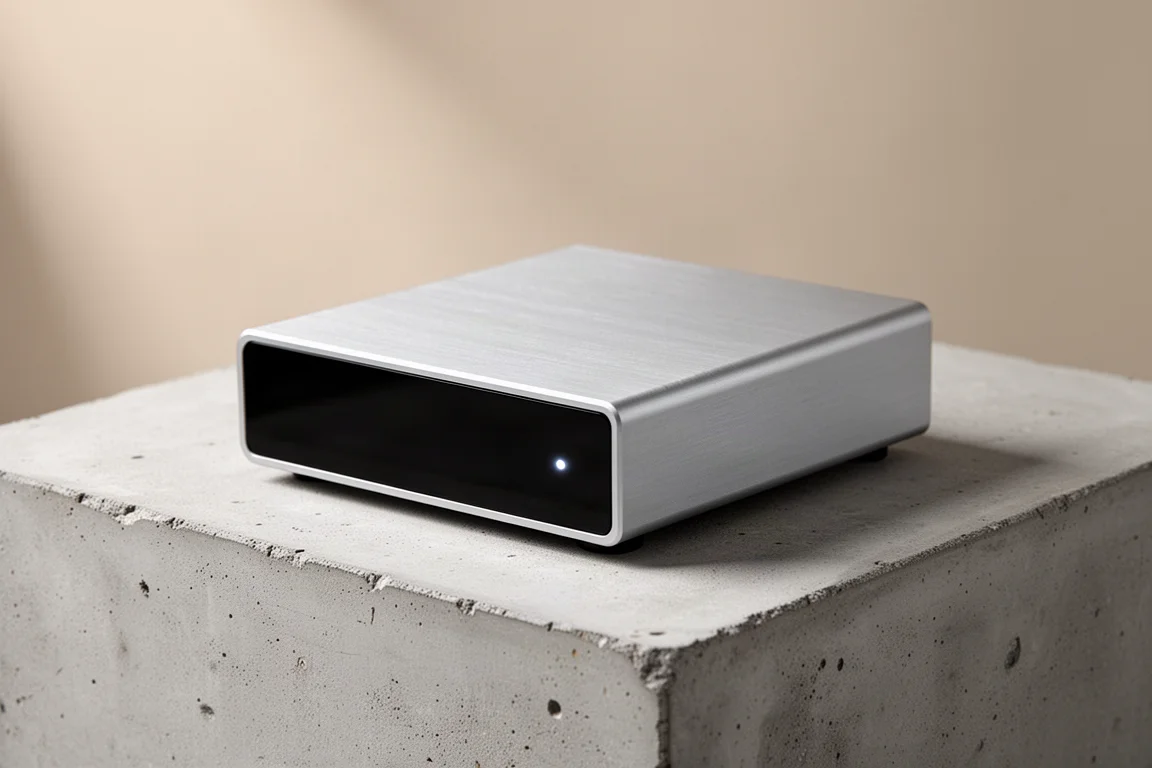
The Denafrips Ares 2 sits at the other end of the price range, at roughly $800 to $900, and it is the unit that changed how much a source component matters in a system. Once it was in place, the soundstage widened noticeably, and every speaker connected to that system sounded better. The effect was unusual: a forward-sounding speaker became more mellow, while a thin-sounding speaker gained fullness.
It is a balanced, fixed-output design with no remote control, so volume has to be handled elsewhere in the chain. It still sounds excellent, and for a listener with a resolving system and a preamp that already manages volume, it remains a serious reference-level option.
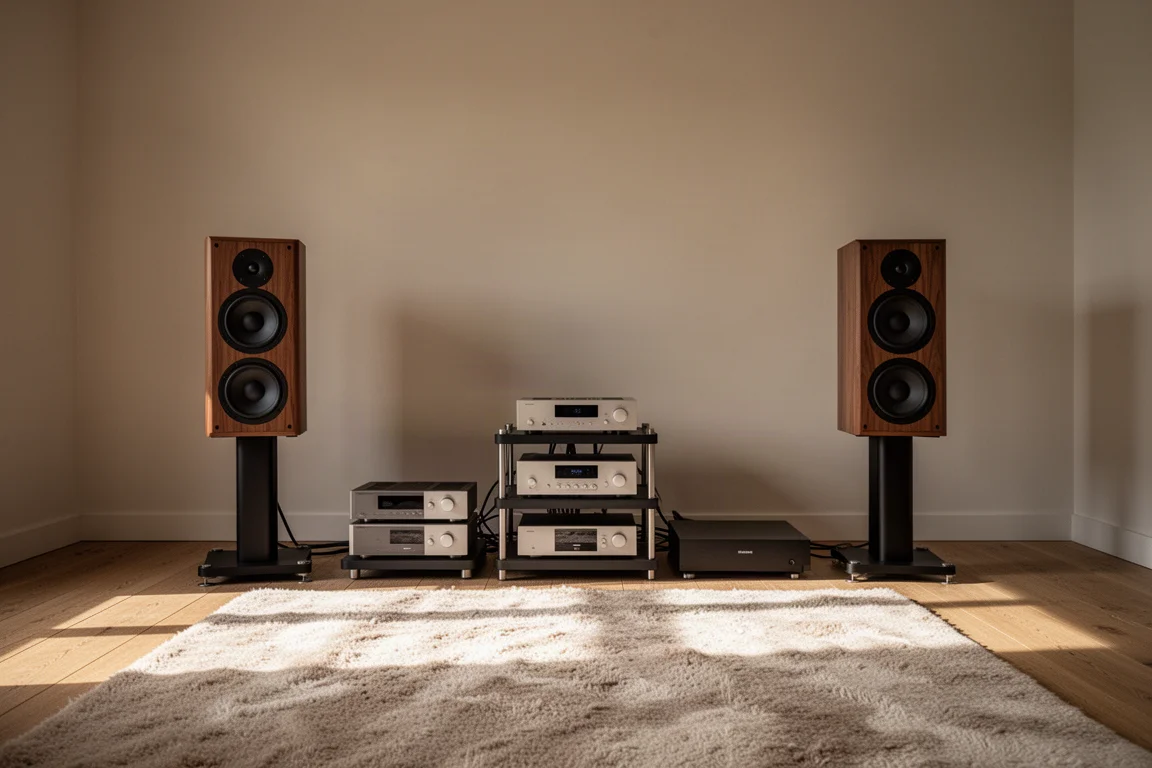
The reason it is not the top pick is straightforward: price. At around $800 to $900, it places itself out of reach for many people getting into the hobby or working to a tight budget. The recommendation here is not a knock on its performance, only a recognition that value is part of the equation.
DAC of the Year: Geshelli Labs J2 (AKM Version)
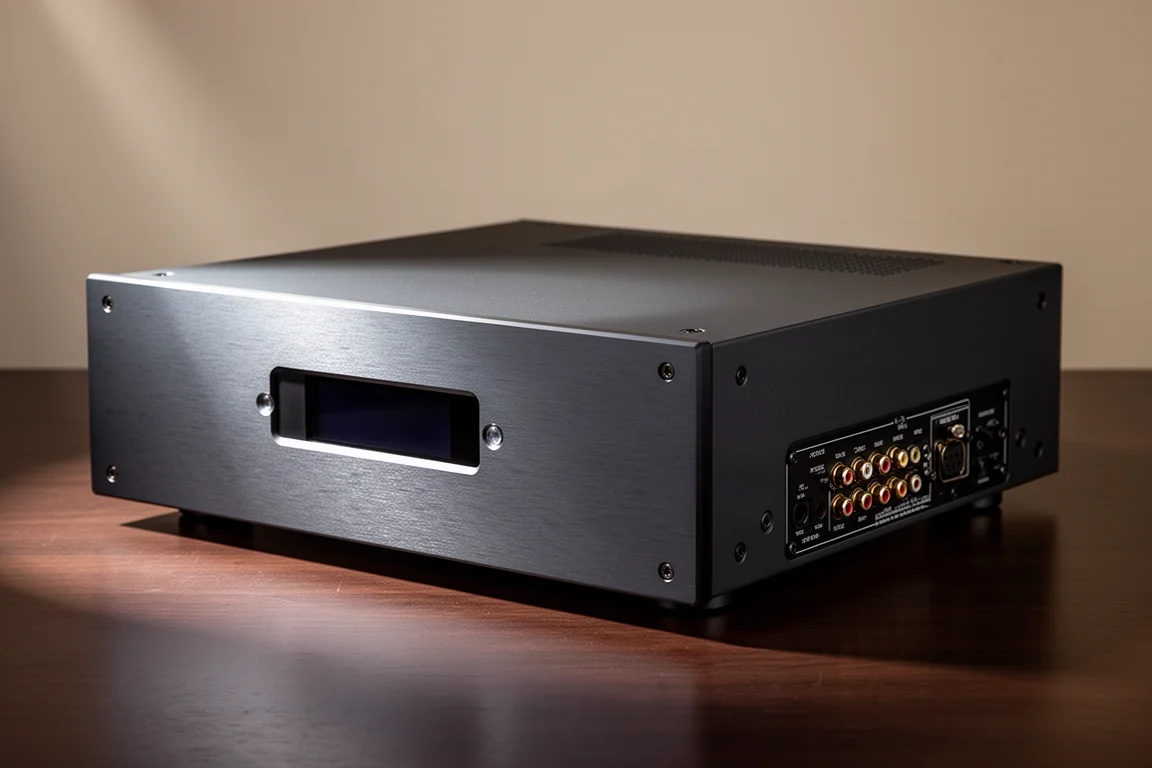
The Geshelli Labs J2 in its AKM version takes the top spot, and the reason is a combination of sound and price. It uses an AKM 4493 converter chipset. Prior experiences with AKM-based converters had been harsh and fatiguing, so this one came as a genuine surprise: it sounds natural and engaging, with a lot of bass presence and impact. That result supports the idea that implementation, and particularly the analog output stage, matters more than the chip name on the box.
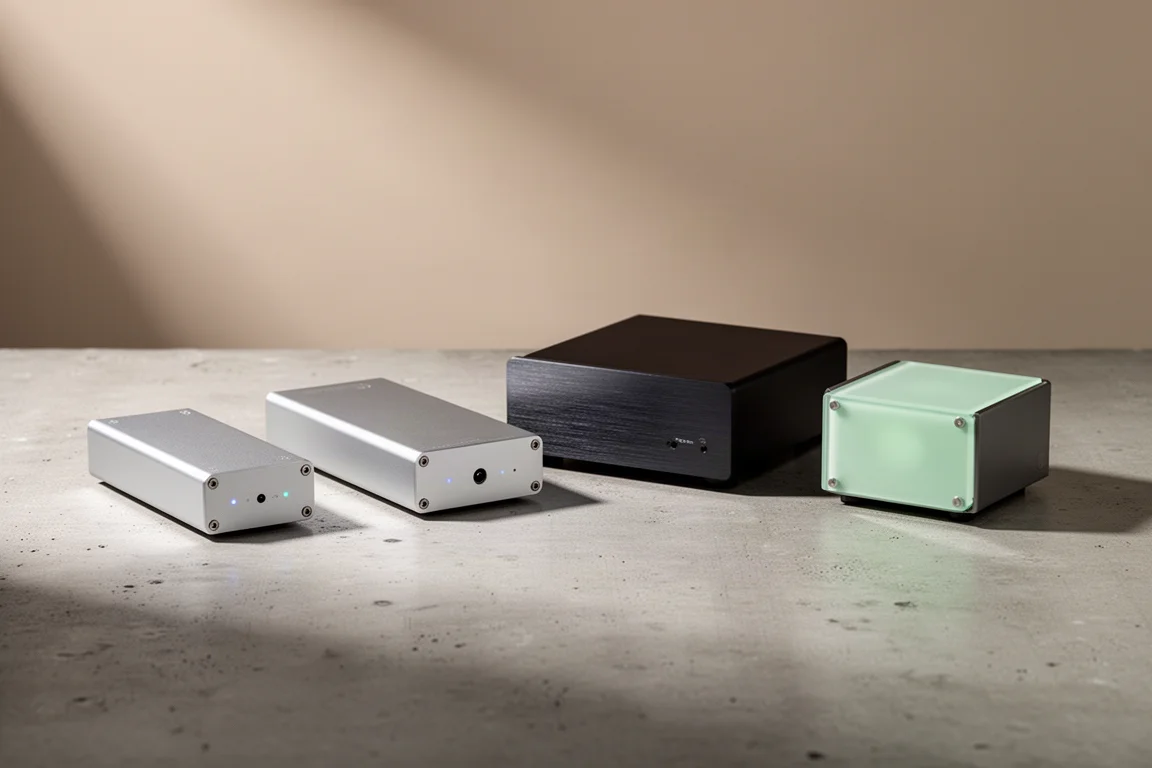
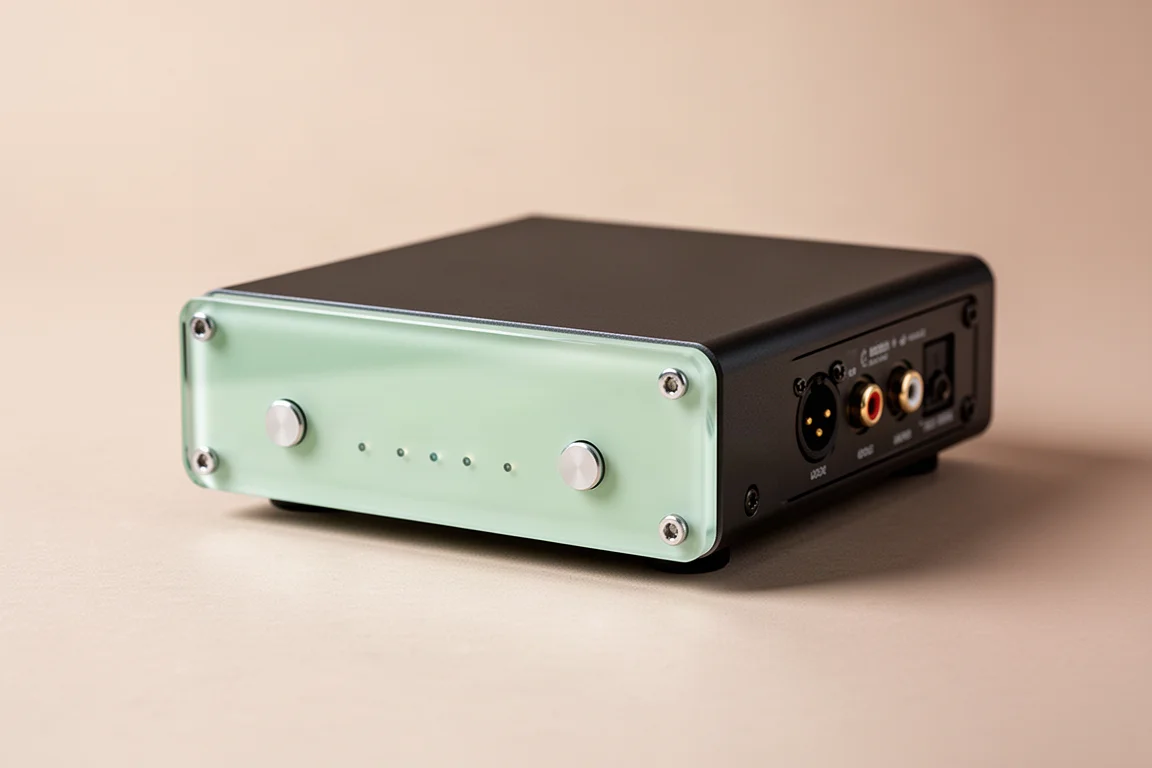
The front panel is simple. Two buttons handle power, LED color, and input selection, and four small lights indicate the active input. Optical and coaxial inputs are available on the front as well as the back, which is convenient when you need to plug something in without reaching behind a rack. The rear panel adds an optional USB input, another coaxial input, another optical input, RCA outputs, balanced outputs, and the power connector.
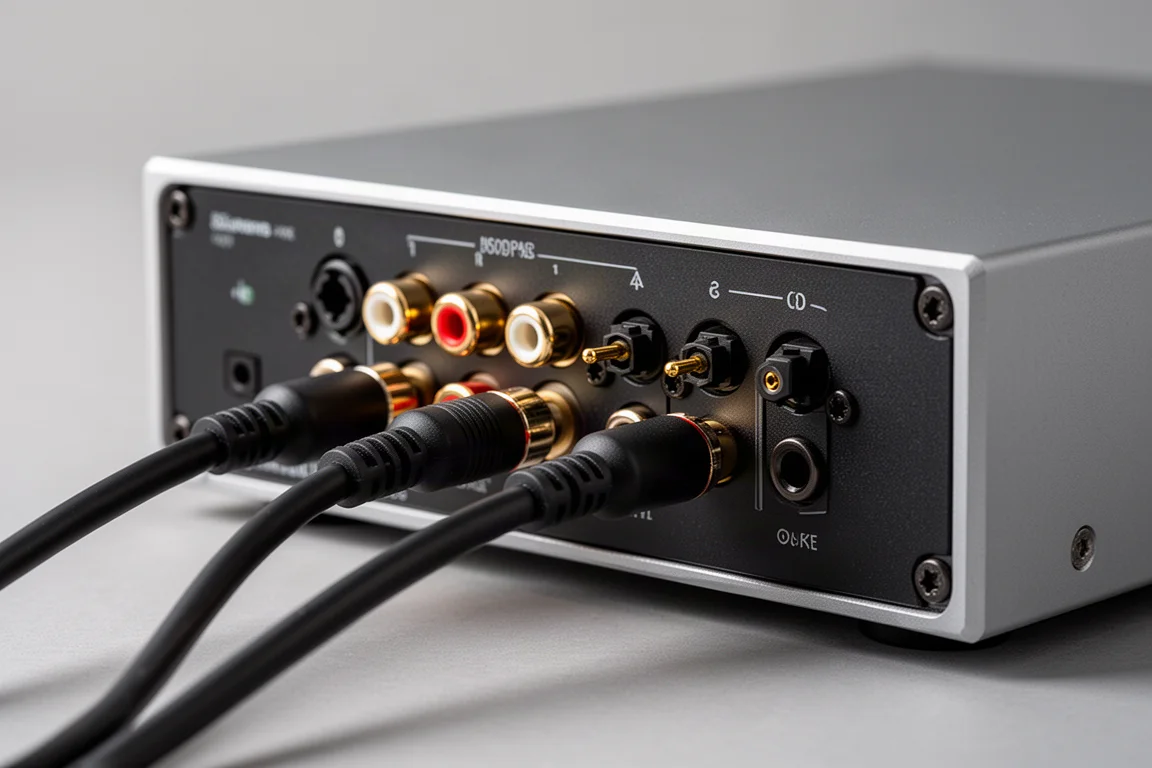
A note on power: some owners have fitted aftermarket linear power supplies to the J2 and report improvements across soundstage, imaging, and instrument placement. That feedback is anecdotal, comes from third-party sellers, and cannot be verified here, so treat it as an optional experiment rather than a requirement. The converter does not obviously need improving.
Pricing is the strongest argument. The J2 is $250 without the USB input and $300 with it, with extra cost for wooden case options. Multiple colors and faceplates are available, including a glass front panel. Each unit is made to order in the United States by a small family-run business, which means customer service is direct and answers come from the people who build the product. Demand has created a backlog, so expect to join a queue rather than receive a unit immediately.
Two things are worth weighing before buying. The industrial design is distinctive, and it will not appeal to everyone who expects a plain black box. There is also no remote control and no variable output, so volume must be handled by a preamp or integrated amplifier, or by a separate streamer feeding the converter.
Buying Advice: Matching a DAC to Your System
The right choice depends less on absolute sound quality than on how you listen. If you need a remote control, Bluetooth, and built-in volume control, the Topping E50 answers all three at around $200. If you are building a first desktop system on a tight budget, the Schiit Modi 3 at $120 keeps things simple and honest. If you already own a preamp or integrated amplifier with volume control and want a reference-level source for a resolving system, the Denafrips Ares 2 is the premium route.
For most buyers, though, the Geshelli Labs J2 is the strongest overall value. It competes directly with the Ares 2 and, in some areas, surpasses it at roughly a third of the price. That combination of sound, features, and price is what makes it the pick of this group.
There is one pattern worth planning around. Most of the converters recommended here are fixed-output designs with no remote, so volume control has to live somewhere else in the chain. A preamp, an integrated amplifier, or a streamer with an optical output into the converter will all work, though digital volume control is a compromise compared with an analog volume stage.
Conclusion
A DAC is not a glamorous component, but it sits in the path of nearly everything a modern listener plays, and the four units here show how much range exists between $120 and $900. The Topping E50 covers convenience with a remote and Bluetooth, the Schiit Modi 3 keeps the entry point affordable, and the Denafrips Ares 2 delivers a reference-level presentation for those with the budget and the system to match. The Geshelli Labs J2 (AKM Version) takes the top spot for pairing natural, engaging sound with a price that most buyers can actually reach, made to order by a small American workshop.
Further reading
Related Reviews
Hi-Fi Audio
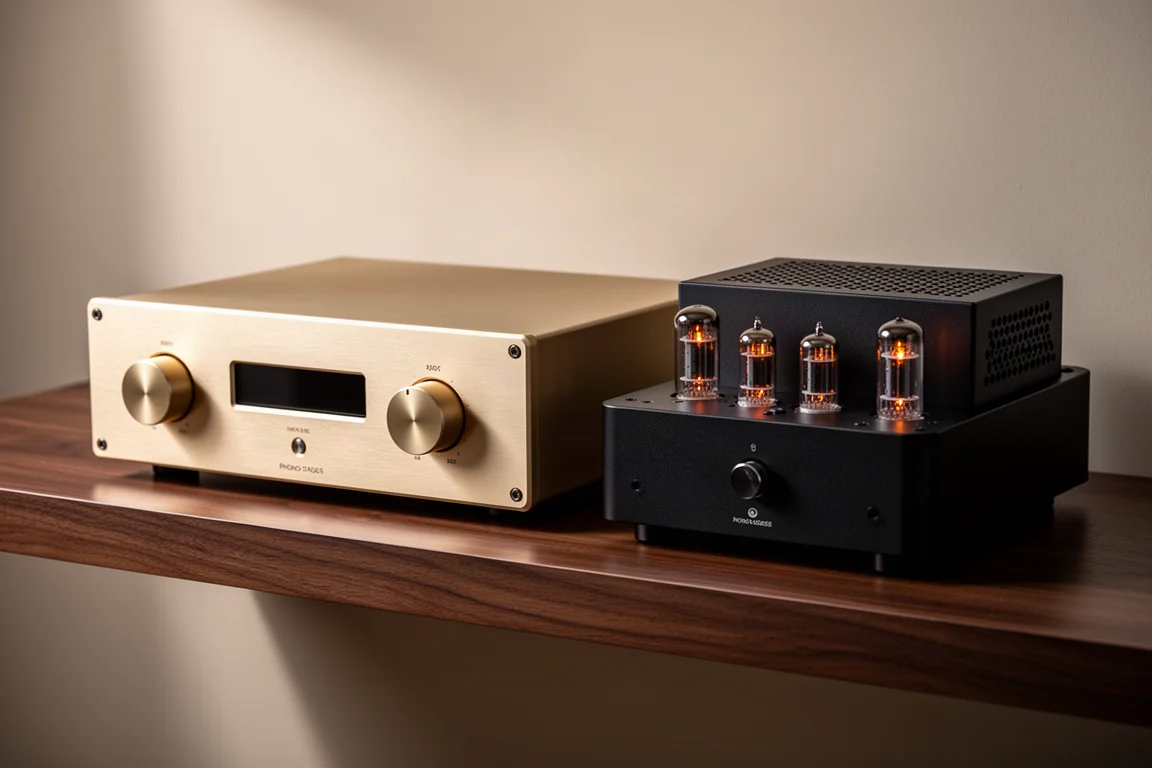
Accuphase C-57 vs Allnic H-7000V: Two High-End Phono Stages Compared
A fully balanced solid-state phono stage with a pitch-black noise floor meets a tube design built for well-loved records. Here is how to choose between them.
Hi-Fi Audio
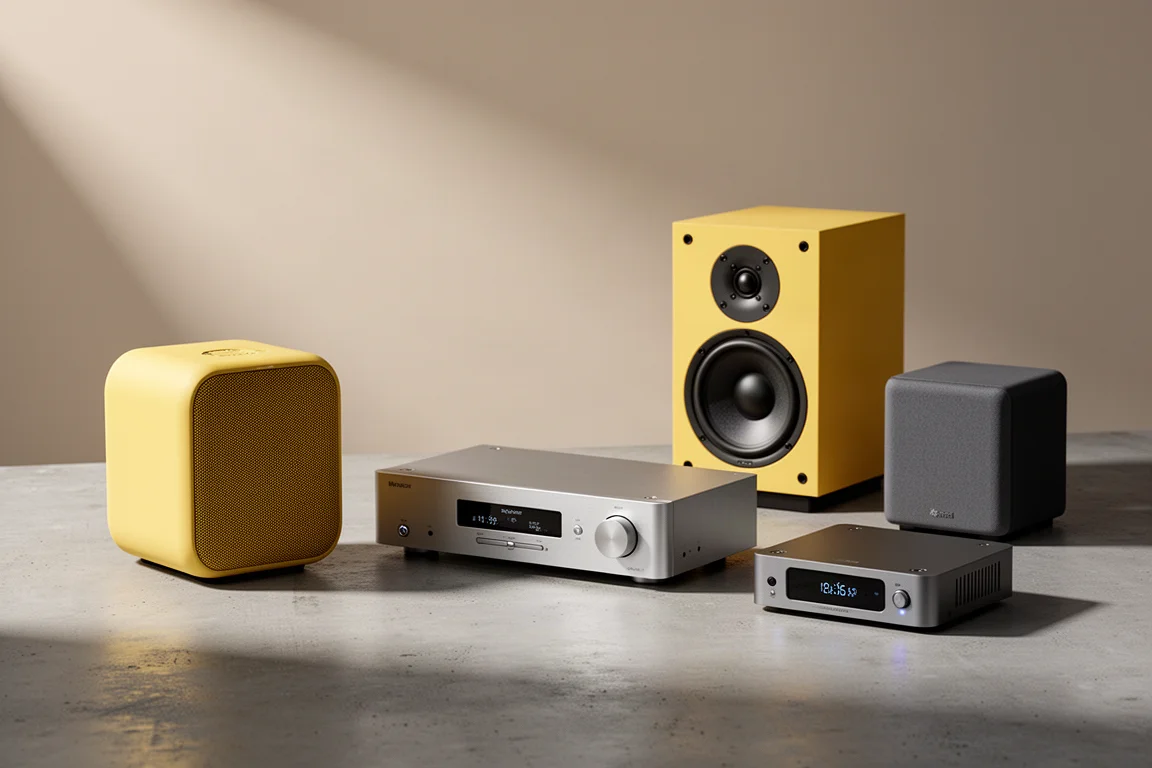
Active vs Passive Hi-Fi: Five Components for a Modern System
Five components that define modern active and passive hi-fi systems, with the strengths, trade-offs and setup details worth weighing before you buy.
Hi-Fi Audio
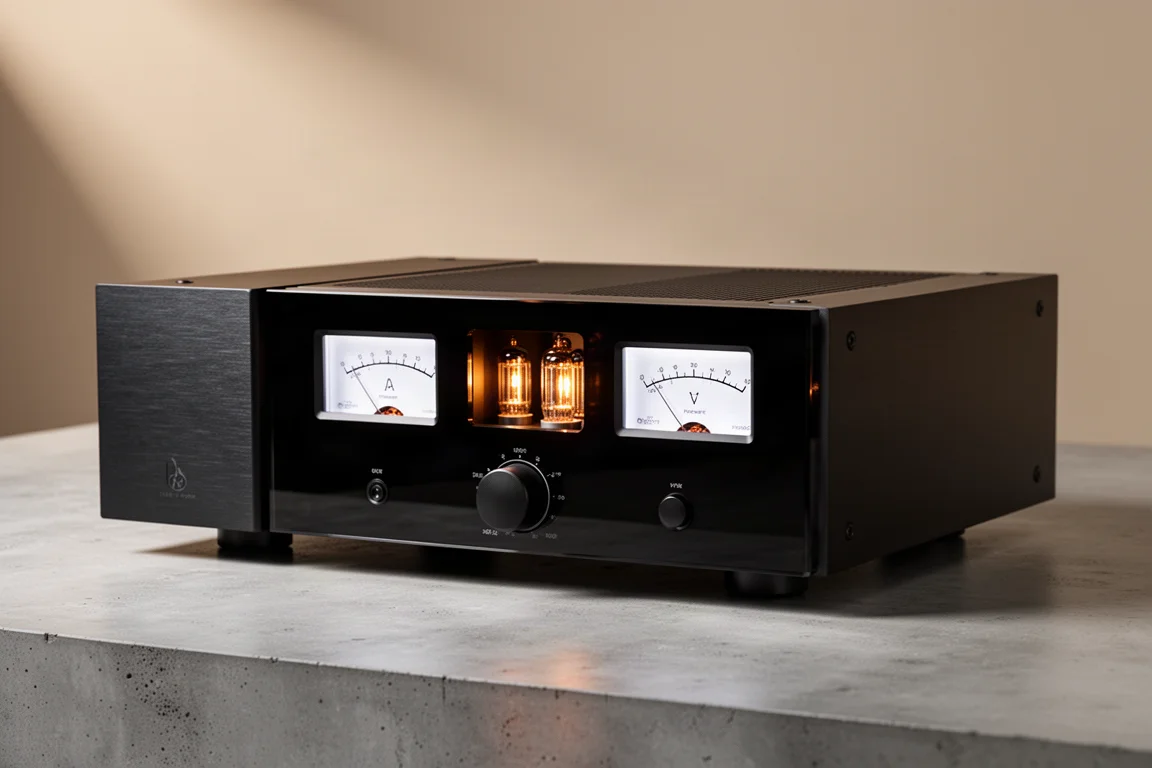
Advance Paris A10 Apex Review: A Hybrid Integrated Amplifier That Covers a Lot of Ground
A French hybrid integrated amplifier with a class A tube preamp stage, analogue power meters, and an internal DAC and phono stage good enough to make extra boxes unnecessary.