Cycling Components
Cycling Tech Diminishing Returns: Six Upgrades Where the Money and the Gains Do Not Match
From integrated power meter chainrings to carbon stems and top-tier cranksets, here is where cycling upgrades stop making financial sense, and where the real value still sits.
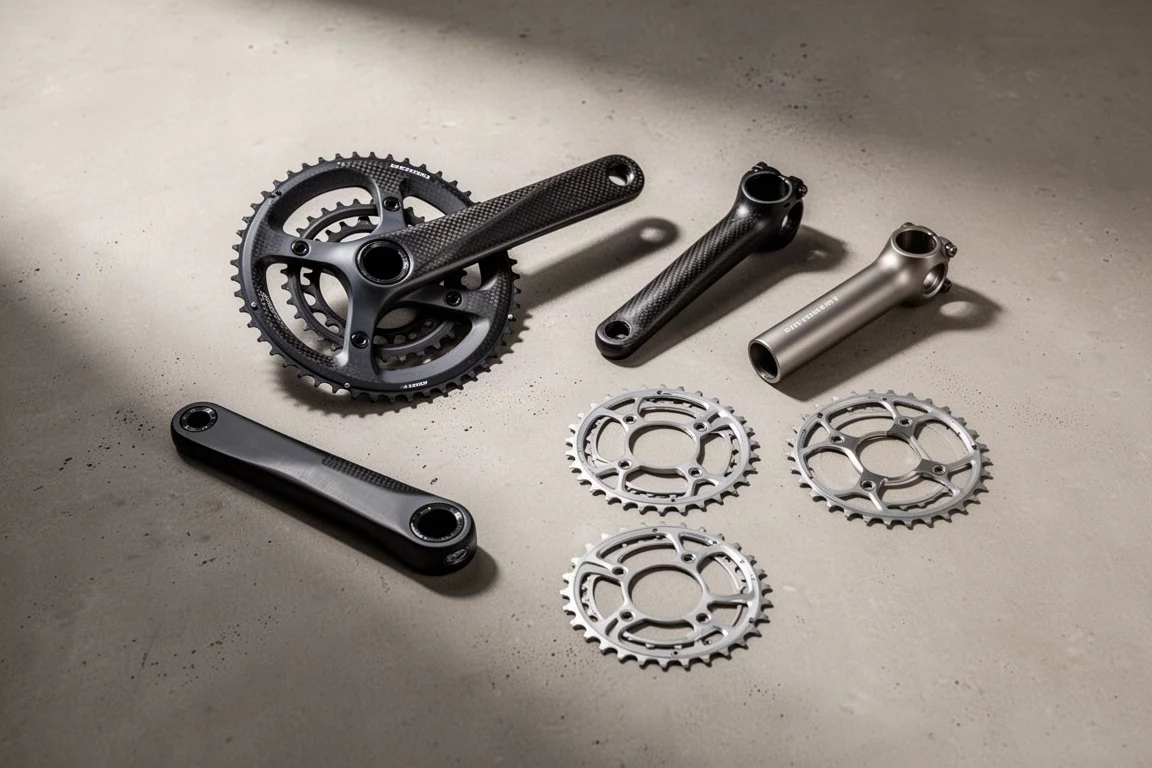
Introduction
The last decade of cycling development has delivered genuinely faster, more comfortable and more efficient bikes and kit. Most of the time the industry gets it right. Occasionally, though, a product arrives that looks impressive on paper but asks riders to accept a compromise they never signed up for, or charges a serious premium for a gain that is almost impossible to feel on the road.
This roundup looks at a handful of those cases, from integrated power meter chainrings to carbon stems, proprietary cable routing and top-tier cranksets, and explains where the extra money actually goes.
What Counts as a Missed Mark
Not every expensive part is a bad part. A top-spec carbon frame will almost always outperform a budget aluminium one, but it also costs several times more, so a real improvement is expected. The interesting cases sit in the middle: components where the price gap is large, the performance gap is small, and the design adds an ownership or maintenance cost that only shows up later.
The clearest pattern is the law of diminishing returns. Whether you are looking at framesets, shoes, groupsets, finishing kit or complete bikes, the step from mid-tier to top-tier is often marginal at best, even when the price difference is substantial. The products below are not failures. They are simply the places where it pays to ask what you are actually buying.
SRAM Red AXS: When the Power Meter Owns the Chainrings
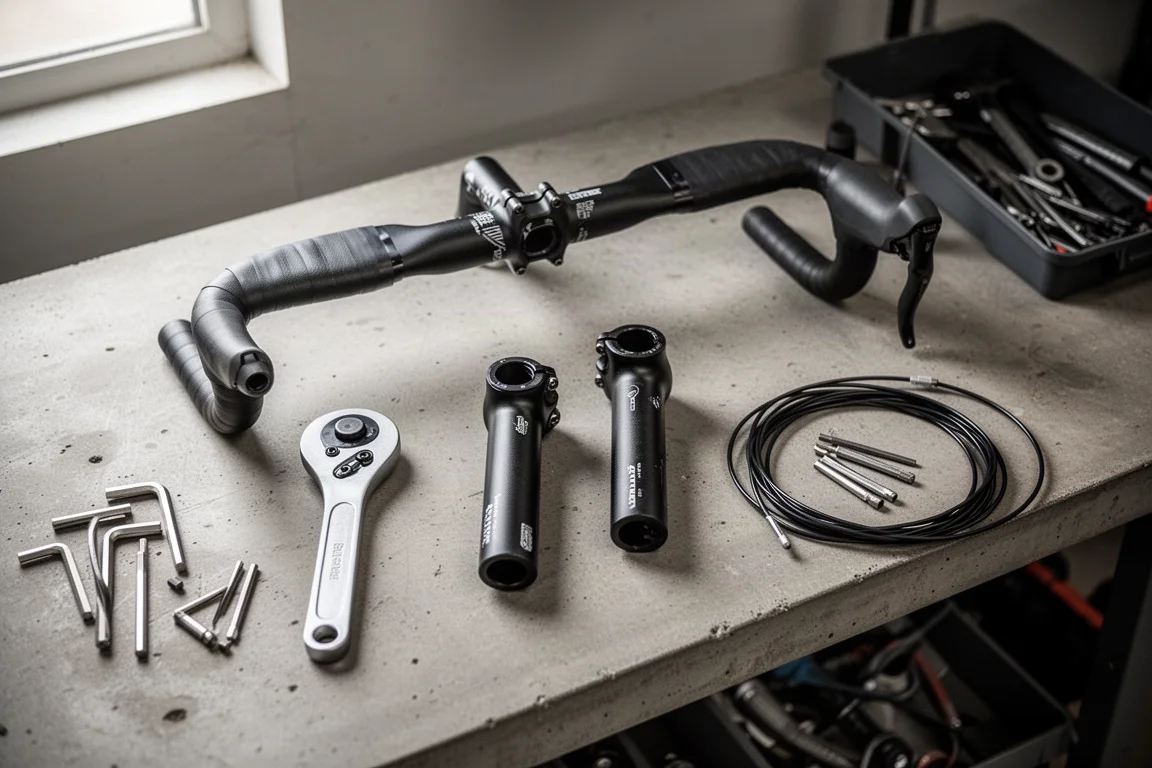
SRAM Red AXS is a top-tier road groupset, and on most crank-based power meters, swapping chainrings is a simple job. A different size or a worn-out set is typically a 15-minute task, and there is usually a range of aftermarket chainrings to choose from, from premium options down to affordable ones.
Red AXS works differently. Its chainrings are directly connected to the power meter, so new chainrings mean a new power meter as well, and those do not come cheap. SRAM has worked to soften the blow. The company claims its Red chainrings last 50% longer than other chainrings, and it offers 50% off the price of a new unit when a replacement is eventually needed.
SRAM’s argument is that attaching the chainrings directly delivers the best possible power accuracy and the lowest weight, and for some riders that will matter a great deal. Even so, a large share of riders would probably prefer the standard setup that allows quick, affordable chainring replacement.
Giant Contact SLR OD2 Stem: Carbon at the Top of the Range
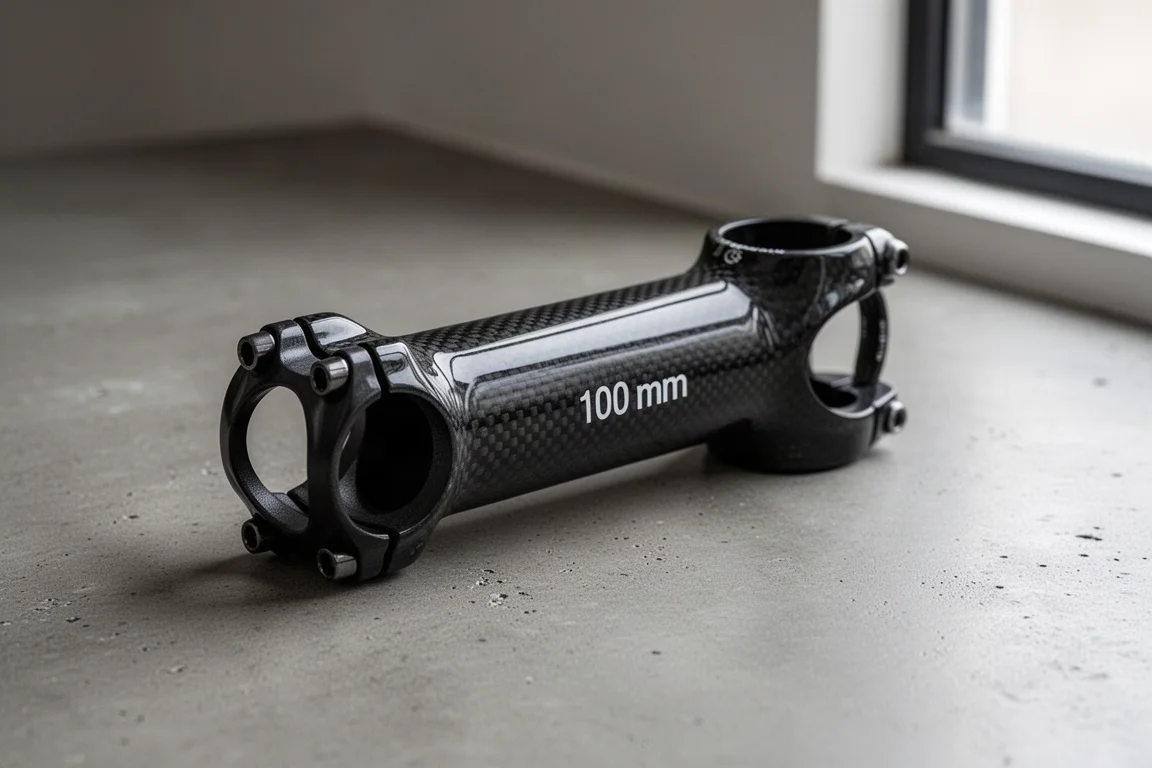
The Contact SLR OD2 sits at the top of Giant’s carbon stem range. It is built from carbon fibre, it will be extremely stiff, and it is priced accordingly at around £230. It is also fairly light, with a claimed 128 g for a 100 mm size.
For riders who want the lightest and stiffest finishing kit available, that combination is the whole point. The open question is how much of that stiffness is detectable in normal riding.
Giant Contact SL OD2 Stem: The Aluminium Alternative
The aluminium Contact SL OD2 is the budget end of the same range and can be found online for just over £42. You would expect a stem costing a fraction of the price to give up a lot in performance and weight. It gives up 18 g. That is the entire difference.
Worked out per gram, saving each gram through the carbon stem costs around £10.44, which is an enormous amount for a component where the practical difference in stiffness for most riders is likely to be minimal at best. The lesson generalises: when you are considering an expensive piece of carbon tech, the aluminium version may deliver 95% of the performance for a fraction of the price.
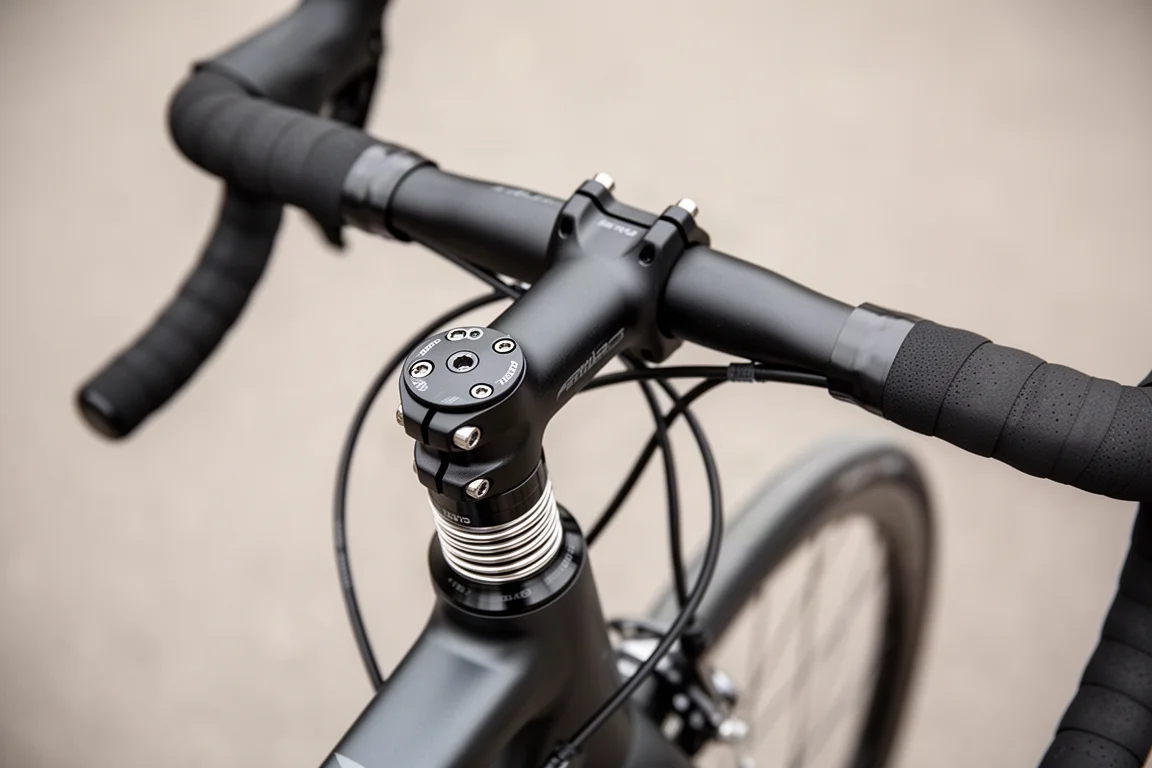
If you are set on carbon finishing kit, buy it for the finish and the pride of ownership rather than an expected performance gain.
Specialized Venge ViAS: The Cost of Fully Internal Routing
Internal cable routing makes bikes slightly faster and much cleaner looking, and it is here to stay. Brands are now far better at making internal gear and brake cables easy to live with, both for build time and for maintenance. A few years ago, that was not the case.
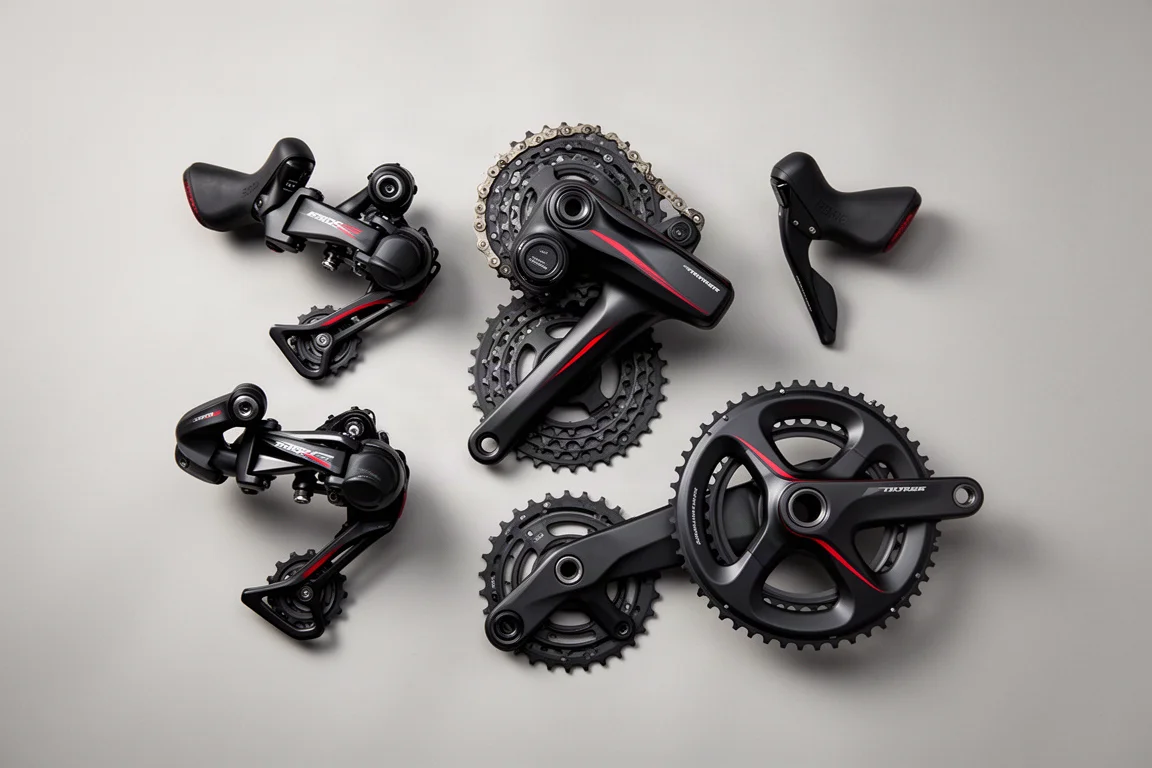
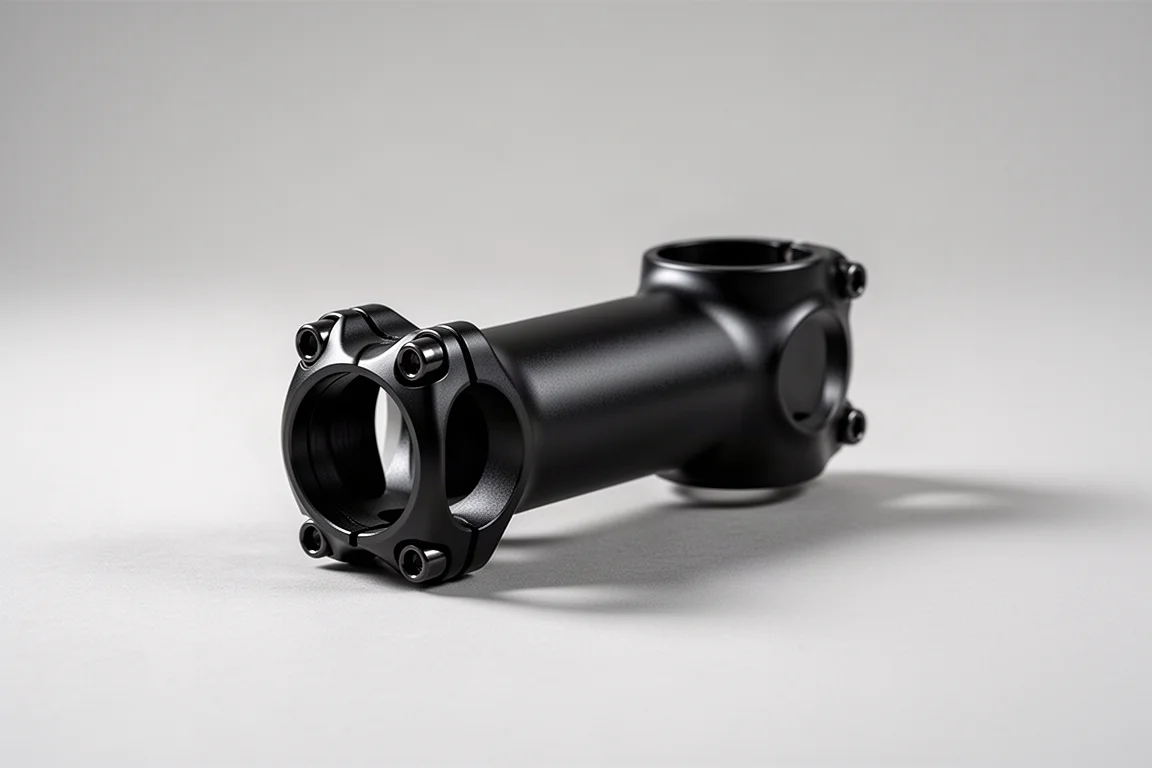
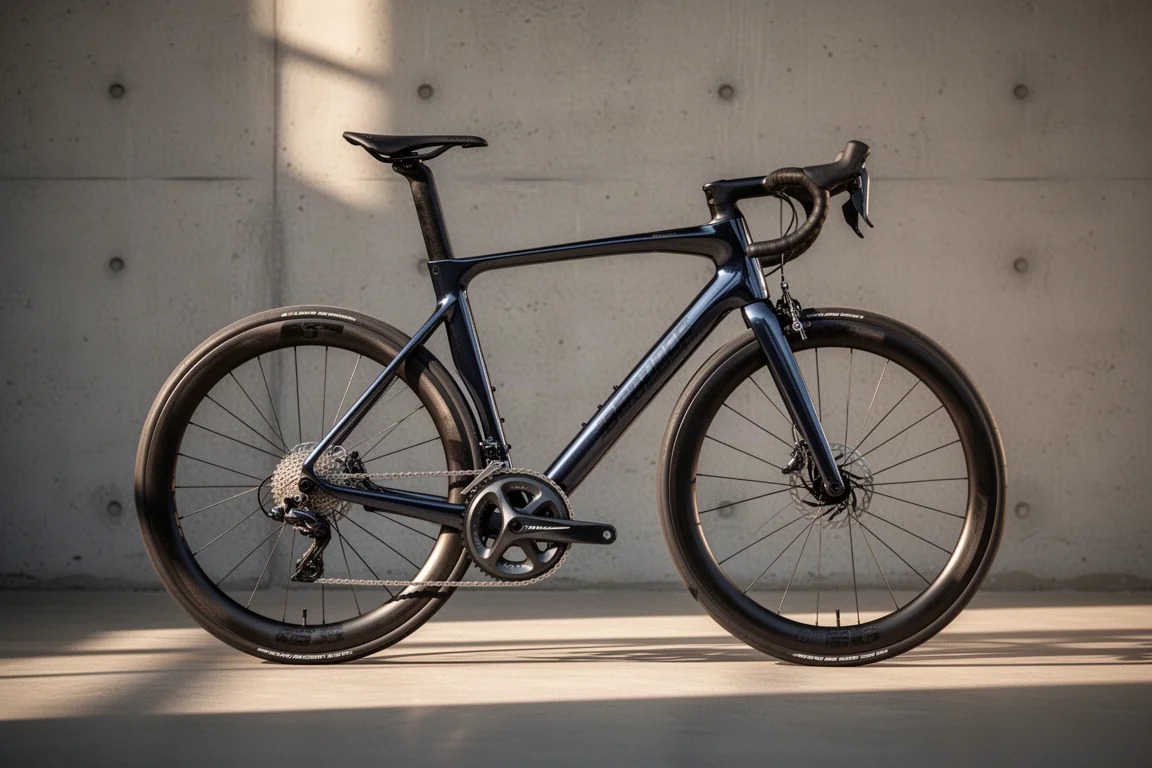
The rim brake Specialized Venge ViAS is a clear example. Launched in 2015 and seen at the time as the pinnacle of aero rim brake design, it was undeniably a fast bike. It also used proprietary brakes and full internal cable routing, which made it a difficult bike to work on, and replacement parts meant going through a Specialized approved dealer.
The Venge ViAS arrived during an awkward transition period, when brands were still deciding whether to commit fully to disc brakes, so the rim brake version looks like a product built out of necessity rather than desire. Most riders are probably glad to see the back of those complicated proprietary setups, even if they represented the peak of the technology at the time.
Shimano Dura-Ace R9200 Crankset: The Premium Finish
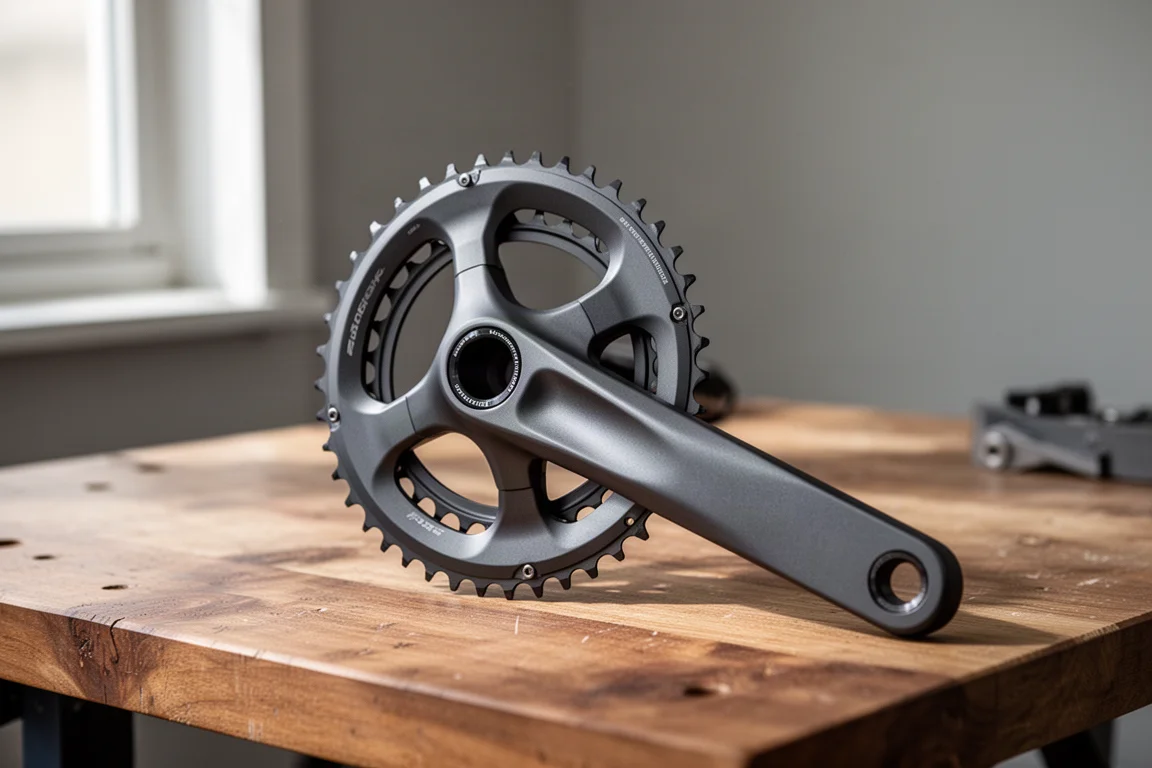
Dura-Ace sits at the top of Shimano’s road range, and the R9200 chainset can be found from around £380 to £430. It comes in a more premium finish than the tier below, and it is lighter.
The weight advantage, though, depends on crank length and chainring size, and it works out at around 19 g. That is a very small amount, and it raises the same question as the carbon stem above: how much of the difference can a rider actually feel?
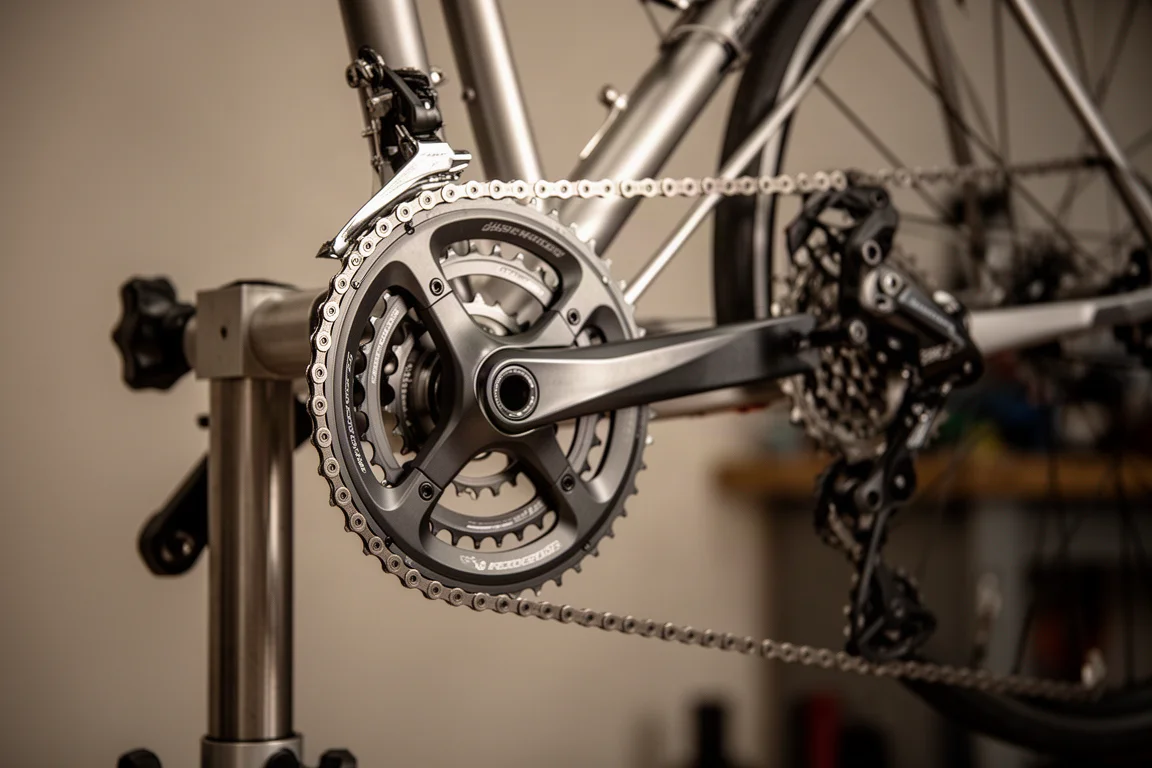
For riders who want the best and are happy to pay for it, that is a legitimate reason to choose Dura-Ace. The finish and the ownership experience are part of what the money buys.
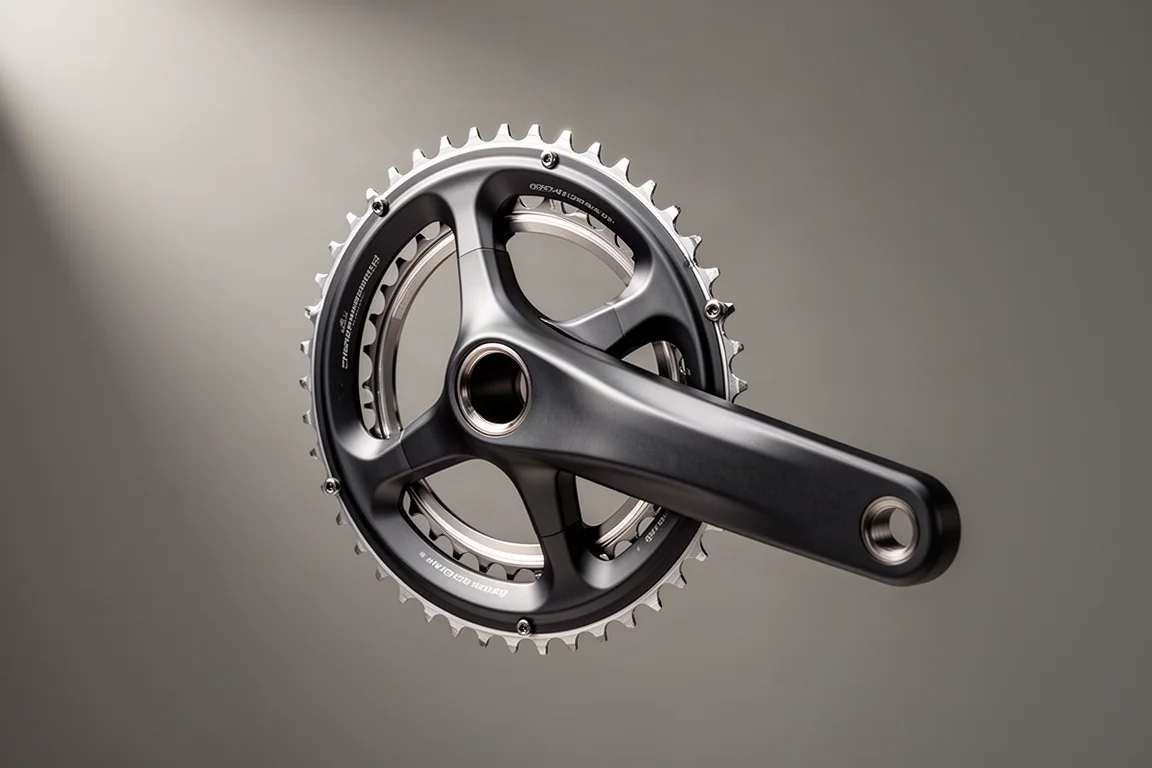
Shimano Ultegra R8100 Crankset: Where the Value Sits
The R8100 series Ultegra chainset can be found from roughly £150 to £200. Against the Dura-Ace equivalent, that is a substantial price difference for a weight difference of around 19 g.
In a blind test, the overwhelming majority of riders would not be able to tell the two cranksets apart. If you are on the fence between mid-tier and top-tier and you are trying to save some cash, the real-world difference between the two is likely to be tiny.
Buying Advice: Where the Extra Money Actually Goes
Across all of these examples, the pattern is consistent. Money at the top of a range buys weight savings measured in grams, a better finish, and sometimes a design decision that makes future maintenance more expensive.
That does not make top-tier components bad. Dura-Ace and SRAM Red AXS are genuinely excellent, and the Venge ViAS was a fast bike in its day. The point is to know which part of the price you are paying for performance and which part you are paying for preference.

A practical approach is to decide in advance what you want from the purchase. If you want the best and the cost is not a concern, buy the best. If you are trying to save money, look closely at the mid-tier option first, because the gap in real-world performance is often much smaller than the gap in price.
Conclusion
Most of the time the cycling industry gets it right, and the products here are not failures. They are simply the places where the premium is hardest to justify: integrated power meter chainrings that tie a wear item to an expensive unit, carbon stems that save 18 g over aluminium, proprietary internal routing that complicates maintenance, and top-tier cranksets that give up around 19 g to the tier below. Buy what makes you happy with what you ride, but go in knowing where the value sits.
Further reading
Related Reviews
Cycling Components
A 20,000-Mile Budget Race Bike Build: Five Parts Worth Knowing
A rim brake race bike assembled from low-cost components and ridden for 20,000 miles. Here is what delivered real speed, what caused problems, and what to weigh before copying the formula.
Cycling Components
7 Bike Fit Products Fitters Avoid: What to Check Before You Buy
Seven bike components that regularly cause knee, foot and saddle problems, with the specific concerns behind each one and what to look for instead.
Cycling Components
Four Affordable Bike Upgrades That Improve Ride Feel
Four low-cost cycling products that make a real difference to ride feel, plus the free setup changes worth trying first.