Road Cycling
Inside a Custom Stainless Steel Road Bike Build: Five Components Worth Knowing
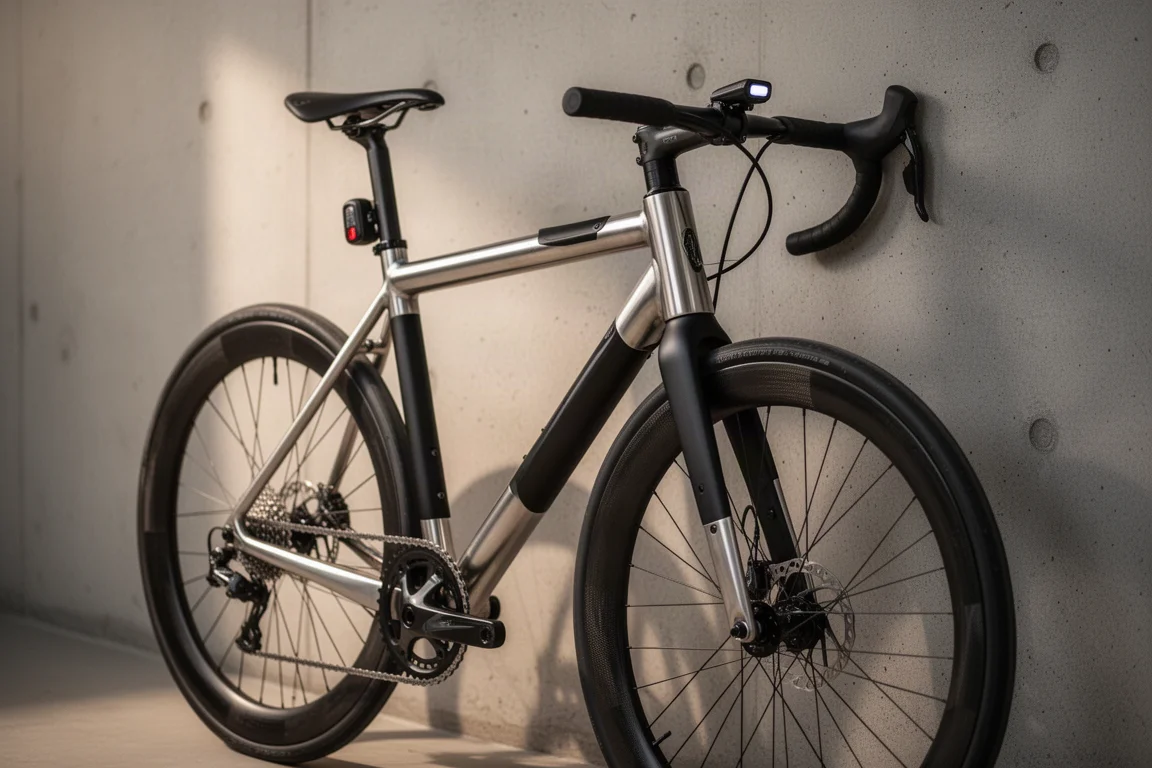
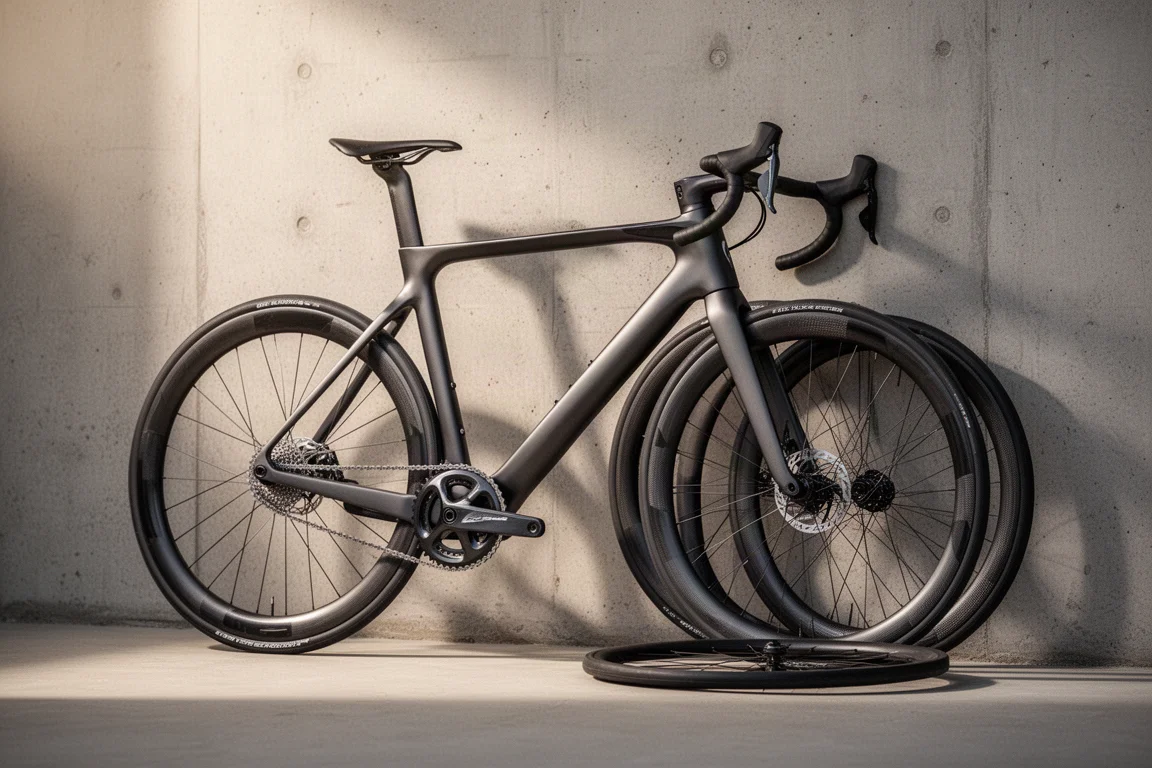
A fully stainless steel road frame paired with SRAM Force AXS Wide, Parcours Strada wheels, a Garmin Edge 1030 and a Garmin Varia radar light.
Introduction
Most performance builds chase grams. This one chases decades.
At the centre of it is a fully stainless steel road frame from Quirk Cycles, finished in a deliberately quiet paint scheme and built up with parts chosen for longevity, low maintenance and everyday usability rather than outright race weight.
The result does not shout. There is a stealthy finish, a set of deep section wheels, a single head unit covering ride data and sensors, and a rear light with radar built in. Every part has a clear reason behind it, and those reasons are useful to understand if you are planning a similar build of your own.
Build Overview: How This Bike Came Together
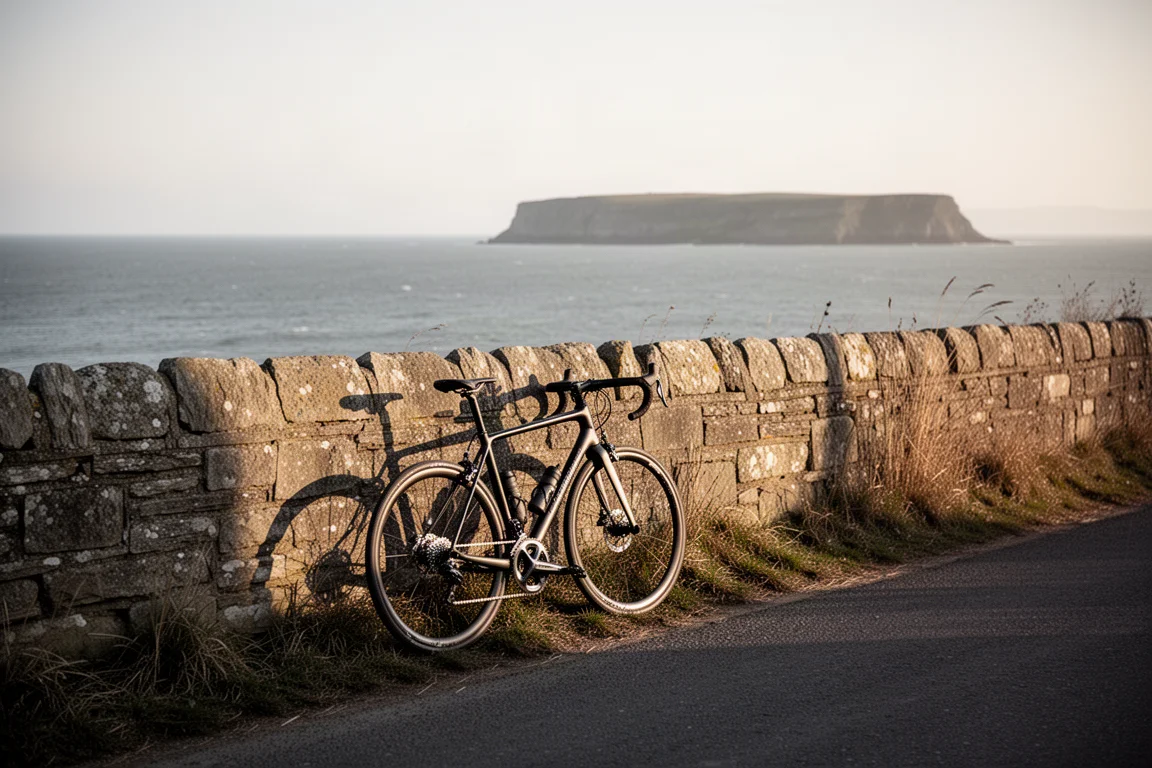
Two priorities shaped this bike. The first was corrosion resistance. A life spent near the coast and in salt air is hard on paint and on conventional steel, so the frame was specified in Italian stainless steel and left largely unprotected, with the expectation that it will outlast a standard steel frame.
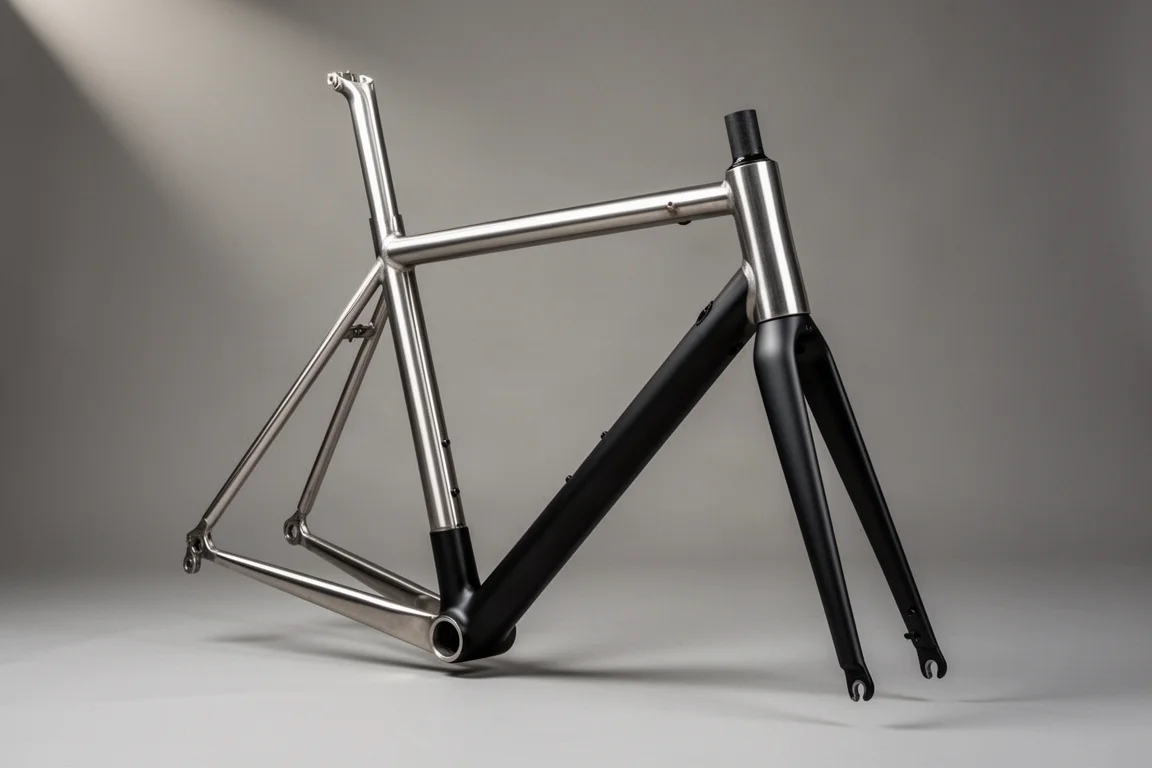
The second priority was restraint. The brief called for a frame and a build that do not catch the eye at a glance but reward a second look. The paint scheme combines two of the finishes offered by the builder, keeping the overall look black while leaving certain panels as raw stainless steel. That is a practical choice as much as a visual one: bare metal can be polished back to remove small chips and any surface rust, and the exposed areas take the worst of the damage thrown up by the wheels.
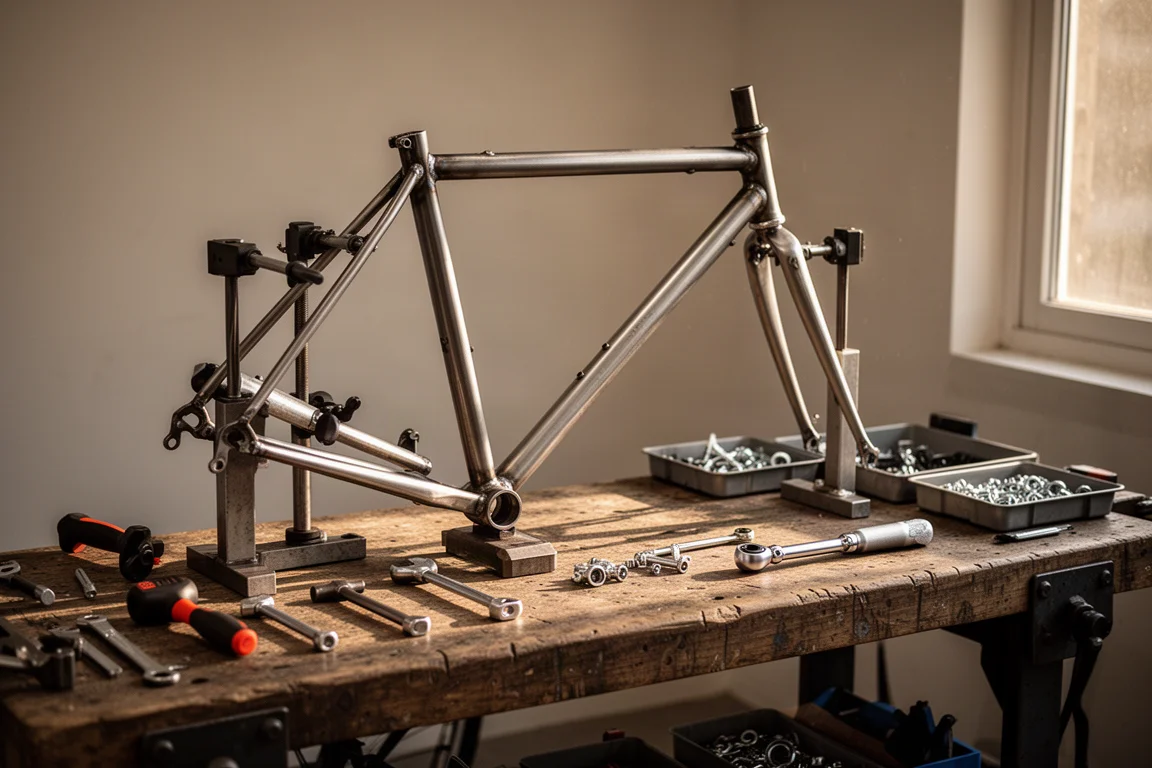
The build is less about any single headline component than about how the parts support one another. A quiet groupset, wheels designed around the tyre width they are paired with, and a head unit that can display everything from cadence to radar alerts all pull in the same direction.
The Frame: Quirk Cycles Stainless Steel
Stainless steel is the anchor of this build. A fully stainless frame with minimal protection is a long-term play: it resists the corrosion that coastal air and wet roads encourage, and it is expected to last well beyond the service life of a conventional steel frame.
The finish is a deliberate mix rather than a single factory colour. The scheme combines two of the paint options offered by the builder, with the black sections carrying the stealthy look and the stainless sections left raw. Those raw areas sit where road spray hits hardest, which makes them the easiest place to deal with chips and surface rust when they appear.
The cost of the approach is straightforward. Specifying stainless steel added roughly £1,000 to the frameset, putting it well above a standard steel frame. For a rider who wants a frame to last a lifetime, that is the trade being made.
The Groupset: SRAM Force AXS Wide
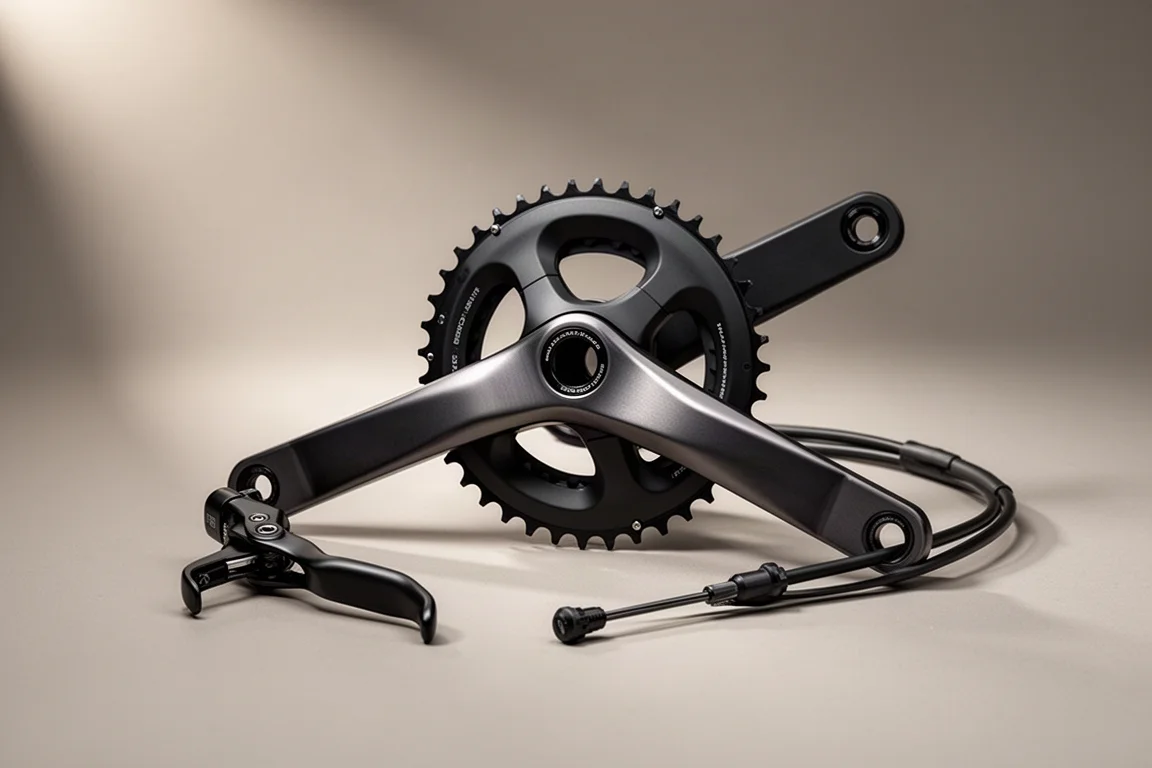
The drivetrain follows the same logic as the frame. SRAM Force AXS Wide was specified for two reasons: it keeps the look clean, and it keeps the cable runs to a minimum. With this groupset the only lines left on the bike are the hydraulic hoses for the brakes, which suits a build that is trying not to draw attention to itself.
It is also a deliberate step below the top of the range. A higher-tier groupset with more colour was an option, but the more understated finish of Force was the better match for the rest of the bike.
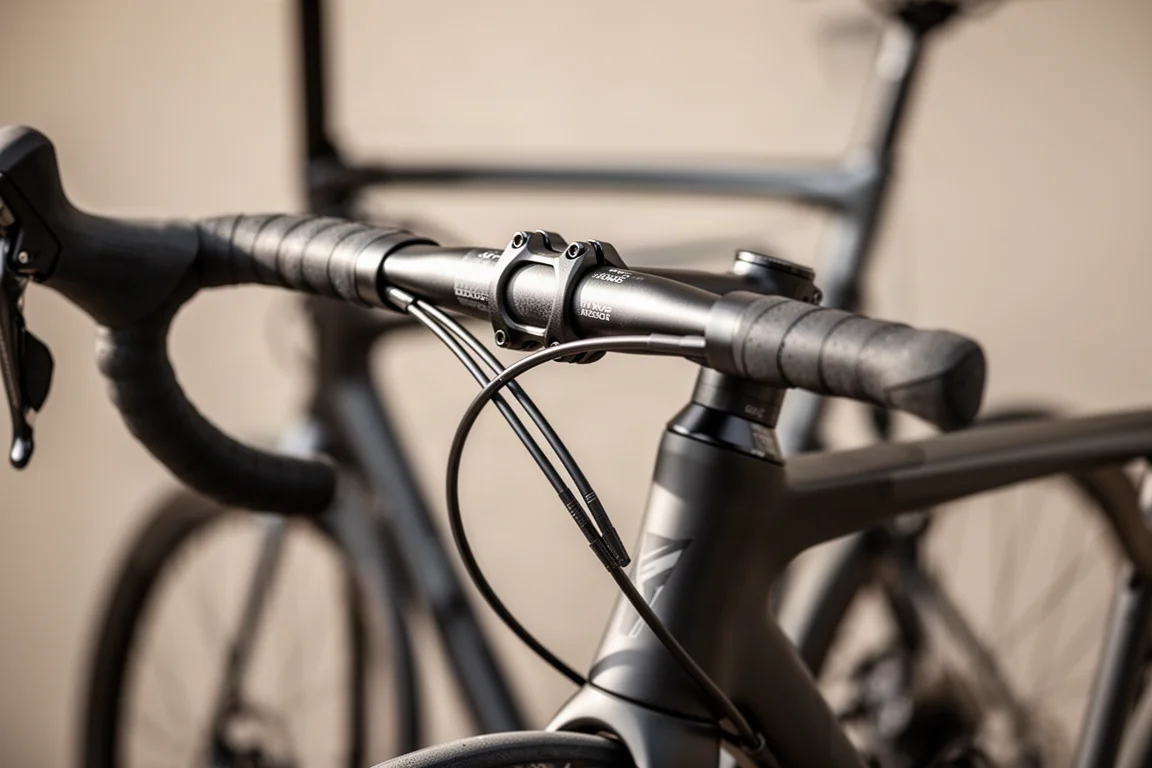
For anyone building something similar, the takeaway is that the groupset is a styling decision as much as a performance one. Force AXS Wide keeps the front end tidy and the frame uncluttered, and it does so without stepping up to the most expensive tier.
The Wheels: Parcours Strada
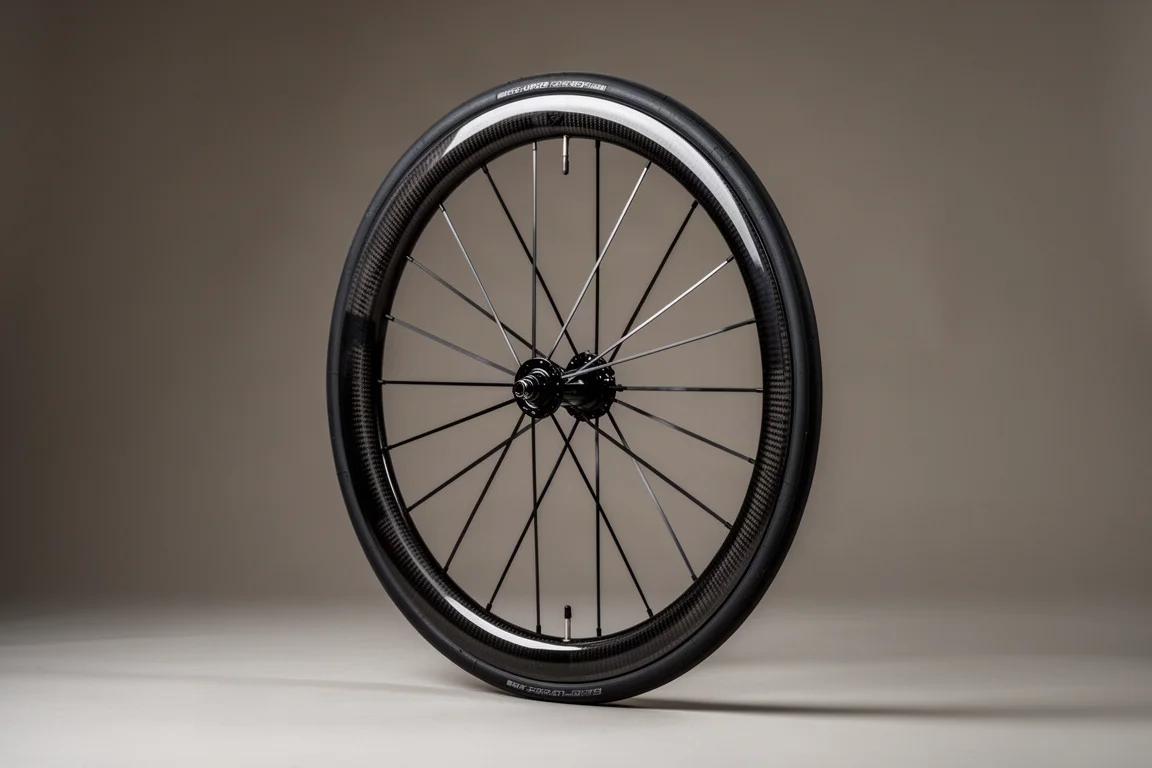
The wheels are Parcours Strada, a deep section set designed to work best with 28mm tyres. The pairing matters: with a 28mm tyre fitted, the transition from tyre to rim is flush, which is how the wheels were designed to perform aerodynamically.
Deep section wheels have a reputation for feeling twitchy in crosswinds, particularly on exposed country roads. This set has proven comfortable in exactly those conditions, which is the main reason it is worth considering if you ride in a windy area and have been put off deep rims in the past.
If you are running 28mm tyres, matching the wheel to the tyre width is what makes the flush junction work. Fit a narrower or wider tyre and you lose the shape the rim was designed around.
The Computer: Garmin Edge 1030
The head unit is a Garmin Edge 1030, bought as a bundle that includes speed and cadence sensors. It became the hub of the build: power data was added later with a set of power meter pedals, and the same screen displays radar alerts from the rear light.
That is the real argument for a single, capable computer. Instead of juggling separate devices for ride data, sensors and safety alerts, everything arrives on one screen in front of you.
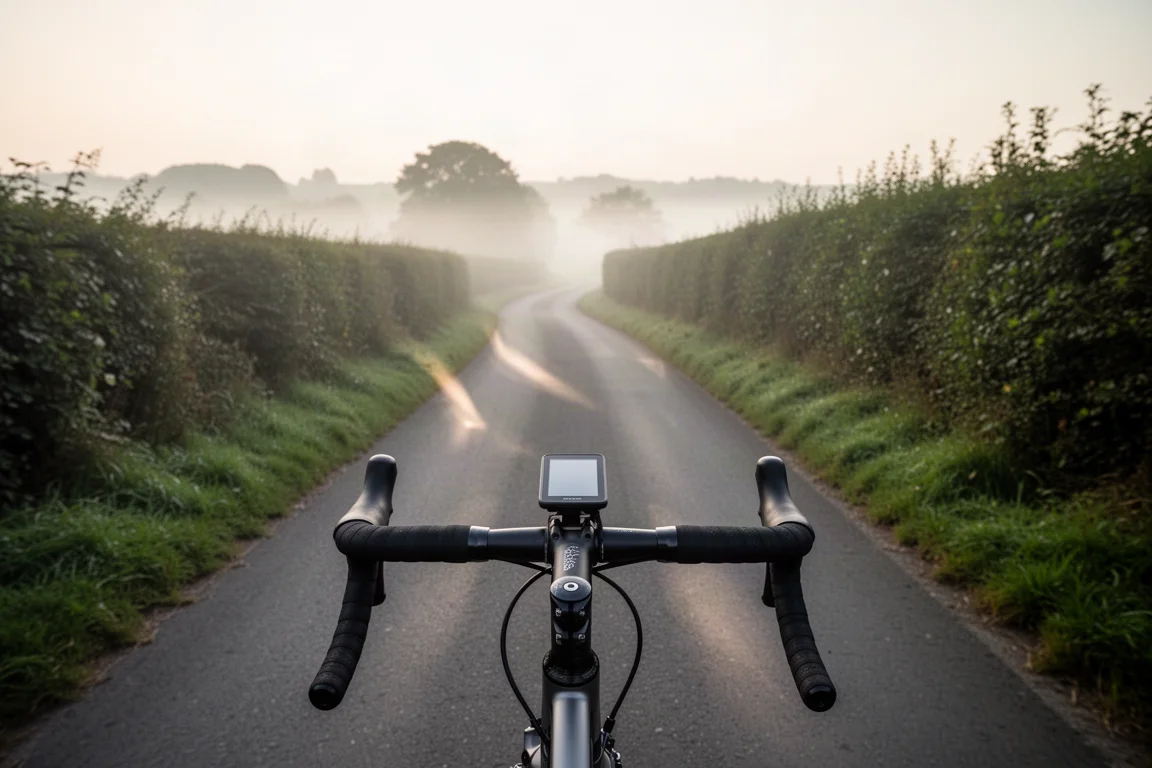
If you are building a bike from scratch, it is worth deciding early which computer you want, because it determines which sensors, power meters and radar lights will pair with your setup. The Edge 1030 gives you room to add those pieces over time.
The Radar Light: Garmin Varia
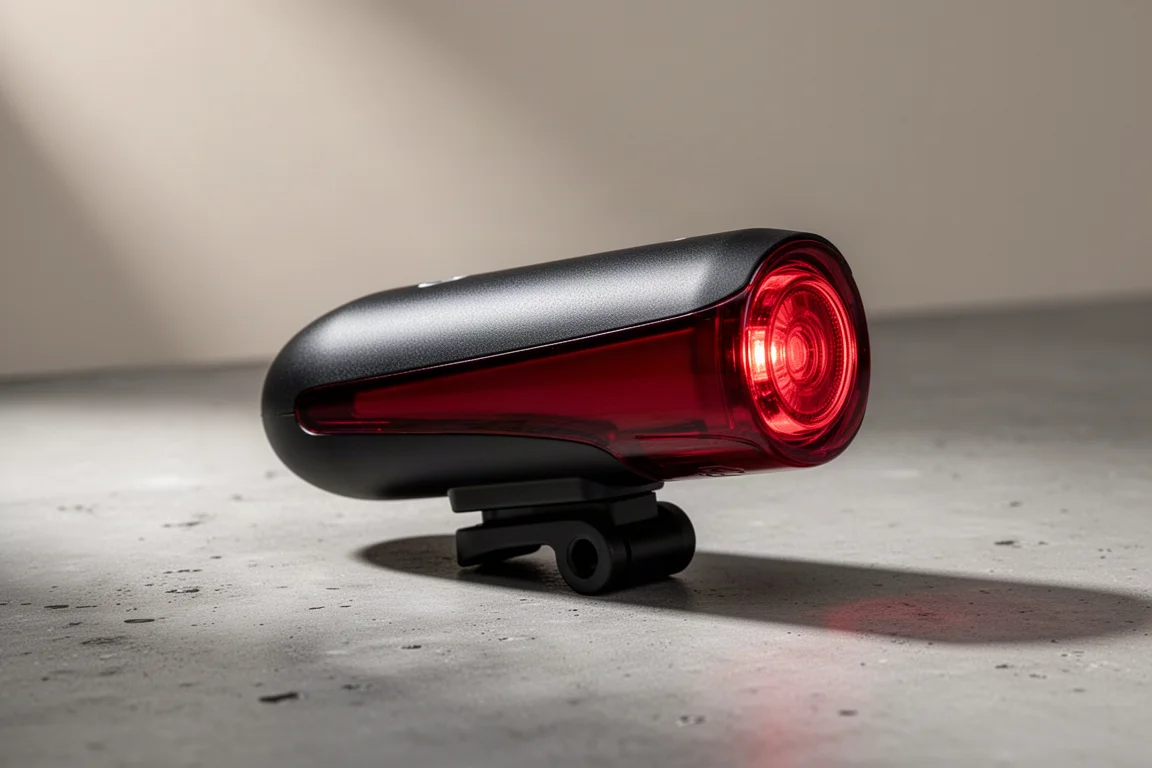
The last piece is a Garmin Varia, a rear light with radar built in. It was added for comfort on busy country lanes and single-track roads, where traffic can appear behind you with little warning. The radar feeds alerts to the head unit, so you know something is approaching without constantly glancing over your shoulder.
It is important to be clear about what this does and does not do. Radar is an aid, not a replacement for a shoulder check, and it should be treated that way. Used alongside a mirror or a habitual look back, it adds a useful layer of awareness on roads where passing traffic is a constant factor.
Buying Advice for Your Own Build
If this build appeals, the useful lesson is to start with the problem you are solving rather than the part you want to buy.
- Corrosion and longevity: a stainless steel frame costs more, but it is the component that decides how the bike ages. If you ride near the coast or in wet conditions, that premium can make sense.
- Tyre and wheel matching: the Parcours Strada wheels are designed around 28mm tyres, and the flush tyre-to-rim junction is what makes them work aerodynamically. Fit the width the wheel was designed for.
- One ecosystem: a single head unit that handles sensors, power data and radar alerts keeps the cockpit simple and the setup easy to live with.
- Finish as a decision: an understated groupset and a quiet paint scheme keep the whole build looking consistent.
Budget is the other variable. Stainless steel added roughly £1,000 to this frameset, and what that money buys is corrosion resistance and longevity rather than outright speed. Whether it is worth it depends entirely on where and how you ride.
Conclusion
Taken as a whole, this build makes a coherent argument: choose parts for how you actually ride, then let the finish tie them together. A stainless steel frame handles the corrosion question, a quiet groupset keeps the cable runs and the colour palette under control, wheels matched to their tyre width deliver the aerodynamic benefit they were designed for, and a single head unit with a radar light covers data and awareness in one place.
None of those choices are flashy, and that is the point. If you are planning a build of your own, the useful question is not which part is fastest, but which part solves the problem you will still have in five years.
Further reading
Related Reviews
Road Cycling
Best Looking Tour de France Bikes: Eight Race Machines and Their Paint Schemes
A closer look at eight Tour de France race bikes, from a gold-detailed presentation build to rainbow watercolours, water-transfer finishes and a clean title-sponsor livery.
Road Cycling
Best Road Bike Upgrades 2026: Clipless Pedals Compared and What to Change First
Two clipless pedal systems worth shortlisting for 2026, plus the lighter inner tubes, wheels, tires and saddles that genuinely change how a road bike rides.
Road Cycling
Best Road Bike Upgrades 2026: Five Pro-Level Picks Worth Buying
Five road cycling upgrades tested over months of hard riding, from a carbon-shell helmet and mixed-depth wheels to a tubeless race tire and a tight aero jersey.