Cycling Components
Custom Alloy Road Bike Build: 8 Components Worth Considering
A premium alloy road bike build examined component by component, from the Trek Emonda ALR frameset to the finishing kit, with weights, trade-offs and buying advice.
Introduction
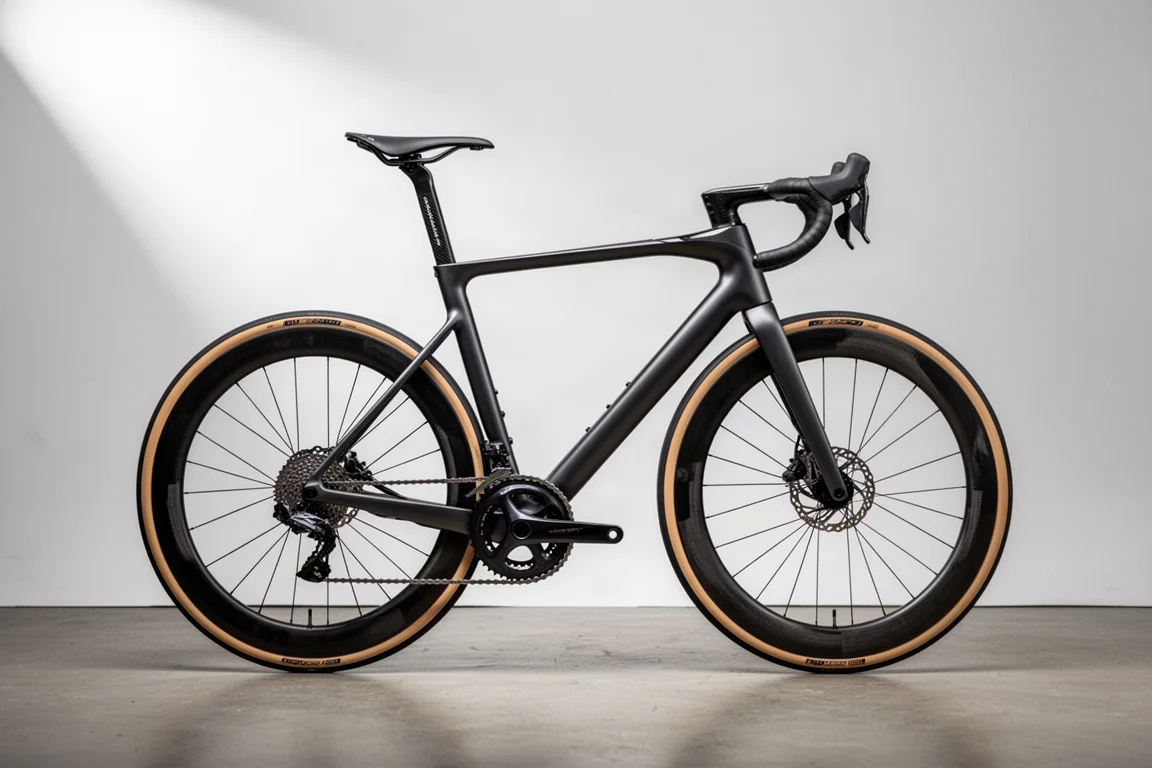
A custom road bike built around a premium aluminium frameset can deliver many of the high-end touch points usually associated with carbon, and it can be tailored precisely to the rider and the terrain. This build pairs a Trek Emonda ALR frameset with Shimano Ultegra R8100, Hunt Aerodynamic 32 wheels and a carefully selected finishing kit.
Fully assembled in a 52 cm size, with pedals, computer mount and bottle cage fitted, the complete bike weighs 7.8 kg. That is a strong figure for an aluminium frame paired with a second-tier groupset, and there is clear scope to bring it lower.
What This Build Prioritises
Every part here was chosen with one question in mind: how much performance does each pound or dollar actually buy? The frameset, groupset and wheels all sit at the point where spending more starts to deliver diminishing returns.
The result is a bike that leans on proven, serviceable components rather than headline specifications, and it is well suited to winter riding. With lighter summer tyres and a few further changes, the build is expected to drop around 150 g and land below 7.5 kg, which would be a strong figure for an aluminium frame with a second-tier groupset.
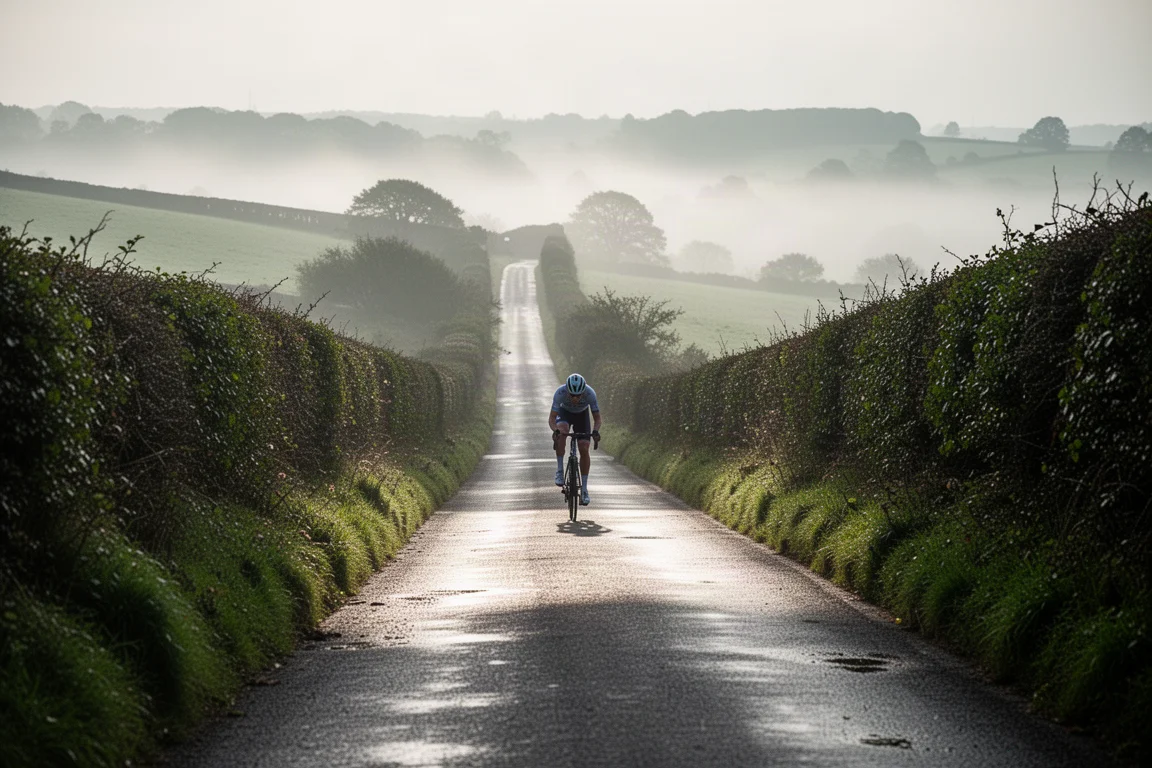
That target matters because it puts the bike in the same weight conversation as considerably more expensive machines, while keeping the frame material and groupset tier modest.
Trek Emonda ALR Frameset
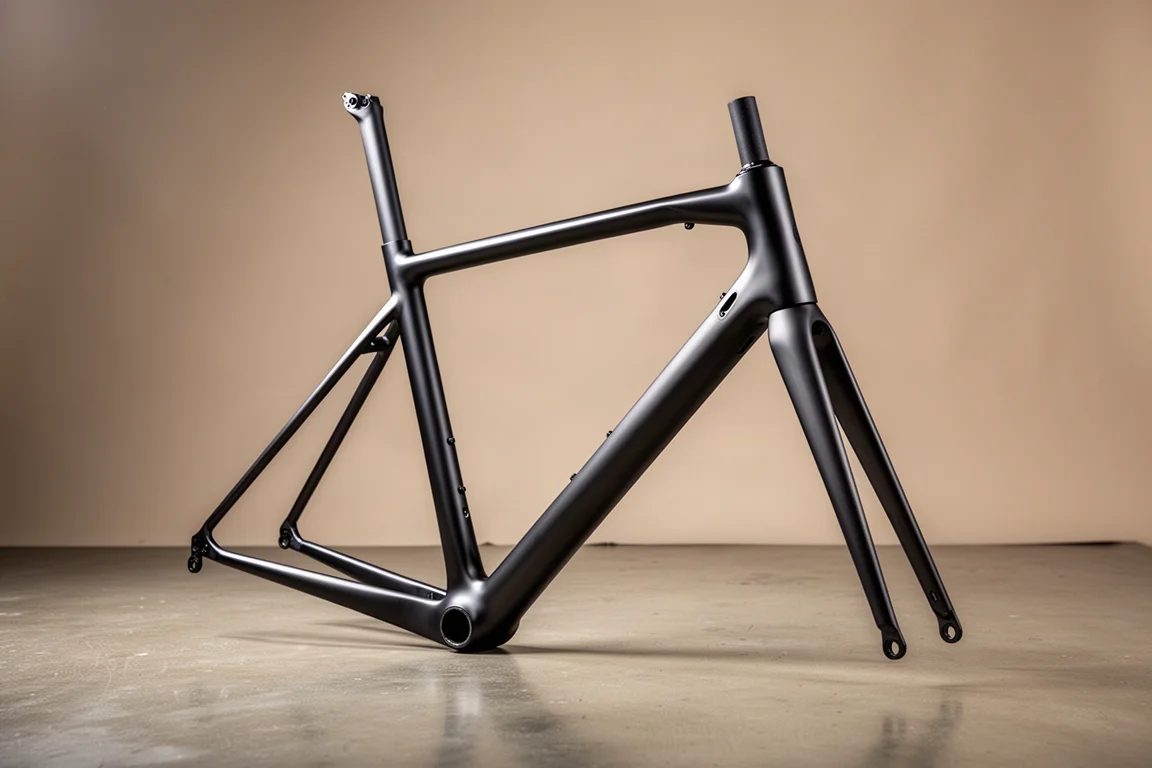
The Emonda ALR is the foundation of the build and the part that shaped everything else. It is a premium aluminium frameset introduced not long before the build came together, and it has the kind of finish and detailing that makes a high-end alloy project feel worthwhile.
Alloy framesets like this one appeal to riders who want a light, responsive chassis without carbon pricing, and who would rather spend the difference on wheels, contact points and tyres. The frame also leaves room to grow, since components can be swapped or upgraded over time without replacing the whole bike.
Shimano Ultegra R8100 Groupset
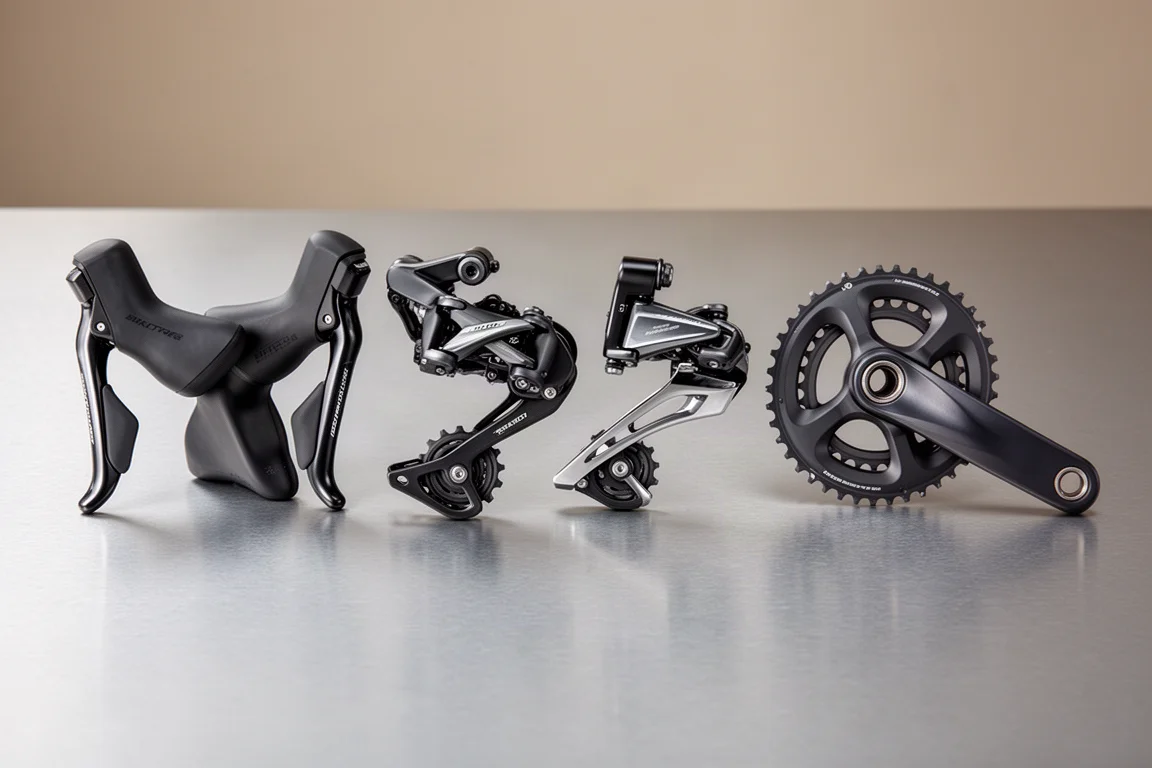
Ultegra R8100 was chosen because it balances price against performance better than the tier above it. This build runs a 52/36 chainset with 170 mm cranks and an 11-30 cassette, a combination that covers rolling terrain and steep inclines without leaving obvious gaps.
The inner ring could be swapped from 36 to 38 teeth later as fitness improves, which keeps the gearing flexible rather than fixed. For most riders the current spread will be the more comfortable choice.
Hunt Aerodynamic 32 Wheels
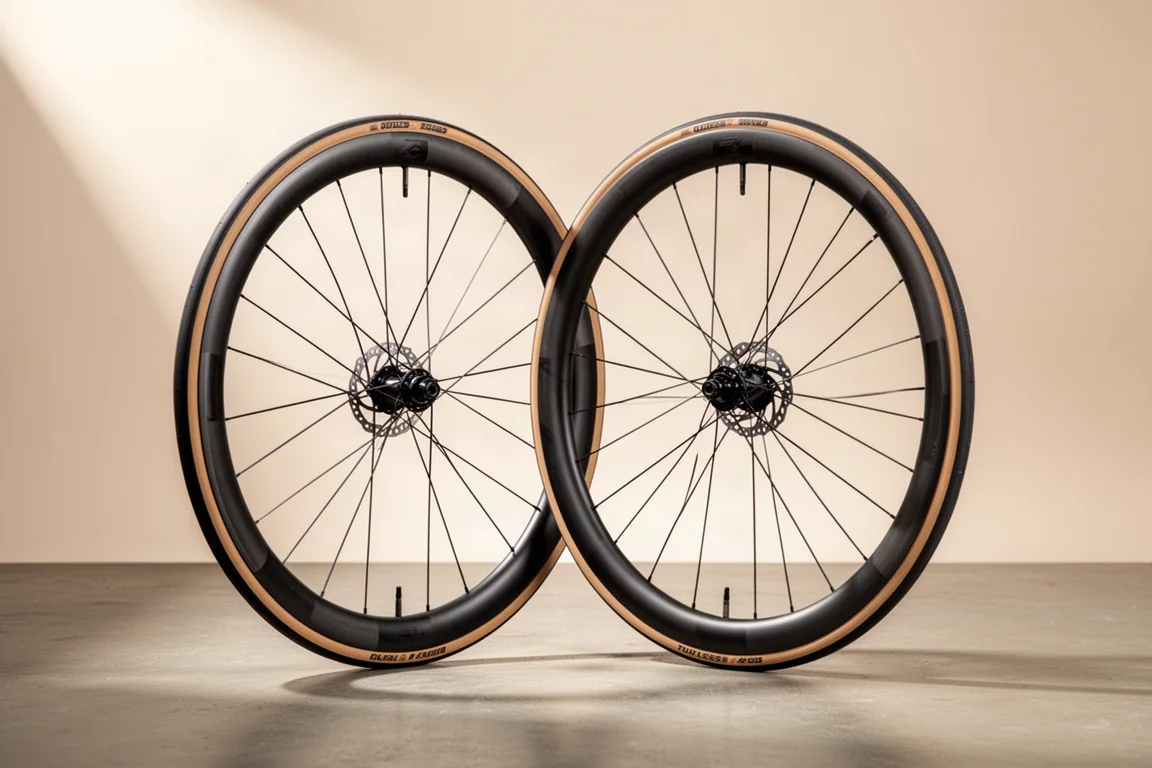
The Aerodynamic 32 wheelset has a claimed weight of 1,213 g, helped considerably by its carbon spokes. The practical result is very quick acceleration and a snappy feel under hard efforts.
Tubeless setup has been straightforward, using sealant and the valves supplied with the wheels, which have performed well so far. There is a caveat worth flagging: this is a first outing with a hookless tubeless rim and carbon spokes, so long-term durability remains an open question rather than a settled one.
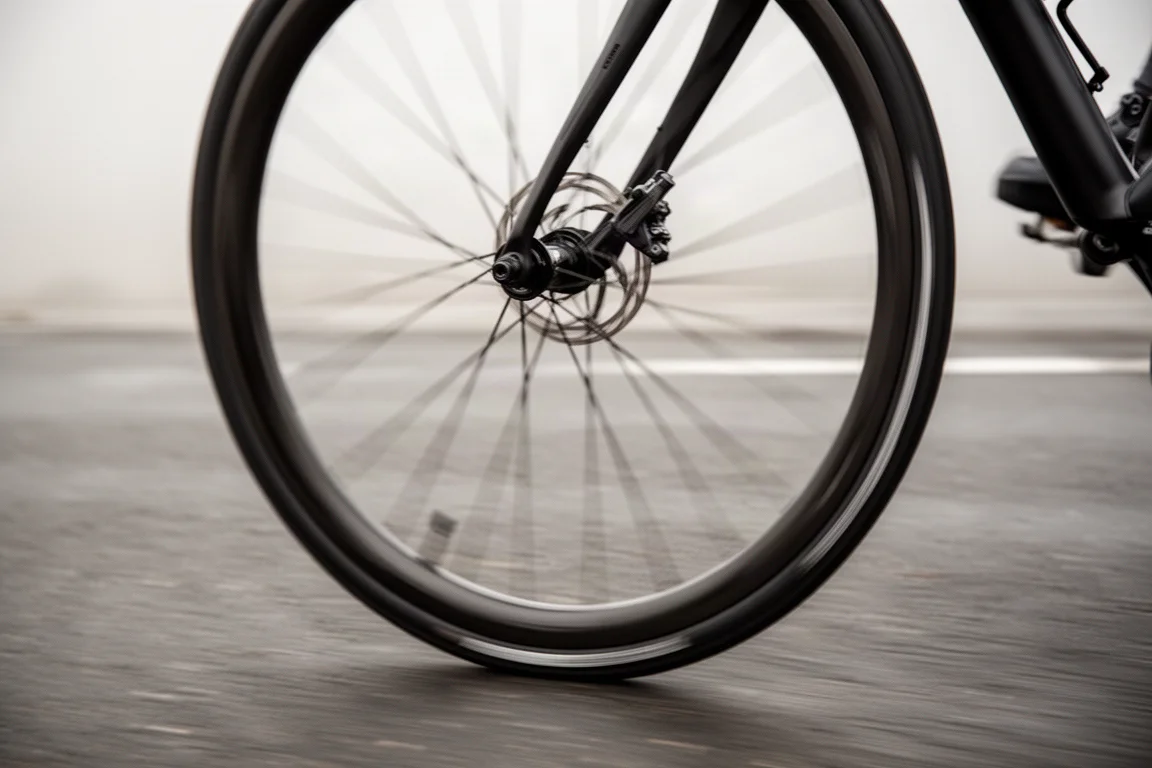
Riders considering the same combination should treat the first season as a learning period, checking spoke tension and tyre seating regularly, and keeping a spare tube and plug kit on hand.
Specialized S-Works Mondo Tires
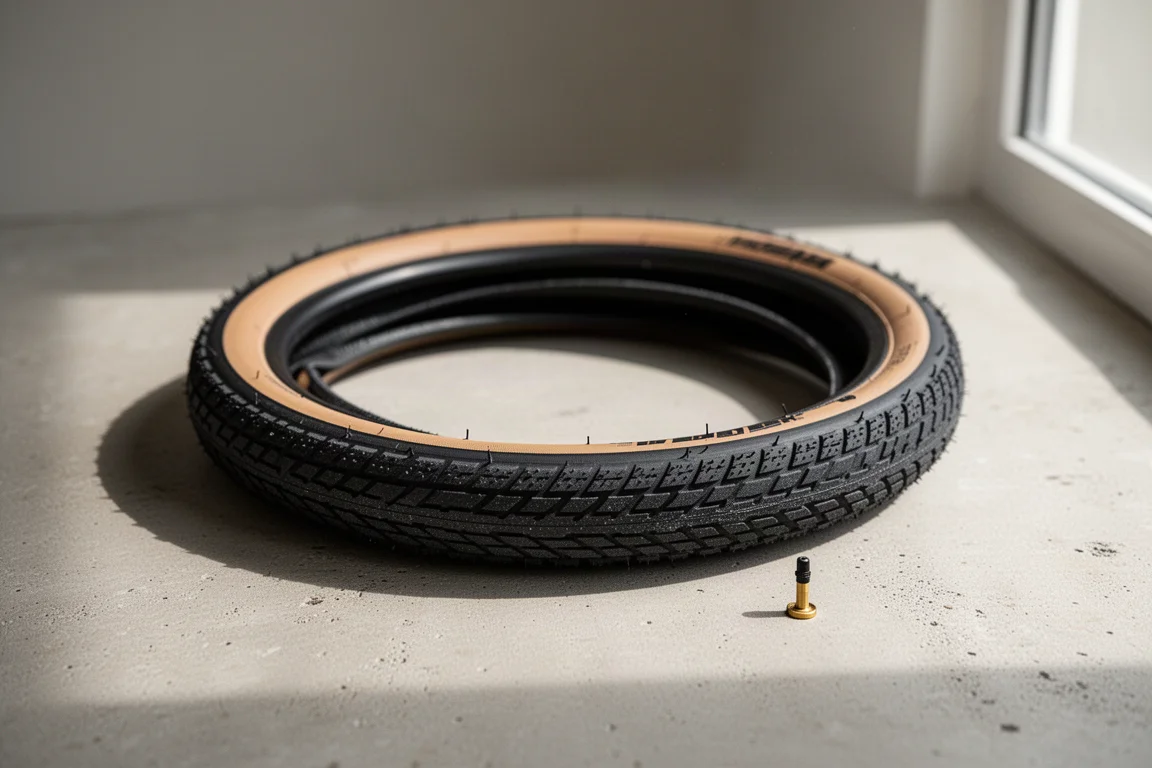
The S-Works Mondo tyres use the same rubber compound found on the S-Works Turbo range but with a stronger casing, which makes them better suited to all-weather riding. They are fitted tubeless here.
That combination of fast-rolling rubber and a more durable casing is a sensible match for a bike that will be ridden through winter and then, with lighter summer rubber, taken into faster conditions.
Bontrager Aeolus RSL VR-C Integrated Cockpit
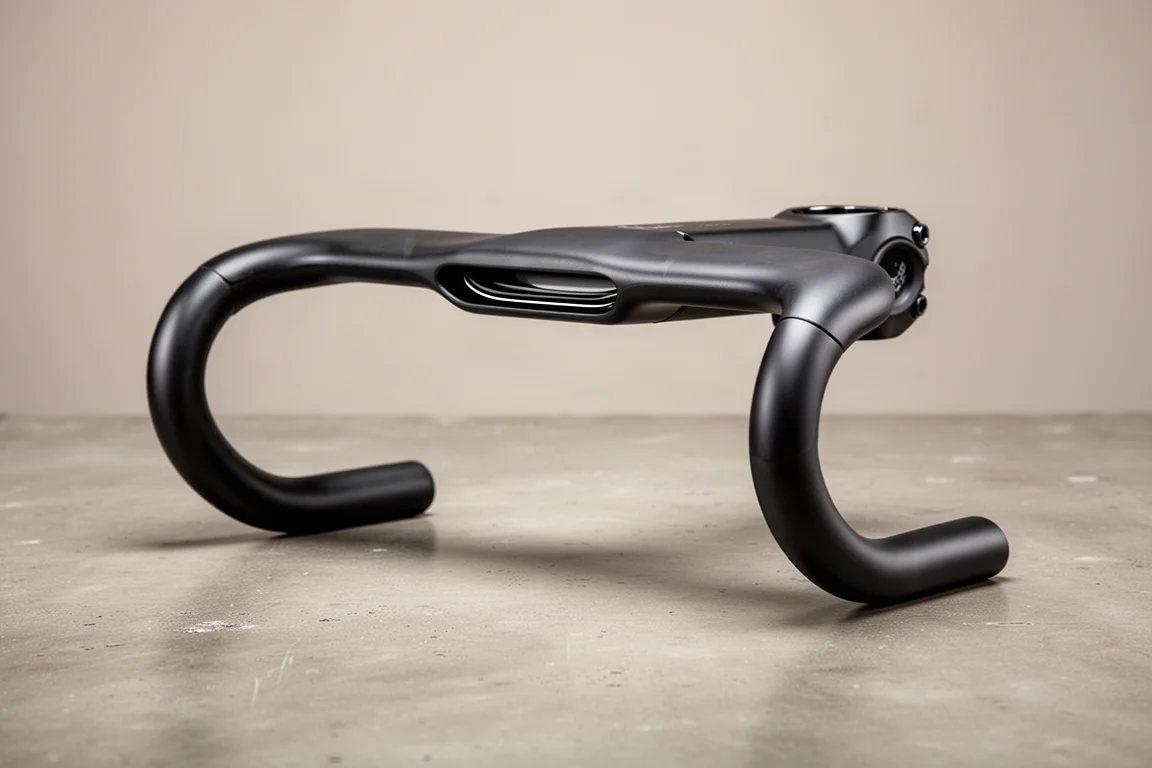
The Aeolus RSL VR-C cockpit was picked over many alternatives for one practical reason: how it handles brake hoses. Rather than routing everything internally, the bars use an external channel along the outside of the bar, with a small cover holding the hoses in place. That delivers the clean integrated look without the maintenance headaches of fully internal routing.
This build uses a 38 cm bar width with a 90 mm stem. The bars also accept the brand’s Blendr computer mount, so a cycling computer sits flush with the top of the bar. Because the cockpit works with a standard steerer tube, bar height can be adjusted, though the limited give in the hoses means moving them takes some gentle persuasion.
Bar tape is the Supacaz Super Sticky Kush, a long-standing favourite for grip and durability.
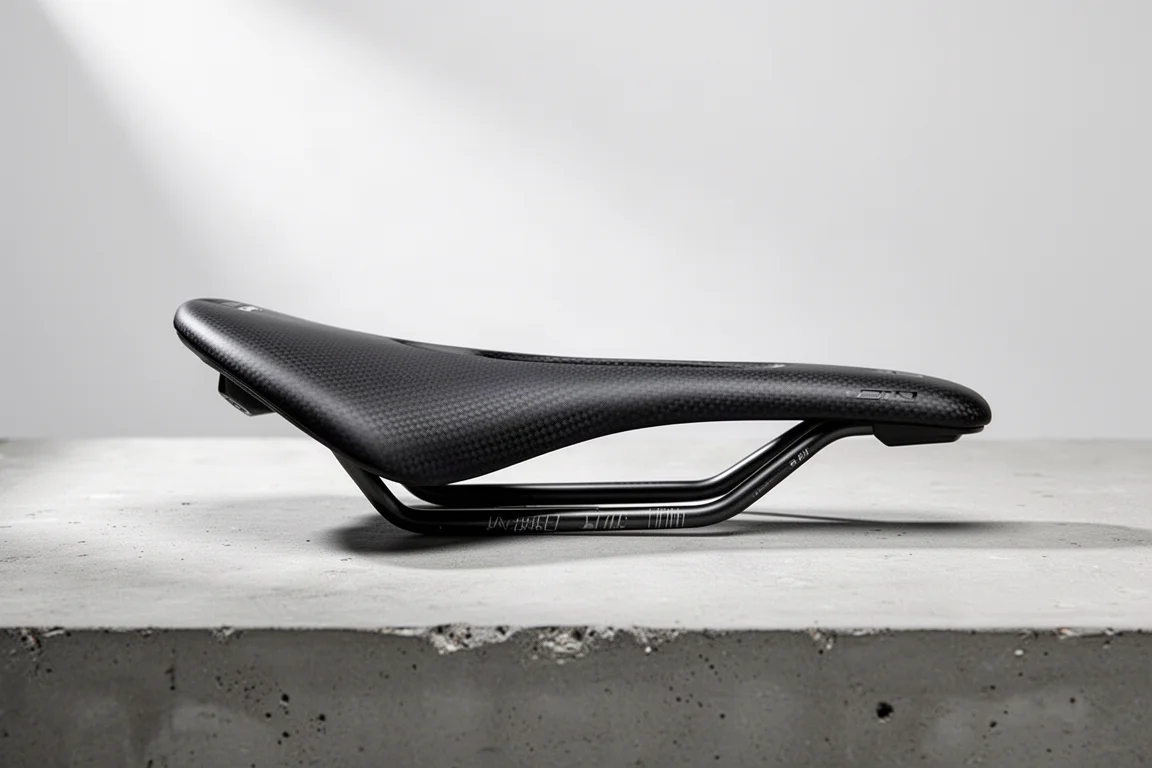
Fizik Vento Argo 00 Saddle
The Vento Argo 00 is a well-liked shape for riders who spend long hours in the saddle, and it sits on a Trek RSL inline carbon seatpost here.
Choosing a saddle you already trust is one of the cheapest performance gains available on a custom build, since comfort affects how hard and how long you can ride far more than a few grams of weight.
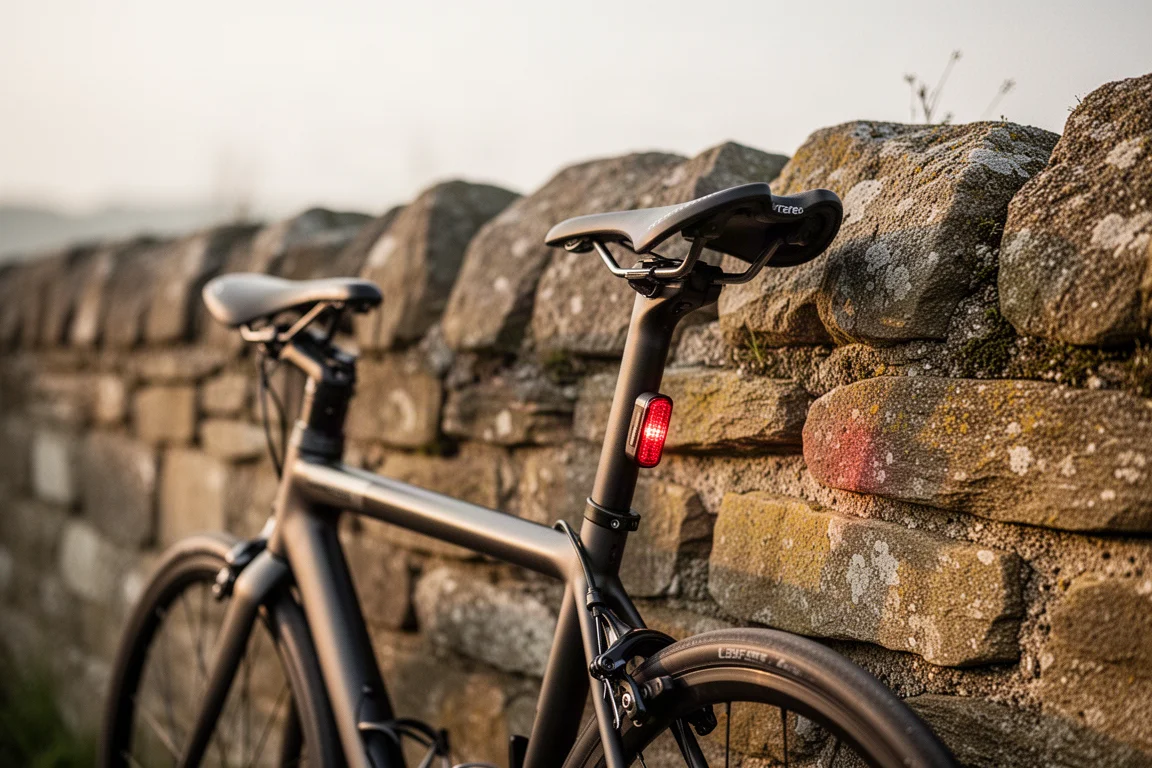
The inline seatpost keeps the position forward and the lines clean, and the carbon construction keeps weight down without adding flex that would be noticeable under normal riding.
Exposure Tracer Rear Light
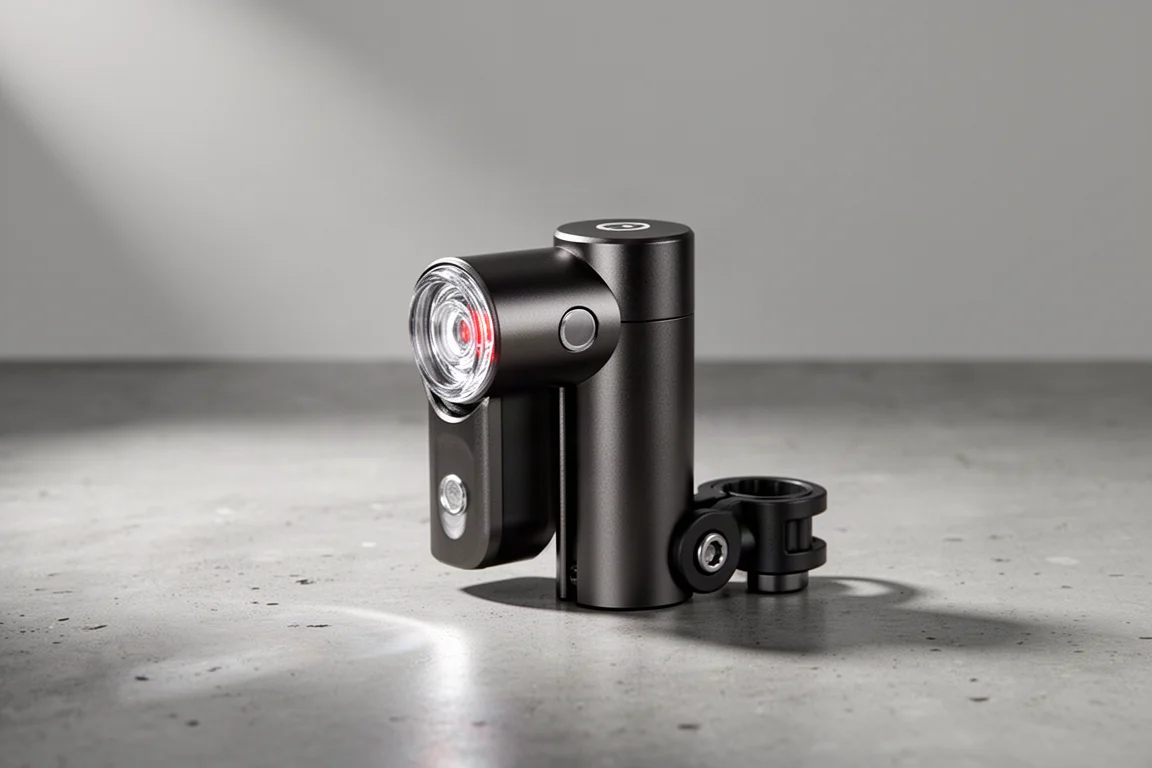
The Tracer is mounted on a 3D printed bracket that clamps to the saddle rails rather than the seatpost. That puts the light high up and out of the way, and it keeps the carbon seatpost free of scuffs and clamp marks.
It is a small detail, but one that pays off over years of riding, particularly on a build where the finishing kit is expensive to replace.
Look Keo Blade Pedals
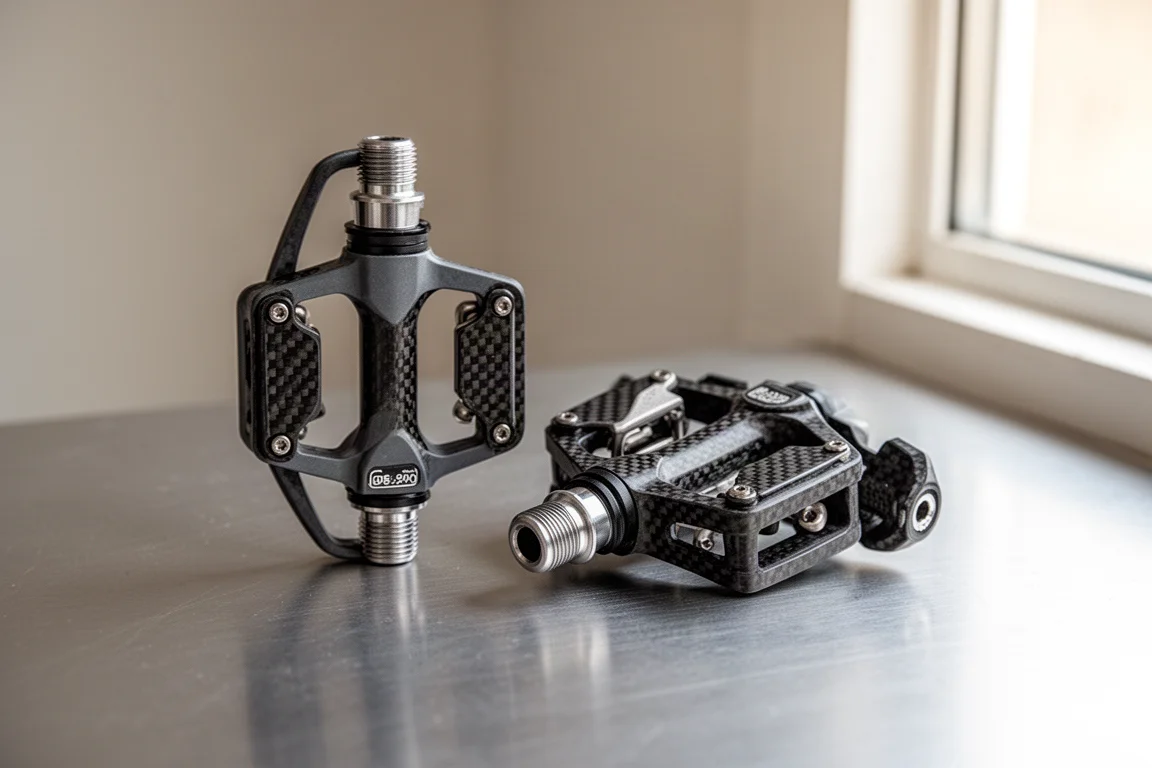
The Keo Blade pedals have been in service for roughly eight years, recently refreshed with new retention clips and carbon blades. That kind of longevity is a useful argument for buying a pedal platform you can service rather than replace.
Anyone building a bike from scratch should factor pedals into the budget, since they are often excluded from headline build costs.
Overall Buying Advice
A build like this costs £4,695.57 at the prices available on 19 December, and that figure excludes pedals, the bottle cage, the cycling computer, the rear light and any labour to assemble the bike. Parts pricing in the US will differ from UK pricing, so treat any figure as a starting point rather than a fixed total.
The obvious comparison is a fully built carbon bike. The Canyon Ultimate CF SL8 Aero sits at a very similar price point and a very similar claimed weight, and it includes a power meter. That is a strong package on paper, and riders who want the simplest path to a fast bike should weigh it seriously.
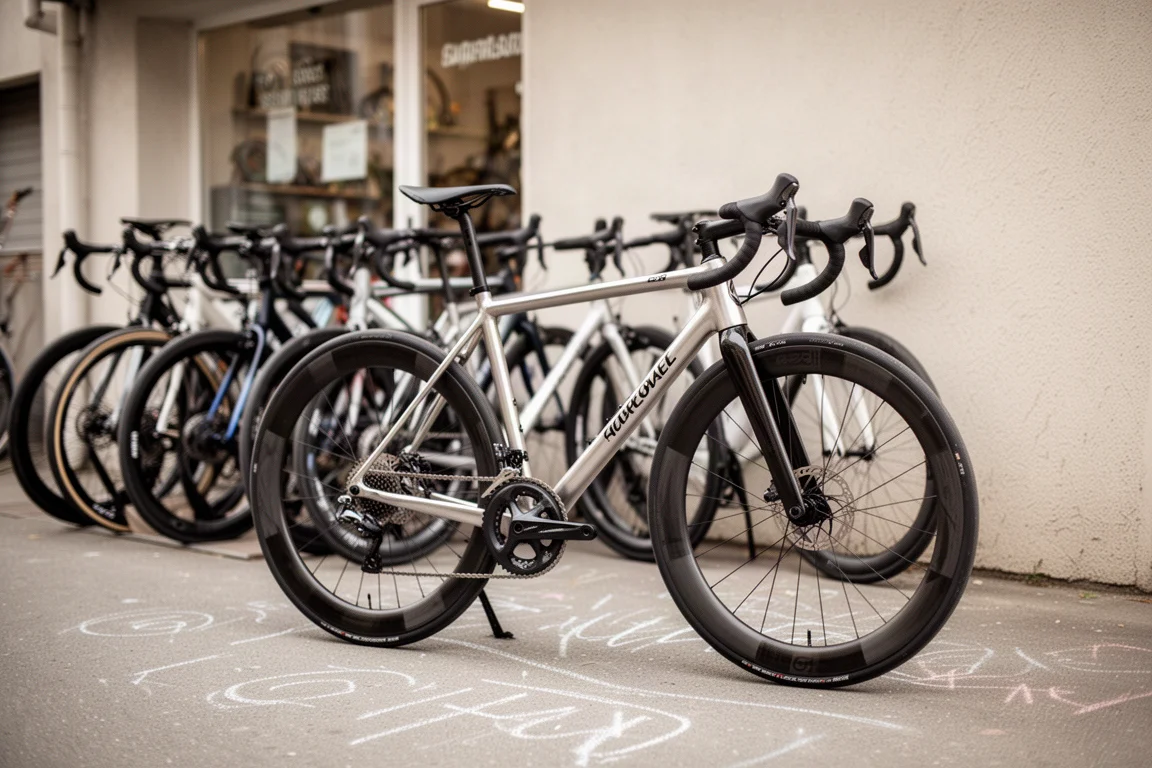
The argument for the custom alloy route is different. It offers the freedom to choose every component in the size and specification that suits a particular rider, and the result is a machine that balances price and performance while remaining distinctive. Riders who enjoy the process, who already know which saddle, bar width and gearing work for them, and who value serviceability, will get the most from this approach.
Conclusion
This build shows what a premium aluminium frameset can do when it is paired with sensible, well-chosen parts. At 7.8 kg complete, with a clear path below 7.5 kg, it stands up well against far more expensive bikes, and every component can be maintained, replaced or upgraded individually.
For riders who want a fast, light road bike with a personal specification, the component list here is a sound template.
Further reading
Related Reviews
Cycling Components
A 20,000-Mile Budget Race Bike Build: Five Parts Worth Knowing
A rim brake race bike assembled from low-cost components and ridden for 20,000 miles. Here is what delivered real speed, what caused problems, and what to weigh before copying the formula.
Cycling Components
7 Bike Fit Products Fitters Avoid: What to Check Before You Buy
Seven bike components that regularly cause knee, foot and saddle problems, with the specific concerns behind each one and what to look for instead.
Cycling Components
Four Affordable Bike Upgrades That Improve Ride Feel
Four low-cost cycling products that make a real difference to ride feel, plus the free setup changes worth trying first.