Sleeping Bags
Cumulus Taneka 700 Review: A Cold Weather Down Sleeping Bag With Real Value
A winter-focused down sleeping bag with 700 g of 850 fill power down, a V-shaped baffle build, and deep customization options at a base price just over $400.
Introduction
The Cumulus Taneka 700 is a down sleeping bag built specifically for cold weather. Its name refers to its insulation: 700 g of 850 fill power down, which Cumulus rates at a 14°F comfort temperature and a 0°F limit temperature. That places it firmly in winter backpacking territory rather than in the three-season bracket.
What makes it stand out is the balance between that cold weather performance and its price. The base bag starts at just over $400 USD, and Cumulus offers a long list of customization options that let you tailor the build further, though each one changes the final cost.
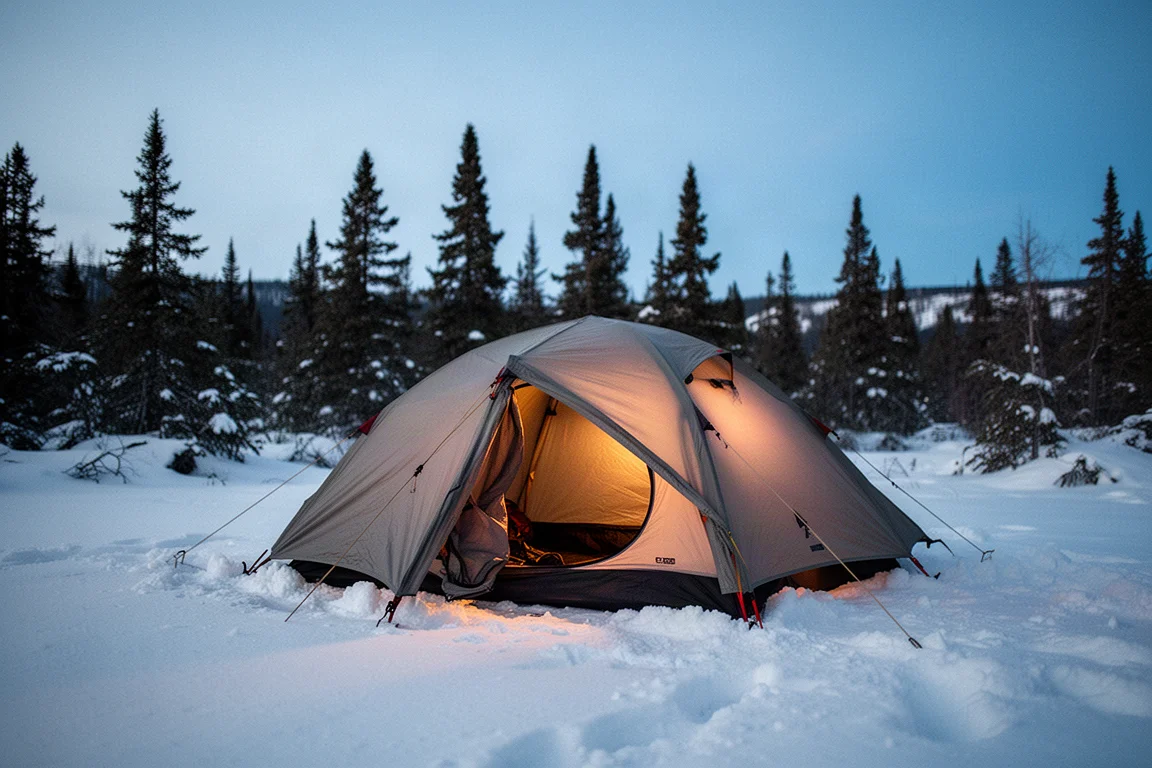
In extended field use across roughly 20 nights in a range of conditions, the bag proved comfortable and consistently warm, including nights at 7°F and in humidity around 85 percent. For a cold sleeper wearing a mid layer, thermal bottoms, and down booties, it stayed comfortable without cold spots.
Who This Sleeping Bag Is For
This bag is aimed at backpackers and campers heading out in genuinely cold conditions, roughly the range most people would describe as winter trips. The 14°F comfort rating and 0°F limit rating suit nights that sit well below freezing, and the design assumes you may be layering inside the bag rather than relying on insulation alone.
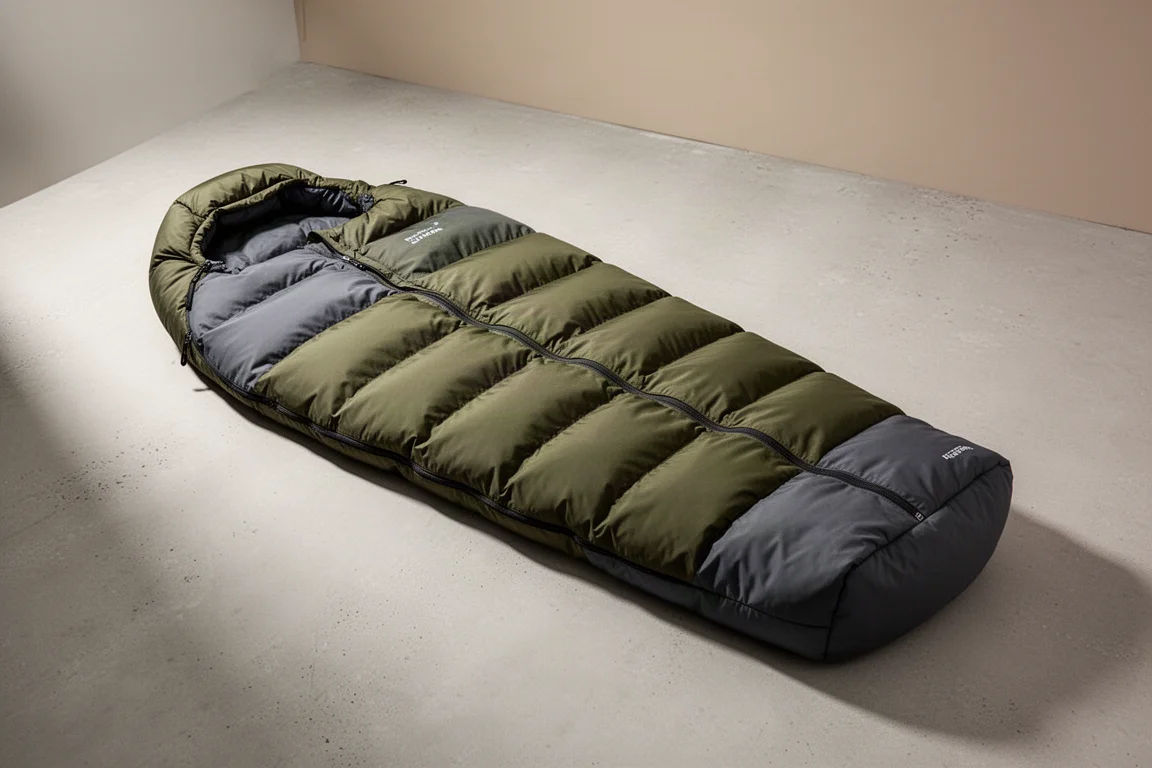
It also suits sleepers who want room to move. The girth is deliberately wider than many bags in this class, which allows a down jacket or a liner to be worn or added inside without compressing the down, and it leaves space to keep gear warm overnight. The foot box is larger too, with a shark fin shape that lets toes splay naturally instead of pressing against the fabric.
If your trips are mostly in mild shoulder seasons, this is more bag than you need.
Main Strengths: Design and Construction
The baffle layout is the most interesting part of the build. The bag uses 42 baffles arranged in a V-shaped pattern rather than the standard box baffle found on many sleeping bags. Offsetting the stitch lines in that way reduces the chance of cold penetrating through seams to the inner layer, and it lets the down loft more fully while migrating less between chambers.
Cumulus also runs two long baffles along the length of each side. These keep the down on top where it belongs and hold the side insulation in place, which matters when you roll from side to side during the night.
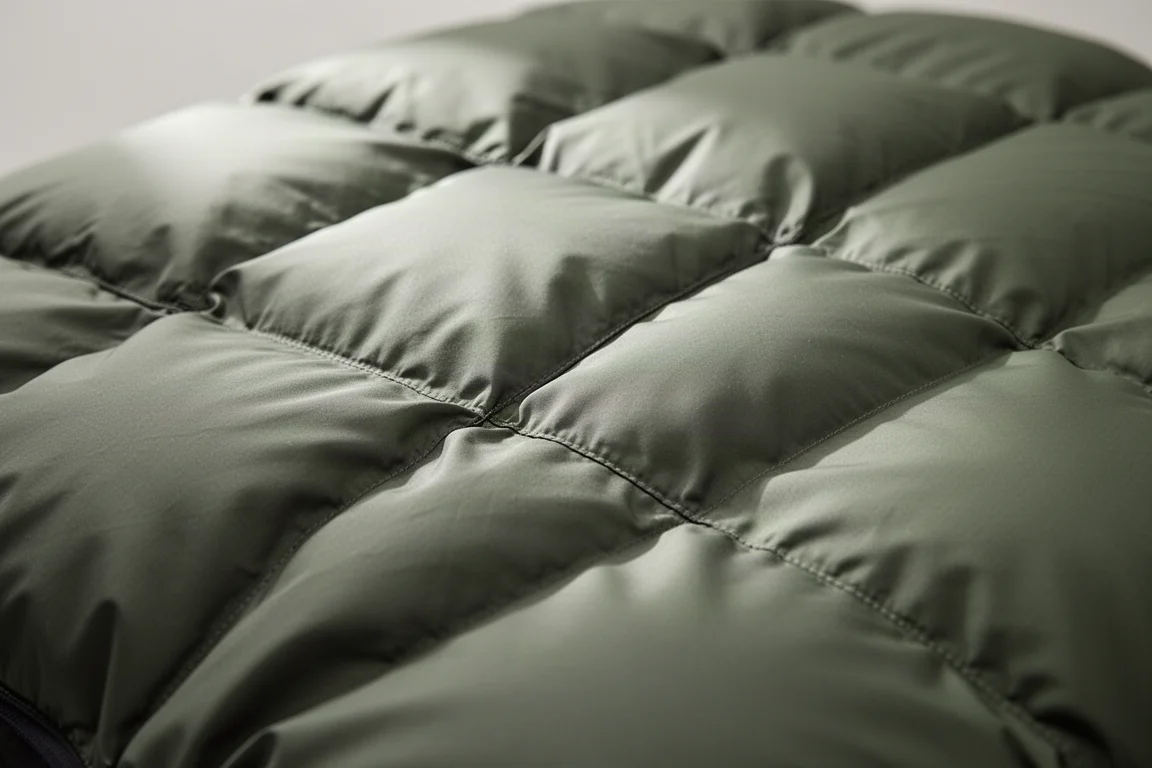
The top and bottom layers are filled independently, so down from the upper section does not settle underneath you and compress while you sleep. Around the head, the hood is shaped to cradle the head, with a draft collar that cinches via a cord to trap warm air around the body and a second cord to close in around the face. A double draft tube along the zipper track keeps drafts out, and the full-length YKK number 5 zipper uses a plow-style anti-snag pull that makes getting in and out straightforward.
The shell fabric is Pertex Quantum, which feels soft and smooth against the skin rather than sticky. A small mesh pocket inside the bag holds items you want to keep track of and keep warm.
Customization Options
Few sleeping bags offer this level of configuration. Cumulus lets buyers change the fabric type, the zipper length, the amount of down, and how that down is distributed between the top and bottom of the bag. Quantum Pro fabric can be specified at the foot box and the head for extra water resistance, and 850 fill power hydrophobic down is available as an alternative to standard down.
Adding insulation is possible within limits. The Taneka 700 accepts up to 770 g of fill, and adding 50 g moves the comfort rating from 14°F to 10°F. Overfilling beyond what the baffles can loft properly works against performance, so the ceiling exists for good reason. Every customization adds cost on top of the base price.
Field Performance and Real World Use
Real world performance has matched the ratings closely. The lowest temperature recorded during testing was 7°F, and the bag stayed warm and free of cold spots even at high humidity. The V-shaped chambers produce a noticeable amount of loft, which is visible when the bag is laid out and is a large part of why it sleeps as warm as it does.
The side baffles earn their place in practice. Rolling from side to side in cold conditions, the bag moves with the sleeper and the insulation stays where it is needed rather than sliding toward the edges.
Things to Consider Before Buying
The main thing to weigh is warmth. This is a cold weather bag and it sleeps warm, so it is not the most natural choice for shoulder season trips where a lighter, less insulated bag would be more comfortable.
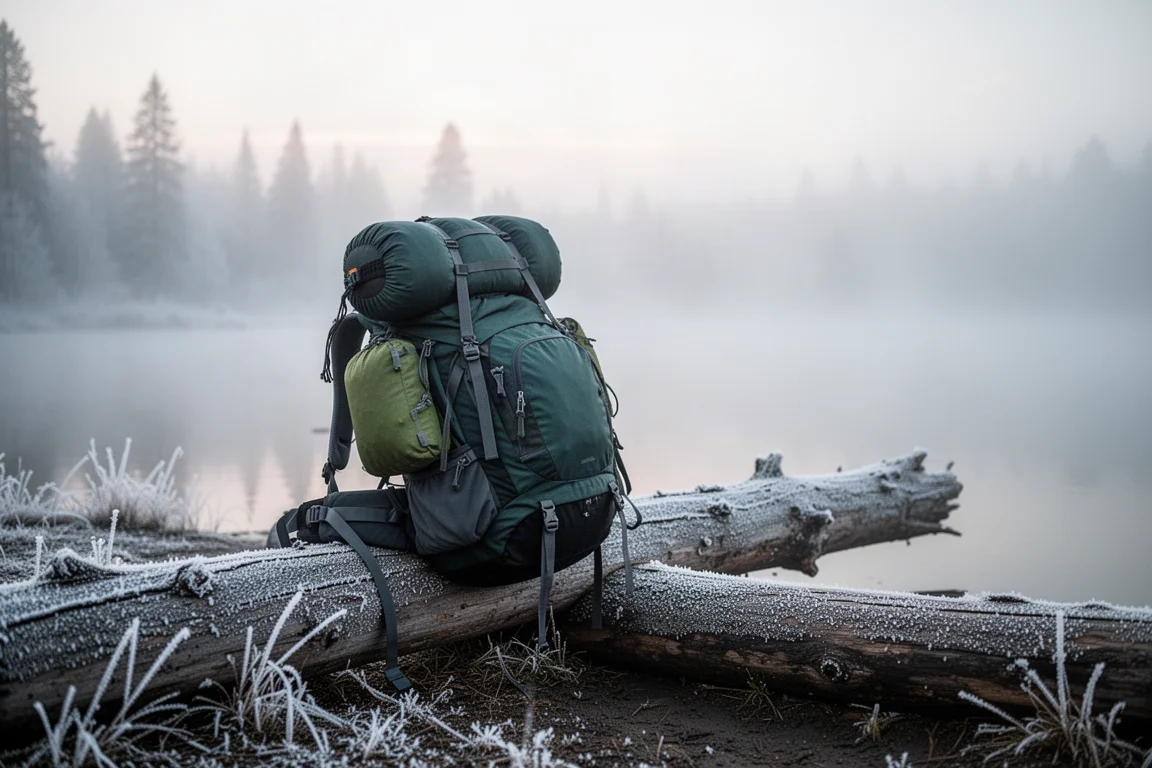
Bulk is the other consideration. It is a larger bag than many alternatives, which is a direct consequence of the insulation and the roomier cut. That is a fair trade for winter use, but it is worth factoring into your pack planning.
Finally, customization is a double edged benefit. It makes the bag far more personal, and it also pushes the price above the base figure. Decide which changes genuinely matter for your trips before adding options.
Buying Advice
At just over $400 USD for the base configuration, the Taneka 700 delivers high performance cold weather insulation at a price that is unusual for this category. If you need a bag for winter backpacking and want to avoid paying a premium for the same warmth elsewhere, this is a strong place to start.
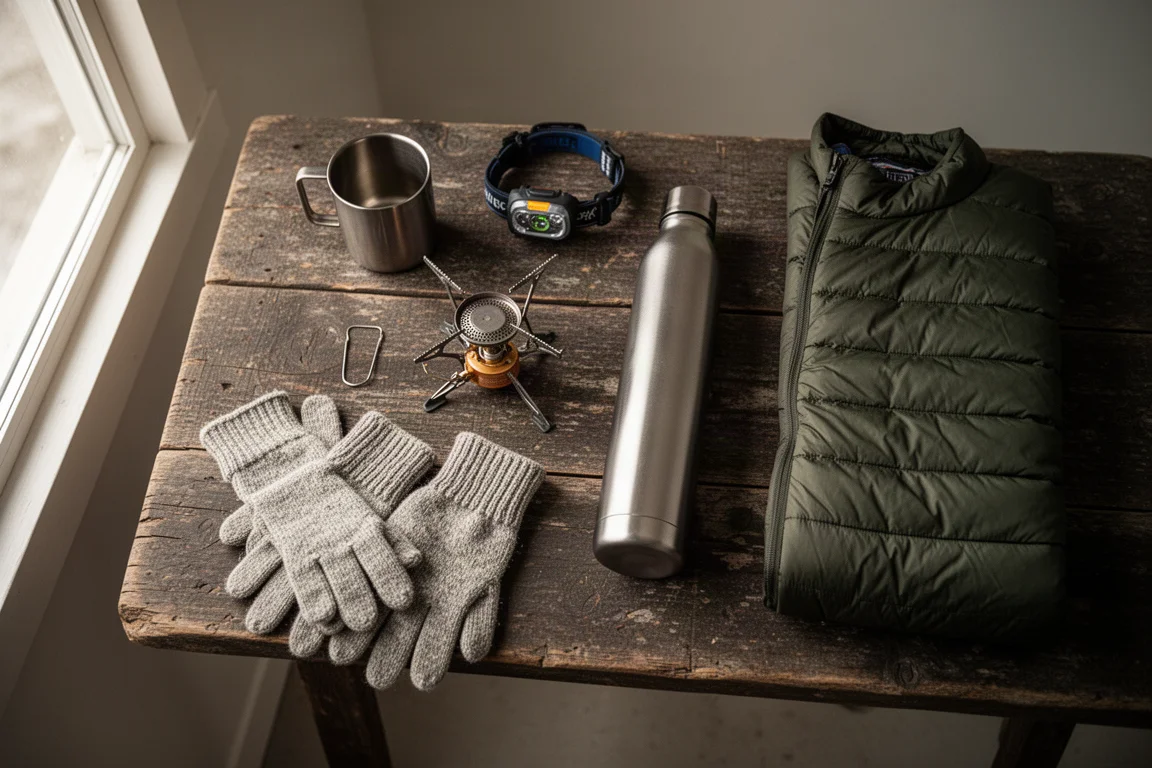
The sensible approach is to buy the base bag if the standard ratings suit your conditions, and to consider customization only where it solves a specific problem: extra water resistance at the extremities for wet snow, hydrophobic down for damp climates, or a small insulation increase for the coldest trips you actually take.
Conclusion
The Cumulus Taneka 700 is a well considered winter sleeping bag. The V-shaped baffle construction, side baffles, independent top and bottom fill, and a carefully shaped hood and collar all serve the same goal: keeping a sleeper warm in cold conditions. Combined with the base price of just over $400 and the range of custom options, it makes a convincing case for anyone building a cold weather sleep system.
Product link
View more details for Cumulus Taneka 700
This product is mentioned in the review. Check the specifications, options, and compatibility before buying.
View more details for Cumulus Taneka 700Further reading
Related Reviews
Sleeping Bags
Best Down Sleeping Bags Under $300: Four Backpacking Options Worth a Look
Four down sleeping bags that stay under $300, compared on fill power, baffle design, hood comfort, and packed size.
Sleeping Bags
Best Sleeping Bags and Sleep Systems: Five Premium Down Picks Compared
Five premium down sleeping bags and sleep systems compared on warmth, weight, construction, and value.
Sleeping Bags
Big Agnes Lost Ranger UL 3-in-1 Sleeping Bag System Review: One Bag, Three Setups
A practical look at the Big Agnes Lost Ranger UL 3-in-1 Sleeping Bag System, covering how the three configurations work, where it shines, and the details worth weighing before buying.