Sleeping Bags
Cumulus Alaska 1300 Review: An Expedition-Grade Down Sleeping Bag
A close look at the Cumulus Alaska 1300, an expedition-grade down sleeping bag with 1,300 g of 700 fill power down, Double H chamber construction, and a -19 °C comfort rating.
Introduction
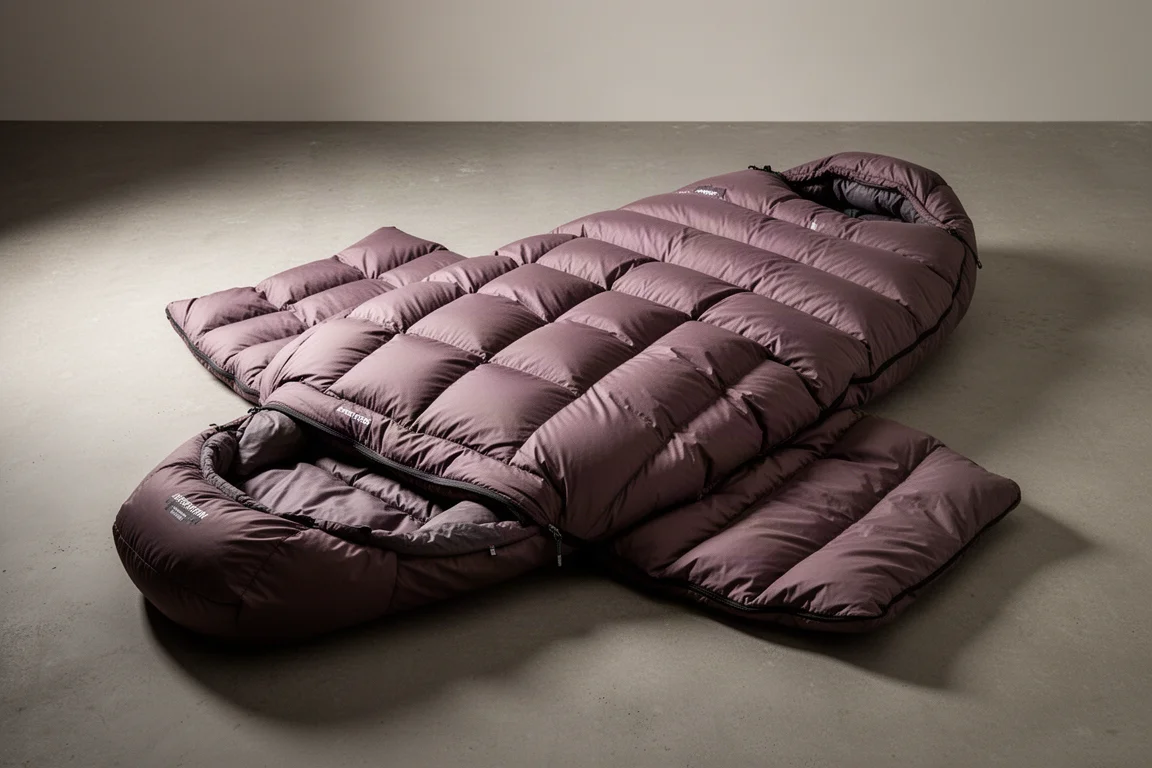
The Cumulus Alaska 1300 is a down sleeping bag built for genuinely cold nights: summit bivouacs, winter expeditions, and trips where a standard three-season bag simply will not keep up. Cumulus is a Polish company that has been producing lightweight outdoor gear since 1989, and the Alaska line sits at the top of its range. The 1300 model is the warmest of the three Alaska temperature ratings, pairing 1,300 g of 700 fill power down with a construction approach reserved for the brand’s most extreme bags. This article covers the specifications, the practical details, and the trade-offs worth understanding before committing to a bag of this class.
Who This Sleeping Bag Is For
This is not a general-purpose winter bag. The Alaska 1300 is aimed at people who deliberately head out in conditions colder than an average winter hike, including summit sleepers and expedition-style trips where warmth matters far more than pack weight. If your winter camping happens at moderate temperatures, the lower-rated Alaska options are likely a better match, and a lighter three-season bag will cover most of your nights.
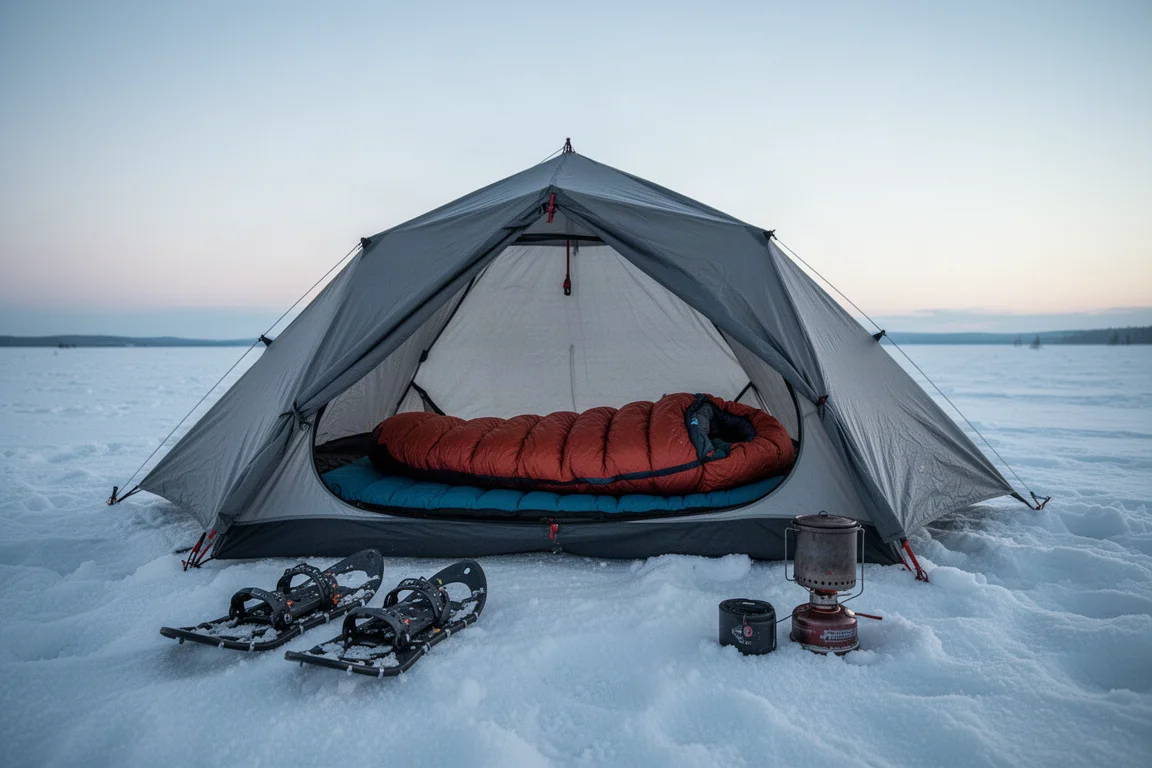
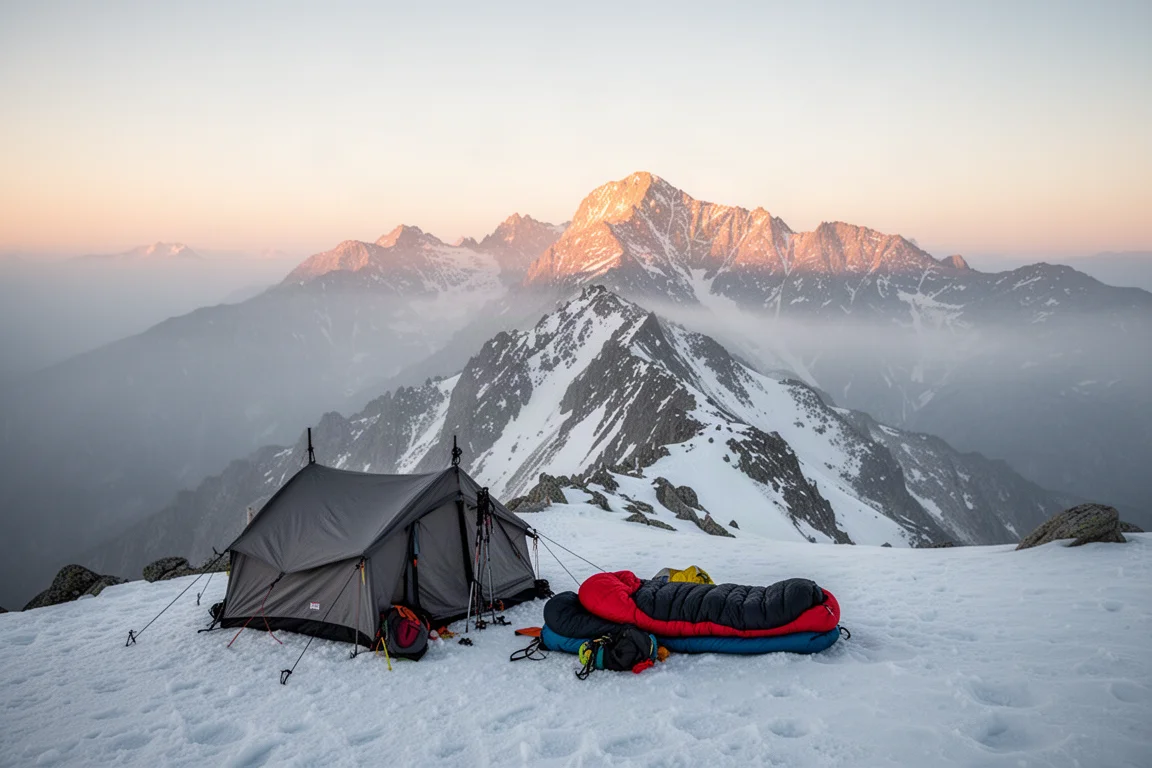
It also suits anyone who wants to sleep without a tent. Without a tent wall to cut the wind, a bag has to carry the full insulation job on its own, and that is exactly the scenario this model was designed around.
Warmth and Temperature Ratings
Cumulus publishes three temperature ratings for each of its bags: Comfort, Limit and Extreme. For the Alaska 1300 those figures are -19 °C, -30 °C and -53 °C respectively. Those numbers describe a bag intended for serious cold rather than the shoulder seasons.
In practice, the bag was used on a night that stayed around -5 °C at the most, which sits well inside its limits. On that night there were no cold spots and no moisture buildup, and no frost or condensation formed on the outside of the bag.
A practical rule of thumb applies to any bag in this class: leave yourself a five degree window. If you buy a bag rated to -20 °C, plan to use it no lower than about -15 °C. That margin matters even more for cold sleepers.
Down Quality and Fill Power
The Alaska 1300 uses 1,300 g of 700 fill power down. Cumulus sources its down in Poland, a region often described as one of the best sources of down in Europe. The geese and ducks there live a free range life with full access to water, which supports strong breeding conditions and, in turn, high quality down.
Fill power is only part of the story, though. How the down is held in place determines whether a bag actually delivers the warmth its rating promises.
Construction and Cold Spot Control
The Alaska 1300 uses a Double H chamber design: two layers of offset, stacked chambers. The offset arrangement is intended to reduce cold spots by keeping the down from shifting into gaps. This is the most advanced construction Cumulus uses, and it is reserved for the most extreme bags in the range.
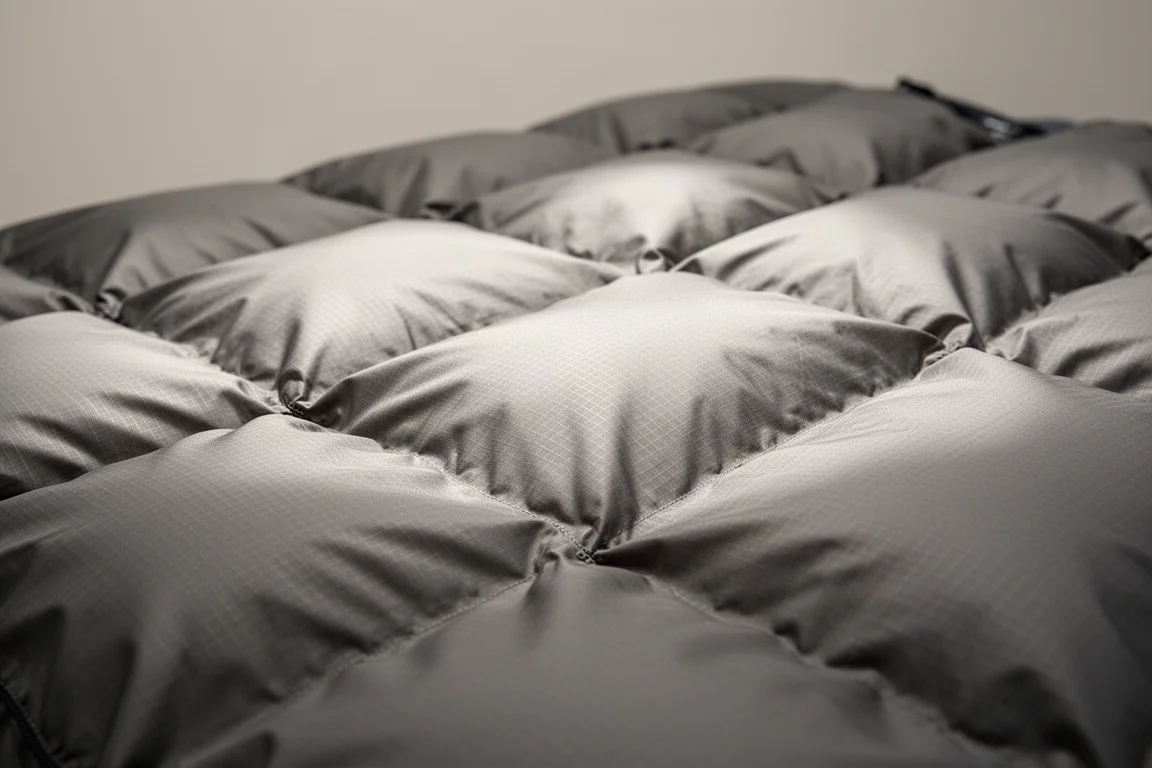
That construction is the main reason the Alaska 1300 can claim the temperatures it does. It is also a good illustration of why the bag weighs what it weighs: more chambers and more down mean more warmth, but also more grams.
Features and Practical Details
The feature set covers what you would expect from an expedition bag. There is a draft collar, a puffy hood with a bungee cord loop for adjustment, an inner pocket, and hang loops for drying. The zippers are anti-snag YKK units, and the bag can be ordered with the zipper on the left or the right.
The shell is a 53 GSM Pertex fabric with 30 denier ripstop and a DWR finish. That treatment handles light mist or spray, but it is not a substitute for a waterproof shell in a downpour.
The foot box opens almost all the way thanks to a two-way zipper. That gives you options: vent the bag on a milder night, open just one section, or add a layer inside without fully unzipping.
Things to Consider Before Buying
The Alaska 1300 is a large bag, and the roominess is deliberate. It allows you to move around during the night, which many sleepers find more comfortable than a tight mummy cut. The trade-off is weight: at roughly 1,950 g, it is likely to be the heaviest item in your pack. For this temperature range that figure is still on the lighter side, but it is a real consideration if you count grams.
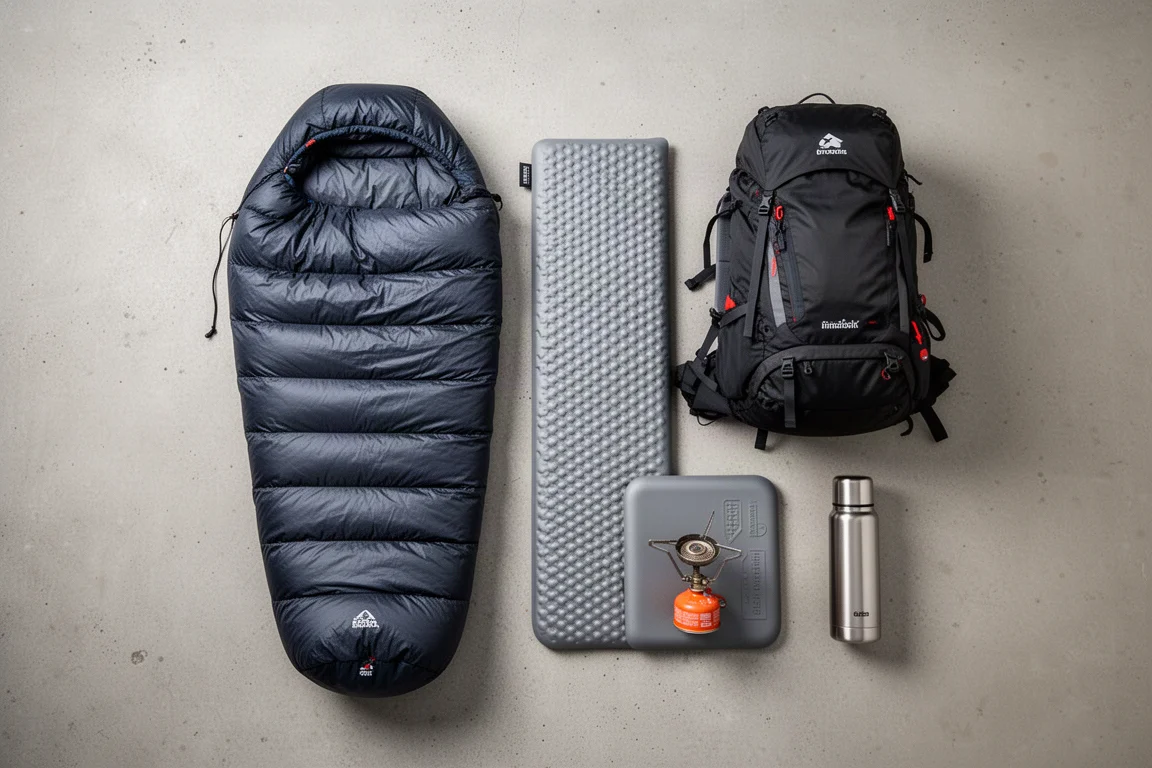
Packing is the other point to weigh. The bag ships with a stuff sack, and a compression style sack would help it pack down smaller and leave more room in a pack. That is an addition worth budgeting for rather than an included extra.
Weight, Packability and Add-Ons
If you want more warmth from the same bag, a liner is an option. A Thermolite Reactor liner is claimed to add up to 10 degrees of warmth, which can extend the useful range of the bag without buying a second one.
Packability is where a bag of this type asks for compromise. The down volume that makes the Alaska 1300 so warm is the same volume you have to carry, and the provided stuff sack leaves the bag bulkier than a compression sack would.
Buying Advice
Choose the Alaska 1300 if your plans genuinely involve very cold nights, especially tent-free ones. It is the warmest of the three Alaska ratings, and it is built with the brand’s most advanced chamber construction.
If your winter trips stay closer to moderate temperatures, the lower Alaska ratings will save weight and cost while still covering your conditions. Match the rating to the coldest night you realistically expect, apply the five degree margin, and add a compression sack and a liner if you want more packability and a little extra warmth.
Conclusion
The Cumulus Alaska 1300 is a specialist bag for people who go out in serious cold. Its 1,300 g of 700 fill power down, Double H chamber construction, and full expedition feature set make it a credible choice for summit and expedition use. The considerations are straightforward: it is large, it is heavy relative to a three-season bag, and it benefits from a compression sack. For the right buyer, those are reasonable trade-offs for a bag that stays warm when the temperature drops.
Product link
View more details for Cumulus Alaska 1300
This product is mentioned in the review. Check the specifications, options, and compatibility before buying.
View more details for Cumulus Alaska 1300Further reading
Related Reviews
Sleeping Bags
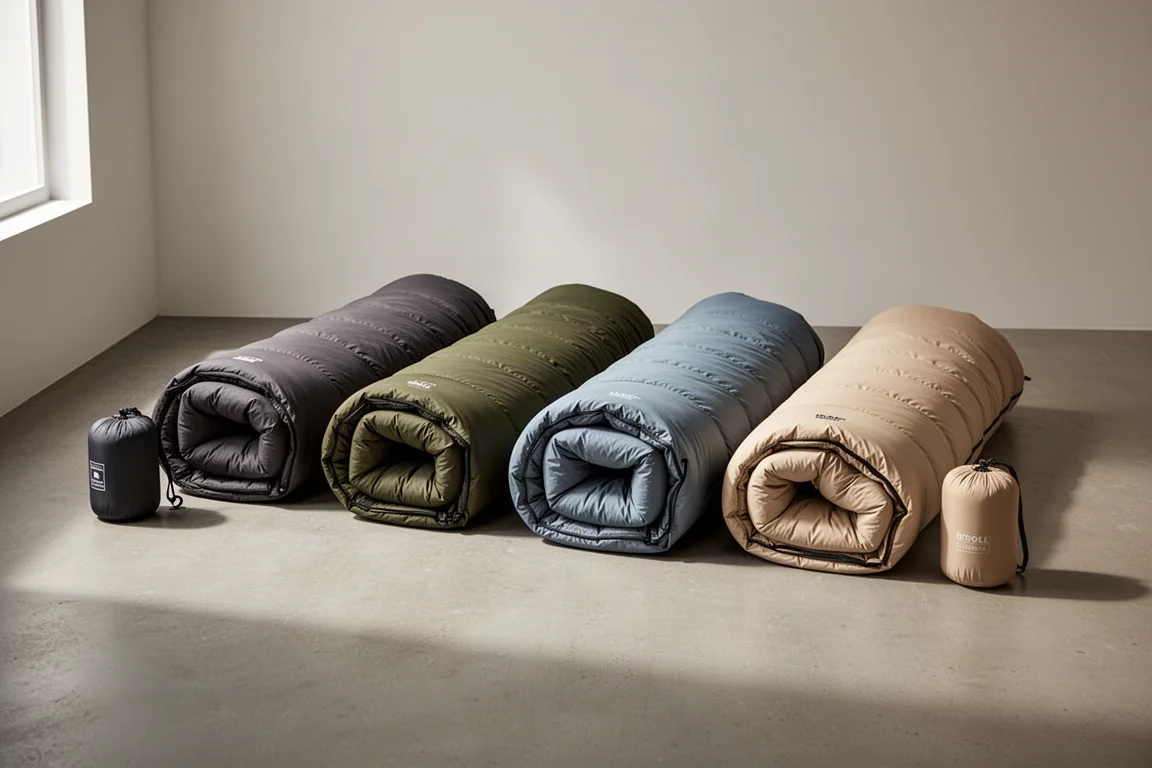
Best Down Sleeping Bags Under $300: Four Backpacking Options Worth a Look
Four down sleeping bags that stay under $300, compared on fill power, baffle design, hood comfort, and packed size.
Sleeping Bags
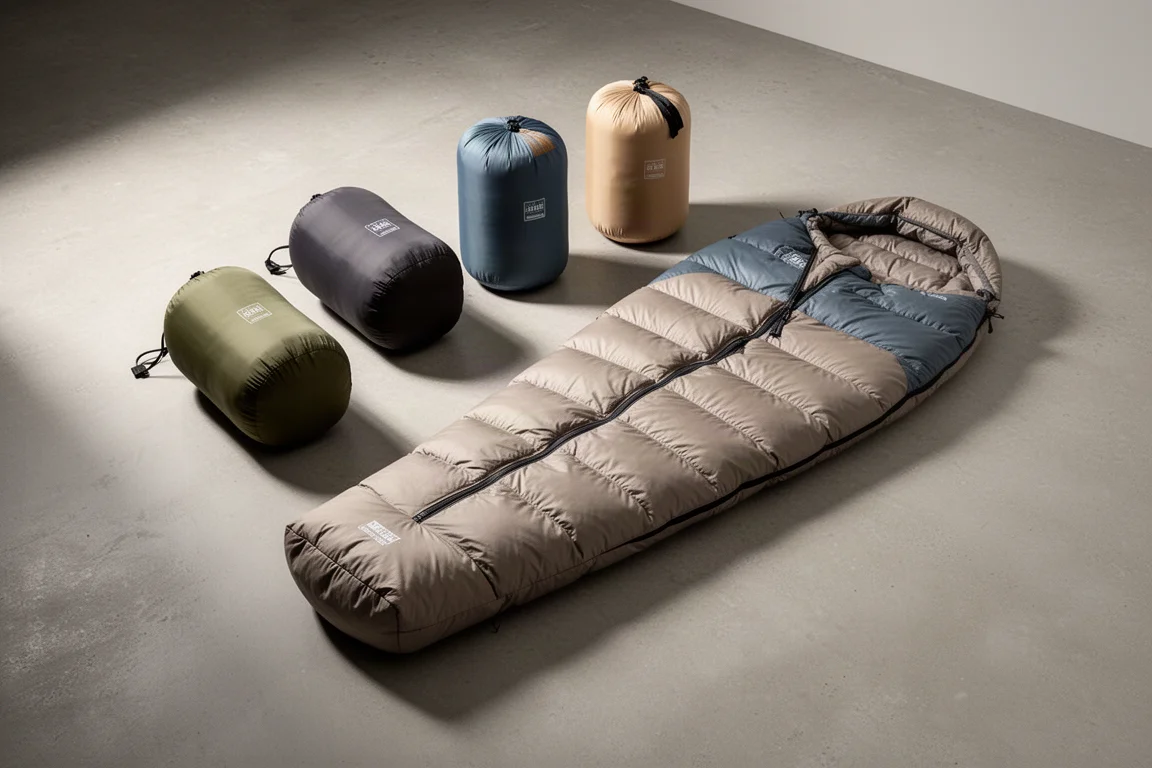
Best Sleeping Bags and Sleep Systems: Five Premium Down Picks Compared
Five premium down sleeping bags and sleep systems compared on warmth, weight, construction, and value.
Sleeping Bags
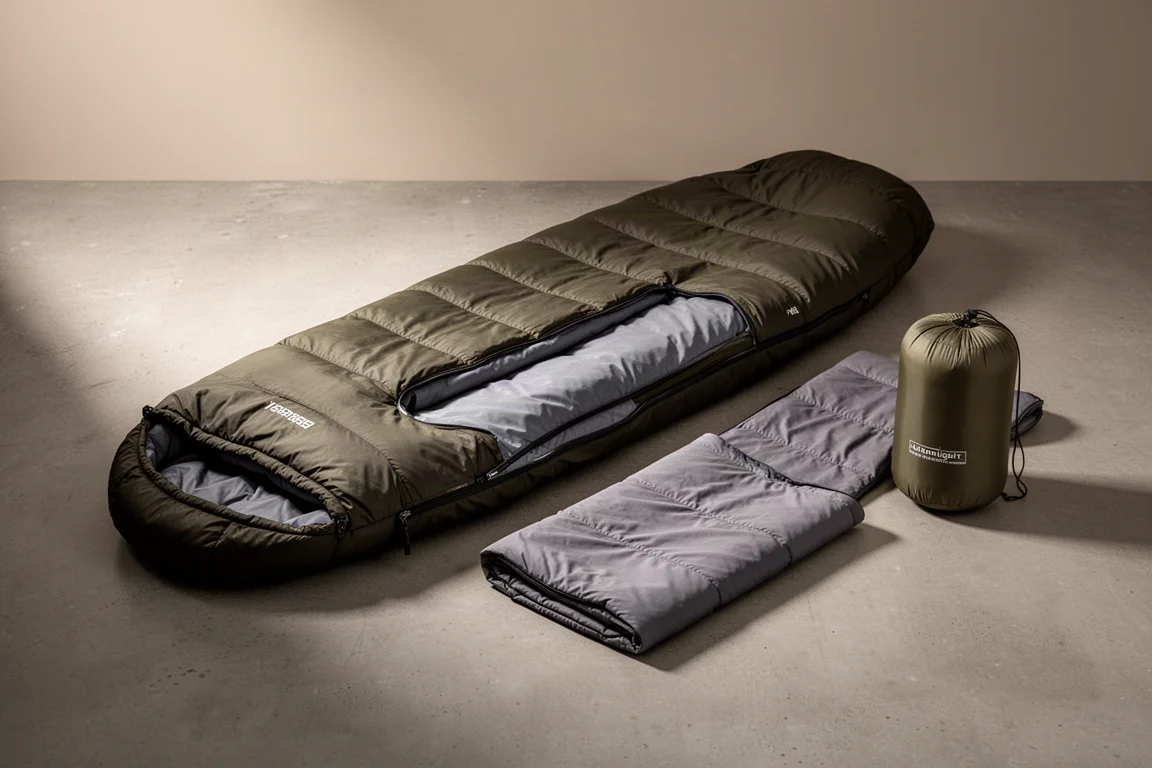
Big Agnes Lost Ranger UL 3-in-1 Sleeping Bag System Review: One Bag, Three Setups
A practical look at the Big Agnes Lost Ranger UL 3-in-1 Sleeping Bag System, covering how the three configurations work, where it shines, and the details worth weighing before buying.