Triathlon Bikes
Cube Aerium C:68X: A Race-Ready Triathlon Bike With Serious Integration
A closer look at the Cube Aerium C:68X range, from the clean base build to the SLX and the flagship SLT, and what the integrated hydration and storage system means on race day.
Introduction
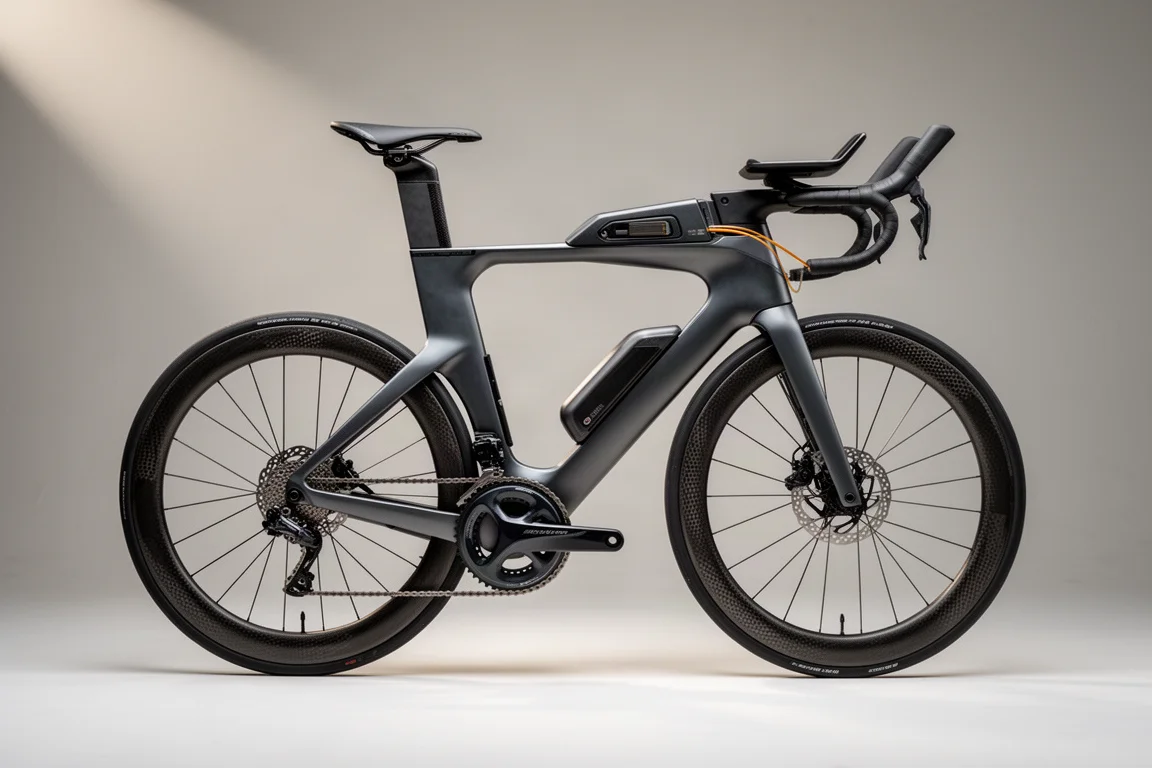
The Cube Aerium C:68X is the latest generation of the brand’s triathlon platform, and it has been designed around a simple idea: the bike should be race ready the moment it is handed over. Aerodynamics, integrated disc brakes and a more adaptable position setup all feature, but the biggest change is the fluid and storage integration built into the frame from the outset.
That matters because a fast frame can lose much of its advantage once bottles, bento boxes and tool bags are bolted on. Integrating those elements into the frame keeps the bike clean and efficient on race day, whether the target is a sprint, a middle distance event or a full iron distance race.
The range runs to three builds plus a frameset, and this guide covers what separates them and who each one suits.
Design and Aerodynamics: What Changed
The shape will look familiar to anyone who has followed this model line. The current frame traces its silhouette back to an early C:68 prototype raced at Kona in 2016, and Cube has kept the elements that made that design distinctive, including the deep section around the bottom bracket and the twin tube front end.
That twin tube gap is functional rather than decorative. Cube tested the design in the wind tunnel and found that air flows through the opening in high wind conditions, which helps the bike remain stable and allows the rider to hold an aero position for longer. The oversized bottom bracket area adds both aerodynamic performance and stiffness.
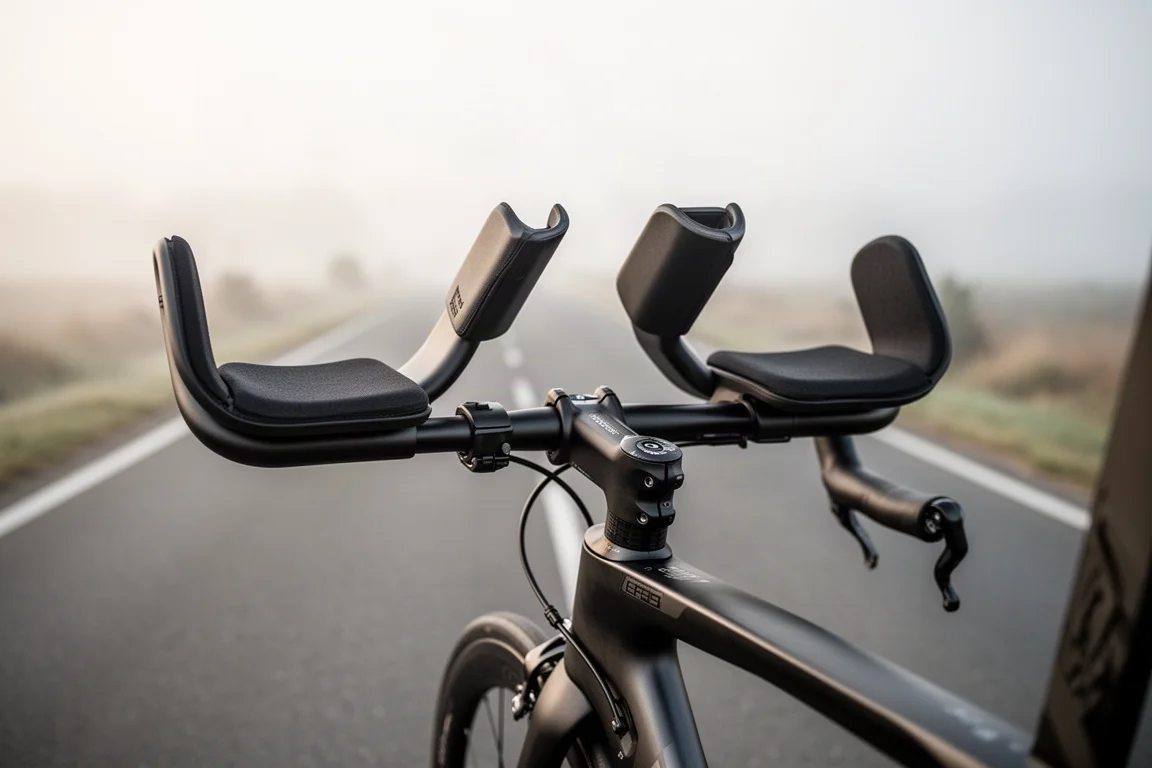
Around that core, the new bike brings revised profiles for the frame, fork and handlebar, a narrower head tube and a smaller handlebar with a more ergonomic shape at the extensions. Cube claims the new model is 3.68 watts faster than the outgoing C:68, and the complete bike weighs 9.1 kg without the in-frame hydration fitted.
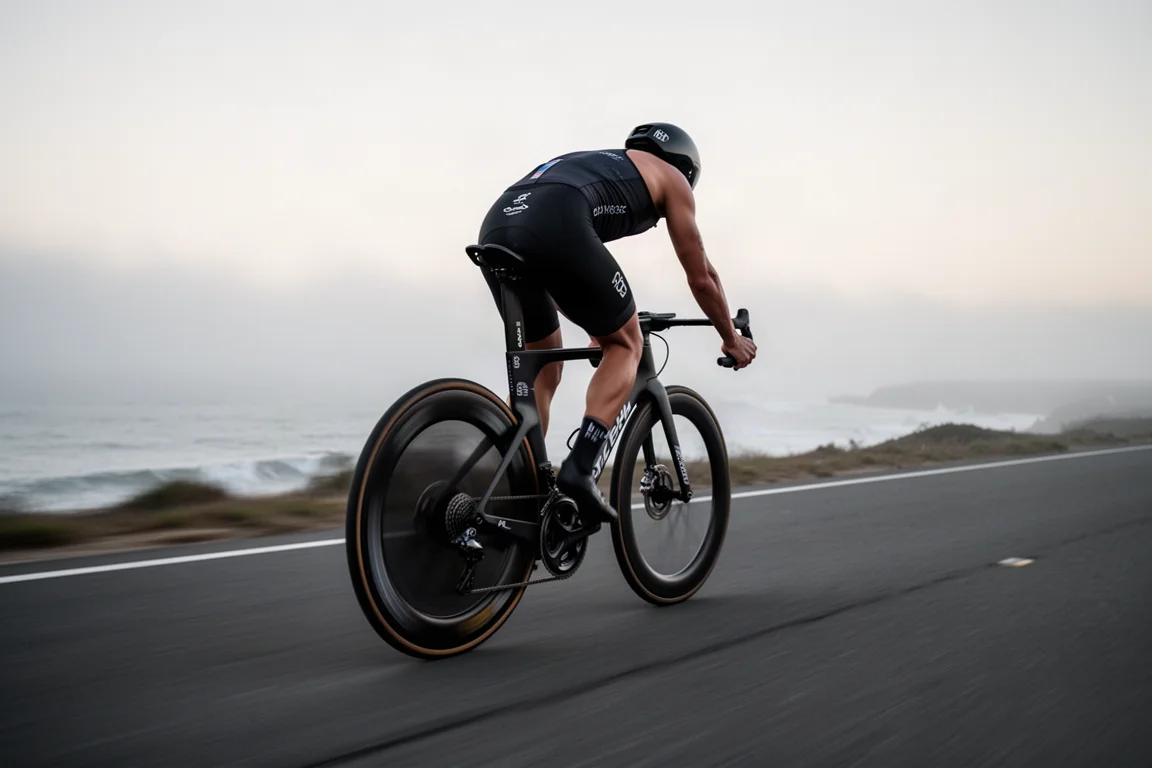
The frame uses a carbon layup the brand calls C:68X, which is designed to place stiffness exactly where it is needed without using more material. Disc brakes are integrated into the fork, adding confidence under braking on technical courses while keeping the front end clean. Riders who switch to a single chainring setup can fit a cover over the integrated front derailleur mount, leaving a completely flat surface that Cube says is faster still.
Hydration and Storage Integration
The hydration system is the centrepiece of the design. A bladder sits low in the frame, close to the bottom bracket, and feeds the extensions through a straw. It holds at least 750 ml depending on frame size, with medium and large frames taking more, and it can be refilled on the move. The front hydration unit holds 750 ml and is also refillable.
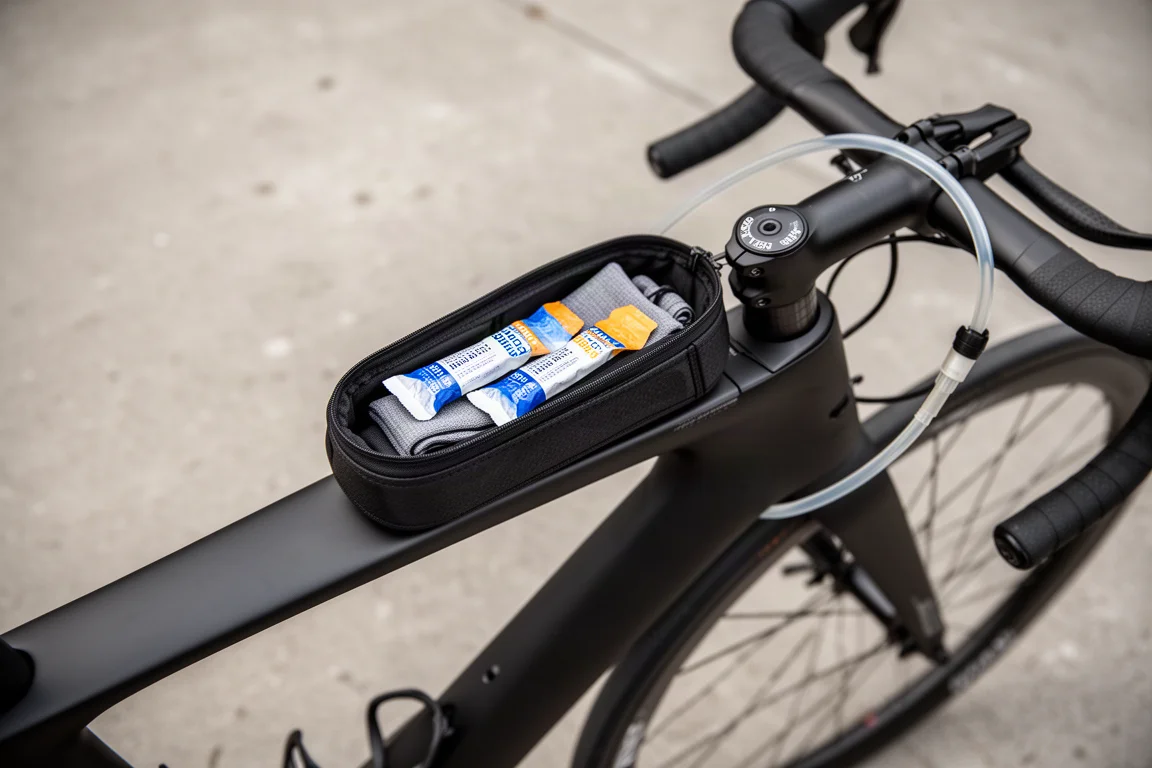
Riders who do not need the in-frame bladder can use the same space for storage instead, and a bento box on the top tube takes gels and small items. The bento box can also route the straw from the in-frame system and can be used to refill it. In practice that gives two separate drink setups, one for energy and one for water or an isotonic mix, so there is no need to stop at an aid station.
The whole system can be stripped back. Removing the front hydration, the bento box and the in-frame bladder leaves a very clean setup that suits time trials and short course racing.
Cube Aerium C:68X: The Clean Base Build
The base C:68X is the simplest expression of the platform. It runs the in-frame hydration system from the bottom bracket area up to the extensions and nothing else, which keeps the bike exceptionally clean and light. Everything else can be added later if a longer race demands it.
Tire clearance has been widened for modern race setups. Cube’s testing found a 25 mm front and 28 mm rear combination to be fastest, and the frame also accepts 28 mm at the front and 30 mm at the rear for riders who prioritise comfort.
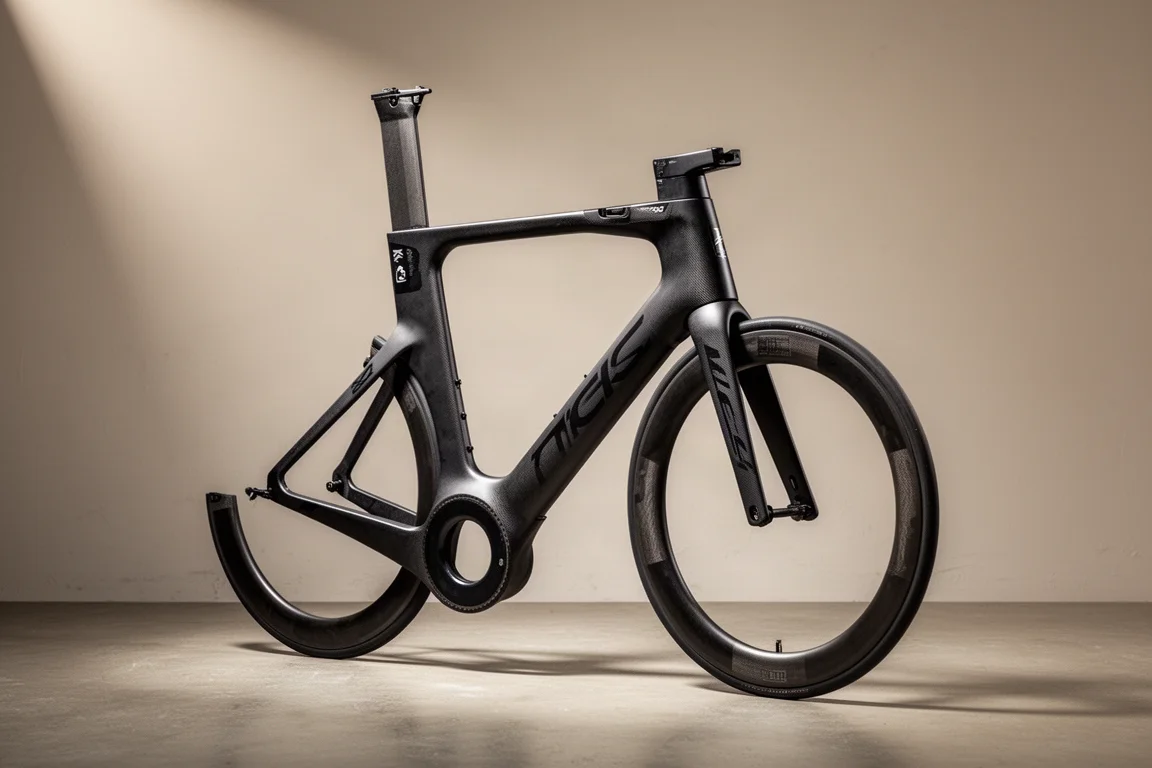
For riders who already own a wheelset and a groupset they trust, this is the most flexible way into the range, and a frameset option is available as well.
Cube Aerium C:68X SLX: The 12-Speed Build
The SLX steps up with a 12-speed drivetrain and a mixed-depth Newmen wheelset, 65 mm at the front and 80 mm at the rear. That combination is a sensible middle ground: the deeper rear wheel adds speed where it counts, while the shallower front keeps steering manageable in changeable conditions.
It uses the same frame, fork, handlebar and hydration system as the rest of the range, so the aerodynamic platform and the storage options are unchanged. The difference is in the components bolted to it, which makes the SLX the easiest build to recommend for riders who want a complete race setup without going to the very top of the range.
Cube Aerium C:68X SLT: The Top Build
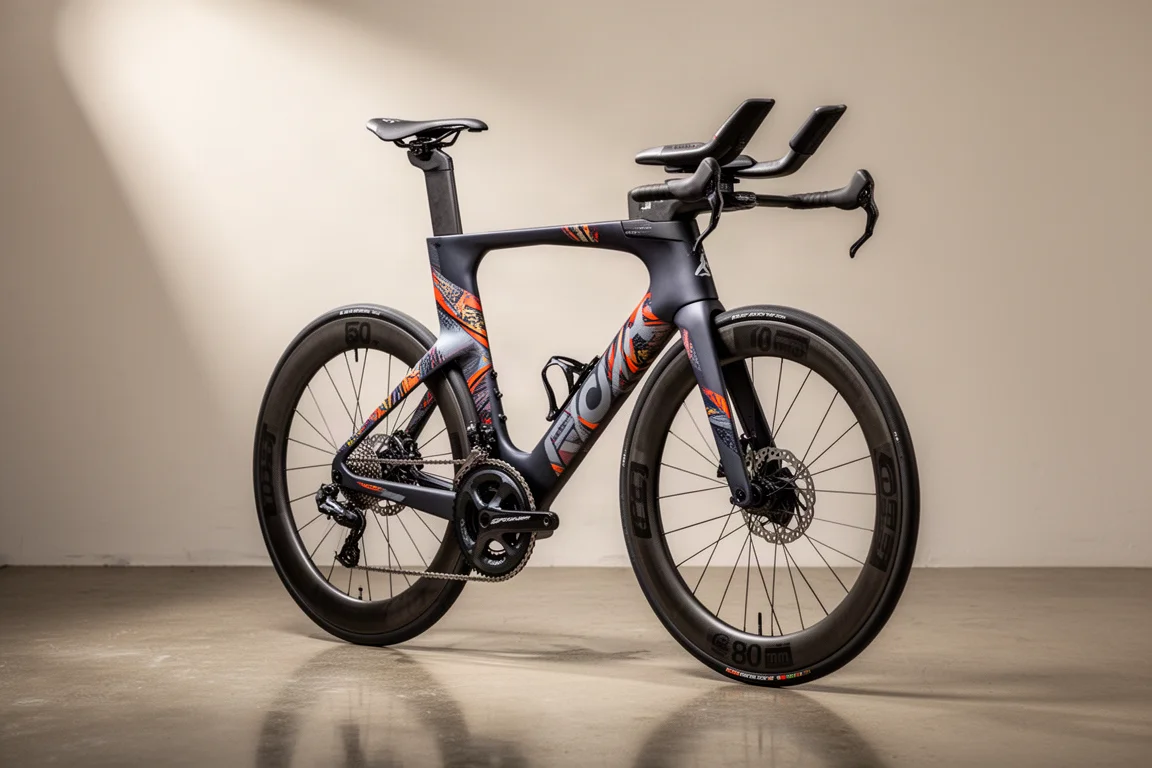
The SLT is the flagship. It pairs the C:68X frame with a Shimano Dura-Ace Di2 12-speed groupset, Profile Design 43 ASC aero extensions with an angled shape, forearm rests and an ergonomic grip, and Newmen Advanced SLR 80 Stream wheels in 80 mm front and rear. It is the same build used by Cube’s professional triathletes.
The finish is one of the most distinctive aspects of the bike, with a paint scheme that stands apart from the usual matte black race machines. On the road it feels surprisingly nimble for an aero machine, and the position is comfortable enough to hold for long stretches, which is exactly what the platform was designed for.
Fit, Adjustability, and Tire Clearance
Position setup has been given real attention. The aero bars offer 0 to 20 degrees of tilt, and the bike ships with a range of extension spacers and brackets so riders can fine tune reach and height. The aero bar position can also be moved closer or wider with an additional bracket, and a different base bar option allows a higher or lower front end.
Combined with the tire options, that adjustability means the same frame can be configured for a sprint race on smooth tarmac or a long distance event where comfort matters more. Disc brakes are integrated into the fork, so braking performance on technical courses no longer comes at an aerodynamic cost, and the wider bottom bracket section keeps the frame stiff and stable under load.
Buying Advice
Choosing between the three builds comes down to how much you want to do yourself and how deep the wheels need to be.
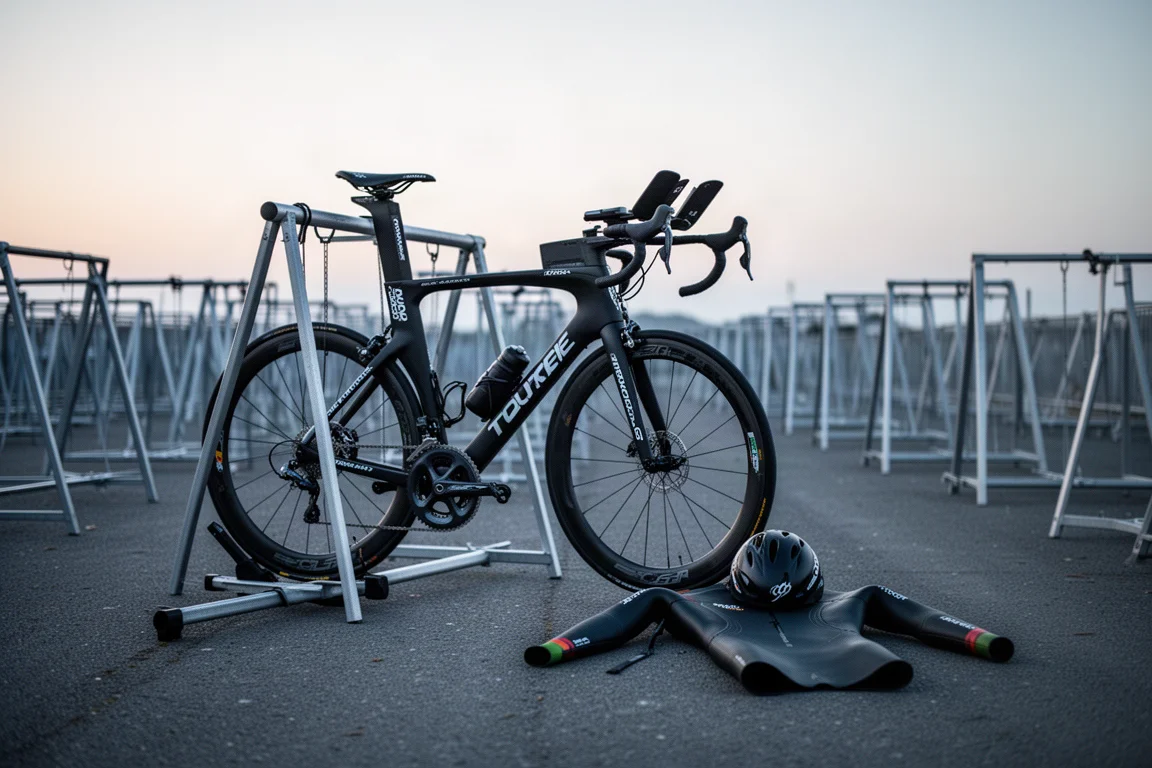
The base C:68X suits riders who already have components in mind and want the cleanest possible starting point. The SLX is the straightforward all-rounder, with a 12-speed drivetrain and a wheel pairing that works across most courses. The SLT is the no-compromise option, with the top groupset and matching 80 mm wheels front and rear.
Whichever build you choose, the frame, the hydration system and the adjustability are the same, so the practical race day experience stays consistent across the range. If you race long distance and prefer to carry everything with you, the full hydration and storage setup is the main reason to choose this platform.
Conclusion
The Cube Aerium C:68X takes a proven silhouette and rebuilds the details around it: revised aero profiles, integrated disc brakes, a wider range of position adjustments and, above all, a hydration and storage system designed into the frame rather than added afterwards. For triathletes who want a bike that is genuinely ready to race as it comes out of the box, it is a compelling proposition, and the three builds make it easy to match the specification to the way you race.
Further reading
Related Reviews
Triathlon Bikes
Best Triathlon Bikes 2026: Seven Race Bikes Compared
Seven triathlon bikes assessed on front-end adjustability, onboard hydration and storage, and value, from the most common bike in transition to lower-cost race options.
Triathlon Bikes
BMC Speedmachine Review: A Formula One-Informed Triathlon and TT Bike
The BMC Speedmachine pairs Red Bull Advanced Technologies aerodynamics with a redesigned frame, integrated hydration, and a 500 gram weight saving over BMC's previous triathlon platform.
Triathlon Bikes
Buying Speed: Canyon Speedmax CFR vs Triban RC 120 Road Test
A head-to-head 22 km test of a premium triathlon race bike, an affordable disc-brake road bike, and a disc wheel upgrade, with the numbers and the trade-offs that matter.