Triathlon Bikes
Cube Aerium C68X Review: Base Build, SLX and SLT Compared
Cube's redesigned Aerium C68X pairs integrated hydration and storage with a faster, lighter frame. Here is how the base build, SLX and SLT compare.
Introduction
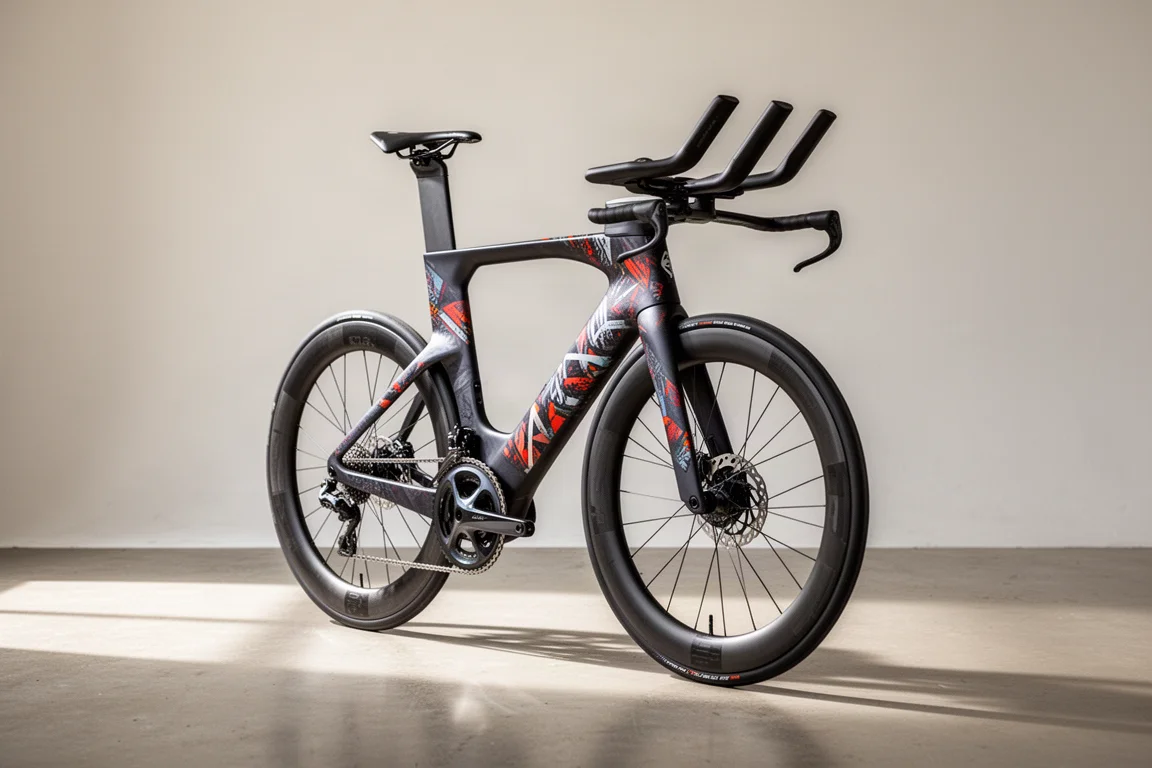
The Cube Aerium C68X is a full redesign of a platform that already had a strong reputation. A prototype C68 appeared at Kona back in 2016 with a silhouette that stood apart from everything else on course, and the new bike keeps that distinctive shape while reworking almost everything around it.
The headline updates are improved aerodynamics, integrated disc brakes and a broader range of position adjustments. The change that matters most, though, is fluid and storage integration. Instead of delivering a fast frame and leaving riders to bolt on bottles, bento boxes and tool bags, Cube built the race day essentials into the frame itself. The aim was a bike that arrives race ready.
Why the Aerium C68X Stands Out
The twin-tube front section is the most recognisable part of the design, and it is not there for looks. Cube’s engineers used it to improve stability in crosswind conditions so that riders can stay in the aero position for longer. The oversized bottom bracket area works in the opposite direction, adding stiffness while contributing to the frame’s aerodynamic performance.
Cube developed the C68X without restricting itself to UCI regulations, which allowed the designers to chase pure triathlon and time trial speed rather than a shape that only works within a rulebook.
The numbers back up the work. The new frame is 3.68 watts faster than the outgoing C68, and Cube managed to bring the weight down as well. Without the in-frame hydration system fitted, the complete bike sits at 9.1 kg.
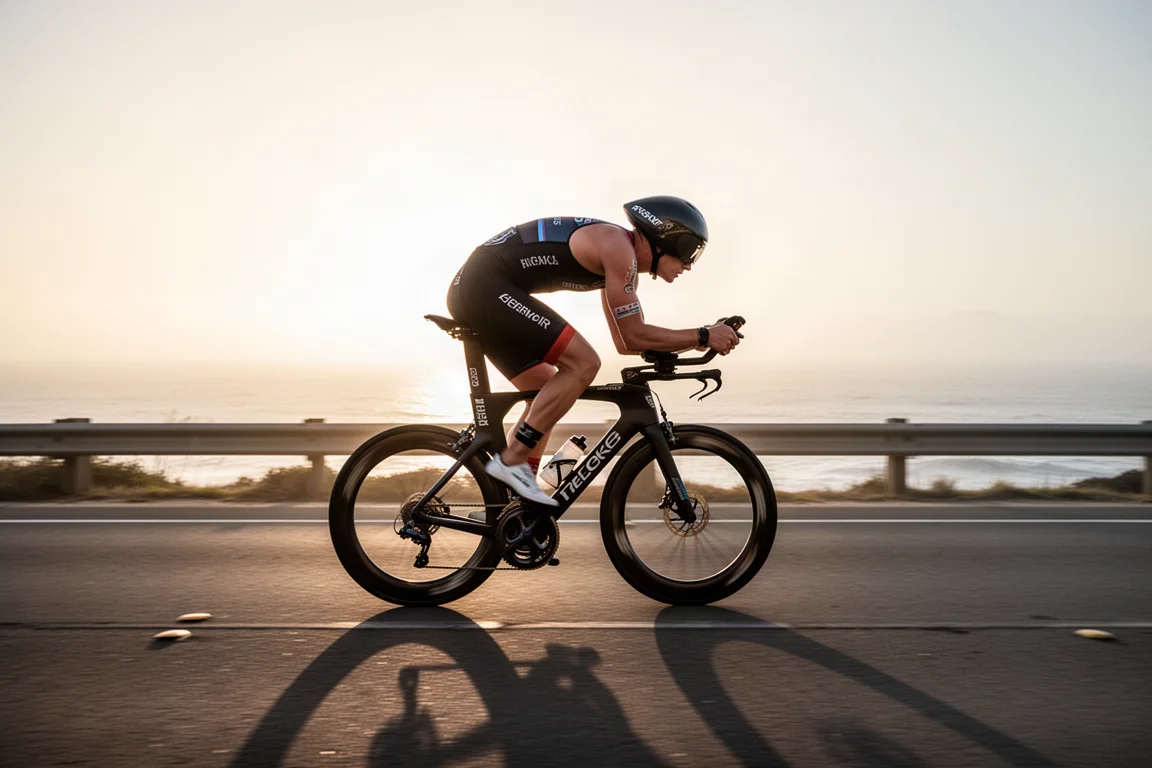
Lower drag and lower weight matter most on rolling courses and long climbs, where riders are already paying for every extra gram and every extra watt. That combination is the reason the platform has stayed relevant across a decade of triathlon design changes.
Cube Aerium C68X: The Base Build
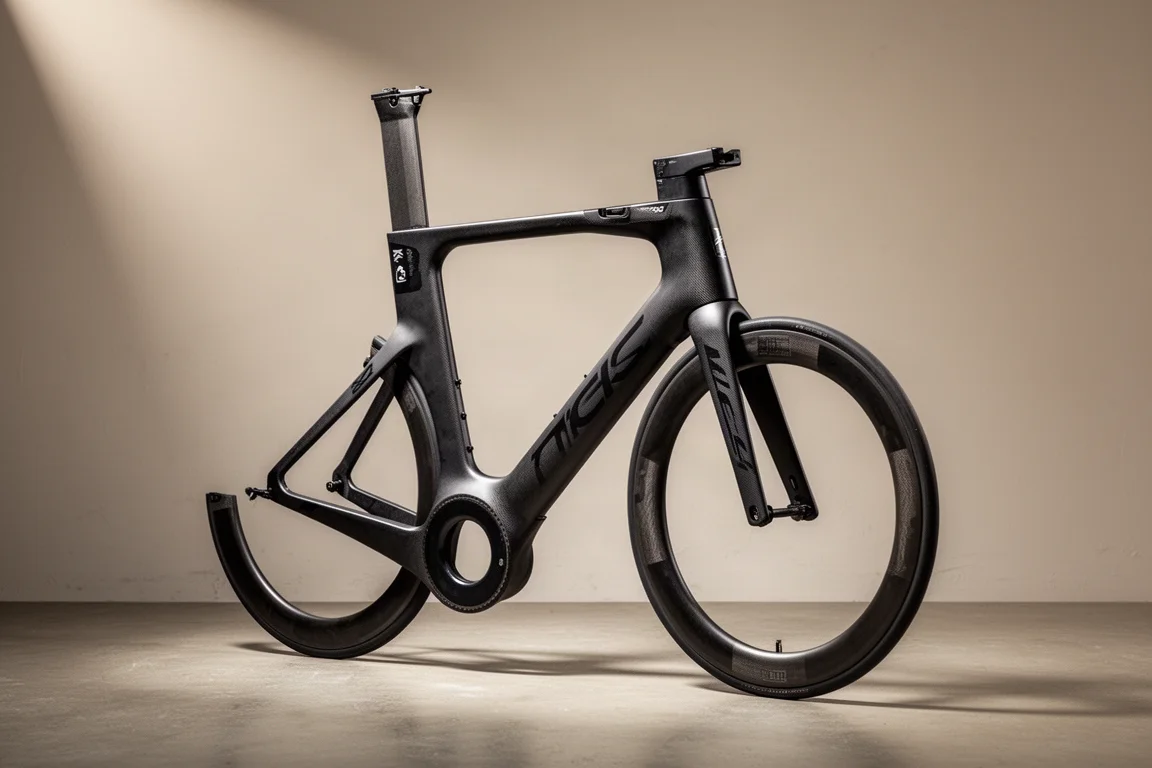
The entry point into the range is the Aerium C68X itself, which is also offered as a frameset for riders who want to choose their own components. In its cleanest form the bike runs only the in-frame hydration bladder, which carries fluid from the bottom bracket area up to the extensions, and nothing else.
That stripped-back configuration is the one to consider for time trials or short course racing, where a lighter and sleeker setup is worth more than carrying every possible supply. Everything else in the storage range can be added later, so the base build is not a compromise so much as a starting point.
Cube Aerium C68X SLX: The 12-Speed Build
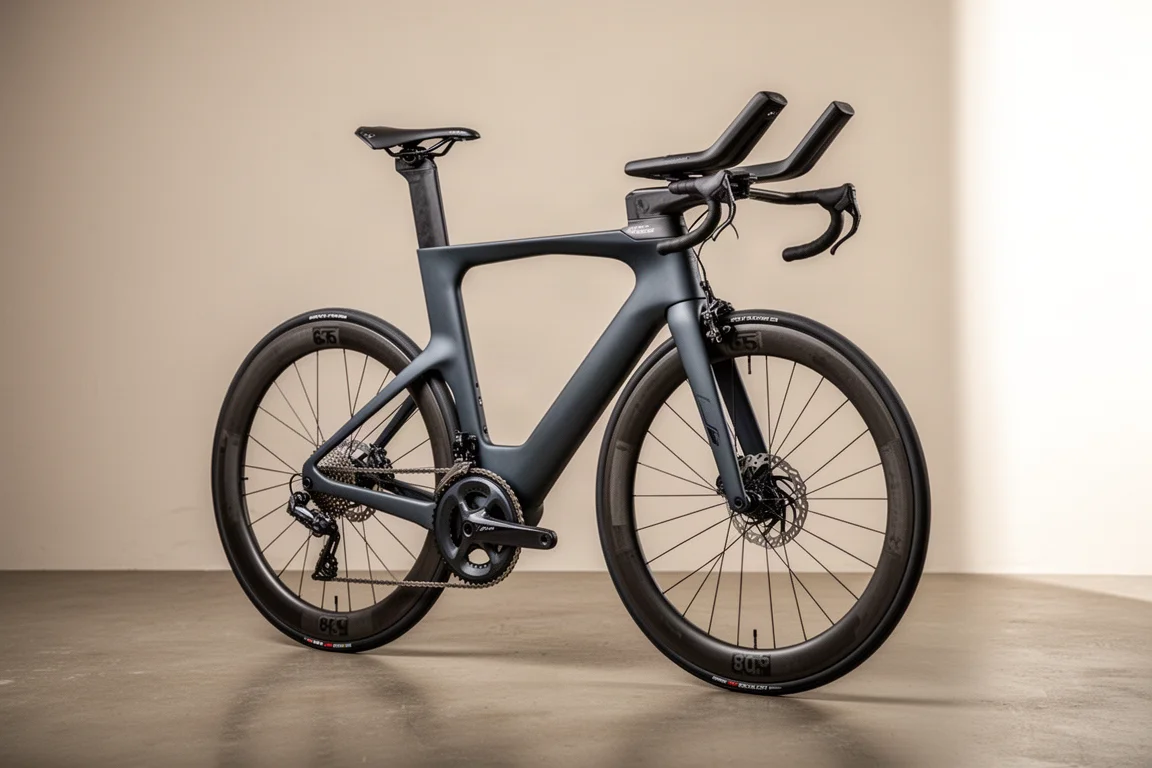
The C68X SLX is the middle of the three complete builds. It pairs a 12-speed groupset with a wheel combination of 65 mm at the front and 80 mm at the rear, a setup that keeps the front end more predictable in crosswinds while retaining deep-section speed at the back.
Because every build shares the same frame, the SLX delivers the full aerodynamic platform and the same integration options as the range topper. The differences come down to component specification rather than the underlying design, which makes it a sensible choice for riders who want race ready performance without going all the way to the top of the range.
Hydration and Storage Integration
In-frame hydration is one of the standout features. The bladder sits in the down tube close to the bottom bracket and holds at least 750 ml, with medium and large frames carrying more than that. The front hydration system adds a further 750 ml, and crucially both units can be refilled on the move, so riders are not forced into a stop at an aid station.
Riders running two hydration systems can split their supplies, using one for energy and the other for water or an isotonic drink. The original plan for the down tube area was storage only, and the refillable bladder came out of feedback from professional athletes who wanted to stay as self-sufficient as possible during a race.
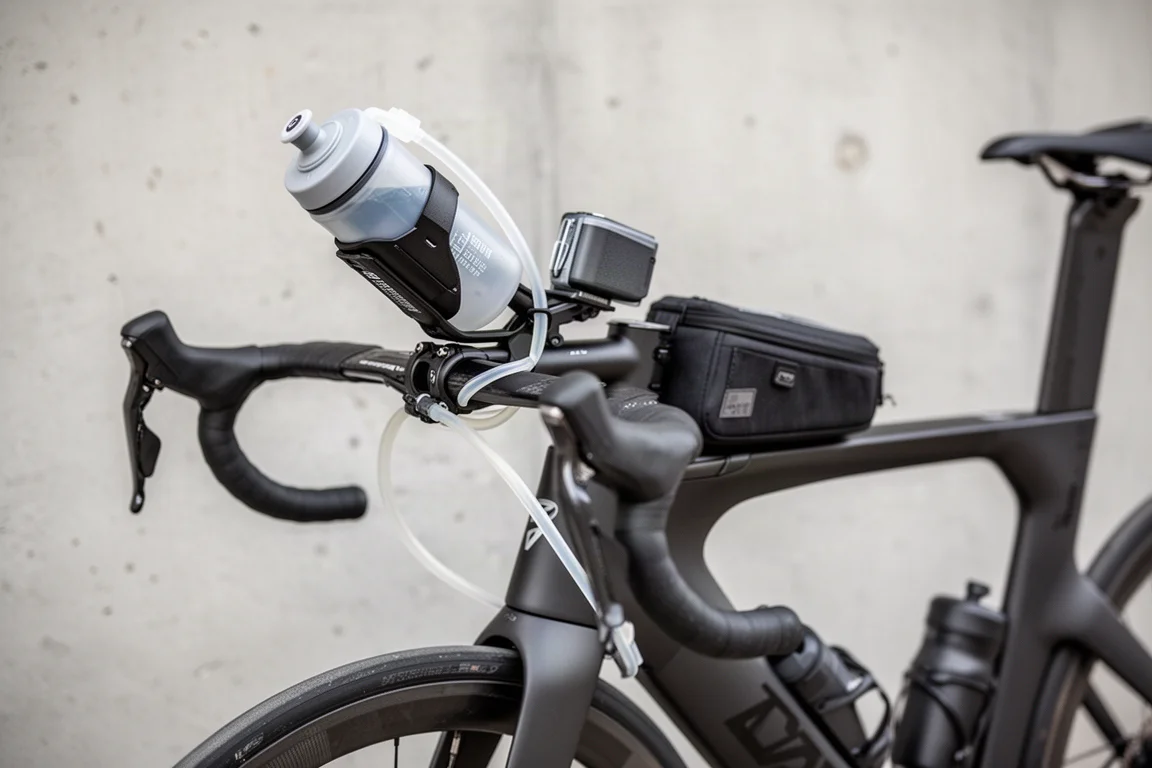
The bento box on the top tube handles gels and small items, and the straw for the in-frame bladder can be routed through it. The bladder can also be refilled through the bento box, which removes the need to break position just to top up.
Every one of these elements can be removed. Riders who want a minimal setup for a short race can strip the bike back, while riders preparing for an iron distance event can run the full configuration. With the complete package fitted, an optional aero bottle on the down tube is about the only addition worth considering.
Cube Aerium C68X SLT: The Top Model
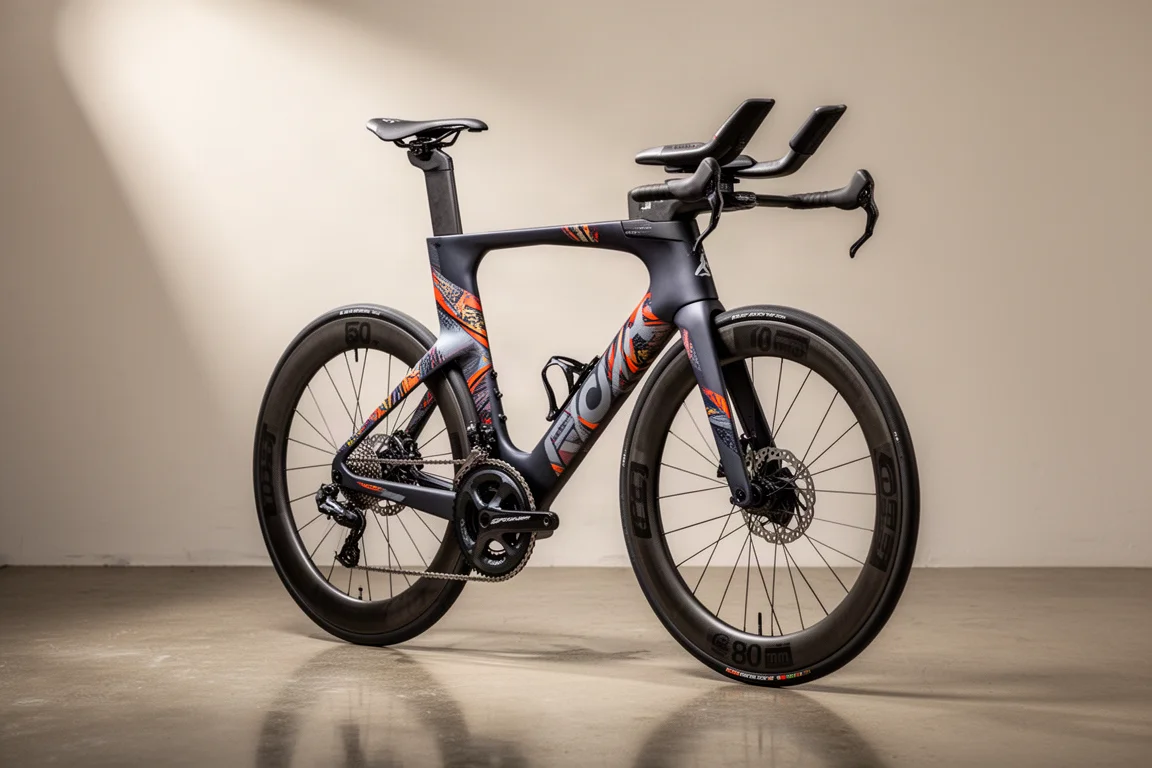
The C68X SLT is the range topper and the build Cube’s professional athletes race. It comes with a Shimano Di2 12-speed groupset, Profile Design 43 ASC aero extensions with a shaped angle and ergonomic grip on the ends, and 80 mm wheels front and rear.
Choosing the SLT means taking the platform in its most complete form, with the deepest wheel package in the range and the highest specification of the three. The bike also carries one of the more striking paint finishes Cube has put on a production triathlon frame.
Fit, Adjustability and Tire Clearance
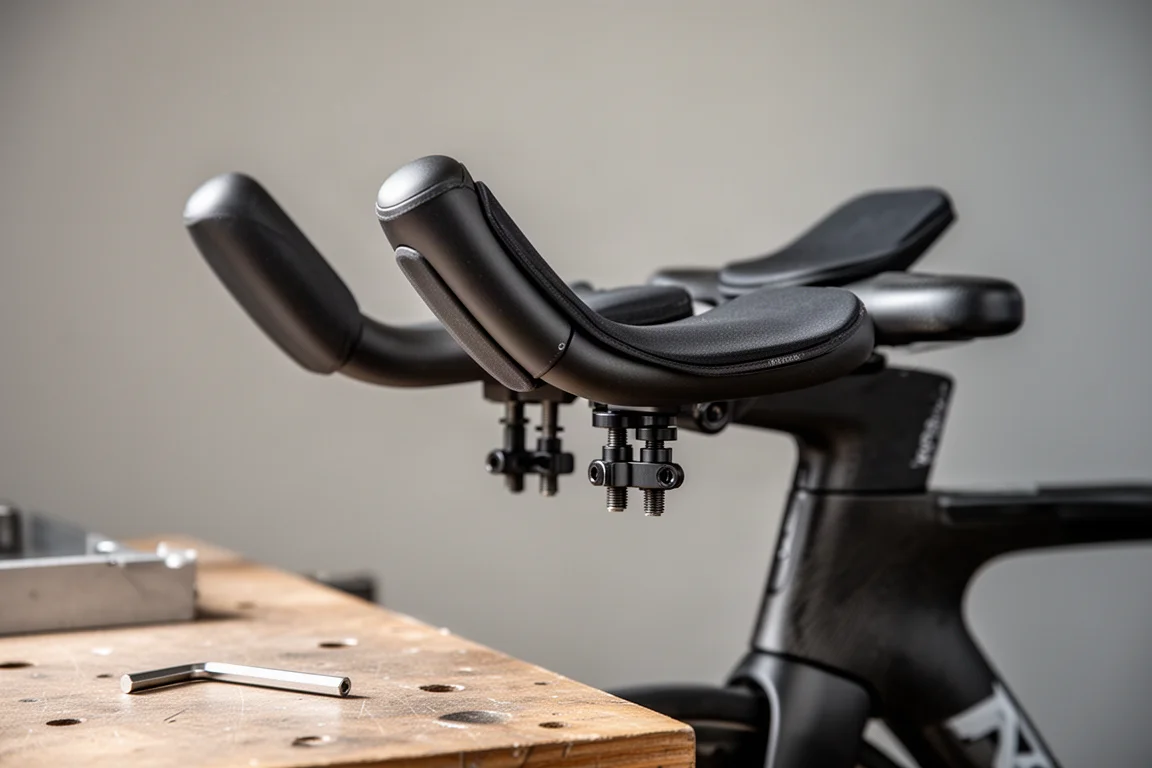
Position adjustment was a clear focus of the redesign. The aero bars offer 0 to 20 degrees of tilt, and the bike ships with a range of extended spacers and brackets so riders can dial in an accurate fit. An additional bracket changes the width of the aero bar position, and a different base bar option allows the front end to sit higher or lower depending on preference.
Braking comes from integrated disc brakes, which add confidence in corners and on technical courses while staying out of the airflow. Tire clearance has also moved with the times. A 25 mm front and 28 mm rear combination is currently the fastest in Cube’s testing, and riders who prioritise comfort can fit 28 mm at the front and 30 mm at the rear.
The front derailleur mount is integrated into the frame for two-by setups. Riders who switch to a single chainring can fit a cover over that position, leaving a completely flat surface that performs even better without airflow being redirected.
Ride Feel and Aerodynamic Gains
For a bike built around straight line speed, the C68X rides lighter than its aero profile suggests. It feels nimble through changes of direction, and the wide fit window means a comfortable position is reachable quickly rather than after a long session of swapping spacers.
Staying in the aero position is where the real gains come from, and that is exactly what the frame, the hydration setup and the adjustability are all working towards. The front hydration system and seat post carry over from the previous model, but the frame, fork and handlebar use new profiles that Cube validated through flow simulation and wind tunnel testing. The handlebar itself is smaller with a more aerodynamic ergonomic shape on the extensions, and the head tube area is noticeably narrower than before.
Buying Advice: Choosing Your Aerium C68X
All three builds share the same frame, so the aerodynamic platform, the hydration and storage integration and the fit adjustability are identical across the range. The differences come down to groupset, wheels and finishing kit, which makes the decision largely about how much specification you want out of the box.
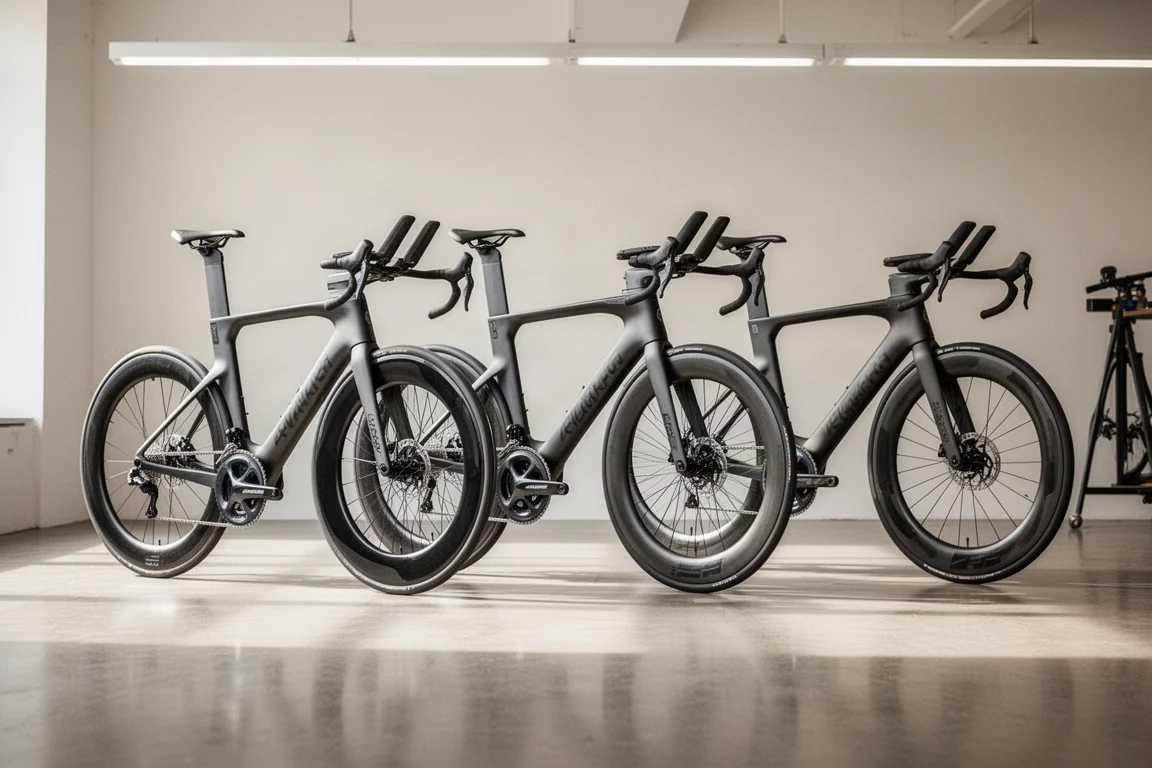
Riders who already own a wheelset they trust may find the base build or the frameset the smartest route, since the frame is where the real engineering sits. The SLX offers a balanced package with a shallower front wheel that is easier to handle in gusty conditions. The SLT is aimed at riders who want the deepest wheels and the highest specification without changing anything.
It is also worth thinking about how much of the race setup you will actually use. Short course athletes may prefer the clean, stripped-back configuration with just the in-frame bladder, while long distance athletes will get the most out of the full hydration and storage package. Because both hydration systems refill on the move, the long distance case for the complete setup is strong.
Conclusion
The Aerium C68X takes a frame shape that already stood out and rebuilds it around the way triathletes actually race. Improved aerodynamics, integrated disc brakes and a wide fit window are all welcome, but the integration work is what separates this bike from most of the field. Being able to line up with everything you need already on the bike, and to refill most of it without breaking position, is a genuinely useful advantage on race day. Whichever build you choose, the platform underneath is the same.
Further reading
Related Reviews
Triathlon Bikes
Best Triathlon Bikes 2026: Seven Race Bikes Compared
Seven triathlon bikes assessed on front-end adjustability, onboard hydration and storage, and value, from the most common bike in transition to lower-cost race options.
Triathlon Bikes
BMC Speedmachine Review: A Formula One-Informed Triathlon and TT Bike
The BMC Speedmachine pairs Red Bull Advanced Technologies aerodynamics with a redesigned frame, integrated hydration, and a 500 gram weight saving over BMC's previous triathlon platform.
Triathlon Bikes
Buying Speed: Canyon Speedmax CFR vs Triban RC 120 Road Test
A head-to-head 22 km test of a premium triathlon race bike, an affordable disc-brake road bike, and a disc wheel upgrade, with the numbers and the trade-offs that matter.