Hi-Fi Speakers
CSS Audio Typhon Review: A Full-Range Tower With Adjustable Time Alignment
The CSS Audio Typhon splits a floor-standing speaker into two stacked modules, adds a tilting top cabinet, and aims for a claimed 20 Hz low end without a subwoofer.
Introduction
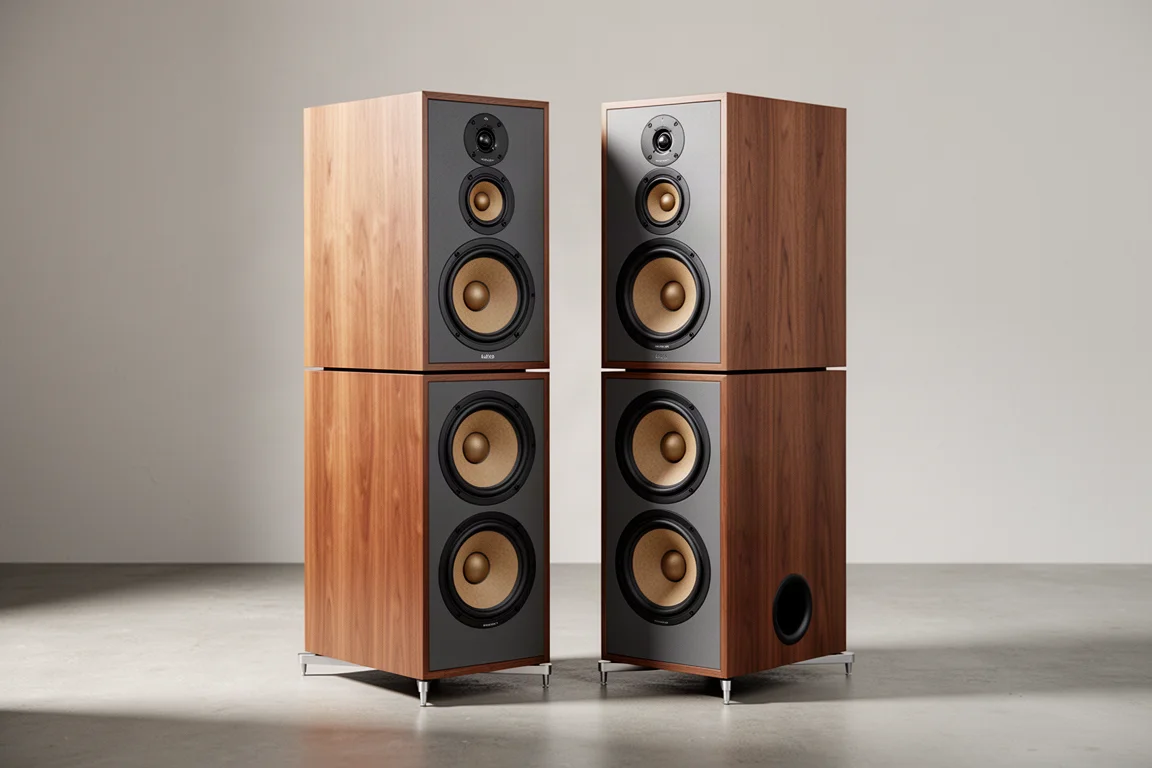
The CSS Audio Typhon is the flagship floor-standing loudspeaker from CSS Audio, and it takes an unusual approach to the familiar tower format. Rather than a single tall cabinet, the Typhon is built as two stacked modules: a sealed upper cabinet that carries the high and mid frequencies, and a separate lower cabinet that handles the bass. The two sit together as one tower, and the upper module can be angled so its drivers stay properly aligned with the listener’s ears.
That tilt is the defining feature. The top module moves up and down on the vertical axis by up to five degrees, adjustable in one-degree steps, so the speaker can be time aligned on axis for the ceiling height and seating position in a given room. It is the kind of adjustability normally associated with very expensive reference towers, applied here in a design meant to reach a much wider audience.
Inside the upper module sits a soft dome tweeter measuring under one inch, paired with a seven-inch paper mid-woofer in a sealed enclosure. The lower module houses two seven-inch paper woofers with a port at the back, with the crossover between the modules set at roughly 200 Hz. CSS Audio states that the combination delivers full-range response down to 20 Hz in a room without a subwoofer.
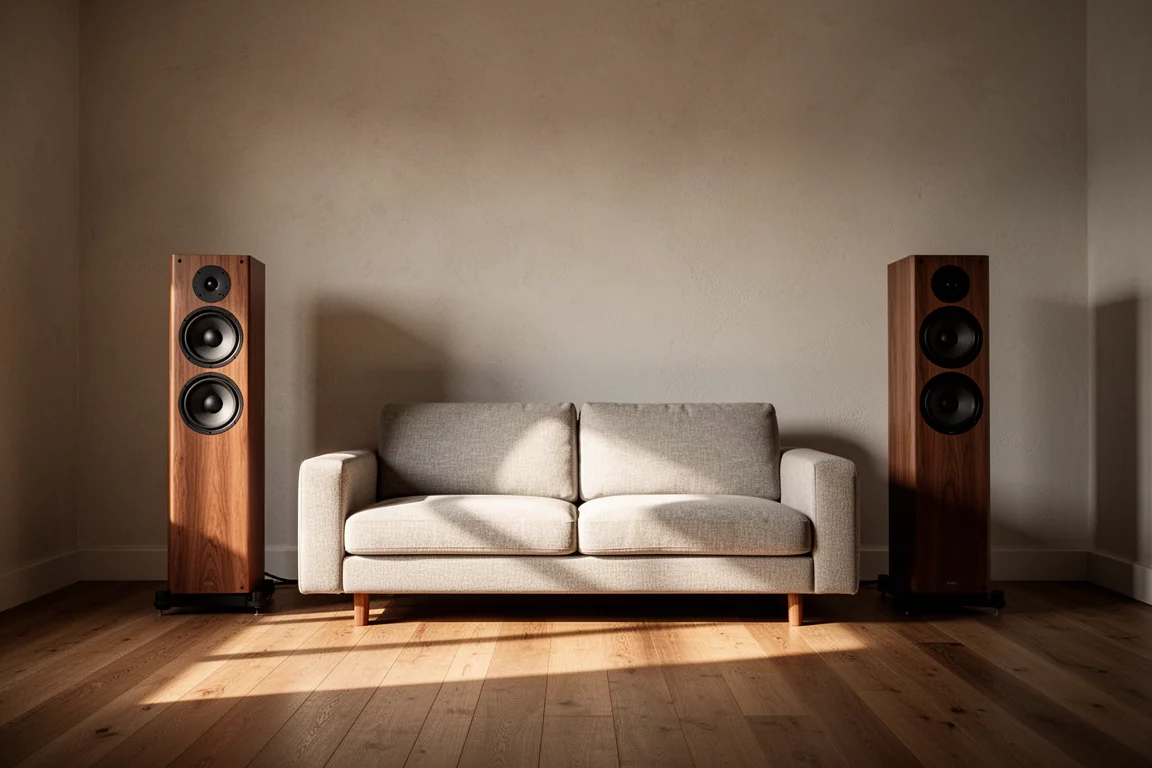
The Typhon was developed as a collaboration with an outside listener and designer who wanted to blend two very different speaker characters: a romantic, silky midrange on one side and a controlled, authoritative low end on the other. The project started with a far lower price target than the finished speaker carries, and the gap between those two numbers is one of the more honest parts of the story.
Who This Speaker Is For
The Typhon makes the most sense for listeners who want a full-range tower and do not want to add a subwoofer, particularly in rooms where the speakers cannot sit at an ideal height relative to the listening seat. Fixed-baffle towers force a compromise: too low, too high, or one perfect chair position. A tilting upper module removes that compromise and lets the owner tune the alignment to the room rather than tuning the room to the speaker.
It also suits buyers who think about a speaker as a long-term platform rather than a sealed purchase. CSS Audio designs with a do-it-yourself heritage, and the company intends to keep offering crossover upgrade paths so owners can change the sound later instead of replacing the whole speaker.
Design: A Two-Module, Adjustable Tower
Separating the cabinets does more than enable the tilt. Because the midrange and tweeter sit in their own sealed enclosure, the upper module benefits from the tighter bass and faster transients that a sealed bookshelf design typically delivers. It also reduces the amount of energy from the bass drivers that reaches the midrange cabinet, and it allows a larger, heavily stuffed midrange chamber that helps absorb the back wave coming off the driver.
The lower cabinet carries two seven-inch paper woofers and a rear port, and it is effectively the speaker’s built-in subwoofer, except that it crosses over higher than a typical subwoofer would, at around 200 Hz. That lets the upper module work less hard in the bass region and concentrate on midrange and treble. The cabinet itself is finished in wood veneer, and the design went through several revisions after early prototypes were judged not to look high-end enough, which led to a metal outrigger base in place of the original plastic foot and a change of binding posts.
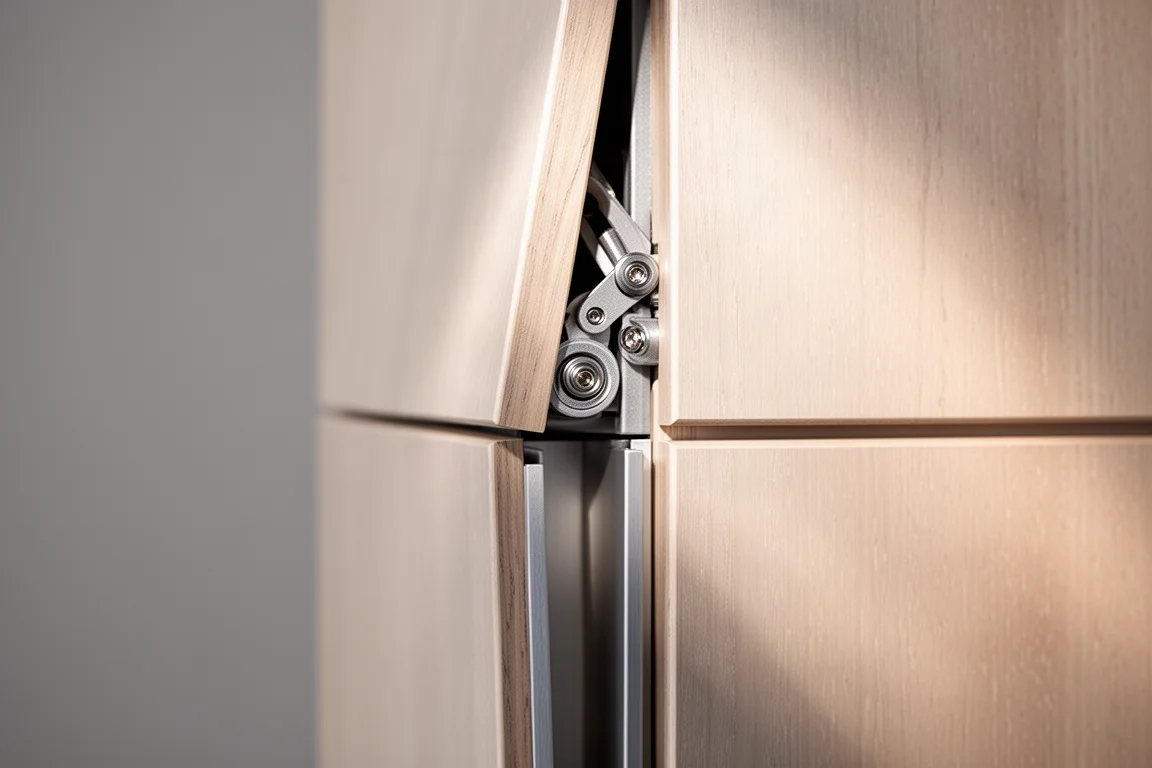
In practice, the adjustment is simple to use. The owner sets the tilt to match their seating height, typically a small number of degrees, and the speaker stays on axis for both horizontal and vertical listening positions. The manual process is handled through a guided setup walkthrough rather than a paper booklet.
Sound, Crossover, and Component Choices
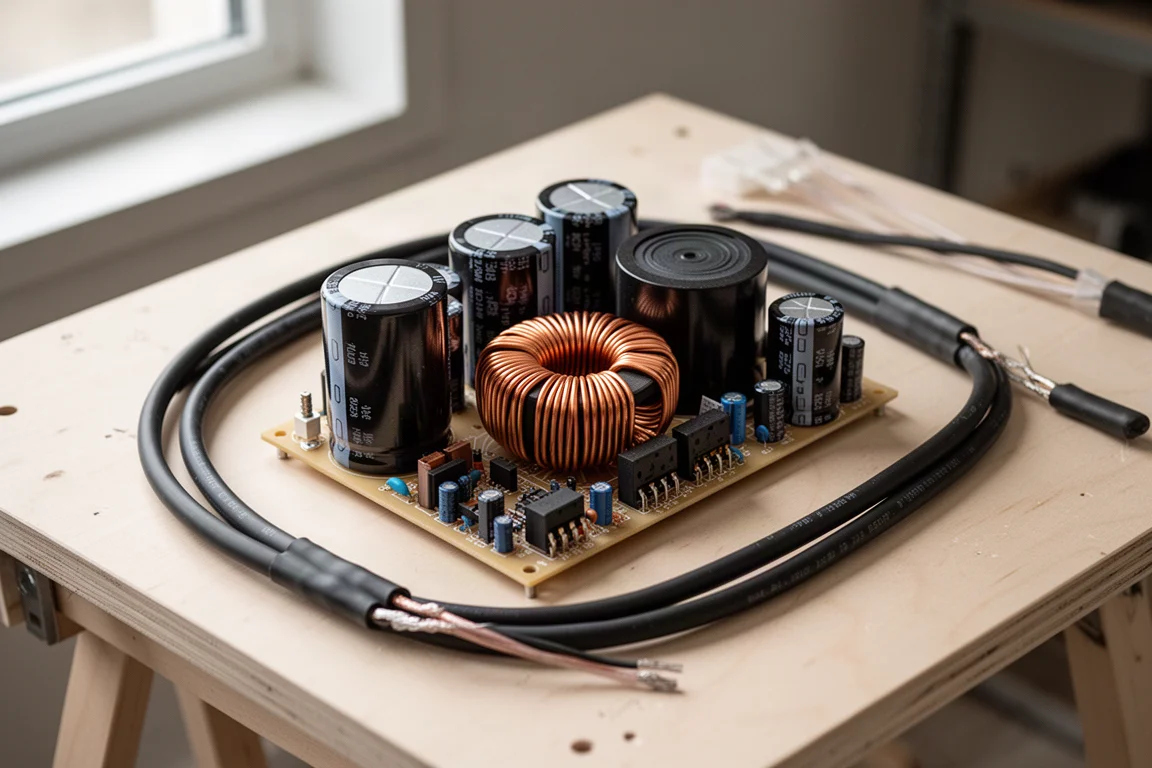
CSS Audio treats the crossover as the heart of the speaker, and the Typhon’s crossover received most of the development attention. Getting the drivers to integrate in phase is what produces a cohesive sound, and it is also where the voicing of the speaker is decided.
To choose the components, the design team built a switching rig that allowed rapid comparisons between capacitor types in the same circuit, using matched values so the differences heard were not tolerance effects. Several well-known capacitor families were auditioned, including Clarity Audio, Jupiter, and Duelund, alongside the Jensen Z caps that CSS Audio already uses in its other speakers.
The results were not what the team expected. The Duelund capacitors were the clear favourite on sound, described as coherent with real snap in the treble, but they were both far too large to fit inside the cabinet and expensive enough that using them would have added roughly three thousand dollars to the price of the speaker. The Jupiter capacitors produced an unusually wide, wall-to-wall soundstage but with less focus than the team wanted for a speaker whose goal is precise imaging. The Clarity Audio capacitors narrowed the stage width and rolled off the top end slightly. The Jensen Z caps won on balance: tighter focus, good depth, and a tonal character that matched the drivers, at a price that kept the project viable. CSS Audio has said it may explore an external crossover upgrade path for owners who want to go further later.
The voicing itself was a deliberate compromise between musicality and control, with the aim of keeping the midrange and treble silky while retaining authority and grip in the low end at any volume. The Typhon is tuned to measure flat in the high frequencies at normal listening levels. For owners whose rooms or listening habits push them in a different direction, the top module can be sent back to CSS Audio to have the high frequency response adjusted by plus or minus 3 dB, an option few speaker makers offer.
Things to Consider Before Buying
The most important consideration is price. The Typhon was conceived around a target of three thousand dollars for the pair, and that target proved impossible given the cost of materials and the parts chosen. The finished speaker is priced at 5,500 dollars for the pair, and CSS Audio states that margins are tight at that figure.
Owners should also expect the Typhon to be excluded from future promotions, including Black Friday sales, because the margins do not allow for discounting. Anyone waiting for a seasonal price drop should factor that in.
Two smaller points are worth knowing. The high frequency adjustment requires shipping the top module back to CSS Audio rather than a user-side control. And like any full-range tower, the claimed 20 Hz extension depends heavily on the room and on placement, so the setup guidance matters as much as the specification sheet.
Buying Advice and Ownership Support
What the Typhon includes at its price is notable. Buyers get a 30-day in-home trial, a guided setup walkthrough produced by the design team rather than a printed manual, and access to future owner sessions where the team answers questions in person at a show, roughly a year after release. Owners also stay on an upgrade path, since the crossover can be revised later without replacing the speaker.
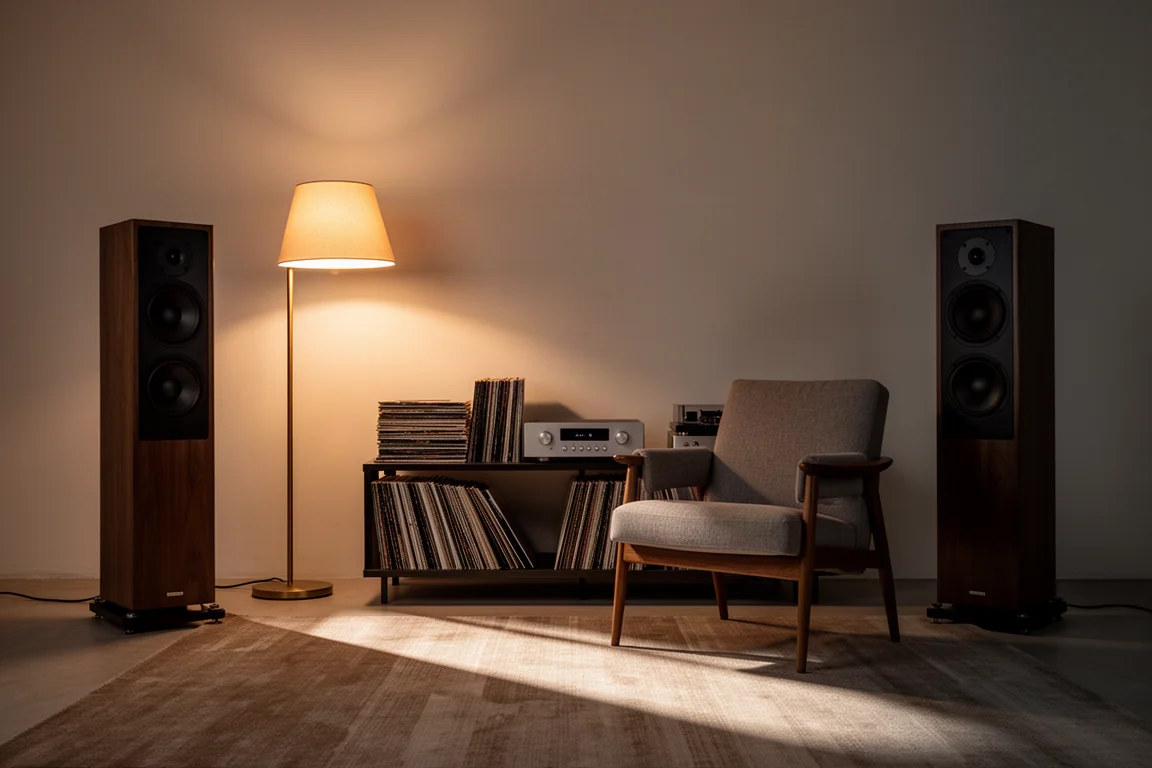
Amplifier matching is refreshingly undemanding. The Typhon was tested with a wide range of electronics, from modest AV receivers and integrated amplifiers to a Parasound Halo integrated amplifier and considerably more expensive amplification, and it performed well across all of them. The speaker does the heavy lifting, which means a buyer does not need to rebuild a system around it. For anyone who wants a tower that can be aligned to their seat, reaches deep without a subwoofer, and can be improved over time, the Typhon is a genuinely considered piece of engineering.
Conclusion
The CSS Audio Typhon is an ambitious speaker built around two ideas that rarely appear together at this level: a physically adjustable upper module for proper time alignment, and a sealed top cabinet paired with a dedicated bass module that crosses over at around 200 Hz. The result is a floor-standing speaker that can be tuned to a room and a seating position rather than the other way around, with a crossover developed through extensive component listening.
The trade-offs are clear and stated plainly. The final price of 5,500 dollars per pair sits well above the original target, the speaker will not appear in future sales, and the high frequency adjustment involves sending the top module back to the manufacturer. Buyers who value adjustability, full-range output without a subwoofer, and a long-term upgrade path will find a lot to like here. Buyers who are mainly shopping on price should look elsewhere.
Product link
View more details for CSS Audio Typhon
This product is mentioned in the review. Check the specifications, options, and compatibility before buying.
View more details for CSS Audio TyphonFurther reading
Related Reviews
Hi-Fi Speakers
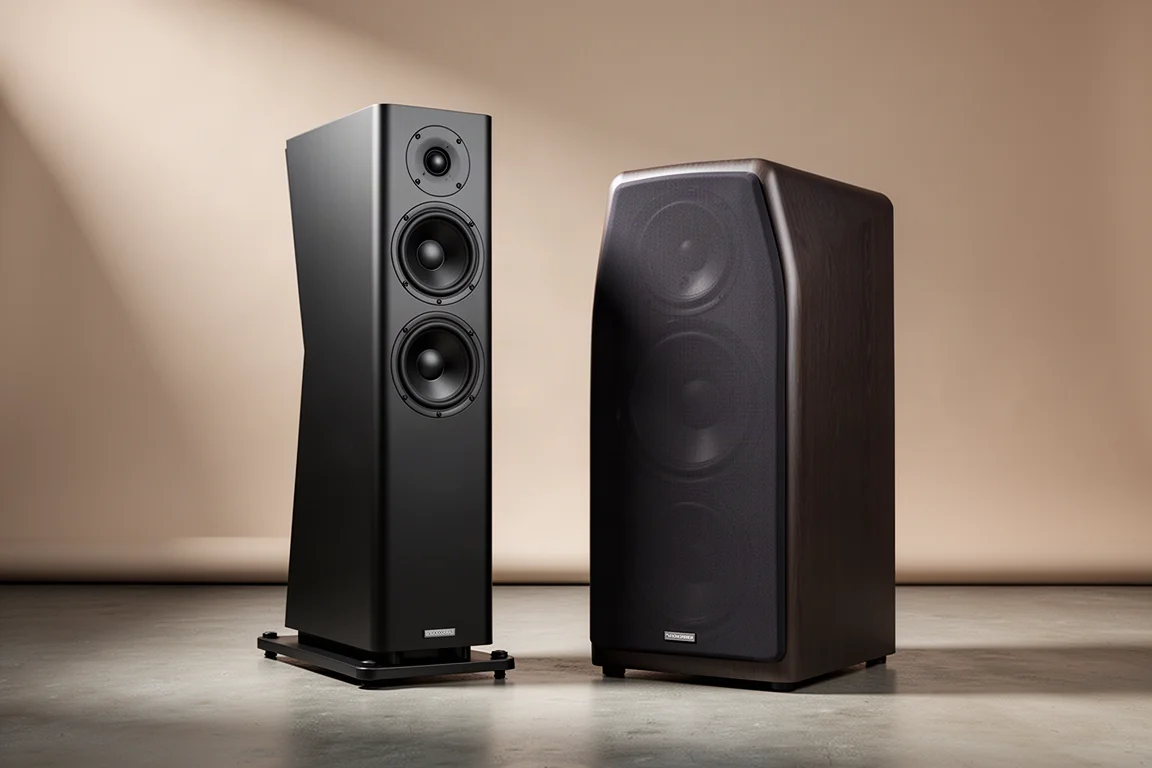
1723 THX Tower vs 1528 Bookshelf: Which Speaker Fits Your Room?
Two speakers at roughly the same price, built very differently. How the 1723 THX tower and the 1528 bookshelf compare on construction, bass, power needs, and sound.
Hi-Fi Speakers
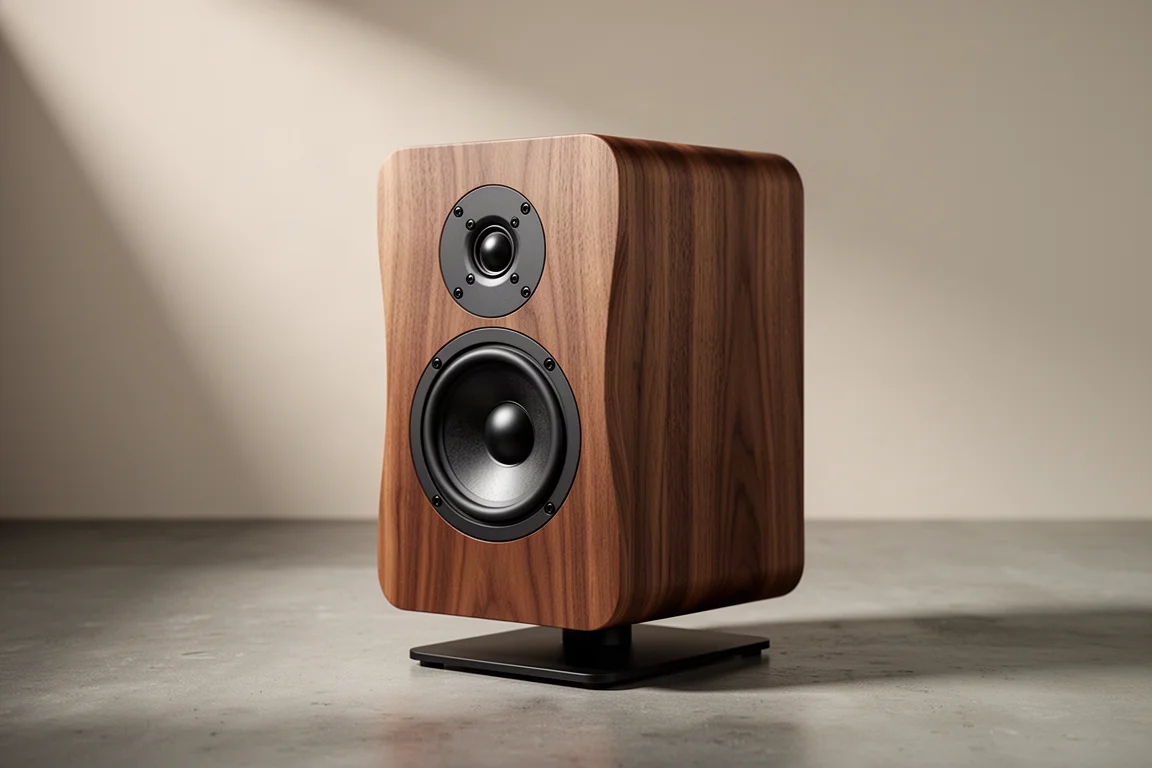
Acoustic Energy AE 300 Review: Deep Bass From a Compact Standmount
A two-way standmount with real wood veneer, surprising low-end weight, and a warm, easygoing character. Here is what to know before buying.
Hi-Fi Speakers
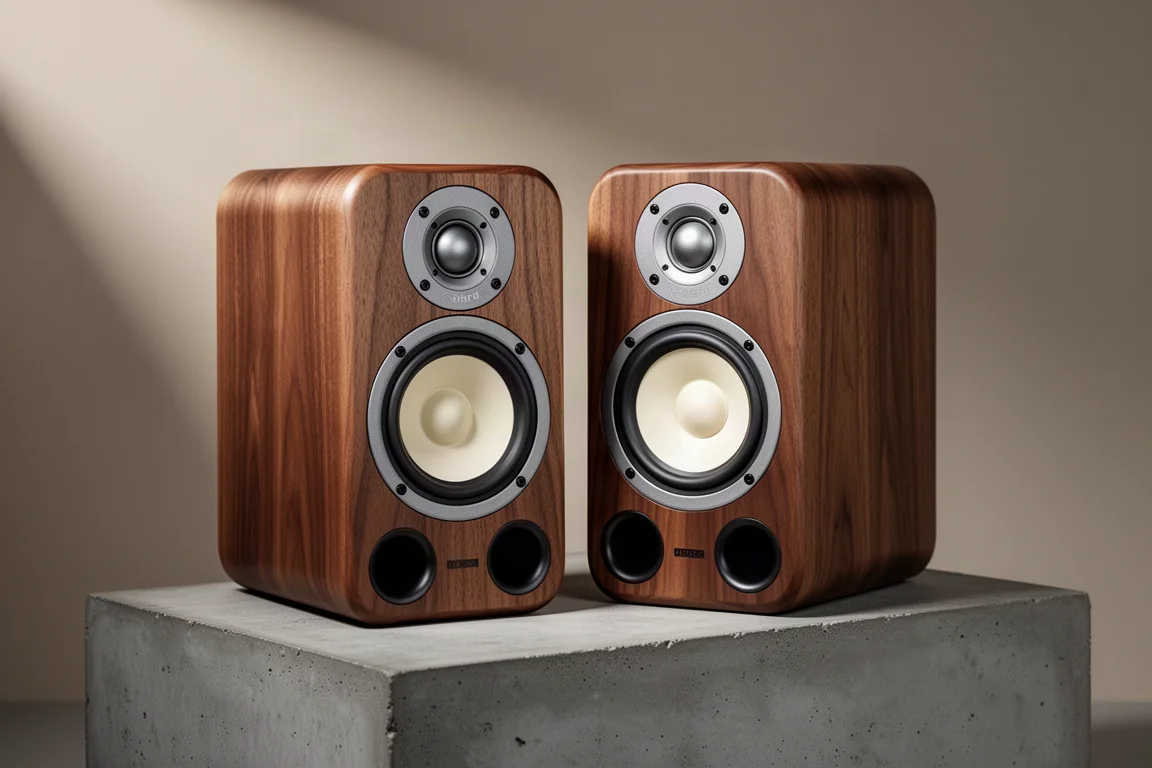
Acoustic Energy AE1 40th Anniversary Review: A Modern Take on a British Classic
A compact standmount that revives a 1980s favorite with all-new parts, a warm mid-centric balance, and a price of £1,499 per pair.