Hi-Fi Speakers
CSS Audio One TDX vs Sonus Faber Electa Amator III: A Practical Speaker Comparison
How an upgradeable kit-derived speaker compares with a roughly $10,000 Italian luxury design on sound, build, and long-term value.
Introduction
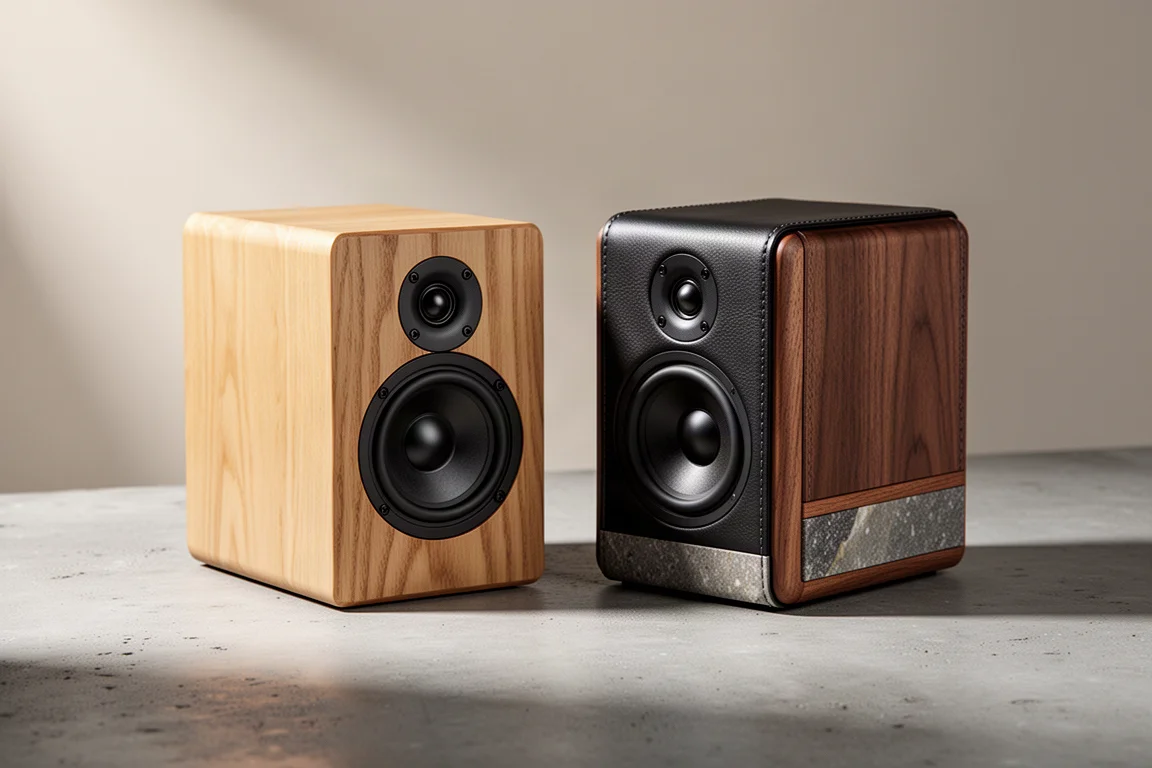
Some speakers earn their place in a room through sound quality alone, and others through the way they are made. The CSS Audio One TDX and the Sonus Faber Electa Amator III sit at opposite ends of that spectrum.
CSS Audio builds its own drivers and sells speaker kits. The One TDX is the updated version of its One TD design, and the update is more than a parts swap: it pairs a new soft dome tweeter, the LD25X, with a redesigned crossover built specifically for that driver. Change both together and you effectively have a different speaker. CSS Audio also now offers the design as a factory-finished speaker for buyers who would rather not assemble and finish a cabinet themselves.
The Sonus Faber Electa Amator III takes the other route. It is a roughly $10,000 Italian speaker built with leather, solid walnut, and granite detailing, and its appeal includes craftsmanship and materials as much as sound. It is a furniture-grade piece of audio equipment designed to be kept for decades.
Two Very Different Ways to Buy a Speaker
The clearest difference between these two designs is not the sound. It is what you are actually paying for.
With the CSS Audio One TDX, most of the money goes into drivers, crossover parts, and engineering. The design work, measurements, and listening tests are handled by a company that manufactures its own drivers, so the kit arrives with the hard part already solved. The cabinet is where your own effort and budget go, and that flexibility cuts both ways: you can run a plain cabinet and spend less, or pay for a proper veneer and finish.
The Electa Amator III puts a large share of its cost into the cabinet itself. Leather, solid walnut, and granite are not there to improve dispersion. They are there to make an object that looks and feels exceptional and lasts for decades. The driver and crossover quality inside is high, and comparable in level to what CSS Audio uses, but the finish and materials are the visible difference.
There is also a long-term ownership difference. The CSS Audio design can be upgraded in place: a new tweeter and a matching crossover turn an older One TD into a One TDX. The Sonus Faber design does not work that way. When a newer generation arrives, an existing owner cannot upgrade the earlier speaker in place.
CSS Audio One TDX: A Kit That Keeps Getting Better
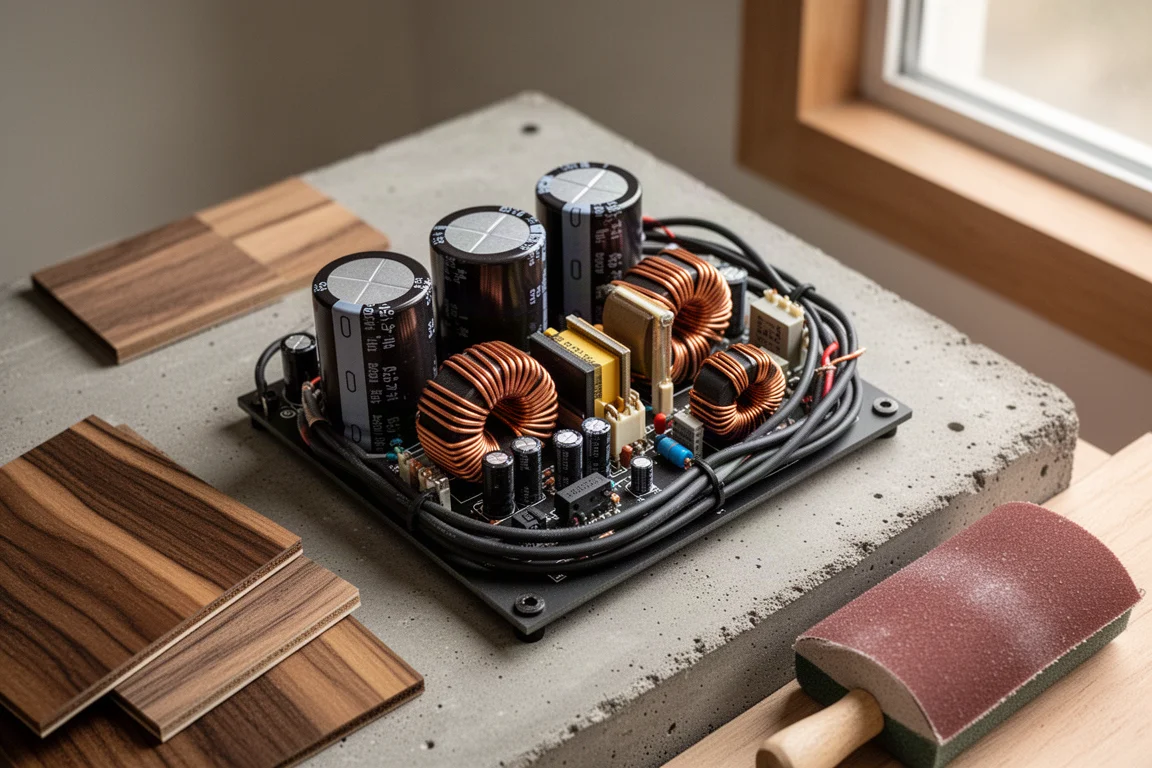
The headline change in the One TDX is the LD25X tweeter. It is still a soft dome design, but slightly larger than the tweeter used in the original One TD. Because it is a different driver, it cannot simply be dropped into the old cabinet with the old crossover. CSS Audio supplies a new crossover to match, and that board is a serious piece of hardware: heavy, generously built, and closer in weight to a small amplifier than to a typical crossover.
The upgraded crossover costs around $400, and the difference it makes is not subtle. With drivers of this quality, the crossover upgrade is the step that unlocks the speaker’s character, and it is worth budgeting for from the start.
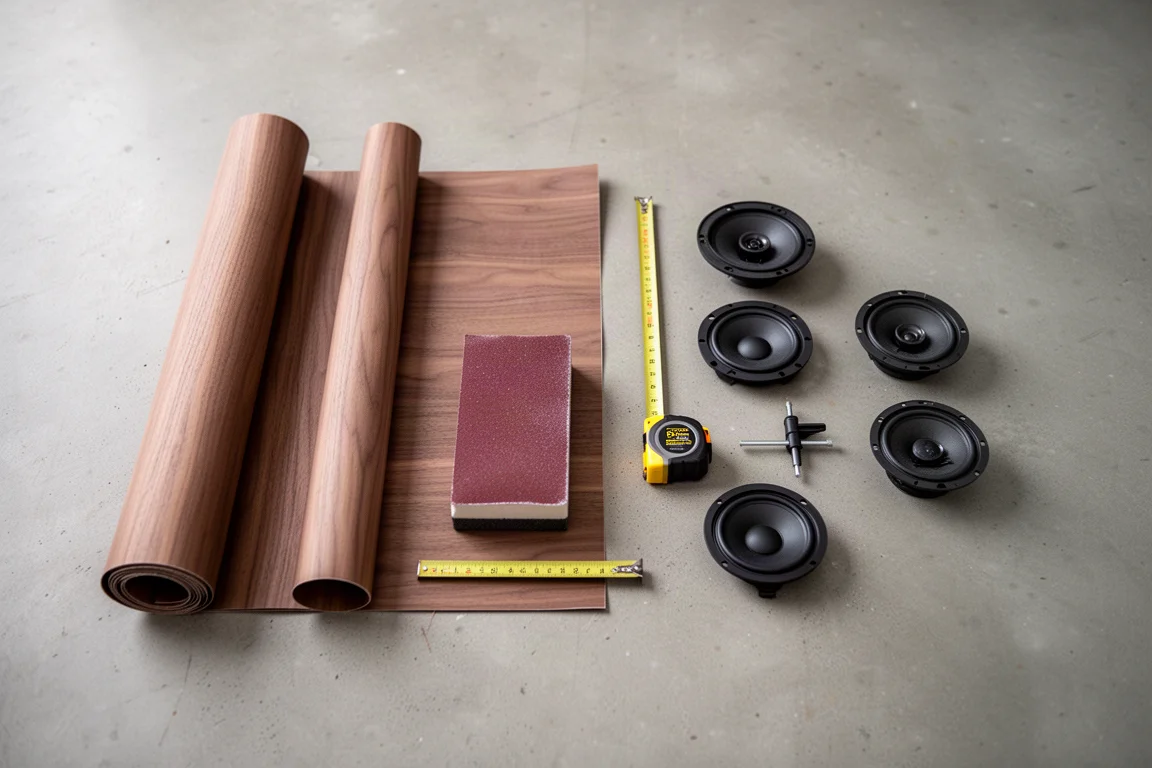
Assembly is the other half of the story. Buyers build the cabinet, choose a finish, and install the parts. Veneering is the expensive part of that process. A basic veneer job ran around $400 at the time, and a more meticulous finish costs considerably more. CSS Audio now sells a factory-finished version for about $1,000 more than the kit, which removes the labour, the wait, and the risk of a finish that does not match expectations. The tuning port can also be adjusted, so low-frequency behaviour is not entirely fixed.
Drivers are sold separately, which matters more than it sounds. If a driver is ever damaged, it can be replaced rather than forcing a search for a donor unit.
Sonus Faber Electa Amator III: Luxury With a Long Lifespan
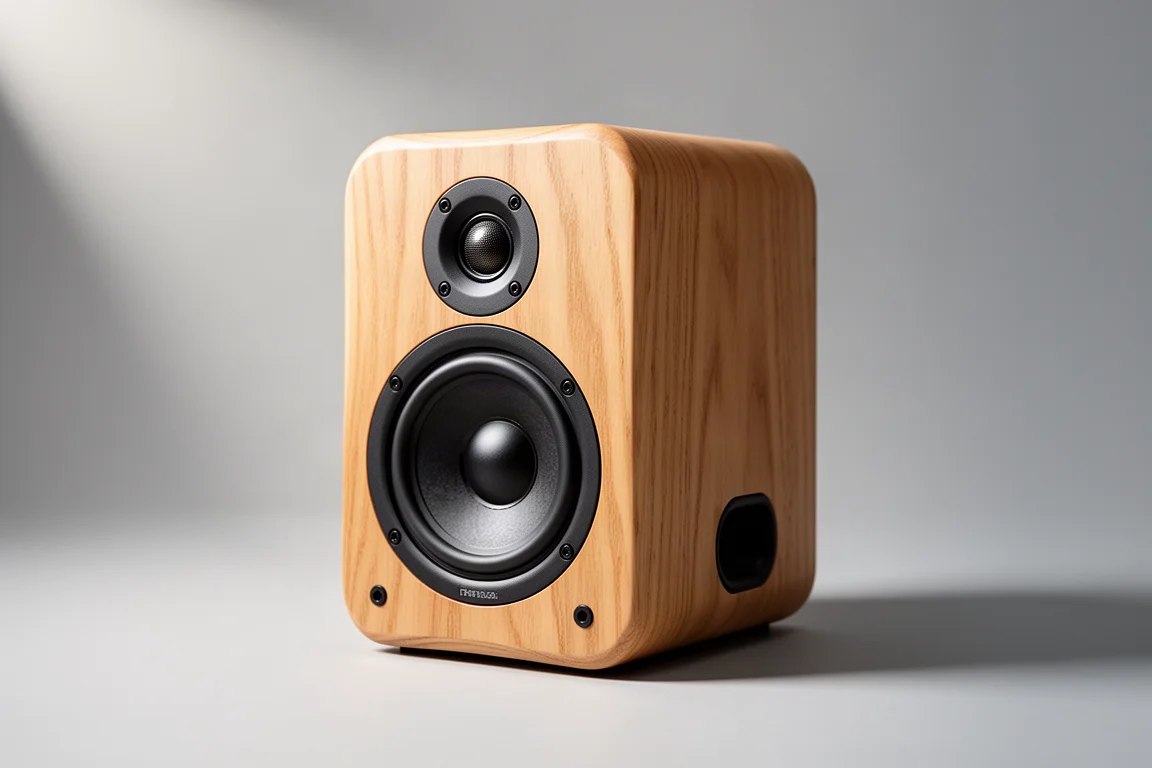
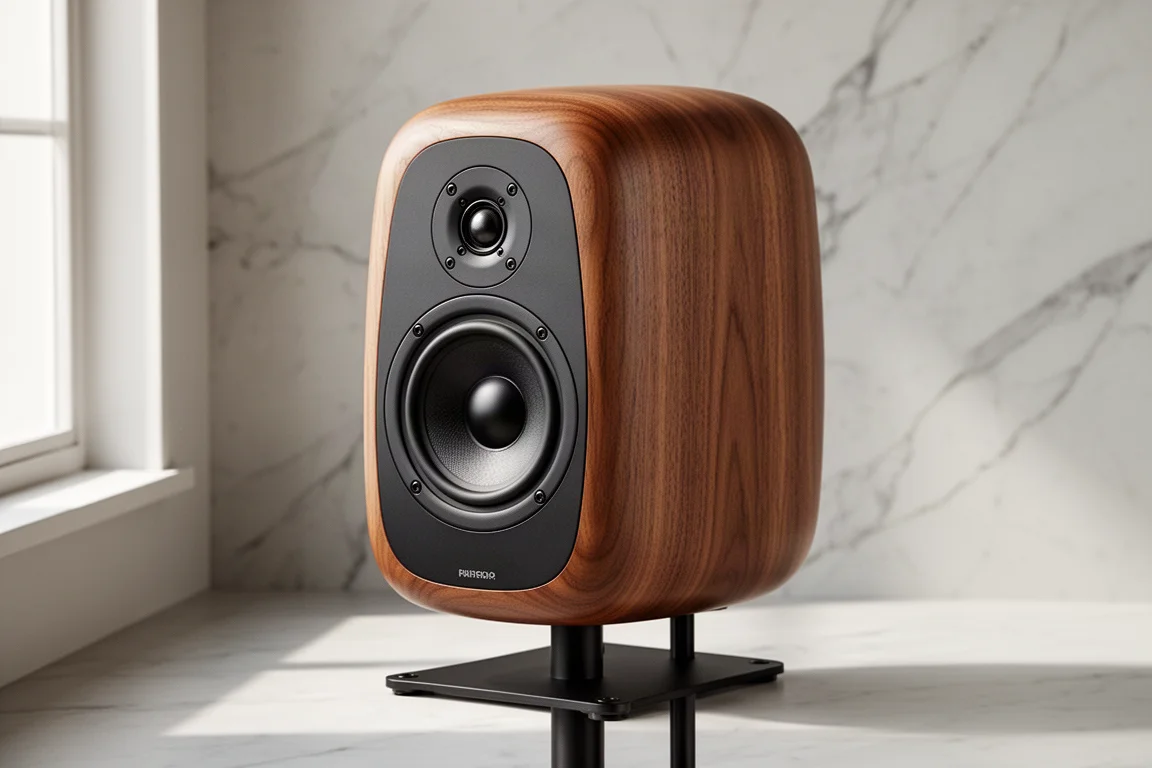
The Electa Amator III is what happens when a speaker is designed as a luxury object first and a sound source second. The cabinet work, the leather, the solid walnut, and the stone detailing are all part of the proposition, and the result is a speaker that looks as considered as it sounds.
At around $10,000, it competes in a crowded premium field, and its build quality and craftsmanship hold their own there. It also likes power, in the same way the CSS Audio design does, and it responds well to an amplifier with real current delivery.
Where it differs from the One TDX is character. The Electa Amator III has a pronounced mid-bass energy that gives it a recognisable, slightly warm signature. That signature is part of why owners keep it, and it is also the area where a more linear design can pull ahead.
Sound Quality: Where the One TDX Pulls Ahead
The two speakers share a broadly similar tonal signature, including that touch of mid-bass energy, but the One TDX is the more linear of the two. It extends lower in the bass than the Electa Amator III, and its mid-bass punch is tighter. A subwoofer is not strictly necessary, though one would still help the lowest octave if you want full extension.
The high frequencies are where the gap is widest. The One TDX sounds clearer and more extended up top, with less grain, and it stays smooth when the volume goes up instead of turning hard or fatiguing. That sweetness comes largely from the new tweeter, and it is the single biggest reason the upgrade changes the speaker’s personality.
Mid-range performance is neutral and balanced with just enough character to stay interesting. Imaging is the standout: centre images lock in tightly, instruments are easy to place, and the micro-detail between the speakers is unusually precise for a design that is not dual concentric.
Soundstaging is similarly strong. The One TDX throws a wide, atmospheric stage that fills the room, and it holds together even when you are off to the side. Depth is broadly comparable between the two designs, with both offering a convincing sense of space.
Build, Ownership, and Value
A finished One TDX costs more than the kit, but it remains far below the Electa Amator III, and the crossover upgrade is a small fraction of the total. For buyers who enjoy woodworking, the kit route saves money and adds a project to the process. For everyone else, the finished version removes the two riskiest steps: veneering and finishing.
Ownership experience matters too. A speaker that has held up well over a year of regular use is doing what it should, and replaceable drivers make long-term maintenance straightforward. The Electa Amator III is built from materials intended to last generations, and that longevity is a real part of its value.
It is worth being honest about kit expectations. Assembling a speaker does not automatically produce high-end sound. The difference here is that the design work, measurements, and voicing come from a company that builds its own drivers and has refined the design across multiple versions.
Buying Advice
Choose the CSS Audio One TDX if sound quality per dollar is the priority and you are comfortable either building a cabinet or paying for a finished one. Budget for the upgraded crossover from the beginning, because it is the part that makes the design what it is. If you want the lowest entry point, an unfinished cabinet gets you the same acoustics for less.
Choose the Sonus Faber Electa Amator III if the craftsmanship, the materials, and the sense of owning a lasting object matter as much as the sound. It is the more beautiful speaker, it is built to be kept, and its warmer mid-bass character is a feature rather than a flaw. It simply cannot be upgraded in place the way the CSS Audio design can.
If you are undecided, the deciding question is simple: do you want the best sound you can get for the money, or the best object you can get for the money? The One TDX answers the first question. The Electa Amator III answers the second.
Conclusion
The One TDX is an unusual speaker in that it can be improved rather than replaced. The new tweeter and matching crossover turn an existing design into something noticeably more capable, with cleaner high frequencies, tighter bass, and imaging that holds its own against far more expensive designs. The fact that it is now available factory-finished makes the whole proposition easier to recommend.
The Electa Amator III remains what it always was: a beautifully made, long-lived luxury speaker with a character all its own. It is not the value pick and it is not upgradeable, but it was never trying to be either.
Further reading
Related Reviews
Hi-Fi Speakers
1723 THX Tower vs 1528 Bookshelf: Which Speaker Fits Your Room?
Two speakers at roughly the same price, built very differently. How the 1723 THX tower and the 1528 bookshelf compare on construction, bass, power needs, and sound.
Hi-Fi Speakers
Acoustic Energy AE 300 Review: Deep Bass From a Compact Standmount
A two-way standmount with real wood veneer, surprising low-end weight, and a warm, easygoing character. Here is what to know before buying.
Hi-Fi Speakers
Acoustic Energy AE1 40th Anniversary Review: A Modern Take on a British Classic
A compact standmount that revives a 1980s favorite with all-new parts, a warm mid-centric balance, and a price of £1,499 per pair.