Hi-Fi Speakers
CSS Audio 1TDX Review: A Kit Speaker That Holds Its Own Against a $10,000 Design
The CSS Audio 1TDX is a DIY loudspeaker kit with a reference-leaning balance, linear bass, and a remarkably quiet background. Here is what to weigh before building one.
Introduction
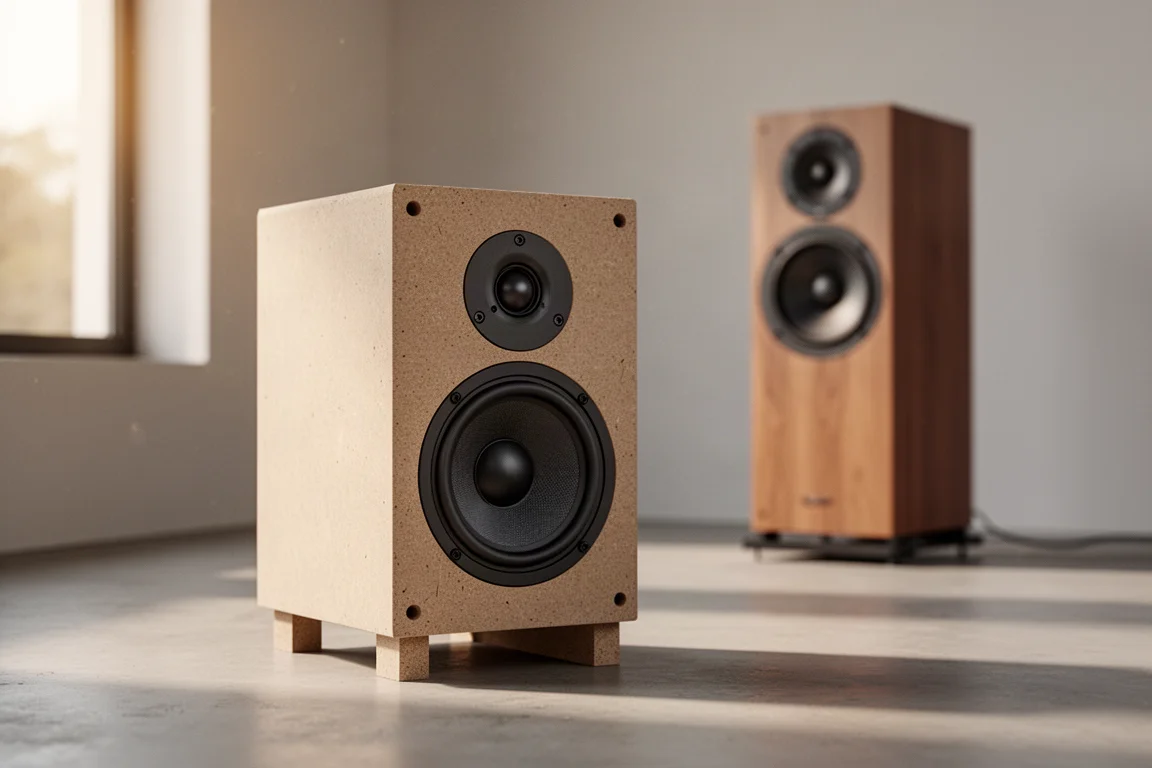
The CSS Audio 1TDX is a loudspeaker kit rather than a finished product, and that single fact shapes the entire experience. You take delivery of parts, you assemble the cabinet, and you end up with a speaker that measures and sounds far more ambitious than its price suggests.
What makes the 1TDX genuinely interesting is how it behaves next to far more expensive hardware. In a blind A/B listening comparison against a $10,000 Sonus Faber speaker, the two designs were difficult to separate. Across five listening rounds, the listener correctly identified which speaker was playing only three times, and the result was close enough that the outcome felt closer to a coin toss than a verdict.
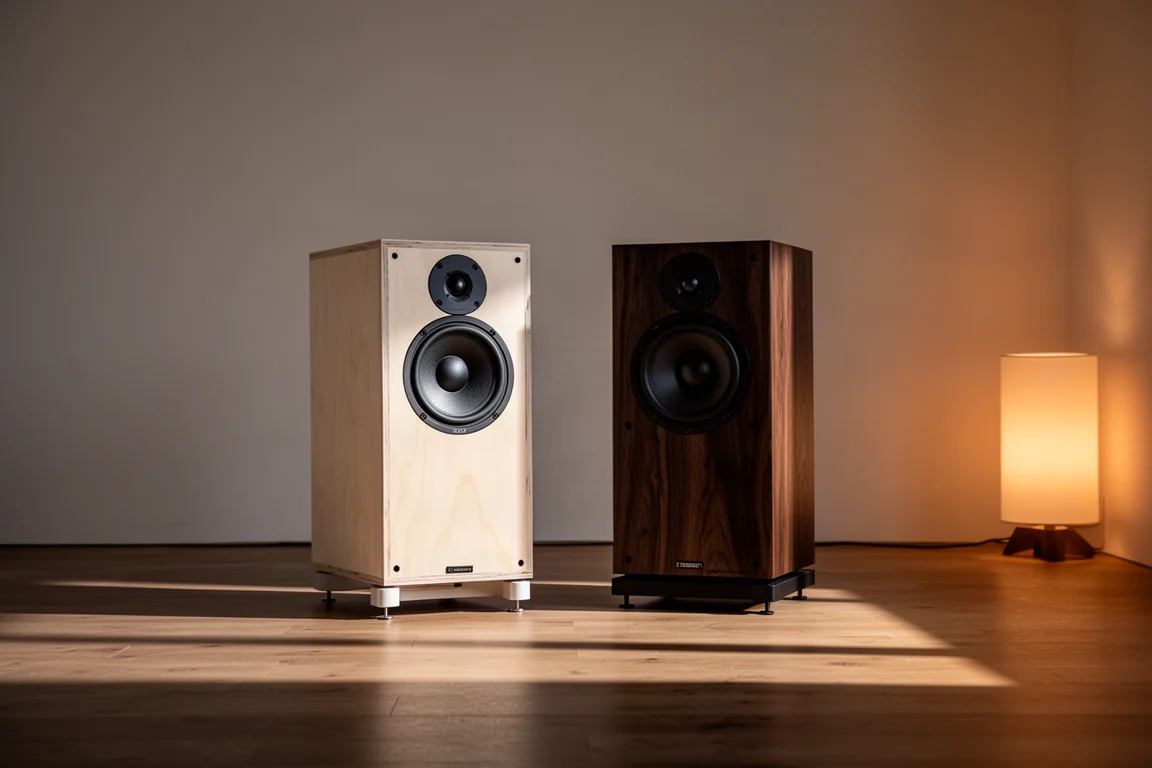
That comparison is worth keeping in perspective. It was an informal, side-by-side listening session rather than a controlled laboratory test, and it does not replace measurements. Still, it points to something real: the 1TDX reaches a level of technical performance that normally sits several price tiers higher.
Who This Speaker Is For
This is a speaker for listeners who want reference-grade sound and are willing to do part of the work themselves. If you enjoy assembling a kit, understanding the crossover, and finishing a cabinet to your own taste, the 1TDX rewards that effort with performance that would cost considerably more in a finished product.
It also suits anyone building a critical listening system on a fixed budget. The 1TDX leans neutral and linear, which makes it a useful reference point for evaluating recordings, amplifiers, and sources over time.
It is not the obvious choice for someone who wants to unbox a speaker, place it, and never think about it again. The kit format is central to the value, not an afterthought.
Main Strengths
The first thing that stands out is the tonal balance. The 1TDX is voiced closer to a reference monitor than to a warm, forgiving home speaker. Bass output is notably linear, staying even rather than swelling in the mid-bass region.
That linearity has a knock-on effect across the rest of the range. Because the low end stays controlled, midrange detail comes through clearly, and the speaker avoids the thick, overripe quality that some listeners mistake for richness. The presentation is crisp and well organised.
The noise floor is another genuine strength. The background between notes is exceptionally quiet, close to pitch black, with no audible hiss or hash intruding on quiet passages. That silence makes small details easier to follow and gives the music a cleaner sense of space.
High frequencies are handled with care as well. The treble stays smooth and does not turn piercing on demanding vocals, which matters for long listening sessions. The result is a speaker that is detailed without being forward or fatiguing, sitting somewhere between the smoothness of a warm finished speaker and the sharper insight of a studio-oriented design.
Design and Build Notes
Because the 1TDX is supplied as a kit, the cabinet is part of the project rather than part of the purchase. Many builds are completed with an unfinished enclosure, which keeps costs down but leaves the speaker looking like what it is: a workshop project rather than a piece of furniture.
That trade-off is deliberate. The money goes into drivers, crossover components, and cabinet volume instead of veneer, lacquer, and branding. The upside is performance per dollar that is difficult to match. The downside is a speaker that will never look as polished as a finished design sitting in the same room.
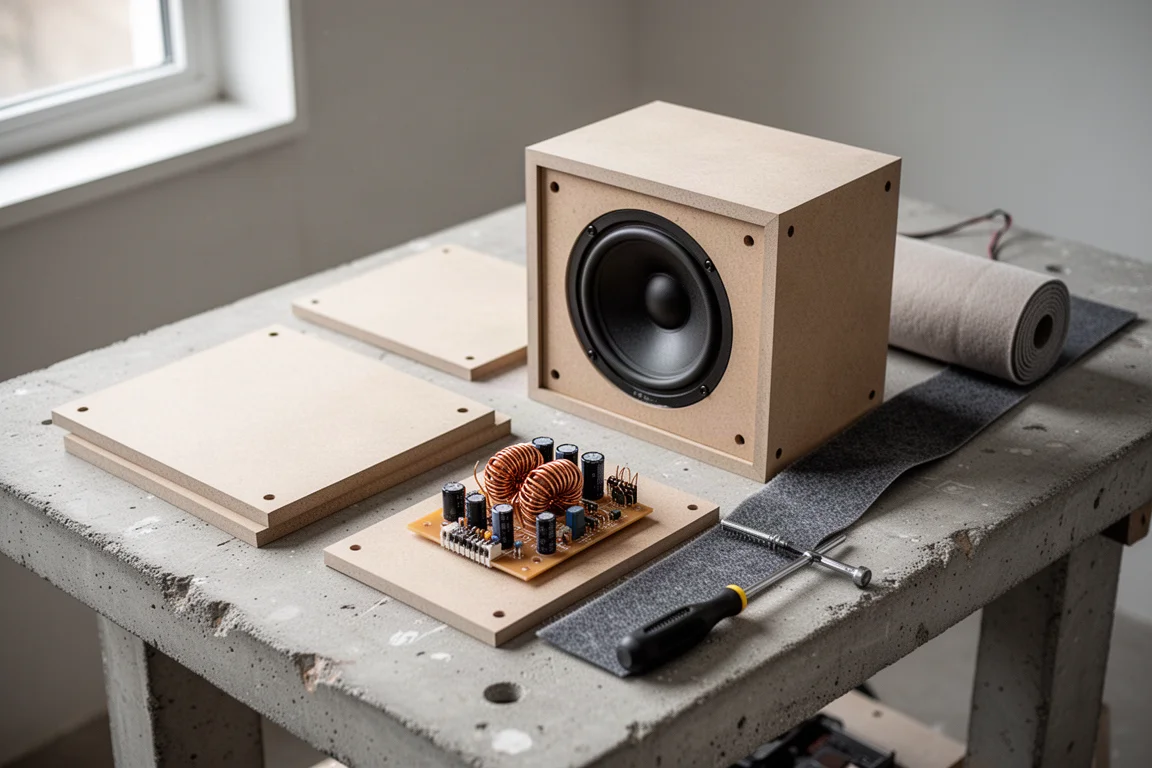
Assembly quality matters more here than with a finished product. Cabinet sealing, damping placement, and crossover wiring all influence the final result, so the kit rewards patience and care.
Things to Consider Before Buying
The kit format is the biggest consideration. You are responsible for assembly and finishing, and a build completed without a finished cabinet will look distinctly utilitarian. If appearance carries weight in your decision, factor that in honestly.
Sound character is the second consideration. The 1TDX is accurate rather than flattering. Listeners who prefer a fuller midrange and a lifted mid-bass region may find it a touch clinical, even though it is the more technically correct of the two designs in a direct comparison. The high frequencies stay polite, and vocals avoid harshness, but the overall balance does not add warmth that is not in the recording.
It is also worth being realistic about how the speaker was evaluated. A side-by-side A/B session is a useful sanity check, not a substitute for measurement. Two speakers placed next to each other in a room will interact with the space differently, and the differences heard in that setting are not always the differences you would hear in a properly treated room.
How It Compares to Finished Speakers
Against a $10,000 Sonus Faber speaker, the 1TDX gave up surprisingly little. The finished speaker offers a richer midrange presence and a fuller mid-bass character, which gives it a more generous, weightier sound that many listeners find immediately appealing. It is also a far more attractive object, and that counts for something in a living space.
The 1TDX counters with linearity, a quieter background, and a more even-handed presentation from top to bottom. In technical terms it came across as the stronger performer, and in blind listening the two were hard to tell apart. Detail retrieval was comparable, imaging was close, and the gap between them was far smaller than the price gap suggests.
That is the honest summary: one speaker wins on character and craftsmanship, the other wins on accuracy and value. They are close enough in performance that preference becomes a matter of taste rather than a clear hierarchy.
Buying Advice
A typical 1TDX build comes in around $1,500, and that figure generally assumes an unfinished cabinet. Set against a $10,000 finished speaker that it can be mistaken for in blind listening, that is a remarkable ratio of performance to cost.
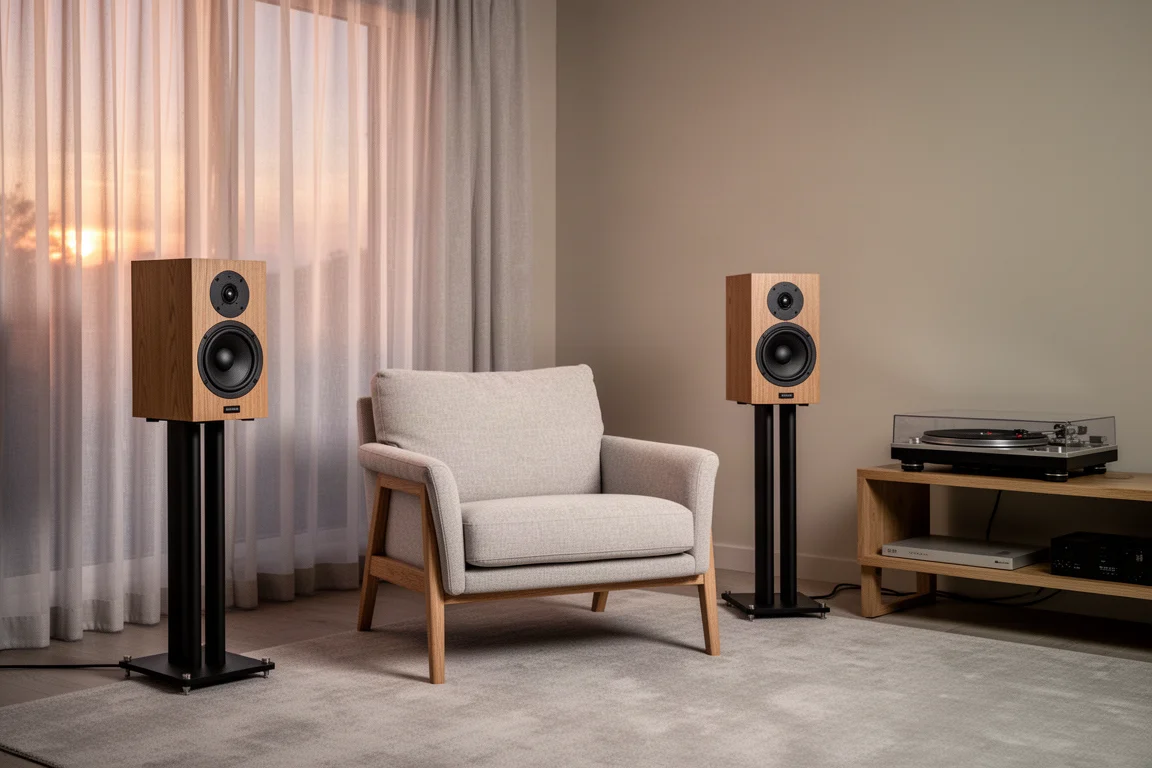
Buy the 1TDX if you want reference-leaning sound, enjoy the building process, and are comfortable with a cabinet that looks like a project. It sets a high bar for what a kit speaker can deliver at this price, and it is a sensible entry point into serious DIY audio.
Look elsewhere if you want a finished, furniture-grade speaker with a warmer tonal signature, or if you would rather not handle assembly and finishing yourself. There is nothing wrong with that preference, and the 1TDX simply is not aimed at it.
Conclusion
The CSS Audio 1TDX is a rare case where a kit speaker earns comparison with hardware costing several times more. It offers linear bass, a very quiet background, smooth treble, and a neutral balance that suits critical listening, all for a build cost in the region of $1,500.
Its limits are equally clear: unfinished looks, assembly work, and a character that favours accuracy over warmth. If those trade-offs fit how you listen and how you like to buy, the 1TDX is one of the most compelling value propositions in loudspeakers today.
Product link
View more details for CSS Audio 1TDX
This product is mentioned in the review. Check the specifications, options, and compatibility before buying.
View more details for CSS Audio 1TDXFurther reading
Related Reviews
Hi-Fi Speakers
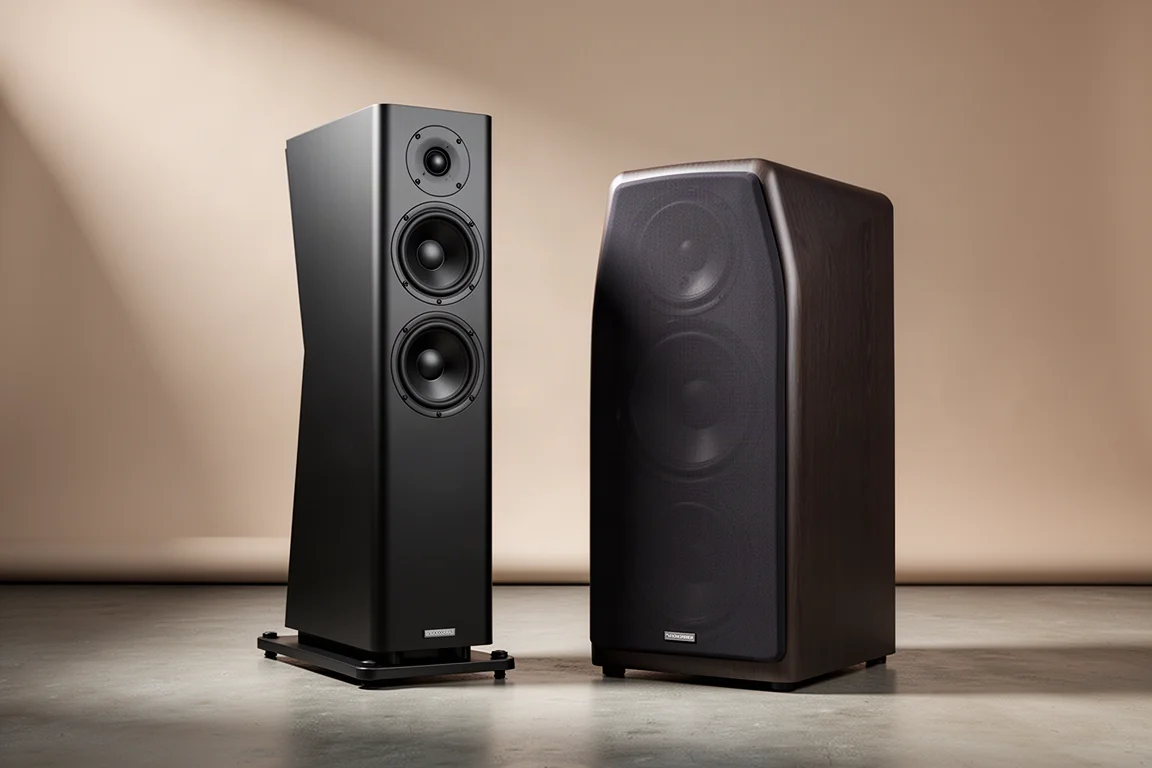
1723 THX Tower vs 1528 Bookshelf: Which Speaker Fits Your Room?
Two speakers at roughly the same price, built very differently. How the 1723 THX tower and the 1528 bookshelf compare on construction, bass, power needs, and sound.
Hi-Fi Speakers
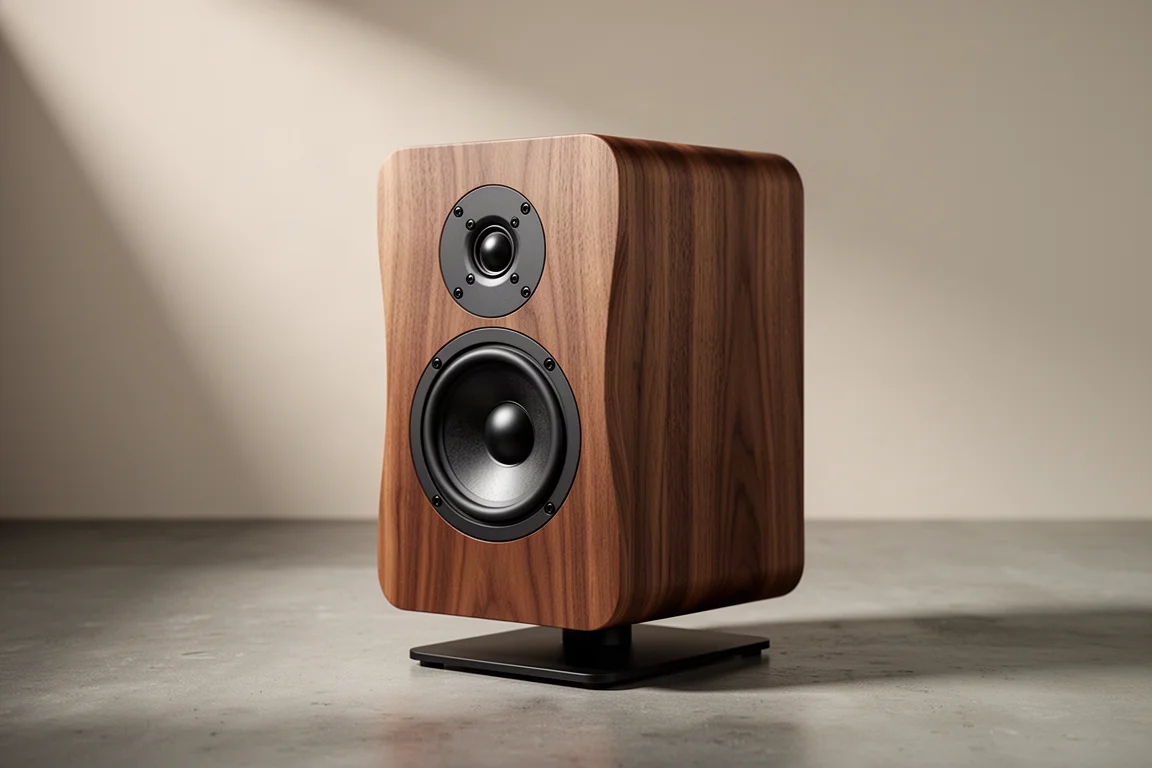
Acoustic Energy AE 300 Review: Deep Bass From a Compact Standmount
A two-way standmount with real wood veneer, surprising low-end weight, and a warm, easygoing character. Here is what to know before buying.
Hi-Fi Speakers
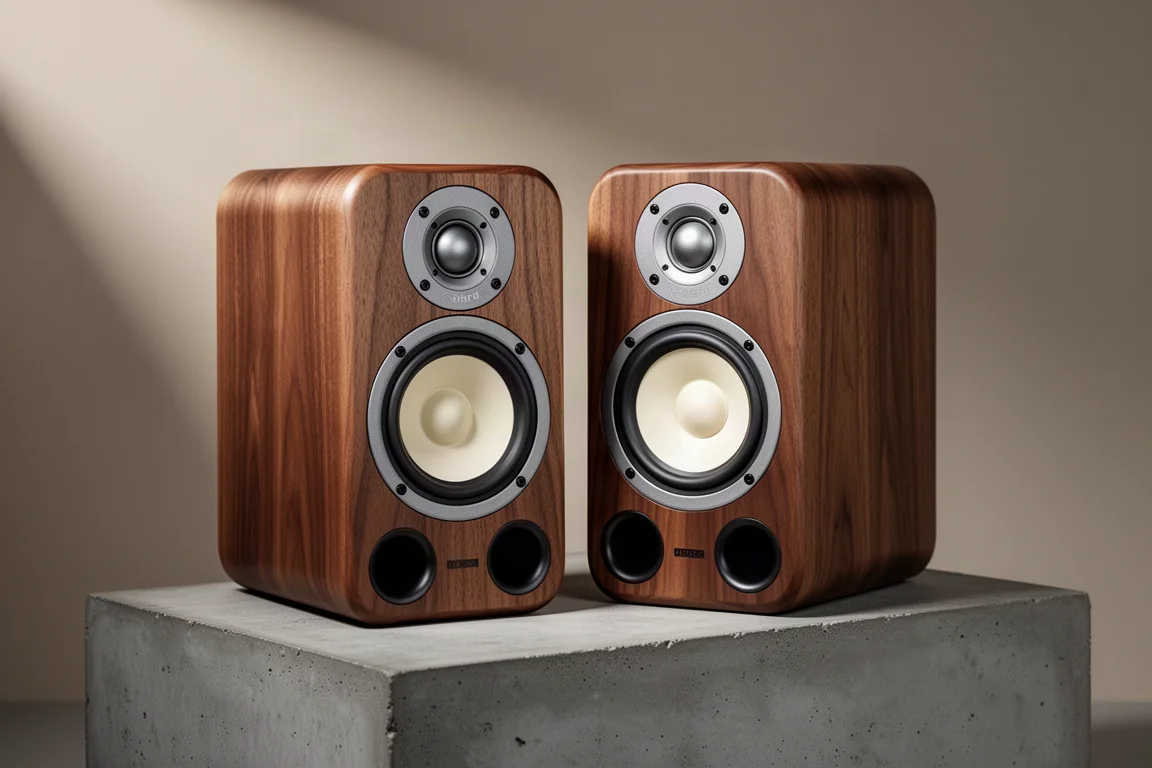
Acoustic Energy AE1 40th Anniversary Review: A Modern Take on a British Classic
A compact standmount that revives a 1980s favorite with all-new parts, a warm mid-centric balance, and a price of £1,499 per pair.