Hi-Fi Amplifiers
Creek 4040A Review: A Relaxed Class D Integrated Amplifier
A stereo integrated amplifier rated at 55 watts per channel into 8 ohms, with a distinctive Class D design, an easy-going sound, and a five-year warranty.
Introduction
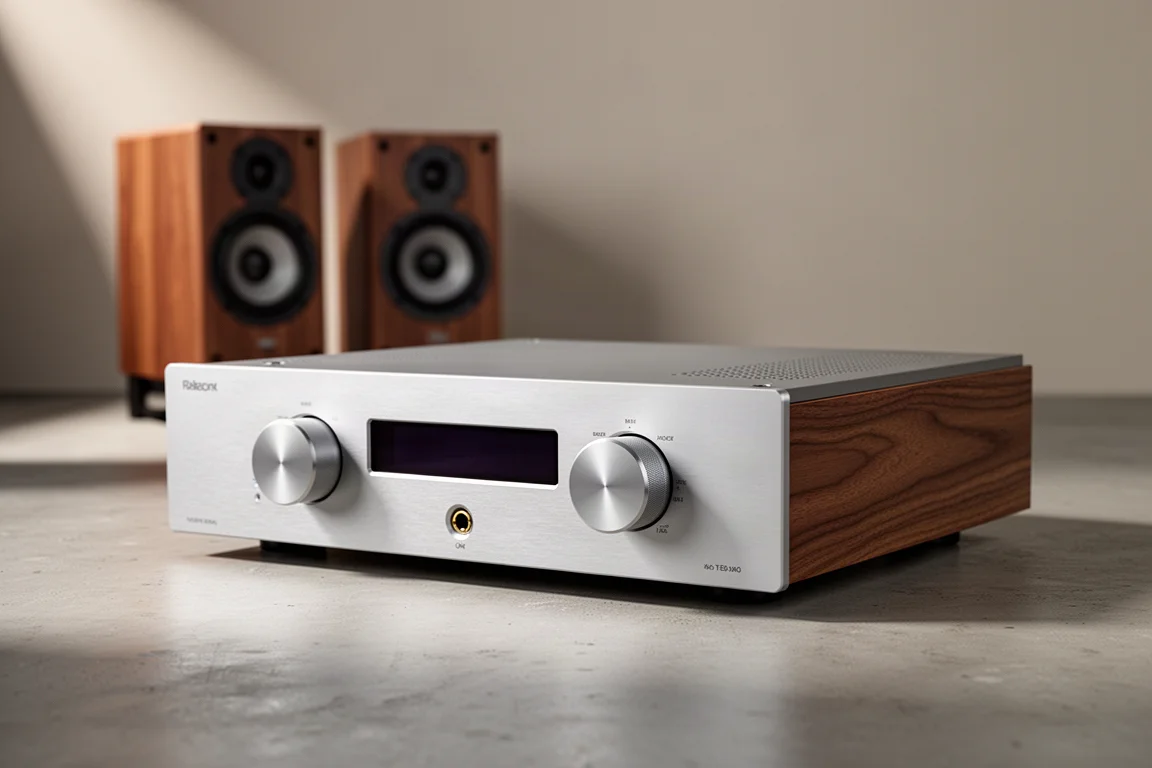
The Creek 4040A is a stereo integrated amplifier rated at 55 watts per channel into 8 ohms, with a higher output figure into 4-ohm loads. It is a Class D design, but it does not follow the usual playbook. Instead of a widely used off-the-shelf amplifier module, the 4040A uses a Class D module selected specifically for this amplifier, and that choice gives it a character of its own.
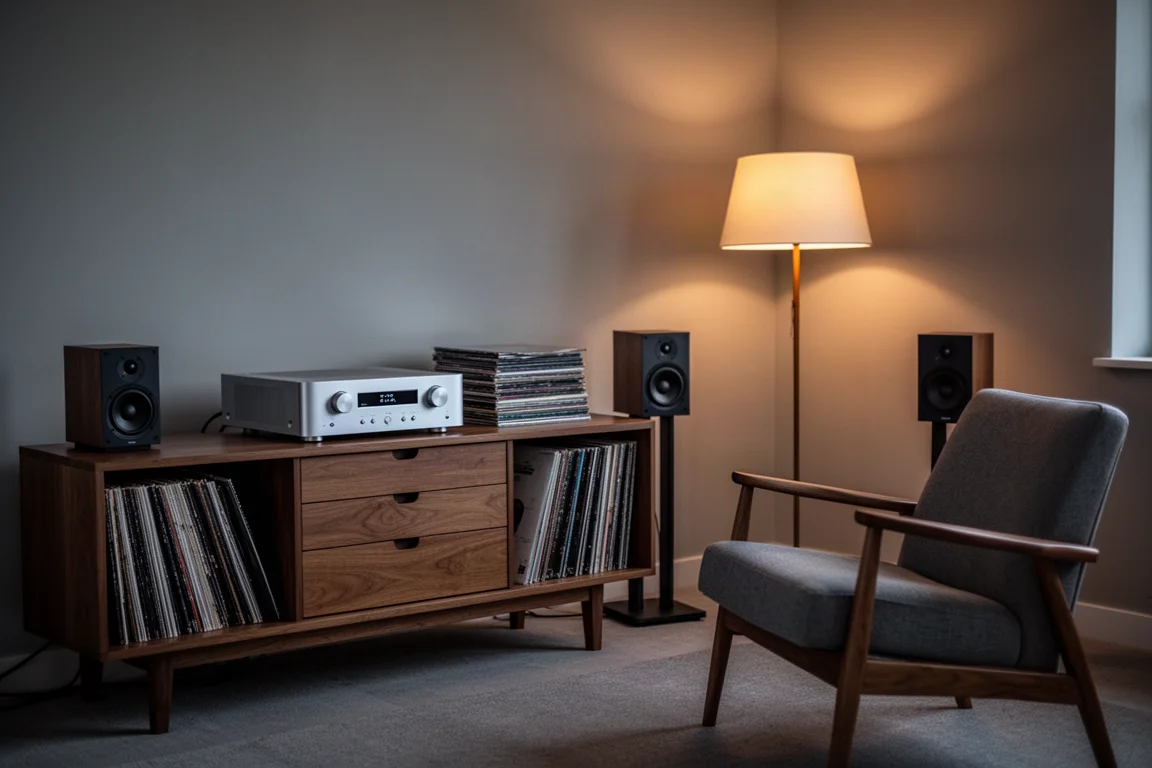
The price is $1,280, and Creek covers the 4040A with a five-year warranty. That is longer than the two or three years most consumer electronics receive, and it is a real part of the value here.
Who the Creek 4040A Is For
The 4040A suits listeners who want an amplifier they can leave running for hours. Its defining quality is ease. Nothing in the presentation pushes forward or demands attention, and the music simply settles into the room. That makes it a natural fit for people who listen while working, reading, or cooking, and for anyone building a first serious two-channel system.
It is also a sensible choice for owners of difficult loudspeakers. In one pairing it drove a Sound Artist LS3/5a, a speaker with very low sensitivity of 83 dB for one watt and high impedance, without strain. That is a useful indicator of how the amplifier handles demanding loads.
Compact stand-mount speakers are another good match. Paired with Klipsch RP-600M Mk II speakers, the amplifier and speakers together come in under $2,000, and the combination delivers more than that figure suggests.
Main Strengths
Sound quality, build, and a well-judged feature set are what carry the 4040A.
An Easy, Relaxed Sound
The 4040A does not sound like every other Class D amplifier. Its personality is calm and unforced, the kind of sound that lets an album run to the end without inviting a break. On rhythmic, percussion-heavy material it still has jump, but the appeal is less about excitement than about how easy it is to keep listening.
With the LS3/5a pair, the amplifier let the percussion move and made the session genuinely enjoyable. With the Klipsch RP-600M Mk II, more emotionally complex recordings came through with real weight, and the voices at the centre of the mix stayed present and immediate. A live big-band recording was reproduced with a convincing sense of a large hall and the space around the players.
The 4040A also revealed more of itself through a larger floorstanding speaker, the Zu Dirty Weekend 6. With its 10-inch full-range driver and separate tweeter, that speaker produced a bigger, more open presentation, with deeper bass and more extended highs, which made the amplifier’s own character easier to hear.
Build Quality and Controls
The chassis makes a strong first impression. The faceplate, the input selector, and the volume control all feel above average for the price, and the tactile weight of the two main knobs is a small but real pleasure in daily use.
The supplied remote is a different story. It looks and feels like plastic, so it does not convey the same sense of quality as the amplifier itself. It does work perfectly well for input selection and volume, and the volume ramp speed is well judged: it moves up and down at a rate that makes it easy to land on the level you want, which is not always the case with integrated amplifiers that use a remote.
Bass and treble adjustments and the display are also handled through the remote. Those tone controls can be bypassed, and the adjustments themselves are well behaved when you use them. The 4040A is available in silver or black finishes.
Inputs, Bluetooth, and Headphone Listening
On the back panel there is a set of XLR inputs alongside line-level inputs. One of the line-level RCA inputs can be converted to a moving magnet phono input, which is an optional extra rather than standard equipment.
Digital connectivity covers USB, coaxial, and optical inputs. Bluetooth 5.0 is included as well, and it sounded decent in use, more than adequate for background listening from a phone. There is also a 6.3 mm headphone jack on the front panel, which is preferable to the smaller 3.5 mm sockets found on many amplifiers, and the built-in headphone amplifier performed well with a pair of Sennheiser Massdrop headphones.

For most owners the practical result is a single box that can accept a CD transport, a phone, and a computer without extra hardware. A Cambridge CXC CD transport was the main source used throughout listening, and the digital inputs make the amplifier easy to slot into a modern system.
Things to Consider Before Buying
The remote is the weakest element of the package. It feels plasticky in the hand, and the small display used for tone and setting adjustments is tiny enough that you need to be close to the amplifier to read it. The display also dims or disappears in some conditions, which makes those adjustments less convenient than they could be.
The phono input is not standard. If you plan to run a turntable, factor in the optional moving magnet module, because the base configuration does not include it.
The tone controls are useful rather than essential. They can be bypassed entirely, which is worth knowing if you prefer the shortest possible signal path, but they are not a reason to buy the amplifier on their own.
Finally, the 4040A is a $1,280 amplifier, so it sits above entry-level pricing. The five-year warranty offsets some of that, and the build quality supports it, but buyers on a strict budget should weigh the cost against the speakers they intend to use.
Buying Advice
The 4040A makes the most sense for listeners who value long, unhurried sessions over analytical detail. If you have ever switched off an amplifier because the sound became tiring, this is the kind of component that solves that problem. It also suits anyone with low-sensitivity or high-impedance speakers who needs an integrated amplifier that stays composed under a difficult load.
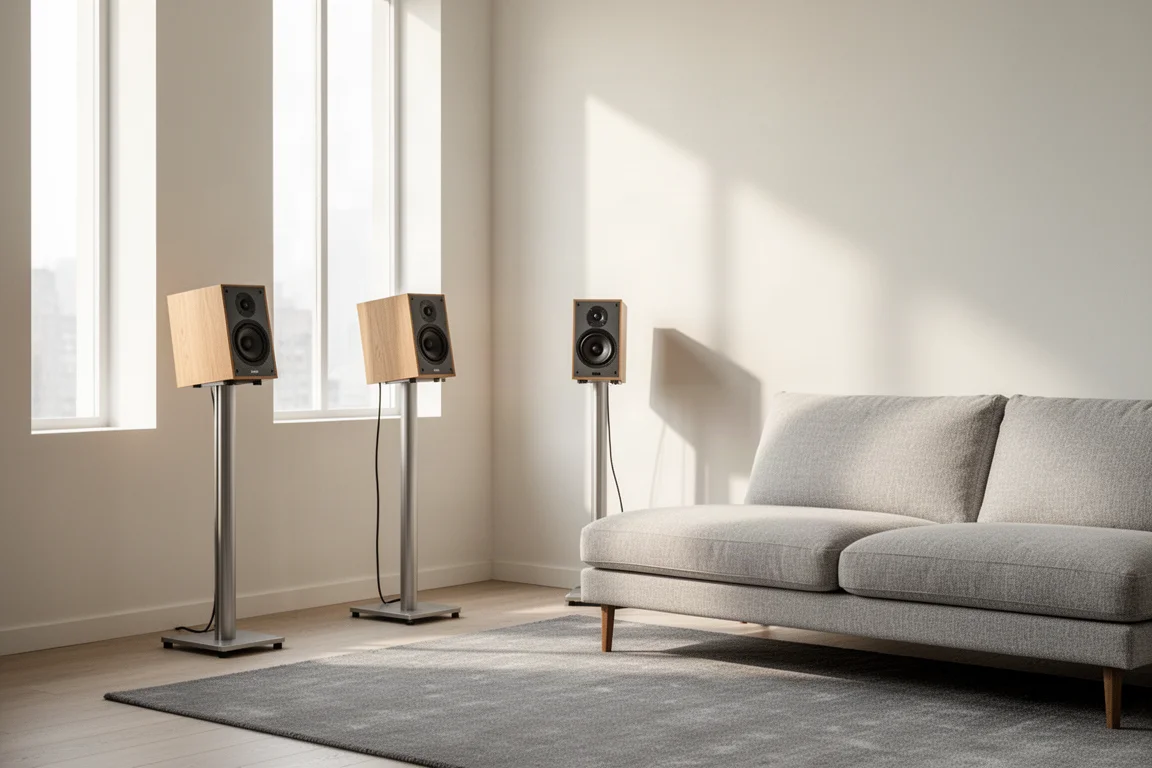
Pair it with speakers that match its character. Compact stand-mount designs such as the Klipsch RP-600M Mk II keep the total system cost under $2,000 while still delivering serious performance, and a larger floorstanding speaker such as the Zu Dirty Weekend 6 will show more of what the amplifier can do. Either way, the five-year warranty and the solid chassis give the purchase a reassuring foundation.
Conclusion
The Creek 4040A is an integrated amplifier built around ease. It has enough power for 8-ohm and 4-ohm speakers, a distinctive Class D design, a well-made chassis, and a feature set that covers vinyl, digital, Bluetooth, and headphones. Its weak points, mainly the remote and the small display, are minor next to what it does well. For $1,280 with five years of coverage, it is a considered choice for anyone who wants to listen for hours rather than in short bursts.
Product link
View more details for Creek 4040A
This product is mentioned in the review. Check the specifications, options, and compatibility before buying.
View more details for Creek 4040AFurther reading
Related Reviews
Hi-Fi Amplifiers
Accuphase E-280 Review: Entry-Level Accuphase With Flagship Attention to Detail
A close look at the Accuphase E-280 integrated amplifier, covering its champagne build, AAVA volume control, sound quality, and the speakers and sources that suit it best.
Hi-Fi Amplifiers
Advance Paris A10 Classic vs Yamaha A-S301: Two Integrated Amplifiers Compared
A practical comparison of a $350 integrated amplifier and a $2,500 reference model, covering the differences that matter and the ones that do not.
Hi-Fi Amplifiers
Affordable Chinese Amplifiers Worth Buying: Five Budget Hi-Fi Amps Compared
A practical look at five affordable amplifiers, what each one does well, and the trade-offs to weigh before you buy.