Backpacking Courses
Couch to Confidence Review: A Structured Backpacking Course for Beginners
An online backpacking course that turns a decade of trail experience into 18 videos and a 58-page workbook, currently offered at a $99 launch price.
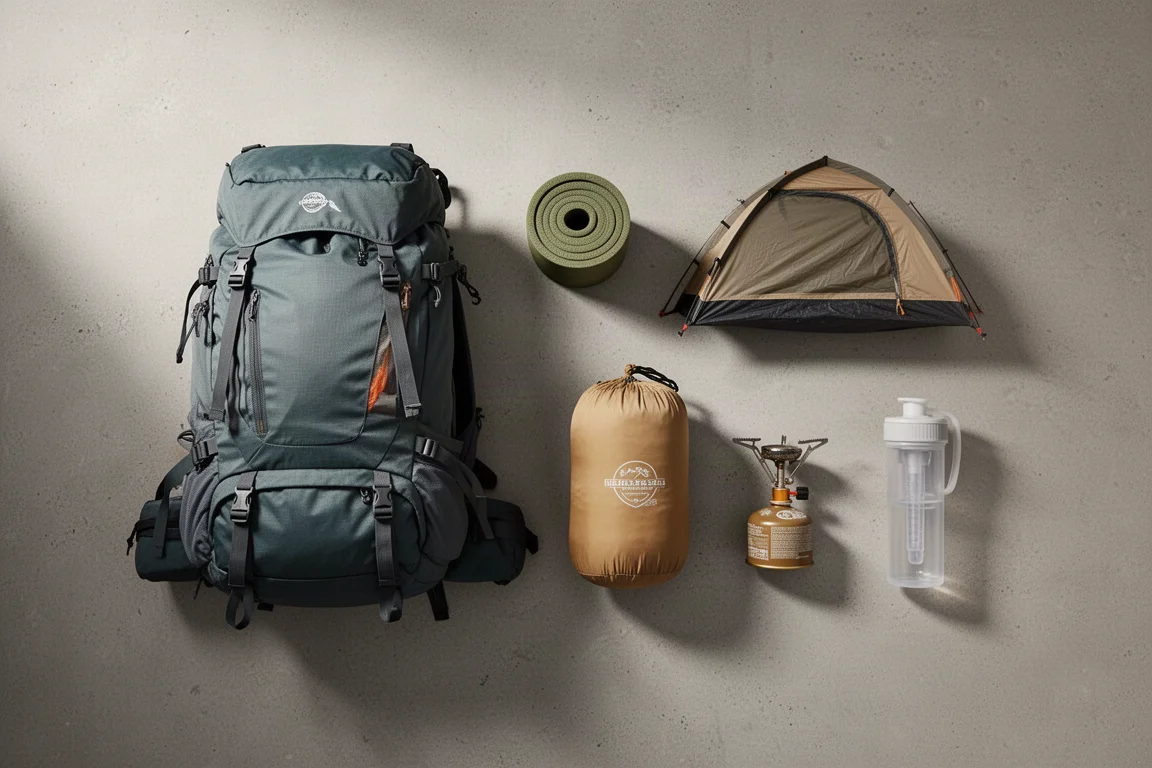
Introduction
Learning to backpack has very little to do with fitness and almost everything to do with a long list of small decisions that only reveal themselves once you are already out there. Which shelter suits the terrain you picked, where it is actually safe to drink, how much food to carry, how to manage hygiene far from a bathroom, and what to do about wildlife. Most beginners assemble that knowledge from scattered articles and forum threads, which is precisely the problem Couch to Confidence sets out to solve.
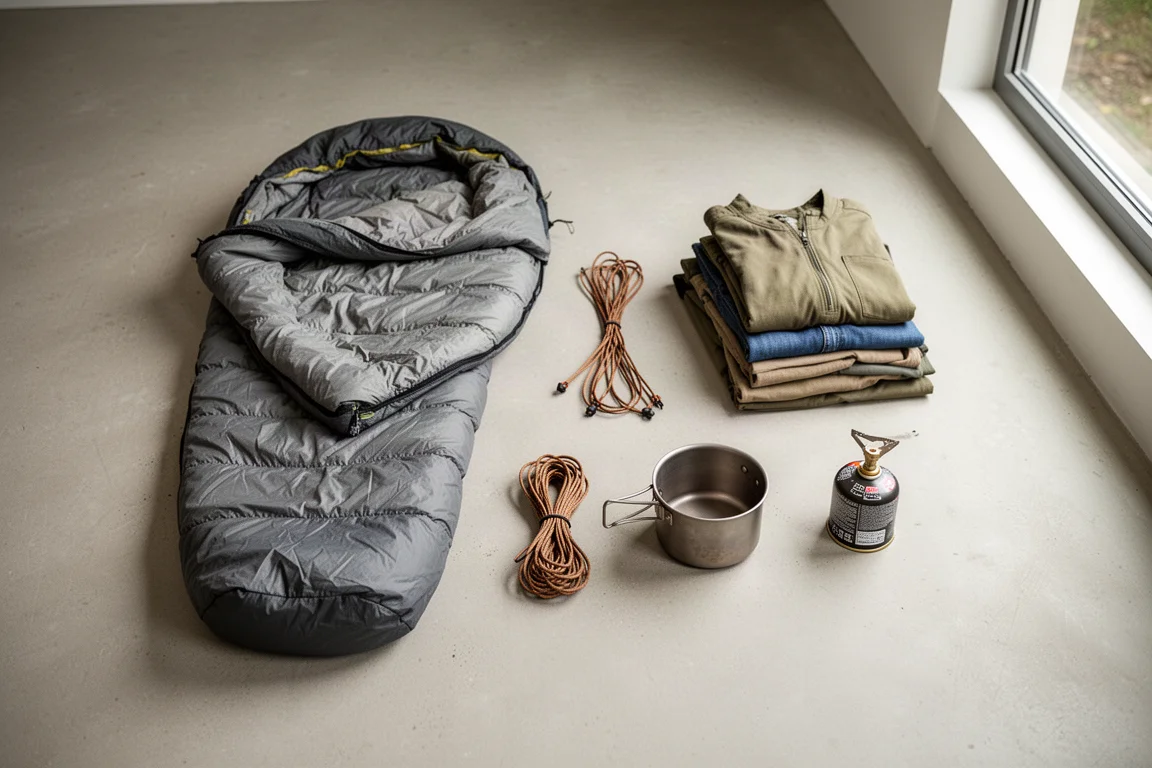
Couch to Confidence is an online course built by Dan Becker, who has spent roughly ten years backpacking and has filmed more than 400 instructional videos on the subject. Instead of sending learners down an endless research rabbit hole, it condenses that experience into a single, clearly ordered curriculum with an obvious starting point and an obvious finish line. For anyone who has been invited on a trip with only a few weeks to prepare, that structure matters as much as the content itself.
Who This Course Is For
This course is aimed squarely at people who are new to backpacking and want a reliable foundation before their first real trip. If you have ever stood in a living room trying to pitch a tent indoors because you were not sure how it worked, you are the intended audience. The material assumes no prior knowledge, including the vocabulary: terms like vestibule, which most beginners end up looking up in a dictionary, are explained in context rather than assumed.
It also suits a second, quieter group: people who have been “getting into backpacking” for months without ever committing to a plan. If your research has produced a browser full of tabs and no packing list, a structured course replaces that drift with a sequence you can work through in order. What it is not is a specialist course for experienced thru-hikers chasing advanced technique, and it is not a gear package. It teaches decision-making, not equipment.
What the Course Covers
The curriculum works through the practical skills that come up on a first backcountry trip. It covers how to choose the right gear rather than the most expensive gear, how to identify and set up a good campsite, and how to find water safely instead of guessing. It also addresses cooking food in the backcountry that is both easy to prepare and genuinely good to eat, protecting yourself from wild animals, maintaining proper hygiene far from facilities, and selecting a shelter that fits the conditions you expect.

The breadth is deliberate. Rather than going deep on a single discipline, the course is organised around the questions a beginner actually faces on the first few trips: what to bring, where to sleep, what to drink, what to eat, and how to stay comfortable and safe while doing it. That makes it a sensible starting point rather than a reference you would reach for after years on the trail.
How the Course Is Delivered
The material is delivered online and combines two formats. There are 18 videos filmed specifically for the course, walking through each topic in plain language. Alongside them is a 58-page workbook that Dan Becker wrote to accompany the lessons, giving the course a written structure that supports the video explanations rather than duplicating them.
Because everything is online, the course is self-paced. You can move through the lessons in the order presented, or jump to the topics that match the trip you are actually planning. For a beginner with a departure date a few weeks away, that flexibility is useful: the sections on gear and shelter can be worked through first, with the rest filled in before the trip.
Main Strengths
The strongest argument for Couch to Confidence is that it replaces information overload with a sequence. Ten years of backpacking experience and hundreds of instructional videos have been distilled into one curriculum, which means the learner is not left to judge which of a hundred conflicting opinions is trustworthy. The course has already made those judgements and explains them in plain terms.
The pairing of video and workbook is a genuine practical advantage. Watching a demonstration is useful for skills that are hard to describe, while the 58-page workbook gives you something to return to, annotate, and carry into planning sessions. Together they cover both learning styles without asking you to sit through hours of footage to extract a single answer.

It is also refreshingly specific about the topics beginners get wrong. Water sourcing, campsite selection, hygiene, and wildlife safety are the areas where improvisation tends to go badly, and each has a dedicated place in the curriculum rather than being mentioned in passing.
Things to Consider Before Buying
The main thing to understand is that this is education, not equipment. No gear is included, so the $99 launch price sits alongside whatever you plan to spend on a pack, shelter, and sleep system. Budget for both if you are starting from nothing.
Second, the course is self-directed. Eighteen videos and a 58-page workbook only help if you actually work through them, and there is no instructor checking in or grading your progress. Learners who prefer hands-on, in-person instruction with immediate feedback will find an online format less satisfying, however well organised the material is.
Finally, the $99 price is described as a limited-time launch offer. If you are considering it, that timing detail is worth factoring in, because the standard price after the launch period has not been stated. Read the current offer terms before purchasing rather than assuming the launch rate will still be available later.
Buying Advice
If you have a trip on the calendar within the next few weeks, the case for working through a structured course first is straightforward. The cost of one poorly chosen shelter or a single failed water decision usually exceeds the price of the course, and the lessons apply to every trip afterward. Beginners planning a first overnight or a first multi-day route will get the most out of it.

Approach it as preparation rather than entertainment. Set aside a few evenings, watch the videos in order, and fill in the workbook as you go, ideally with your actual trip in mind. Doing the work before you leave means the decisions on the trail are already made, which is the entire point of the course. Anyone whose interest is mostly in advanced technique or who already has several seasons of experience can safely skip it.
Conclusion
Couch to Confidence is a practical answer to a common problem: too much scattered information and not enough of it trustworthy. By packaging a decade of backpacking experience into 18 videos and a 58-page workbook, it gives beginners a clear path from curiosity to a confident first trip. At the current $99 launch price, it is a reasonable investment for anyone who would rather learn the essentials once, properly, than piece them together the hard way.
Product link
View more details for Couch to Confidence
This product is mentioned in the review. Check the specifications, options, and compatibility before buying.
View more details for Couch to ConfidenceFurther reading
Related Reviews

Backpacking Gear
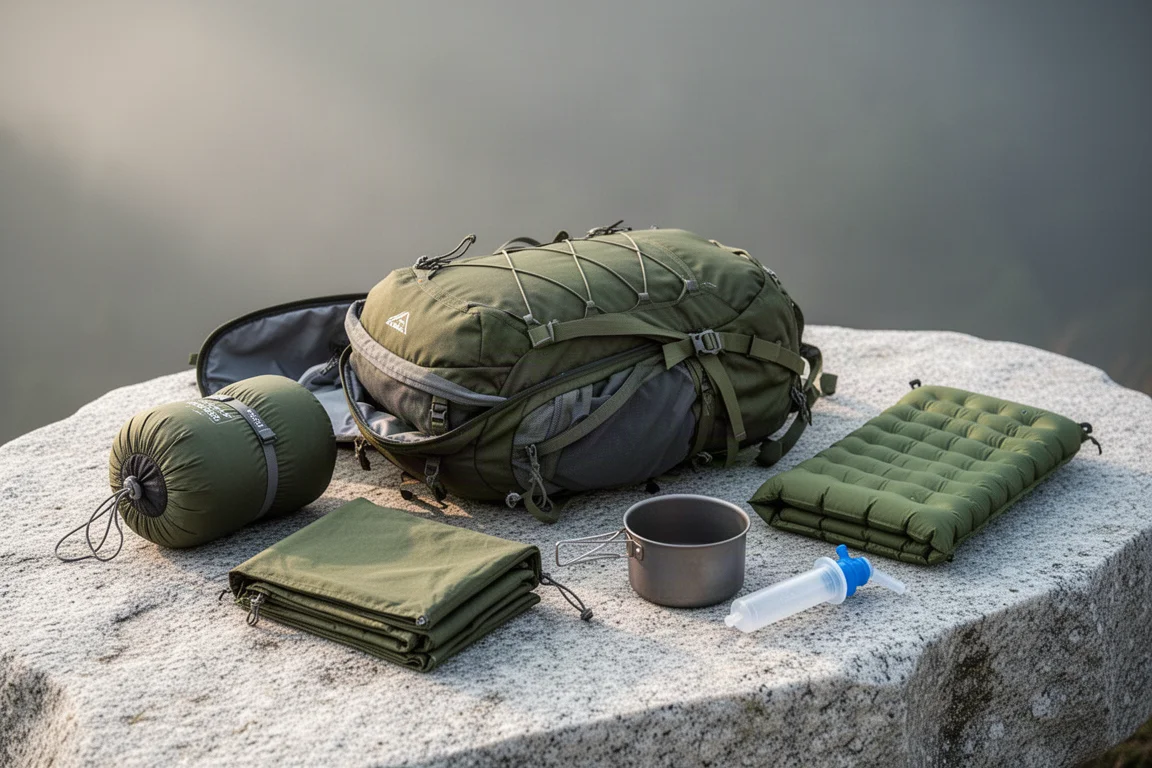
Building a 10 lb Base Weight: An Ultralight Backpacking Gear List
A practical walkthrough of the ultralight pieces behind a 10 lb base weight, from a 765 g pack and a roomy one-person tent to a full camp chair and a dependable water filter.
Backpacking Gear
A 15-Pound Lightweight Backpacking Gear List for Solo Trips
A beginner-friendly 15-pound backpacking setup built from easy-to-find gear, with notes on what each piece does, how it packs, and where to spend your attention.
Trail Running Gear
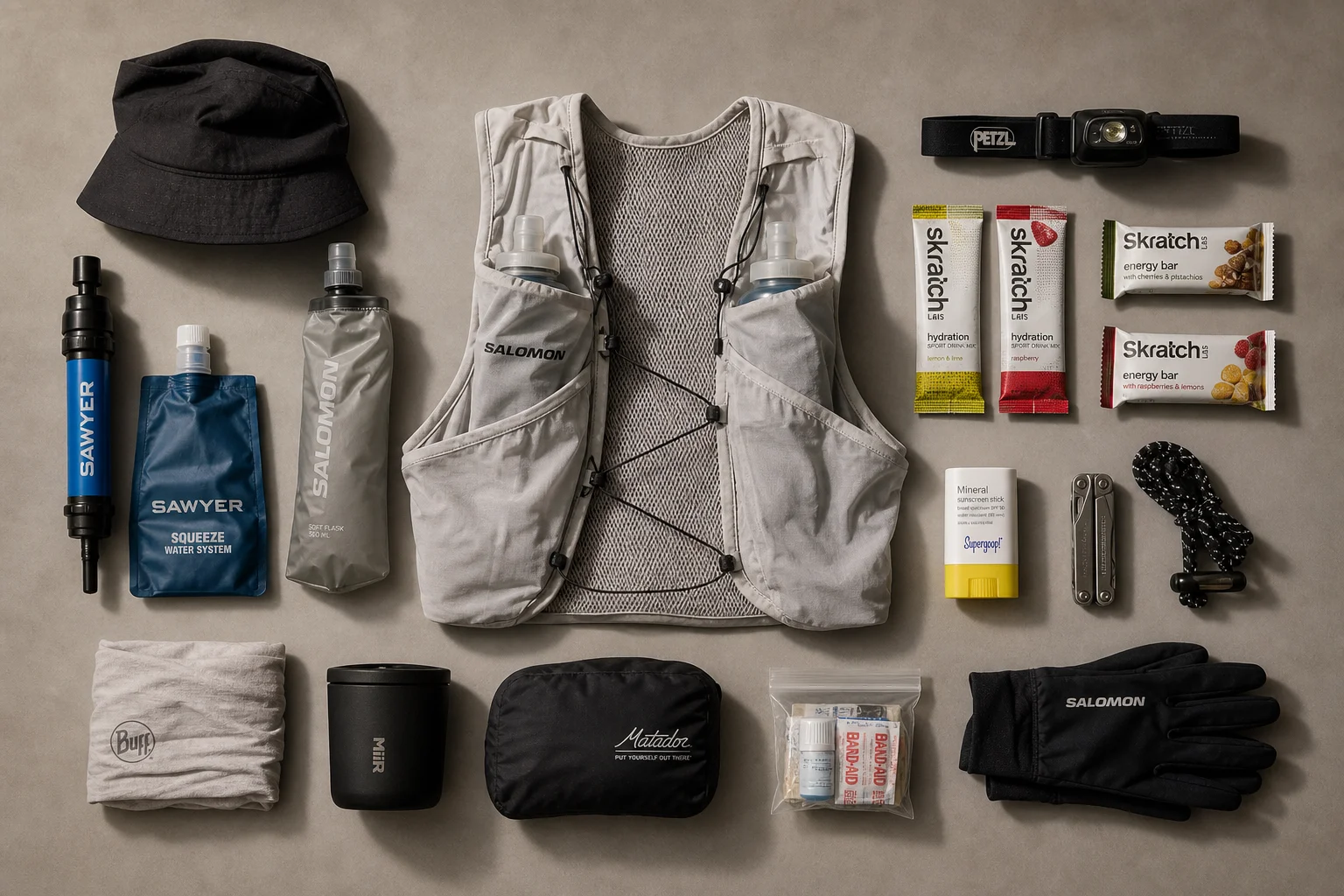
28-Mile Trail Run Pack Loadout: Ultralight Gear for High Alpine Self-Supported Running
A complete breakdown of gear, clothing, hydration, nutrition, and safety equipment for a 28-mile high alpine trail run with 7,800 feet of elevation gain.