Ski Resorts
Cortina d'Ampezzo Ski Resort Review: A 2026 Olympic Venue Worth the Hype?
An in-depth look at Cortina d'Ampezzo's terrain, snow reliability, lift system, and Olympic spotlight ahead of the 2026 Winter Games.
Introduction
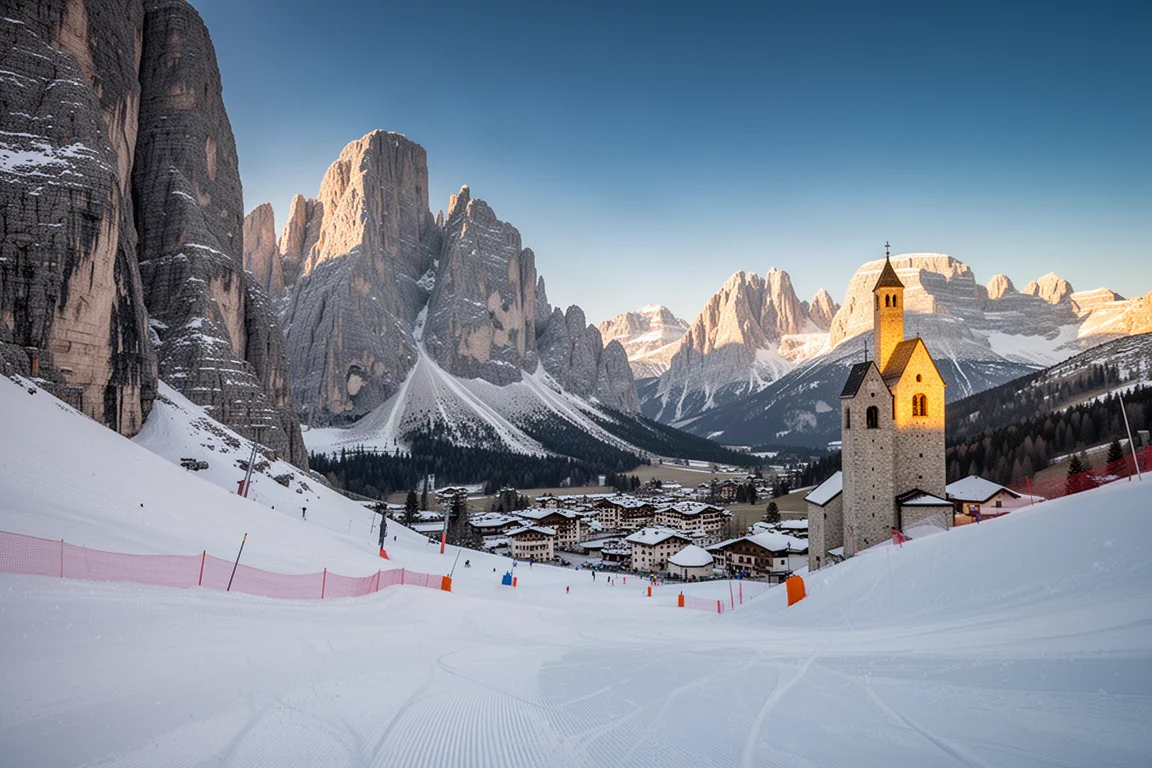
Few ski destinations have stepped into the spotlight quite like Cortina d’Ampezzo this winter. The Italian Dolomites resort is co-hosting the 2026 Winter Olympics, with a substantial number of alpine events taking place right on its slopes. That alone would draw attention, but Cortina’s towering rock faces, sense of scale across several valleys, and characterful town make it a destination worth examining on its own merits. This review breaks down the overall mountain experience, the terrain by ability level, snow reliability, lifts, crowds, and how Cortina stacks up in European rankings.
The Mountain Experience
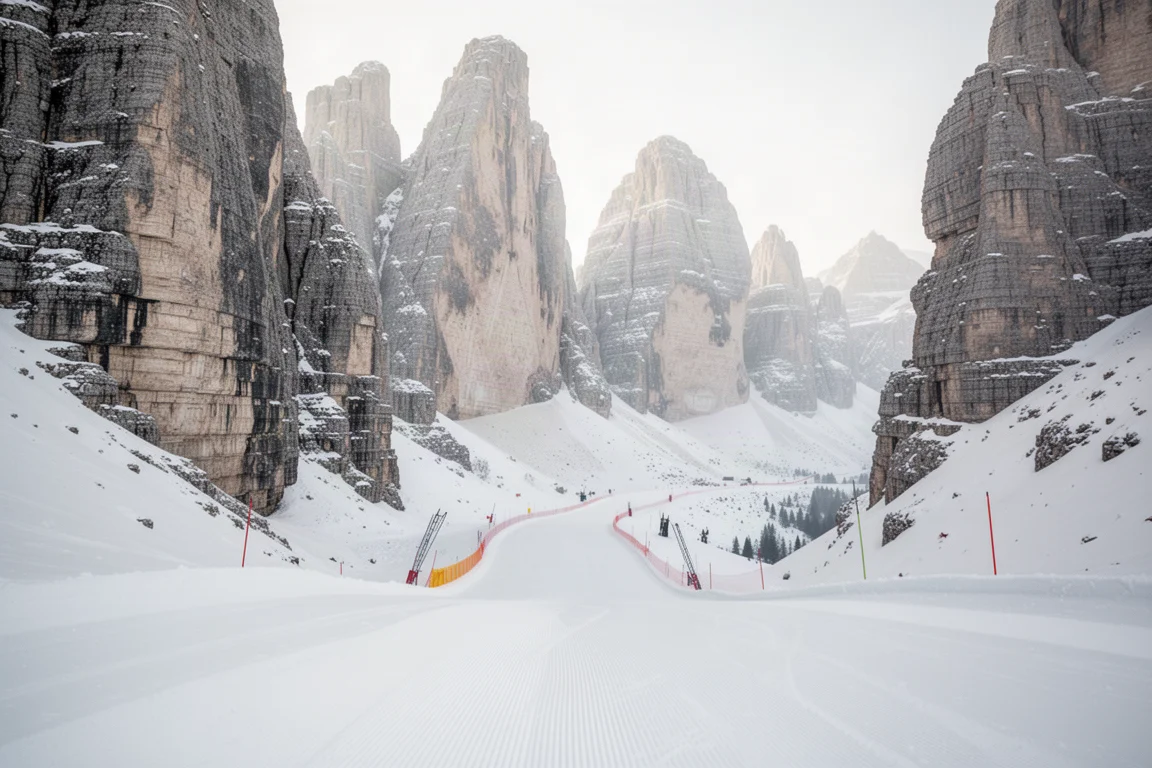
More than anything else, Cortina stands out for its aesthetic. The scenery is nothing short of spectacular. Skiing or riding here puts you right up against towering Dolomite rock faces, often much closer than at most other Dolomiti Superski resorts. These vertical walls frame the pistes and create some of the most dramatic mountain views you will ever ski or ride, and their topographical character produces some of the most unique ski slopes in the world.
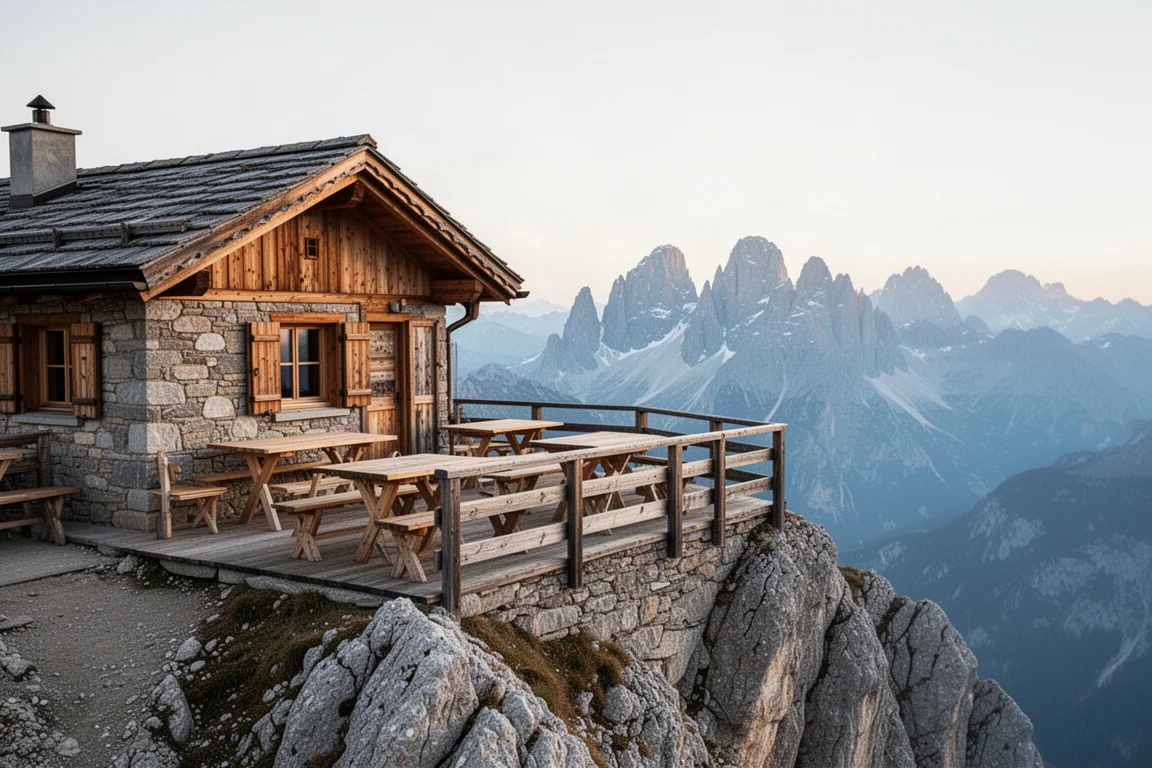
Italy’s ski resorts are known for their restaurants, and Cortina does not disappoint. Across the entire area you will find plenty of options for a long lunch or a quick espresso, with reliably excellent food quality and atmosphere. Prices at most restaurants are not too bad either, and coffee shops sit at most base lifts. Two stops deserve special mention: the mountain restaurant on Tofana, which sits atop a dramatic rock tower with a deck offering extraordinary views down onto the slopes and over the town, and the Lagazuoi refuge on the backside, the largest and highest hut in the entire Cortina region. Lagazuoi’s terrace delivers some of the most jaw-dropping views in the Dolomites, including iconic peaks dozens of miles away, and you can even reserve a private sauna visit with mountain views included.
Layout and Terrain Overview
Cortina sits within the larger Dolomiti Superski complex, and which parts count as the resort footprint is open to some interpretation. For this review, Cortina is treated as two distinct regions, Tofana and Faloria, each continuously lift-served but not connected to one another. Together they offer approximately 3,000 acres of skiable terrain across a deliberately disjointed layout.
Tofana is the primary side of the resort, spreading into multiple terrain pods with something for nearly every ability level. Groomed cruisers dominate the lower and mid-mountain, while upper sections deliver steeper pitches and spectacular views. The top section, known as Ra Valles, is perched above a dramatic rock face and heavily isolated; when conditions allow, guests can ski over 5,000 feet of vertical from the top back into town. Tofana also hides a faraway backside: a 15-minute skyline gondola ride leads to the Cinque Torri and Falzarego/Lagazuoi zones, which feel quieter and more remote and offer sweeping vistas of distant parts of the Dolomites. Combined, this continuously lift-served area gives access to about 84% of Cortina’s terrain.
Faloria, on the other side of town, skis more technical and big-mountain in character, though it is not nearly as big or tall as Tofana. The only way up from town is via a dramatic two-stage cable car with a unique pulse setup, and the slopes themselves are hidden from view, you cannot see Faloria’s runs from Cortina at all. You must also download the cable car at the end of the day to return directly to town unless you take a shuttle bus. Despite the shorter vertical, Faloria’s runs are longer and more sustained in pitch, with a rugged feel and excellent off-piste lines directly off the lifts.
A free shuttle bus is the only way to move between Tofana and Faloria, so plan your day accordingly, especially if you want to include the backsides of both mountains. With multiple days in the region, you should have no trouble covering most of the terrain.
Terrain Breakdown by Ability Level
Beginner options exist at Cortina, but as expected from an Olympic-caliber mountain, they are not the main draw. The steep, dramatic landscape limits truly mellow runs, and first-timers may find it tricky to move between areas without tackling at least some intermediate terrain. Less experienced guests should stick to the Tofana side, which offers strong beginner-level blue pistes at lower elevations plus some nice higher-elevation blues in the Cinque Torri area. A bunny hill near the Socrepes base serves true first-timers. Blue trails on the Faloria side are substantially more limited.
Intermediate skiers unlock the bulk of Cortina’s terrain. Tofana’s modestly steep mid-mountain makes for great red-rated cruiser runs, with the Pomagagnon area and the entire Faloria side full of runs at this level. These pistes are tailored for big sweeping turns and showcase why Cortina has a reputation for world-class carving terrain. Note that Faloria’s reds run steeper than Tofana’s, so riders progressing from blues should test their comfort on Tofana first.
The red runs are also where skiers gain access to some of Cortina’s truly iconic descents. The Cristallo side is home to the Rio Gull trail, which navigates several prominent rock walls while offering direct views of Faloria’s front side. The Croda Negra, Lagazuoi, and Armentarola pistes at Cinque Torri and Lagazuoi offer astonishing vistas while being boxed in by even more pronounced rock faces. The Armentarola roller coaster trail ends far from any lift in the Cortina complex, requiring a bus or taxi to return, or alternatively a 4-euro horse-drawn lift ride over to the Alta Badia ski resort. Despite the logistics, it might be the most beautiful piste in the entire resort. Three of these signature runs are part of an official ski tour route called Super 8, an eight-shaped loop, and they are among the longest runs in Italy, so come prepared for long descents.
Freestyle skiers will not find much here. Park features are minimal and not a priority, so those looking for jumps and rails should look elsewhere in the Dolomiti Superski network, let alone the greater European Alps.
Off-Piste and Advanced Terrain
Cortina has some truly incredible advanced and expert on-piste terrain, even if black runs are less extensively available than the reds. Both Tofana and Faloria feature black-rated pistes only on their front sides, but they are notably sustained, with longer descent lengths than many other Dolomiti Superski areas and quite consistent fall lines. Most blacks exist on the Faloria side, but experienced visitors should not leave without trying black number 51, Forcella Rosa, a steep gem plunging down the face of the Ra Valles massif and the only way down from Ra Valles without downloading the tram.
When conditions allow, Cortina may stand out most for its off-piste terrain. On the Tofana side, there are various areas to venture off the marked runs onto unmaintained slopes with couloirs, cliffs, and other technical features, most present in Ra Valles and Cinque Torri. These features are not marked and should be properly scoped out before attempting. Cinque Torri also offers off-piste skiing through interesting rock gardens. Faloria, however, is the place to be for lift-served off-piste: several couloirs and natural lines start right off the lifts, with a technical big-mountain sidecountry feel you would normally expect in far more remote terrain.
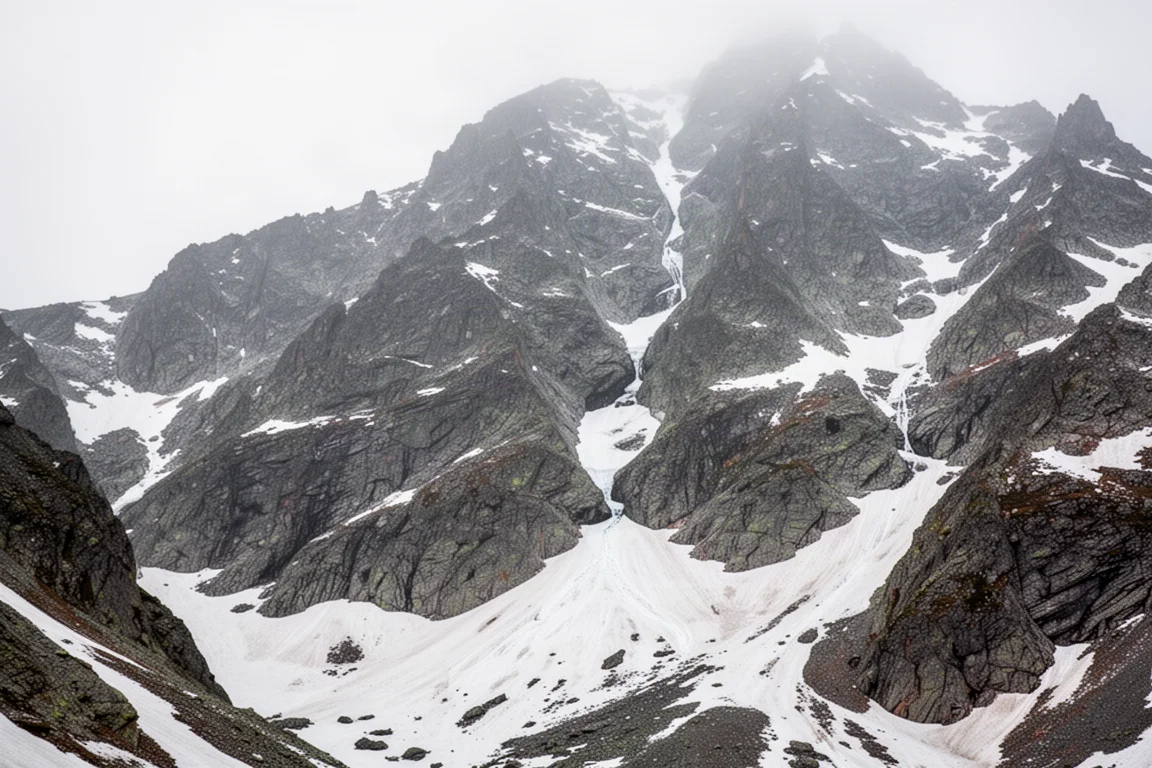
Interestingly, Cortina is not actually that popular for off-piste skiing, and it is common for snow to stay untracked for days even without recent snowfall. That said, any terrain outside a nearby slope’s bounds is true backcountry with no avalanche or hazard mitigation. You are on your own to assess conditions. Bring proper backcountry equipment, including a beacon, shovel, and probe, and if you are unfamiliar with the region or the equipment, hire a guide.
Snow Quality and Reliability
Cortina’s upper mountain snow quality is among the best in the Dolomites. While the region does not typically match the snowfall of the western Alps, higher elevations and northern aspects in key areas preserve quality snow when other Superski areas start to soften. Extensive snowmaking keeps slopes in good shape when nature does not cooperate.
That preservation does not translate to all slopes, however. The bulk of the Tofana front side faces east, and lower-mountain snow retention is, let’s say, fickle. Cinque Torri and front-side Faloria slopes mostly face north, which helps reliability there, but the main slope on the Cristallo backside faces directly south; in a bad snow year, the ground outside the run itself can be completely bare. Pistes in lower-mountain areas often close due to lack of snow cover, and guests may find themselves downloading a lift to exit the resort when good conditions would not require it. If a truly snow-secure vacation is your priority, especially for off-piste or fully skiable valley runs, other destinations may be slightly better choices.
Lifts, Crowds, and Navigation
Cortina’s lift network is modern and generally efficient, with some quirks. Lifts closest to town are high speed, and as of 2025, state-of-the-art 10-passenger gondolas serve both Tofana front-side bases. Over on the Cristallo side, the main chair features bubble cabins resembling spaceship pods, one of the more distinctive lift designs around. However, some lifts in less prominent areas, especially on the Cinque Torri side, are slow fixed-grip doubles and triples, and the lifts over the most dramatic rock faces, specifically Lagazuoi, the second leg to Ra Valles, and the ridge down from Faloria, are all low-capacity cable cars. Some RFID gates can also be finicky when loading, particularly for Ikon passholders, so wave down a resort worker if you have issues. Two lifts are permanently out of service: the Cima Tofana tram, a summer-only third stage of the Ra Valles tram, and the Forcella Staunies lift at Cristallo, which closed about a decade ago with no replacement.
Cortina handles crowds reasonably well in most areas. The large footprint and multiple terrain pods help spread skiers out, and while high-traffic groomers can get busy on peak weekends, congestion is manageable compared with many other marquee European resorts. The big exception is the Lagazuoi tram: this 50-person cable car gets quite packed even on weekdays, and you should budget at least half an hour for the queue. Other trams can have issues at peak times too, but not as badly.
Navigation has its share of annoyances. Within a single terrain pod, signage is straightforward. But moving between areas takes planning. The skyline gondola linking Tofana to Cinque Torri, built in 2021 as the first lift-served link between the two, has a loading area that is out of the way for much of the Tofana footprint, requiring most guests to ski all the way down to the Socrepes base. The new Socrepes gondola this year replaces two quad chairs, though its loading area is a bit more out of the way than the lift it replaced. Moving from the Ra Valles terrain to the rest of the mountain is also tricky if you cannot ski black runs: the only non-steep option is downloading the tram. Even the black number 51 trail itself is hard to find, with an indicator sign right after the tram top but no directional signage where it diverges from the number 49 blue run back to the quad, which unfortunately you cannot ski out of.
The 2026 Olympics Effect
The most tangible change for skiers is the new 10-passenger gondola out of the Socrepes base. Beyond that, the biggest update is the completion of the rebuilt Cortina sliding center for bobsled, skeleton, and luge events, reviving a storied venue dormant for years. While it does not directly alter the downhill experience, it has brought increased infrastructure investment to the broader resort footprint, including road work, street signage improvements, and town-level upgrades aimed at handling Olympic-scale crowds.
Visitors during the Olympic competition window should expect a notably different experience from a normal season. Portions of the Tofana side, including some of the most iconic competition slopes and the lifts that primarily serve them, will be out of service to public skiing while events are underway. Large parts of the surrounding network, including Faloria, Cristallo, Cinque Torri, and Lagazuoi, are expected to remain mostly or fully open.
The Olympic spotlight is likely to bring increased visitation, much higher lodging demand for the upcoming winter, busier transport infrastructure, and a generally livelier town atmosphere. On the flip side, visitors will probably benefit from improved shuttle operations, heightened service levels, and a more polished overall presentation as Cortina puts its best foot forward on a global stage. Many of the excess visitors will be there to spectate rather than ski, so the incremental crowd will not automatically translate into heavy lift traffic in non-event sectors.
Passes, Getting There, Lodging, and Après-Ski
Cortina is part of the broader Dolomiti Superski network and is included on general Dolomiti Superski pass products. It is also a partner on the Ikon Pass, with five or seven days of access shared with the rest of the Dolomiti Superski network depending on your pass level. It is not part of the day-ticket-like Ikon Session Pass.
The resort is not as convenient as destinations with direct rail, but it is easily reachable by car or bus from major northern Italian cities and airports. Venice is the most convenient airport for most international travelers, just over two hours away by car or bus. Innsbruck, Austria is about three hours away, and Milan and Munich are each about four and a half hours, though public transportation from those cities is much less accessible. If you are not staying directly in the town of Cortina, a car is highly recommended. Parking is generally available at all base areas, though arriving early on weekends is a good idea. There is preferred parking surprisingly far up the mountain near the base of the Piana Tofana high-speed quad, but at that lot and the one serving Faloria from town, you have to pay to park.
For lodging, the town of Cortina offers a wide range of accommodations, from small family-run pensions to high-end hotels, most a short shuttle ride from the slopes, with plenty of classic Italian alpine character alongside modern comforts. You can also stay directly on the mountain: several refuges offer slopeside or mid-mountain accommodation, often reachable only by lift and typically packaged with meals and other amenities, in something of a cruise-ship model.
The après-ski scene leans classy but not rowdy. On-mountain establishments offer casual drinks on the slopes, and town has lively cafes, nice restaurants, and standout wine bars, plus unique Italian charm in its stores, art galleries, and museums. Do not come expecting slopeside dance parties or an extensive nightclub scene; resorts in France, Switzerland, and Austria will be better in that respect.
One-day adult lift tickets range from 72 to 80 euros for Cortina-only access, rising to 77 to 86 euros for the full Dolomiti Superski network, which can be useful if you want to venture to Alta Badia or another resort during your day. That puts Cortina comparably priced to many other marquee European resorts and substantially cheaper than most American destinations of this caliber.
How Cortina Ranks in Europe
Since the greater Tofana complex and Faloria are physically separate areas, each is scored individually across ten categories. For snow, Cortina scores a 6 for both sides: retention is quite respectable for Italy in upper-mountain areas, but competing mountains elsewhere in the Alps see higher snow quantities. Resiliency also lands at a 6 overall, reflecting an impressive snowmaking arsenal that generally gets most pistes open, but variable south-facing and lower-mountain areas and hit-or-miss off-piste conditions.
For size, the Tofana complex spans approximately 2,500 skiable acres and scores an 8, while the Faloria complex, at about 495 skiable acres, scores a 3. Terrain diversity is a 7 for Tofana and a 4 for Faloria, reflecting a run selection that is more biased toward intermediates and groomed-terrain lovers than everyone else. Challenge scores 6 for Tofana and 7 for Faloria, which has steeper overall trails and more reliable lift-served off-piste.
Lifts score a 7 overall, thanks to a generally modern network near town and some recent improvements, though remote areas could use upgrades. Crowd flow scores 6 on the Tofana side and 8 on the quieter Faloria side, with the Lagazuoi tram queues carrying the unorganized chaos typical of Italy.
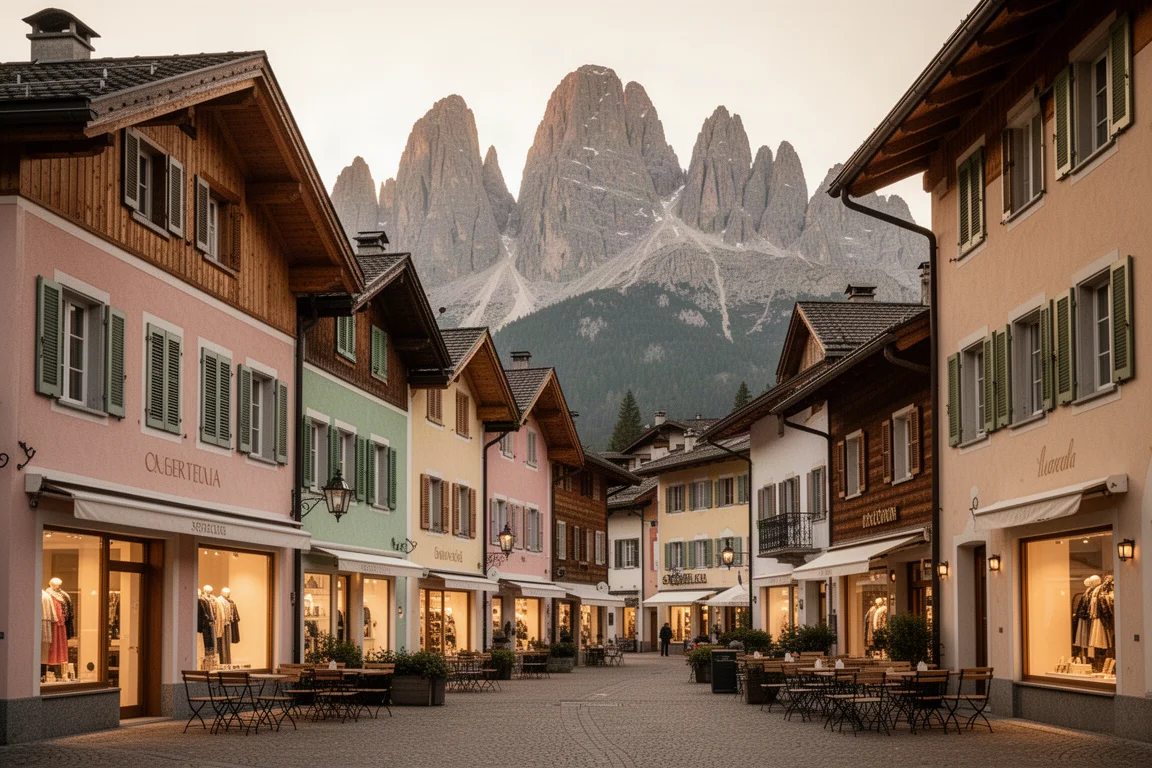
Facilities are where Cortina shines: the Tofana side earns the highest score of 10 for its world-class on-mountain restaurant scene, while Faloria scores an impressive 8. Navigation scores 5 for Tofana, given the quirks of moving between pods, and 8 for Faloria, which is much harder to get wrong. Finally, mountain aesthetic earns a perfect 10 for Tofana and a 9 for Faloria, a backdrop of some of the most beautiful skiing and riding in the world.
These categories add up to an overall score of 71 for the greater Tofana complex and 66 for the Faloria side, placing them strongly against other European ski destinations. Cortina is not as snow-secure, big, or challenging as the best in Europe, but it is hard to beat for its unparalleled views and incredible restaurants, and despite a disjointed layout, it remains far easier to get around than some of the worst offenders in Europe.
Conclusion
If you are looking to knock a bucket-list destination off your roster, Cortina d’Ampezzo will not disappoint. Its quirks, from fickle lower-mountain snow to a disjointed two-mountain layout, are real, but the combination of iconic groomed terrain, extraordinary on-mountain dining, and one of the most dramatic alpine backdrops anywhere makes it a standout, Olympic year or not. Just plan your days around the shuttle schedule, watch the Lagazuoi tram queue, and save the Armentarola run for a clear day.
Product link
View more details for Cortina d'Ampezzo
This product is mentioned in the review. Check the specifications, options, and compatibility before buying.
View more details for Cortina d'AmpezzoFurther reading
Related Reviews
Ski Resorts
Alyeska Resort Review: Alaska's Largest Ski Resort, Worth the Journey?
A deep look at Alyeska Resort: heavy snowfall, expert terrain, an Icon Pass connection, and the trade-offs of a near-sea-level mountain in the Last Frontier.
Ski Resorts
Bear Valley Ski Resort Review: Northern California's Quiet Sierra Alternative to Tahoe
A lesser-known Sierra resort with over 1,300 skiable acres, surprisingly strong expert terrain, and crowd levels Tahoe can only dream of. Here is what to know before you go.
Ski Resorts
Colorado Ski Resorts Ranked: The Best Destination Mountains for Overall Experience
A ranked guide to Colorado's destination ski resorts, covering terrain, snow, logistics, crowds, and cost so you can pick the right mountain for your trip.